
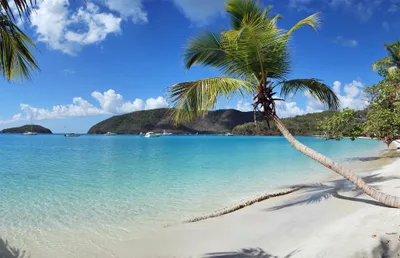
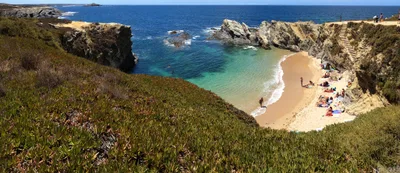
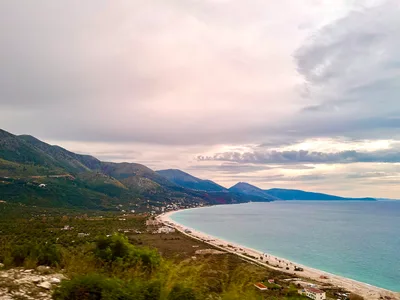
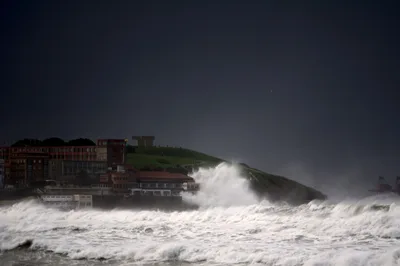
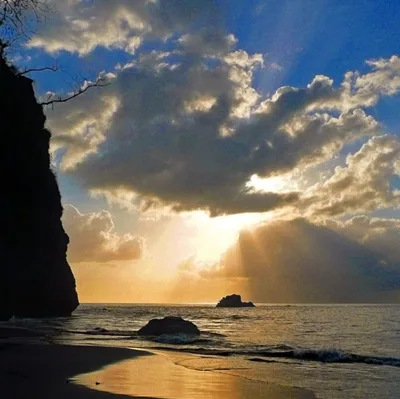
 758 beaches
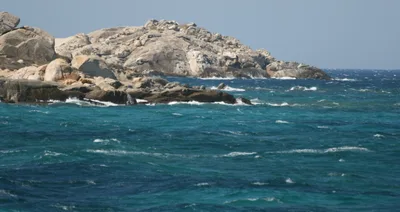
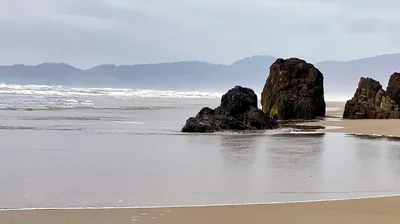
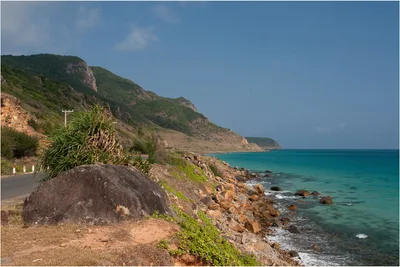
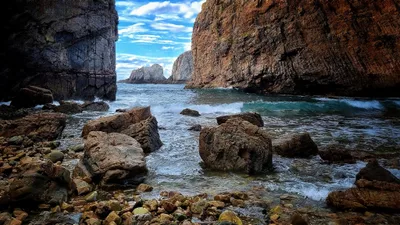
Wind-battered cliffs, black sand, tricky access. Beaches where no one's stuck an umbrella in the ground yet.
2,254 beaches · 122 countries
Beaches by vibe, surf, season and region.
Where Is My Beach is a global beach atlas: 2,254 verified spots across 122 countries, rated for digital nomads, surfers, and off-the-beaten-track seekers. An editorial guide, not just another list. Browse iconic shores from Hawaii, the Caribbean and Australia to hidden Mediterranean coves — each rated for vibe, surf, water temperature and Wi-Fi.
A personalised poster of their beach — real coastline, their date, their words. Poster or instant PDF.
758 beaches
Wind-battered cliffs, black sand, tricky access. Beaches where no one's stuck an umbrella in the ground yet.
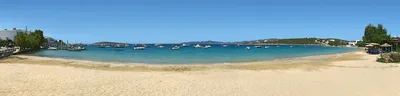 132 beaches
Low light, low crowds, high peace. For those who want golden hour without the Instagram queue.
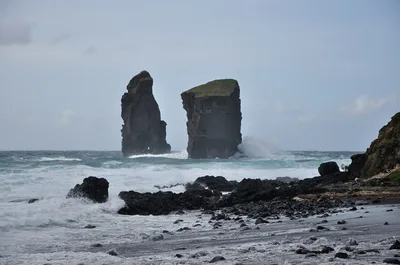 289 beaches
Consistent swell, 1.5m+ waves, legit breaks. For surfers who want facts, not vibes.
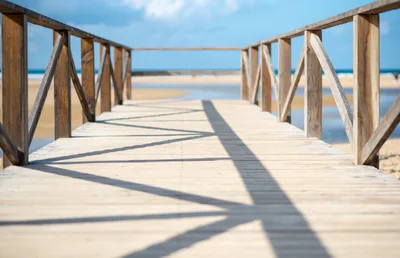 296 beaches
Tested WiFi, cafés with plugs, stable signal. Work with an ocean view and zero connection regret.
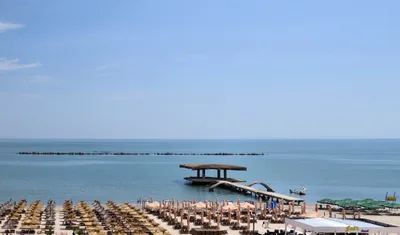
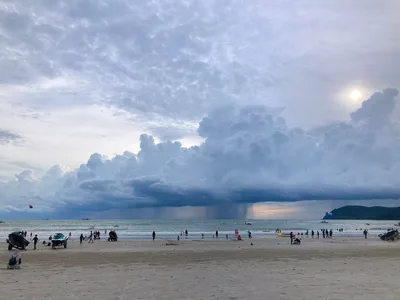

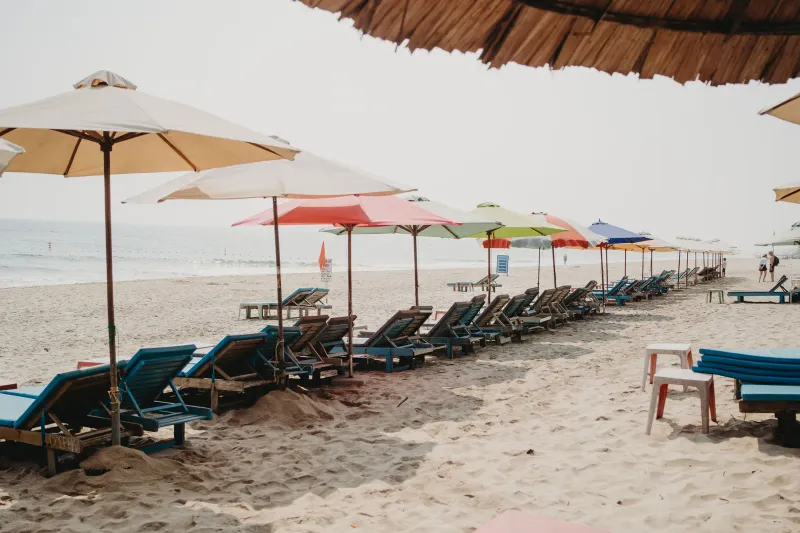
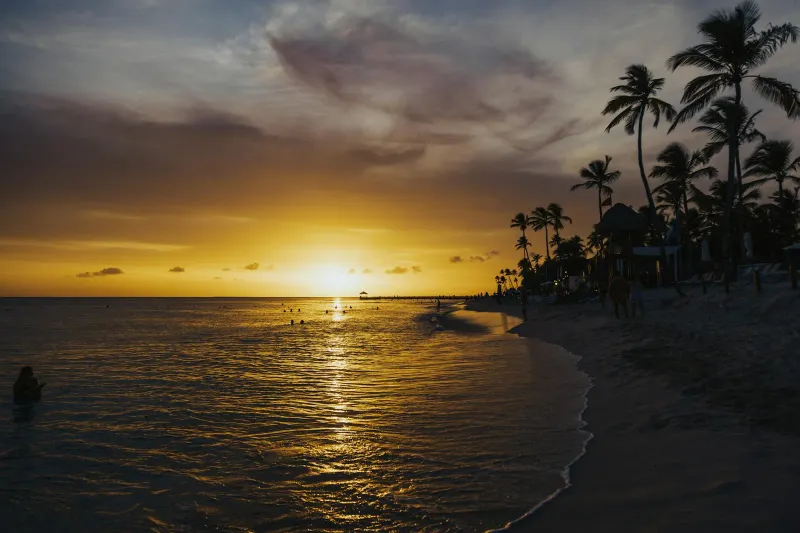
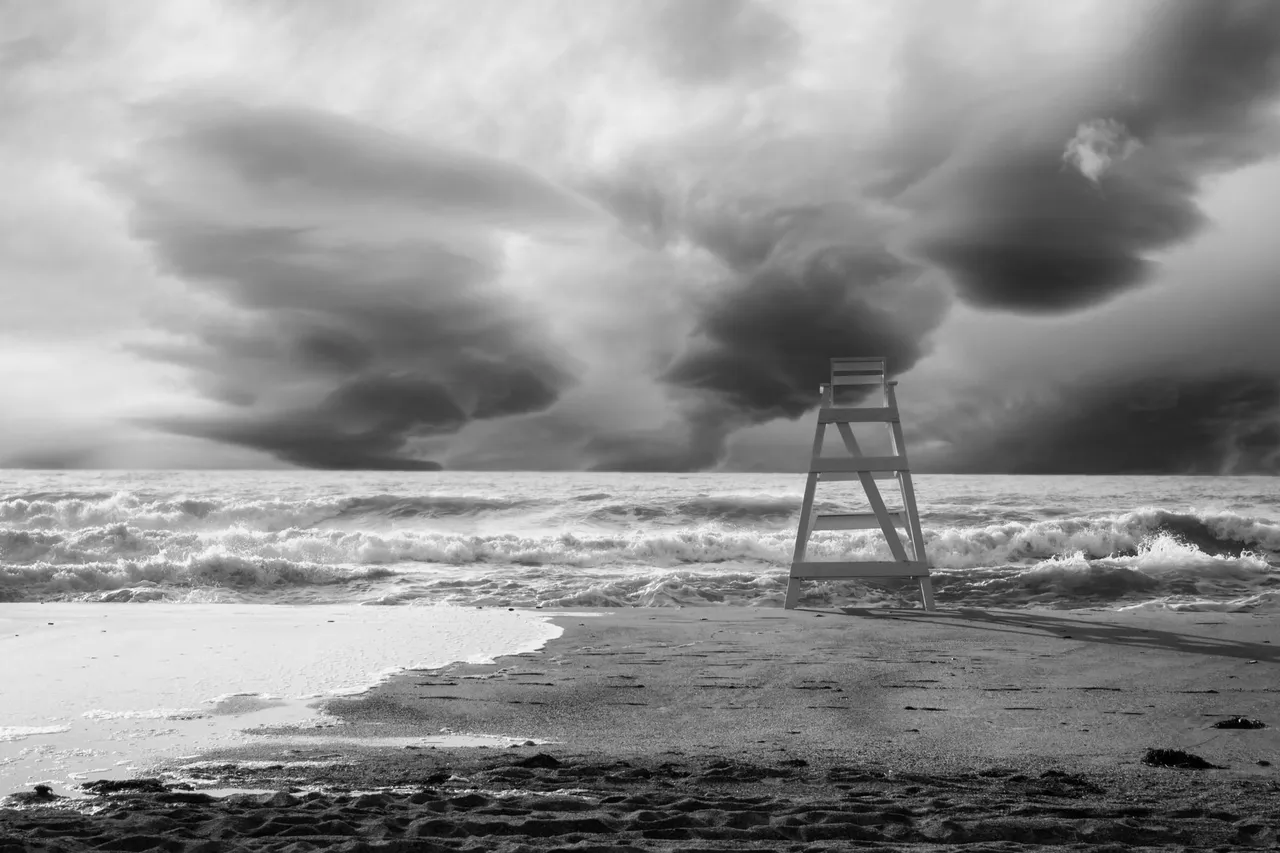
JERSEY SHORE / NEW YORK — It's the great paradox of late August on the US East Coast: the water's the warmest it's been all year, Labor Day weekend (Monday, September 7) is shaping up to be packed… and lifeguard chairs are emptying out one by one. The reason is pretty simple: in the US, lifeguards are mostly college students, and college is back in session.
The numbers from New Jersey are staggering. Sandy Hook has wrapped up surveillance for the season entirely. Seaside Park has had unguarded beaches since August 18. Sea Isle City, Ship Bottom, Wildwood, and Cape May City are only staffing some of their posts. North Wildwood is now publishing a named list of the few chairs still covered through September 7 — 1st & Surf, 6th, 8th, 10th, 12th, 14th, 15th, 18th, 19th, 22nd, 24th, 25th — from 10 a.m. to 5:30 p.m., and nothing outside those hours.
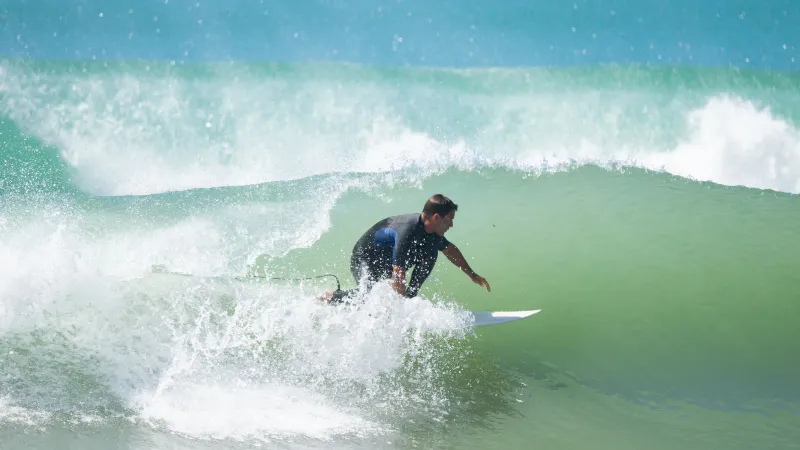
Meanwhile, the ocean isn't taking a break. In early August, New York City officials flat-out banned swimming at Coney Island, Manhattan Beach, Rockaway, and four Staten Island beaches: the National Weather Service had flagged a high risk of rip currents with waves running 1.5 to 2.1 metres. Only Orchard Beach in the Bronx stayed open.
The statistics explain the caution. Over twenty years of US data, rip currents account for 81.9% of rescues on surf beaches (from 75.3% on the East Coast to 84.7% on the West Coast), and researchers estimate they kill more than a hundred people every year. On the flip side, the United States Lifesaving Association puts the drowning risk at a lifeguarded beach at 1 in 18 million. All the difference comes down to someone sitting in that chair.
The National Park Service puts it bluntly: "Swimming when lifeguards are not on duty is DANGEROUS… Drowning can occur within seconds."
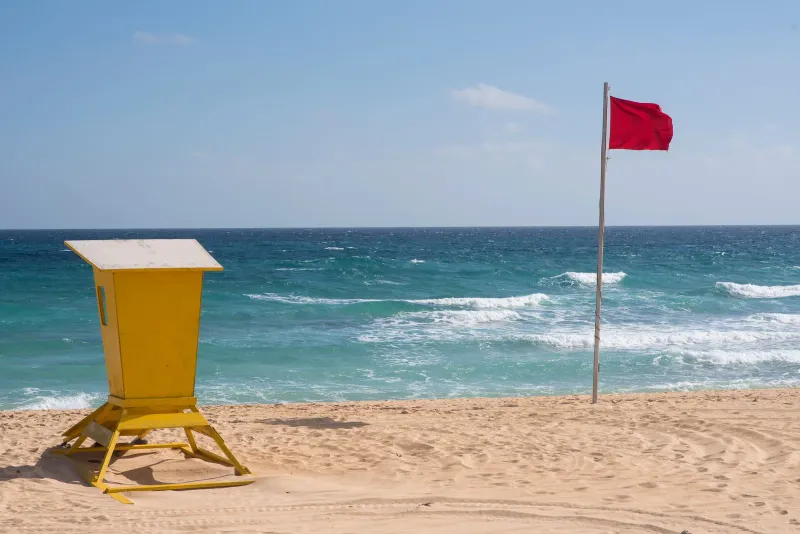
The rule to remember applies everywhere, not just in New Jersey: no flag doesn't mean no danger — it means no one's watching. And if a rip current catches you, don't fight it — float, catch your breath, then swim parallel to the shore to get out of the channel.
Beachdle: one beach photo a day, same for everyone — guess the country in 6 tries, share your emoji grid, keep your streak. Plus six tiny arcade games for the ferry queue.
Play today's beachWhere Is My Beach covers 2,254 verified beaches in 122 countries — from Hawaii and the Caribbean to Australia and the Mediterranean. Each is rated for vibe, surf, water temperature, crowd levels and Wi-Fi, so you can match a beach to your trip in seconds.
Filter for consistent swell and 1.5m+ waves. Hawaii (Oahu, Maui), Bali, Portugal and the Australian coast lead the list, and every surf beach shows wave size and break type — not just a label.
Look for tested Wi-Fi, cafés with power outlets and a stable mobile signal. Popular nomad bases include Bali, the Canary Islands and Madeira; we score connectivity, cost and long-stay friendliness for each beach.
It depends on the sea. The Mediterranean peaks June–September, the Caribbean shines in winter, and Southern-Hemisphere coasts like Australia are warmest December–February. Each guide lists the best months and water temperature.
Every beach is verified and editorially rated by hand — not auto-scraped. We track vibe, surf, water temperature, crowd levels, beach type and digital-nomad readiness, refreshed with live weather and a 3-day outlook.