Kalaupapa BeachUnited States Beach Guide
Permit-only black sand at the base of the world's tallest sea cliffs
About
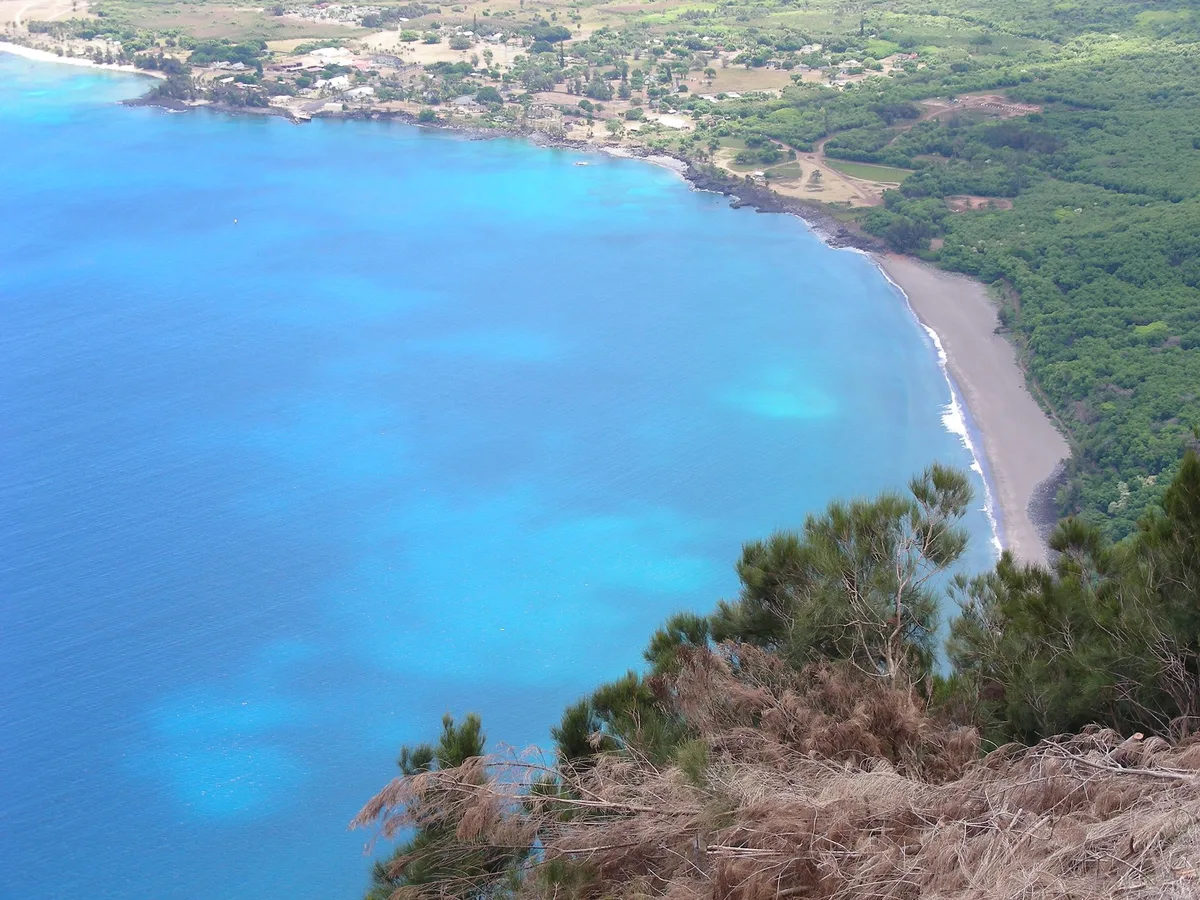
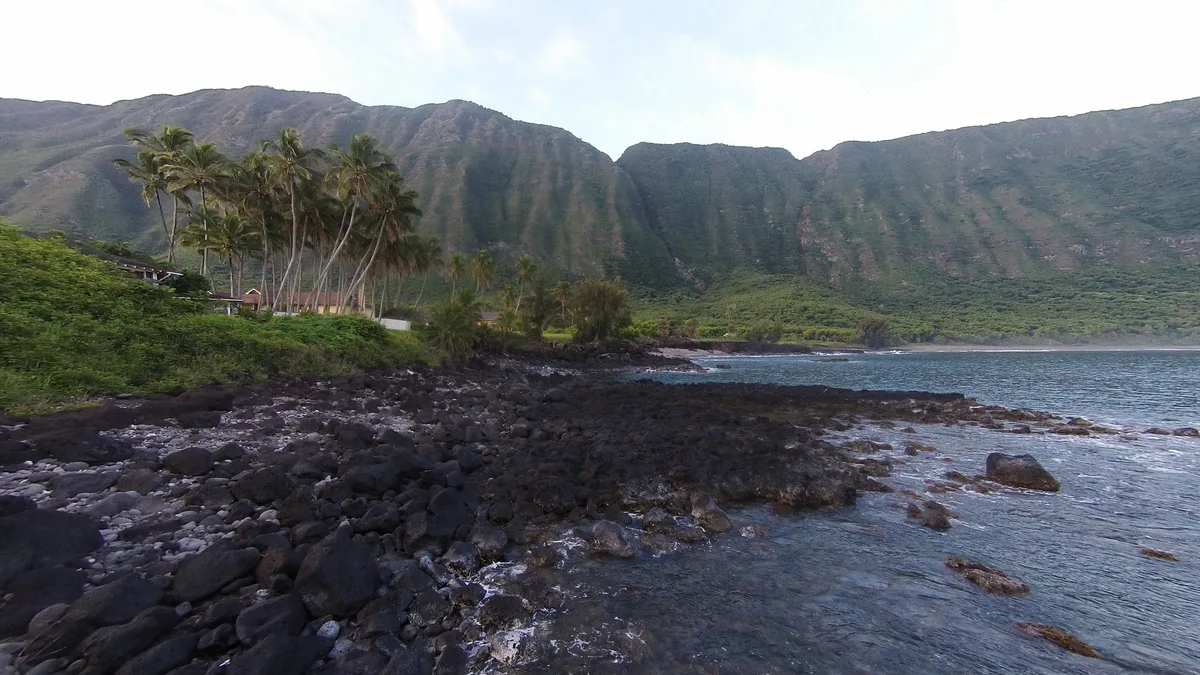
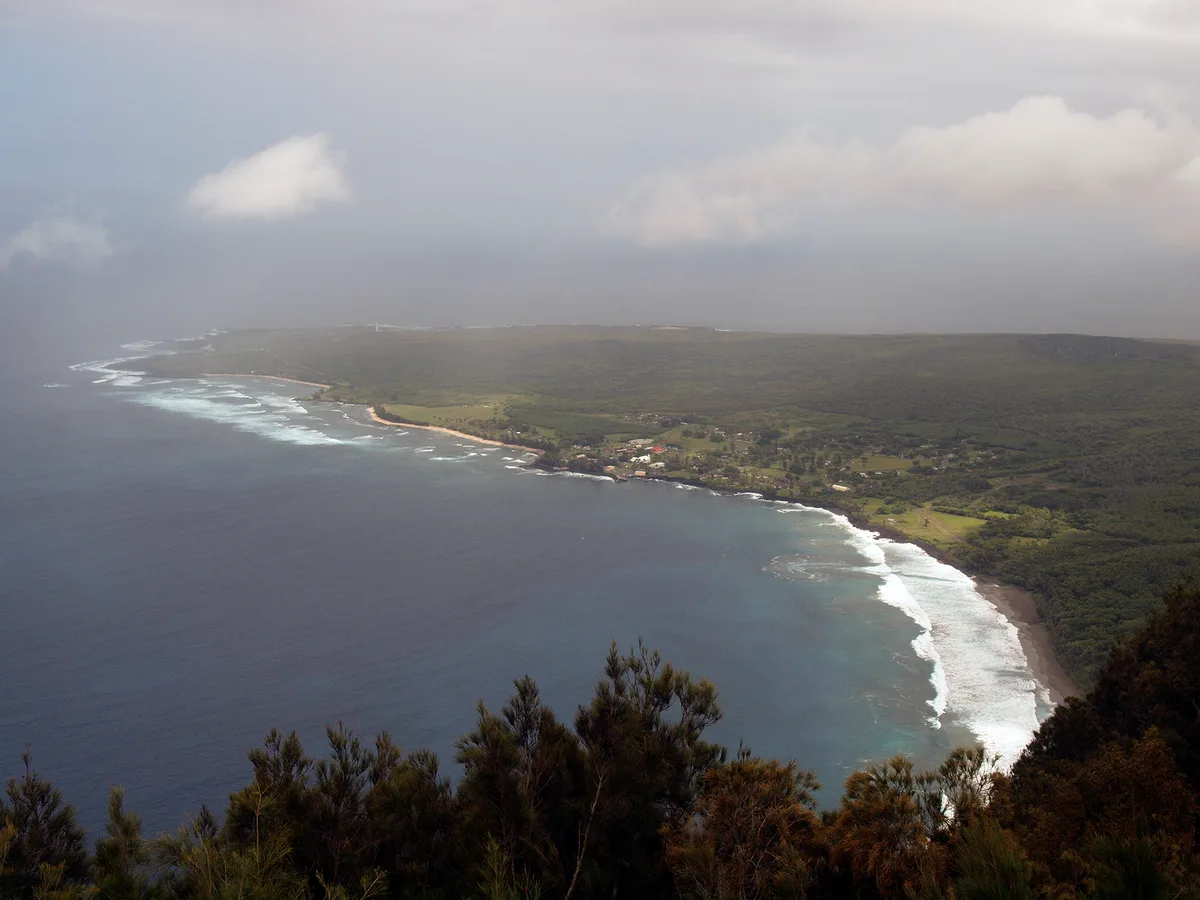
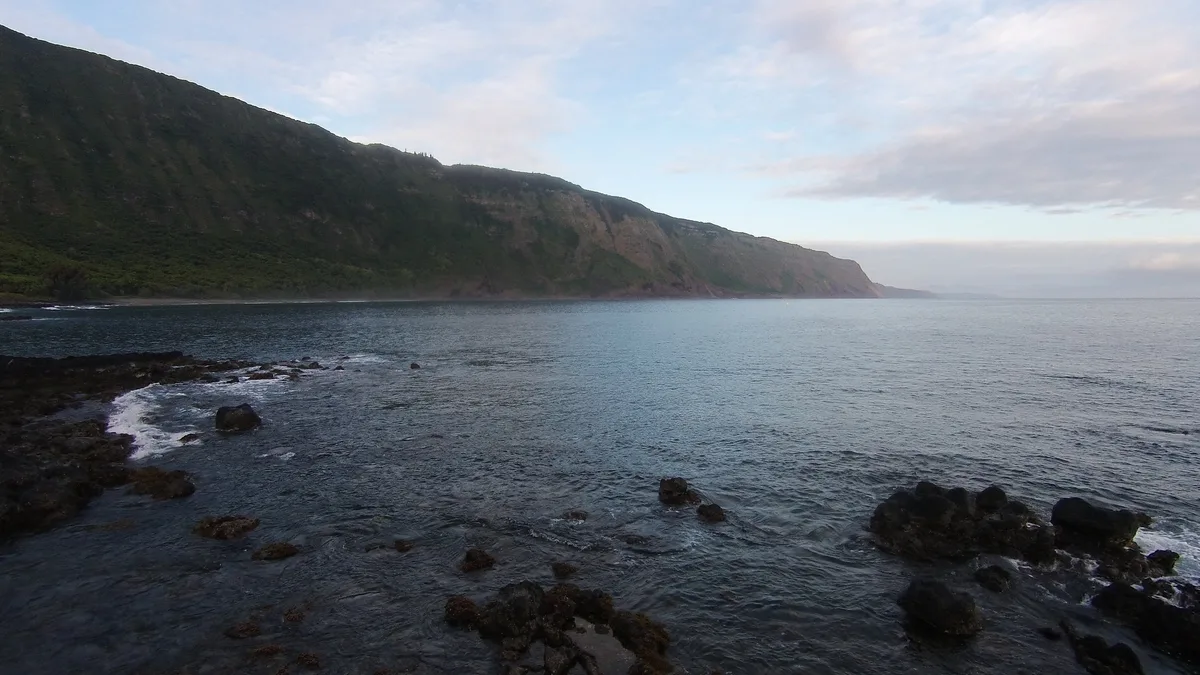
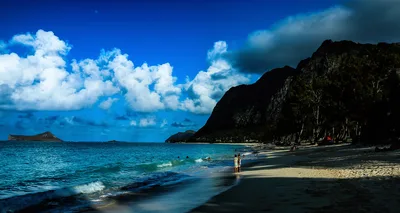
Kalaupapa Beach sits on the remote north shore of Molokaʻi, Hawaii, backed by what are recognized as the world's tallest sea cliffs — a wall of green rock that drops sheer to the black sand below. The beach faces open ocean, and the deep blue water churns with rough surf year-round, driven by north-facing exposure that offers no shelter. This is not a swimming beach; it is a place of profound historical weight, set within the former leprosy settlement of Kalaupapa, where patients were once exiled and where the memory of Father Damien still lingers in the landscape. Access is permit-only, the peninsula sees almost no visitors on any given day, and the wild, untamed vibe is unlike anywhere else in Hawaii. Come for the history, the drama of the cliffs, and the silence.
How to get there
There is no road access to the Kalaupapa peninsula for visitors, and no parking of any kind. You reach the beach either by hiking a 3.5-mile cliffside trail from Palaau State Park trailhead — roughly a 90-minute descent — or by boarding a small plane from Hoolehua Airport for the approximately 10-minute flight to Kalaupapa Airport. All visitors must hold an NPS permit, and independent access without an authorized tour is not permitted; entry fees vary by tour operator and cover both the permit and guided tour. The nearest major gateway is Kahului International Airport (OGG), approximately 64.5 km away.
Who it's for
For couples
For couples who share a taste for wild, remote landscapes and meaningful travel, the combination of black sand, sheer sea cliffs, and the weight of Kalaupapa's history creates an experience that is quietly unforgettable — but plan it carefully, as the permit requirement and strenuous trail demand real commitment from both of you.
For families
Families should approach with caution: the mule trail is strenuous and not suitable for those with mobility issues, swimming is strictly prohibited, and the permit-only access with mandatory guided tour means this is best suited to older children and teenagers who can engage respectfully with a site of deep historical and cultural significance.
Our take
Do not come to Kalaupapa Beach expecting a relaxing Hawaiian beach day — that is not what this place is, and it would be the wrong way to approach it. The water is dangerous, swimming is strictly prohibited, and the north-facing surf is relentless every month of the year. What you get instead is something rarer: a black sand shore at the foot of the world's tallest sea cliffs, inside a place of profound historical and emotional weight unlike anywhere else in the country. The permit requirement and mandatory guided tour are not bureaucratic inconveniences — they are the right way to enter a place where people suffered, endured, and built community under extraordinary circumstances. Avoid November through March when swells are most severe and the trail becomes genuinely hazardous. If you earn your way down here, by trail or by small plane, you will stand somewhere that very few people ever see — and you will feel the weight of that.
What to do
The centerpiece is Kalaupapa National Historical Park, just 0.5 km from the beach, where preserved buildings and memorials tell the story of the Hansen's disease settlement and the extraordinary life of Father Damien. Saint Philomena Church, the historic church Father Damien built in the 1870s, stands about 1 km away and draws visitors who come to pay their respects at one of Hawaii's most quietly moving pilgrimage sites. The Kalaupapa Trail Lower Trailhead, the Hospital Ruins, and the Visitors Holding Area form part of the guided tour experience that brings the peninsula's layered, painful history into focus. Before or after your descent, Palaau State Park — 8 km away — offers clifftop views over the entire Kalaupapa peninsula.
The view looking up from the black sand toward the world's tallest sea cliffs is the defining shot — position yourself low on the shore at morning light to capture the full scale of the cliff face against the deep blue ocean.
Saint Philomena Church, 1 km from the beach, offers a striking historical frame, and the clifftop overlook at Palaau State Park, 8 km away, gives a sweeping aerial perspective of the entire Kalaupapa peninsula that no shot from the beach can match.
Where to eat
There are no restaurants on the Kalaupapa peninsula itself, so plan accordingly and bring everything you need for the day. The nearest dining option is Kualapu'u Cookhouse, approximately 8.5 km away on the upper plateau — a practical stop before your descent or after your return.
Where to stay
There is no lodging on the peninsula; the closest options are back toward Kaunakakai. A romantic Spanish villa with a hot tub is available approximately 12.3 km away, while the Ocean Front Retreat with kitchen at Molokai Shores A308 (12.6 km) and the Molokai Shores Resort Condo with pool views (12.7 km) offer comfortable bases for exploring the island.
Photography
The most dramatic compositions come from the base of the cliffs looking back along the black sand toward the towering sea cliff backdrop. Saint Philomena Church, 1 km from the beach, and the preserved structures of Kalaupapa National Historical Park offer powerful historical framing, though always check photography restrictions before raising your camera in the settlement area.
Good to know
An NPS permit is mandatory for every visitor — you cannot simply show up, and no independent exploration of the settlement grounds is allowed without an authorized guide. Photography is restricted within the settlement area; respect those rules and, above all, treat the former residents and their grounds with the dignity they deserve. Do not enter the water under any circumstances: north-facing exposure means rough surf pounds this shore every day of the year, and swimming is strictly prohibited. The mule trail descent is strenuous and not suitable for anyone with mobility issues, and weather can close the trail without notice — avoid the months of November through March when north swells are at their most severe and the trail turns muddy and dangerous. True digital-detox territory — there is nowhere to plug in a laptop and cell signal fades; bring offline reading and leave the screen behind.
Map
Nearby places
Kualapu'u cookhouse
Romantic Spanish villa w/hot tub — 5 min from the beach!
Romantic Spanish villa w /hot tub — 5 min from the beach!
Ocean Front Retreat W/Kitchen-Molokai Shores A308
Ocean Front Retreat W /Kitchen-Molokai Shores A308
Molokai Shores Resort Condo w / Pool Views!
Kalaupapa National Historical Park
Saint Philomena Church (Father Damien's Church)
Palaau State Park
Things to see around Kalaupapa
Kalaupapa National Historical Park
Former Hansen's disease (leprosy) settlement with preserved buildings and memorials to Father Damien
Saint Philomena Church (Father Damien's Church)
Historic church built by Father Damien de Veuster in the 1870s, a pilgrimage site
Palaau State Park
Clifftop state park with views over Kalaupapa peninsula and the famous Phallic Rock
GIFT
🎁 Gift this beach
Its exact coastline, your date, your words — on a print, a mug, or a PDF you print yourself.
Kalaupapa Beach
THAT DAY
Kalaupapa Beach, Hawaii

© OpenStreetMap contributors
Clean & decorative, or “That day” with the real sky of your date.
Shipping included 3-6 business days
A question before you order? Contact us
Delivered within minutes on the confirmation page and by email: a ZIP with all 4 print sizes (30×40 cm, 12×16″, 50×70 cm, 18×24″), each as a high-resolution PDF and PNG (300 dpi), plus a screen version. Print at home or at any print shop.
Please complete the delivery address.
Please accept the Terms of Sale.
Almost there — the shop opens very soon.
Secure payment · Printed locally in 30+ countries · 7 languages
Frequently asked
The information on this page is provided for guidance only and may evolve. Access conditions, safety and infrastructure can change without notice. Always check official sources before traveling.
Nearest beaches
Other wild beaches in Hawaii
More beaches in Hawaii
Reviews of this beach
- No reviews yet, what a shame — leave yours and share your experience.
Photo credits
Sources and licenses for the photos shown above.
- Photo 1 — 4nitsirk · source · CC BY-SA 2.0
- Photo 2 — Shaan Hurley · source · CC BY 2.0
- Photo 3 — gillfoto · source · CC BY-SA 4.0
- Photo 4 — Shaan Hurley · source · CC BY 2.0