ʻĀhihi BeachUnited States Beach Guide
Molokai's cliff-locked cove, earned by paddle alone
About
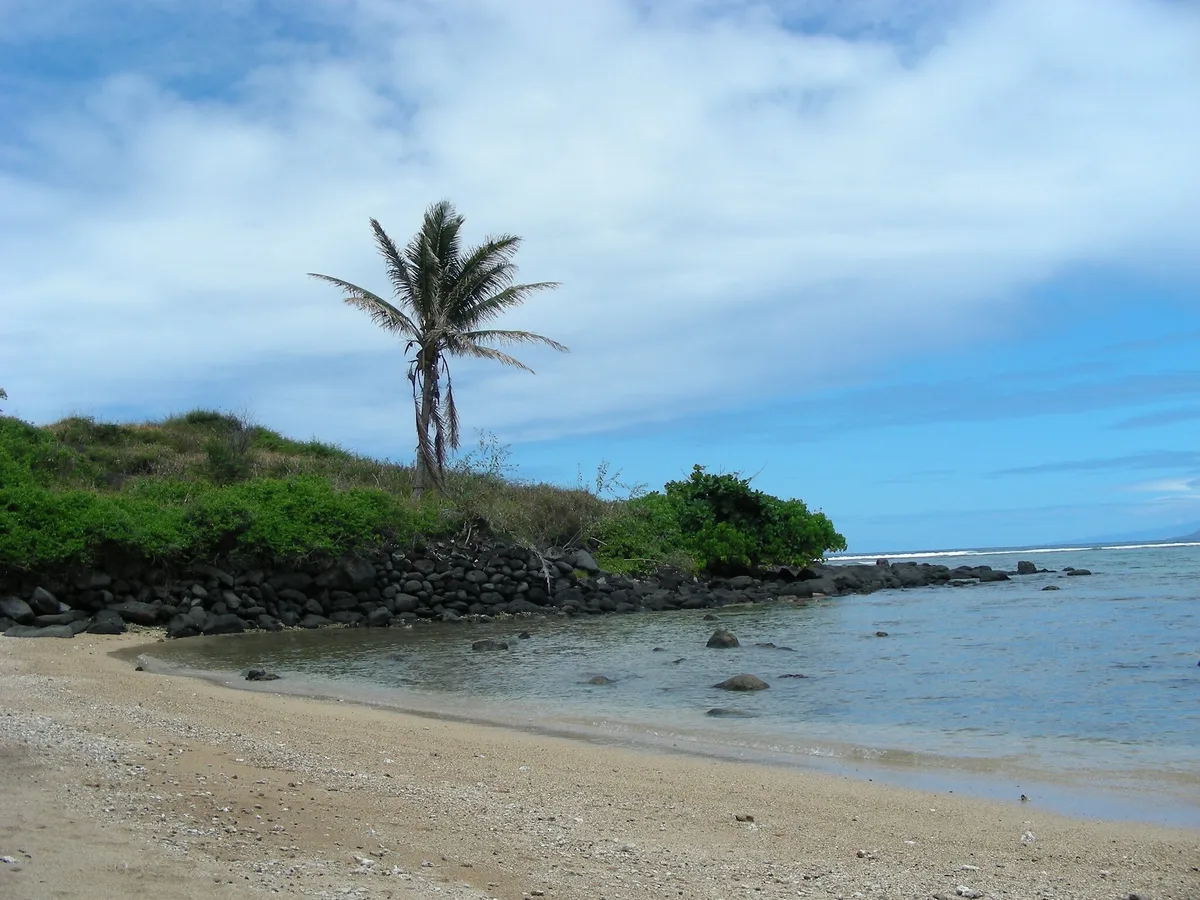
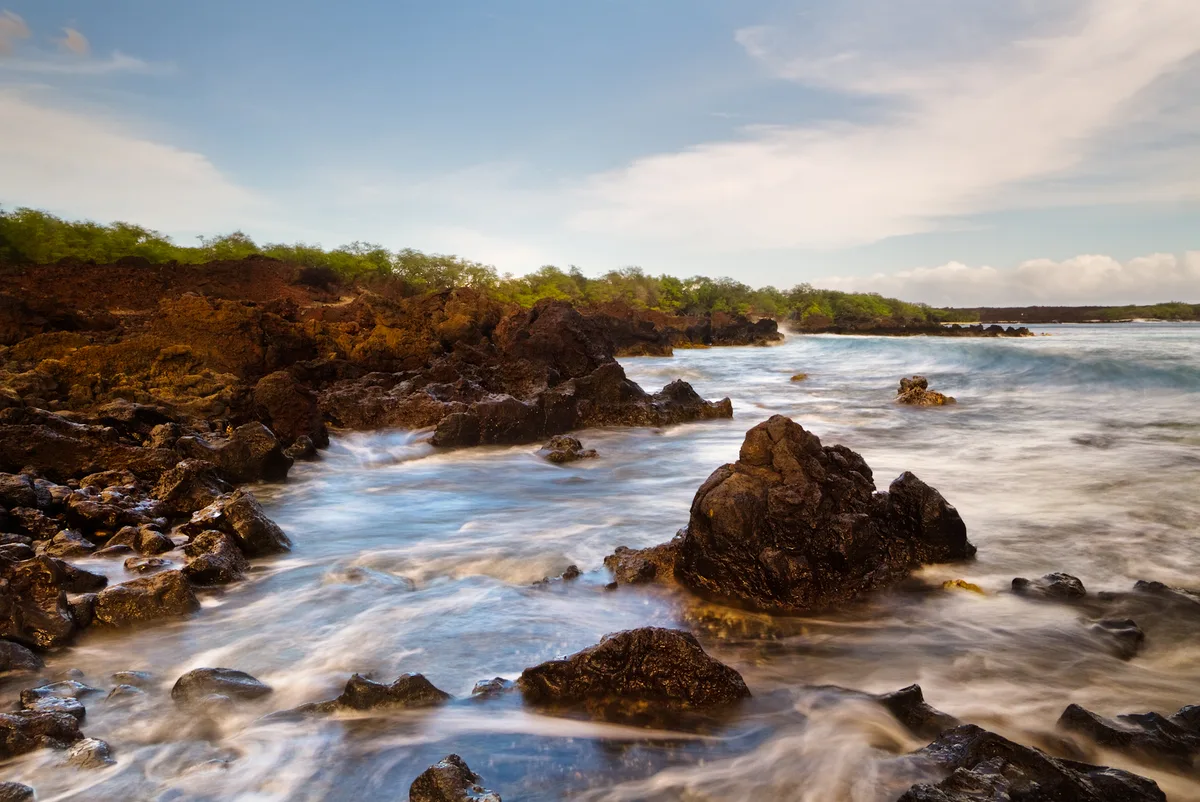
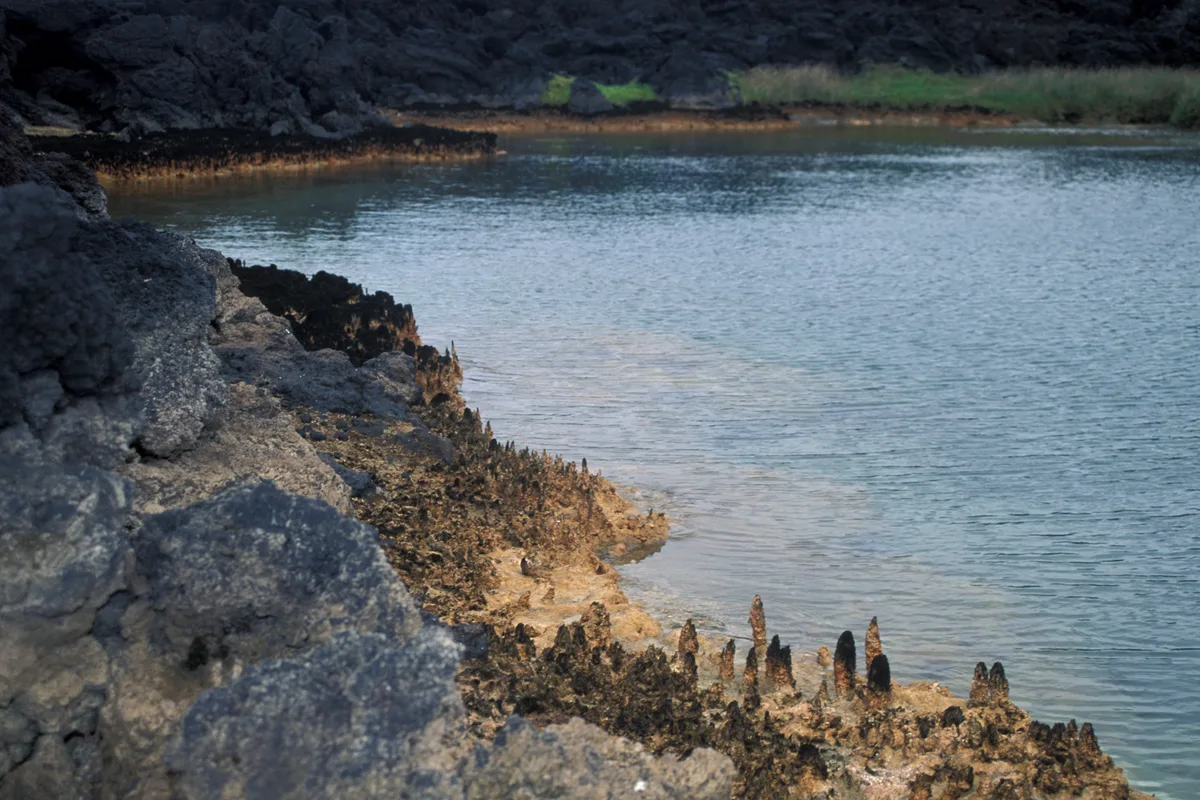
ʻĀhihi Beach is a cliff-enclosed cove on the remote north shore of Molokaʻi, Hawaii, accessible only by sea kayak and virtually unknown outside the kayak community. Dark basalt boulders frame a stretch of golden sand roughly 336 metres long, where crystal-clear water meets sheer cliff faces on both sides. It sits within the buffer zone of Kalaupapa National Historical Park, which keeps the beach empty and the landscape untouched. The wild, raw energy here is unlike anything on Molokaʻi's more reachable shores — no facilities, no road, no signal. Getting here is the experience.
How to get there
ʻĀhihi Beach has no road access whatsoever — reach it only by sea kayak launched from the north Molokaʻi coast, a seasonal paddle of around 120 minutes each way. This is boat-only access in the truest sense: no ferry schedule, no water taxi, just an open-water kayak crossing that demands advanced skills and careful timing. An NPS permit is required to access this national park buffer zone; no independent access is permitted without prior authorization.
Who it's for
For couples
For couples with advanced kayaking skills and a taste for genuine solitude, ʻĀhihi delivers an empty golden-sand cove framed by basalt cliffs with no other visitors in sight — raw, wild, and entirely yours for the day.
For families
ʻĀhihi Beach is not suitable for families with children — the 120-minute open-water kayak crossing, dangerous north-shore swells, cliff-enclosed terrain with no escape route, and complete absence of cell service make this an advanced-only destination.
Our take
ʻĀhihi Beach is not a beach you stumble upon — it demands an NPS permit, advanced kayaking skills, a 120-minute open-water paddle, and a narrow seasonal window. The north-shore swells that close this coast from October through April are not a minor inconvenience; they make kayak landing genuinely dangerous, and the cliff faces on both sides leave no margin for error. Go in, understand that clearly. What you get in return is a cliff-enclosed cove of golden sand and crystal-clear water that remains empty precisely because the barrier to entry is real. The dark basalt boulders, the sheer walls, the silence — it's wild in the truest sense of the word. This is one for experienced paddlers who want a destination that has earned its remoteness honestly.
What to do
The primary draw is the kayak journey itself along the dramatic north Molokaʻi coastline, with the Kalaupapa Sea Cliffs rising just 2 kilometres away — best appreciated from the water. Once ashore, the cliff-framed cove and dark basalt boulder scenery reward slow exploration on foot along the golden sand. Kalaupapa National Historical Park, 1.5 kilometres away, preserves a former Hansen's disease settlement with historic buildings that carry profound cultural weight. For a broader perspective before or after your trip, Palaau State Park — about 10 kilometres out — offers clifftop views over the Kalaupapa peninsula.
The shot most worth the paddle: position yourself in the shallows and shoot landward, letting the dark basalt boulders anchor the foreground against the golden sand and towering cliff walls behind.
From the beach looking seaward, the narrow cove opening frames the open Pacific like a natural portal — early morning light keeps contrast manageable and the crystal-clear water at its most photogenic.
Where to eat
There are no food vendors, cafés, or restaurants at ʻĀhihi Beach — pack everything you need before launching, including water. The nearest accommodation options in the area include Eddie Boy Tanaka approximately 0.5 kilometres away and Molokai Vacation Properties - Hale O Pu Hala at around 1.4 kilometres, where you can plan your provisions before the paddle.
Where to stay
Eddie Boy Tanaka is the closest base, roughly 0.5 kilometres from the launch area, making it a practical choice for an early-morning departure. Molokai Vacation Properties - Hale O Pu Hala, about 1.4 kilometres away, offers a self-catering option suited to the independent, expedition-minded traveller this beach demands.
Photography
The most striking compositions come from the water itself — shoot back toward the cove with dark basalt boulders and cliff walls framing the golden sand, ideally in the soft light of mid-morning before the sun climbs directly overhead. From shore, the sheer cliff faces on both flanks create dramatic symmetry; a wide-angle lens captures the full scale of the enclosure that makes this cove so visually arresting.
Good to know
An NPS permit is required before you go — no independent access is allowed without authorization, and camping is strictly prohibited. North-shore swells make kayak landing at ʻĀhihi extremely dangerous from October through April; the viable window is narrow and conditions can deteriorate without warning. Both cliff faces offer no escape route if the sea turns — there is no cell service and no way to call for help, so advanced kayaking skills are non-negotiable. Respect all national park regulations: no pets are permitted within Kalaupapa National Historical Park. True digital-detox territory — bring offline navigation, the signal disappears completely.
GAMES
🕹️ Five minutes of sand?
Three daily games — including the UV simulator set to this beach.
Map
Nearby places
Eddie Boy Tanaka
Molokai Vacation Properties - Hale O Pu Hala
Molokai Vacation Properties - Hale O Pu Hala
Kalaupapa National Historical Park
Kalaupapa Sea Cliffs
Palaau State Park
Things to see around Kalawao
Kalaupapa National Historical Park
Former Hansen's disease settlement with preserved buildings
Kalaupapa Sea Cliffs
World's tallest sea cliffs, best viewed from the water
Palaau State Park
Clifftop park with views over Kalaupapa peninsula
GIFT
🎁 Gift this beach
Its exact coastline, your date, your words — on a print or a PDF you print yourself.
ʻĀhihi Beach
THAT DAY
ʻĀhihi Beach, Hawaii
© OpenStreetMap contributors
Clean & decorative, or “That day” with the real sky of your date.
Shipping included 3-6 business days
A question before you order? Contact us
Delivered within minutes on the confirmation page and by email: a ZIP with all 4 print sizes (30×40 cm, 12×16″, 50×70 cm, 18×24″), each as a high-resolution PDF and PNG (300 dpi), plus a screen version. Print at home or at any print shop.
Please complete the delivery address.
Please accept the Terms of Sale.
Almost there — the shop opens very soon.
Secure payment · Printed locally in 30+ countries · 7 languages
Frequently asked
The information on this page is provided for guidance only and may evolve. Access conditions, safety and infrastructure can change without notice. Always check official sources before traveling.
Nearest beaches
Other wild beaches in Hawaii
More beaches in Hawaii
Reviews of this beach
- No reviews yet, what a shame — leave yours and share your experience.
Photo credits
Sources and licenses for the photos shown above.
- Photo 1 — 4nitsirk · source · CC BY-SA 2.0
- Photo 2 — Pedro Szekely from Los Angeles, USA · source · CC BY-SA 2.0
- Photo 3 — Forest & Kim Starr · source · CC BY 3.0