
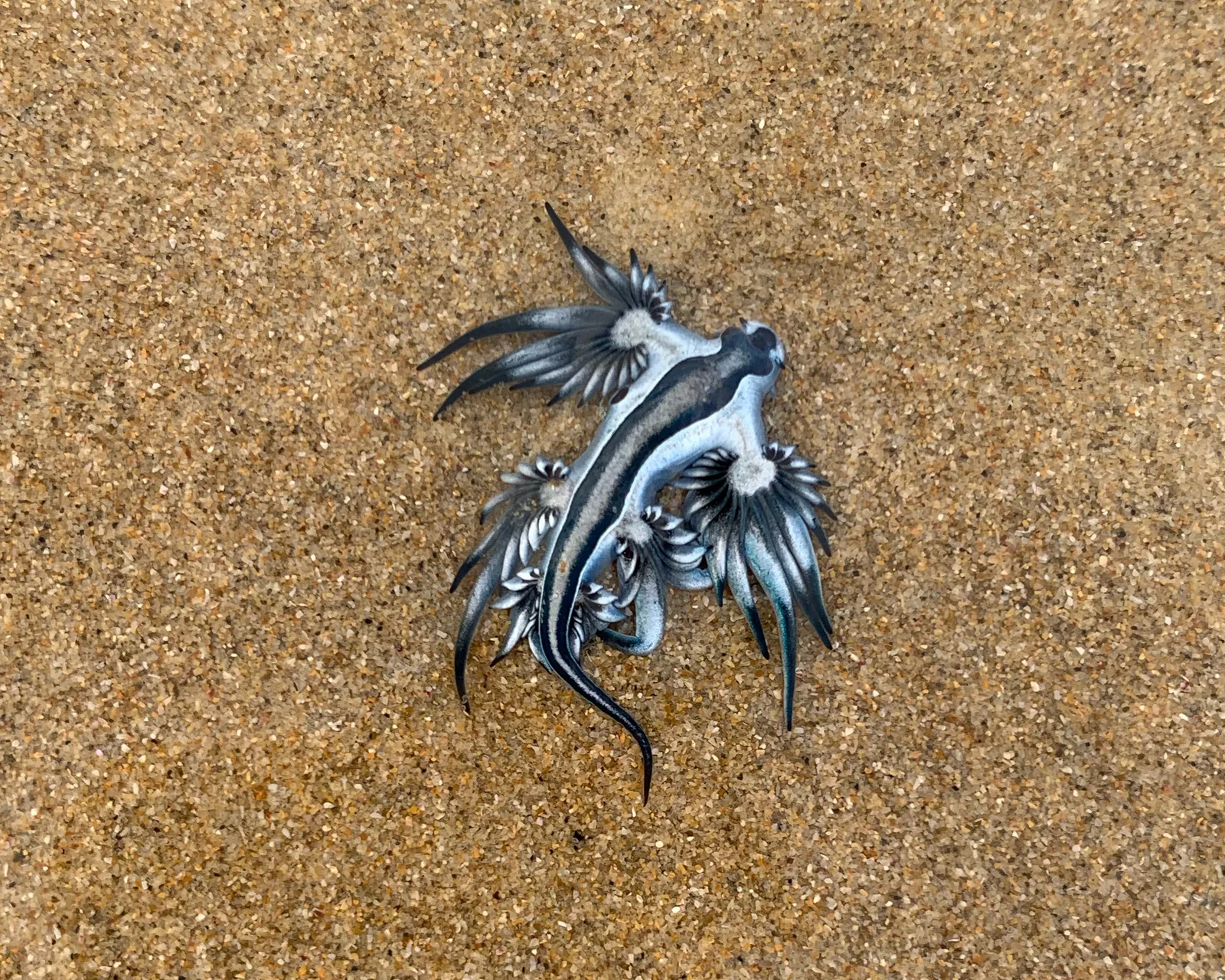
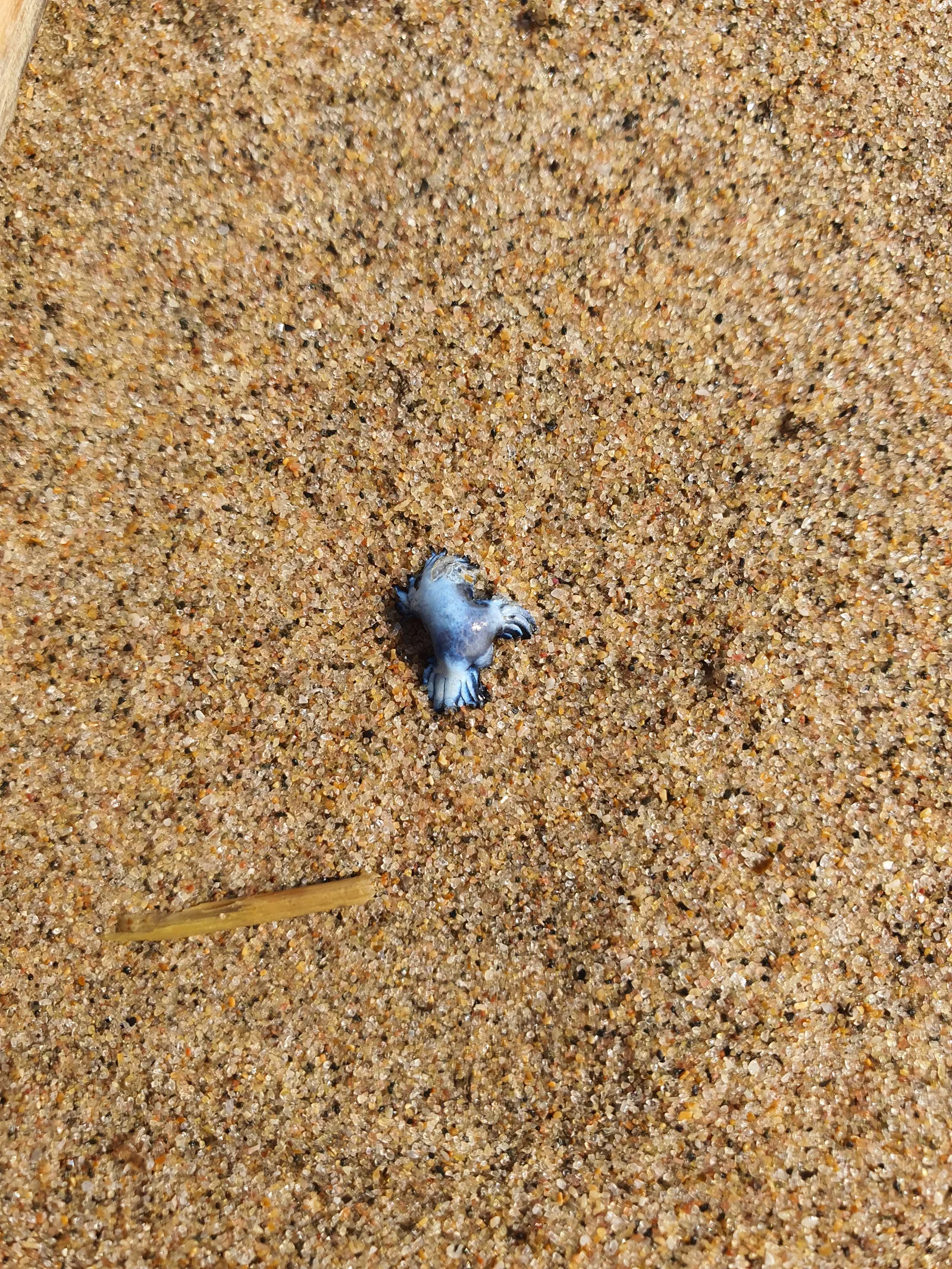
It measures barely 3 to 4 centimetres, yet it’s enough to hoist the red flag and empty a beach in minutes. In the summer of 2025, Glaucus atlanticus — the “blue dragon” — turned up along the Spanish coast in numbers nobody expected, and it fascinated as much as it worried. It looks like a piece of living jewellery and behaves like a loaded needle. With the Mediterranean staying warm, it’s worth knowing what it is before you next see a small blue shape at the tideline.
A venomous beauty
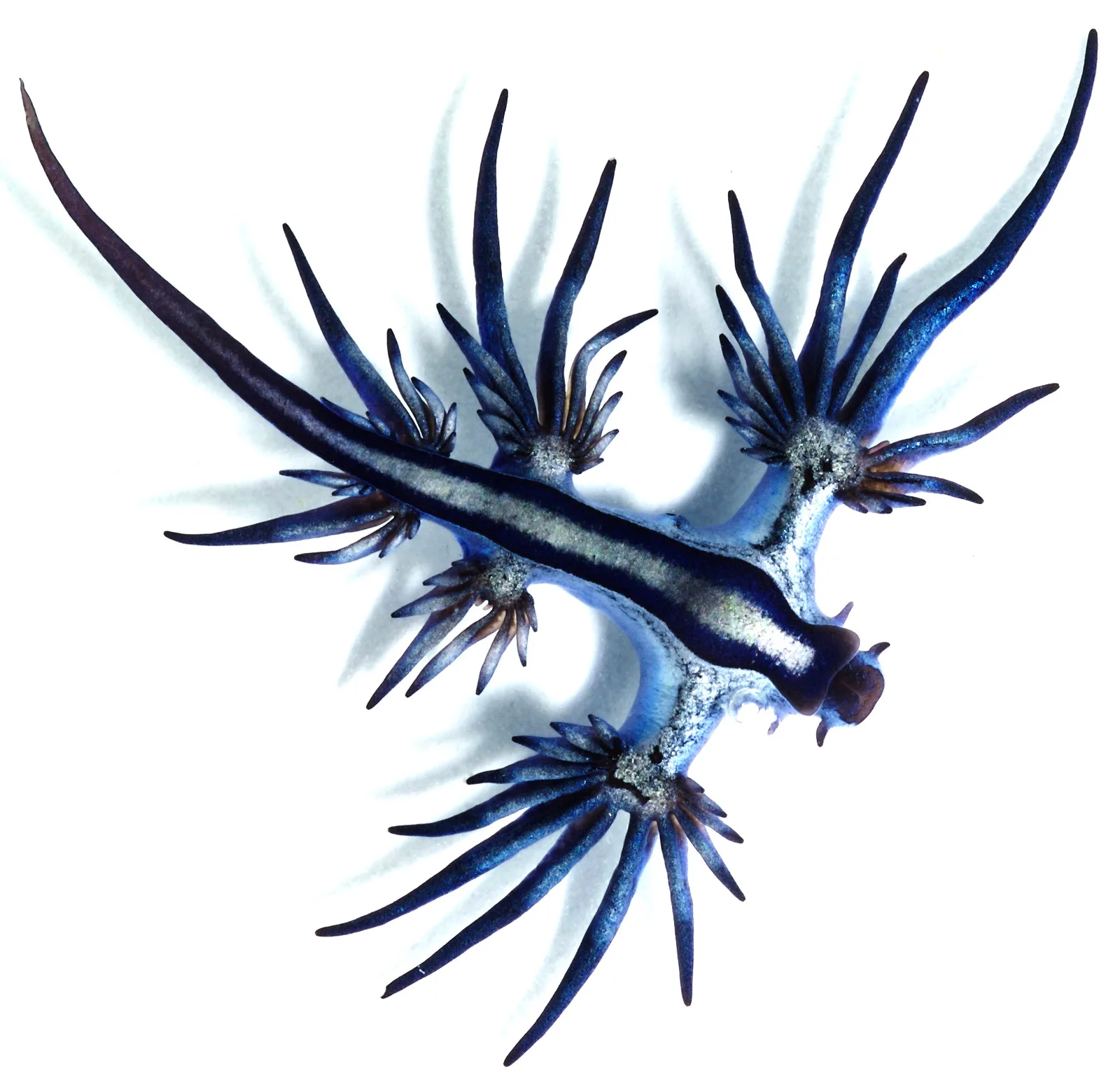
With its intense, metallic-blue colour and its ability to store venom, the blue dragon is as fascinating as it is dangerous. This minuscule, shell-less sea slug belongs to the nudibranchs — the same family as the jewel-like “sea slugs” divers photograph on reefs. Its secret is its diet: it does not make its own venom. Instead it feeds on venomous, free-floating animals such as the Portuguese man o’ war, and it concentrates their stinging cells (nematocysts) in the finger-like cerata that branch from its body. In effect it steals someone else’s weapon and stores it at high strength — which is why its sting can be as painful as, or worse than, the man o’ war’s own. (Good plain-language background: EvidenceNetwork and The Local.)
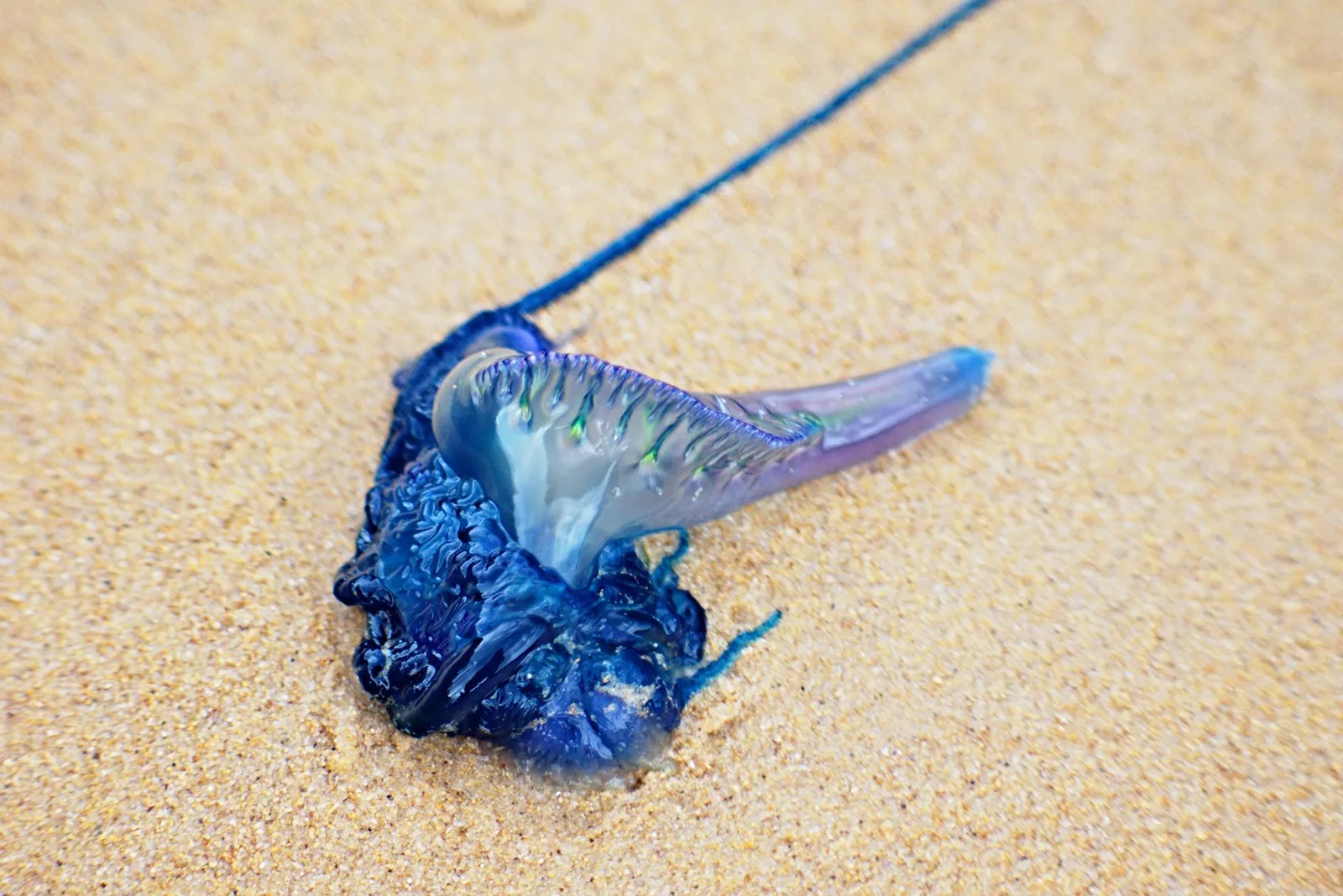
Contact does not forgive. On human skin it can cause sharp pain, nausea, vomiting and a burning, irritated rash. It’s also a master of disguise: the blue dragon floats upside down at the surface — buoyed by a gas bubble in its stomach — deep blue on the side facing the sky and silvery-grey on the side facing the depths. That two-tone countershading hides it from above and below, so on bright water it’s almost invisible until you’re right on top of it.
Why beaches close
The scene repeated itself up and down the coast. On the morning of 20 August 2025, two blue dragons were found at Guardamar del Segura, in the province of Alicante, and authorities raised the red flag along the town’s long municipal shoreline, banning bathing to avoid any sting. The message was blunt: red flag, no swimming after the appearance of two specimens of Glaucus atlanticus. The ban was eased to a yellow flag the very next day, swimming allowed again with caution and patrols watching the water (Euro Weekly News).
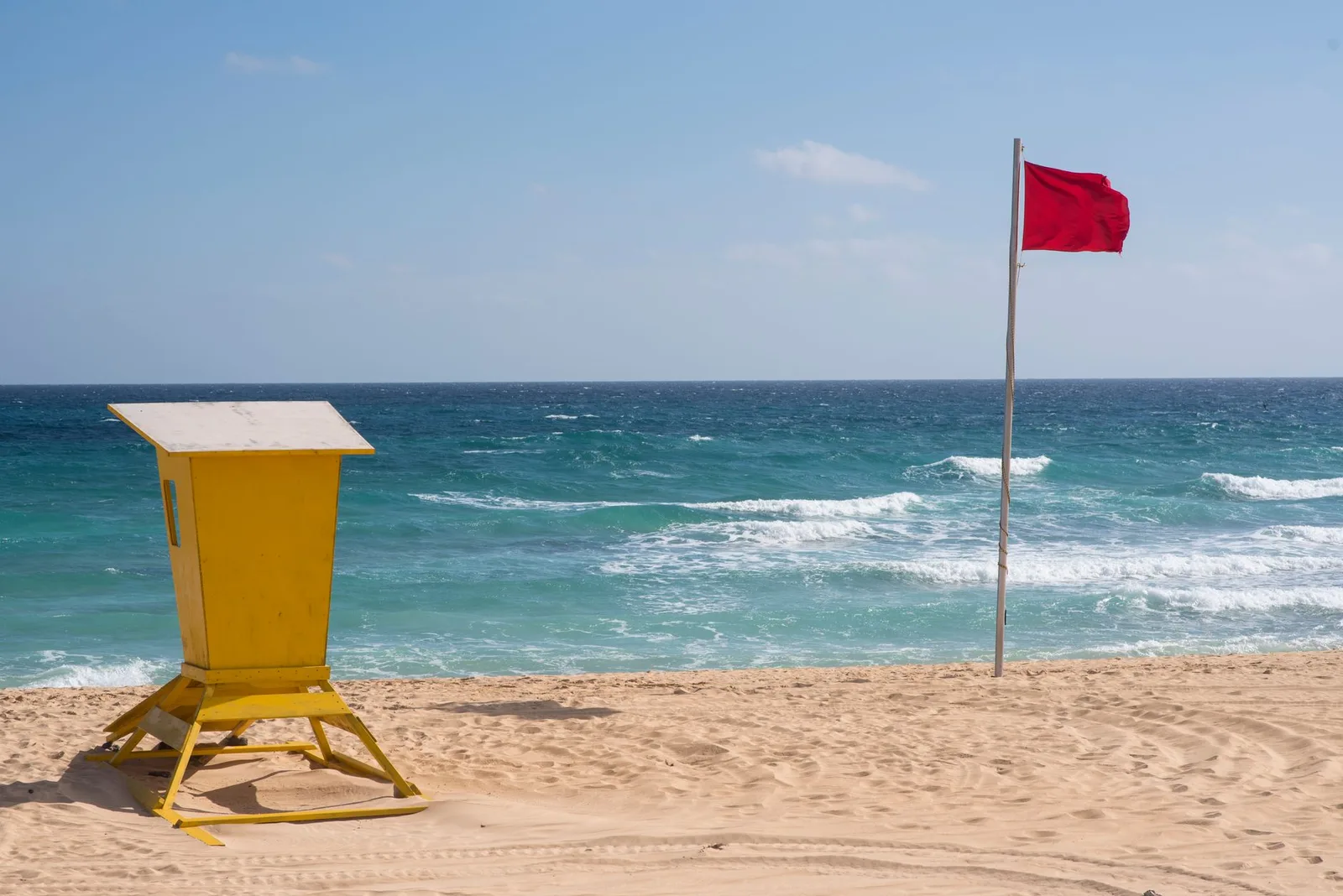
The phenomenon rarely stayed put. Over the summer of 2025, sightings and closures were reported across four Spanish regions — Andalusia (the Cádiz coast), the Valencian Community (Guardamar, Torrevieja), the Canary Islands (several beaches on Lanzarote) and the Balearic Islands (Mallorca). More worrying still: in the Canaries, the mayor of Haría, on Lanzarote, shut two beaches after a child was taken to hospital with a suspected sting — saying it was a creature they had never had in the area before.
The sign of a warming Mediterranean
This is where the story outgrows the summer news item. The blue dragon is not really a “Mediterranean species” at all — it’s an ocean drifter of the warm Atlantic, Pacific and Indian oceans, and it’s reasonably common in the open Atlantic, including around the Canary Islands. What made 2025 extraordinary was that it kept appearing inside the Mediterranean, where it’s a genuine rarity. The season’s first sightings came from Mallorca, in the Balearic Islands, in June 2025 — the first record there in more than 300 years, since 1705 (Euro Weekly News). The Canarian closures, by contrast, are in Atlantic water where the animal already belongs — there it’s a question of numbers and wind, not a first-ever arrival.
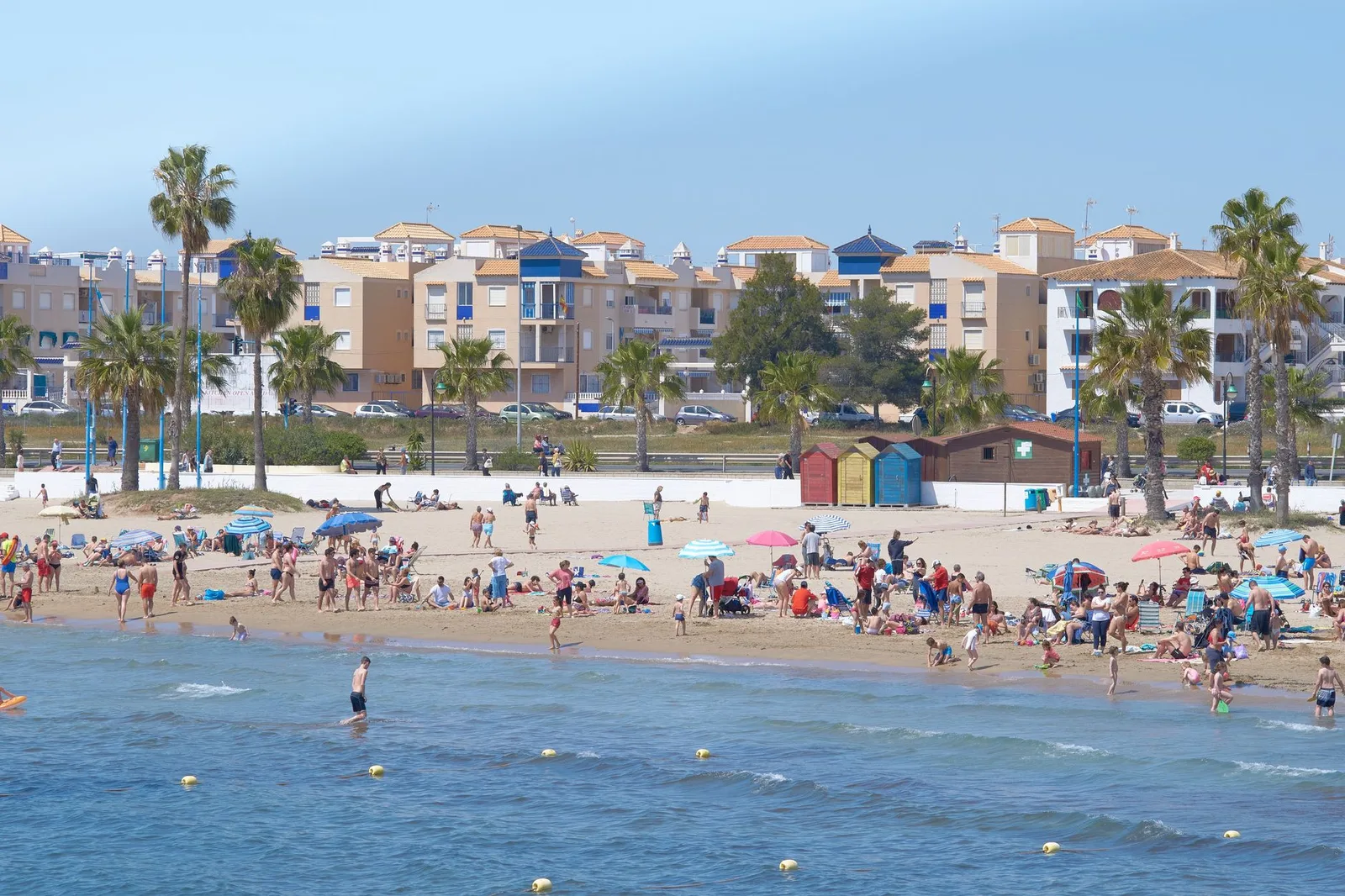
Scientists point to a likely driver. The Mediterranean has been running record-hot: June 2025 was its warmest June on record, and the western basin pushed past 30 °C in early July with anomalies of several degrees (Euronews). A warmer sea brings in species the region rarely saw before. The blue dragon isn’t the only one — the lionfish spreading through the eastern Mediterranean and the Portuguese man o’ war pushing along Atlantic-facing European coasts are their own, independently documented stories — but together they sketch a consistent picture of a sea that is heating up. No single sighting proves anything on its own; the pattern, arriving this fast, is what researchers find telling.
What to do if you find one
The rule is simple and absolute: you don’t touch it. Swimmers were warned not to handle these creatures — not even with gloves — and to alert the lifeguards or local authority if they spotted one. Beware the camouflage: blue dragons can float on their backs at the surface and blend into the water, and a stranded one on the sand can still sting. Keep children and dogs well away from anything small and blue at the tideline.
- Don’t pick it up. No bare hands, no gloves, no “just for a photo.” The stinging cells fire on contact whether the animal is alive, dying or dead.
- Tell a lifeguard or call the local authority. One reported specimen is usually what triggers a flag change and a quick beach check.
- If you’re stung, rinse the area with sea water, not fresh water — fresh water can make unfired stinging cells discharge more venom (Divers Alert Network). Don’t rub or scratch the skin, then go to a first-aid post, health centre or emergency department.
- Watch the symptoms. Severe pain, a spreading rash, nausea or vomiting, or any breathing difficulty mean you should get medical help promptly.
The good news? Closures are usually brief. A sighting and a beach closure often resolve quickly, because blue dragons mostly arrive in small, wind-blown groups rather than settling in as a population. At Guardamar, the ban was lifted the very next day.
Where this fits on the Spanish coast
The blue dragon doesn’t change the fact that Spain has some of Europe’s loveliest, safest swimming. It’s a reason to read the flags, not to stay home. The 2025 appearances clustered around four parts of our Atlas — and it’s worth keeping the Mediterranean ones (the real anomaly) apart from the Atlantic Canaries (where the animal already lives):
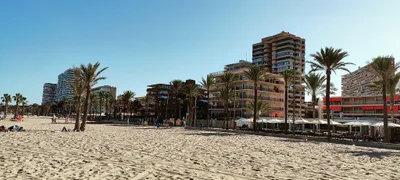
- Costa Blanca, Alicante (Mediterranean) — the mainland coast that includes Guardamar del Segura, where two specimens triggered the red flag.
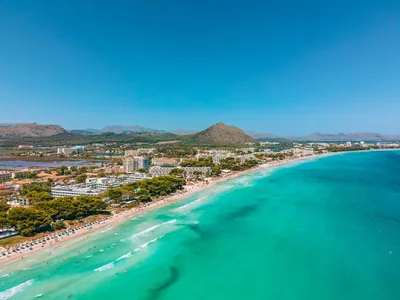
- Platja de Muro, Mallorca (Mediterranean) — a long Balearic sweep of sand on the island where 2025’s first sighting was logged, in waters that hadn’t recorded the species for three centuries.
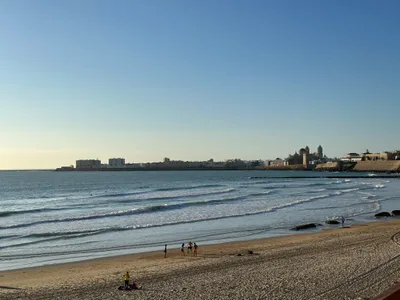
- Playa de Santa María del Mar, Cádiz (Andalusia) — on the southern coast, the fourth region where closures were reported over the summer.
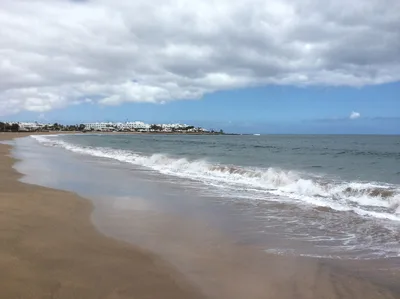
- Playa de los Pocillos, Lanzarote (Atlantic Canaries) — on the archipelago where Haría closed two beaches after a child was hospitalised; here the blue dragon is at the edge of its normal range, not a newcomer.
Planning a Spanish beach trip? Browse the Atlas for calmer, easygoing shores with the relaxed and family-friendly filters, or the dramatic ones under wild and iconic. And whatever the flag says, here’s the reliable summer follow-up: how to get the sand off your skin afterwards.
Frequently asked questions
What is the blue dragon (Glaucus atlanticus)?
It’s a tiny, shell-less sea slug — a nudibranch — about 3 to 4 centimetres long, with an intense metallic-blue colour. It floats upside down at the ocean surface, carried by wind and current. It feeds on venomous drifters like the Portuguese man o’ war and stores their stinging cells, so despite its size it packs a powerful sting.
Is the blue dragon dangerous to humans?
Yes. Its sting can cause sharp pain, a burning skin reaction, nausea and vomiting, and is sometimes described as worse than a jellyfish or Portuguese man o’ war sting because it concentrates its prey’s venom. It can sting even when stranded on the sand or apparently dead, so it should never be touched — not even with gloves.
Why are Spanish beaches closing because of it?
As a precaution. When even one or two blue dragons wash up, Spanish authorities raise the red flag and ban swimming until lifeguards have checked the area, to avoid stings. At Guardamar del Segura in Alicante, two specimens were enough to close the beach; the ban was lifted the next day. In the Canaries, Haría closed two beaches after a child was hospitalised with a suspected sting.
Why is the blue dragon appearing in the Mediterranean now?
It’s normally a warm-water species of the Atlantic, Pacific and Indian oceans. Scientists link its arrival on Spanish shores to a record-warm Mediterranean: rising sea temperatures are bringing in species the region rarely saw before. The first sightings of the season began around Mallorca, where the species hadn’t been documented for more than 300 years — part of a wider pattern of warm-water arrivals like lionfish near Malta.
What should I do if I’m stung by a blue dragon?
Rinse the area with sea water rather than fresh water (fresh water can make the stinging cells release more venom), don’t rub or scratch the skin, and go to a first-aid post, health centre or emergency department. Watch for severe pain, a spreading rash, vomiting or any difficulty breathing, which mean you should seek medical help promptly.
Can I touch a blue dragon to take a photo?
No. It looks like a beautiful piece of jewellery, but it stings on contact — including when it’s stranded on the sand or appears dead — and gloves are not reliable protection. Photograph it from a safe distance, keep children and dogs away, and report it to a lifeguard or the local authority.
This article is general travel, nature and safety information gathered in June 2026, not medical advice. Marine conditions, beach flags and local rules change constantly and vary by beach and by day — always follow the on-site flags and lifeguard instructions, and check the official local source before you travel. If you are stung or feel unwell, seek care from a lifeguard, pharmacist, health centre or emergency service. Where Is My Beach is not responsible for decisions made on the basis of this article.
Photo credits
Sources and licenses for the photos shown above.
- Photo 1 — Photo by Taro Taylor on Wikimedia Commons · CC BY 2.0
- Photo 2 — Photo by Mark Thomas on Pexels · Pexels License
- Photo 3 — Photo by Daniel Trylski on Pexels · Pexels License
- Photo 4 — Photo by Espuch Vera on Pexels · Pexels License
- Photo 5 — Photo by Oskar Suth on Wikimedia Commons · CC BY-SA 4.0
- Photo 6 — Photo by PuellaMarina on Wikimedia Commons · CC BY-SA 4.0