
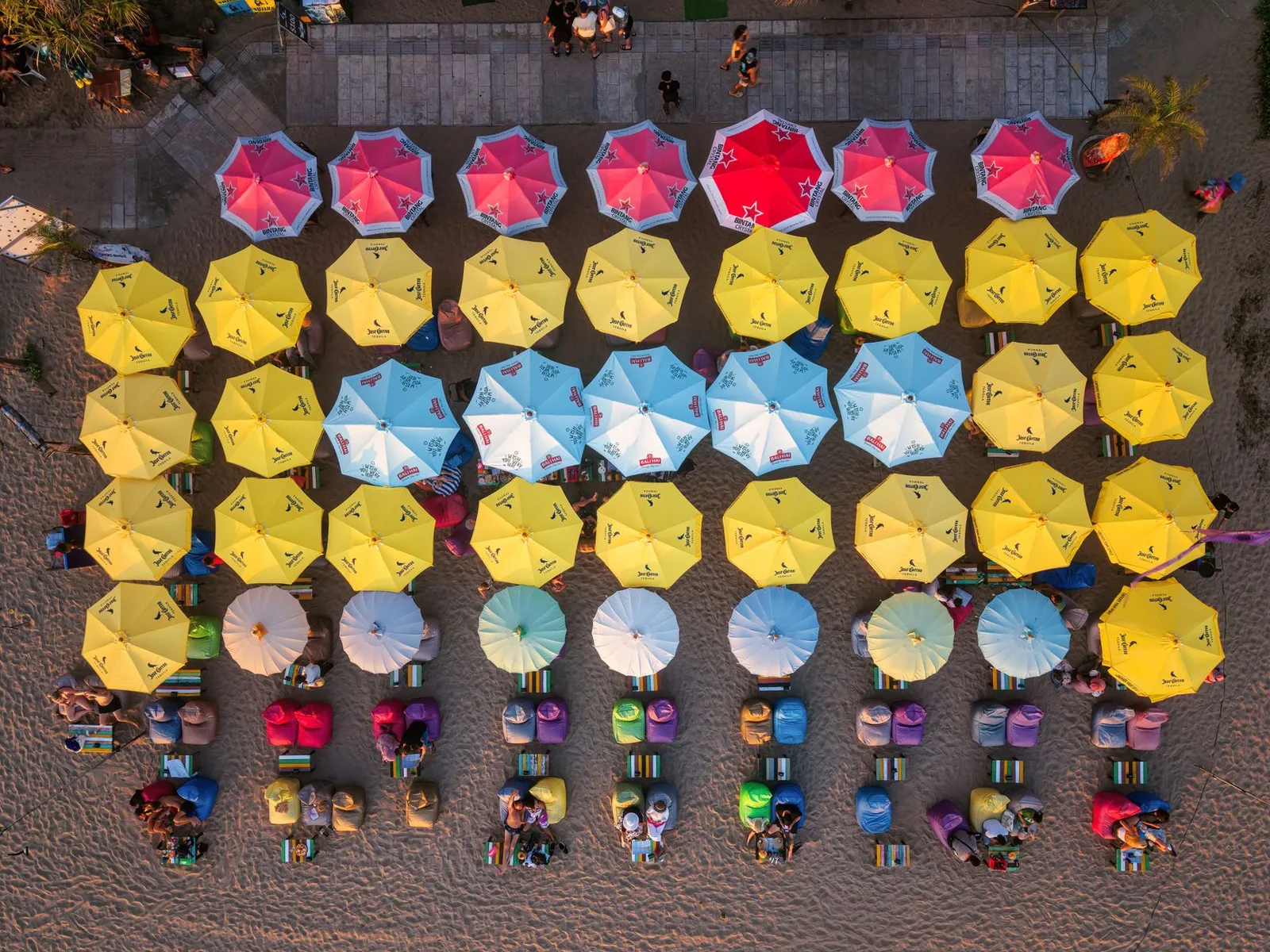
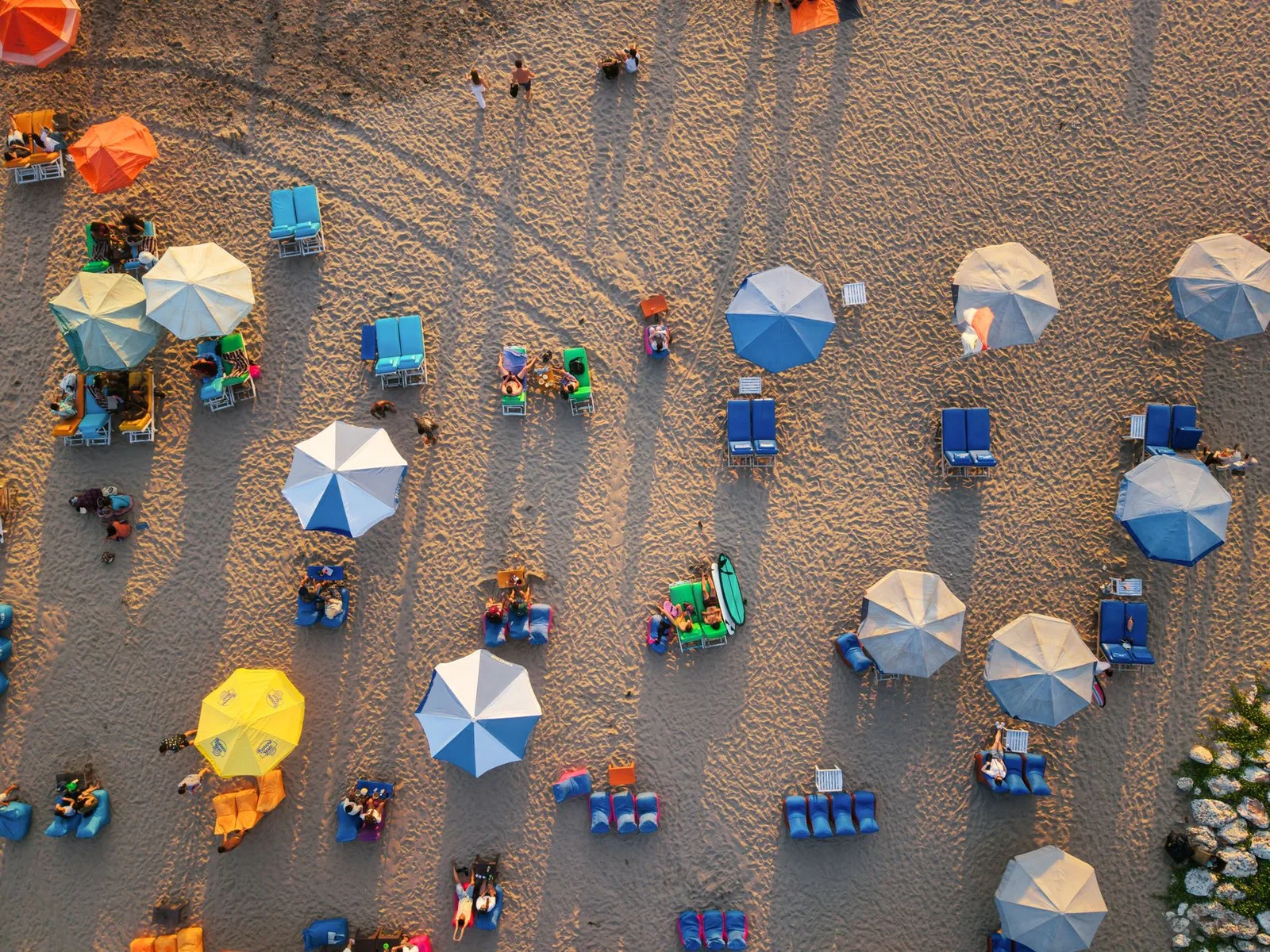
For most of us a beach umbrella is pure, uncomplicated joy: a pool of shade, a windbreak, a flag that says this patch of sand is ours for the day. So it came as a small shock when, in June 2026, one of the prettiest coves in the Mediterranean decided it had had enough of them.
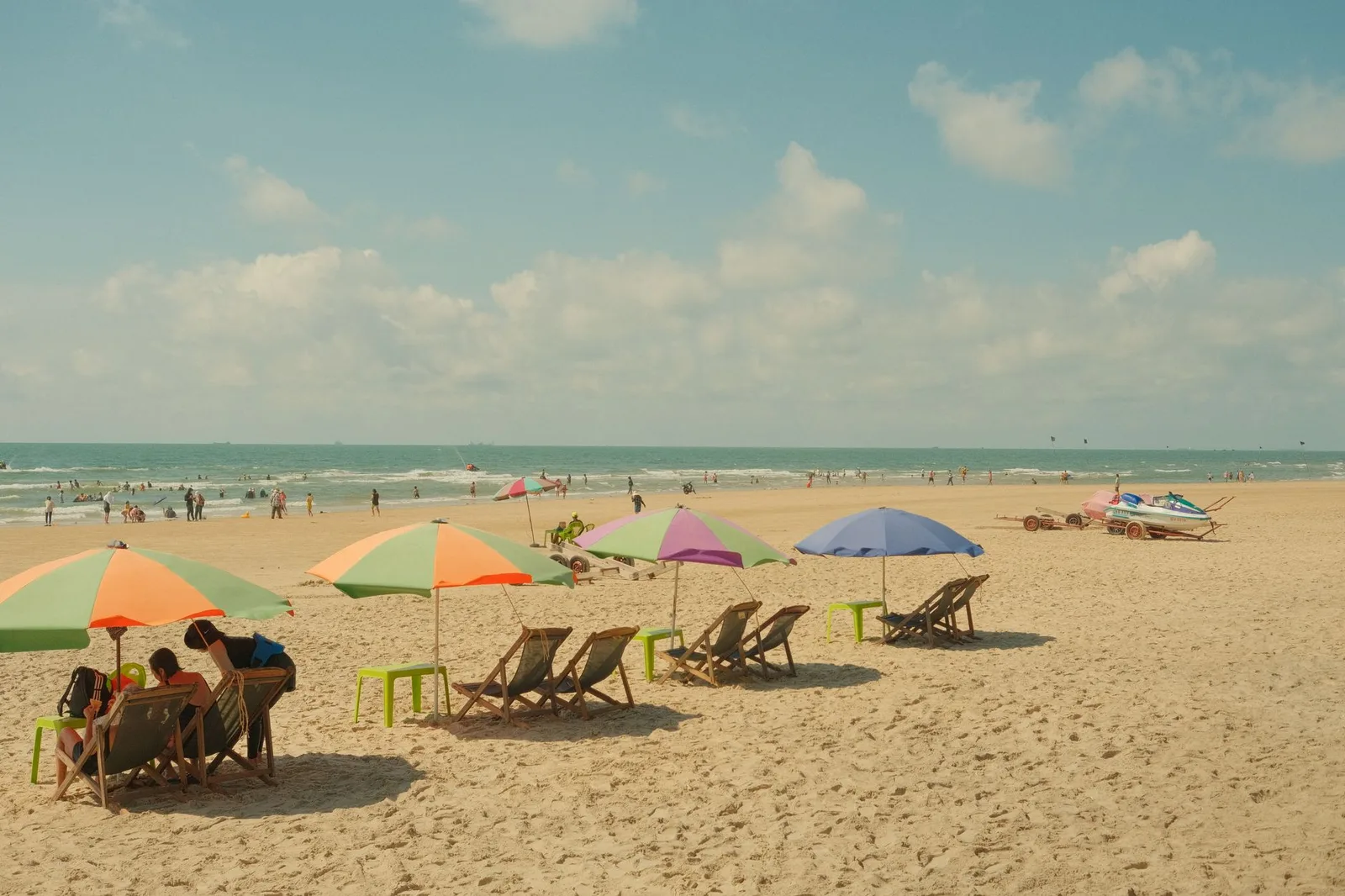
The beach that banned the umbrella
From 6 June 2026, the tiny, turquoise cove of Punta Molentis near Villasimius, in south-east Sardinia, no longer allows beach umbrellas, gazebos or tents for visitors aged between 10 and 65. Only families with children under 10 and people over 65 may put up a single parasol. Access is capped — around 70 cars a day, by reservation — with a fee of €10 to arrive by land or €5 by sea, and the rules run through 31 October.
The reason isn’t fussiness. A wildfire tore through the area in July 2025, and the local authority says forests of planted umbrellas physically blocked the evacuation of the beach. Banning them is partly a safety measure and partly an attempt to let a fragile, fire-scarred ecosystem recover. Predictably, the internet was less than delighted — one widely-shared joke ran, “so to get a parasol, I have to rent a child?” — with real worries about sunstroke and skin cancer mixed in. You can read the detail on The Local Italy and on the Comune di Villasimius site.
Punta Molentis is the eye-catching headline, but it’s part of a wider Mediterranean trend — capped numbers, paid access, and limits on what you can pitch — as fragile, over-loved beaches try to protect themselves. So it’s worth getting the whole picture: the joys, the rulebook, and the genuine dangers.
The quiet joy of a beach umbrella
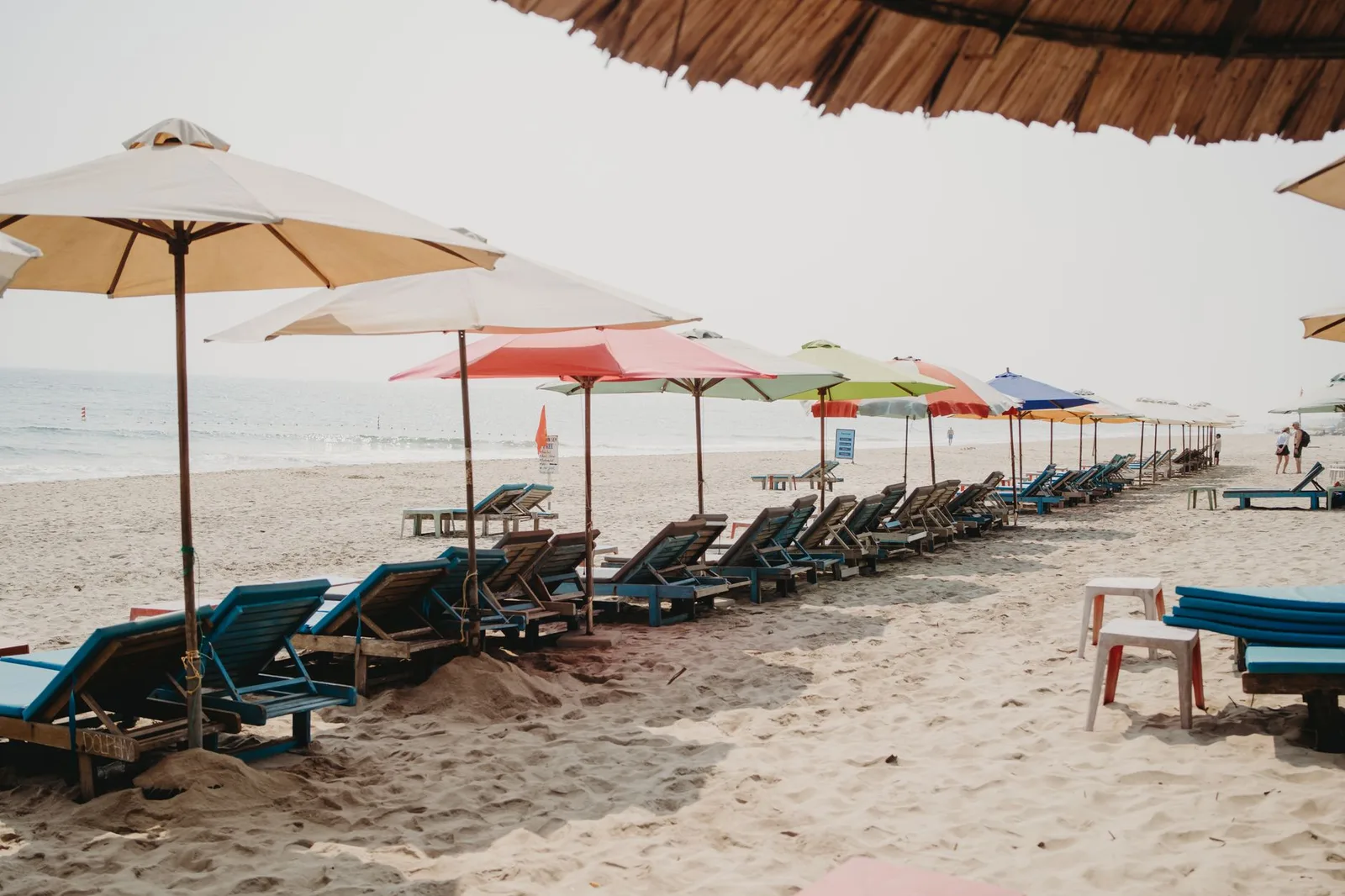
Let’s start with why we plant one in the first place, because the case for the umbrella is strong. It gives you shade you can move — a patch of cool that follows the family rather than the fixed shadow of a tree. It’s a windbreak for the picnic and a screen for the toddler’s nap. It keeps the worst of the midday heat off, which on a 35°C day is the difference between staying till sunset and surrendering by noon. And there’s the small territorial comfort of it: a bright canvas dome is a home base on a crowded beach, the thing everyone navigates back to after a swim. None of that is going away. The umbrella is a good idea — it just has to be the right umbrella, planted the right way, in a place that allows it.
The rules: where you can plant one — and where you can’t
There is no single law of the beach umbrella; it changes by country, region and even by individual beach. The headline shift in 2026 is that “you can pitch anything, anywhere” is no longer a safe assumption. A quick lay of the land:
- Italy. On a free public beach (spiaggia libera) you can usually bring and plant your own umbrella; on a lido you rent a sunbed-and-parasol set and bringing your own is often not allowed. On top of that, individual beaches now impose their own rules — Punta Molentis is the sharpest example, but caps, booking systems and gear limits are spreading along the most fragile shores.
- Spain. Many municipalities ban “reserving” a spot by leaving an unattended umbrella out early in the morning — some Costa beaches remove and fine kit left to hold space before the owner arrives. Pitch yours when you actually get there.
- France. On most plages you can bring your own; concession zones (plages privées) are paid and supply their own. Some resorts limit umbrellas near the waterline so they don’t block the lifeguard’s sightline.
- Set-backs and access lanes. A growing number of beaches ask you to keep umbrellas back from the water and out of marked emergency lanes — exactly the problem Sardinia ran into during its fire.
The practical rule is simple: check the specific beach before you go, especially for protected coves, national-park shores and anywhere with a booking system. A two-minute search beats a fine or a wasted drive.
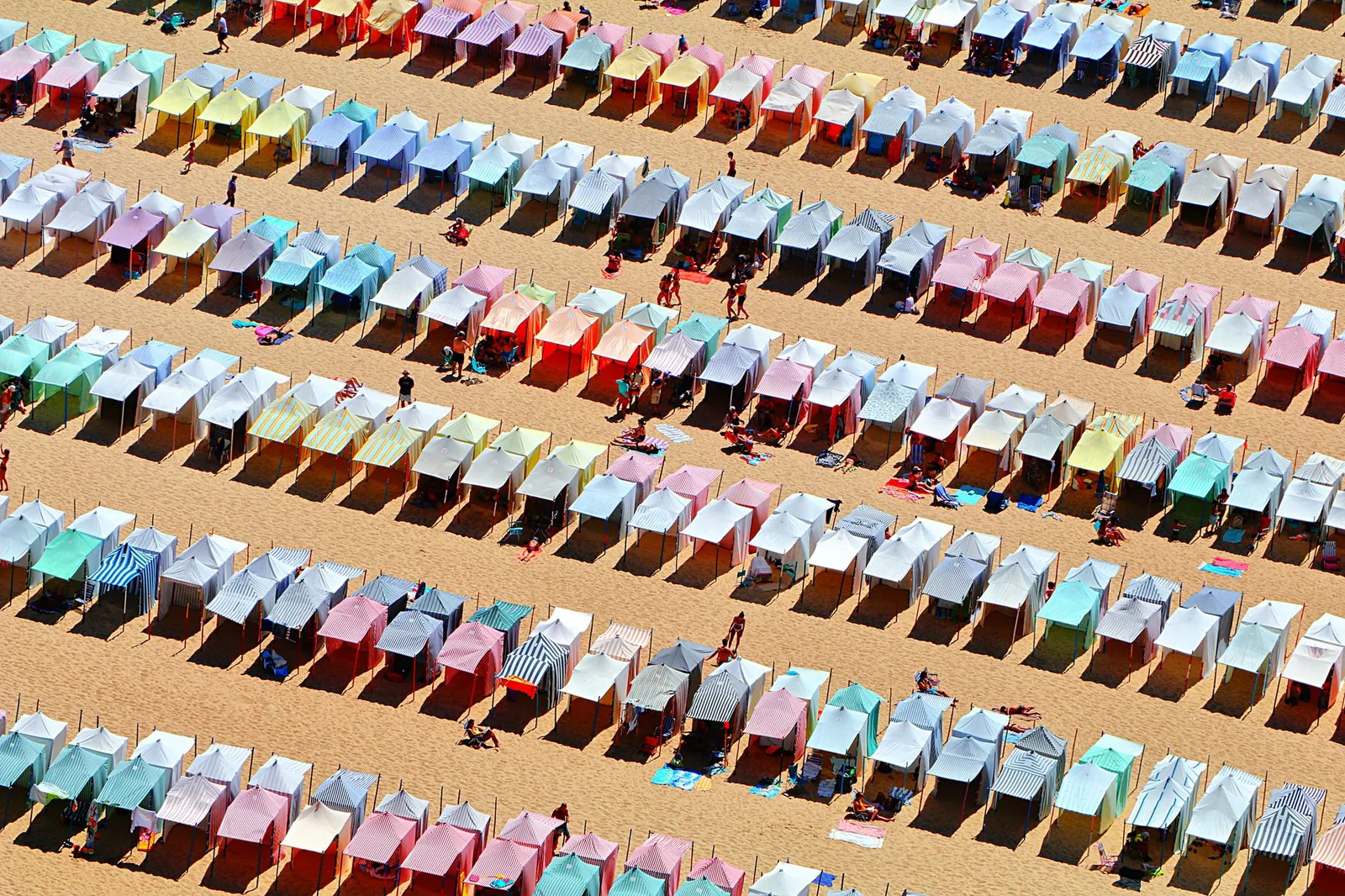
The dangers nobody mentions
Here’s the part the holiday brochures skip. A beach umbrella carries two real risks, and neither is the one you’d guess.
1. The flying umbrella. An unsecured umbrella in a gust is not a comic mishap — it’s a metal-tipped projectile. In the United States, where the data is best, beach umbrellas send hundreds of people to emergency rooms every year; a federal estimate put it at roughly 300 a year, and wind is the cause in about half of cases. The typical injury is a laceration to the head, neck or face, and there have been deaths when a blown umbrella struck a bystander. The pole is sharp, the canvas is a sail, and dry sand barely holds a shallow spike. This is the danger to take seriously — see the anchoring method below. (Background: a fact-check of the injury figures.)
2. The false sense of sun protection. An umbrella feels like total cover, but shade is not a sunblock. In a randomized trial on a sunny Texas beach, people who sat under a standard beach umbrella for several hours got sunburned far more often — about 78% showed burn — than people who used SPF 100 sunscreen, where roughly 25% burned. The reason is that UV doesn’t only come straight down: it scatters from the sky and reflects up off the bright sand, reaching you sideways and from below where the umbrella can’t help. Use the umbrella and sunscreen — never the umbrella instead. (The study: JAMA Dermatology RCT, PDF; on how much different shade actually protects, a review of shade and UV.)
And one comfort risk: heat. Shade lowers the air-temperature load but a closed-in umbrella on still, humid days can trap warm air. Keep water coming, take breaks in real shade, and watch children and older people for the early signs of heat exhaustion.
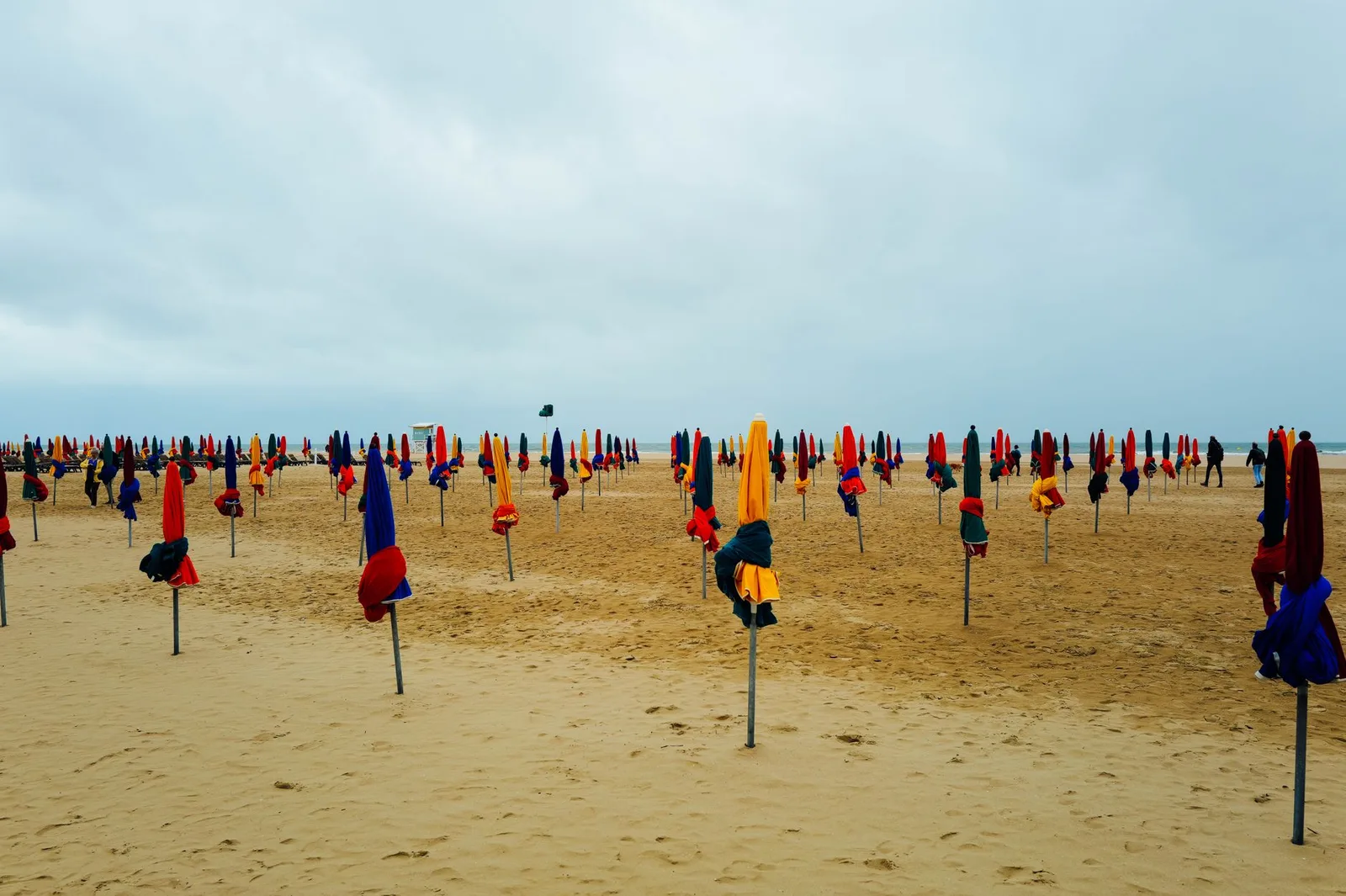
How to anchor a beach umbrella so it doesn’t fly
Almost every flying-umbrella injury is preventable. This is the method beach lifeguards and safety agencies recommend — it takes a minute and it works.
- Rock the pole, don’t just push it. Drive the pole at least 40–50 cm (16–20 in) deep, rocking it back and forth as you go so it bites into firmer, damp sand rather than sitting in the loose dry top layer.
- Tilt it into the wind, not away. Angle the umbrella so it leans toward the breeze. This spills wind over the top instead of letting it get under the canopy and lift the whole thing out like a kite.
- Use an anchor or auger. A screw-in sand anchor, a corkscrew base, or a weighted bag dug in around the pole multiplies the holding power. A plain spike in dry sand is the setup that fails.
- Add a sandbag or your bags. Pile the cooler and beach bags around the base. Weight low down is exactly what a gust can’t overcome.
- Take it down when the wind picks up. The honest rule: if it’s gusting hard enough that the canopy strains, close it. No patch of shade is worth a trip to the ER — yours or a stranger’s downwind.
And never, ever walk away from an open umbrella in a rising wind “just for a quick swim.” That’s the exact moment it goes airborne.
Beach umbrella etiquette
A few unwritten courtesies keep a crowded shore civil. Leave a gap — don’t pitch your canopy a metre from a stranger when there’s open sand. Mind the view and the breeze: don’t plant a tall umbrella right in front of someone settled behind you. Don’t “reserve” sand with an unattended umbrella at dawn and disappear — in several countries that’s now actively fined. And take it down and carry it out when you leave; an abandoned umbrella is litter and, in the wind, a hazard for everyone still on the beach.
Beaches where the shade is already there
Here’s the happy loophole to the whole umbrella question: on some beaches you don’t need one at all, because nature got there first. Pines, tamarisks and takamaka trees lean right out over the sand and throw real, cool, dappled shade — no pole to bury, nothing to fly away, nothing to ban. If the umbrella rules are tightening where you’re headed, point yourself at a beach that comes pre-shaded:
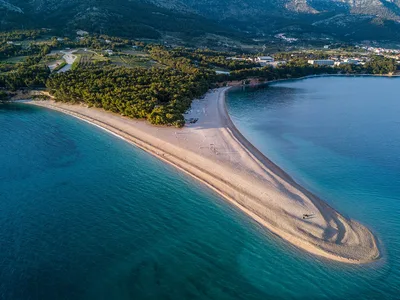
- Zlatni rat, Brač (Croatia) — the famous shifting horn of pebble has a wall of pine forest right behind it, so the shade is steps from the water.
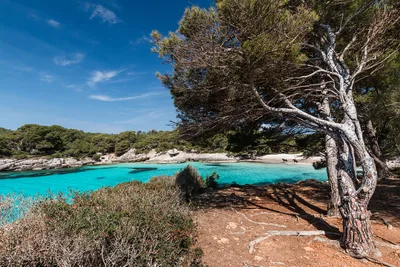
- Cala en Turqueta, Menorca (Spain) — a turquoise Balearic cove framed by pine woods that shade the back of the sand through the afternoon.
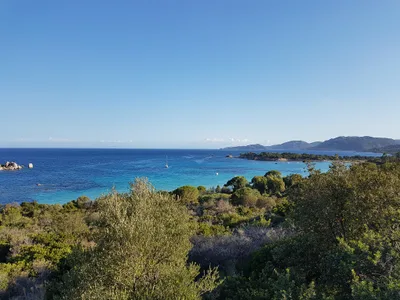
- Plage de Tamaricciu, Corsica (France) — named for the tamarisk trees that lean over the granite and sand, doing the parasol’s job for free.
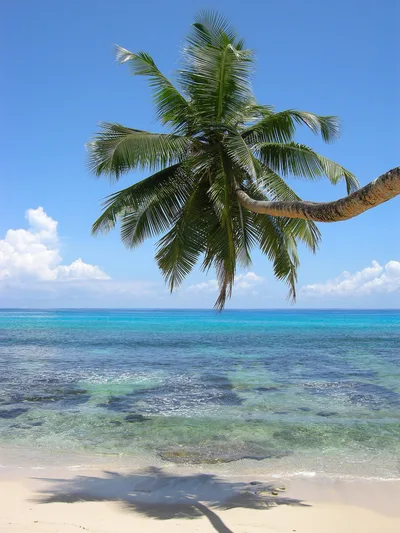
- Anse Takamaka, Mahé (Seychelles) — named, again, for its trees: the takamaka canopy makes natural shade on one of the Indian Ocean’s loveliest shores.
Want more like these? Browse the Atlas for shaded, easygoing shores — the relaxed and family-friendly filters surface gentle, tree-backed beaches, while wild and iconic turn up the dramatic, natural ones. For a day out with kids, our family-friendly beaches guide covers picking the right shore; and for the inevitable aftermath, here’s how to get the sand off afterwards.
Frequently asked questions
Why did Punta Molentis ban beach umbrellas?
From 6 June 2026 the Sardinian cove banned umbrellas, gazebos and tents for visitors aged 10 to 65, allowing only families with under-10s and over-65s a single parasol. The local authority cites two reasons: a July 2025 wildfire during which dense rows of umbrellas blocked the beach evacuation, and the need to let a fragile, fire-damaged ecosystem recover. Access is also capped and now carries a €10 (land) or €5 (sea) fee, running through 31 October.
Can I bring my own umbrella to the beach in Italy?
Usually yes on a free public beach (spiaggia libera), but not on a lido, where you rent a sunbed-and-parasol set. On top of that, individual beaches — especially protected coves and national-park shores — increasingly set their own rules, from booking systems to outright bans. Always check the specific beach before you travel.
How do I stop my beach umbrella from blowing away?
Drive the pole 40–50 cm (16–20 in) into firm, damp sand, rocking it as you push. Tilt the umbrella into the wind so air spills over the top, and use a screw-in sand anchor or weighted base plus your bags piled around the pole. If it’s gusting hard enough to strain the canopy, take it down — a plain spike in dry sand is exactly the setup that turns into a flying projectile.
Are beach umbrellas dangerous?
They can be, in two ways. In wind, an unsecured umbrella becomes a metal-tipped projectile — in the US, hundreds of people a year are treated in emergency rooms, often for head and face lacerations, and wind is the cause in about half of cases. Second, shade is not sunblock: UV reflects off bright sand and reaches you sideways, so people relying on an umbrella alone burn far more than people using high-SPF sunscreen. Anchor the umbrella properly and use sunscreen with it.
Does sitting under a beach umbrella prevent sunburn?
Not on its own. In a randomized trial, about 78% of people under a standard beach umbrella for several hours got sunburned, versus around 25% using SPF 100 sunscreen. UV scatters from the sky and reflects up off the sand, so it reaches skin from angles the canopy can’t block. Use both: shade for comfort, sunscreen for protection.
Which beaches have natural shade so I don’t need an umbrella?
Look for shores backed by pines, tamarisks or takamaka trees that lean over the sand. Good examples in our Atlas include Zlatni rat in Croatia, Cala en Turqueta in Menorca, Plage de Tamaricciu in Corsica and Anse Takamaka in the Seychelles. The relaxed and family-friendly filters surface more tree-backed, easygoing beaches.
This article is general travel and safety information gathered in June 2026, not legal or medical advice. Beach rules, fees and booking systems change frequently and vary by municipality and by individual beach — always confirm the current rules with the official local source (such as the relevant comune, region or beach operator) before you travel. Sun-protection and heat guidance here is general; for personal medical advice, consult a pharmacist or doctor. Where Is My Beach is not responsible for decisions made on the basis of this article.
Photo credits
Sources and licenses for the photos shown above.
- Photo 1 — Photo by Jessie Renee on Pexels · Pexels License
- Photo 2 — Photo by 🇻🇳🇻🇳 Việt Anh Nguyễn 🇻🇳🇻🇳 on Pexels · Pexels License
- Photo 3 — Photo by Carlos Almeida on Pexels · Pexels License
- Photo 4 — Photo by Adrien Olichon on Pexels · Pexels License
- Photo 5 — Photo by Tom Fisk on Pexels · Pexels License
- Photo 6 — Photo by Tom Fisk on Pexels · Pexels License