
"Family-friendly" gets stamped on almost any beach with a car park. But the beaches that actually work with kids share a handful of concrete traits — and knowing them turns a stressful day into an easy one. This guide, written in May 2026, covers what to look for, how to keep children safe in the water, and where to start.
What actually makes a beach good for families
Skip the marketing and look for these, roughly in order of importance:
- Calm, sheltered water with a gentle slope. Bays, coves and lagoons beat open Atlantic surf for small children. A shallow, gradual entry means no sudden drop-offs.
- Lifeguard cover and a flag system. A patrolled beach with a supervised swimming zone is the single biggest safety upgrade. Blue Flag beaches usually meet strict water-quality and safety standards.
- Shade and facilities. Natural shade or room for a parasol, plus toilets, fresh water and somewhere to buy lunch, make long days workable. Our beach umbrella guide covers anchoring one safely and where they're still allowed.
- Easy access and parking. A short, flat, pram-friendly walk from the car matters more than you'd think when you're carrying half a household.
- Clean, calm sand. Soft sand for castles, not a steep pebble bank, and clean water (check local water-quality signage).
Keeping children safe in the water
A few habits prevent almost every beach scare. None of them are optional with young children:
- Swim near a lifeguard and read the flags. Red means don't go in. Red-and-yellow marks the supervised area — stay between the flags.
- Active, arm's-reach supervision. Young children need an adult within touching distance in the water, watching constantly — drowning is silent and fast. Don't rely on inflatables, which drift out quickly.
- Beware rip currents. If caught, don't swim against it: float, signal, and let it carry you until it weakens, then swim in at an angle. Teach older kids the same. The RNLI water-safety advice is an excellent reference.
- Sun and heat. Shade, high-SPF sunscreen reapplied often, hats, and plenty of water — children overheat and burn faster than adults. Hot sand can burn small feet too — and peeling the stuck sand off small, sensitive skin afterwards has its own baby-safe tricks, in our sand-removal guide.
- No drinking seawater. Bring fresh water; swallowing seawater makes kids ill.
Where family beaches cluster
Sheltered, well-equipped family beaches are easiest to find on calmer seas — the Mediterranean (Greece, Croatia, the French Riviera, Montenegro, Slovenia), enclosed bays and lagoons, and patrolled city beaches in places like Australia and South Africa. Open-ocean coasts can still be superb with kids where there's a lifeguarded, sheltered section — just be deliberate about choosing the right spot and the right tide.
A few beaches that work with kids
Confirm current conditions locally, but these are known for gentler, family-friendly conditions across very different coastlines:
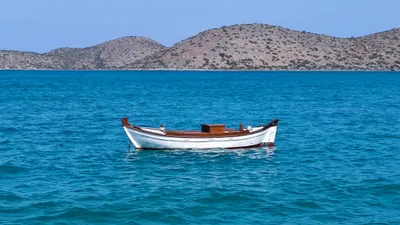
- Elounda, Greece and Petrovac, Montenegro — sheltered Mediterranean bays.
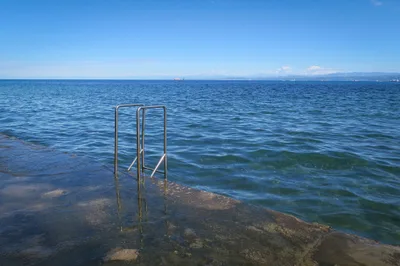
- Zaton Mali, Croatia and Simon's Bay, Slovenia — calm Adriatic coves.
- Plage Thiers, France — an easy town beach.
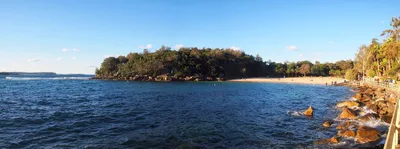
- Shelly Beach, Australia and Plettenberg Bay, South Africa — patrolled, sheltered swimming.
- Zuma Beach, USA — a classic lifeguarded family beach.
Frequently asked questions
What makes a beach family-friendly?
Calm, sheltered water with a gentle slope, lifeguard cover and a flag system, shade and amenities (toilets, food, fresh water), and easy, pram-friendly access with parking. Soft clean sand and good water quality round it out. Patrolled and Blue Flag beaches are a good starting point.
How do I keep young children safe in the sea?
Swim near a lifeguard and stay between the red-and-yellow flags, keep an adult within arm's reach of young children at all times, avoid relying on inflatables, and learn what to do in a rip current (float and signal rather than swim against it). Add sun protection, shade and fresh water.
What should I do if my child is caught in a rip current?
Don't fight it. Stay calm, float to keep your head above water and raise a hand to signal for help. A rip carries you out, not under; once it weakens, swim back in at an angle towards the beach. The best protection is to swim where lifeguards can reach you quickly.
Which seas are calmest for families?
Enclosed and sheltered waters tend to be calmest: the Mediterranean and Adriatic, lagoons and bays, and patrolled urban beaches. Open-ocean coasts can still be excellent with a lifeguarded, sheltered section — just pick the spot and tide deliberately.
Are Blue Flag beaches better for families?
Often, yes. The Blue Flag label requires meeting standards on water quality, safety (including lifeguard provision), facilities and environmental management — all of which line up well with what families need. It's a useful shortlist, though plenty of unlabelled beaches are also great.
Beach conditions, lifeguard cover and water safety change daily and vary by location. Everything here is general guidance gathered in May 2026 — not safety, legal or medical advice. A beach being labelled family-friendly does not guarantee safe conditions on any given day; always check the sea, tides and lifeguard flags yourself and supervise children at all times. Where Is My Beach is not responsible for decisions made on the basis of this article.
Photo credits
Sources and licenses for the photos shown above.
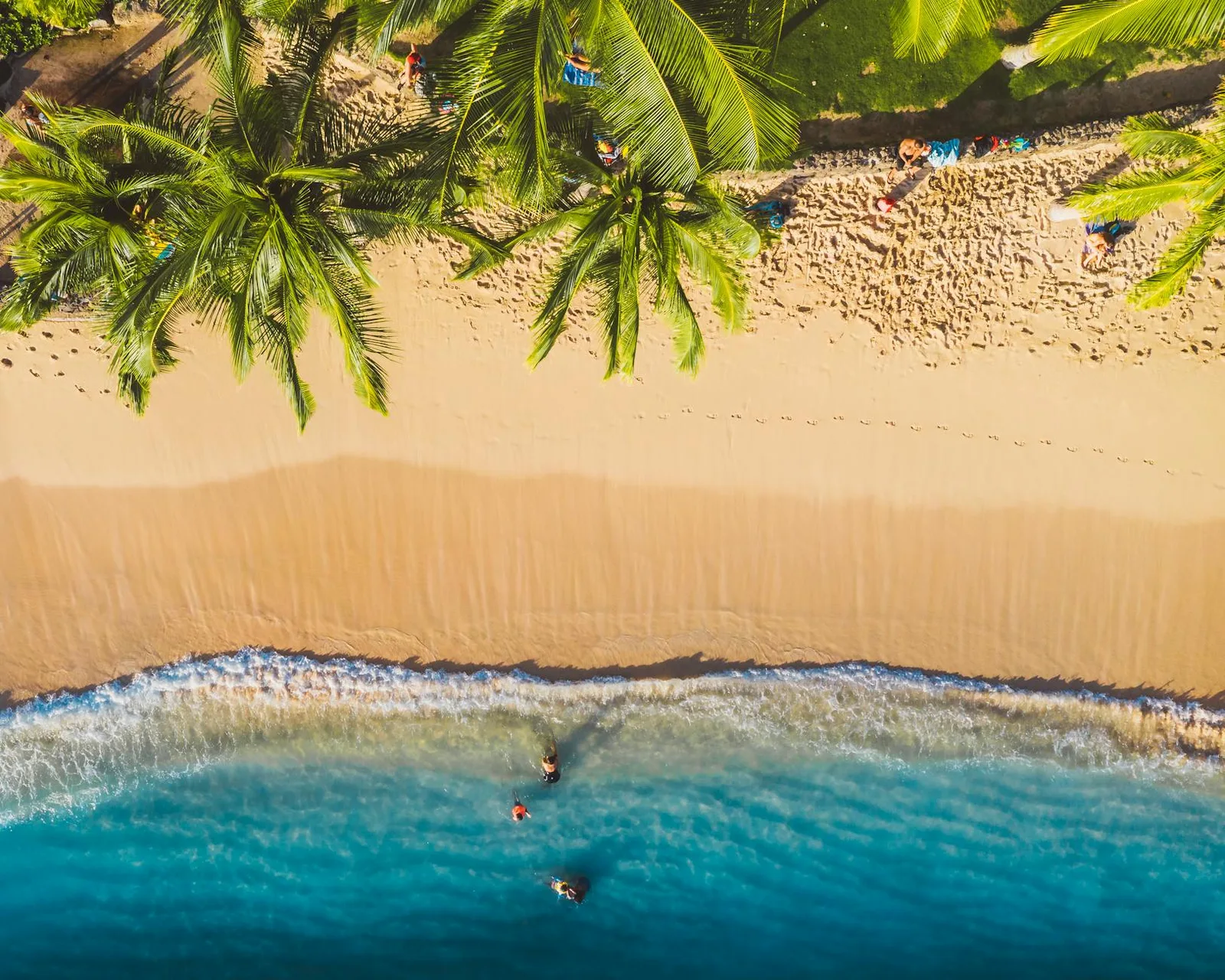
- Photo 1 — Photo by Jess Loiterton on Pexels · Pexels License
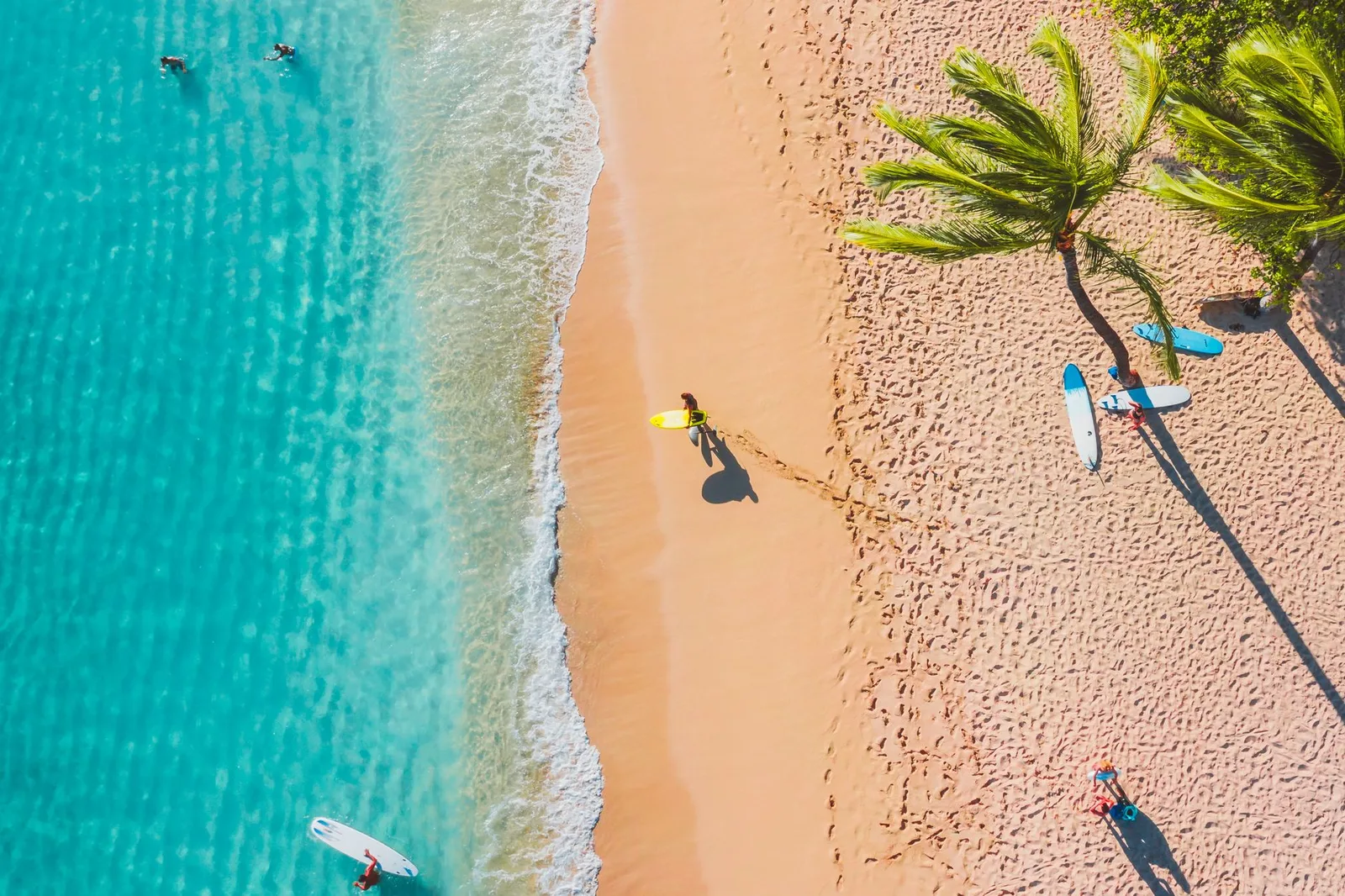
- Photo 2 — Photo by Jess Loiterton on Pexels · Pexels License
- Photo 3 — Photo by Tom Fisk on Pexels · Pexels License
- Photo 4 — Photo by Ollie Craig on Pexels · Pexels License
- Photo 5 — Photo by Jess Loiterton on Pexels · Pexels License
- Photo 6 — Photo by Jess Loiterton on Pexels · Pexels License