



Entry rules for sun-and-sand destinations moved more in the last twelve months than in the previous five years. Europe switched on biometric borders, a long-promised travel authorisation finally has a price and a window, and one of Asia's biggest beach destinations is about to halve its visa-free welcome. This guide is a snapshot verified against official sources in May 2026 — read it as a starting point, then confirm the live rule for your nationality before you book.
Europe: biometric borders are here, ETIAS is next
Two separate systems are often confused. EES is a border control system; ETIAS is a pre-travel authorisation. They are not interchangeable, and they arrived in that order.
The Entry/Exit System (EES) began its phased rollout on 12 October 2025 and became fully operational on 10 April 2026 across 29 European countries. It replaces the manual passport stamp with a digital record and registers your facial image and fingerprints on first entry. Practical effect for beach travellers: expect a short biometric enrolment the first time you cross an external Schengen border — and no more ink stamps to count your days. Details are on the EU's Migration & Home Affairs EES page.
ETIAS — the European Travel Information and Authorisation System — is the one you'll need to apply for in advance. As of May 2026 it is not yet live and no applications are being taken. The official window is the last quarter of 2026; an exact launch date has not been published. When it starts, expect:
- Cost: €20 (raised from the originally planned €7), with under-18s and over-70s exempt — see the EU's official €20 announcement.
- Validity: 3 years, or until your passport expires — whichever comes first, with multiple entries.
- Who needs it: visa-exempt non-EU nationals (US, UK, Canada, Australia and ~55 others) visiting 30 European countries, under the usual 90-days-in-any-180 limit.
- A generous cushion: at least a 6-month transitional period plus a further grace period — roughly 12 months in total — during which travellers won't be turned away simply for not having ETIAS yet.
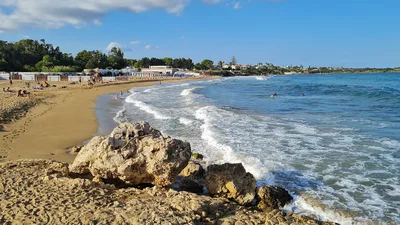
The clear, official explainer is the EU's EES vs ETIAS page, and the traveller portal at travel-europe.europa.eu. None of this stops you reaching a Greek cove like Mikri Vigla or a Portuguese inlet such as São Roque do Faial — it just adds one online step once ETIAS goes live.
Thailand changed — read this before you book
Thailand is the headline mover. In May 2026 the Thai Cabinet approved scrapping the 60-day visa-free scheme, reverting most nationalities (including the US, UK, EU and Australia) to 30 days. The catch: the change only takes effect 15 days after publication in the Royal Gazette, and that date had not been announced as of May 2026.
Two things are not changing and matter more day-to-day:
- The TDAC (Thailand Digital Arrival Card) is mandatory and free. Since 1 May 2025 every foreign arrival must complete it online — within 72 hours before arrival — at the only official site, tdac.immigration.go.th. It replaced the old paper TM6. Beware copycat sites that charge a "service fee"; the real one is free.
- The eVisa is live worldwide at thaievisa.go.th for travellers who need an actual visa — unaffected by the exemption cut.
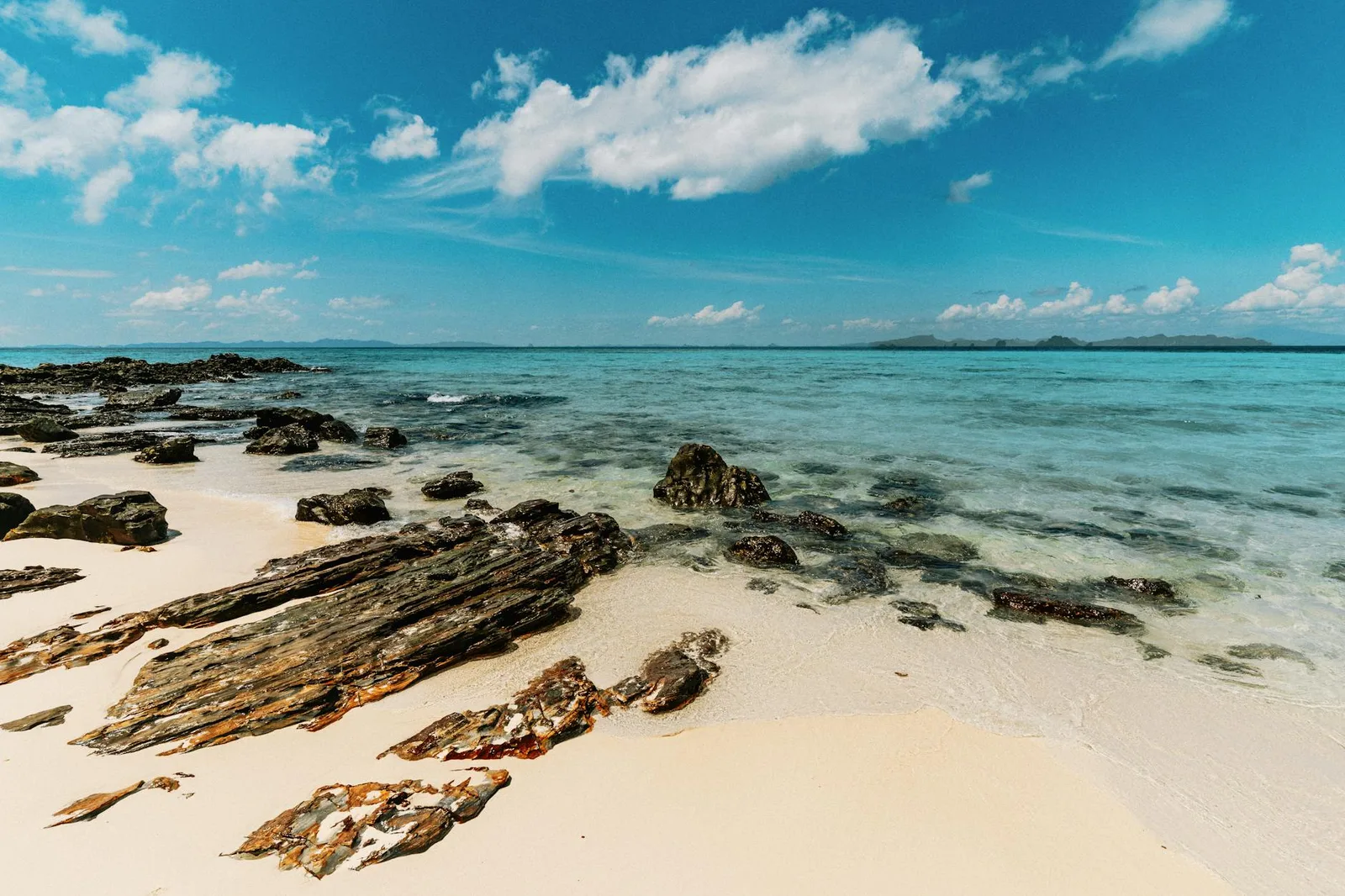
For longer stays, the 5-year Destination Thailand Visa (DTV) gives remote workers up to 180 days per entry. And to be clear: travel insurance is not currently a hard entry requirement for ordinary tourists (a "no insurance, no entry" rule has been floated for 2026 but is not in force), and the much-discussed 300 THB tourist fee has been repeatedly delayed and is not being charged. None of which dims the limestone drama of Phra Nang. The UK's FCDO Thailand page is a reliable cross-check.
Other beach hotspots, at a glance
Quick-reference for visa-exempt Western travellers, current as of May 2026. Fees and rules shift — treat this as a prompt to verify, not a guarantee.
| Destination | Current headline rule (2026) | What changed |
|---|---|---|
| Bali / Indonesia | Visa on arrival ~IDR 500,000 (~$35), 30 days. Separate Bali tourist levy IDR 150,000 (~$10). | Levy still active; pay at lovebali.baliprov.go.id before arrival. |
| Mexico | No visa; up to 180 days but not automatic — the officer decides. Check your printed date. | Paper FMM going digital at major airports. |
| Maldives | Free 30-day visa on arrival. | Departure fee now $50 (economy); Green Tax doubled (Jan 2025). |
| Philippines | Visa-free 30 days. | eTravel registration mandatory (free, within 72h) at etravel.gov.ph. |
| United Kingdom | ETA required for EU/US visitors — £20, valid 2 years. | Enforced from 25 Feb 2026; fee rose to £20 in April 2026. |
| United States | ESTA required, valid 2 years. | Fee nearly doubled to $40 (30 Sep 2025), now inflation-indexed. |
Travel insurance: what to actually plan for
Insurance is the part travellers skip and regret. Two questions matter: is it legally required, and does it actually cover a beach holiday?
Where it's legally required. For a Schengen visa, travel medical insurance with a minimum €30,000 of cover (emergency care, hospitalisation, repatriation) is mandatory to be issued the visa — this is set by Article 15 of the EU Visa Code. Crucially, this requirement applies to visa applicants only: visa-exempt travellers under ETIAS do not have to show insurance. Beyond Europe, three destinations now mandate it at the border: Georgia (from 1 January 2026, minimum 30,000 GEL — see the US Embassy notice), Argentina (since mid-2025), and Cuba (proof required on entry — see Canada's travel advice).
What good cover looks like — a neutral checklist (we don't recommend brands):
- Emergency medical + hospitalisation abroad, plus medical evacuation / repatriation (air-ambulance repatriation can run into six figures).
- Trip cancellation and interruption, travel delay, and baggage loss/theft.
- Cover for the entire trip length and every country on your itinerary, meeting any destination minimum (€30,000 Schengen, 30,000 GEL Georgia, etc.).
- Any pre-existing conditions declared up front — otherwise they're usually excluded.
Buy as soon as you book (cancellation cover starts then), and lean on neutral government sources to compare what's needed: the UK's foreign travel insurance guidance and country-by-country FCDO advice, and the US State Department's travel insurance page.
Frequently asked questions
Do I need ETIAS to travel to Europe right now?
No. As of May 2026 ETIAS is not yet live and no applications are being taken. It is expected in the last quarter of 2026, with at least a 6-month transitional period afterwards during which you won't be refused entry just for not having it. Until then, the usual 90-days-in-180 rule applies for visa-exempt travellers.
How much does ETIAS cost, and how long is it valid?
€20 (confirmed in July 2025, up from the earlier €7 figure). Travellers under 18 or over 70 are exempt. Once issued it is valid for 3 years or until your passport expires, whichever comes first, and allows multiple entries.
Is Thailand still 60 days visa-free?
For now, yes — but a cut to 30 days for most nationalities has been approved and takes effect 15 days after it appears in the Royal Gazette, a date not yet announced as of May 2026. Check the current rule on the day you book and again before you fly. Separately, the free TDAC digital arrival card is mandatory for all arrivals.
Is travel insurance mandatory for a beach holiday?
It depends on the destination. It is legally required to obtain a Schengen visa (minimum €30,000 medical cover) but not for visa-exempt travellers. Georgia, Argentina and Cuba now require proof of insurance at entry. Everywhere else it is strongly recommended rather than mandatory — and worth it, given how expensive medical repatriation can be.
Does my travel insurance cover scuba diving and water sports?
Often not by default. Many policies exclude scuba diving or cap it at a depth limit, and require an add-on for jet ski, parasailing or kitesurfing. Moped and quad-bike hire is also commonly excluded. If your trip involves any of these, confirm the activity is covered in writing before you travel.
What is EES and will it slow me down at the border?
EES (the Entry/Exit System) is the EU's biometric border record, fully operational since 10 April 2026. On your first entry it captures your facial image and fingerprints and replaces the passport stamp. Expect a short one-time enrolment; after that, crossings are designed to be faster, not slower.
Entry rules, fees and enforcement change without notice and vary by border and nationality. Everything above was checked against official government sources in May 2026, but it is general information — not legal or immigration advice. Always confirm the current requirements for your own passport on the official government source for your destination before you book and again before you depart. Where Is My Beach is not responsible for decisions made on the basis of this article.
Photo credits
Sources and licenses for the photos shown above.
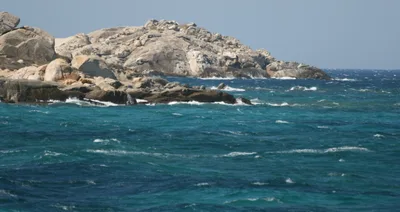
- Photo 1 — Photo by Siarhei Nester on Pexels · Pexels License
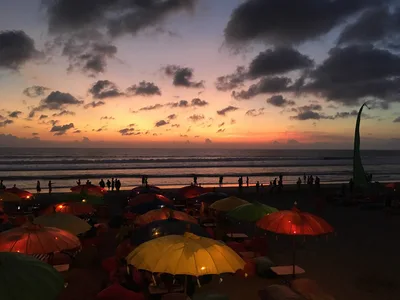
- Photo 2 — Photo by Asad Photo Maldives on Pexels · Pexels License
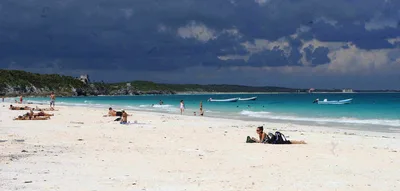
- Photo 3 — Photo by Yaman Nejdet Han on Pexels · Pexels License
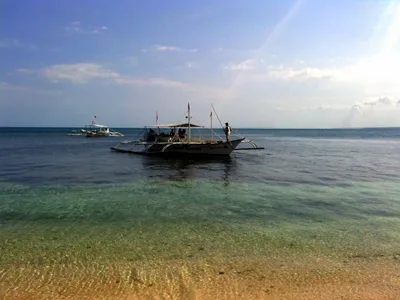
- Photo 4 — Photo by Asad Photo Maldives on Pexels · Pexels License
- Photo 5 — Photo by Image Studio on Pexels · Pexels License
- Photo 6 — Photo by John sp on Pexels · Pexels License