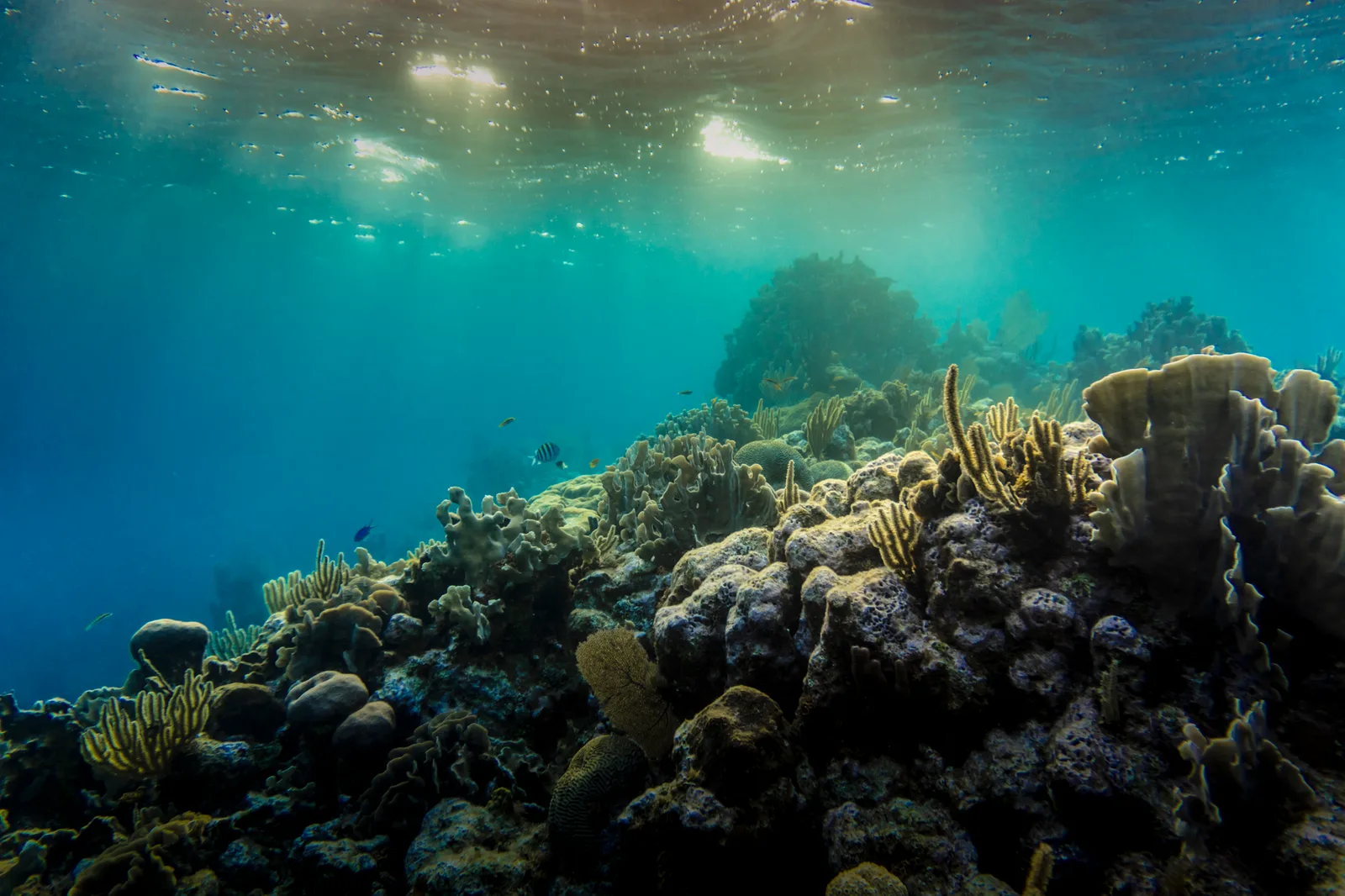

Snorkelling is the best-value ticket in travel. There is no certification, no instructor legally required, no engine, no fuel, no tank and no booking. For roughly the price of a paperback and a pizza you get a mask, a tube and a pair of fins — and with them, permanent access to the most crowded, most colourful and most under-visited layer of the planet: the top five metres of the sea, which is exactly where the light still reaches and where most of the life is. An estimated 25% of all marine life — including more than 4,000 species of fish — depends on coral reefs at some point in its life cycle (US EPA), and almost all of that spectacle sits in water shallow enough to float over.
And yet this is the sport with the widest gap between how easy it looks and how much nobody tells you. In Hawaii — the most snorkelled shoreline on earth — more than 200 visitors have died snorkelling in the past decade, roughly a quarter of all ocean drownings in the islands, and health officials were still, in May 2026, describing themselves as perplexed. The leading explanation is not what anyone expects, and we will get to it — because it changes how you should breathe, what mask you should buy, and what you should do on the first day of your holiday.
This is the long version. Gear that matters and gear that doesn't. How to fit a mask in thirty seconds. The technique that turns a splashy swim into an hour of effortless drifting. The safety brief you never got. What lives down there, what to admire and what to never, ever touch. The laws — sunscreen bans, marine-park permits, wildlife distances — that now carry real fines. And then the good part: the most beautiful places on earth to put your face in the water.
Why snorkelling beats almost everything else
Diving is magnificent and expensive: certification, tanks, boats, a buddy with the same qualification, a medical form. Surfing takes seasons to become fun. Snorkelling is fun in the first ten minutes and stays interesting for the rest of your life. You need no lesson, though one hour with an instructor is never wasted; you need no boat, because the best reefs in half the world are a hundred metres off the sand; and you can do it from age six to eighty-six.
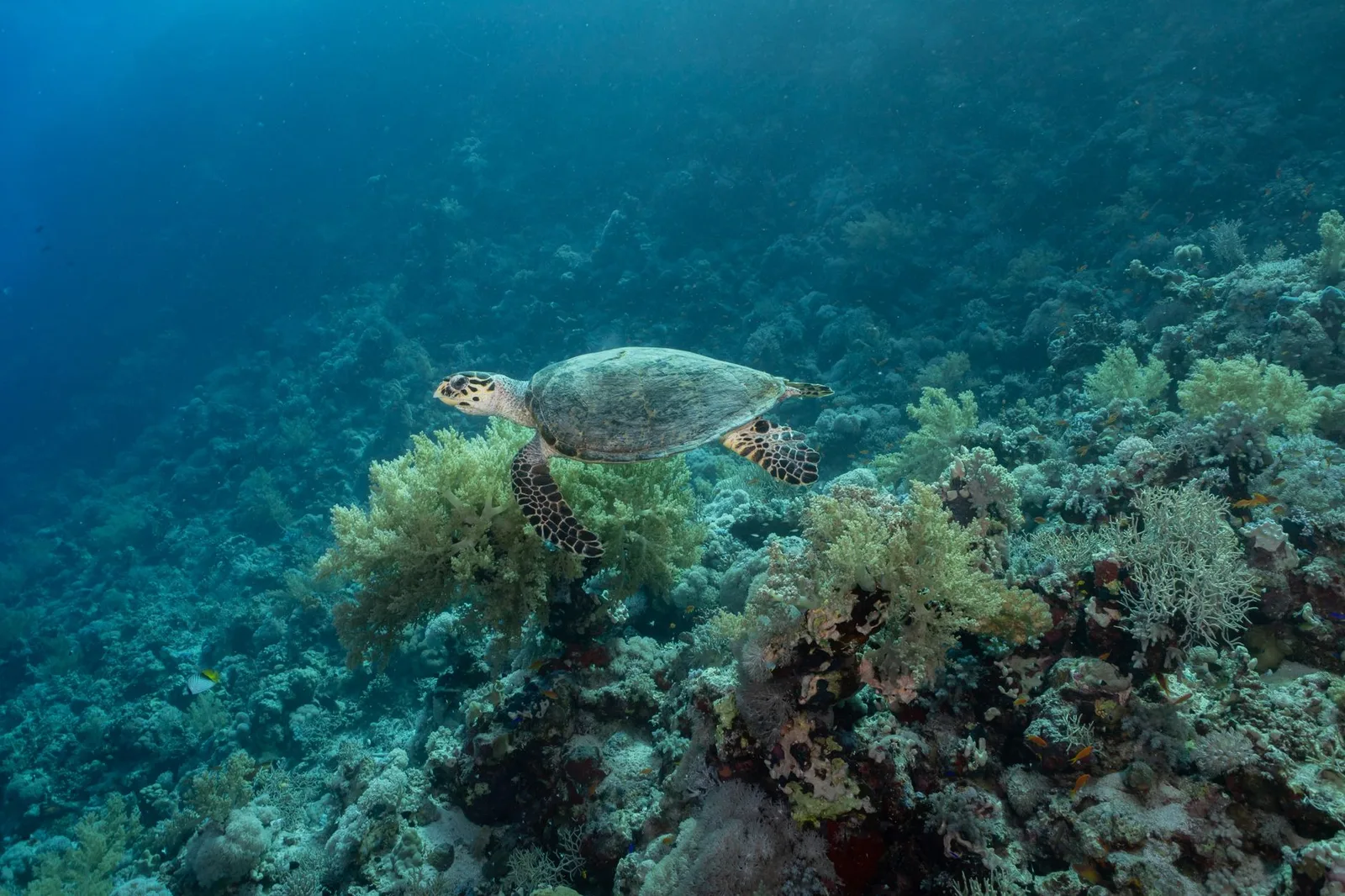
It is also the least intrusive way to see marine life. You are silent, you exhale no bubbles into the reef, you cast a small shadow. Fish that flee a scuba diver's clatter will let a drifting snorkeller pass overhead. Turtles, rays, reef sharks, octopus, cuttlefish, parrotfish grinding coral into tomorrow's sand — the shallow reef is not the reef's second-best floor show, it is the main stage.
The catch is that ease breeds carelessness. Nobody hands you a briefing, nobody checks your kit, and the sea makes no allowance for the fact that you are on holiday. Everything below is the briefing.
The gear, demystified
You can snorkel with three items. Buying the right three, and skipping the wrong ones, is most of the battle.
The mask — the only piece that really matters
Nothing else on this list will ruin a session the way a bad mask does. A mask that leaks means stopping every ninety seconds; a mask that fogs means seeing nothing; a mask that presses means a headache by lunchtime. Look for:
- Tempered glass, never plastic. Plastic lenses scratch, distort and fog relentlessly. The glass should be marked "tempered" or "T".
- A silicone skirt, not PVC or rubber — soft, translucent or black, and supple enough to mould to your face. Black skirts kill glare and give punchier colour; clear skirts feel more open and less claustrophobic.
- Low internal volume. Less air inside means less to clear and less mask squeeze if you duck-dive. Big, wide "panoramic" masks look impressive and are harder to manage.
- A separate, adjustable strap with quick-release buckles you can nudge with one hand while floating.
- Single-lens or twin-lens? Single gives a wide open view; twin sits closer to the face, has lower volume, and — crucially — takes prescription lenses. If you are short-sighted, this is the single biggest upgrade available to you. Ready-made corrective lenses exist in most standard dioptres for a modest price, and seeing a reef in focus for the first time is a genuinely emotional experience.
Kids need a kids' mask. An adult mask on a small face cannot seal, full stop. Buy small.
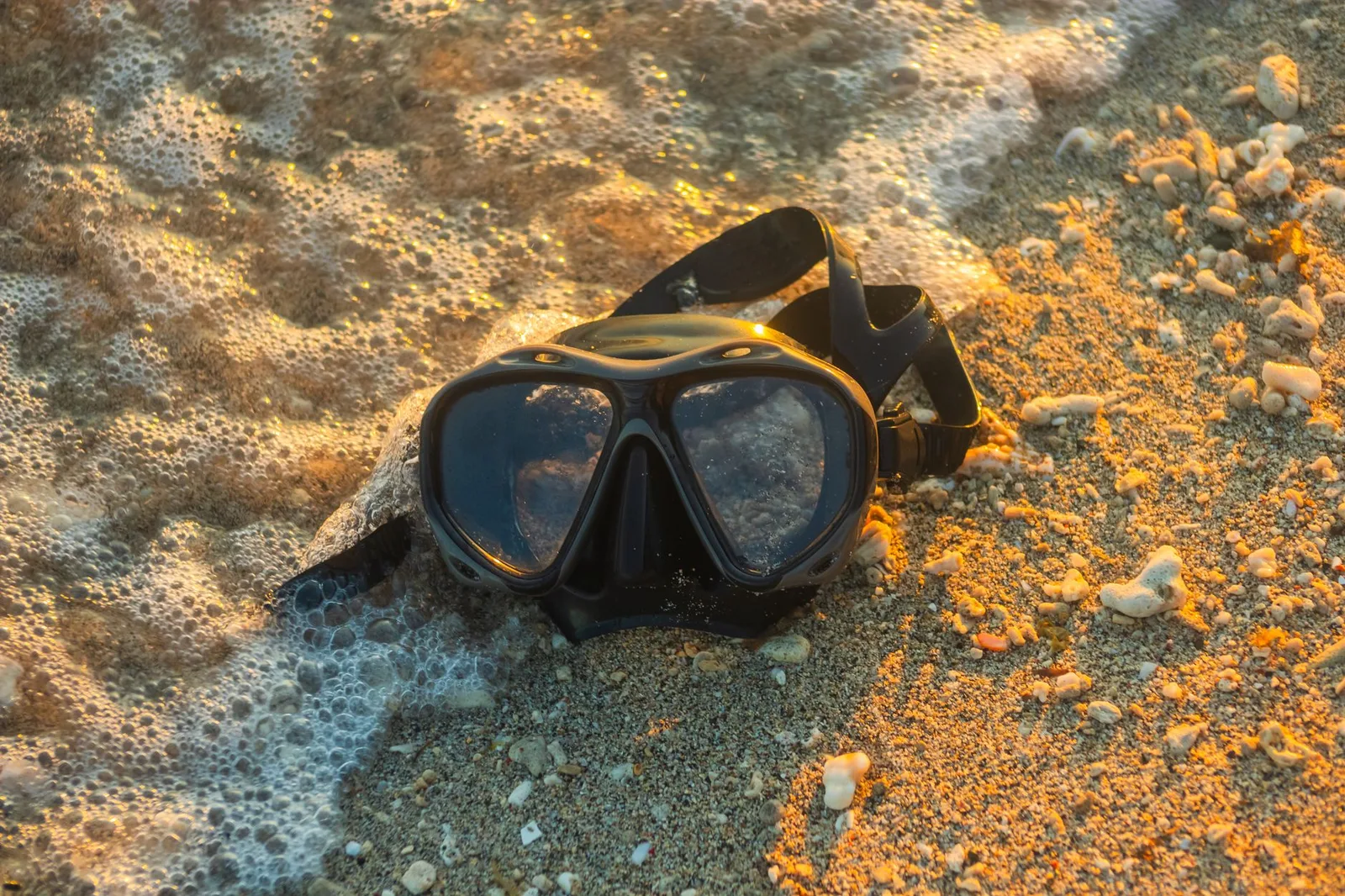
Fitting a mask: the thirty-second test
Do this in the shop, before you pay, and do it again on the beach:
- Push your hair completely off your forehead. A single strand under the skirt is a guaranteed leak.
- Hold the mask to your face without the strap over your head — let it hang loose.
- Inhale gently through your nose and let go of the mask.
- If it stays suctioned to your face for a few seconds and falls away smoothly when you breathe out, it fits. If it drops immediately, or air hisses in anywhere, it doesn't. Try another shape — face geometry is personal and no brand fits everyone.
Two field notes. Moustaches leak: a smear of petroleum jelly or lip balm on the upper lip usually solves it. And the strap should be barely snug — a mask is held on by suction, not tension. Cranking the strap tight is the classic beginner mistake: it deforms the skirt, breaks the seal and gives you a headache.
Defogging — the trick that costs nothing
A brand-new mask has a film of silicone release agent on the inside of the glass, and until you remove it, it will fog no matter what you do. Scrub the inside of the lens with non-gel toothpaste (or a dab of dish soap) and your finger, rinse, repeat two or three times. After that, before every session: a drop of baby shampoo, commercial defog gel, or the free universal solution — spit in the mask, smear it around the glass, rinse briefly in seawater. It works, every diver on earth does it, and it costs nothing.
The snorkel — and the honest truth about full-face masks
A snorkel is a tube. The variants: a plain J-tube (cheap, simple, easiest to clear, what free-divers use); a semi-dry top with a splash guard that keeps out chop; and a dry-top with a float valve that seals when submerged. Dry tops are comfortable at the surface and a nuisance if you like to duck-dive. All three should have a soft silicone mouthpiece — a hard one will chafe your gums within twenty minutes — and a purge valve at the bottom is a genuinely useful feature that lets you clear water with one gentle puff.
Full-face snorkel masks deserve a paragraph of their own, because they are the most-sold and most-argued-about product in the category. The appeal is obvious: breathe through your nose, panoramic view, nothing in your mouth, brilliant for nervous first-timers. The problems are real too. A cheap or uncertified one can let you re-breathe your own exhaled air, quietly building up CO2 — which causes headache, disorientation and, at the extreme, unconsciousness. They are difficult to clear if water gets in, difficult to remove quickly in a panic, and they make duck-diving essentially impossible because you cannot pinch your nose to equalise. They have also been repeatedly raised in the Hawaii drowning debate, where breathing resistance is one of the suspected factors (Divernet). If you want one, buy a reputable brand with certified CO2 separation and a documented flow test, size it correctly, stay at the surface, and never use one on a child unsupervised. If you are unsure, the classic mask-and-tube is the safer instrument and always will be.
Fins
Fins are optional in a shallow lagoon and essential anywhere with current. They turn snorkelling from swimming into gliding, and they are the difference between reaching the beach and not.
- Full-foot fins slip on barefoot: light, cheap, ideal for warm water and sandy entries. Buy them snug but not tight — they stretch when wet, and a loose fin blisters.
- Open-heel fins with booties cost more and are the better travel choice: the booties protect your feet on rocky, urchin-strewn or hot-sand entries, they fit over a wetsuit, and they pack more flexibly.
- Blade length. Short "travel" fins pack into hand luggage and are fine for pottering. Longer blades move you far more efficiently against current and are worth the suitcase space if you snorkel seriously.
Exposure and flotation
A rash vest or lycra top is the most underrated item on this page. Floating face-down for an hour puts your back, shoulders and the backs of your knees under a vertical tropical sun, magnified by the water — snorkellers get burned like nobody else on the beach. A long-sleeved rash vest solves it permanently, needs no reapplication, and puts nothing on the reef. In cool water (Mediterranean spring, Atlantic anytime, Lord Howe in winter) add a shorty or a 3 mm wetsuit; neoprene also adds buoyancy, which makes floating effortless.
Buoyancy aids. A snorkel vest or a simple float belt lets a weak swimmer relax completely, and relaxation is the whole point. There is no shame in it whatsoever.
The tow float. An inflatable dry-bag buoy on a waist leash is the piece of safety gear most snorkellers skip and shouldn't. It makes you visible to boats — which is the hazard people underestimate most — gives you something to hold onto if you tire, and carries your key and phone dry. In several countries, scuba divers and free-divers are legally required to fly a signal float; snorkellers usually are not, but the reasoning applies to you just as much. Add a bright silicone cap and you have done more for your safety than any other twenty euros can buy.
The rest, and the anti-list
Worth packing: a waterproof phone pouch, a mesh bag so wet fins dry instead of stewing, defog, a whistle, and drinking water — you dehydrate faster than you think while floating in the sun. Not worth packing: gloves (they exist to let you touch things you shouldn't, and are banned in several marine parks for exactly that reason), fish food of any kind, and anything sharp.
Technique: the twenty minutes that change everything
Almost everyone snorkels badly at first — too fast, too tense, hands paddling, head craned up, kicking from the knee. Fix five things and the sport transforms.
1. Breathe slowly and deeply. This is the single most important instruction on this page, and not only for comfort. A snorkel is a narrow tube that adds resistance and dead space to every breath; fast shallow panting through it moves stale air back and forth without ventilating you properly. Long, calm, deep breaths — in through the mouth, fully out — keep your CO2 where it belongs and keep you relaxed. If you find yourself breathing hard, stop, lift your head, hold the float, and rest. There is no prize for continuing.
2. Clear the snorkel properly. Two methods, both easy. The blast: one sharp forceful puff that fires the water out of the top — do it the instant your head breaks the surface, while the tube is still pointing up. The displacement: as you rise from a duck-dive, exhale gently the whole way up so the tube is already empty when you surface. Practise both in waist-deep water until they are automatic, because doing it right means you never inhale a mouthful, and inhaling a mouthful is what starts most panics.
3. Clear the mask without standing up. Water in the mask is normal and fixable. Look slightly up, press the top edge of the frame gently against your forehead, and exhale firmly through your nose — the air pushes the water out under the bottom skirt. Ten seconds, no interruption.
4. Kick from the hip, slowly. Long, unhurried strokes with almost-straight legs, fins staying just under the surface — no splashing, which scares fish and wastes energy. Keep your hands behind your back or at your sides. Hands do nothing useful in snorkelling, they burn energy, they stir up sand, and they are how people accidentally touch things.
5. Float, don't swim. The best snorkelling is done at almost zero speed: lie flat, relax, let a gentle current carry you along the reef and watch. Fish behave normally around something that drifts. Set out into the current at the start of a session so the easy half is the way home — a rule that has saved more tired snorkellers than any piece of equipment.
Duck-diving — and the one thing you must never do
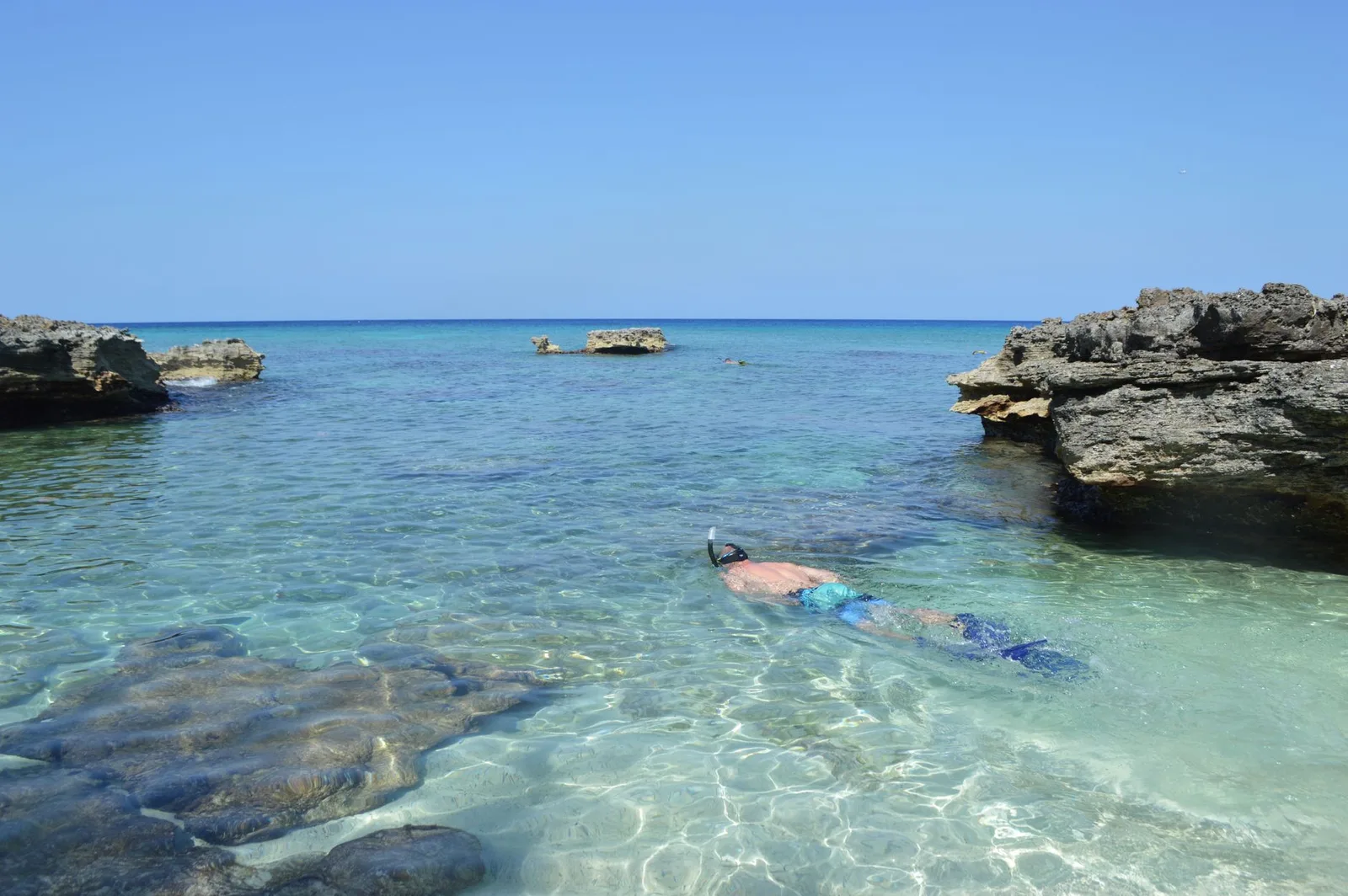
Going down for a closer look is the natural next step: fold at the waist, lift your legs straight up out of the water, and let their weight sink you head-first — no kicking until your fins are fully submerged. Equalise early and often: pinch your nose and blow gently the moment you feel the first pressure, then every metre. If it hurts, come up; never force it.
Never hyperventilate before a breath-hold. Taking a rapid series of deep breaths to "get more air" does the opposite of what people think: it flushes out CO2, which is the signal that tells you to breathe, without adding meaningful oxygen. The result is that you feel fine right up until you lose consciousness underwater. This is shallow-water blackout, it kills strong swimmers in three metres of water, and it is entirely preventable: breathe normally, take one relaxed breath, go down, come up well before you feel any urgency. If breath-holding interests you, learn it properly — PADI and SSI both run entry-level freediving courses, and the first rule they teach is one up, one down: never breath-hold without a partner watching you from the surface.
Getting in and out
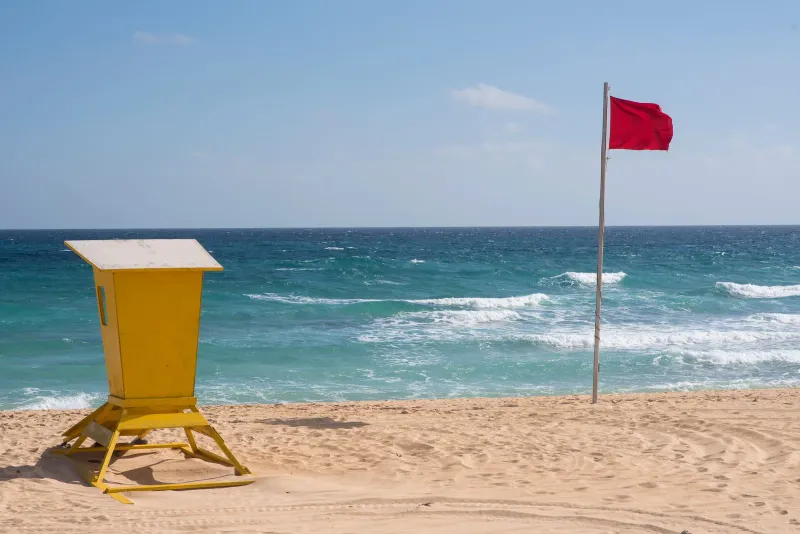
More snorkellers get hurt entering and exiting than out on the reef. On sand: walk in backwards with your fins on, or carry them and put them on once you are floating. On rocks or a reef flat: wear booties, go at the calm point between wave sets, keep low, and never turn your back on the sea. Coming out through surf, wait, pick your moment behind a set, and swim in with the wave rather than fighting it. If there is a rip or a shore-break you are not sure about, the answer is a different beach — our guide to beach flags and rip currents covers how to read that water before you commit.
The safety brief nobody gives you
Here is the uncomfortable part, and the reason this guide exists.
Why snorkellers die — and it is usually not what you think
In Hawaii, snorkelling accounts for roughly a quarter of all ocean drownings, and more than 200 visitors have died in the past decade. That did not add up: many of the victims were competent swimmers in flat, calm, shallow water, with no struggle observed and no distress signalled. A study commissioned in the wake of those numbers, led by Dr Philip Foti, examined medical-examiner reports and identified pulmonary edema as "the trigger leading to hypoxia in some, possibly most, fatal and non-fatal snorkel-related drownings" (Snorkel Safety Study; reporting by Honolulu Civil Beat puts it as "likely or very likely" in 29 of the 32 snorkelling deaths examined). The same study found that visitors to Hawaii are around ten times more at risk than residents.
The proposed mechanism has a name: ROPE — rapid-onset pulmonary edema. Breathing hard through a narrow tube generates negative pressure inside the chest; in a susceptible person, fluid is drawn from the blood vessels into the lung tissue. The lungs slowly fill from the inside. Oxygen levels fall. The victim does not choke or thrash — they become confused, weak and hypoxic, and quietly stop swimming. It looks like nothing at all from the beach.
The picture is not settled — Hawaii's health department said again in May 2026 that it needs better data, and one striking pattern (that a large share of victims drowned within the first three or four days of arriving, possibly linked to long-haul flights) has not reached statistical significance. But the practical advice that falls out of it is sound, free, and worth following everywhere in the world, not only in Hawaii:
- Ease into it. Do not make your first snorkel a two-hour swim on the morning you land off a twelve-hour flight. Start short and close in.
- Do not push through breathlessness. Breathlessness out of proportion to your effort, a persistent cough, chest tightness, or any frothy or pink sputum means get out of the water now and seek medical help. These are not "being unfit" symptoms.
- Know your risk. Age over fifty, high blood pressure, any cardiac history, or being unaccustomed to exertion all raise it. If that is you, talk to your doctor before a snorkelling holiday, and stay within easy reach of shore.
- Use gear that breathes easily — a good-quality snorkel with low resistance, correctly sized, and think twice about a cheap full-face mask.
- Breathe slowly and deeply, and stop when you are tired. Yes, again. It is the whole lesson.
For the general medical background on diving and immersion, Divers Alert Network is the standard reference; Hawaii's own water-safety guidance is collected by The Queen's Health Systems and the Hawaii Department of Health.
The other seven rules
- Never snorkel alone. Ever. Your face is in the water, your ears are full, your voice is muffled by a tube — you are the least noticeable person on the beach. Buddy up, agree to surface and check on each other every few minutes, and tell someone on land where you are going and when you will be back. Drowning is silent and fast, and it still kills around 300,000 people a year worldwide (WHO).
- Boats are the hazard you are underestimating. From a helm, a snorkeller is a dark shape a few centimetres above the water, seen against glare. Tow a bright float, wear a bright cap, stay inside marked swim zones where they exist, and never cross a channel, a mooring field or a boat lane. Assume they cannot see you, because usually they cannot.
- Check wind, swell and current before you get in, and again while you are in. Offshore wind (blowing from the land out to sea) is deceptively calm at the shoreline and pushes you out faster than you can swim back. Rip currents do the same thing on a narrower scale — if you are caught, do not fight it: float, stay calm, and swim parallel to the beach to get out of the channel.
- Cold water is a real risk even on a hot day. Cold-water shock hits in the first minute; hypothermia creeps up over an hour of floating almost motionless. If you start shivering, you are already cooling faster than you can rewarm — get out.
- Sun and dehydration. Rash vest, hat between sessions, water. A snorkeller in the tropics can pick up serious burns in forty minutes without ever feeling hot.
- No alcohol, and not straight after a big meal. Both are staples of holiday drowning statistics.
- If you would not swim there, do not snorkel there. A mask does not make rough water safe; it makes it easier to ignore.
What lives down there — and what to never touch
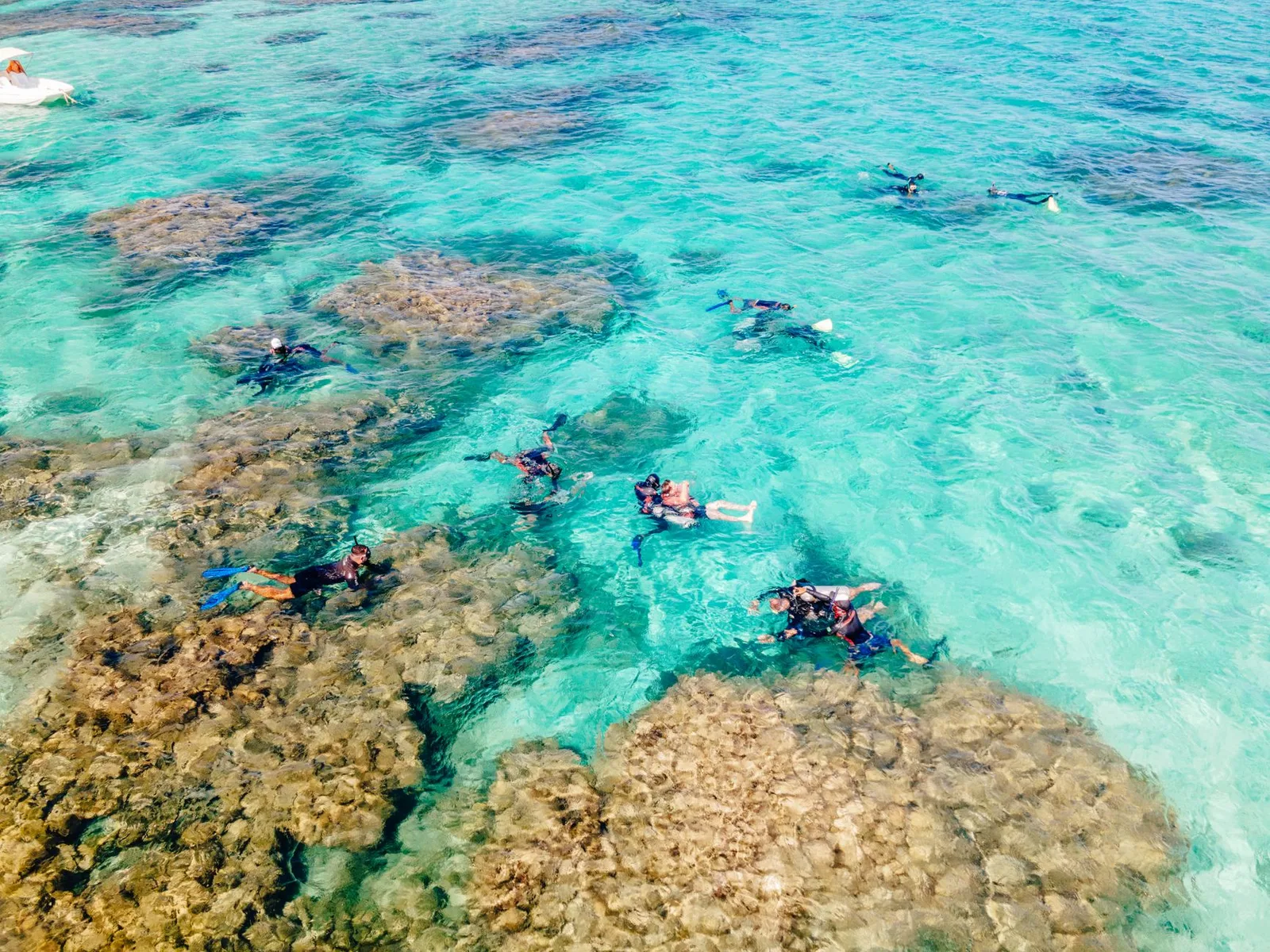
Almost everything on a reef is harmless to a snorkeller who keeps their hands to themselves. Almost every snorkelling injury involves a hand or a foot that did not. The single rule that covers ninety-nine percent of cases: look, don't touch, don't stand, don't chase.
- Coral is an animal, not a rock. Standing on it kills it and cuts you; coral cuts are notorious for becoming infected days later. Fire coral — mustard-brown, smooth, often blade-shaped — delivers a burning sting on contact.
- Sea urchins. The reason booties exist. Spines break off in the skin and are painful to remove.
- Stonefish, scorpionfish and weeverfish are camouflage specialists lying on sand or rubble. Never place a hand or foot down blind. Their venom responds to hot-water immersion (as hot as can be tolerated without scalding) and always warrants medical attention.
- Stingrays are gentle and only strike if trodden on. In shallow sandy water, shuffle your feet rather than stepping.
- Jellyfish. Ordinary stings are painful and brief; some are not. Box jellyfish (northern Australia and parts of the Indo-Pacific) are medically serious and vinegar is the standard first response there; the Portuguese man o' war is a floating hazard on Atlantic and Mediterranean coasts. First-aid protocols differ by species and by country — Healthdirect Australia is a good plain-language reference, and local lifeguards always know the right answer for their water.
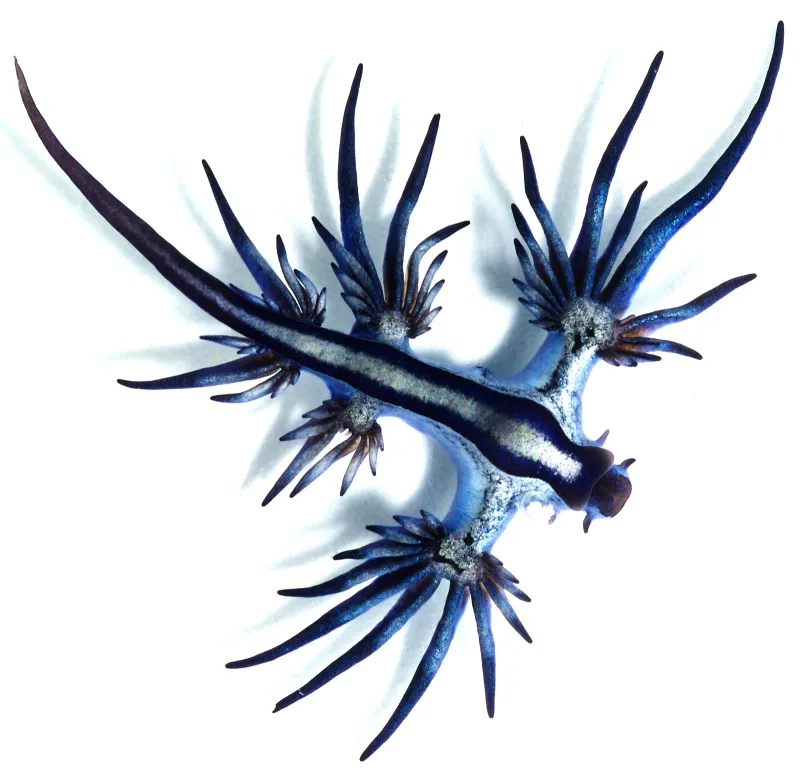
- The blue dragon (Glaucus atlanticus) — a two-centimetre, jewel-blue sea slug that concentrates the man o' war's stingers and has been turning up on Mediterranean beaches. It is beautiful and you must not pick it up; we wrote about it in the blue dragon guide.
- Cone snails and blue-ringed octopus — spectacular, tiny, and genuinely dangerous. Photograph, never handle. This is the reason "don't pick up pretty shells" is a real rule and not fussiness.
- Moray eels bite hands that go into holes. Do not put your hand in a hole.
- Sharks. For a snorkeller on a reef, the risk is close to negligible, and reef sharks are one of the great sights of the sport. The sensible precautions are the usual ones: avoid murky water at river mouths, dawn and dusk, and spearfishing activity nearby.
None of the above is medical advice — carry a basic first-aid kit, know where the nearest clinic is, and treat any marine wound seriously.
The rules, the etiquette and the law
Snorkelling used to be entirely unregulated. It is not any more, and the fines are real.
Sunscreen: covering up beats creaming up
Oxybenzone and octinoxate, two common chemical UV filters, are linked to coral bleaching, larval deformity and DNA damage (NOAA). Hawaii banned their sale in 2018, effective from January 2021, and a growing list of destinations has followed in one form or another — Palau (the most sweeping ban, covering ten-plus ingredients), Bonaire, Aruba, the US Virgin Islands, Key West, parts of Mexico's Riviera Maya parks and cenotes, and Thailand's national marine parks. Maui County has gone further still and restricted octocrylene. Rules change and vary by municipality, so check your specific destination before you fly — but the reliable answer everywhere is simpler: wear a rash vest and a hat, and use a mineral (non-nano zinc oxide) sunscreen only on the bits still exposed. It is better for the reef, better for your skin over an hour of floating, and legal everywhere.
Marine parks, permits and reservations
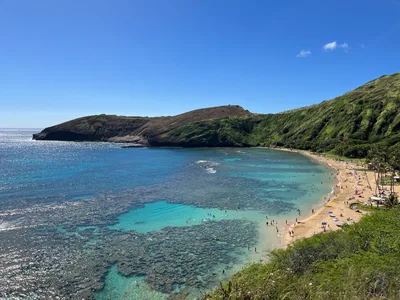
The best snorkelling in the world is increasingly inside protected areas with real gatekeeping — which is exactly why it is still the best. Hanauma Bay on Oahu is the model: entry is by advance reservation only (released 48 hours ahead), it costs $25 for non-resident adults, every visitor watches a nine-minute education video before going down to the sand, and the bay is closed every Monday and Tuesday so the ecosystem can rest (official park site). Egypt's Ras Muhammad requires a park permit. France's Calanque de Sugiton operates a summer visitor quota and closes outright on high fire-risk days (Parc national des Calanques). The US National Park Service publishes its own snorkelling guidance for the beaches of St John. Check before you travel; turning up without a booking is now the most common way to miss the reef entirely.
Wildlife distances
Approaching marine mammals is regulated, and in some places prohibited. Since a NOAA Fisheries final rule that took effect in 2021, it is illegal to swim with, approach, or remain within 50 yards (about 46 m) of a Hawaiian spinner dolphin within two nautical miles of the main Hawaiian islands — because the dolphins rest during the day and constant human contact was wearing them out (NOAA Fisheries, Hawaii DLNR). Similar distance rules apply to whales, seals and turtles in many jurisdictions; NOAA's marine life viewing guidelines are the sensible default anywhere. The rule of thumb: if an animal changes its behaviour because of you, you are too close.
Reef etiquette, in six lines
- No touching, no standing, no kneeling — control your fins, they are longer than you think.
- Do not feed the fish. It rewires reef behaviour and damages their health.
- Take nothing: no shells, no coral, no sand. Several countries seize it at customs and fine you.
- Do not chase. Let animals come to you; they usually do.
- In the Mediterranean, the brown "seaweed" meadows are Posidonia — a protected seagrass that oxygenates the water and holds the beach in place. Do not anchor in it, do not walk on it.
- Take your litter, and someone else's while you are at it. Operators who follow the Green Fins code of conduct are worth choosing; REEF and the International Coral Reef Initiative are good places to learn more, and citizen fish-counting is more fun than it sounds.
When to get in: reading the water
The same beach can be an aquarium on Tuesday and pea soup on Wednesday. Four variables explain most of it.
Wind. The most important one. Onshore wind means chop, stirred-up sand and poor visibility; offshore wind means glassy water — and the risk of being blown out to sea, so stay close in. Light or no wind is the dream. Most coasts are calmest at dawn and through the morning, before the thermal breeze builds; that is also when reef fish are most active and the light is at its best angle. Early is almost always right.
Swell. Any breaking surf on a reef stirs sediment and makes entries dangerous. Look for a sheltered aspect — the leeward side of an island, a bay facing away from the swell.
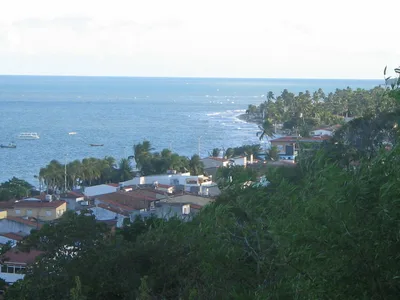
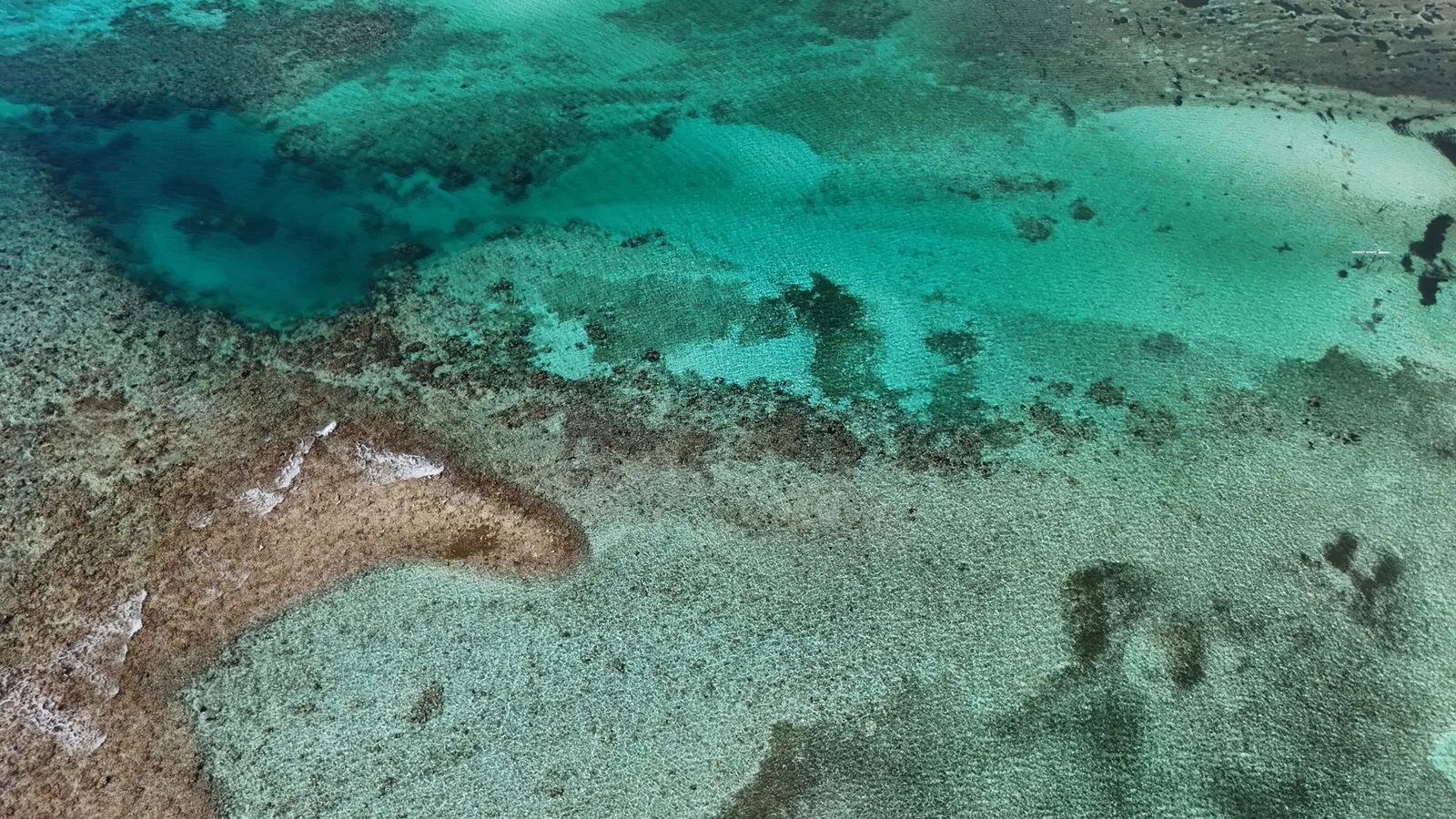
Tide. Visibility is usually best around high slack water, when the incoming clean ocean water has arrived and movement briefly stops. Over shallow reef flats, high tide also means enough water to float above the coral instead of scraping it. There are glorious exceptions: at Maragogi in Brazil, the whole show is the galés — natural pools that emerge from the reef at low tide and fill with fish.
Rain and runoff. Heavy rain means river plumes, sediment, agricultural runoff and, in many places, a temporary spike in bacteria. Give a river mouth twenty-four to forty-eight hours after a downpour, and give it a wide berth in any case — murky water at a river mouth is the one place where the shark advice actually applies.
Season. This matters more than travellers expect, and it is not just about temperature. Of the 2,254 beaches in our Atlas, 1,656 carry an explicit "months to avoid", and the ranking is not what a northern-hemisphere holidaymaker expects. January tops it, flagged on 767 beaches, with December third on 734 — deep winter, as you would guess. But wedged between them in second place is August, flagged on 757: the height of the northern summer is a month to avoid on more of our beaches than any month except midwinter. Monsoon, hurricane season, plankton blooms, seasonal jellyfish and sheer overcrowding all pile into it. Broadly: the Red Sea is at its best October to February; the Mediterranean June to October (with September the connoisseur's month — warm water, no crowds); the Caribbean November to March, dodging the August-to-October hurricane peak; Zanzibar and the Indian Ocean June to October; Raja Ampat roughly May to September. Each beach page in the Atlas carries its own best-season and months-to-avoid.
Snorkelling with children
Snorkelling is one of the great family activities and it starts younger than most people think — but only with the right setup. Buy a proper child-sized mask (an adult one cannot seal on a small face, and a mask that leaks will end the hobby on day one), add a snorkel vest or float belt so they can relax, and start in a calm, shallow, sheltered bay with a sandy bottom. Practise in a swimming pool or in knee-deep water first — mask on, face down, breathe through the tube, stand up, repeat — until the breathing feels boring. Then go and look at fish. Arm's reach, always, and one adult per child in the water. Watch for cold: children lose heat far faster than adults and will not say so. Our family beaches guide and the Atlas family-friendly filter are the places to find the right kind of bay.
Travelling with your gear
A full snorkelling kit weighs one to two kilos and packs flat. Mask in a hard case in your hand luggage — checked bags crush lenses and split skirts. Fins in the hold; short travel fins fit most cabin bags if you would rather not risk it. Rinse everything in fresh water at the end of every day, dry in the shade (UV destroys silicone), and store the mask with nothing pressing on the skirt.
Should you rent instead? For one afternoon, yes. For a whole holiday, no: rental masks are the ones that leak, the skirts are tired, and the fit is whatever is left in the box. Your own mask is the difference between a good week and a frustrating one — and it is the cheapest piece of travel gear you will ever love.
Insurance and the small print
Most standard travel insurance covers snorkelling as a normal holiday activity — but read the policy, because plenty of them draw the line the moment you free-dive, join a boat trip, or do anything an underwriter can class as "diving". If you plan to duck-dive, take a guided reef excursion, or travel somewhere with a long medical evacuation, check the wording before you go. Our visas, ETIAS and travel insurance guide covers what to look for.
The most beautiful places to snorkel, continent by continent
Over half of the beaches in our Atlas — 1,156 across 93 countries — are snorkel-suitable. These are the ones that are worth building a trip around.
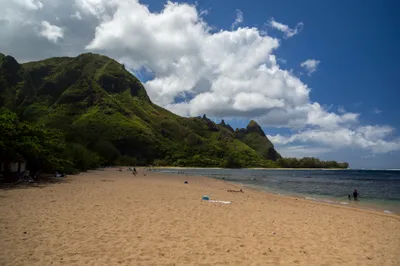
Hawaii and the Pacific. Hanauma Bay on Oahu is the world's most carefully managed snorkelling beach: a drowned volcanic crater, a protected reef, a reservation system and a mandatory briefing — book it days ahead and go early. On Kauai's north shore, Tunnels Beach is a maze of lava tubes and coral heads under the green cathedral of the Na Pali cliffs, superb in summer and dangerous in winter swell.
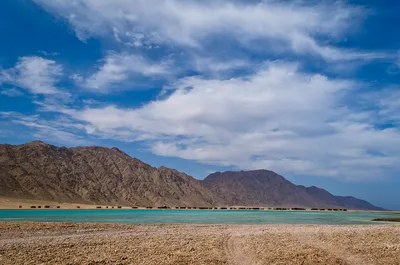
The Red Sea. Still, for many, the best value on earth: fringing reef a few metres from the sand, visibility that runs to thirty metres and warm water in the European winter. Ras Muhammad at the tip of Sinai is a national park with a coral wall that drops away like a cliff — permit required, October to February the sweet spot.
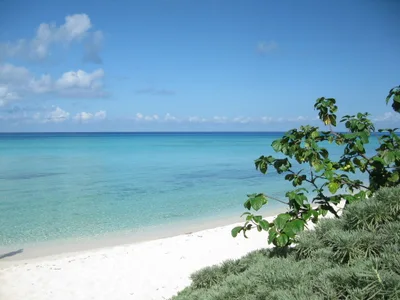
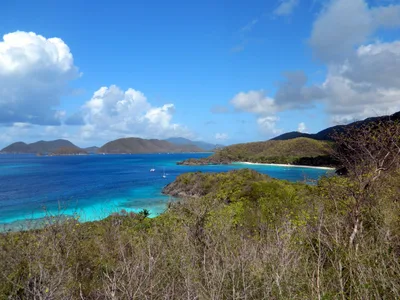
The Caribbean. Playa Porto Mari in Curaçao has a genuine double reef, one behind the other, both reachable from the beach. Hawksnest Bay on St John sits inside the US Virgin Islands national park — shade, free access and turtles over the seagrass. Playa Flamenco on Culebra, Puerto Rico, is a horseshoe of white sand with clear, sheltered water at both ends. Best from November to March.
Mexico and Central America. Playa Palancar on Cozumel is the shore access to one of the great stretches of the Mesoamerican Reef — the second-largest barrier reef in the world — and the current here means drift snorkelling: enter upstream, let it carry you, and never try to swim back against it.
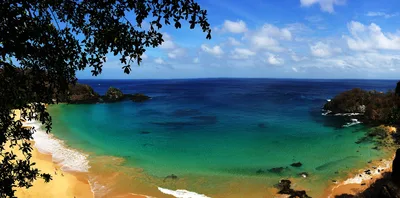
Brazil. Baía do Sancho on Fernando de Noronha, reached by a ladder down a cliff face, is regularly voted the most beautiful beach on the planet and the snorkelling lives up to it: turtles, spinner dolphins offshore, a marine national park around it. Up the coast, Maragogi's galés — natural reef pools that surface at low tide — are the gentlest introduction to a coral reef anywhere in the Atlantic.
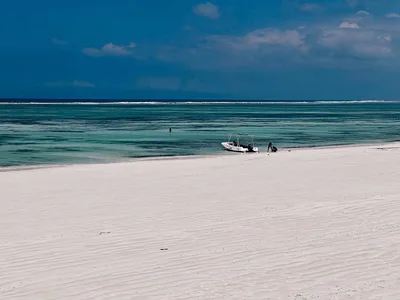
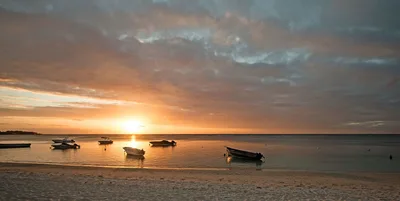
The Indian Ocean. Matemwe on Zanzibar's northeast coast is the launch point for Mnemba atoll, one of Africa's finest reefs. Trou aux Biches in Mauritius is the opposite proposition and just as good: a warm, shallow, transparent lagoon protected by a barrier reef, calm enough for a nervous beginner or a small child.
Southeast Asia and the Pacific islands. Pianemo in Raja Ampat, Indonesia, sits in the Coral Triangle, the most biodiverse marine region on Earth. Boat access only, and worth every hour of the journey. In Thailand, Phra Nang under the Krabi limestone towers is reached by longtail boat and best from November to March.
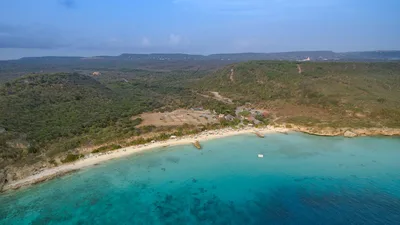
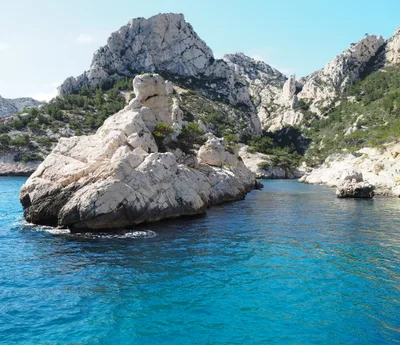
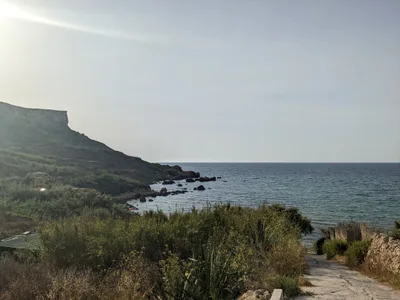
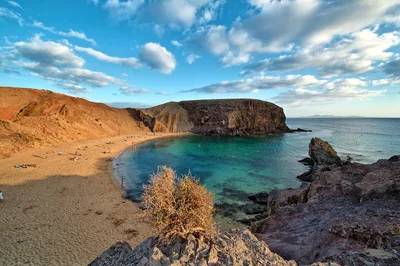
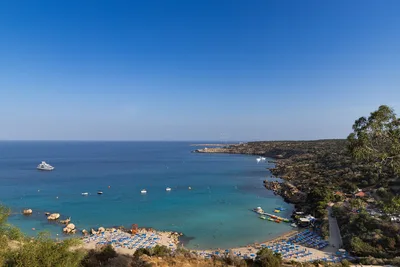
The Mediterranean and the Atlantic islands. Fewer colours than a tropical reef and far more history: octopus in the rocks, seagrass meadows, bream and wrasse over limestone. Calanque de Sugiton near Marseille is white cliffs and startlingly clear water inside a national park (summer quota, book ahead). San Blas on Gozo pairs red sand with rocky edges full of life. Konnos Beach in Cyprus is a sheltered limestone cove with calm water and easy entry. And out in the Atlantic, Playa de Papagayo on Lanzarote offers volcanic coves, protected status and clear water almost year-round.
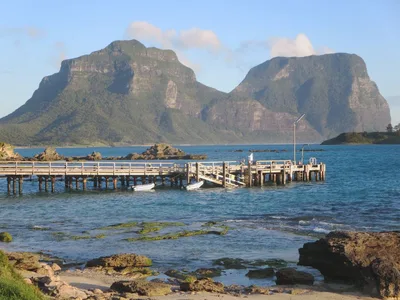
Oceania. Old Settlement Beach on Lord Howe Island, Australia — a World Heritage island with the southernmost coral reef on the planet — lets you wade off the sand straight onto reef, with a hundred-odd fish species and a strict visitor cap that keeps the whole island quiet.
Frequently asked questions
Do I need to know how to swim to snorkel?
You need to be comfortable in water, but you do not need to be a strong swimmer. A snorkel vest or float belt keeps you at the surface effortlessly and lets you relax, which is what makes snorkelling enjoyable in the first place. Start in a calm, shallow, sheltered bay with a sandy bottom, stay within your depth at first, and always go with someone. If you are genuinely uneasy in water, one lesson with a guide is money extremely well spent.
How do I stop my snorkel mask from fogging up?
First, scrub the inside of a new mask with non-gel toothpaste or dish soap two or three times to remove the factory silicone film — until you do, nothing else will work. Then, before each session, apply a drop of baby shampoo, a commercial defog gel, or simply spit inside the lens, smear it around the glass, and rinse briefly in seawater. Also make sure no hair is trapped under the skirt and that the strap is snug rather than tight, since leaks and fogging often share the same cause.
Are full-face snorkel masks safe?
Good ones from reputable brands, correctly sized and used at the surface, are fine and are genuinely reassuring for nervous beginners. Cheap or uncertified ones are a real concern: they can allow you to re-breathe exhaled air and build up carbon dioxide, which causes headache, disorientation and, at the extreme, unconsciousness. They are also hard to clear if water gets in, hard to remove quickly, and make duck-diving impossible because you cannot pinch your nose to equalise. If in doubt, a classic mask and snorkel is the safer option.
Why do people die snorkelling in calm, shallow water?
The leading explanation, from a study of Hawaii's snorkelling deaths, is rapid-onset pulmonary edema (ROPE): breathing hard through a narrow tube creates negative pressure in the chest, fluid seeps into the lungs, and the snorkeller becomes hypoxic without ever inhaling water. There is no visible struggle, which is why it goes unnoticed. Practical protection: breathe slowly and deeply, do not push through unusual breathlessness or a cough, ease into snorkelling over your first days rather than doing a long swim on arrival day, use a low-resistance snorkel, and get medical advice first if you are over fifty or have any heart or blood-pressure history.
Is snorkelling dangerous?
It is low-risk if you respect a handful of rules, and it accounts for a surprising share of holiday drownings when people do not. The main hazards are snorkelling alone, boats that cannot see you, offshore wind and currents carrying you out, cold, sun, exhaustion, and the breathing-related problem above. Never go alone, tow a bright float, check wind and current before and during, set out against any current so the return is easy, stay within your fitness, and get out the moment you feel tired or breathless.
What is the best time of day to snorkel?
Early morning, almost everywhere. The wind is usually lightest before the daytime thermal breeze builds, the water is at its calmest and clearest, the light comes in at a good angle for seeing colour, and reef fish are most active. Visibility is also generally best around high slack water, when the incoming ocean water has arrived and movement briefly stops. Avoid the twenty-four to forty-eight hours after heavy rain, when runoff clouds the water.
Can children snorkel, and from what age?
Many children snorkel happily from around six, and some earlier, provided they are comfortable with their face in the water. The essentials are a proper child-sized mask (an adult mask cannot seal on a small face), a snorkel vest or float belt, a calm shallow sandy bay, practice in a pool or knee-deep water first, and one adult within arm's reach at all times. Watch for cold — children lose heat much faster than adults and often will not mention it.
What should I never touch while snorkelling?
Anything at all, is the honest answer. Specifically: coral of any kind (it is a living animal, and fire coral stings), sea urchins, stonefish and scorpionfish lying camouflaged on the bottom, cone snails, blue-ringed octopus, jellyfish including the small blue dragon sea slug, and the inside of any hole, which may contain a moray eel. Keep your hands behind your back, never stand on the reef, shuffle your feet in shallow sand to avoid stingrays, and wear booties on rocky entries.
Is my sunscreen allowed where I am going?
Increasingly, maybe not. Hawaii bans the sale of sunscreens containing oxybenzone and octinoxate, and Palau, Bonaire, Aruba, the US Virgin Islands, Key West, parts of Mexico's marine parks and cenotes, and Thailand's national marine parks all have restrictions of their own, with some going further on additional ingredients. Rules vary by municipality and change often, so check your destination before you fly. The universally safe approach is to cover up with a long-sleeved rash vest and use a mineral (non-nano zinc oxide) sunscreen only where you are still exposed.
Do I need a permit or a booking to snorkel?
At an ordinary public beach, no. But many of the best sites are inside protected areas with real gatekeeping: Hanauma Bay in Hawaii requires an advance reservation, charges an entry fee, shows a mandatory education video and closes two days a week; Egypt's Ras Muhammad requires a park permit; France's Calanque de Sugiton runs a summer visitor quota and closes on high fire-risk days. Check the official park site before you travel, since turning up without a booking is now the most common way to miss the reef entirely.
This article is general travel and water-safety information gathered in August 2026, not medical, legal or safety advice. Snorkelling carries real risks, and conditions, local regulations, park fees, permit systems and sunscreen rules vary by country, municipality and beach and change frequently. Always check the official local sources and current conditions yourself, follow lifeguard instructions and beach flags, consider your own health and fitness, and never snorkel alone. If you have any cardiac, respiratory or blood-pressure history, speak to your doctor before a snorkelling holiday. In an emergency call the local emergency number (112 in Europe, 911 in the US, 000 in Australia). Where Is My Beach is not responsible for decisions made on the basis of this article.
Photo credits
Sources and licenses for the photos shown above.
- Photo 1 — Photo by Samson Bush on Pexels · Pexels License
- Photo 2 — Photo by Nothing Ahead on Pexels · Pexels License
- Photo 3 — Photo by Lucas Meneses on Pexels · Pexels License
- Photo 4 — Photo by Ashley Costello on Pexels · Pexels License
- Photo 5 — Photo by Saad Alaiyadhi on Pexels · Pexels License
- Photo 6 — Photo by Carlos Bedoy on Pexels · Pexels License