Hot Water BeachNew Zealand Beach Guide
Dig your own hot pool from New Zealand's geothermal sand
About
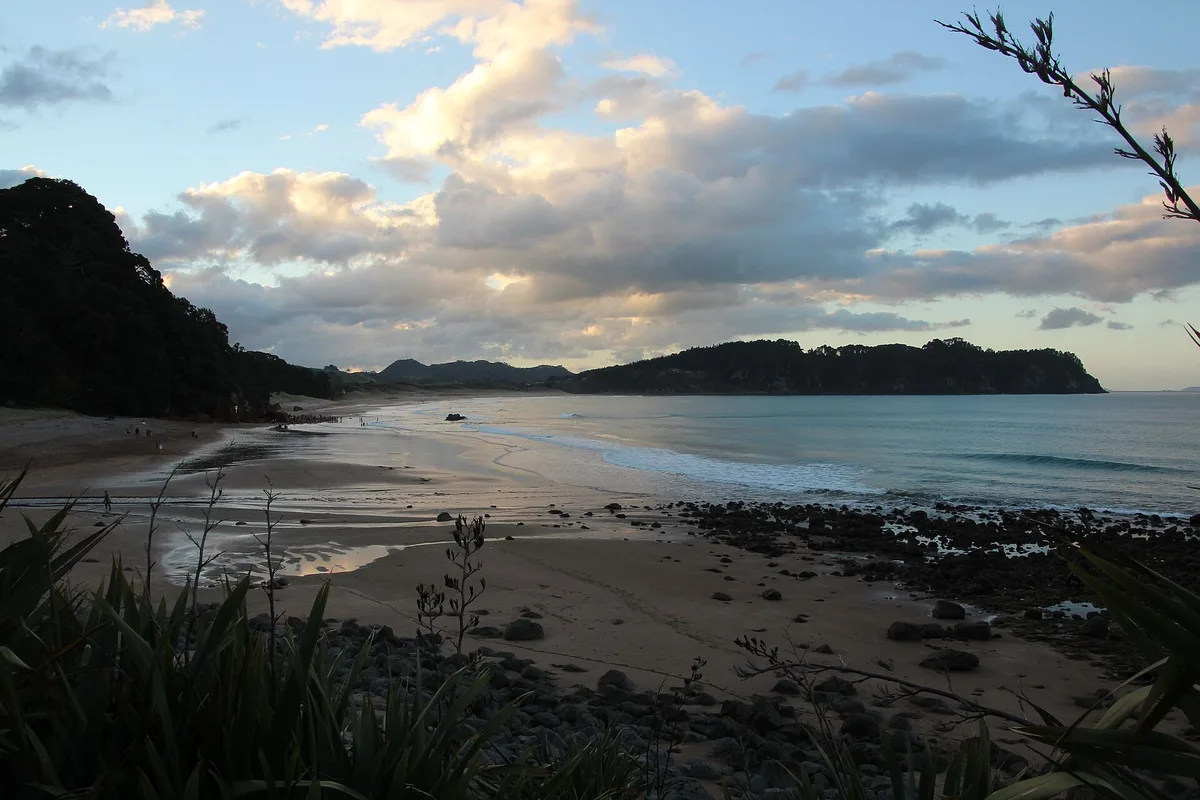
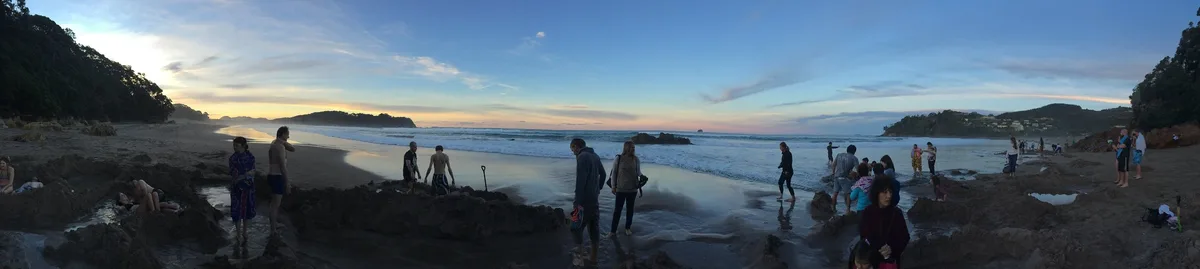
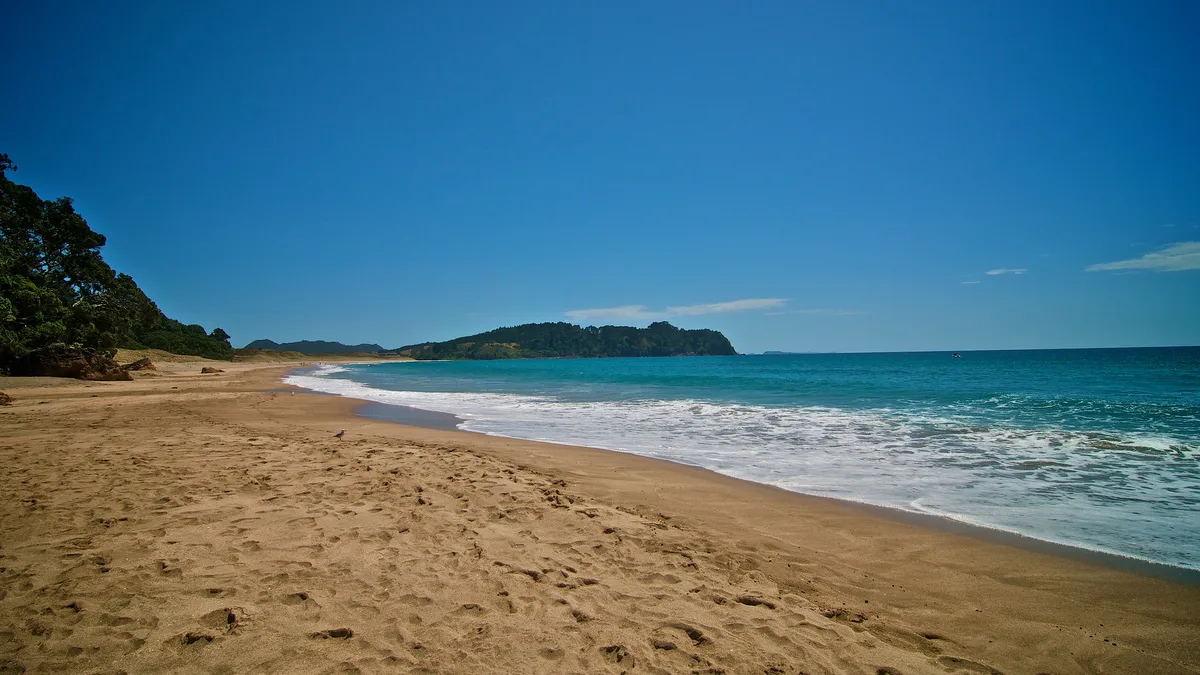
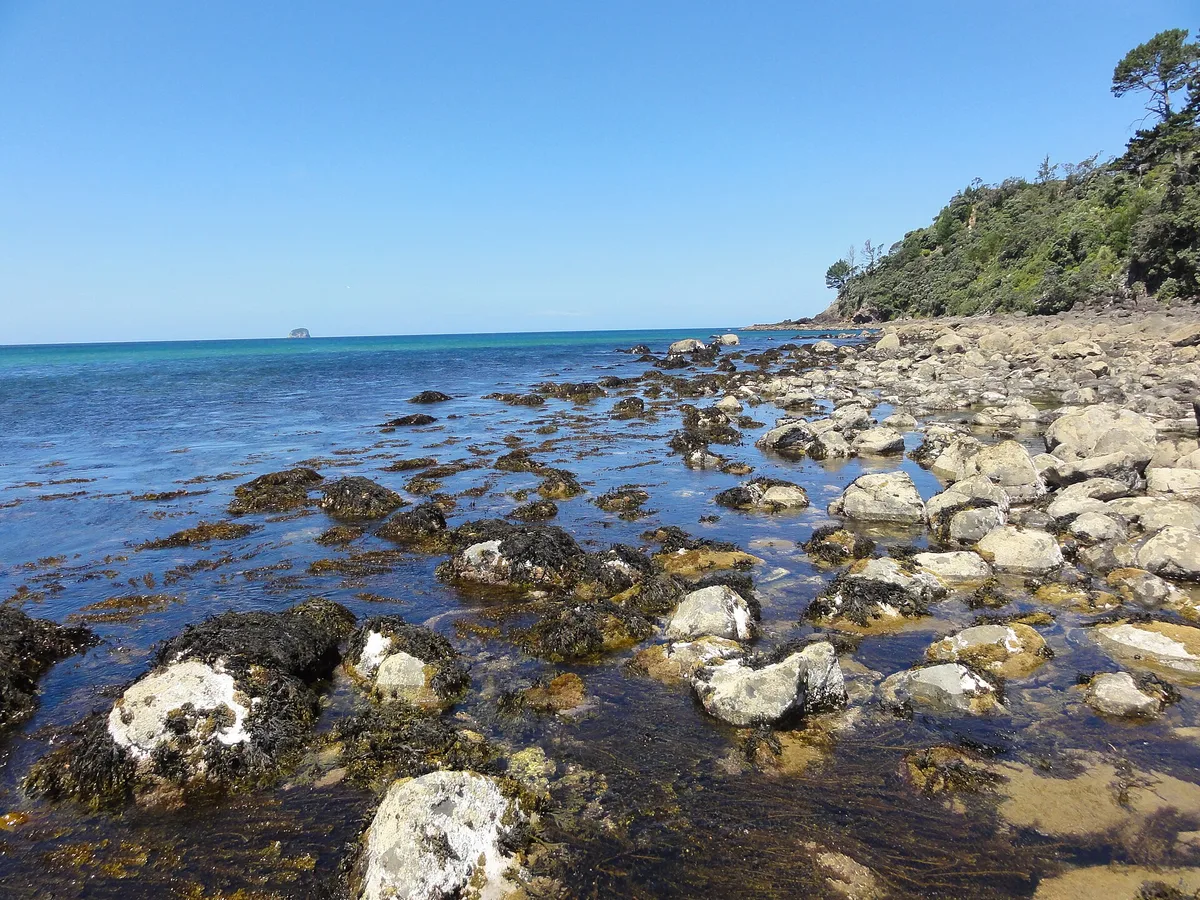
Hot Water Beach sits on the Coromandel Peninsula in New Zealand's North Island, where geothermal springs push scalding water up through golden sand at low tide. Stretch roughly 2,000 metres along an open surf coast, the beach faces blue ocean and draws visitors who come not just to sunbathe but to dig. Hire a spade at the beach entrance, find your patch in the designated geothermal zone, and excavate a personal hot pool that fills as fast as you can shape it. It's a lively, genuinely one-of-a-kind experience — but the surf side carries serious rip currents, and the geothermal water itself can reach scalding temperatures. Plan around the tides, not the clock.
How to get there
Hot Water Beach is a 25-minute drive from Whitianga or just 7 minutes from Hahei — both routes are straightforward on sealed roads. A once-daily shuttle runs from both Whitianga (20 min) and Hahei (6 min) if you'd rather skip the drive, and taxis are available from either town daily. Paid parking is available on-site at NZD 4–5 per hour, with daily rates of NZD 15–29; the car park fills extremely quickly around low tide in summer, so arrive early or expect to wait.
Who it's for
For couples
Couples who enjoy something genuinely different will love the novelty of digging a private hot pool together at low tide — it's tactile, playful, and unlike any beach afternoon you've had before. Follow it with the short drive to Cathedral Cove for a dramatic coastal walk that rounds out the day.
For families
Families with older children will find the spade-hire and pool-digging a hands-on activity that holds attention far longer than a standard beach visit. Keep younger children well away from the surf side — rip currents are a real hazard — and always test pool water temperature before letting kids in.
Our take
Hot Water Beach earns its reputation — there is genuinely nowhere else on earth quite like it, and the DIY hot-pool experience is as good as it sounds. But safety comes first: do not enter the surf-side water under any circumstances, as rip currents here are dangerous and not a marketing caveat. The geothermal water itself can scald, so test every pool before you step in. Tide timing is everything — miss the low-tide window and there's no geothermal experience to be had. In peak summer the geothermal zone gets extremely packed around low tide, so an early arrival is not optional, it's essential. Get the tides right, respect the hazards, and this is one of the most memorable afternoons New Zealand can offer.
What to do
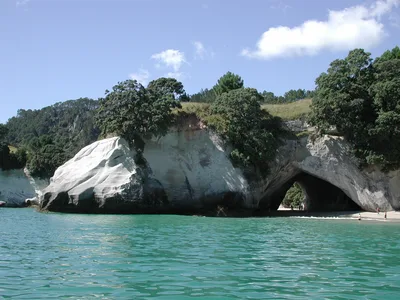
The main event is the geothermal digging itself, but once you've soaked, Cathedral Cove (Te Whanganui-A-Hei) is only 9 km away — an iconic rhyolite sea arch connecting twin coves inside a marine reserve that's worth every step of the walk in. Hahei Beach, just 5.9 km from Hot Water Beach, is a sheltered crescent and a good base for Cathedral Cove visits. For elevated views, Tokawhakairo McHands Lookout at 7.2 km and Pumpkin Hill viewpoint at 10.1 km both reward the short detour.
The geothermal zone at low tide is the hero shot — steam rising from hand-dug pools in golden sand with blue ocean in the background.
Arrive at the start of the low-tide window for the best light and before the beach gets packed with other visitors. The long open sweep of the 2,000-metre coastline also photographs well from the beach entrance, especially in the soft light of early morning.
Where to eat
The closest dining options require a short drive: The Church Bistro is 5.3 km away, and The Pour House — serving international fare — is 5.9 km from the beach. If you're heading toward Whitianga, Salt and Blue Lagoon Bar and Eatery are both around 12 km out and worth factoring into your day. Hot Waves Cafe is just 0.1 km from the beach and your best bet for a quick bite or coffee before or after the tide window.
Where to stay
Most accommodation is clustered around Whitianga, roughly 12 km from the beach. Marina Park Apartments (12 km), Crowsnest Apartments (12.2 km), Oceans Resort Whitianga (12.4 km), and Beachside Resort Whitianga (12.4 km) all give you a comfortable base with easy road access to the beach for early-morning low tides.
Photography
Shoot the geothermal zone at low tide when steam rises from freshly dug pools against the golden sand — early morning light keeps the scene clean before the beach gets packed. The 2,000-metre stretch of open coastline with blue ocean behind the digging activity also makes for a strong wide-angle frame, especially from the beach entrance looking south.
Good to know
The geothermal springs are only accessible at low tide — check tide tables before you go, as the window can be as short as two hours either side of low water. Dig pools only in the designated geothermal zone, and always test the water temperature before stepping in; it can reach scalding levels that cause burns. Do not swim on the surf side of the beach — dangerous rip currents run along this stretch, and swimming is only permitted between the patrol flags. Spades are available for hire at the beach entrance, so you don't need to bring your own.
GAMES
🕹️ Five minutes of sand?
Three daily games — including the UV simulator set to this beach.
Map
Nearby places
The Church Bistro
The Pour House
The Hive
Salt
Blue Lagoon Bar and Eatery
Marina Park Apartments
Crowsnest Apartments
Oceans Resort Whitianga
Beachside Resort Whitianga
Things to see around Hot Water Beach
Cathedral Cove (Te Whanganui-A-Hei)
Iconic rhyolite sea arch connecting twin coves within a marine reserve.
Hahei Beach
Sheltered crescent beach and base village for Cathedral Cove visits.
Whitianga
Main service town of Mercury Bay with ferry, shops and restaurants.
GIFT
🎁 Gift this beach
Its exact coastline, your date, your words — on a print or a PDF you print yourself.
Hot Water Beach
THAT DAY
Hot Water Beach, Waikato
© OpenStreetMap contributors
Clean & decorative, or “That day” with the real sky of your date.
Shipping included 3-6 business days
A question before you order? Contact us
Delivered within minutes on the confirmation page and by email: a ZIP with all 4 print sizes (30×40 cm, 12×16″, 50×70 cm, 18×24″), each as a high-resolution PDF and PNG (300 dpi), plus a screen version. Print at home or at any print shop.
Please complete the delivery address.
Please accept the Terms of Sale.
Almost there — the shop opens very soon.
Secure payment · Printed locally in 30+ countries · 7 languages
Frequently asked
The information on this page is provided for guidance only and may evolve. Access conditions, safety and infrastructure can change without notice. Always check official sources before traveling.
Nearest beaches

Reviews of this beach
- No reviews yet, what a shame — leave yours and share your experience.
Photo credits
Sources and licenses for the photos shown above.
- Photo 1 — Takver from Australia · source · CC BY-SA 2.0
- Photo 2 — thedavidlynch · source · CC BY 2.0
- Photo 3 — macronix · source · CC BY 2.0
- Photo 4 — Andy king50 · source · CC BY-SA 3.0