Kirkjufjara BeachIceland Beach Guide
Iceland's officially closed black sand cove — approach with caution
About
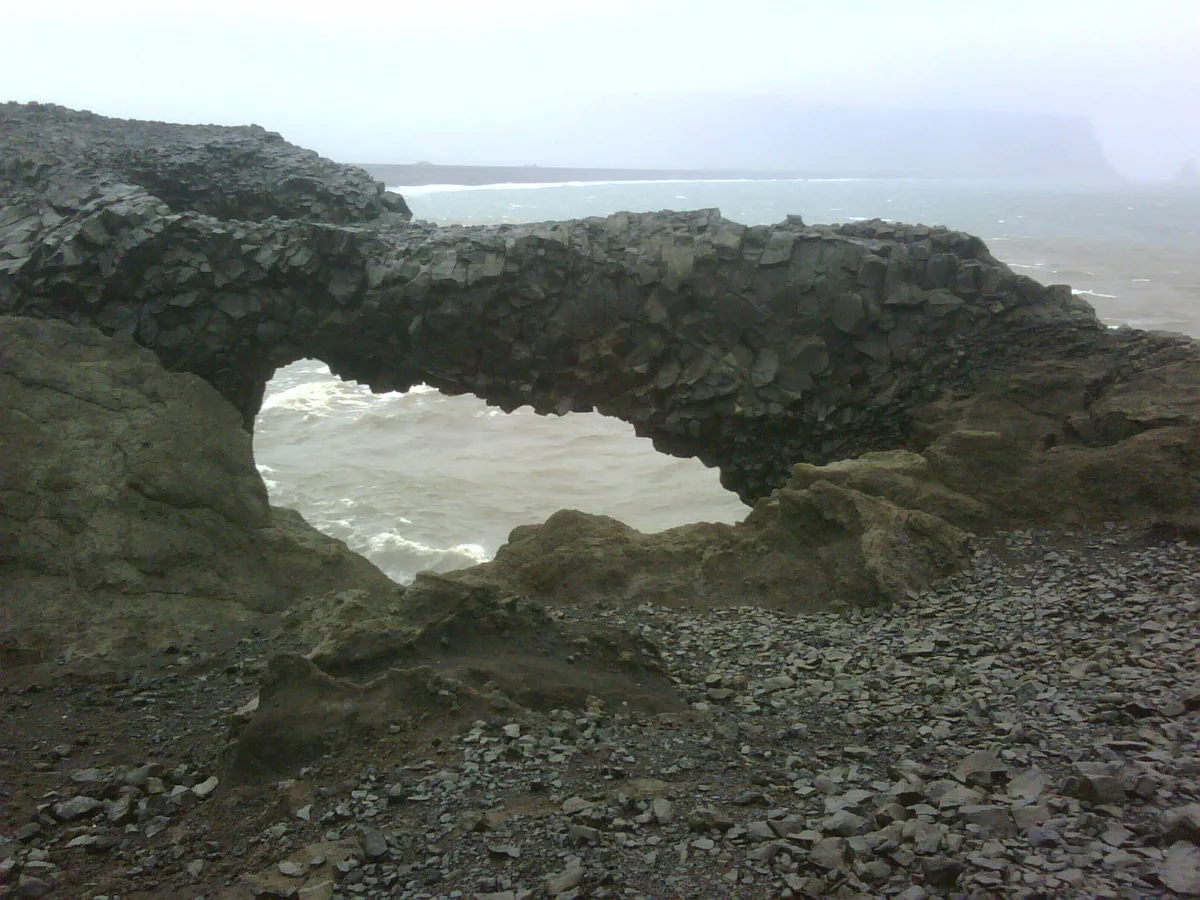
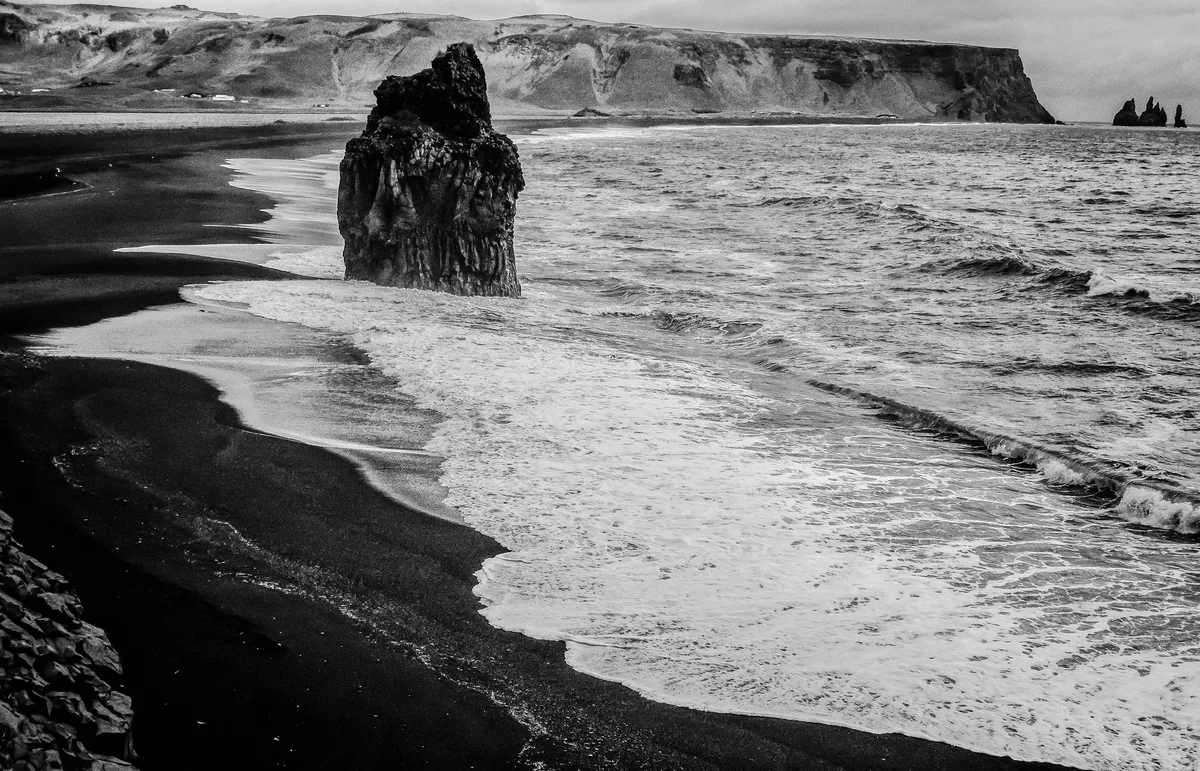
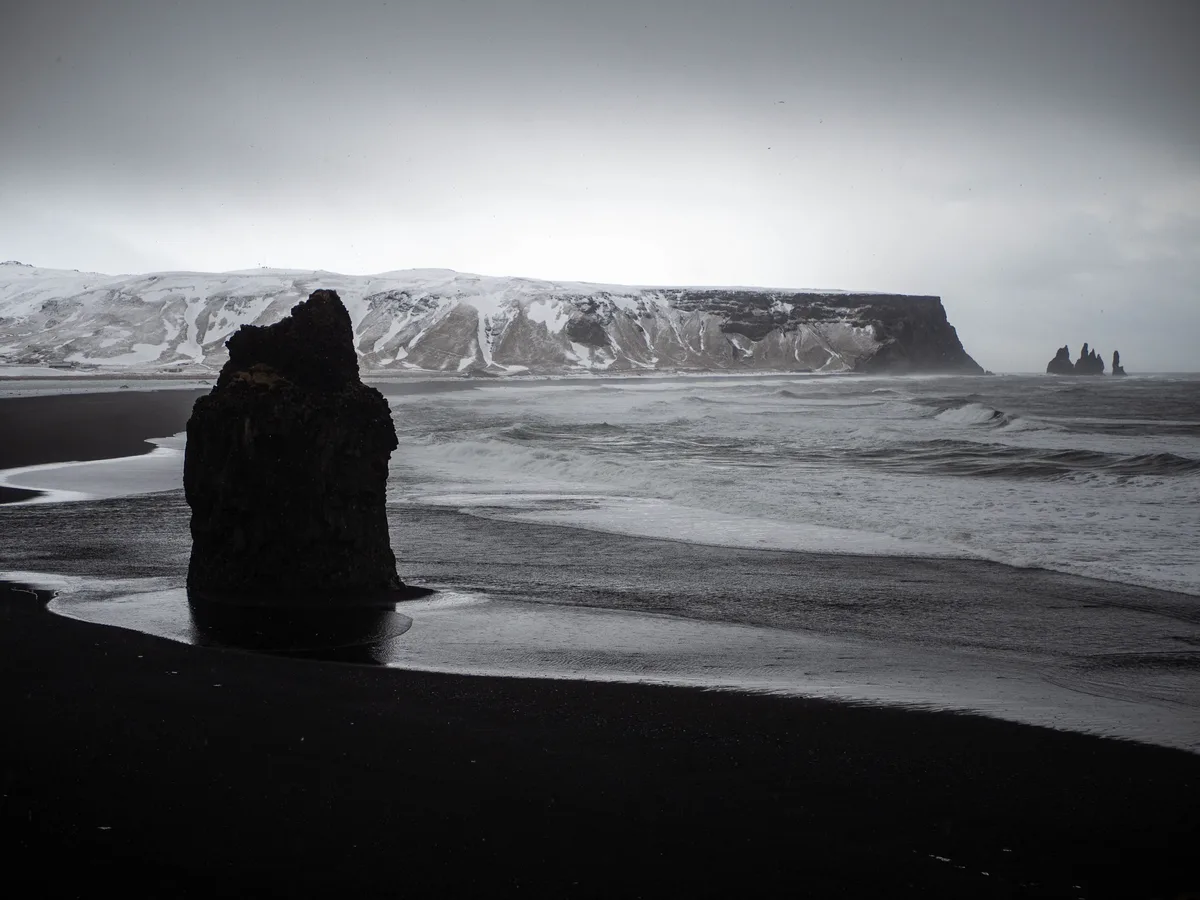
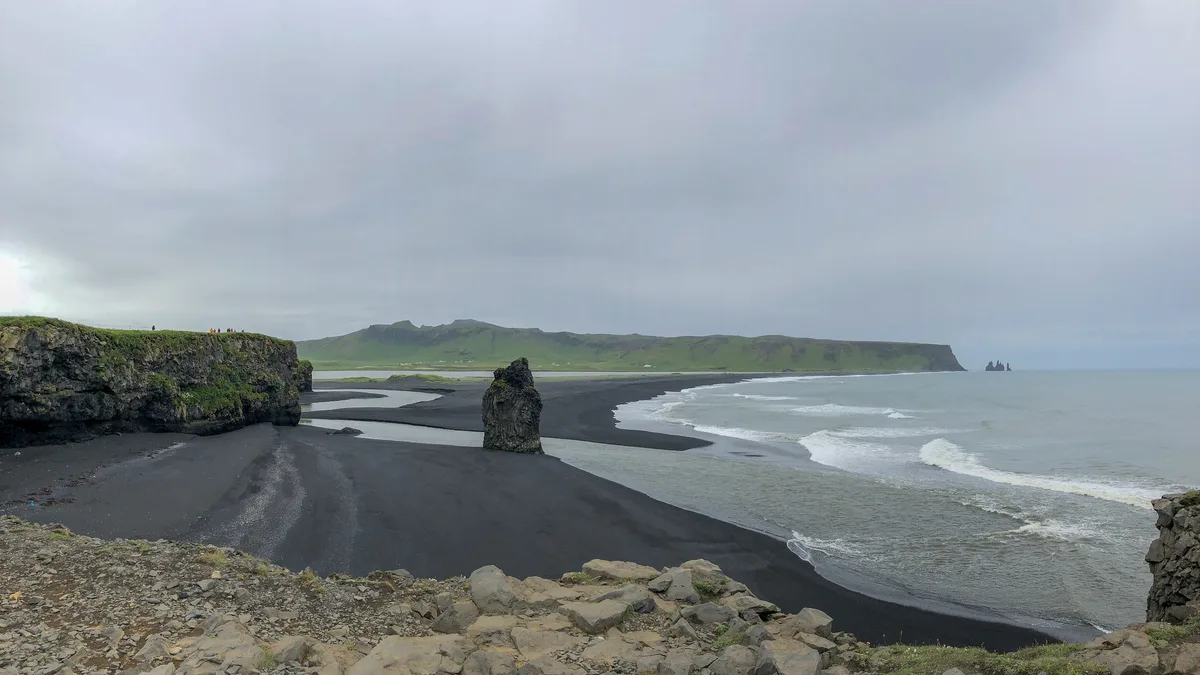
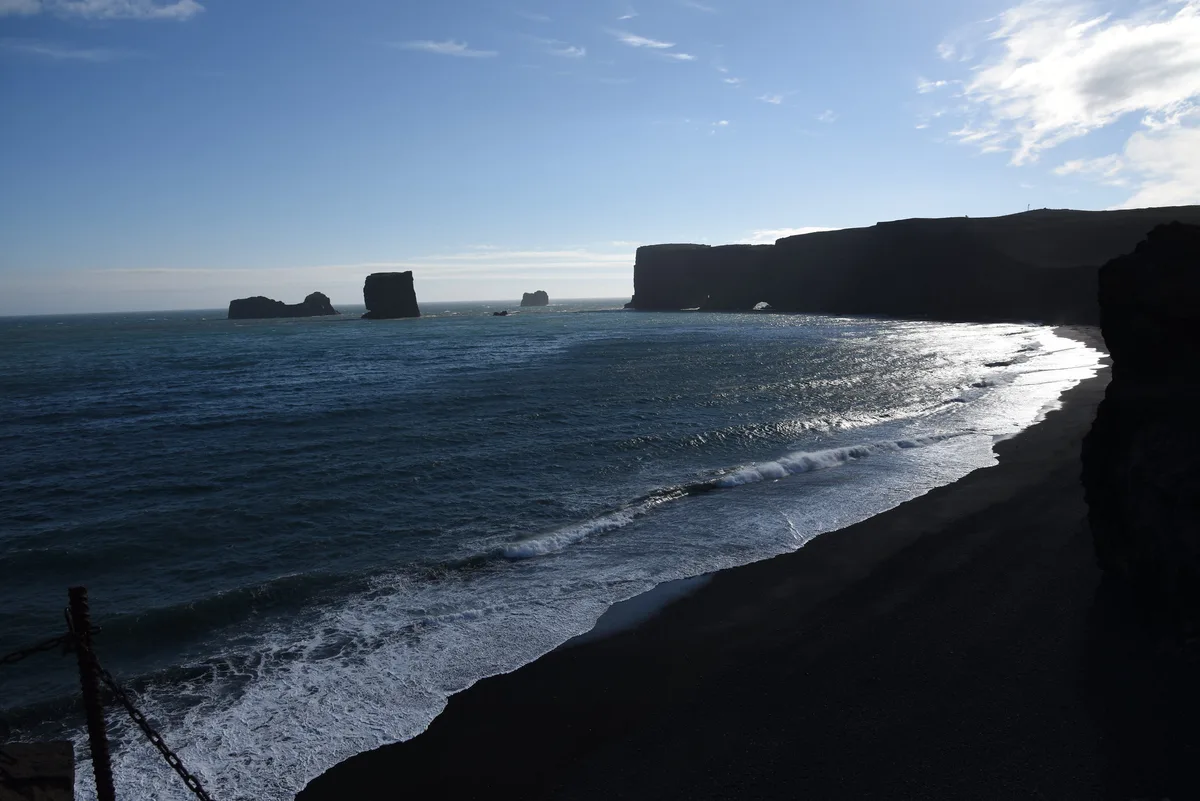
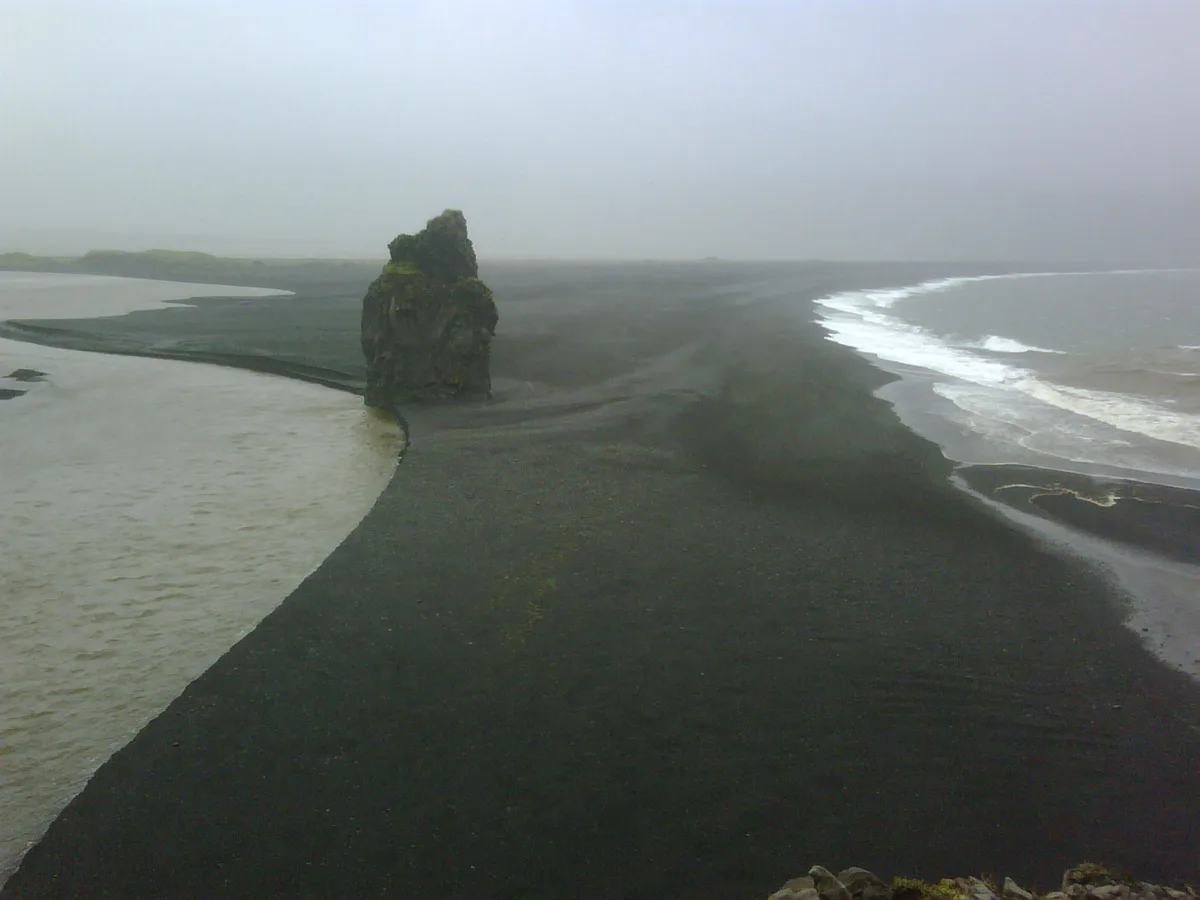
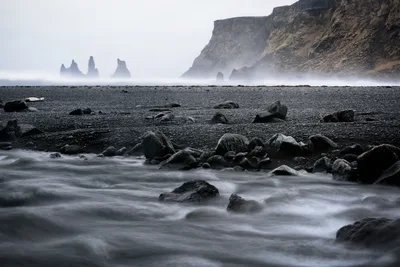
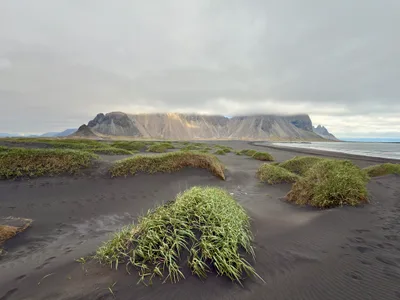
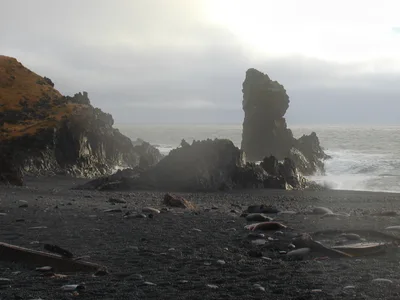
Kirkjufjara is a raw, ~400-metre stretch of black volcanic sand on Iceland's South Coast, tucked beneath unstable basalt cliffs on the island of Stampur. Grey Atlantic water churns against the dark shoreline with a force that demands respect, not admiration from close range. A basalt column cave frames the cove dramatically, and the isolation from nearby Reynisfjara gives it an eerie, windswept quiet that feels genuinely remote. Access is via a steep, unmarked cliff path — and official closure notices have been posted at the trailhead since 2017. This is a place to understand from a distance, not to conquer.
How to get there
Kirkjufjara has no direct road access and no parking of its own. Visitors typically park at the paid Reynisfjara car park (1,000 ISK) and the cliff path to Kirkjufjara begins there — a roughly 20-minute hike one way. However, official closure notices are posted at the trailhead: the beach has been formally closed since 2017 due to dangerous conditions, and those notices must be respected. The cliff descent is steep, unmarked, and completely inaccessible for wheelchairs or anyone with limited mobility.
Who it's for
For couples
Kirkjufjara suits couples drawn to raw, elemental landscapes rather than comfort — the dramatic cliff scenery and genuine solitude create a sombre, powerful atmosphere, best appreciated from a safe vantage point rather than the shoreline itself.
For families
This beach is not suitable for families with children. The official closure, steep unmarked cliff path, absence of rescue access, and severe sneaker wave hazard make it genuinely unsafe for young visitors — Reynisfjara Beach nearby offers a far more appropriate and accessible black sand experience.
Our take
Let's be direct: Kirkjufjara has been officially closed since 2017, closure notices are posted at the trailhead, and the hazards here — sneaker waves, rockfall, unstable cliffs, zero rescue access — are not exaggerated for effect. This is not a beach to visit; it is a landscape to observe from a respectful distance. The black volcanic sand and basalt cave are genuinely striking, and the isolation from the busier Reynisfjara is palpable even from afar. But the beauty does not change the risk calculus. If you're drawn to this coastline, Reynisfjara delivers the columnar basalt, the black sand, and the drama without the closure and the cliff path. Come to the South Coast for the geology, the sea stacks, Dyrhólaey's puffins, and the village of Vík — and let Kirkjufjara remain what it currently is: off-limits.
What to do
The most responsible way to experience this coastline is from Reynisfjara Beach, just 0.5 km away — Iceland's most famous black sand beach, with its own columnar basalt cave and the iconic Reynisdrangar sea stacks rising from the Atlantic. From there, the Dyrhólaey Nature Reserve is about 6 km along the coast, offering a dramatic rock arch, a lighthouse, and puffin colonies worth the short drive. The village of Vík í Mýrdal, roughly 3 km away, provides a grounding cultural stop with its hilltop church and Ring Road services.
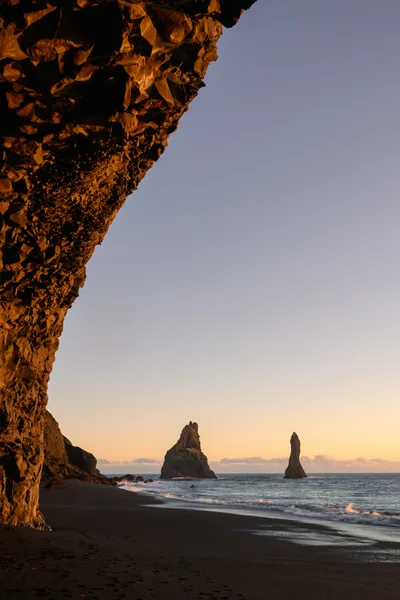
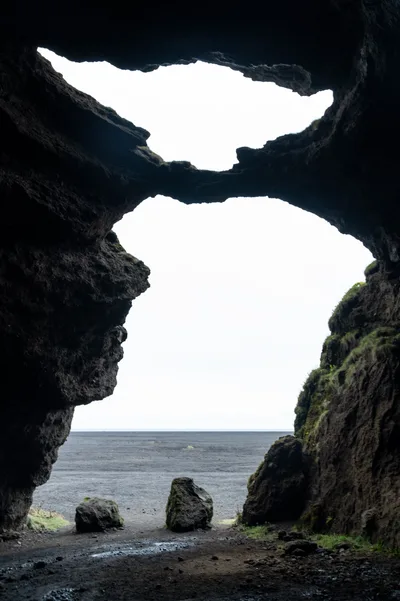
The basalt column cave at the cove's edge is the most visually striking feature — its geometric columns against black volcanic sand create a composition unlike almost anywhere else on the South Coast.
The clifftop view looking down toward the isolated cove, with grey Atlantic water filling the frame, is best captured from a safe distance along the Reynisfjara side of the path.
Where to eat
For a warm meal after the coastal wind, Halldórskaffi is the closest option at around 4.9 km, serving regional Icelandic fare. The Soup Company and Wok On are both within 5.5 km if you want something quick and filling. Ice Cave, also nearby at 5.5 km, covers fast food and regional bites if you're keeping it simple.
Where to stay
Hotel Volcano, 4.8 km away, is the closest base for exploring this stretch of the South Coast. Hótel Dyrhólaey and Edda Vík are both within 5.5 km and well-positioned for early-morning visits to Reynisfjara. If you don't mind a longer drive, Hotel Katla at 10.3 km offers another solid option in the area.
Photography
The basalt column cave and the contrast of black volcanic sand against grey Atlantic water make for stark, dramatic compositions — shoot from the Reynisfjara side during overcast light, which is common and actually flattering here. Early morning before other visitors arrive gives you the cleanest frames of the cliffs and the cove's isolated geometry.
Good to know
Check the trailhead closure notices before taking a single step toward the path — if they are posted, turn back. Do not attempt the cliff path in wet or icy conditions; rockfall and cliff instability are ongoing and serious hazards. Once near the shoreline, do not enter the water under any circumstances: sneaker waves pose a severe, potentially fatal hazard identical to those at Reynisfjara, and there is no rescue access to this cove. Avoid entirely from October through March, when icy and wet conditions make the cliff path extremely dangerous.
GAMES
🕹️ Five minutes of sand?
Three daily games — including the UV simulator set to this beach.
Map
Nearby places
Halldórskaffi
The Soup Company
Wok On
Ice Cave
Drangar
Things to see around Mýrdalshreppur
Reynisfjara Beach
Iceland's most famous black sand beach with columnar basalt cave and Reynisdrangar sea stacks.
Dyrhólaey Nature Reserve
Rock arch promontory with lighthouse and puffin colonies.
Vík í Mýrdal Village
Iceland's southernmost village with a hilltop church and Ring Road services.
GIFT
🎁 Gift this beach
Its exact coastline, your date, your words — on a print or a PDF you print yourself.
Kirkjufjara Beach
THAT DAY
Kirkjufjara Beach, South Iceland
© OpenStreetMap contributors
Clean & decorative, or “That day” with the real sky of your date.
Shipping included 3-6 business days
A question before you order? Contact us
Delivered within minutes on the confirmation page and by email: a ZIP with all 4 print sizes (30×40 cm, 12×16″, 50×70 cm, 18×24″), each as a high-resolution PDF and PNG (300 dpi), plus a screen version. Print at home or at any print shop.
Please complete the delivery address.
Please accept the Terms of Sale.
Almost there — the shop opens very soon.
Secure payment · Printed locally in 30+ countries · 7 languages
Frequently asked
The information on this page is provided for guidance only and may evolve. Access conditions, safety and infrastructure can change without notice. Always check official sources before traveling.
Nearest beaches
Other wild beaches in Iceland
Reviews of this beach
- No reviews yet, what a shame — leave yours and share your experience.
Photo credits
Sources and licenses for the photos shown above.