Háifjara BeachIceland Beach Guide
Iceland's hidden black sand coast, earned not given
About
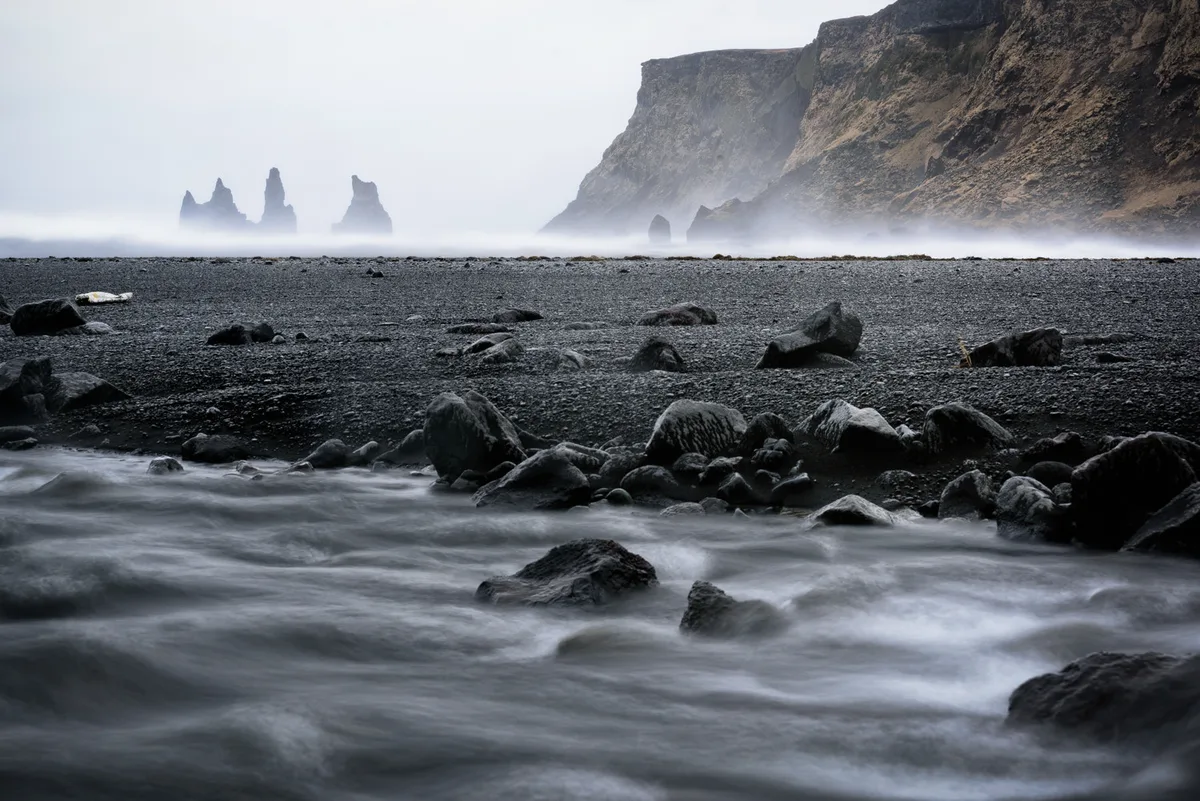
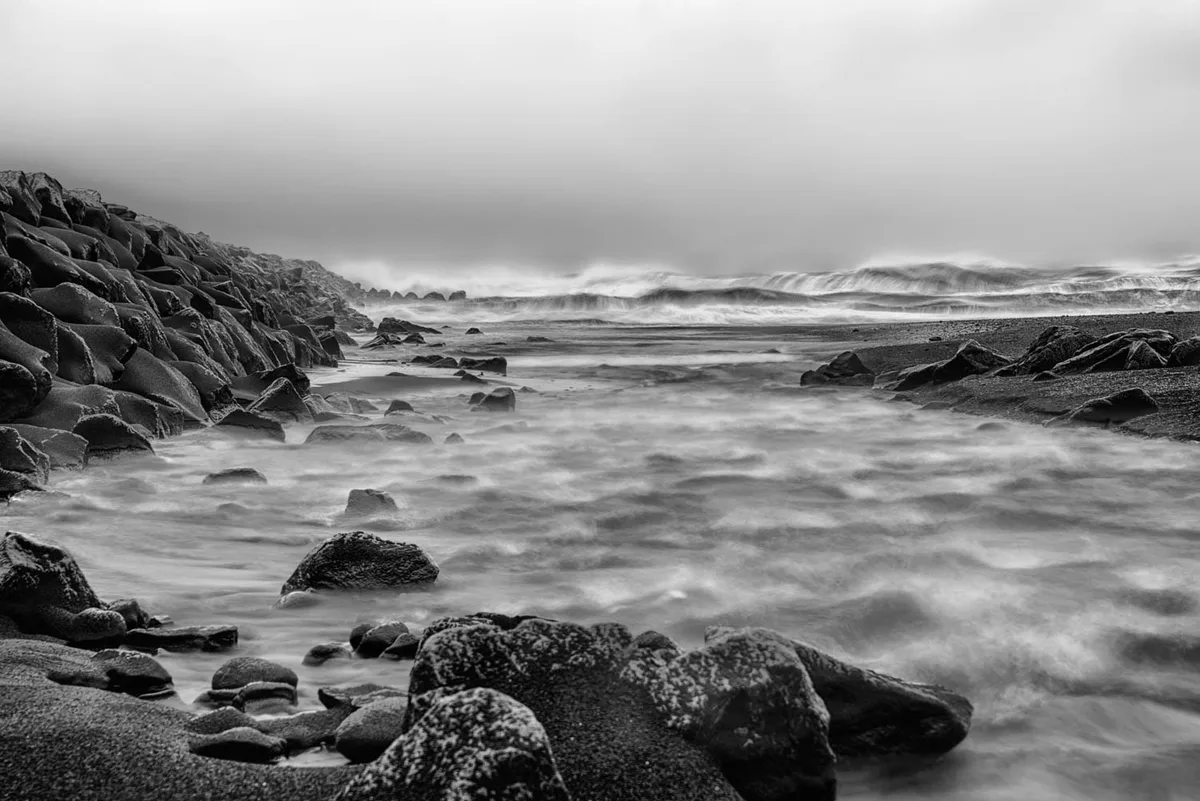
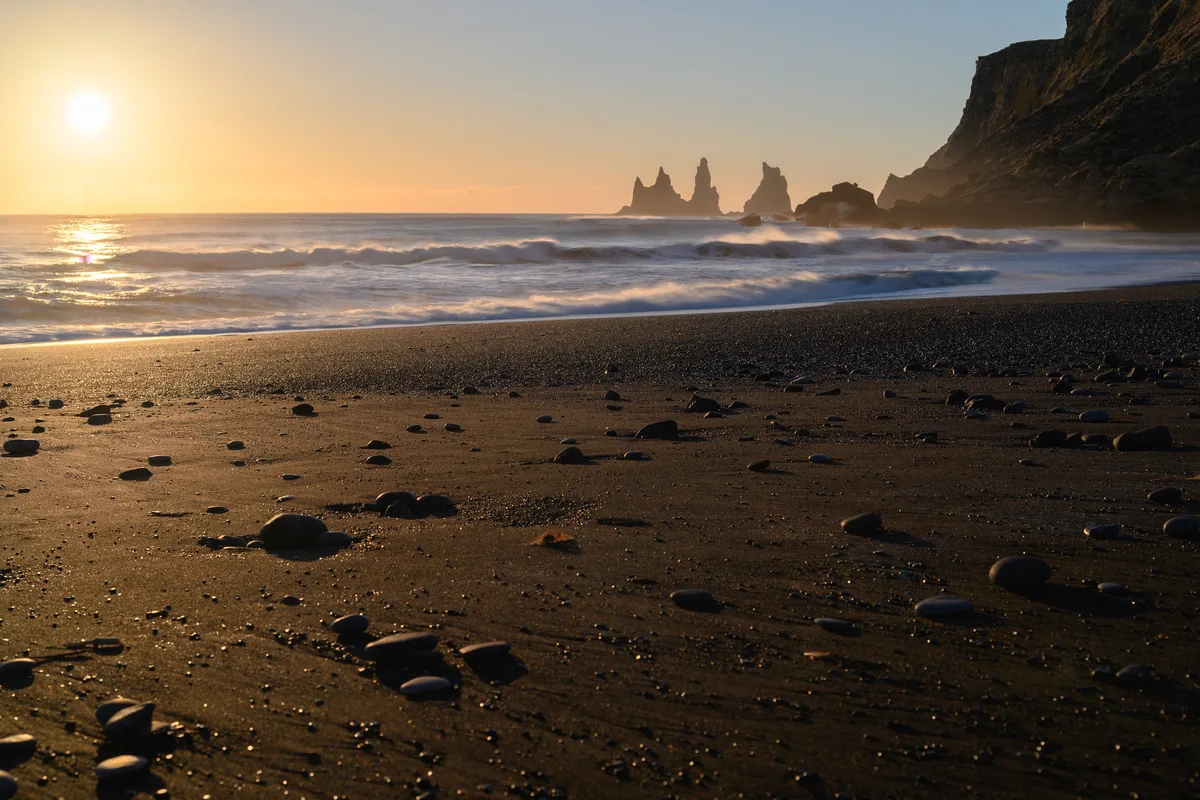
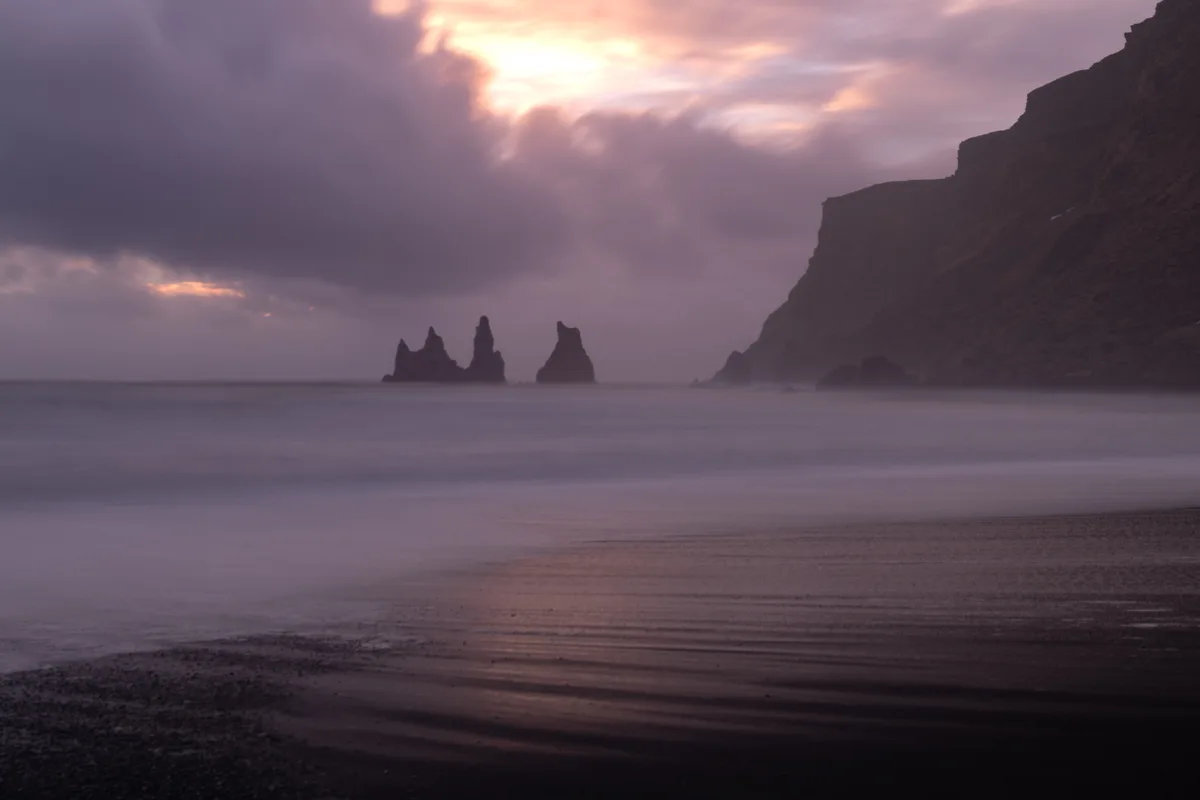
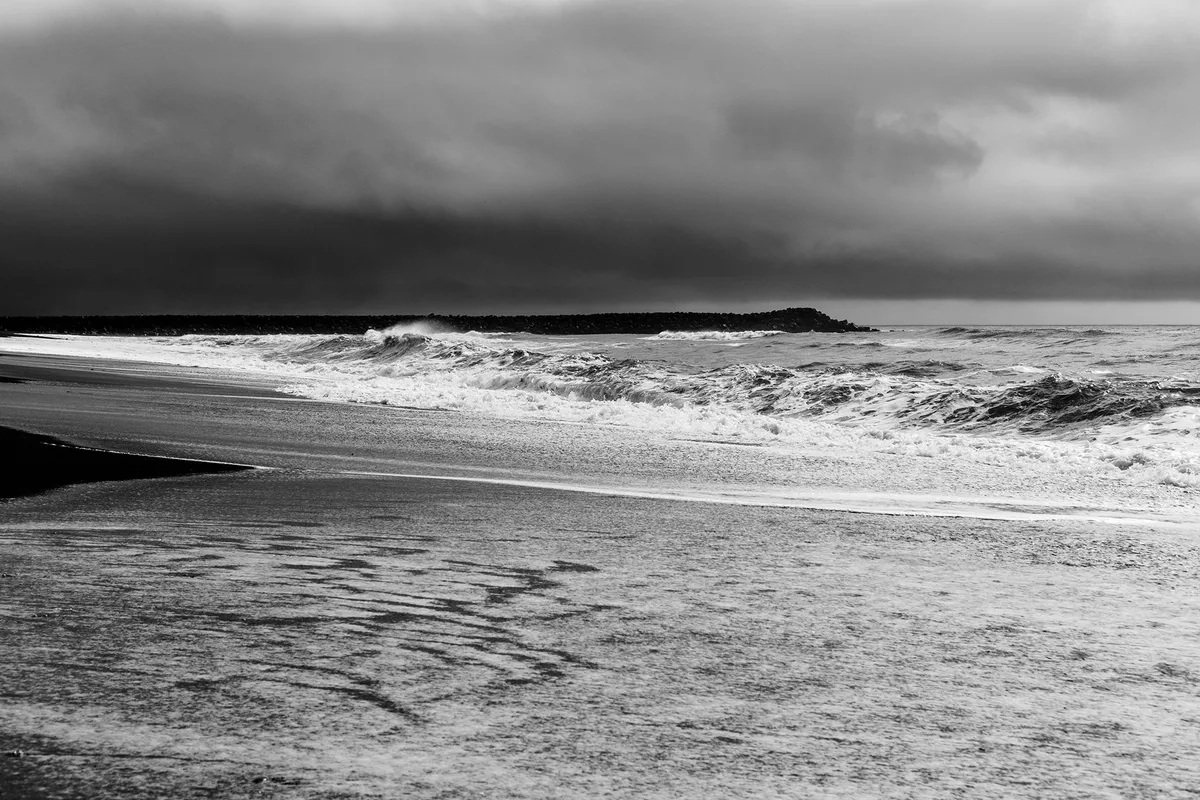
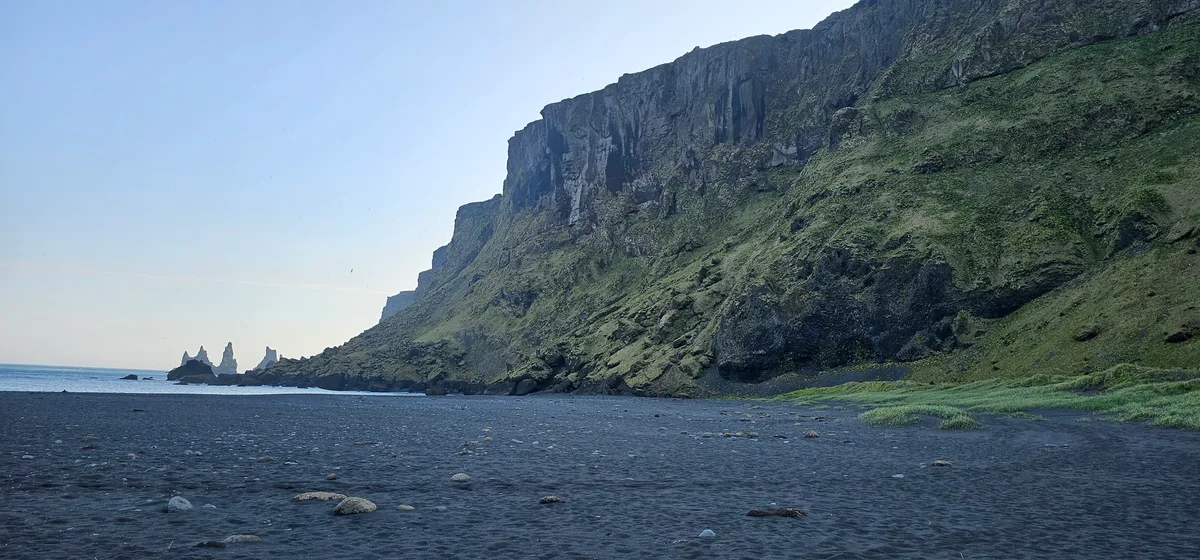
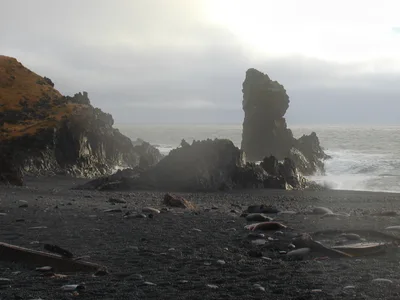
Háifjara sits at the base of volcanic cliffs on Iceland's South Coast, reachable only on foot and only when the tide allows. The beach stretches roughly 2,000 metres of black volcanic sand, flanked by columnar basalt walls rising directly from the shore — geology you can reach out and touch. The grey Atlantic rolls in with force here, and the air carries salt and the low hum of wind off the water. It appears in no tourist guide, carries no signage, and offers no facilities whatsoever. What it does offer is complete solitude and a raw encounter with Iceland's coastal edge.
How to get there
Háifjara has no road access and no parking of its own. Leave your vehicle at the Reynisfjara car park and follow the coastal cliff-base route on foot — allow around 30 minutes each way. Access is tide-dependent: the path runs at the base of the cliffs and is cut off entirely at high tide, so check tide tables before you set out and ensure you have a minimum two-hour window at the beach. Do not attempt the walk in wet or icy conditions.
Who it's for
For couples
For couples who plan carefully and move well on uneven terrain, the complete absence of other visitors and the raw basalt scenery make this one of the most genuinely private stretches of coastline in Iceland — but both partners must be comfortable with the tide risk and the physical demands of the approach.
For families
Háifjara is not suitable for families with young children. The tide-dependent cliff-base access, extreme sneaker wave exposure, no facilities, and no rescue access make it unsafe for anyone who cannot move quickly and follow safety instructions without hesitation.
Our take
Be direct about what Háifjara is: a genuinely hazardous beach that demands preparation, not a casual detour. Sneaker waves here are an extreme risk — stay away from the water's edge, full stop. That said, for experienced hikers who check tide tables, plan a proper window, and respect the conditions, this is one of the few places on Iceland's South Coast where you will stand alone in front of columnar basalt walls on black volcanic sand with no one else in sight. It doesn't appear in tourist guides for a reason — access is difficult, the margin for error is small, and the sea does not forgive carelessness. Go in June, July, or August. Give yourself the full two-hour minimum window. And if the tide or weather looks wrong when you arrive at Reynisfjara, turn back without hesitation.
What to do
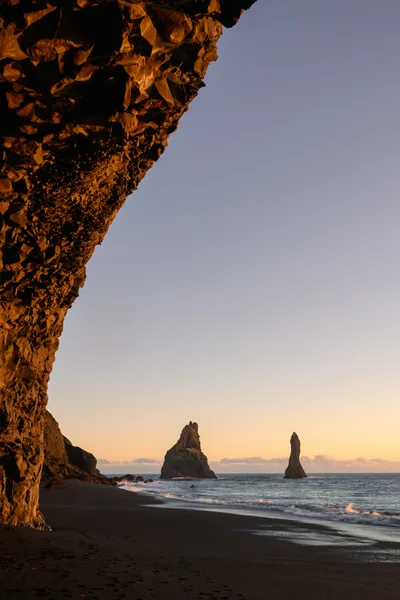
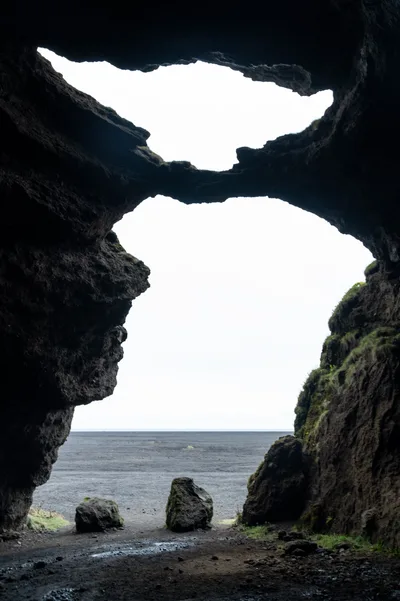
The columnar basalt walls at beach level are the defining feature — take time to walk the full length and examine the geological formations up close. Nearby, Reynisfjara Beach (0.5km from the car park) offers Iceland's famous basalt cave and the Reynisdrangar sea stacks as a companion visit before or after your hike. Dyrhólaey Nature Reserve, about 8km away, adds a rock arch, lighthouse, and puffin colonies to a full day on this stretch of coast. Black Beach Riding Tours (0.7km from Vik) operates in the area if you want to extend your time along the black sand coastline.
The columnar basalt walls at beach level are the standout shot — position yourself with the black volcanic sand in the foreground and the cliff face filling the frame.
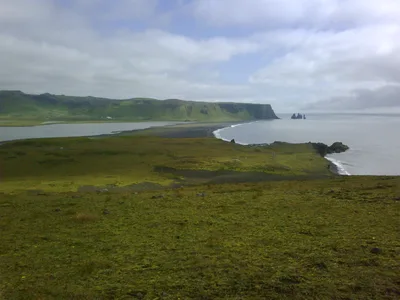
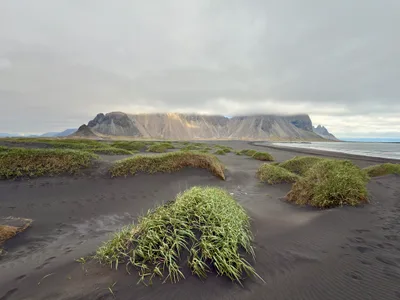
The long, empty sweep of dark sand with grey Atlantic water in the background photographs well from the eastern end of the accessible strip during low tide on an overcast summer day.
Where to eat
Back in Vik, Halldórskaffi (0.4km) serves regional Icelandic food and is the closest sit-down option after the hike. The Soup Company (0.5km) is a practical warm-up stop, and Drangar (0.9km) rounds out the local options with more regional cooking. There is absolutely nothing to eat or drink at Háifjara itself — carry water and food with you.
Where to stay
Edda Vík (0.7km) is the most convenient base, putting you close to the Reynisfjara car park for an early-morning tide window. Hotel Katla (5.4km) and Hótel Dyrhólaey (7.6km) are solid alternatives if you want to combine the visit with Dyrhólaey Reserve.
Photography
The columnar basalt walls at beach level shoot best in the flat, diffused light of an Icelandic summer morning — arrive at low tide for maximum accessible foreground. The contrast between the black volcanic sand and the grey Atlantic water is most dramatic under overcast skies, which are common June through September.
Good to know
Consult tide tables every single time — being trapped against the cliff base by a rising tide is a genuine emergency risk with no rescue access at cliff level. Sneaker waves are an extreme hazard on this beach; stay well back from the water's edge at all times and never turn your back on the sea. Do not enter the water under any circumstances — swimming here is dangerous and there are no lifeguards or emergency services within reach. Mobile signal is unreliable in places, so download offline maps and tide data before you leave Vik.
GAMES
🕹️ Five minutes of sand?
Three daily games — including the UV simulator set to this beach.
Map
Nearby places
Halldórskaffi
The Soup Company
Ice Cave
Wok On
Drangar
Svarta ströndin í Vík í Mýrdal
Skaftfellingur
Black Beach Riding Tours
Things to see around Mýrdalshreppur
Reynisfjara Beach
Iceland's most famous black sand beach with columnar basalt cave and Reynisdrangar sea stacks.
Dyrhólaey Nature Reserve
Rock arch promontory with lighthouse and puffin colonies.
Vík í Mýrdal Village
Iceland's southernmost village with a hilltop church and Ring Road services.
GIFT
🎁 Gift this beach
Its exact coastline, your date, your words — on a print or a PDF you print yourself.
Háifjara Beach
THAT DAY
Háifjara Beach, South Iceland
© OpenStreetMap contributors
Clean & decorative, or “That day” with the real sky of your date.
Shipping included 3-6 business days
A question before you order? Contact us
Delivered within minutes on the confirmation page and by email: a ZIP with all 4 print sizes (30×40 cm, 12×16″, 50×70 cm, 18×24″), each as a high-resolution PDF and PNG (300 dpi), plus a screen version. Print at home or at any print shop.
Please complete the delivery address.
Please accept the Terms of Sale.
Almost there — the shop opens very soon.
Secure payment · Printed locally in 30+ countries · 7 languages
Frequently asked
The information on this page is provided for guidance only and may evolve. Access conditions, safety and infrastructure can change without notice. Always check official sources before traveling.
Nearest beaches
Other wild beaches in Iceland
Reviews of this beach
- No reviews yet, what a shame — leave yours and share your experience.
Photo credits
Sources and licenses for the photos shown above.