Jökulsárlón BeachIceland Beach Guide
Black sand, blue ice, and raw Icelandic wilderness
About
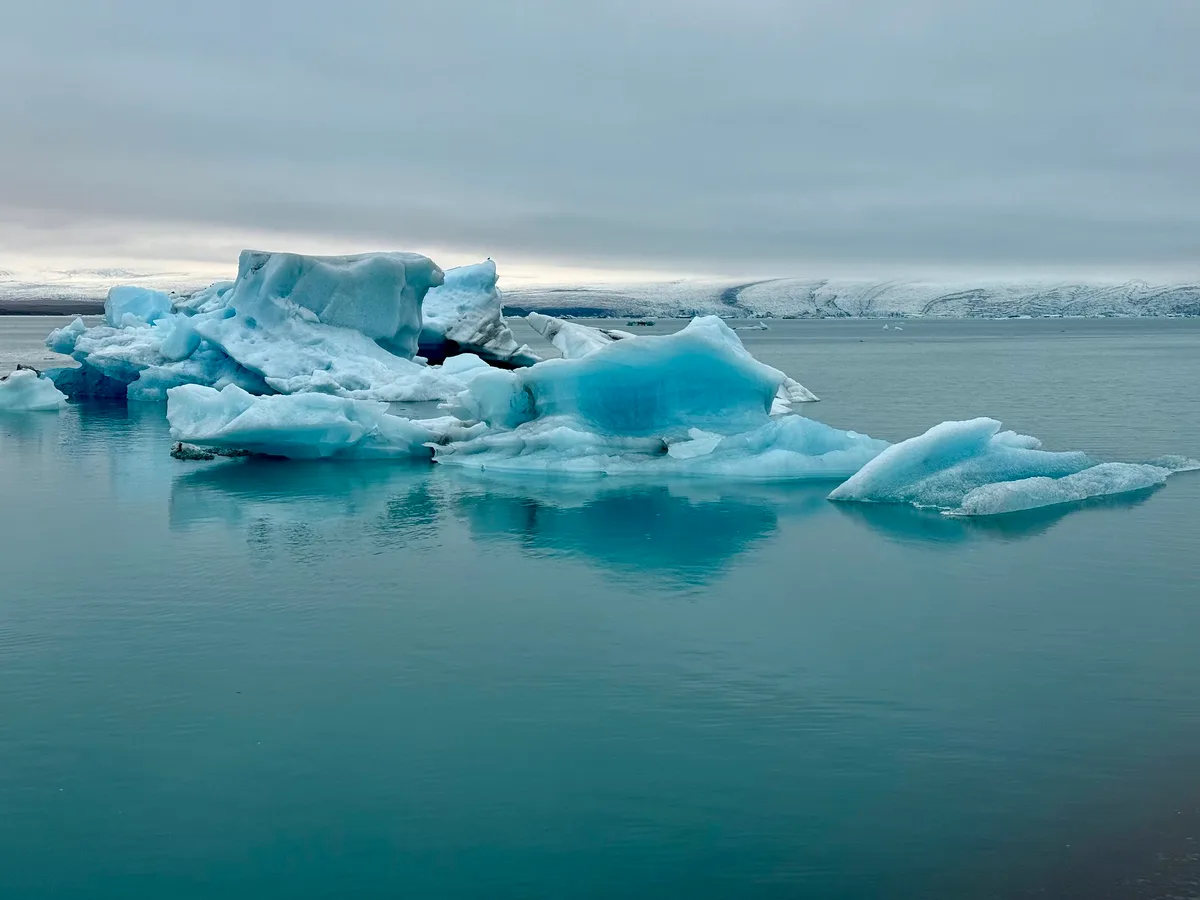
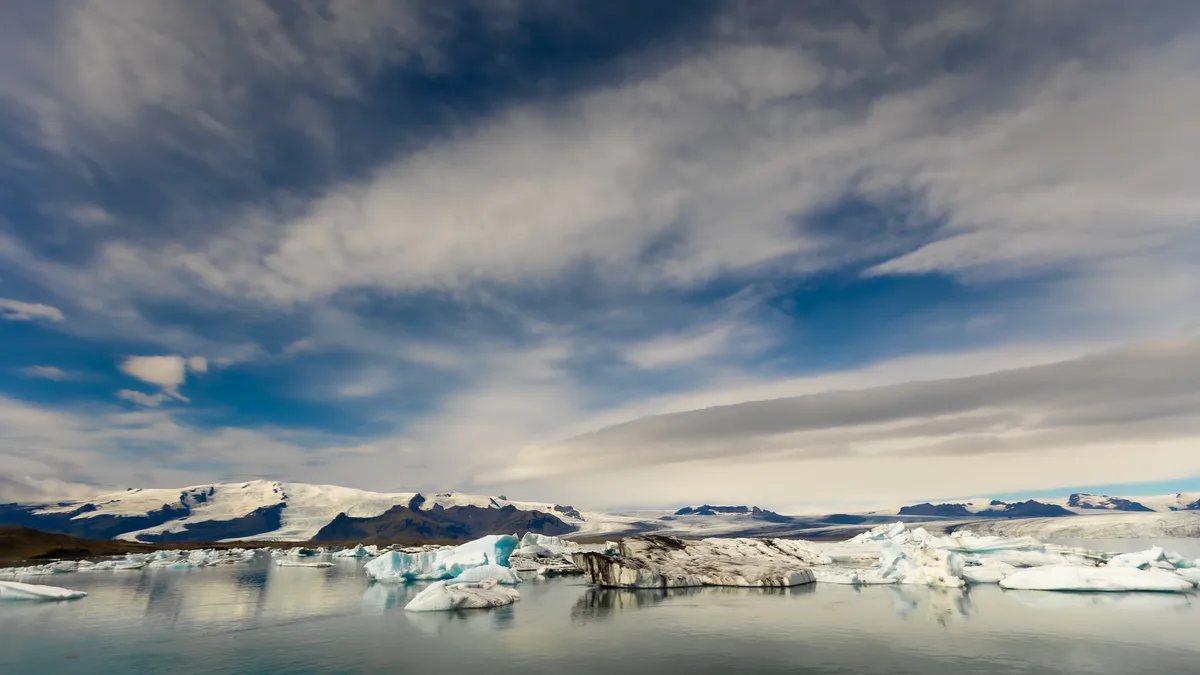
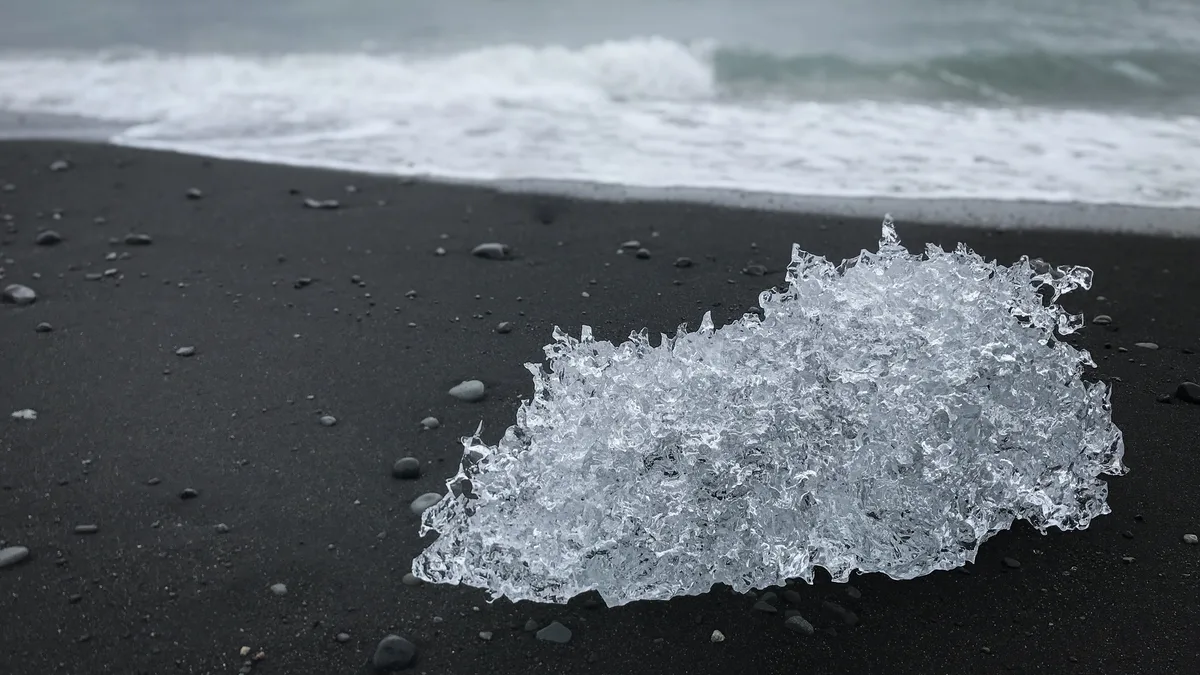
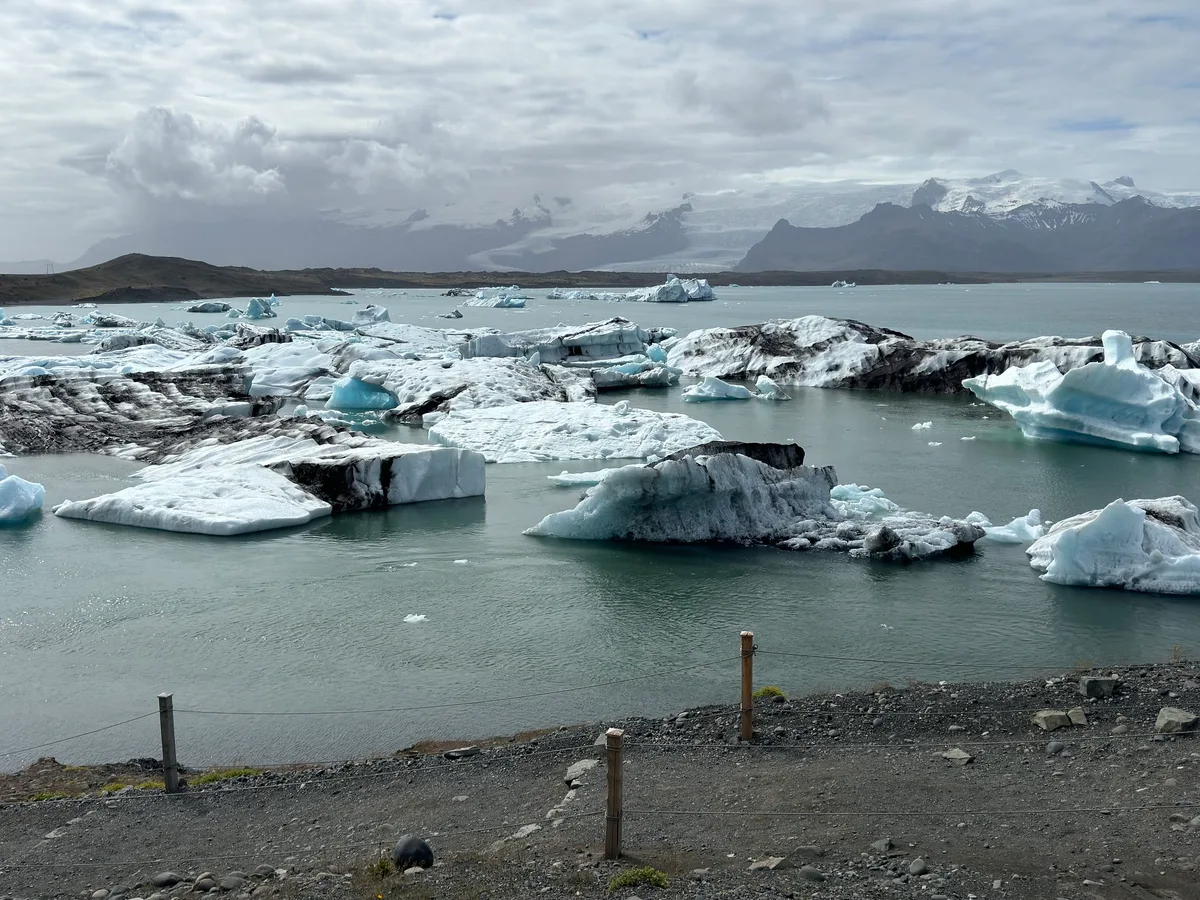
Jökulsárlón is a 2-kilometre stretch of volcanic black sand on Iceland's South Coast, where glacial ice blocks — ranging from deep blue to pure white — wash ashore and rest against the dark shore like scattered sculptures. The lagoon outlet channel cuts through the beach, connecting the glacier lagoon to the sea, and seals haul out on the ice with casual indifference to visitors. The water runs blue-green, cold beyond comprehension, and the Breiðamerkurjökull glacier fills the horizon behind you. It's wild, exposed, and unlike any other beach on Earth.
How to get there
Jökulsárlón sits on the South Iceland Coast near Höfn. By car, it's roughly 60 minutes from Höfn or about 5 hours from Reykjavík along Route 1. A large free car park serves both sides of the road, but it overflows in July and August — arrive before 8am if you want a spot. There's no entry fee to the beach itself.
Who it's for
For couples
The combination of glacier light, blue-green water, and drifting ice creates a stark, cinematic setting that rewards slow exploration together — walk the black sand at dawn when the beach is quiet and the ice catches the low Arctic sun.
For families
Children will be fascinated by the seals and the ice sculptures on the sand, but parents must keep a firm hand — the sneaker waves on the ocean side and the collapsing ice blocks are genuine hazards, and the soft black sand is tiring underfoot for small legs. The nearby Jökulsárlón Glacier Lagoon boat tours offer a safer, structured way to get close to the icebergs.
Our take
Do not enter the water here — sneaker waves have struck visitors on the ocean side, and the glacial outlet is dangerously cold. That safety verdict comes first, because the beauty of this place can make people careless. With that understood, Jökulsárlón is one of the most visually extraordinary beaches in the world: volcanic black sand, ice in every shade of blue and white, seals, and a glacier that feels close enough to touch. Come in June through September for the best light and accessible roads. Avoid December through February — Route 1 ices over, storms roll in hard, and daylight is scarce. Arrive before 8am in peak summer or the car park will be full and the beach will be busy with daytrippers. It earns every photograph taken of it, but respect the rules — no climbing ice, no removing ice, no approaching seals — or you risk your safety and the integrity of the place.
What to do
The Jökulsárlón Glacier Lagoon, just 0.5km from the beach, is Iceland's deepest lake and offers boat tours among icebergs calved from the glacier — it's the obvious first stop. The black sand plain of Breiðamerkursandur stretches 0.7km away and rewards a longer walk. For more glacier scenery, Fjallsárlón is 10km down the road, and Skaftafell Nature Reserve — 50km west — opens up glacier hiking and waterfall trails inside Vatnajökull National Park.
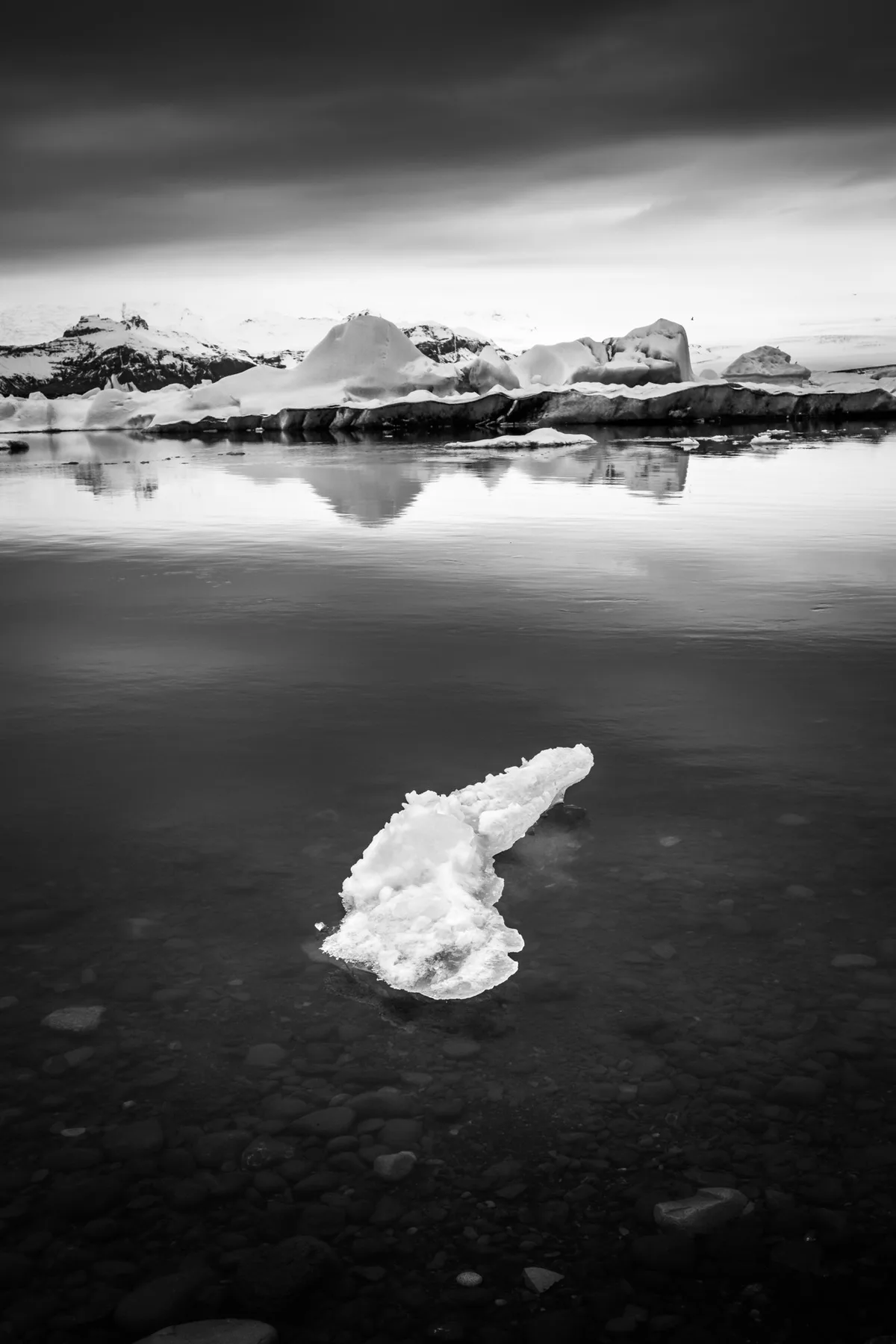
The foreground-to-glacier shot — a translucent blue ice block resting on black sand with Breiðamerkurjökull filling the background — is the defining image of this beach.
The lagoon outlet channel at low light, with a seal perched on a drifting ice floe, is a second iconic frame. Shoot from a low angle on the black sand to exaggerate the scale of the ice against the sky.
Where to eat
Þórbergssetur, about 11.9km from the beach, is the nearest listed dining option in the area. The Jökulsárlón Café sits just 0.1km away and is the most convenient stop for a warm drink after time on the sand. Pack extra food if you're planning a long day — options this far along Route 1 are limited.
Where to stay
Hótel Jökulsarlon - Glacier Lagoon Hotel is the standout nearby option, rated 9.5 out of 10 across 500 reviews and sitting 9.7km from the beach. Ekra Glacier Lagoon offers both twin and double rooms with private bathrooms at around 10km. The Fjallsárlón Overnight Adventure, 9.8km away, suits those who want a more immersive glacier experience.
Photography
The classic shot is ice blocks on black sand at sunrise or in the blue hour just after sunset, when the ice glows against the dark volcanic shore — get here early before other visitors arrive. The lagoon outlet channel, with seals on ice and the glacier as a backdrop, is the second unmissable frame; a wide-angle lens pointed south toward the ocean captures the full drama of the landscape.
Good to know
Do not climb on the ice blocks: it's illegal, and they can roll or collapse without any warning. Do not remove ice from the beach. The glacial meltwater outlet is extremely cold — do not enter the water anywhere on this beach, and stay well back from the ocean side where sneaker waves have struck visitors without warning. Keep dogs on a lead and away from seals resting on the ice; seals are wild animals and must not be approached.
GAMES
🕹️ Five minutes of sand?
Three daily games — including the UV simulator set to this beach.
Map
Nearby places
Þórbergssetur
Hótel Jökulsarlon - Glacier Lagoon Hotel
Fjallsárlón Overnight Adventure
Hótel Jökulsárlón
Ekra Glacier Lagoon - Twin Room with Private Bathroom
Ekra Glacier Lagoon - Double Room with Private Bathroom
Jökulsárlón Glacier Lagoon
Skaftafell Nature Reserve
Ingólfshöfði Cape
Things to see around Hornafjörður
Jökulsárlón Glacier Lagoon
Iceland's deepest lake, filled with icebergs calved from Breiðamerkurjökull; boat tours available.
Skaftafell Nature Reserve
Glacier hiking and waterfall trails within Vatnajökull National Park.
Ingólfshöfði Cape
Tidal promontory with puffin and great skua colonies, accessed by tractor wagon.
GIFT
🎁 Gift this beach
Its exact coastline, your date, your words — on a print or a PDF you print yourself.
Jökulsárlón Beach
THAT DAY
Jökulsárlón Beach, South Iceland
© OpenStreetMap contributors
Clean & decorative, or “That day” with the real sky of your date.
Shipping included 3-6 business days
A question before you order? Contact us
Delivered within minutes on the confirmation page and by email: a ZIP with all 4 print sizes (30×40 cm, 12×16″, 50×70 cm, 18×24″), each as a high-resolution PDF and PNG (300 dpi), plus a screen version. Print at home or at any print shop.
Please complete the delivery address.
Please accept the Terms of Sale.
Almost there — the shop opens very soon.
Secure payment · Printed locally in 30+ countries · 7 languages
Frequently asked
The information on this page is provided for guidance only and may evolve. Access conditions, safety and infrastructure can change without notice. Always check official sources before traveling.
Other beaches in the region
Other wild beaches in Iceland
More beaches in South Iceland
Reviews of this beach
- No reviews yet, what a shame — leave yours and share your experience.
Photo credits
Sources and licenses for the photos shown above.