Breiðamerkursandur BeachIceland Beach Guide
Black sand, blue ice, wild Icelandic coast
About
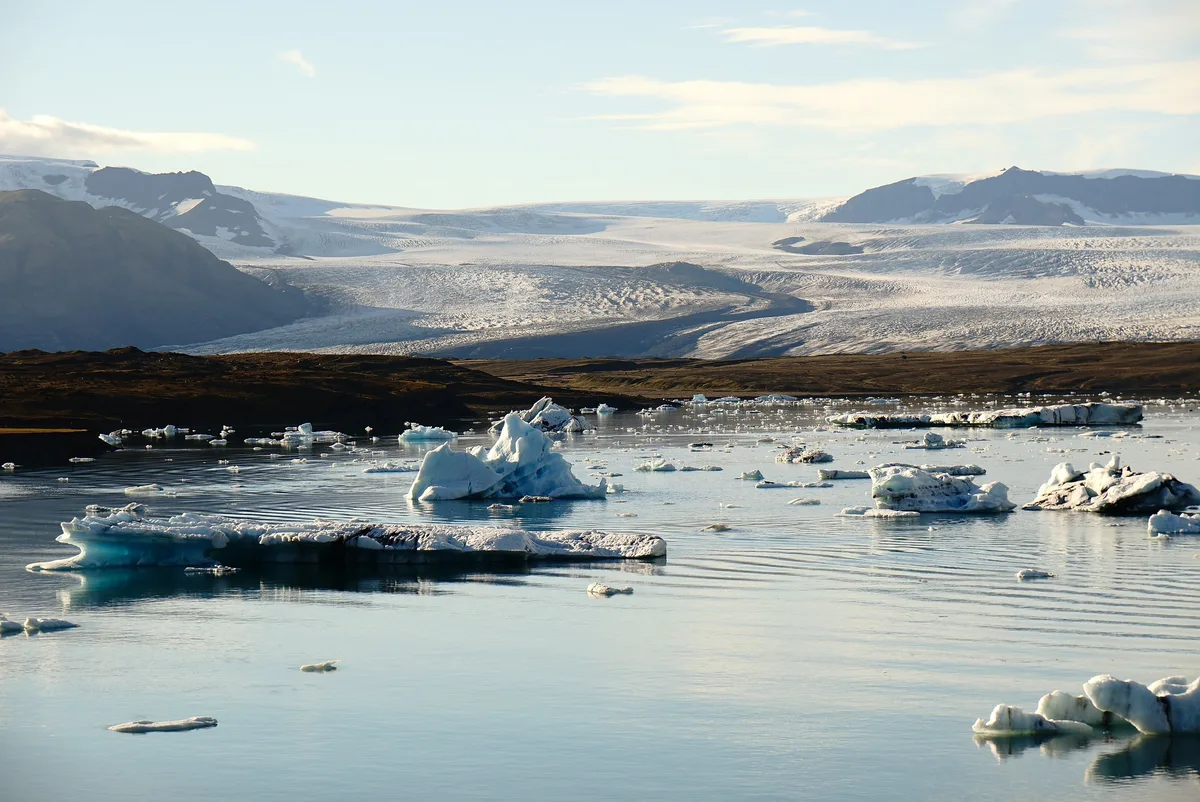
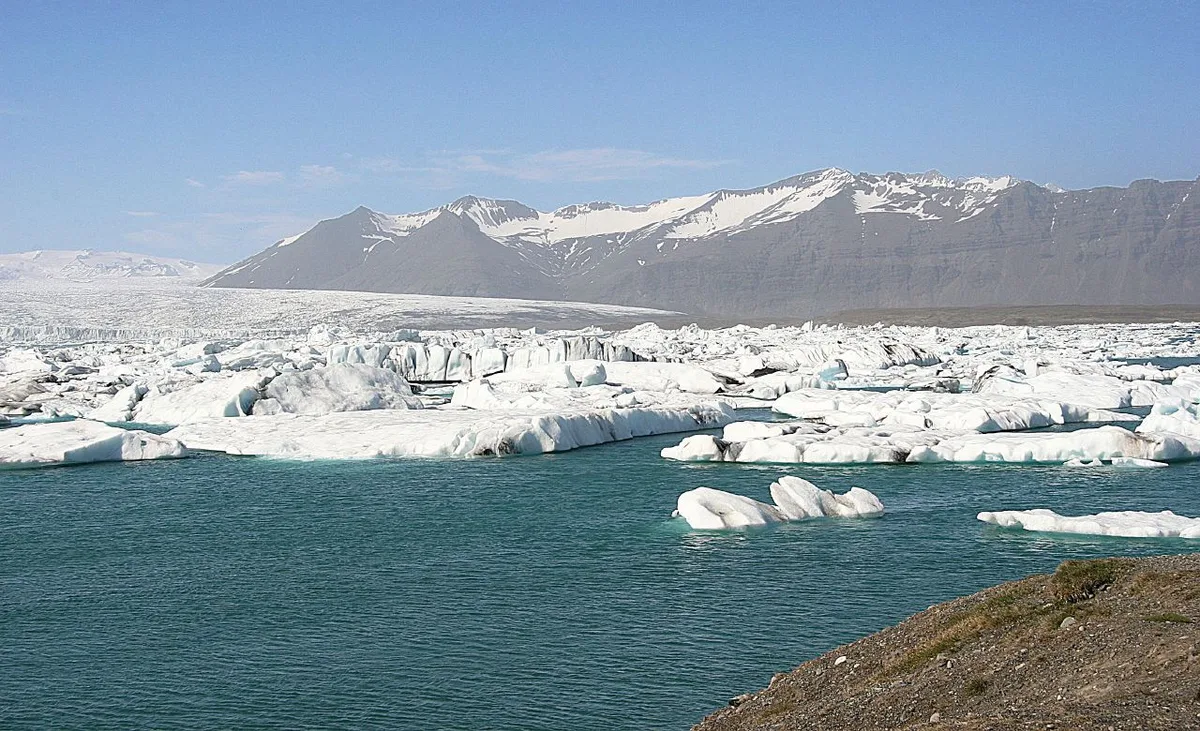
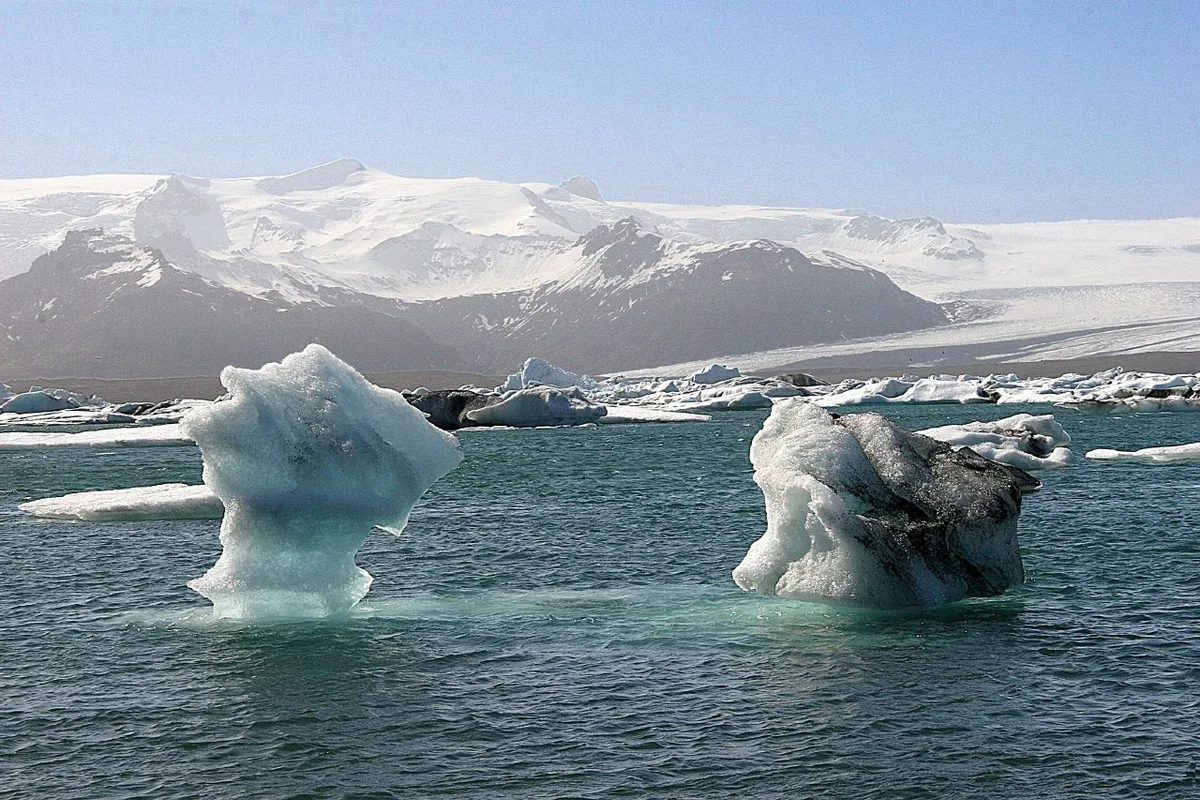
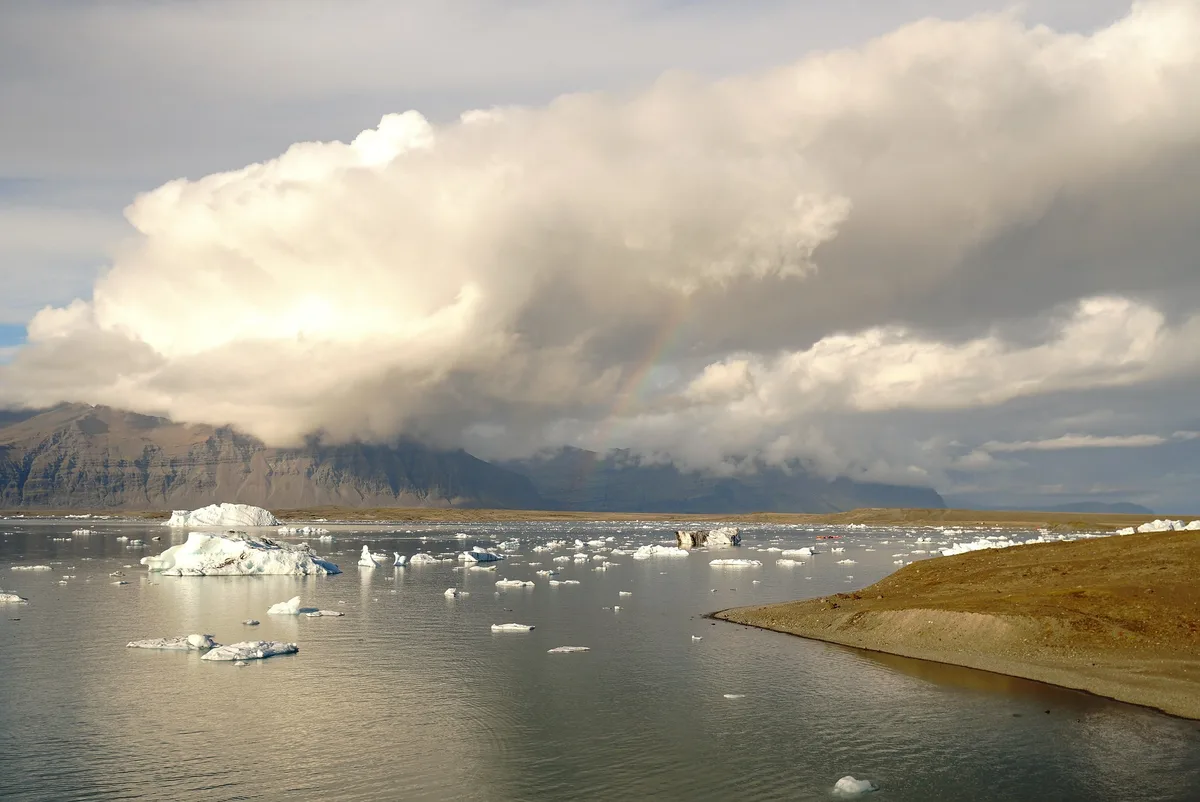
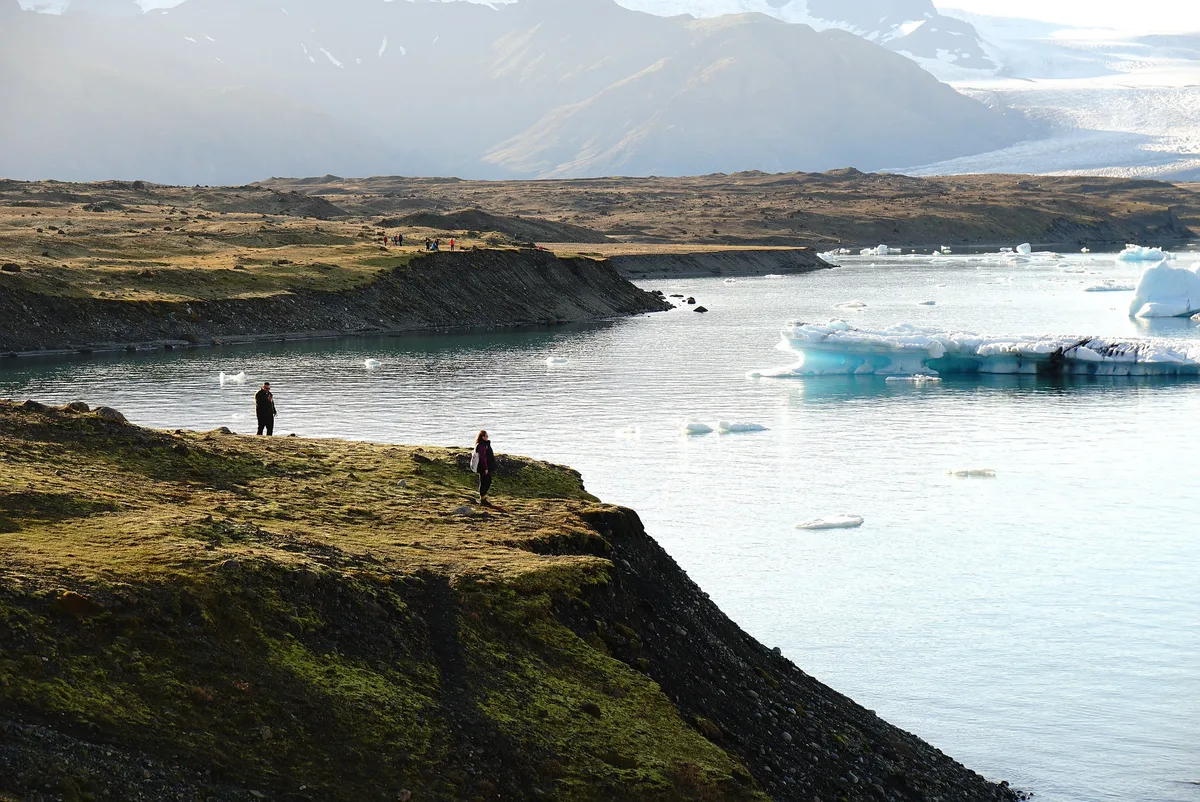
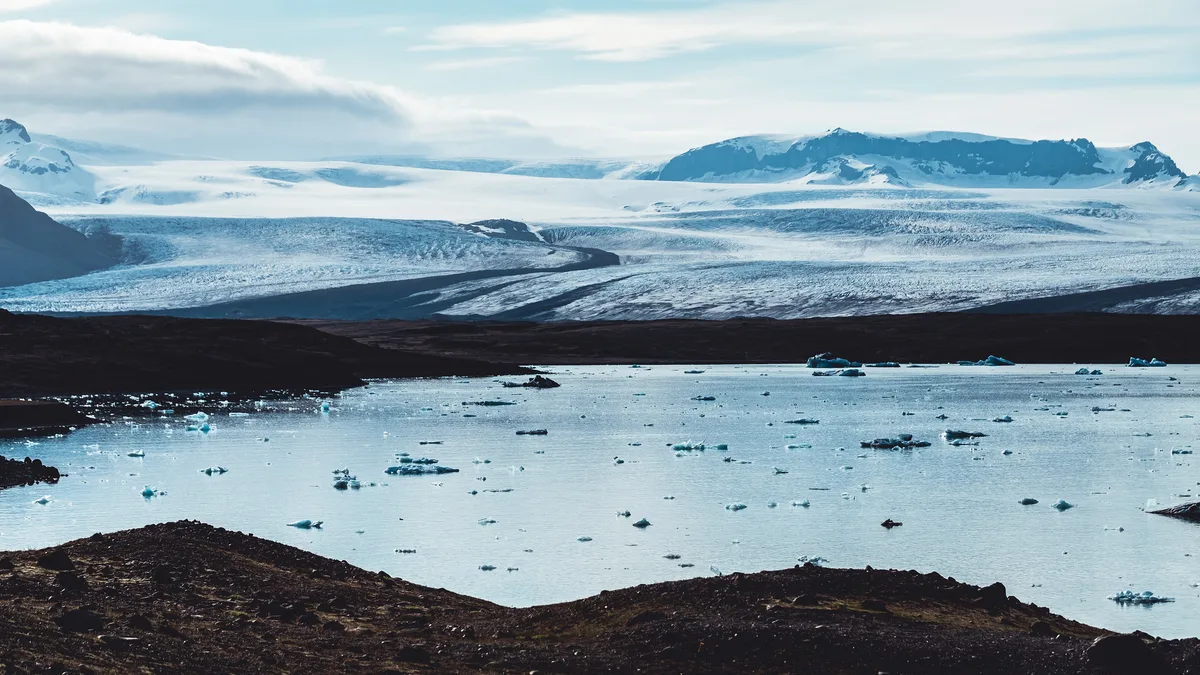
Breiðamerkursandur — better known as Diamond Beach — stretches roughly 3 kilometres of volcanic black sand along Iceland's South Coast, where translucent ice blocks washed from Jökulsárlón glacier lagoon lie scattered like shattered glass. The water runs a cold, steely grey, and the contrast against the dark sand is stark and genuinely arresting. Ice formations change every single day, shaped by tide and melt, so no two visits look alike. A glacier backdrop frames the whole scene, and seals occasionally haul out near the lagoon outlet channel. It's wild, exposed, and unlike any other beach on earth.
How to get there
Drive Ring Road 1 from Reykjavík — roughly 300 minutes by car — or 70 minutes west from Höfn. The beach sits directly beside Jökulsárlón glacier lagoon; the large shared car park is paid at 1,000 ISK, covering all three parking areas in the zone including Diamond Beach. Access is easy on foot from the car park, though the soft black sand makes wheelchair access difficult and there is no paved path to the shoreline.
Who it's for
For couples
The constantly shifting ice sculptures and vast, empty-feeling black sand shore create a genuinely dramatic backdrop for a slow walk together — just go early, well before the day-trip coaches arrive from Reykjavík.
For families
Children will be fascinated by the ice blocks, but keep them firmly back from the water's edge — sneaker waves and the glacial outlet channel are serious hazards. Stick to the upper beach and combine the visit with a boat tour on Jökulsárlón lagoon just across the road for a safer, structured experience.
Our take
Do not enter the water here — sneaker waves have caught visitors off guard on this beach, and the glacial outlet is dangerously cold. That safety reality stated plainly: Breiðamerkursandur is one of the most visually striking beaches in the world, and the daily-changing ice formations on black volcanic sand are worth every kilometre of the drive. It's busy in summer, and for good reason — but arrive at dawn and you'll have the ice to yourself. Avoid December through February entirely: severe storms, icy roads, and minimal daylight make the journey genuinely hazardous. Come for the photography, stay for the scale of it all, and respect the rules around the ice — they exist because people have been seriously hurt.
What to do
The obvious starting point is the beach itself, then cross the road to Jökulsárlón Glacier Lagoon (0.3 km), Iceland's deepest lake, where amphibian boat and zodiac tours weave between floating icebergs. About 9 km away, Fjallsárlón offers a quieter glacier lagoon experience. For a longer day, Skaftafell Nature Reserve (50 km) inside Vatnajökull National Park has glacier hiking and waterfall trails, and Ingólfshöfði Cape (55 km) gives you puffin and great skua colonies reached by tractor wagon.
The classic shot is a large translucent ice block in the foreground with the glacier visible in the distance — get low on the black sand for maximum contrast.
The lagoon outlet channel at the eastern end of the beach offers a different angle, with ice drifting through the channel mouth toward the sea.
Where to eat
On-site dining options are limited — Þórbergssetur is the nearest restaurant, about 13 km from the beach, so plan accordingly. Pack food and hot drinks if you want to spend serious time here, especially outside summer months when options thin out further.
Where to stay
Hótel Jökulsarlon — Glacier Lagoon Hotel sits 10.9 km away and carries a strong 4.8/5 rating across 468 reviews, making it the most reliable base for an early-morning visit before day-trippers arrive. Ekra Glacier Lagoon (11.2 km) offers both twin and double rooms with private bathrooms, and the Fjallsárlón Overnight Adventure (8.7 km) is a smaller option for those wanting to stay closest to the glacier side of the area.
Photography
Shoot at first light or golden hour when low-angle sun catches the ice blocks and turns them amber against the black sand — the lagoon outlet channel and glacier in the background give you natural depth. Overcast days actually work well here too, softening the light and making the translucent blue cores of the ice glow without harsh shadows.
Good to know
Do not climb on the ice blocks — it is illegal and carries a real risk of fatal injury as icebergs can roll or collapse without warning. Do not remove ice from the beach; it is protected. Keep well clear of the lagoon outlet channel, where glacial meltwater is extremely cold, and stay alert on the ocean-facing side where sneaker waves strike without warning — do not enter the water under any circumstances. Dogs are welcome but must be kept away from seals, and you should never approach seals yourself.
GAMES
🕹️ Five minutes of sand?
Three daily games — including the UV simulator set to this beach.
Map
Nearby places
Þórbergssetur
Fjallsárlón Overnight Adventure
Hótel Jökulsarlon - Glacier Lagoon Hotel
Hótel Jökulsárlón
Ekra Glacier Lagoon - Twin Room with Private Bathroom
Ekra Glacier Lagoon - Double Room with Private Bathroom
Jökulsárlón Glacier Lagoon
Skaftafell Nature Reserve
Ingólfshöfði Cape
Things to see around Hornafjörður
Jökulsárlón Glacier Lagoon
Iceland's deepest lake filled with icebergs; amphibian boat and zodiac tours available.
Skaftafell Nature Reserve
Glacier hiking and waterfall trails within Vatnajökull National Park.
Ingólfshöfði Cape
Tidal promontory with puffin and great skua colonies, accessed by tractor wagon.
GIFT
🎁 Gift this beach
Its exact coastline, your date, your words — on a print or a PDF you print yourself.
Breiðamerkursandur Beach
THAT DAY
Breiðamerkursandur Beach, South Iceland
© OpenStreetMap contributors
Clean & decorative, or “That day” with the real sky of your date.
Shipping included 3-6 business days
A question before you order? Contact us
Delivered within minutes on the confirmation page and by email: a ZIP with all 4 print sizes (30×40 cm, 12×16″, 50×70 cm, 18×24″), each as a high-resolution PDF and PNG (300 dpi), plus a screen version. Print at home or at any print shop.
Please complete the delivery address.
Please accept the Terms of Sale.
Almost there — the shop opens very soon.
Secure payment · Printed locally in 30+ countries · 7 languages
Frequently asked
The information on this page is provided for guidance only and may evolve. Access conditions, safety and infrastructure can change without notice. Always check official sources before traveling.
Other beaches in the region
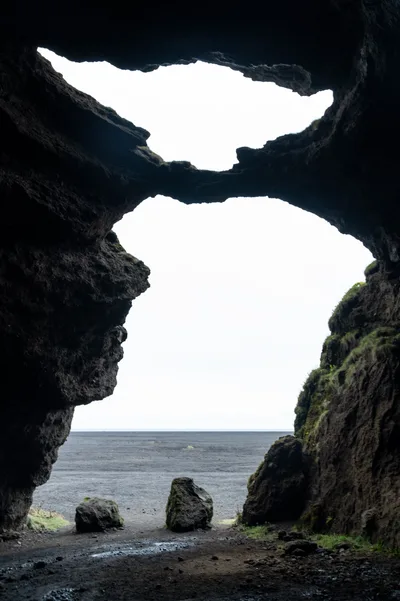
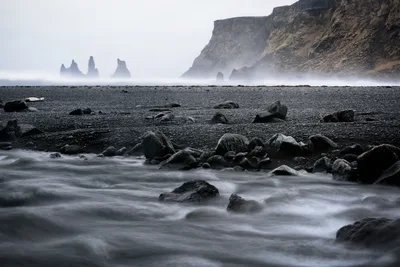
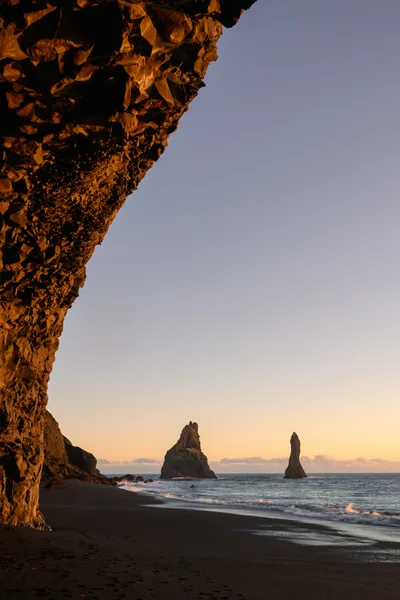
Other wild beaches in Iceland
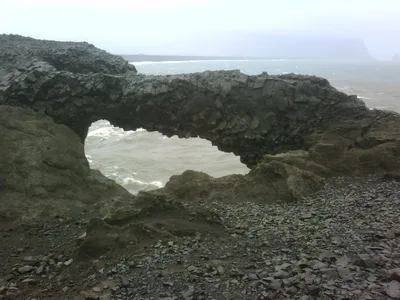
More beaches in South Iceland
Reviews of this beach
- No reviews yet, what a shame — leave yours and share your experience.
Photo credits
Sources and licenses for the photos shown above.
- Photo 1 — lewinb · source · CC BY-SA 2.0
- Photo 2 — Guillaume Baviere from Uppsala, Sweden · source · CC BY 2.0
- Photo 3 — Guillaume Baviere from Uppsala, Sweden · source · CC BY 2.0
- Photo 4 — lewinb · source · CC BY-SA 2.0
- Photo 5 — lewinb · source · CC BY-SA 2.0
- Photo 6 — ImNotQuiteJack · source · CC BY-SA 2.0