Djúpalónssandur BeachIceland Beach Guide
Black pebbles, shipwreck bones, and Atlantic fury
About
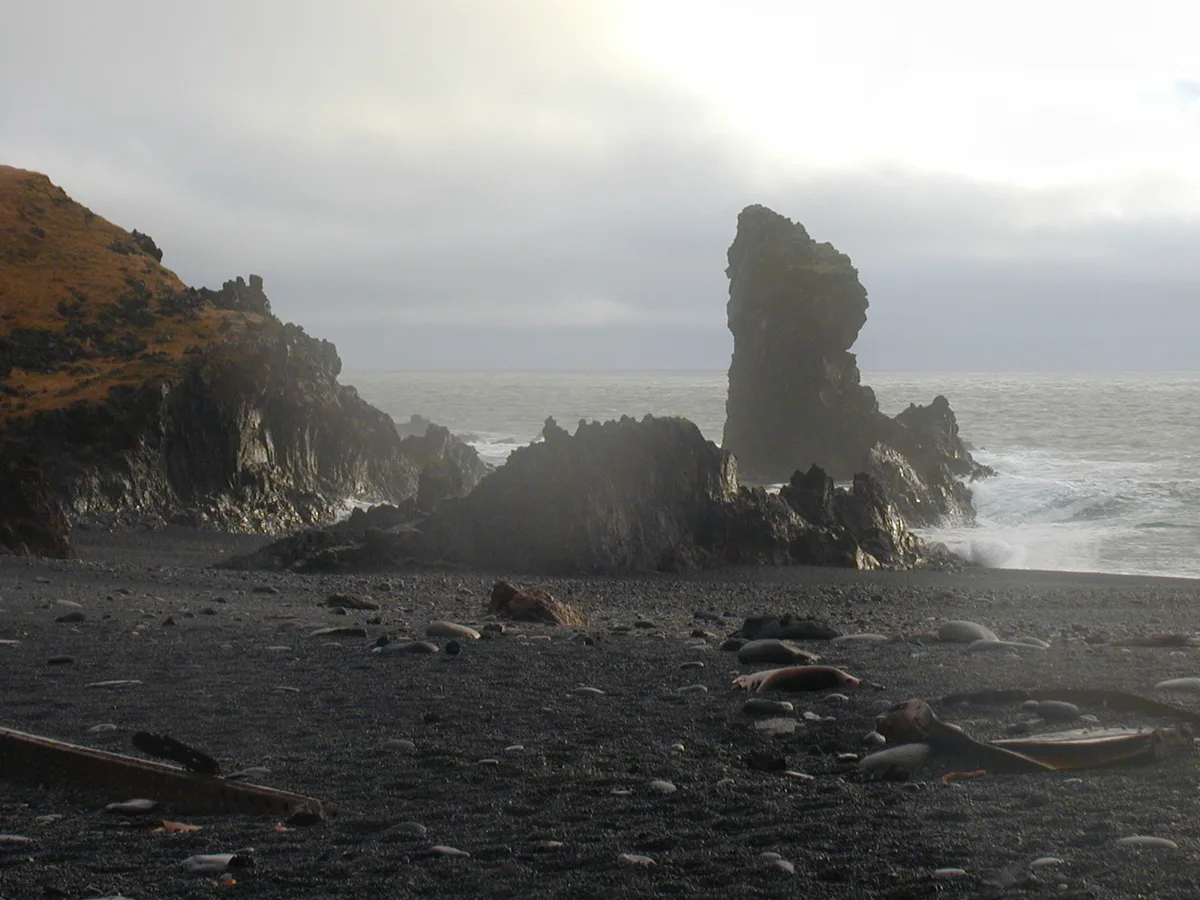
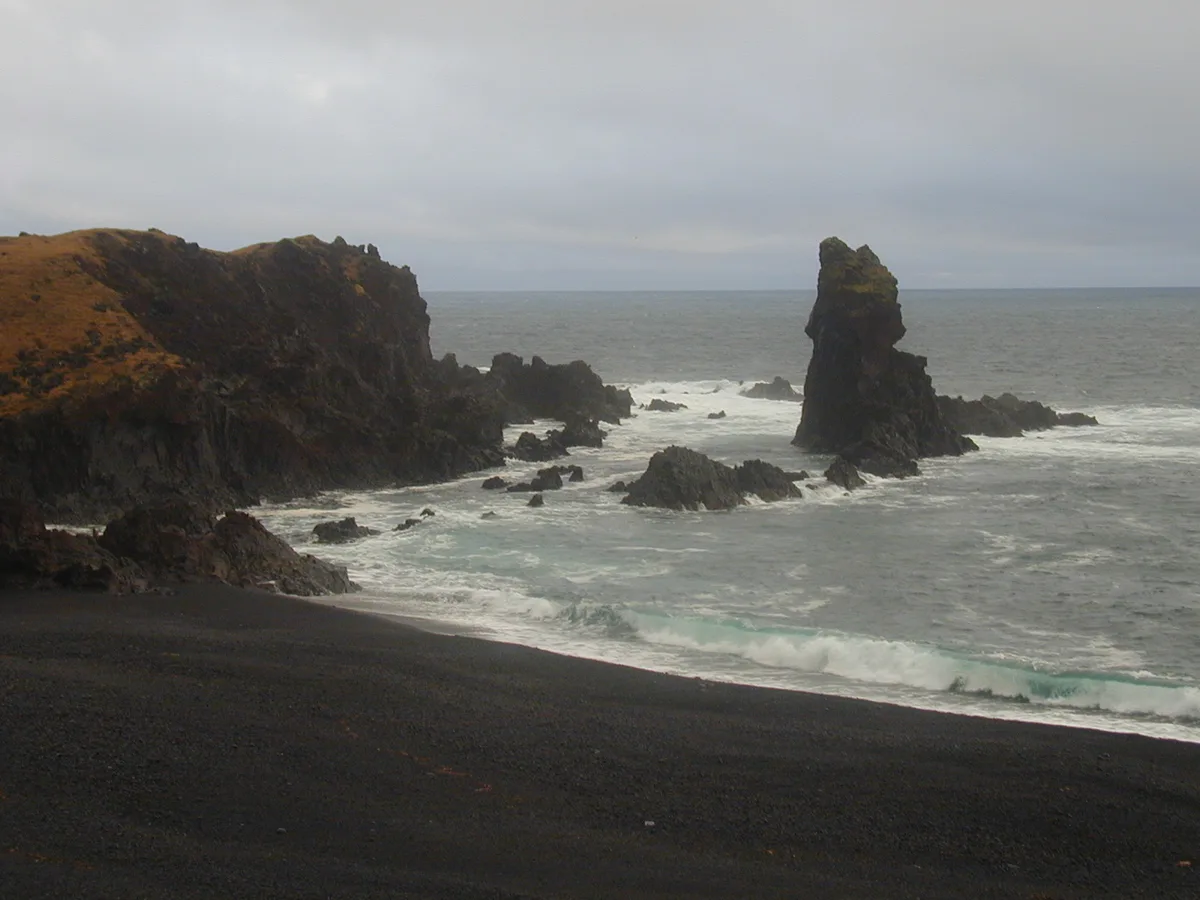
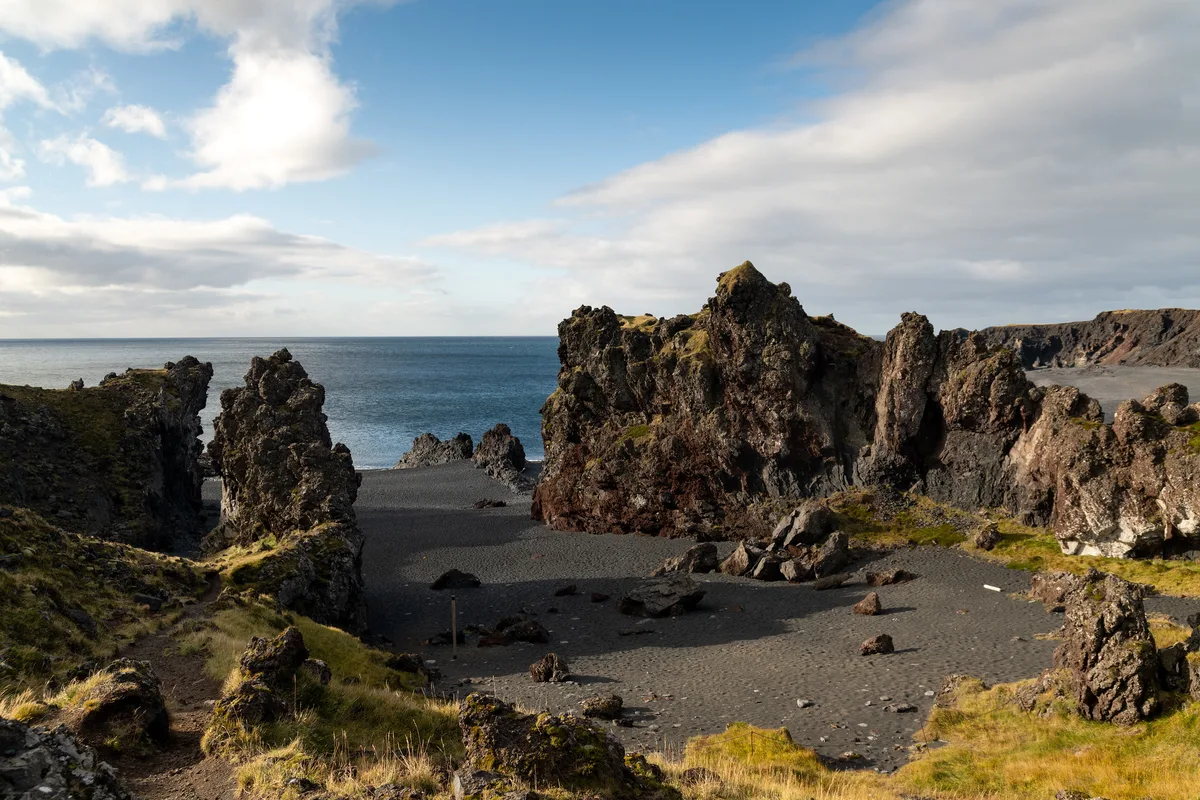
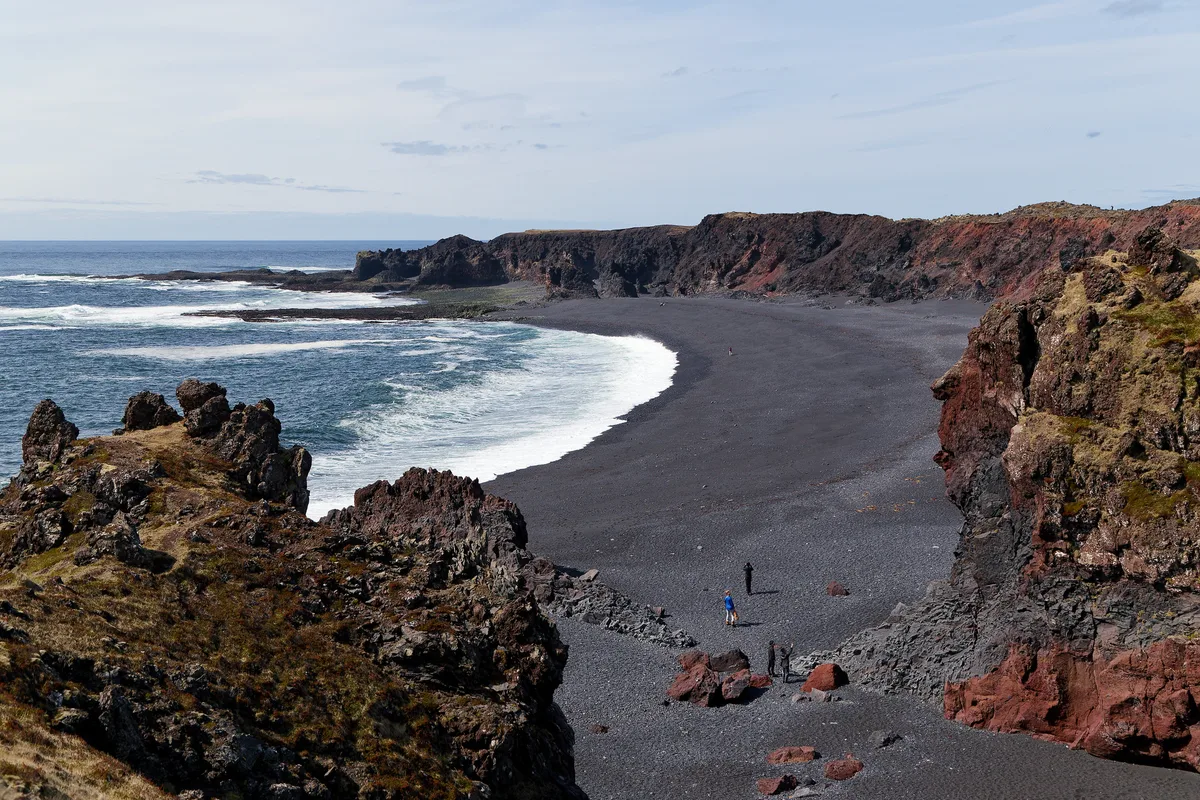
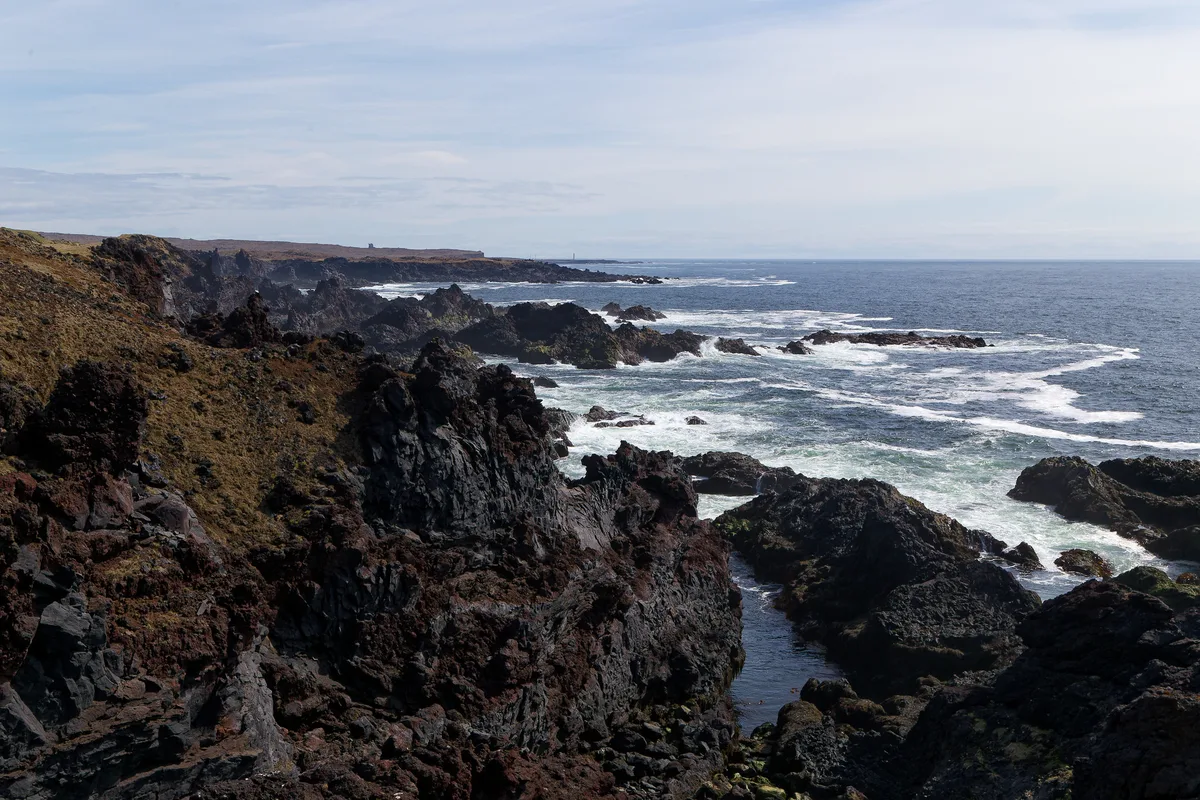
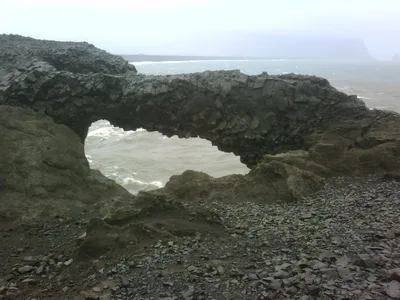
Djúpalónssandur is a raw, wind-scoured cove on the Snæfellsnes peninsula, stretching roughly 600 metres of black oval pebbles against grey Atlantic water. Rusted debris from the British trawler Epine lies scattered across the shore — a sobering reminder of the ocean's power, and one of the beach's most striking features. Lava arch formations frame the scene at the water's edge, while traditional fishermen's lifting stones still sit where they were placed centuries ago, used to test the strength of would-be crew. The whole site falls within Snæfellsjökull National Park, giving it a protected, elemental character that feels genuinely untouched. The vibe is wild — this is not a sunbathing beach.
How to get there
From Reykjavík, drive west along Route 54 onto the Snæfellsnes peninsula — the journey takes around 180 minutes by car. From the nearby village of Hellissandur, it's a quick 15-minute drive. A free gravel car park sits at the trailhead; note it can be icy in winter, so approach with care. There is no entry fee, but stay on the marked path from the car park to the beach.
Who it's for
For couples
The dramatic, isolated atmosphere — black pebbles, lava arches, and the quiet weight of the shipwreck — makes this a genuinely moving place to walk together, far from the usual tourist trail.
For families
Older children with an interest in history or geology will find the lifting stones and shipwreck debris fascinating, but young children need close supervision at all times given the sharp wreckage and dangerous Atlantic waves.
Our take
Do not enter the water at Djúpalónssandur — the Atlantic waves are dangerous, and this is non-negotiable regardless of how calm the surface looks on a given day. That safety caveat stated clearly, this is one of the most atmospheric beaches in Iceland: black oval pebbles, centuries-old lifting stones, lava arches, and the rusted bones of a trawler all within a short walk of each other. It sits inside Snæfellsjökull National Park, which means it's protected and, outside of summer, genuinely quiet. Avoid December through February — icy roads and severe storms make the exposed Snæfellsnes peninsula a hostile place in deep winter. Come between June and September, check road conditions on Vegagerðin before you leave, and give yourself at least two hours to walk the shore properly and visit Dritvík next door. Worth the detour from Reykjavík.
What to do
The neighbouring cove of Dritvík, just 1 km away, was once one of Iceland's busiest fishing stations and pairs naturally with a walk along the shore. The Aflraunasteinar lifting stones at 0.8 km are the traditional strength-testing rocks used by fishermen — four stones of increasing weight, each with its own historic rank. A short drive of 4.5 km brings you to Vatnshellir, a lava tube cave open for guided tours. Further afield, Snæfellsjökull National Park and its glacier-capped volcano — the setting of Jules Verne's Journey to the Centre of the Earth — loom just 10–12 km away.
The scattered rust-red wreckage of the Epine against the black pebble shore is the beach's most photographed subject — shoot wide to include the grey water behind it.
The lava arch formations at the shoreline offer a natural frame, and the four fishermen's lifting stones make an unusual, story-rich foreground for any shot looking toward the glacier.
Where to eat
There are no restaurants at the beach itself, so come prepared with your own food and water. The closest option is Snjofell Restaurant, roughly 13.5 km away — a practical stop before or after your visit.
Where to stay
Arnarstapi Cottages and Arnarstapi Hotel are both around 13.4–13.5 km from the beach, making them the most convenient base for exploring this part of the peninsula. Both sit in the small coastal settlement of Arnarstapi.
Photography
Shoot the Epine wreckage at low angle during the golden hour before sunset, when the grey water and black pebbles create a stark, monochromatic contrast. The lava arch formations at the water's edge make a strong foreground frame with Snæfellsjökull glacier visible in the distance on clear days — early morning light in June or July gives the longest window.
Good to know
Do not remove pebbles from the beach or any fragments of the Epine wreckage — both are protected, and removal is prohibited. Wreckage edges are sharp, so keep a safe distance when exploring. Atlantic waves here are dangerous: do not enter the water under any circumstances. In winter, the access road can ice over and close after heavy snowfall — always check Vegagerðin road conditions before you travel. Dogs are welcome but must be kept on a lead, especially near cliff edges.
GAMES
🕹️ Five minutes of sand?
Three daily games — including the UV simulator set to this beach.
Map
Nearby places
Snjofell Restaurant
Arnarstapi Cottages
Arnarstapi Hotel
Snæfellsjökull National Park
Snæfellsjökull Glacier
Lóndrangar Basalt Plugs
Things to see around Snæfellsbær
Snæfellsjökull National Park
National park centred on the Snæfellsjökull glacier volcano, setting of Jules Verne's Journey to the Centre of the Earth.
Snæfellsjökull Glacier
Glacier-capped stratovolcano at the tip of the Snæfellsnes peninsula.
Lóndrangar Basalt Plugs
Twin basalt sea stacks rising from the shoreline, remnants of a volcanic crater.
GIFT
🎁 Gift this beach
Its exact coastline, your date, your words — on a print or a PDF you print yourself.
Djúpalónssandur Beach
THAT DAY
Djúpalónssandur Beach, West Iceland
© OpenStreetMap contributors
Clean & decorative, or “That day” with the real sky of your date.
Shipping included 3-6 business days
A question before you order? Contact us
Delivered within minutes on the confirmation page and by email: a ZIP with all 4 print sizes (30×40 cm, 12×16″, 50×70 cm, 18×24″), each as a high-resolution PDF and PNG (300 dpi), plus a screen version. Print at home or at any print shop.
Please complete the delivery address.
Please accept the Terms of Sale.
Almost there — the shop opens very soon.
Secure payment · Printed locally in 30+ countries · 7 languages
Frequently asked
The information on this page is provided for guidance only and may evolve. Access conditions, safety and infrastructure can change without notice. Always check official sources before traveling.
Other wild beaches in Iceland
Reviews of this beach
- No reviews yet, what a shame — leave yours and share your experience.