Tatajuba BeachBrazil Beach Guide
White sand, ghost village, zero infrastructure — earn it
About
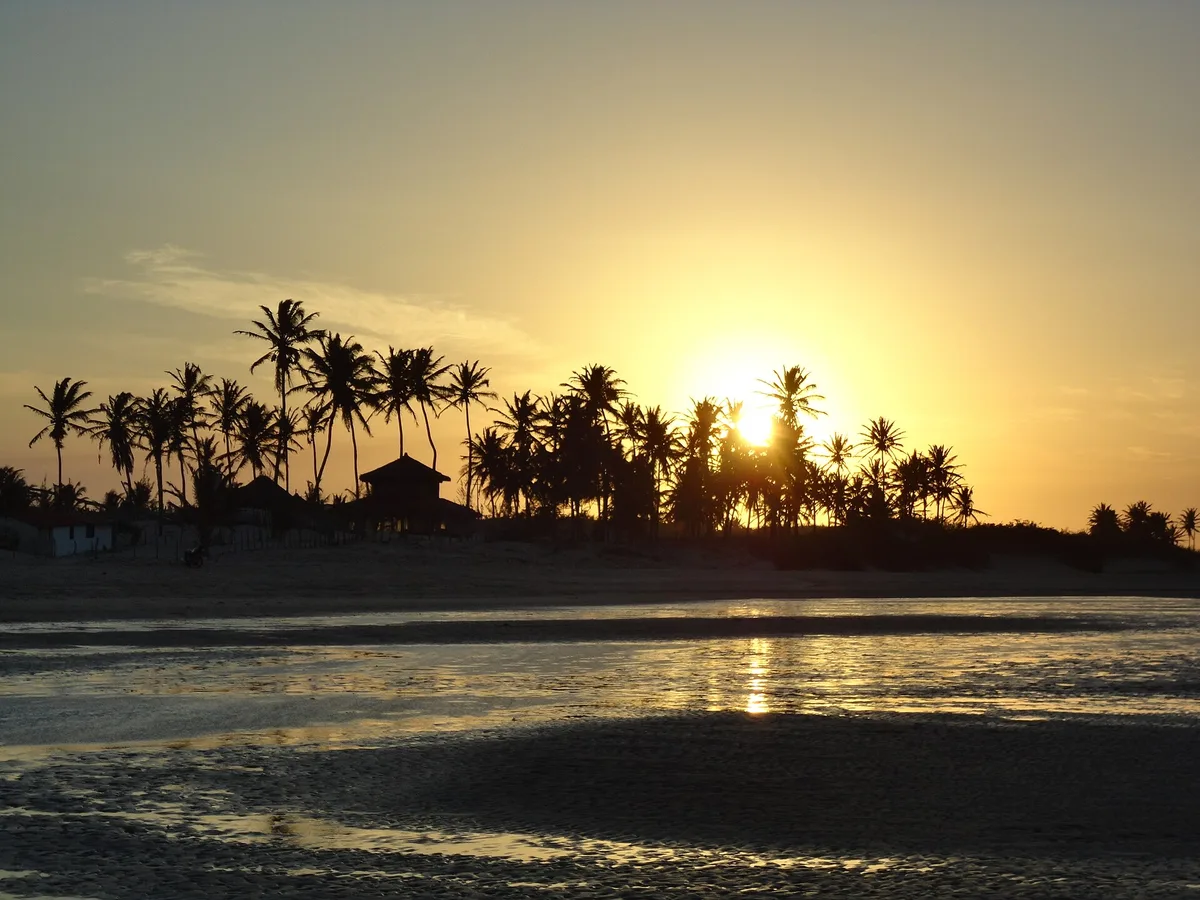
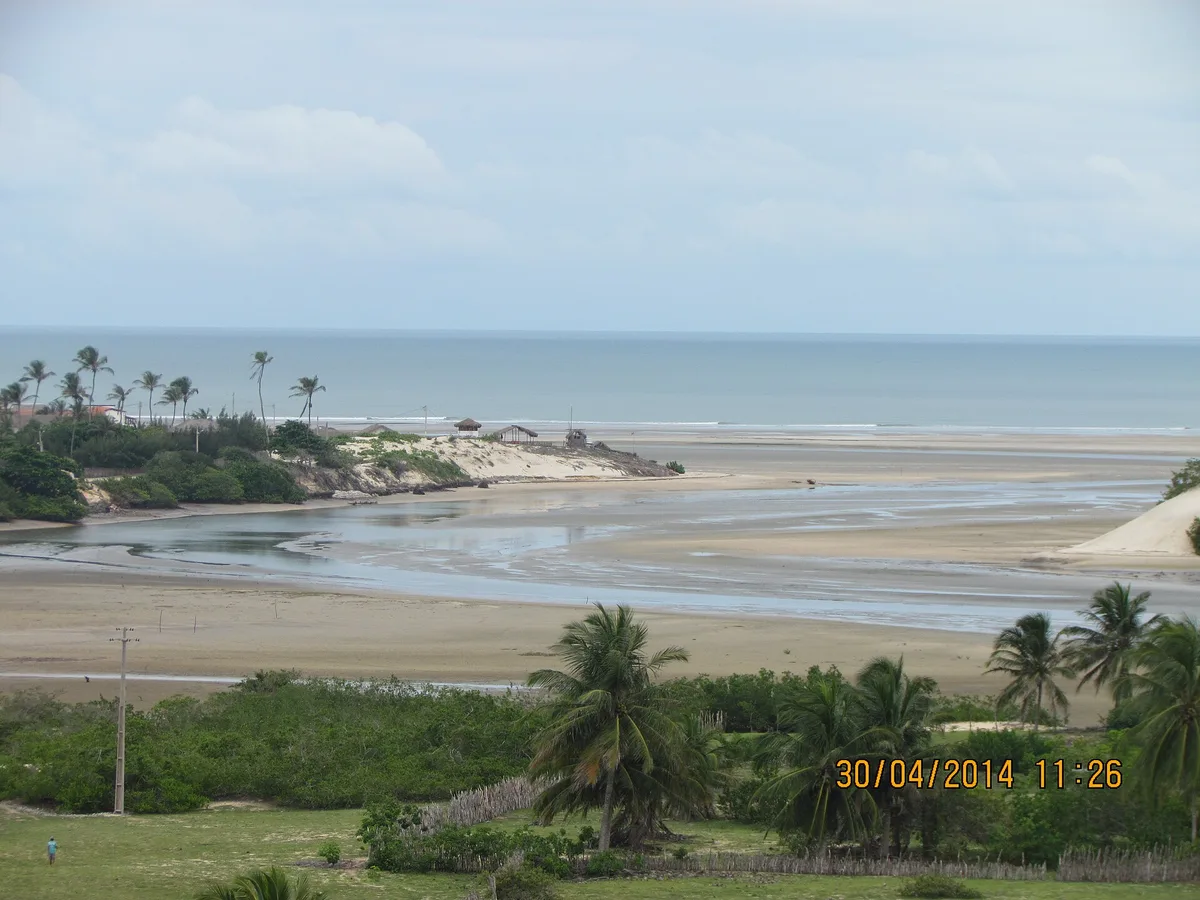
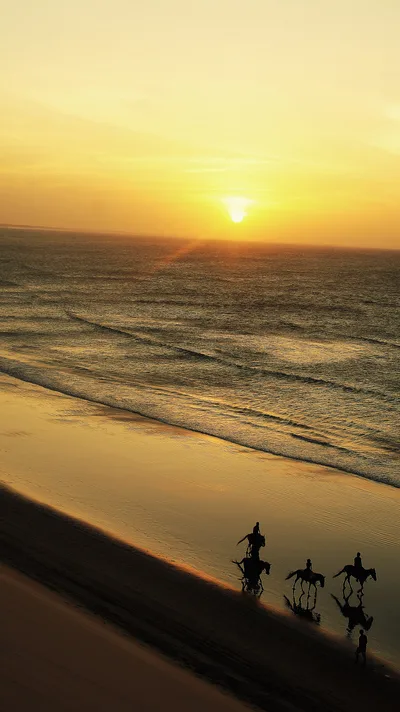
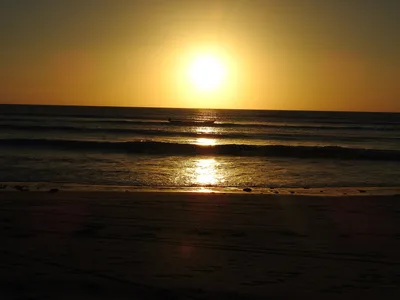
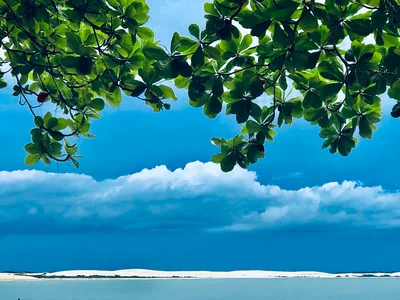
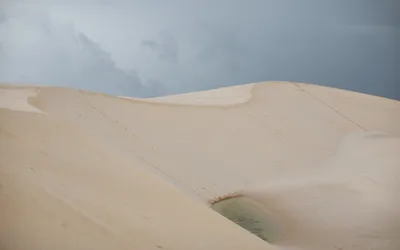
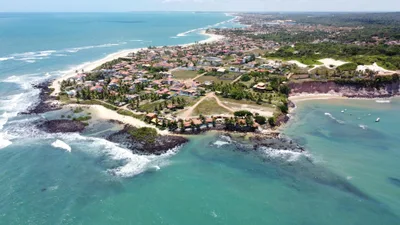
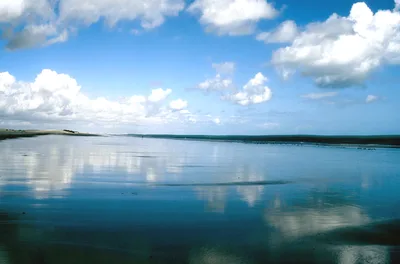
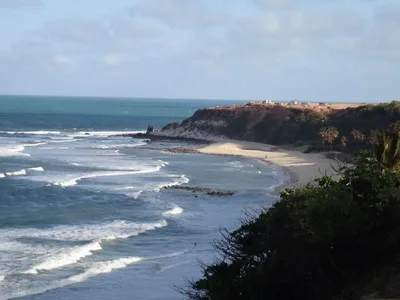
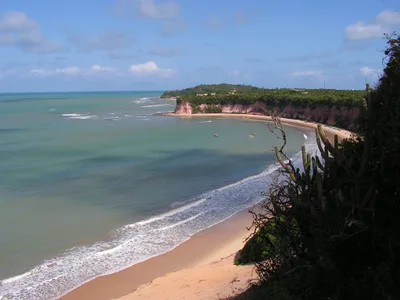
Praia de Tatajuba stretches along the far western edge of Ceará, where white sand meets emerald Atlantic water and an active dune field rolls inland like a slow-motion tide. The beach sits within the municipality of Camocim in Northeast Brazil, reachable only by 4x4 across soft dune tracks — which means the few visitors who arrive find a coastline that feels genuinely untouched. A narrow strip of land separates the beach from a lagoon behind it, creating a striking dual-water landscape unique to this corner of Brazil. Most compelling of all: just 500 metres away, the ruins of a village swallowed by advancing dunes in the 1990s still protrude from the sand, half-buried and silent.
How to get there
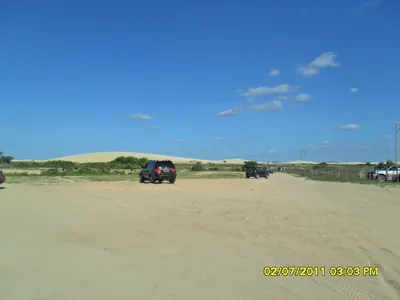
Getting here requires a 4x4 vehicle — no exceptions. The drive takes roughly 60 minutes from either Camocim or Jijoca de Jericoacoara; ferry crossings are also part of some route options depending on your starting point. A local 4x4 guide is strongly recommended, as the dune tracks shift and can disorient even experienced off-road drivers. Parking is free and informal — vehicles park directly on the sand near the beach, with no formal facilities of any kind.
Who it's for
For couples
The isolation here does the work — no vendors, no noise, just white sand, emerald water, and the surreal backdrop of the dune-swallowed ruins. It rewards couples who are self-sufficient and genuinely want to be left alone with a landscape.
For families
The lack of any infrastructure and the 4x4-only access make this a challenging choice for families with young children. The strong Atlantic swell and remote location with no emergency services nearby mean parents need to plan carefully and supervise water access at all times.
Our take
Praia de Tatajuba is not a beach you stumble onto — it demands planning, a capable vehicle, and honest respect for its risks. The strong Atlantic swell is not decorative; swim with caution and keep children well back from the water's edge. That said, what you get in return is rare: a 5km arc of white sand and emerald water with no vendors, no sunbed rows, and a ghost village slowly disappearing into the dunes behind you. The active dune field and the lagoon-beach divide make this one of the most visually distinctive spots in Ceará. Come in the dry season — May through October — and avoid March to May entirely when the dune tracks flood and access collapses. Bring everything you need, hire a local 4x4 guide, and treat the ruins with the respect they deserve. This is one of those places that earns its difficulty.
What to do
The ghost village ruins, just 0.5km from the beach, are the defining cultural stop: partially buried structures from a community overtaken by dune advance in the 1990s, eerie and worth the short walk. The active dune field itself is an attraction — the scale and movement of the sand is something you experience rather than just photograph. About 25km away, Praia de Jericoacoara offers the infrastructure and national park scenery of the wider region if you want a contrast. The town of Camocim, roughly 30km out, has a working fishing port and a lighthouse at the mouth of the Rio Coreaú for anyone wanting a cultural half-day.
The half-buried ruins of the ghost village, shot at low sun with dune sand sweeping across the foreground, are unlike anything else on the Brazilian coast.
The narrow lagoon-beach divide strip — emerald water on one side, Atlantic on the other — is best captured from the dune ridge above it during the dry season.
Where to eat
There is no food or drink available at the beach itself — zero infrastructure means you bring everything you need. The nearest option is Barraca Tatajuba, about 4.4km away. Pack more water than you think you'll need; the dune heat is relentless.
Where to stay
Cabana Chic Sunrise sits just 0.5km from the beach, making it the closest base for an early-morning arrival before the dune light shifts. Cabana Chic is 0.2km away and offers another option in the same immediate area. Both put you close enough to walk to the shoreline without needing to re-navigate the dune tracks each day.
Photography
The ghost village ruins at dawn — when low-angle light catches the half-buried walls against white sand — are the single most striking shot on this stretch of coast. The lagoon-beach divide strip also photographs beautifully from the dune crests, especially in the dry season (May–October) when the sky is clear and the emerald water is at its most vivid.
Good to know
A local 4x4 guide is recommended — not just for navigation but because the road access becomes completely impassable after heavy rains between March and May, so always confirm conditions with local operators before setting out. The Atlantic swell here is strong; swim with real caution and never underestimate the water. This is a remote location with no emergency services nearby, so carry a first-aid kit, extra water, and a charged phone. When visiting the ghost village ruins, look but don't touch — removal of any materials from the site is not permitted.
GAMES
🕹️ Five minutes of sand?
Three daily games — including the UV simulator set to this beach.
Map
Nearby places
Barraca Tatajuba
Cabana Chic Sunrise
Cabana Chic
Passeio pelo Mangue
Things to see around Camocim
Tatajuba ghost village ruins
Ruins of a village swallowed by advancing dunes in the 1990s, still partially visible.
Praia de Jericoacoara
Main beach of the Jericoacoara National Park.
Camocim
Gateway town with fishing port and lighthouse at the mouth of the Rio Coreaú.
GIFT
🎁 Gift this beach
Its exact coastline, your date, your words — on a print or a PDF you print yourself.
Tatajuba Beach
THAT DAY
Tatajuba Beach, Northeast Brazil
© OpenStreetMap contributors
Clean & decorative, or “That day” with the real sky of your date.
Shipping included 3-6 business days
A question before you order? Contact us
Delivered within minutes on the confirmation page and by email: a ZIP with all 4 print sizes (30×40 cm, 12×16″, 50×70 cm, 18×24″), each as a high-resolution PDF and PNG (300 dpi), plus a screen version. Print at home or at any print shop.
Please complete the delivery address.
Please accept the Terms of Sale.
Almost there — the shop opens very soon.
Secure payment · Printed locally in 30+ countries · 7 languages
Frequently asked
The information on this page is provided for guidance only and may evolve. Access conditions, safety and infrastructure can change without notice. Always check official sources before traveling.
Nearest beaches
Other wild beaches in Brazil
More beaches in Northeast Brazil
Reviews of this beach
- No reviews yet, what a shame — leave yours and share your experience.
Photo credits
Sources and licenses for the photos shown above.
- Photo 1 — Mario Penner · source · CC BY 3.0
- Photo 2 — Alessimary carlos da silva · source · CC BY-SA 3.0
- Photo 3 — Claudio Oliveira Lim… · source · CC BY-SA 3.0