Coqueirinho BeachBrazil Beach Guide
Golden sand, coconut shade, and zero tourist fuss
About
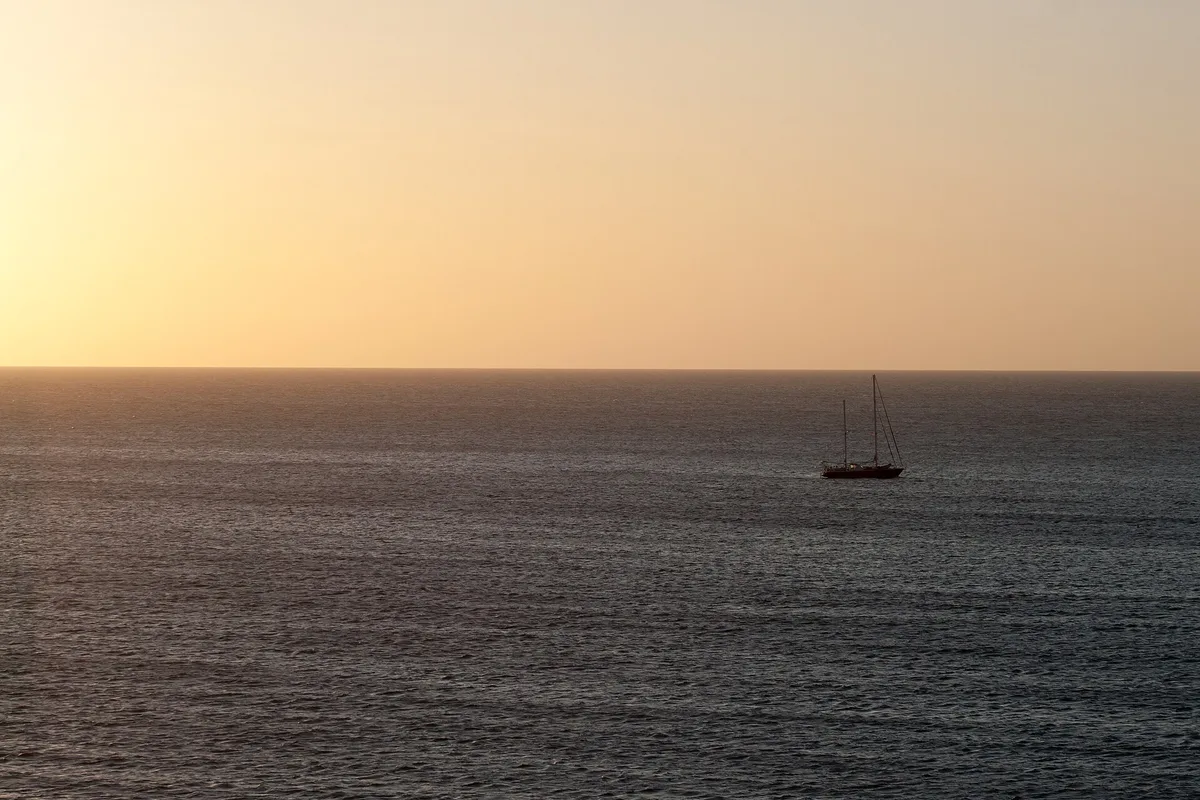
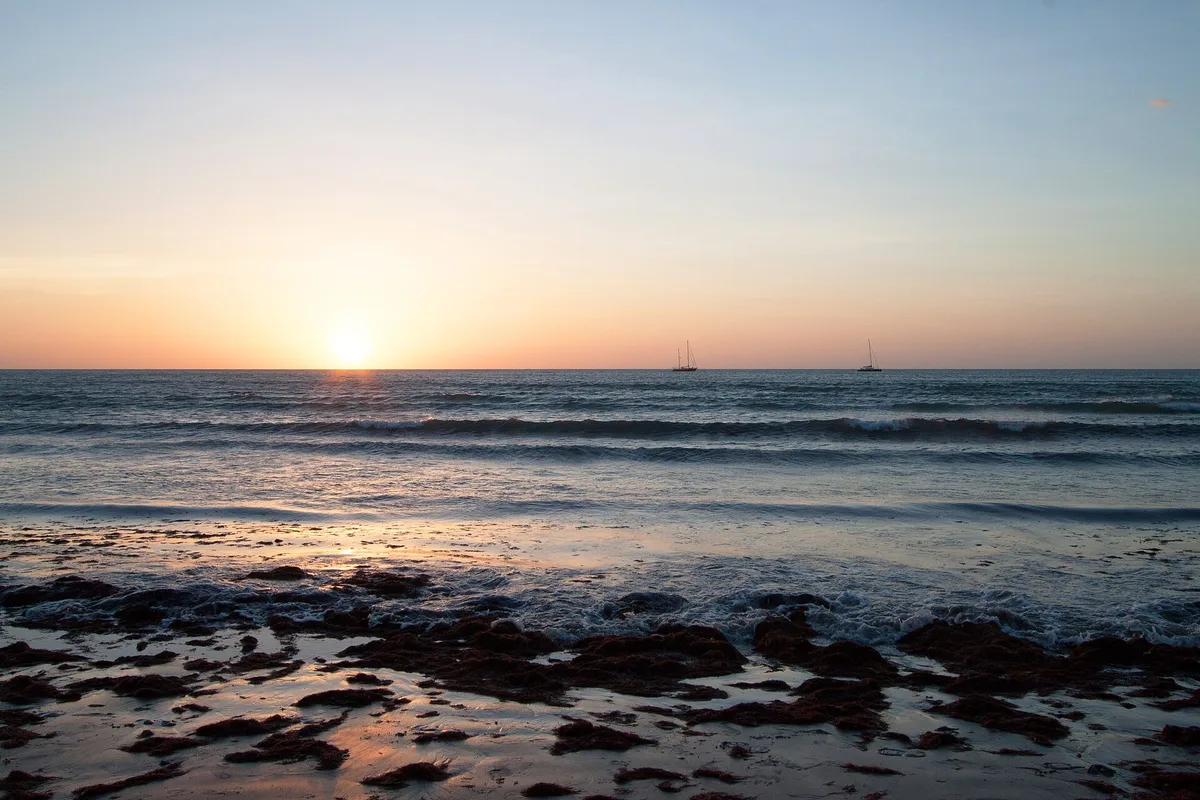
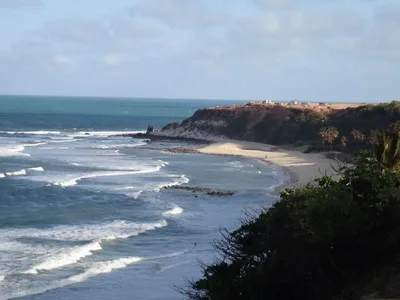
Praia do Coqueirinho sits just outside Vila de Jericoacoara, tucked behind a rocky headland that cuts the swell and keeps the atmosphere calm. A dense grove of coconut palms lines the back of the beach, casting real shade onto the golden sand — a rarity on this stretch of the Ceará coastline. The blue water stays relatively sheltered here, and the visitors stays thin; this is a beach that locals know and daytrippers often miss. At roughly 400 metres long, it's intimate without feeling cramped. No kiosks, no sun-lounger rentals, no noise — just sand, palms, and the distant silhouette of the Pedra Furada arch.
How to get there
Praia do Coqueirinho is reached on foot from Vila de Jericoacoara — a 25-minute walk along the beach or coastal path, doable daily. Jericoacoara is a car-free village, so there is no parking of any kind; leave your vehicle at the village entrance and walk in. There is no entry fee to the beach itself, though the entire area falls within a national park. Wheelchair access is not possible — the route is a beach walk on soft sand.
Who it's for
For couples
The quiet atmosphere, natural shade, and lack of tourist infrastructure make this a genuinely peaceful spot for two — bring a hammock, string it between the palms (without damaging them), and you'll have one of the most private stretches of golden sand in Jericoacoara.
For families
The rocky headland provides natural shelter that keeps the water calmer than the main village beach, and the shaded coconut grove means kids aren't baking in direct sun all day — just keep them away from directly under the palms where coconuts can fall.
Our take
Praia do Coqueirinho earns its reputation as a local's beach precisely because it offers nothing extra — no infrastructure, no services, no shortcuts. What it does offer is shade, shelter, and quiet, three things that are genuinely hard to find on the Ceará coast. The 25-minute walk from the village is the natural filter that keeps it that way. Stay aware under the palms — falling coconuts are not a joke — and respect the national park rules that protect the grove in the first place. Come in the dry season between May and October for the best conditions, and avoid March and April when swell picks up. Worth the walk.
What to do
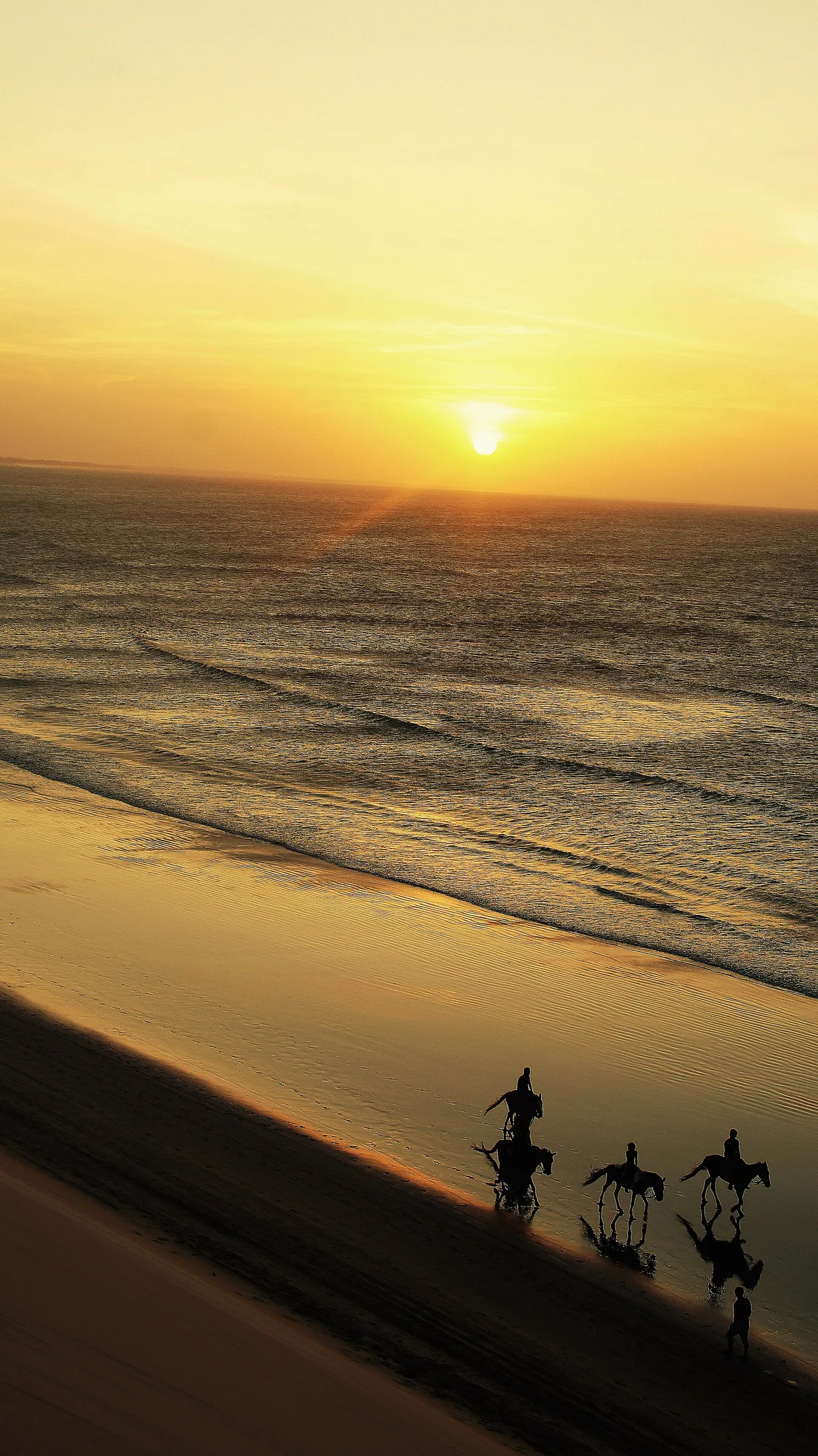
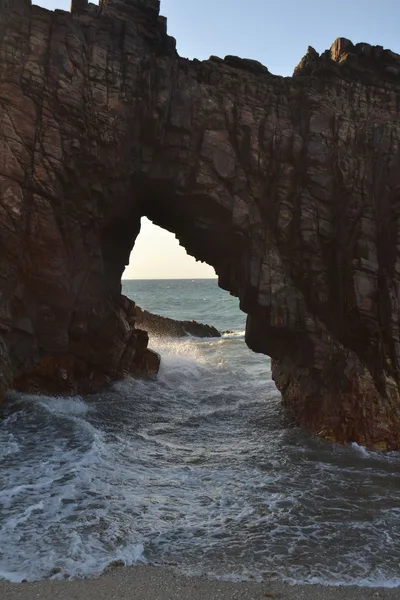
The Pedra Furada sandstone arch is only 2 km away — a geological landmark of the national park that stands in the surf and is best seen at low tide. From there, the famous Dunas do Pôr Sol are within easy walking distance for the classic Jericoacoara sunset ritual. If you have more time, Poço da Princesa, a freshwater lagoon about 2.1 km out, makes a rewarding half-day excursion from the beach.
Frame the Pedra Furada arch through the coconut palm trunks from the eastern end of the beach — it's 0.3 km away and the composition is unlike anything else in the national park.
The dappled shade patterns cast by the dense coconut grove onto the golden sand make for striking midday shots that feel more like a forest than a beach.
Where to eat
There's no food or drink on the beach itself, so bring your own supplies. Back in the village, Naturalmente Creperia and Bistro Caicara are both around 0.4 km away, while Pimenta Verde, Pescador, and Sapão are all within 0.5 km — a solid cluster of options for a post-beach meal.
Where to stay
Casa Na Praia Jeri, Hotel Casa de Areia, and Essenza Hotel are all within 0.4 km of the beach, putting you close enough to walk over at sunrise before anyone else arrives. Mosquito Blue and Jeri Village Hotel are slightly further at 0.5–0.6 km, still an easy stroll through the village.
Photography
The best shot on this beach is framing the Pedra Furada arch through the coconut palm trunks at golden hour — the arch is 0.3 km east and the low sun lines up beautifully from the beach. Early morning light on the golden sand before visitors arrive gives clean, shadow-rich compositions with the rocky headland as a natural backdrop.
Good to know
National park rules apply at all times: do not cut, damage, or carve into the coconut palms — it's both illegal and harmful to the grove that makes this beach special. Stay alert under the coconut trees, as falling coconuts are a genuine hazard; don't set up camp directly beneath heavy fruit clusters. Surf around the rocky headland can reach moderate strength, so check conditions before swimming and keep children away from the headland edges. Avoid visiting in March and April, when the rainy season brings stronger swell and rougher water.
GAMES
🕹️ Five minutes of sand?
Three daily games — including the UV simulator set to this beach.
Map
Nearby places
Naturalmente Creperia
Bistro Caicara
Pimenta Verde
Pescador
Sapão
Casa Na Praia Jeri
Hotel Casa de Areia
Essenza Hotel
Mosquito Blue
Jeri Village Hotel
Things to see around Jijoca de Jericoacoara
Pedra Furada
Natural sandstone arch standing in the surf, geological symbol of the national park.
Praia de Jericoacoara
Main village beach of the national park.
Duna do Pôr do Sol
Iconic sunset dune at the western tip of Jericoacoara village.
GIFT
🎁 Gift this beach
Its exact coastline, your date, your words — on a print or a PDF you print yourself.
Coqueirinho Beach
THAT DAY
Coqueirinho Beach, Northeast Brazil
© OpenStreetMap contributors
Clean & decorative, or “That day” with the real sky of your date.
Shipping included 3-6 business days
A question before you order? Contact us
Delivered within minutes on the confirmation page and by email: a ZIP with all 4 print sizes (30×40 cm, 12×16″, 50×70 cm, 18×24″), each as a high-resolution PDF and PNG (300 dpi), plus a screen version. Print at home or at any print shop.
Please complete the delivery address.
Please accept the Terms of Sale.
Almost there — the shop opens very soon.
Secure payment · Printed locally in 30+ countries · 7 languages
Frequently asked
The information on this page is provided for guidance only and may evolve. Access conditions, safety and infrastructure can change without notice. Always check official sources before traveling.
Nearest beaches
Other relaxed beaches in Brazil
More beaches in Northeast Brazil
Reviews of this beach
- No reviews yet, what a shame — leave yours and share your experience.
Photo credits
Sources and licenses for the photos shown above.
- Photo 1 — Amanda Sartor · source · CC BY-SA 3.0
- Photo 2 — TobiART · source · CC BY-SA 4.0
- Photo 3 — Isadoratti · source · CC BY-SA 4.0
- Photo 4 — Isadoratti · source · CC BY-SA 4.0
- Photo 5 — Artur Warchavchik · source · CC BY-SA 3.0
- Photo 6 — Artur Warchavchik · source · CC BY-SA 3.0