Malhada BeachBrazil Beach Guide
Wild golden sands, trade winds, and zero tourist fuss
About
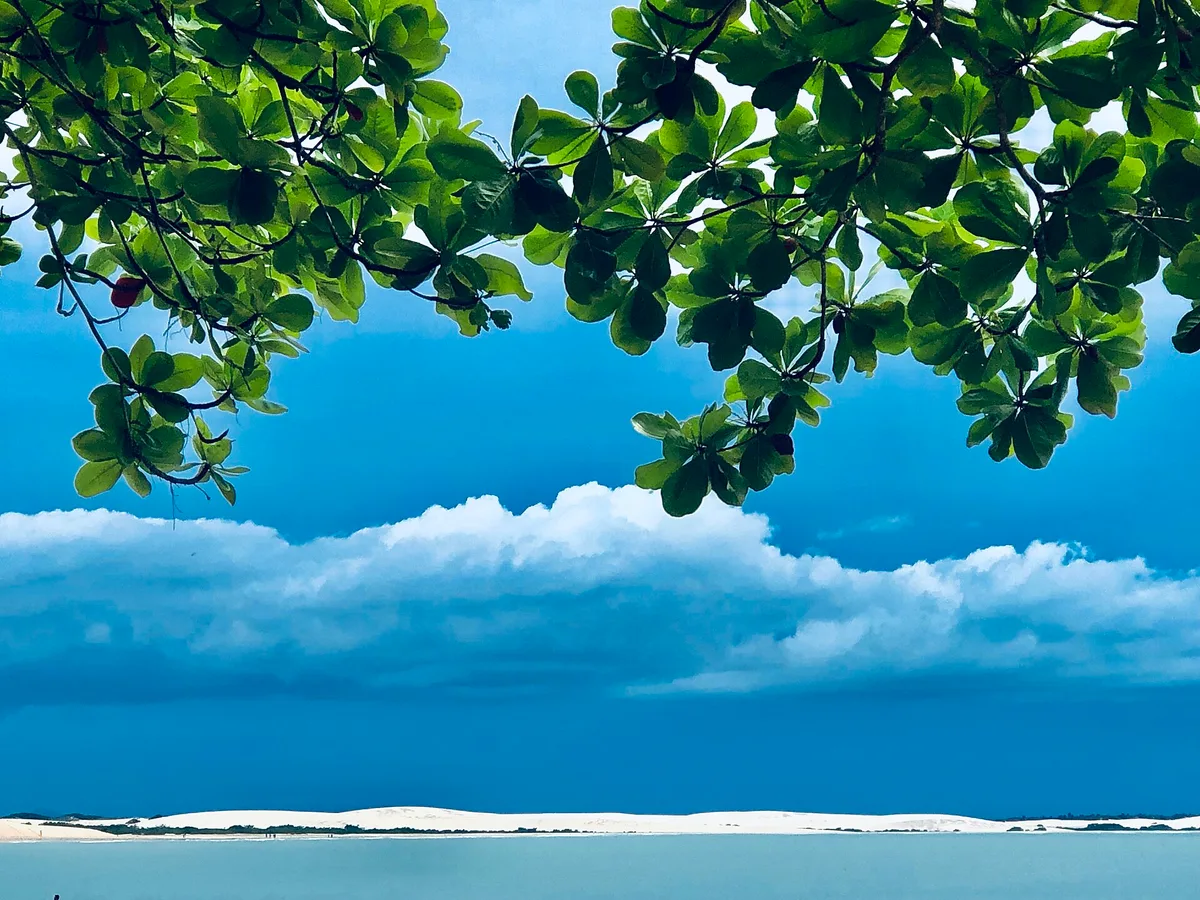
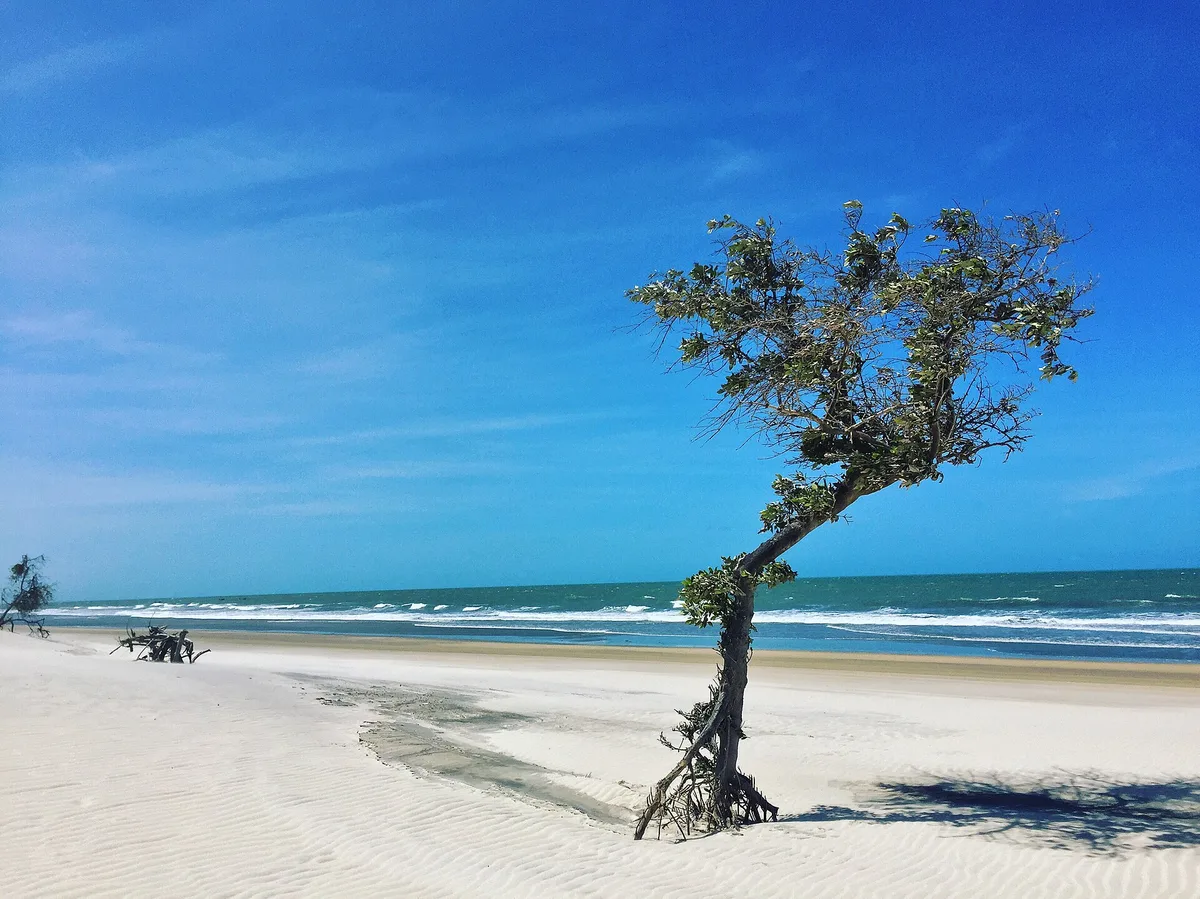
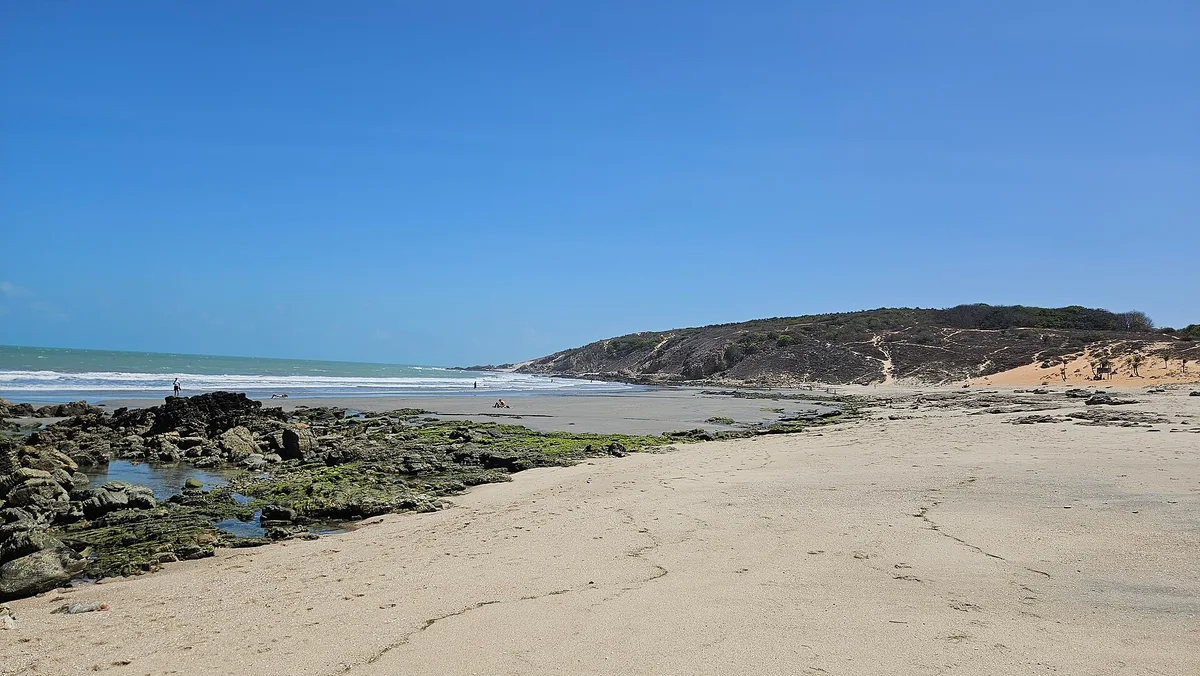
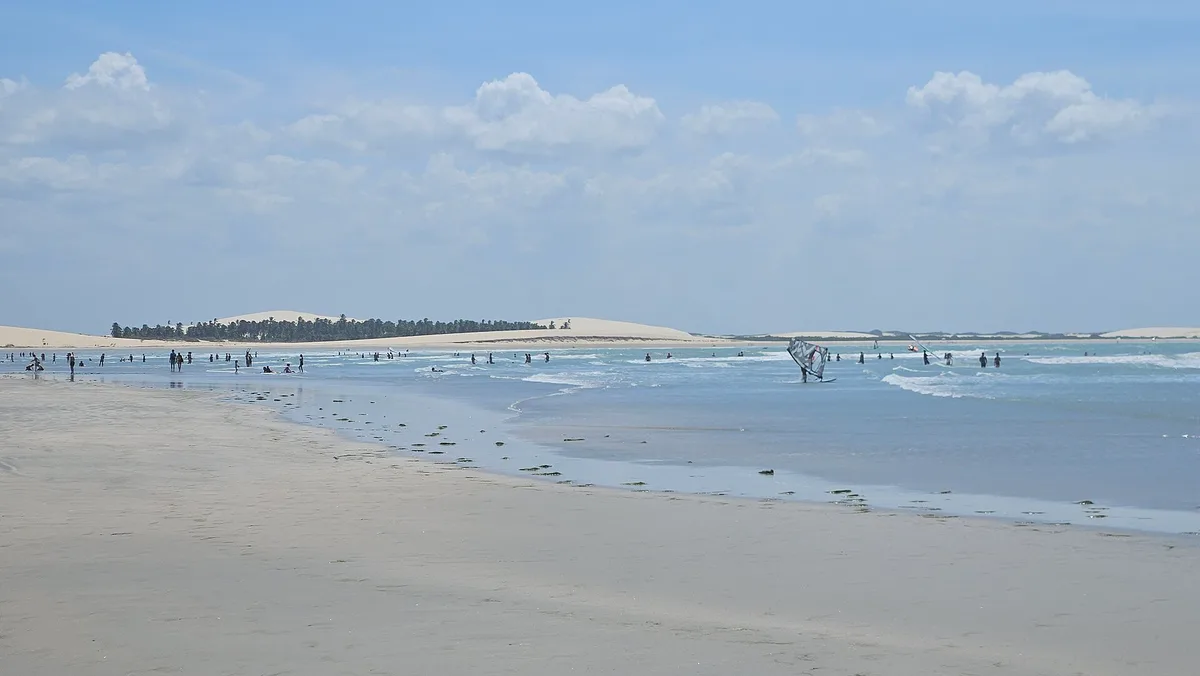
Praia da Malhada stretches roughly 4 kilometres of golden sand along the coast near Jericoacoara, in Ceará's far northeast. A relentless dune field encroaches from the landward side, reshaping the beach with every season, while a sandbar creates a shallow flat-water pocket that kiters prize above almost anywhere else on this coast. The turquoise water looks inviting, but near-constant trade winds keep conditions lively — this is a wind beach first, a swimming beach second. No beach bars, no sun-lounger rentals, no food stalls: what you get is raw, open coastline and the hiss of kite lines overhead. It's genuinely wild, and that's the whole point.
How to get there
Jericoacoara is a car-free village, so you can't drive to the beach. Visitors park in paid lots in Jijoca de Jericoacoara and transfer to Jericoacoara by 4x4, then reach Praia da Malhada either on foot (about 5 minutes from the village centre) or by buggy (also around 5 minutes). There is no parking at or near the beach itself.
Who it's for
For couples
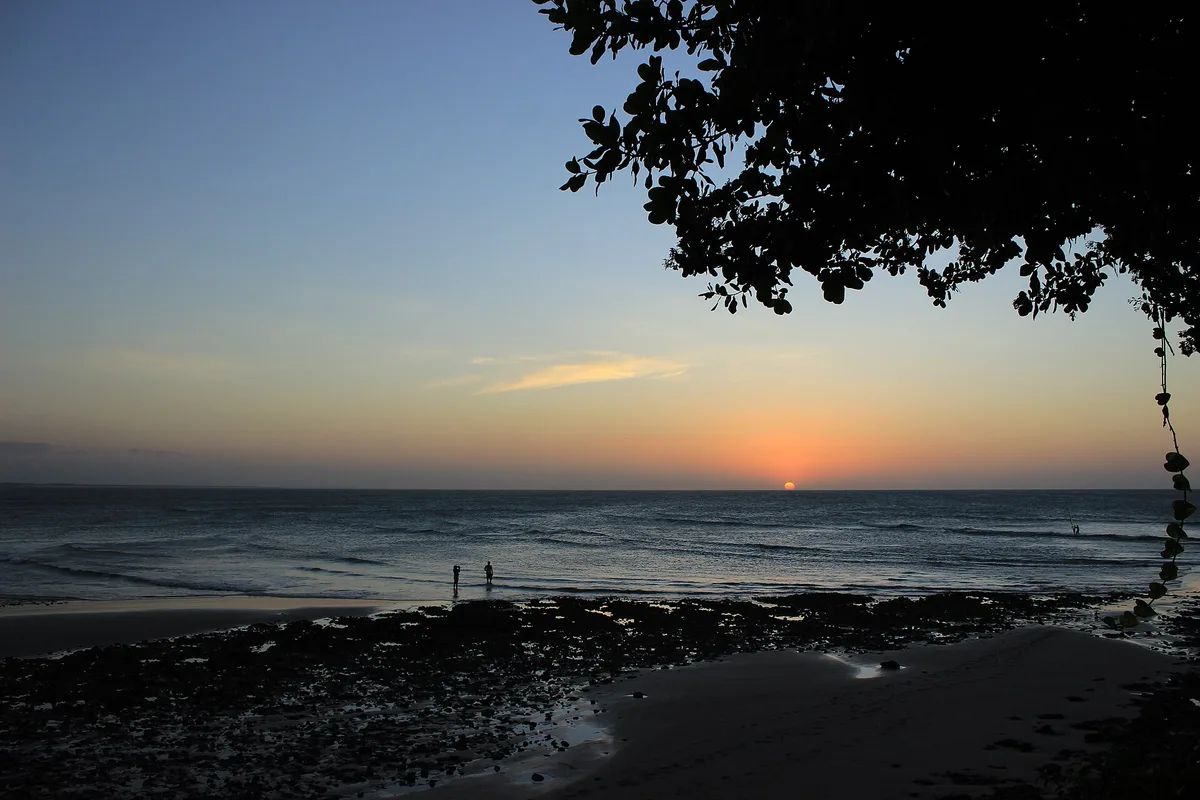
If you and your partner are into kiting or just want a long, quiet stretch of golden sand with no vendors or noise, Malhada delivers that rare combination of dramatic scenery and genuine solitude. Sunset walks along the dune edge, with the turquoise water to one side, are hard to beat.
For families
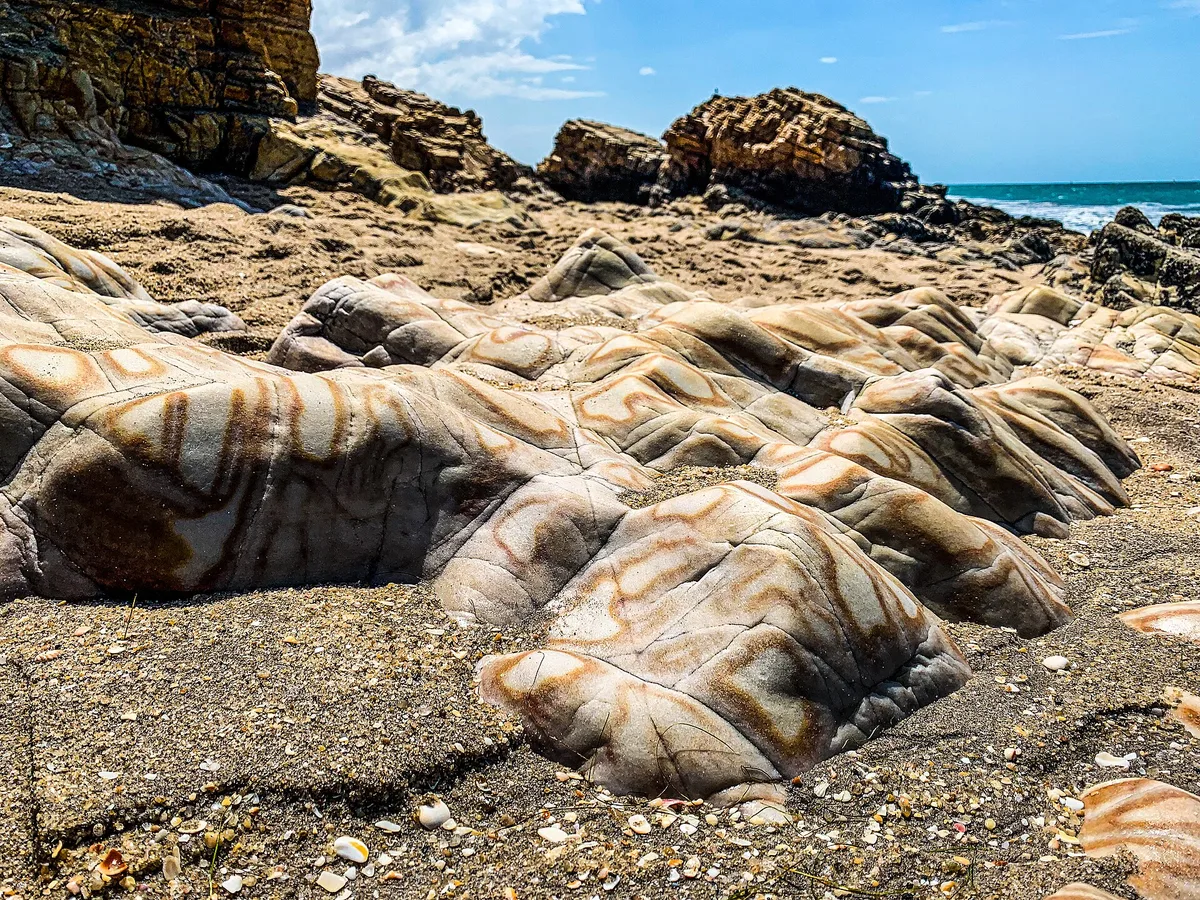
Families with young children should approach with caution — kite lines, persistent strong winds, and rocky areas at high tide make the main beach tricky for small kids. The flat-water zone behind the sandbar is calmer, but always keep children well clear of the kite training areas.
Our take
Praia da Malhada is not a beach you come to for a lazy swim — the wind sees to that. Kite lines cross the shoreline regularly, rocky patches emerge at high tide, and there is not a single amenity in sight. That said, if you're a kiter, or you simply want 700 metres of golden sand and turquoise water without another beach bar in sight, this place is exceptional. Come between May and October when the trade winds are consistent and the sky is clear. Skip February through April entirely. The 15–20 minute walk from Jericoacoara village keeps it accessible without making it busy — most visitors don't bother, which is exactly why it works.
What to do
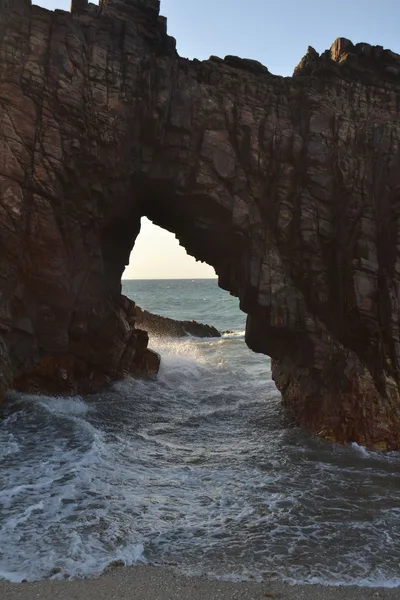
The obvious draw is kiting — the flat water behind the sandbar makes this one of the best beginner kite training areas on the Brazilian coast, and nearby Praia do Preá (12 km away) offers world-class conditions for more advanced riders. When the wind drops, the encroaching dunes are worth exploring on their own terms; Dunas do Pôr Sol is just 1.0 km away and delivers a classic Jericoacoara sunset over the sand. Pedra Furada, the iconic sea arch, is 2 km out and worth the walk, and Lagoa do Paraíso — a large freshwater lagoon with hammocks in the shallows — sits about 15 km from the beach.
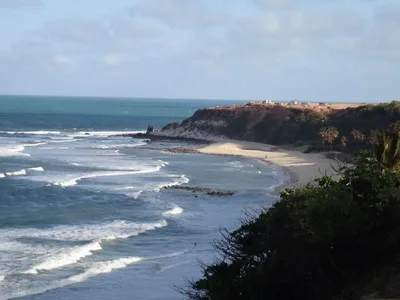
The dune field meeting the turquoise water is the signature shot — climb the nearest dune crest and shoot wide at golden hour for maximum contrast.
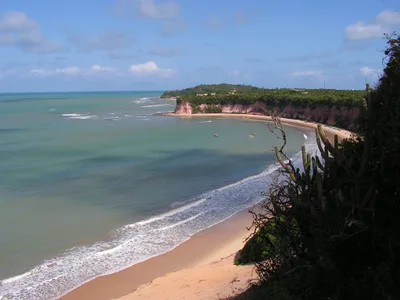
The flat-water sandbar zone with kites in the background captures the beach's character perfectly, especially in the strong midday light that makes the turquoise pop.
Where to eat
There's nothing to eat on the beach itself, so plan ahead. Back in Jericoacoara village, roughly 0.4 km away, you'll find a tight cluster of good options: Chocolate, Girasol for Italian, Kaze for Japanese, Restô Pará, and Armazém de Burro. Pick up supplies before you head out.
Where to stay
Most places to stay are a short walk from the beach. Pousada Bella Jeri and Trip Hostel are both around 0.4 km away, covering the pousada and budget ends of the spectrum. Mosquito Blue (0.5 km), Hotel Casa de Areia (1.1 km), and Villa Caju (0.7 km) round out the options if you want something a little more comfortable.
Photography
The encroaching dune field against the turquoise water makes for a striking wide-angle shot — best in the early morning before the wind picks up and the light is soft and golden. Late afternoon, shoot from the dune crests looking back toward the village for silhouettes of kites against a warm sky.
Good to know
Respect the marked kite training zones — kite lines are a real hazard for anyone walking the shoreline who isn't paying attention. Wind blows near-constantly from June through January, so don't treat this as a calm family swimming spot; conditions can be rough and rocky areas become more exposed at high tide. Avoid visiting in February, March, or April — the rainy season kills the wind and makes access messier. There's zero infrastructure on the beach, so bring everything you need: water, snacks, and sun protection.
GAMES
🕹️ Five minutes of sand?
Three daily games — including the UV simulator set to this beach.
Map
Nearby places
Chocolate
Girasol
Kaze
Restô Pará
Armazém de Burro
Pousada Bella jeri
Trip hostel
Mosquito Blue
Hotel Casa de Areia
Villa Caju
Things to see around Jijoca de Jericoacoara
Praia do Preá
World-class kitesurf beach with consistent 25-knot trade winds.
Lagoa do Paraíso
Large freshwater lagoon with hammocks in the shallows.
Cruz town
Small market town serving the kite community.
GIFT
🎁 Gift this beach
Its exact coastline, your date, your words — on a print or a PDF you print yourself.
Malhada Beach
THAT DAY
Malhada Beach, Northeast Brazil
© OpenStreetMap contributors
Clean & decorative, or “That day” with the real sky of your date.
Shipping included 3-6 business days
A question before you order? Contact us
Delivered within minutes on the confirmation page and by email: a ZIP with all 4 print sizes (30×40 cm, 12×16″, 50×70 cm, 18×24″), each as a high-resolution PDF and PNG (300 dpi), plus a screen version. Print at home or at any print shop.
Please complete the delivery address.
Please accept the Terms of Sale.
Almost there — the shop opens very soon.
Secure payment · Printed locally in 30+ countries · 7 languages
Frequently asked
The information on this page is provided for guidance only and may evolve. Access conditions, safety and infrastructure can change without notice. Always check official sources before traveling.
Nearest beaches
Other wild beaches in Brazil
More beaches in Northeast Brazil
Reviews of this beach
- No reviews yet, what a shame — leave yours and share your experience.
Photo credits
Sources and licenses for the photos shown above.
- Photo 1 — Hudson Rodrigues Lima · source · CC BY-SA 4.0
- Photo 2 — Winniepix · source · CC BY 2.0
- Photo 3 — Alexandre Braga Mart… · source · CC BY-SA 3.0
- Photo 4 — Paulo Rebêlo · source · CC BY-SA 4.0
- Photo 5 — Daniel BP BR · source · CC BY-SA 4.0
- Photo 6 — Daniel BP BR · source · CC BY-SA 4.0