Buraco da Raquel BeachBrazil Beach Guide
A secret sea-cave grotto reached only by the tide
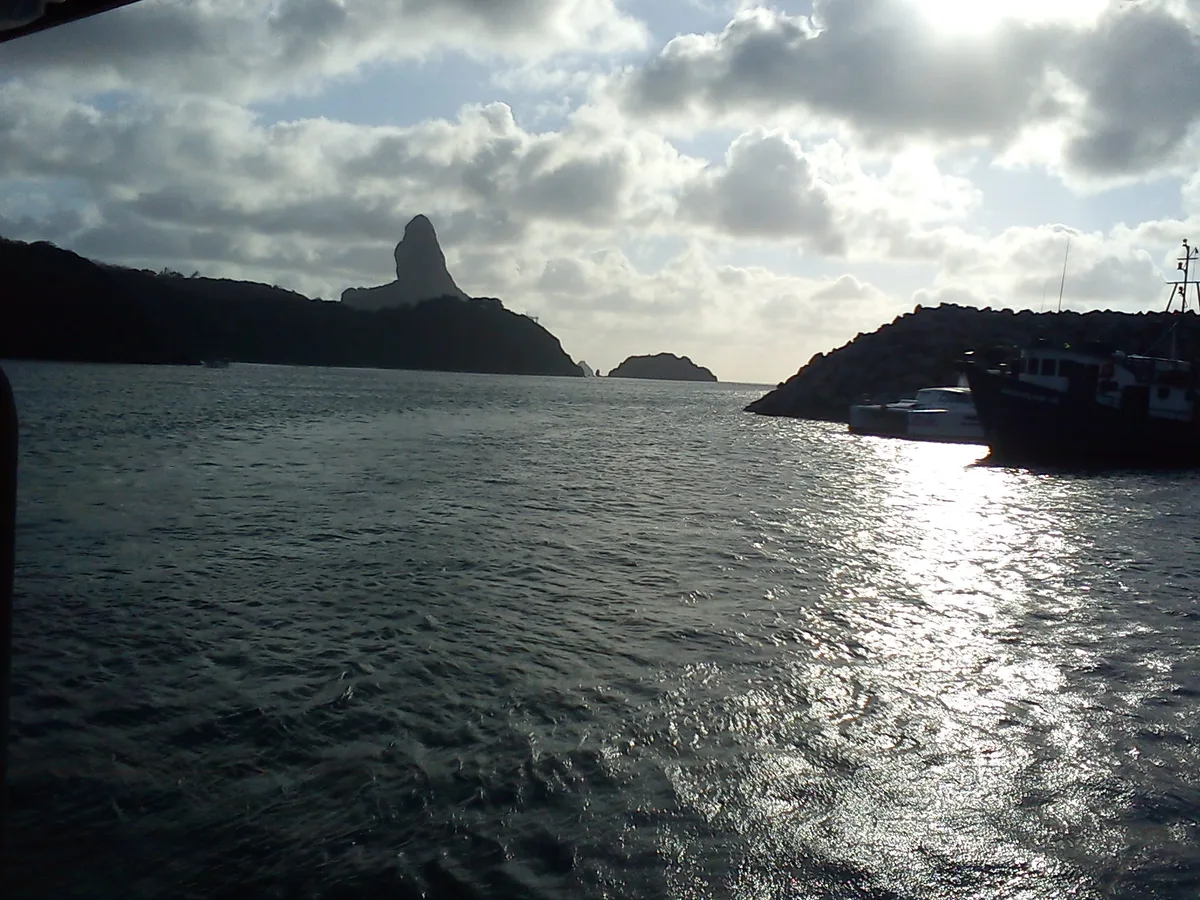
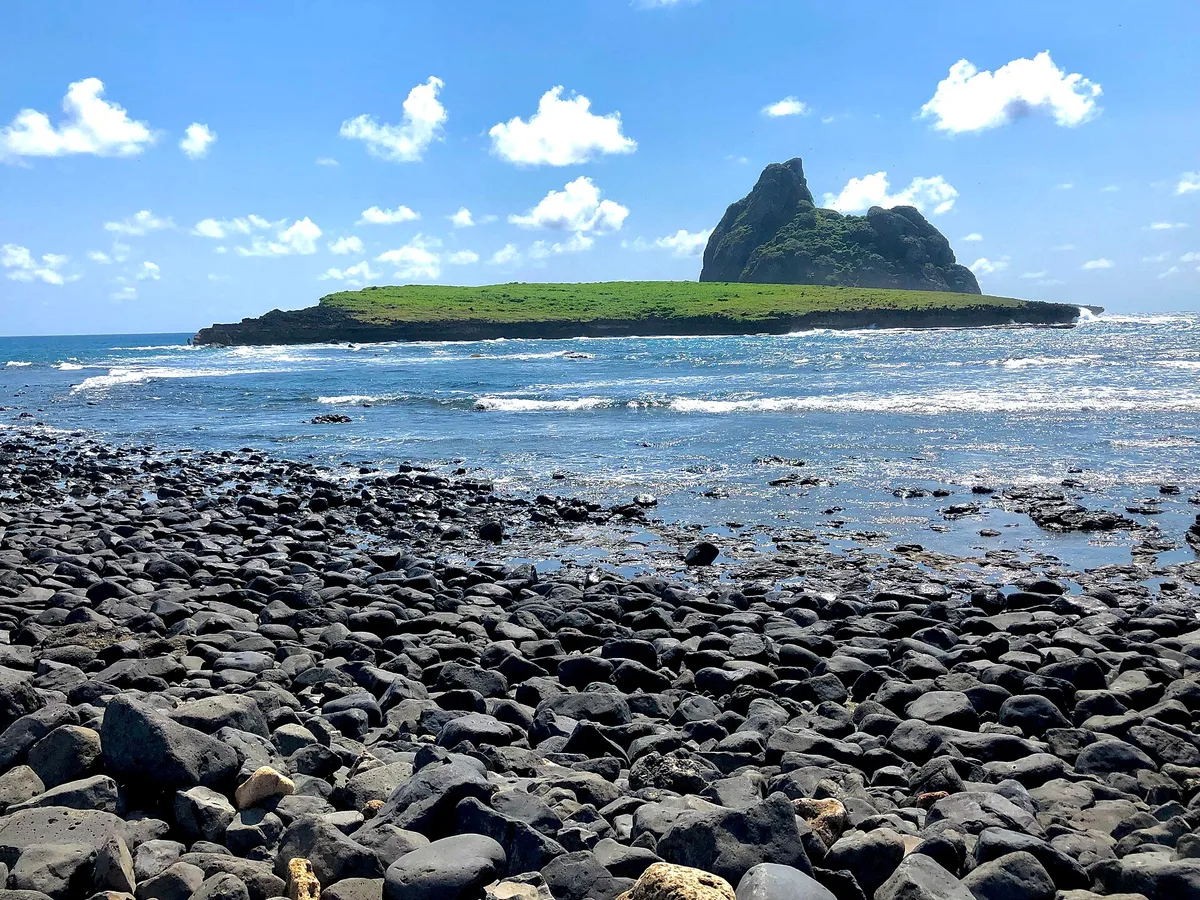
About
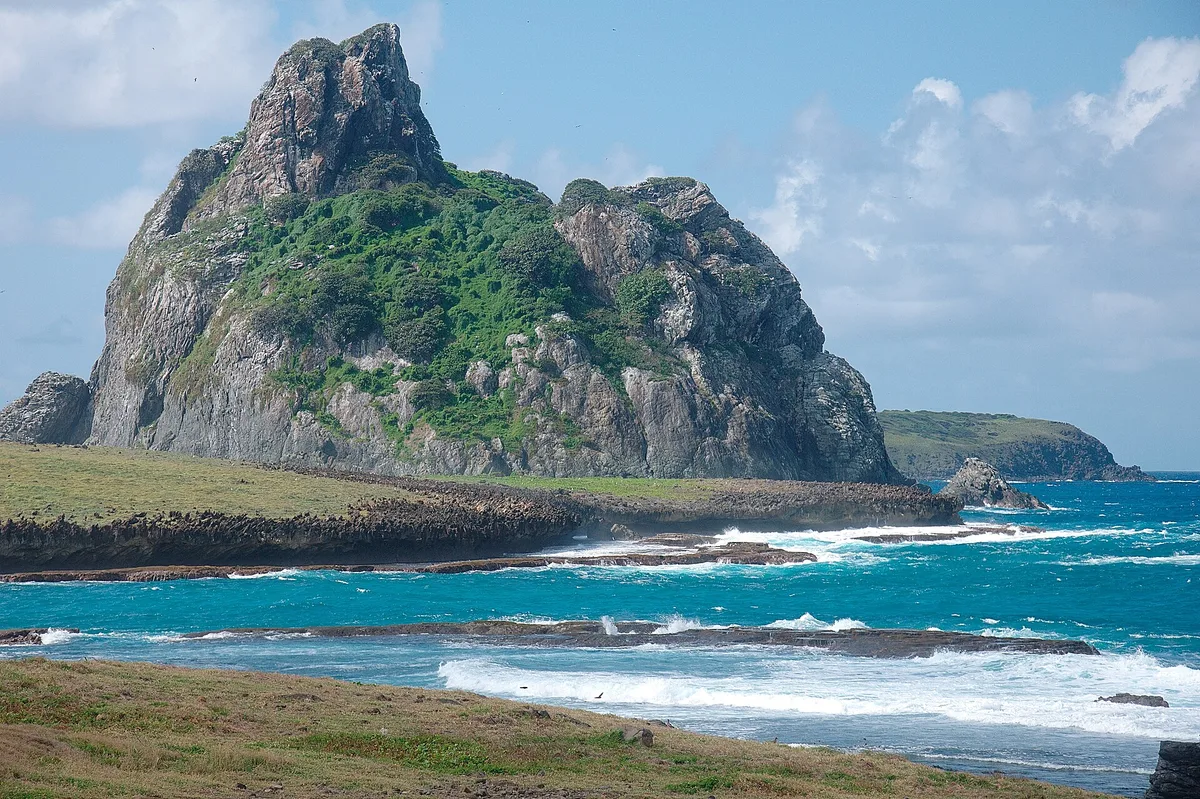
Praia do Buraco da Raquel is not a beach in any conventional sense — it's a sea-cave grotto tucked into the basalt cliffs of Fernando de Noronha, accessible only by swimming through a low-tide opening. Inside, a natural light shaft pierces the cave ceiling, illuminating crystal-clear water and a sand floor in a scene that feels entirely removed from the outside world. The surrounding walls are raw volcanic basalt, and the overhang above creates a cathedral-like hush broken only by the surge of the Atlantic. You won't find this name on any official map — it's an informal site passed between those who know the island well. The vibe is wild and completely solitary; on any given visit, you're likely to have the entire grotto to yourself.
How to get there
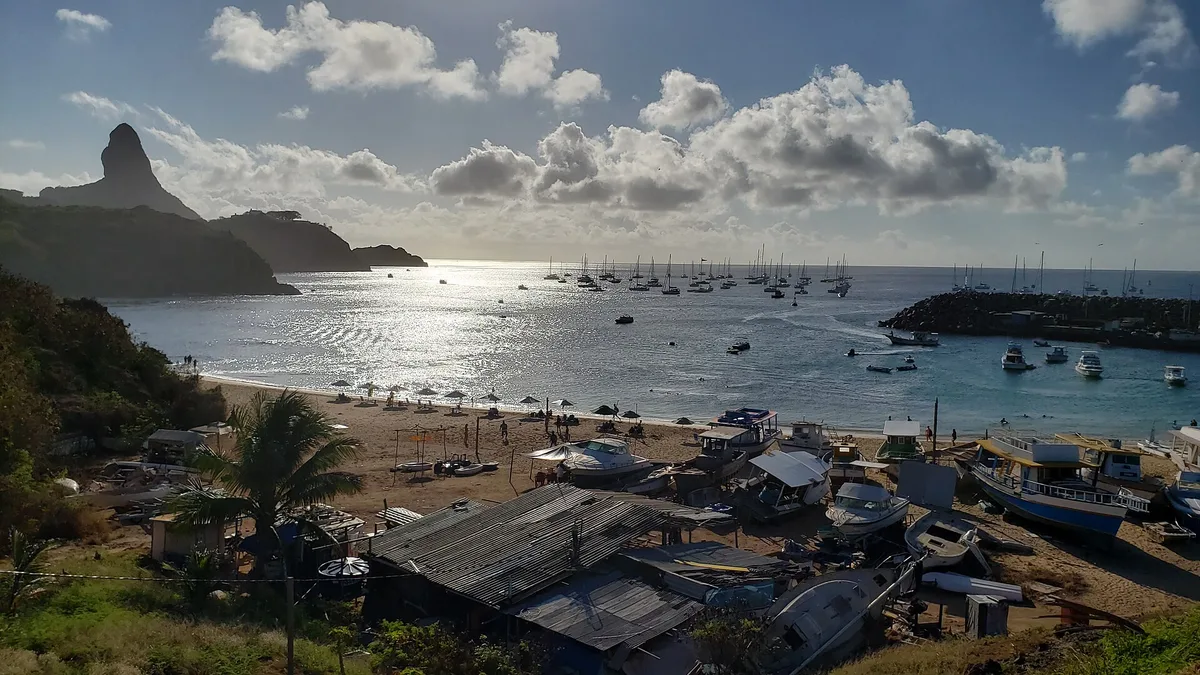
The closest landmark is Baía do Sancho, just 50 metres away — the world-ranked crescent beach that serves as the practical departure point for reaching this grotto. From Porto de Santo Antônio it's a 5-minute walk on foot, or you can take the public bus from Ponto Inicial / Final - Porto (bus stop), a 4-minute ride running every 30–40 minutes. There is no dedicated parking at the viewpoint and no road access to the grotto itself — come by bus or on foot. Entry to the Fernando de Noronha Marine National Park is mandatory: R$ 384,00 for foreigners or R$ 192,00 for Brazilians for a 10-day pass, with waivers for children under 12, Brazilians over 60 with documentation, and registered island residents and their first-degree relatives.
Who it's for
For couples
For couples who want genuine solitude and a sense of discovery, this grotto delivers something that no organised beach excursion can replicate — a private, otherworldly space lit from above, shared with no one else. The short walk from Baía do Sancho makes it easy to pair a morning at the world-ranked beach with an afternoon exploring the cliffs together.
For families
This site is not suitable for families with young children — swim-only access through a low-tide cave opening, dangerous swimming conditions, and a completely inaccessible approach for anyone with limited mobility make it genuinely hazardous for kids. Families are far better served by the adjacent Baía do Sancho or Baía dos Porcos, both within 200 metres.
Our take
Let's be direct: swimming is strictly prohibited here, and the cave surge during swell can be genuinely dangerous — this is not a place to improvise. What Praia do Buraco da Raquel offers instead is something rarer: a low-tide-only sea-cave grotto that almost no one finds, lit by a natural shaft of light and completely empty on arrival. It sits 50 metres from one of the world's most celebrated beaches, yet it feels like a different planet. The difficult access, the informal status, the absence of any signage — all of it conspires to keep this place exactly as wild as the facts suggest. Come in the dry season, check the tides, respect the park rules, and treat it as a photography and exploration destination rather than a swimming spot. That's the honest bargain this place offers, and on those terms it's worth every step.
What to do
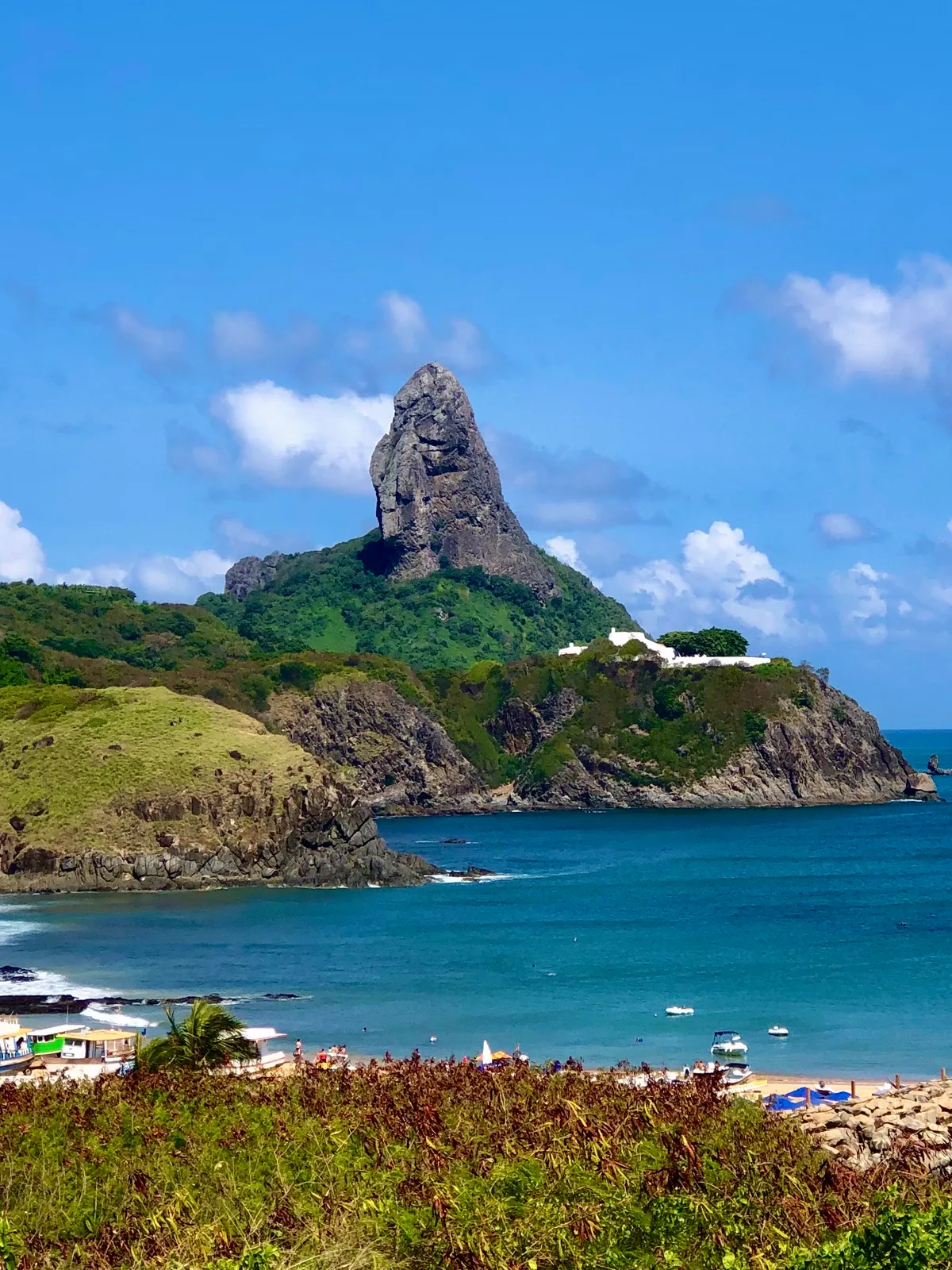
Baía do Sancho, a world-ranked crescent beach accessed via iron ladders, sits just 50 metres away and is the natural starting point for any visit to this stretch of coastline. A short 200-metre walk brings you to Baía dos Porcos, a rocky basalt cove with natural pools and the iconic Dois Irmãos islets framing the horizon. For a broader perspective on the island's volcanic geology, the hike up to Morro do Pico — a 323-metre volcanic plug and the island's highest point — rewards with panoramic views that put the entire archipelago in context.
The interior light shaft is the standout frame — shoot upward from the sand floor toward the beam of light cutting through the cave ceiling for a composition unlike anything else on the island.
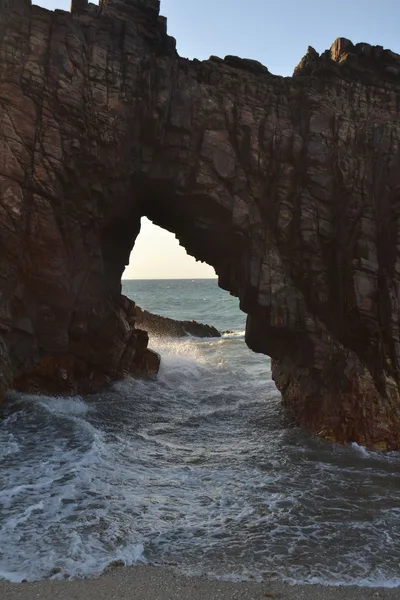
Outside, the basalt cliff overhang against the crystal-clear Atlantic water offers a dramatic wide-angle shot, especially in the clean morning light of the dry season.
Where to eat
There are no food or drink facilities at or near the grotto, so eat before you set out. Restaurante do Valdênio, a local favourite, is about 1.6 km away, and both Mare and Dell Isola sit at roughly 1.7 km — all reachable on foot or by bus from the Sancho area. Crepería Euforonha is a solid crepe stop at 1.9 km, and Aguida Bistro rounds out the options at 2.1 km.
Where to stay
Morro do Farol is the nearest listed accommodation, sitting 3.4 km from the grotto — a manageable distance given the island's compact bus network. Fernando de Noronha has limited lodging overall, so book well in advance, especially for the dry-season months of August through December when demand peaks.
Photography
The interior light shaft is the defining shot — position yourself below it during mid-morning when the sun angle is steep enough to send a column of light straight down through the cave ceiling onto the crystal-clear water below. From outside, the basalt cliff overhang framed against the open Atlantic makes a strong wide composition, best captured in the softer light of early morning before the sun climbs too high.
Good to know
Access is only possible at low tide — arrive outside that window and the entrance is submerged; check tide tables before you leave your accommodation. The national park entry fee is non-negotiable, glass containers are prohibited throughout the park, and camping is not permitted anywhere in the area. Swimming and diving are strictly prohibited inside the natural pools and cave area due to environmental preservation rules — do not enter the water. January, February, and March bring rainy-season swell that makes cave surge dangerous and renders access impossible for most of the tidal cycle; plan your visit between May and October for the safest, driest conditions. True digital-detox territory — bring offline reading, cell signal fades out here and there is nowhere to plug in a laptop.
GAMES
🕹️ Five minutes of sand?
Three daily games — including the UV simulator set to this beach.
Map
Nearby places
Restaurante do Valdênio
Mare
Dell Isola
Crepería Euforonha
aguida bistro
Morro do Farol
Things to see around Fernando de Noronha
Baía do Sancho
World-ranked crescent beach accessed via iron ladders, the departure point for this grotto.
Baía dos Porcos
Rocky basalt cove with natural pools and Dois Irmãos islets view, adjacent to Sancho.
Morro do Pico
Highest point on the island at 321m, a volcanic plug offering panoramic views.
GIFT
🎁 Gift this beach
Its exact coastline, your date, your words — on a print or a PDF you print yourself.
Buraco da Raquel Beach
THAT DAY
Buraco da Raquel Beach, Brazilian Islands
© OpenStreetMap contributors
Clean & decorative, or “That day” with the real sky of your date.
Shipping included 3-6 business days
A question before you order? Contact us
Delivered within minutes on the confirmation page and by email: a ZIP with all 4 print sizes (30×40 cm, 12×16″, 50×70 cm, 18×24″), each as a high-resolution PDF and PNG (300 dpi), plus a screen version. Print at home or at any print shop.
Please complete the delivery address.
Please accept the Terms of Sale.
Almost there — the shop opens very soon.
Secure payment · Printed locally in 30+ countries · 7 languages
Frequently asked
The information on this page is provided for guidance only and may evolve. Access conditions, safety and infrastructure can change without notice. Always check official sources before traveling.
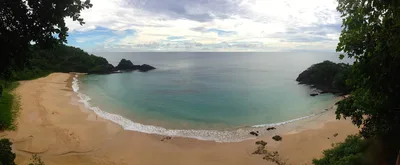
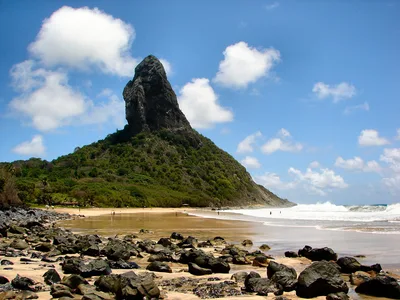
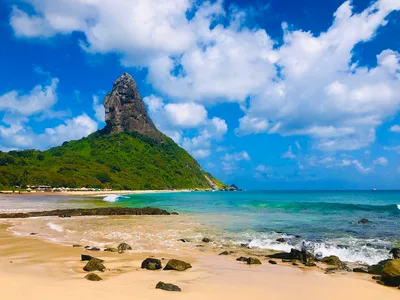
Nearest beaches
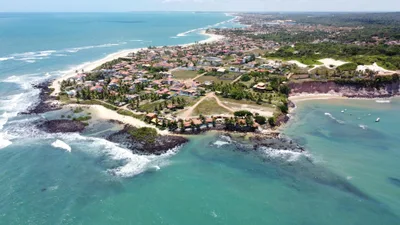
Other wild beaches in Brazil
Reviews of this beach
- No reviews yet, what a shame — leave yours and share your experience.
Photo credits
Sources and licenses for the photos shown above.
- Photo 1 — Rafael Nicolaidis · source · CC BY-SA 4.0
- Photo 2 — Hudson Rodrigues Lima · source · CC BY-SA 4.0
- Photo 3 — Alexandre Marco da Silva · source · CC BY-SA 4.0
- Photo 4 — Alexandre Costa · source · CC BY-SA 4.0
- Photo 5 — monicaewagner · source · CC BY-SA 2.0
- Photo 6 — Hudson Rodrigues Lima · source · CC BY-SA 4.0