Caieira BeachBrazil Beach Guide
Kayak-only cliff cove, wild and strictly off-limits for swimming
About
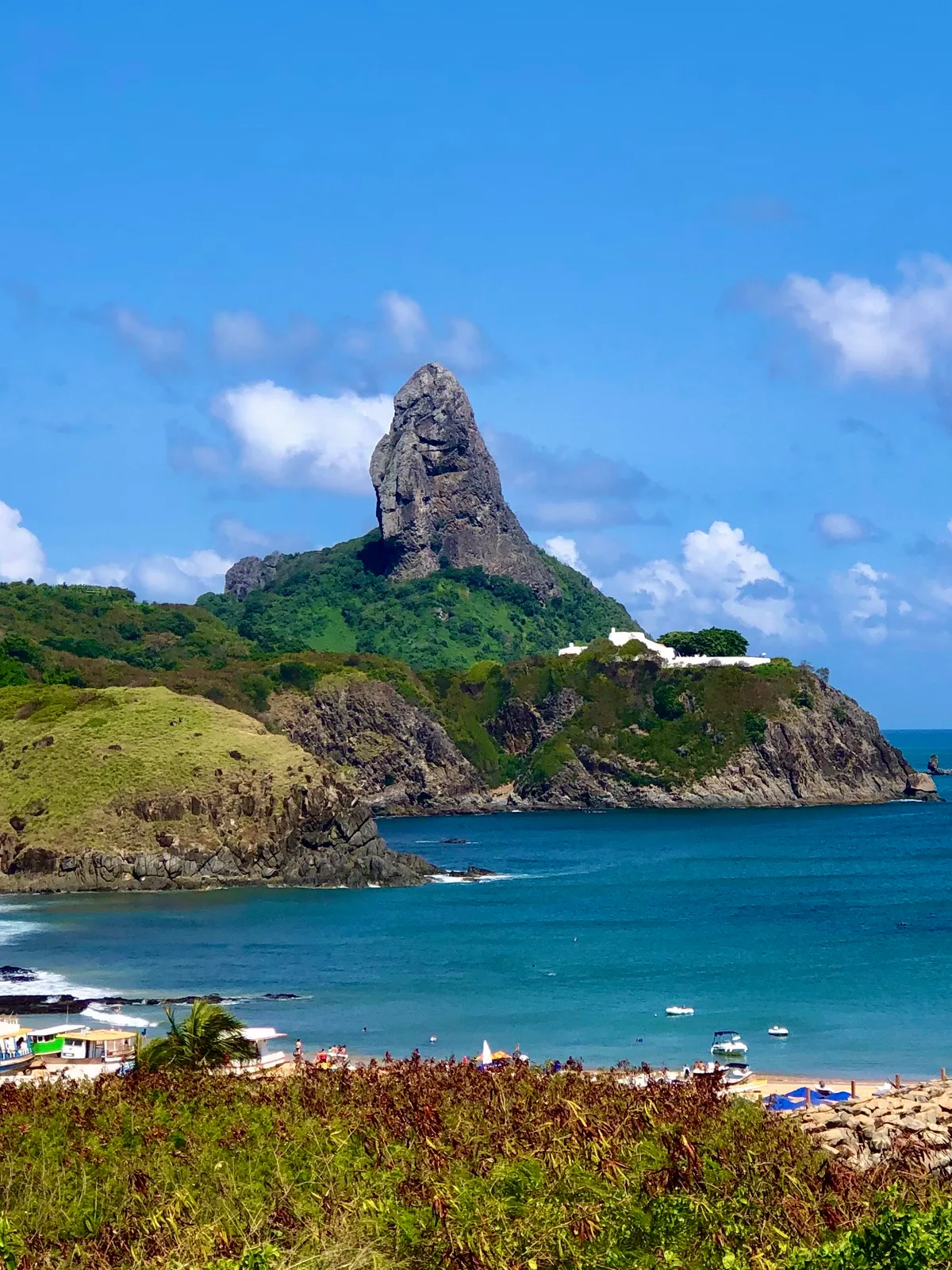
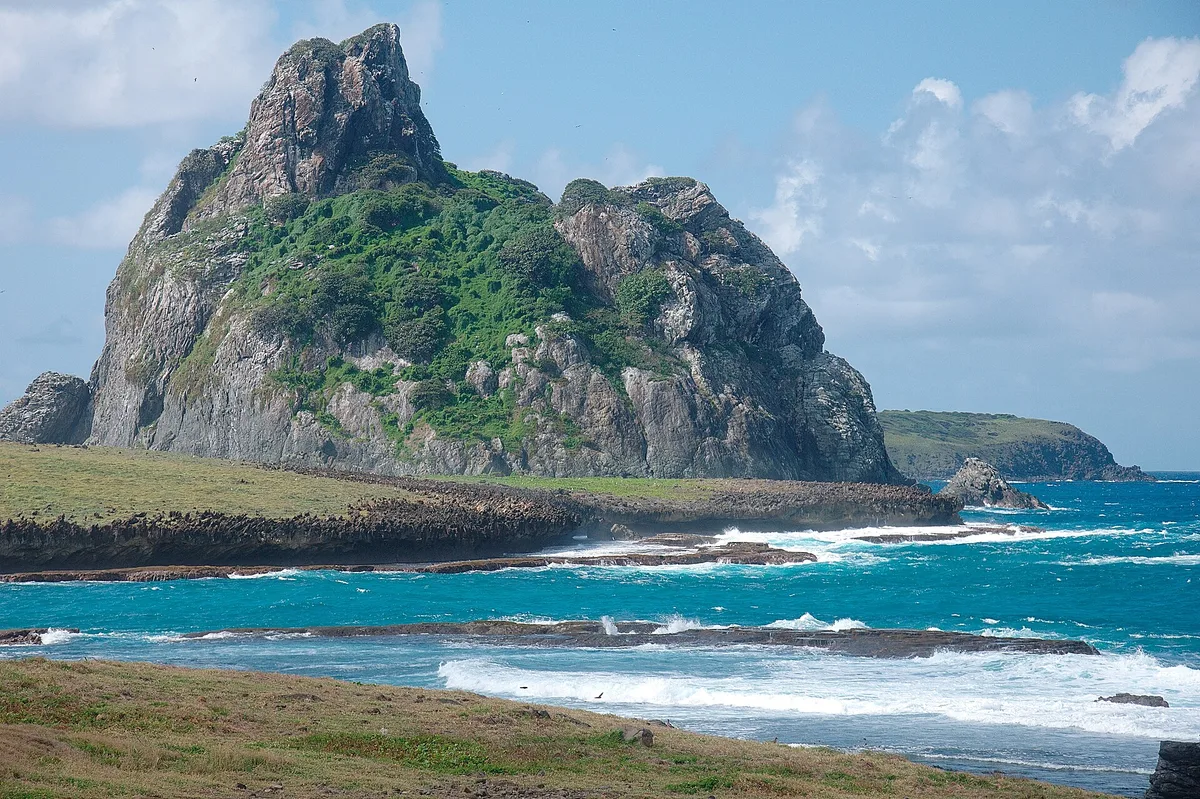
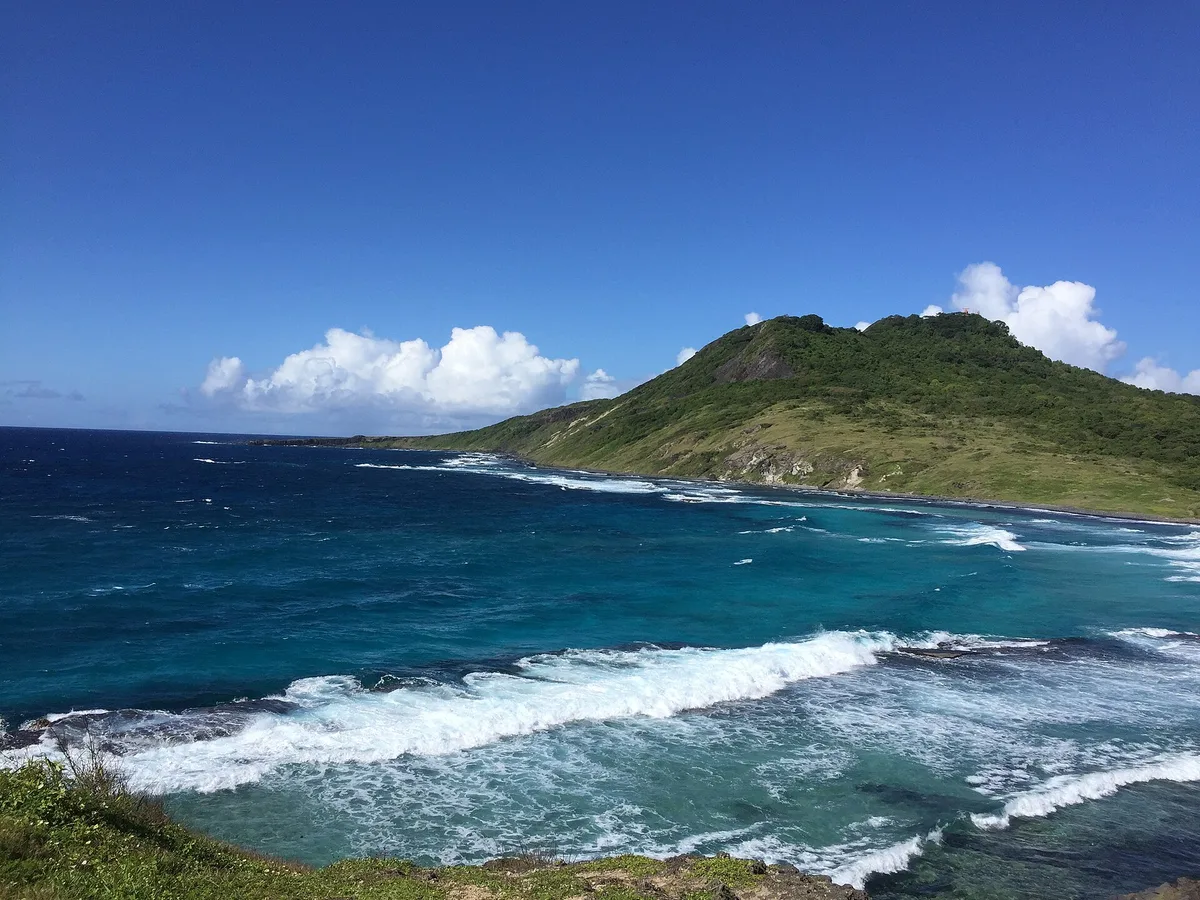
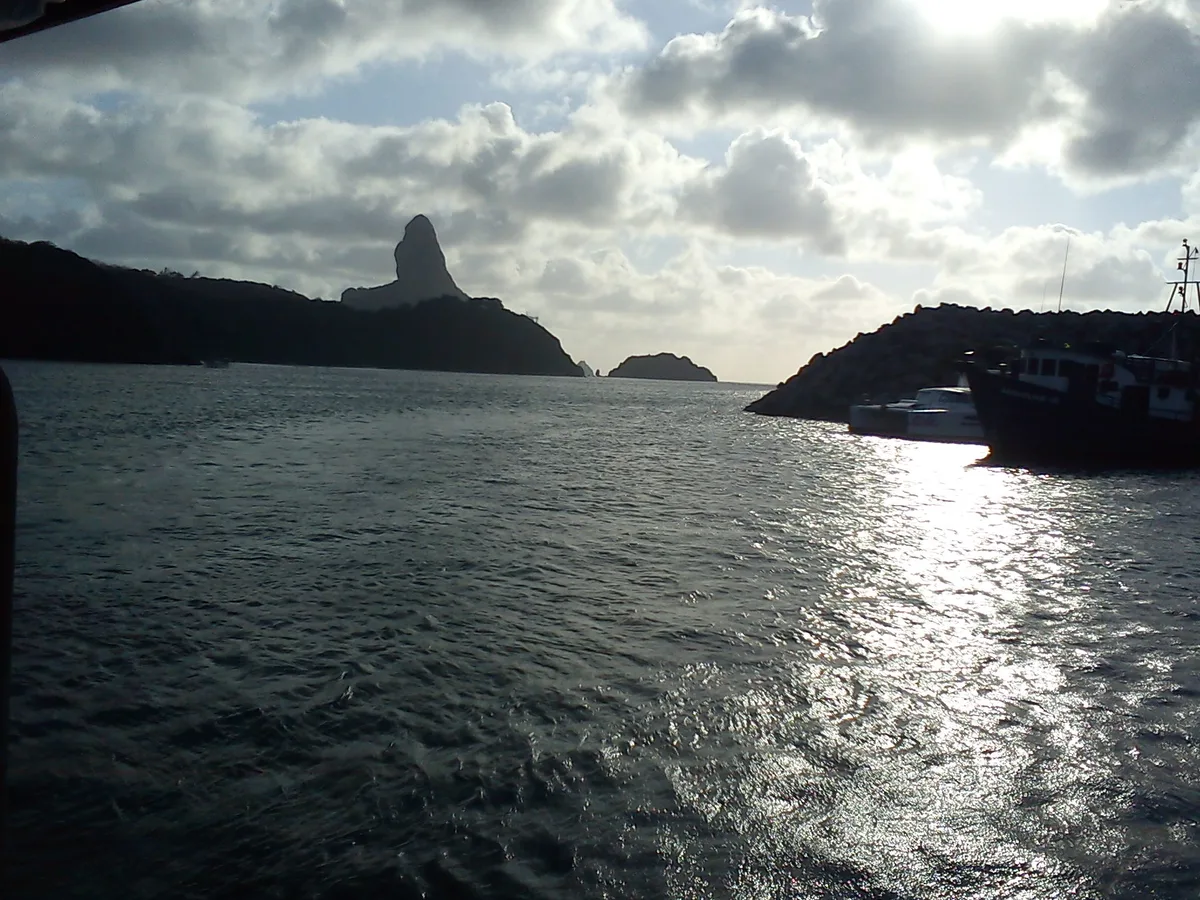
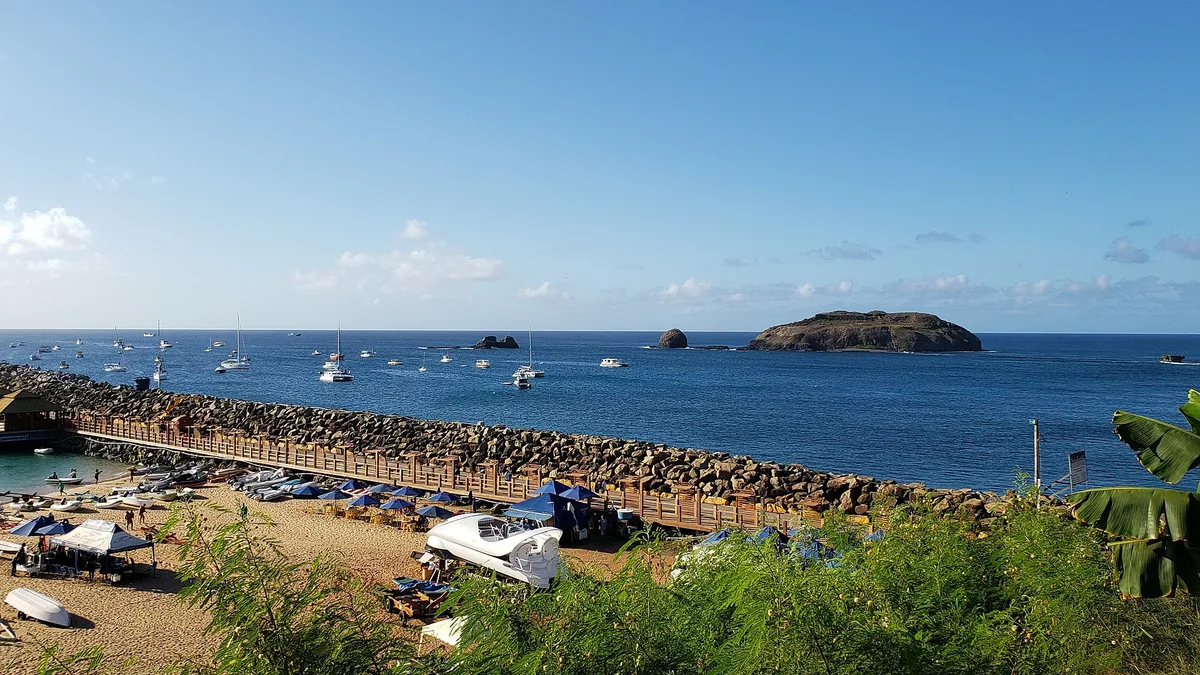
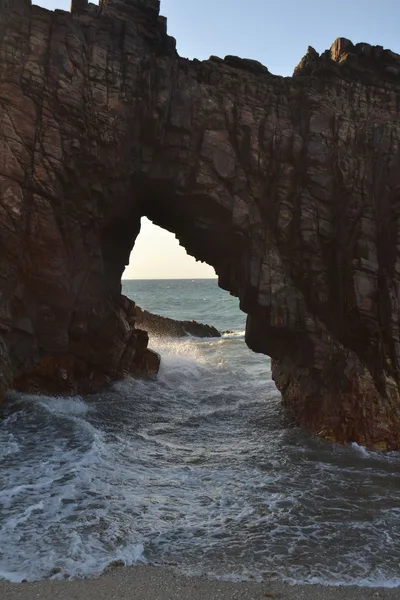
Praia da Caieira sits at the base of towering limestone and basalt cliffs on the northern circuit of Fernando de Noronha, reachable only by kayak or cliff-base approach. The beach is compact, with dark-golden coarse sand meeting deep blue open ocean — a raw, geological spectacle rather than a sunbathing destination. No land trail leads here; the cliffs rise sheer from the waterline, and the silence is broken only by waves and seabirds. It serves as a rest stop on the northern kayak circuit, a place to pull ashore, catch your breath, and absorb the drama of the cliff face above you. Wild is the only word for it.
How to get there
Praia da Caieira is kayak-access only — there is no road, no trail, and no parking of any kind. The standard approach is via a guided trail from the Trilha Pontinha Pedra Alta entrance, reachable by bus, taxi, buggy, or bicycle, with a roughly 20-minute guided walk; prior booking through ICMBio is mandatory and a certified guide is required. Entry to Fernando de Noronha Marine National Park carries a daily fee of R$ 110–220, which you must pay before setting out. Avoid August and September entirely — north swell makes the kayak approach dangerous and cliff-base foot access impossible.
Who it's for
For couples
Praia da Caieira rewards couples who are comfortable on a kayak and want genuine solitude — you'll almost certainly have the cove to yourselves, with nothing but cliff walls, coarse golden sand, and open blue water. It's an adventure date, not a lazy beach day.
For families
Praia da Caieira is not suitable for families with young children: swimming is strictly prohibited due to dangerous currents and sharks, dogs are not permitted within the national park, access requires a guided kayak or cliff-base approach, and the beach is completely inaccessible for wheelchairs or pushchairs.
Our take
Be clear-eyed about what Praia da Caieira is: a geological spectacle that you visit, not a beach you swim at. Water entry is strictly prohibited — strong currents, submerged rocks, and sharks are not marketing copy, they are the real conditions here. What the beach does offer is something genuinely rare: a compact strip of dark-golden coarse sand wedged between towering limestone and basalt cliffs, accessible only by kayak in calm weather, almost always empty, and completely cut off from mobile signal. The kayak-only approach means you earn the view, and the northern circuit context makes it a meaningful stop rather than a destination in isolation. Skip August and September without hesitation. Come between May and October for the dry season and calmer seas, book your ICMBio guide in advance, and treat this as a paddle-and-pause experience rather than a beach day.
What to do
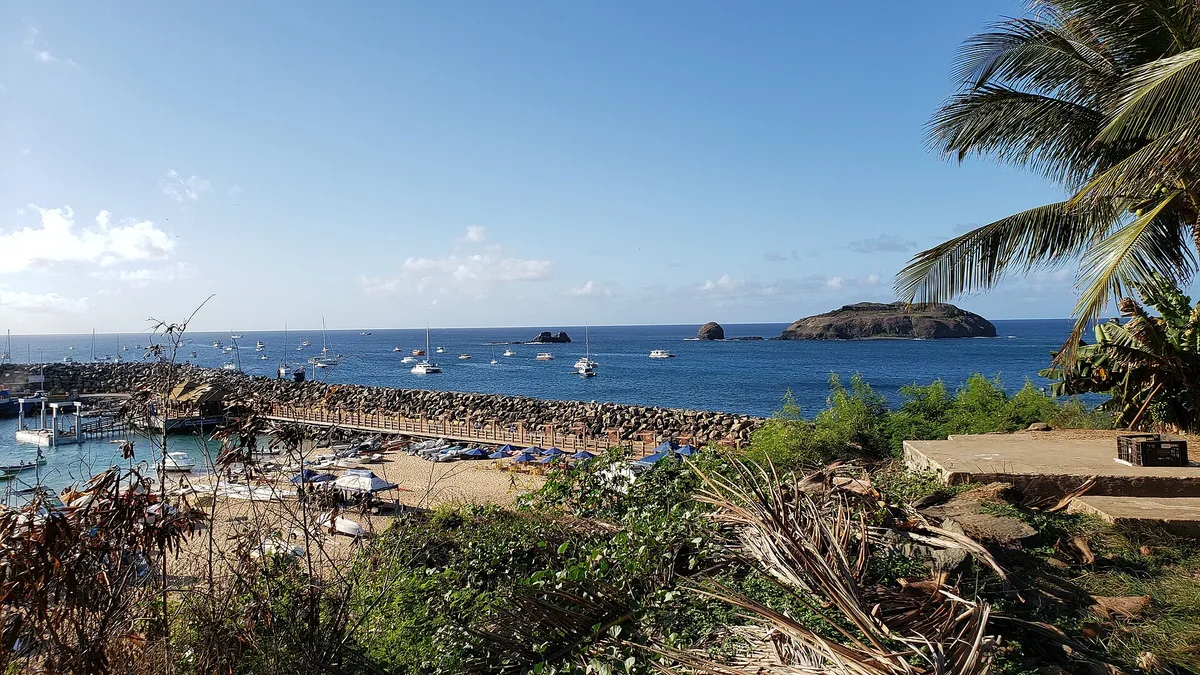
The cliff geology itself is the main event — take time to study the dramatic limestone and basalt face that frames the cove before paddling on. A kilometre away, Forte dos Remédios offers a grounding history lesson: an 18th-century Portuguese colonial fort perched above Porto Beach, worth the short detour. Praia do Porto, just 0.8km out, is the island's working port beach with that same colonial fort as a backdrop. For a bigger physical challenge, Morro do Pico — the island's highest point at 321m — is 4km away and delivers panoramic views across the archipelago.
The prime frame is from a kayak at water level, shooting back toward the cliff face with the dark-golden coarse sand strip and the deep blue ocean in the foreground — nothing else on the island looks quite like it.
The cliff-top vantage on the guided trail approach, just before the descent, gives a rare aerial-style composition of the isolated cove against open ocean.
Where to eat
There are no food or drink facilities at the beach, so pack everything before you set out. Back in the main settlement, Restaurante do Valdênio is a local option about 1.1km away, while Mare and Dell Isola are both around 1.3km and offer a change of pace after a long paddle day. Crepería Euforonha, 1.5km out, is a solid stop for something lighter.
Where to stay
Morro do Farol is the closest listed accommodation, sitting about 3km from the beach — a manageable distance given that all transport on the island is by bus, taxi, buggy, or bicycle anyway. Book well ahead; Fernando de Noronha has limited beds and high demand in peak season.
Photography
The most compelling shot is from the water looking back at the limestone and basalt cliff face with the dark-golden coarse sand at its base — morning light from the east catches the rock texture best. If you're on the guided trail approach, the elevated cliff-top angle before descent gives a rare top-down view of the cove and the deep blue ocean beyond.
Good to know
Swimming is strictly prohibited at Praia da Caieira: strong currents, submerged rocks, and the presence of sharks make entering the water genuinely dangerous, and there is no lifeguard on duty. Swell season from January to May brings stronger waves, so exercise extra caution on approach; kayak access is only permitted in calm conditions. The national park entry fee is mandatory, no camping is allowed, and glass containers are banned on the beach. There is no mobile signal at the beach — this is a true digital-detox spot, so bring offline maps, tell someone your plan, and carry everything you need with you.
GAMES
🕹️ Five minutes of sand?
Three daily games — including the UV simulator set to this beach.
Map
Nearby places
Restaurante do Valdênio
Mare
Dell Isola
Crepería Euforonha
aguida bistro
Morro do Farol
Things to see around Fernando de Noronha
Forte dos Remédios
18th-century Portuguese colonial fort on the cliff above Porto Beach.
Praia do Porto
Main port beach with working cargo dock and colonial fort backdrop.
Morro do Pico
Highest point on the island at 323m, a volcanic plug offering panoramic views.
GIFT
🎁 Gift this beach
Its exact coastline, your date, your words — on a print or a PDF you print yourself.
Caieira Beach
THAT DAY
Caieira Beach, Brazilian Islands
© OpenStreetMap contributors
Clean & decorative, or “That day” with the real sky of your date.
Shipping included 3-6 business days
A question before you order? Contact us
Delivered within minutes on the confirmation page and by email: a ZIP with all 4 print sizes (30×40 cm, 12×16″, 50×70 cm, 18×24″), each as a high-resolution PDF and PNG (300 dpi), plus a screen version. Print at home or at any print shop.
Please complete the delivery address.
Please accept the Terms of Sale.
Almost there — the shop opens very soon.
Secure payment · Printed locally in 30+ countries · 7 languages
Frequently asked
The information on this page is provided for guidance only and may evolve. Access conditions, safety and infrastructure can change without notice. Always check official sources before traveling.
Nearest beaches
Other wild beaches in Brazil
Reviews of this beach
- No reviews yet, what a shame — leave yours and share your experience.
Photo credits
Sources and licenses for the photos shown above.
- Photo 1 — Hudson Rodrigues Lima · source · CC BY-SA 4.0
- Photo 2 — Rafael Nicolaidis · source · CC BY-SA 4.0
- Photo 3 — Alexandre Marco da Silva · source · CC BY-SA 4.0
- Photo 4 — Alexandre Costa · source · CC BY-SA 4.0
- Photo 5 — monicaewagner · source · CC BY-SA 2.0
- Photo 6 — Alexandre Costa · source · CC BY-SA 4.0