Friendly BeachesAustralia Beach Guide
Four kilometres of wild white sand, zero amenities
About
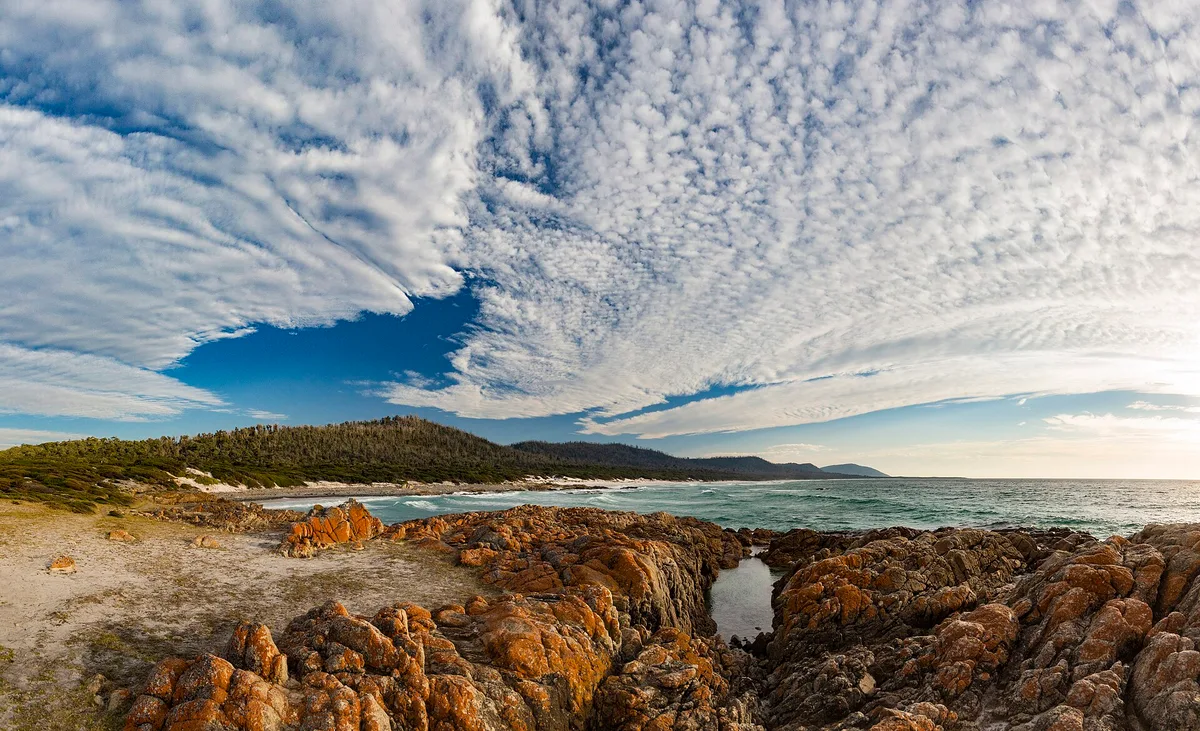
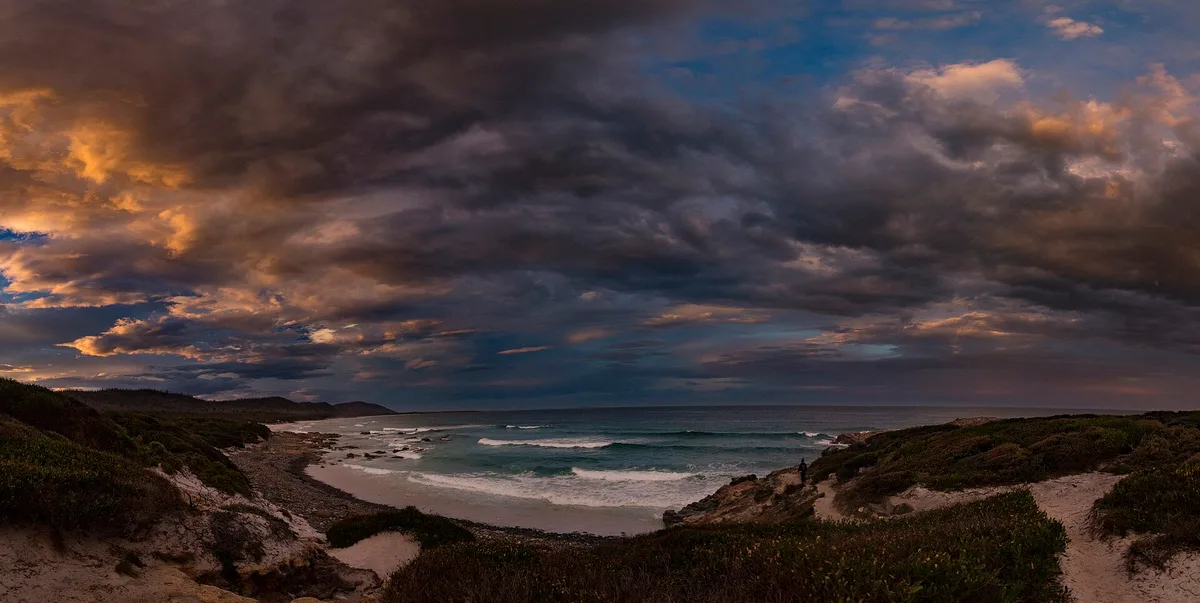
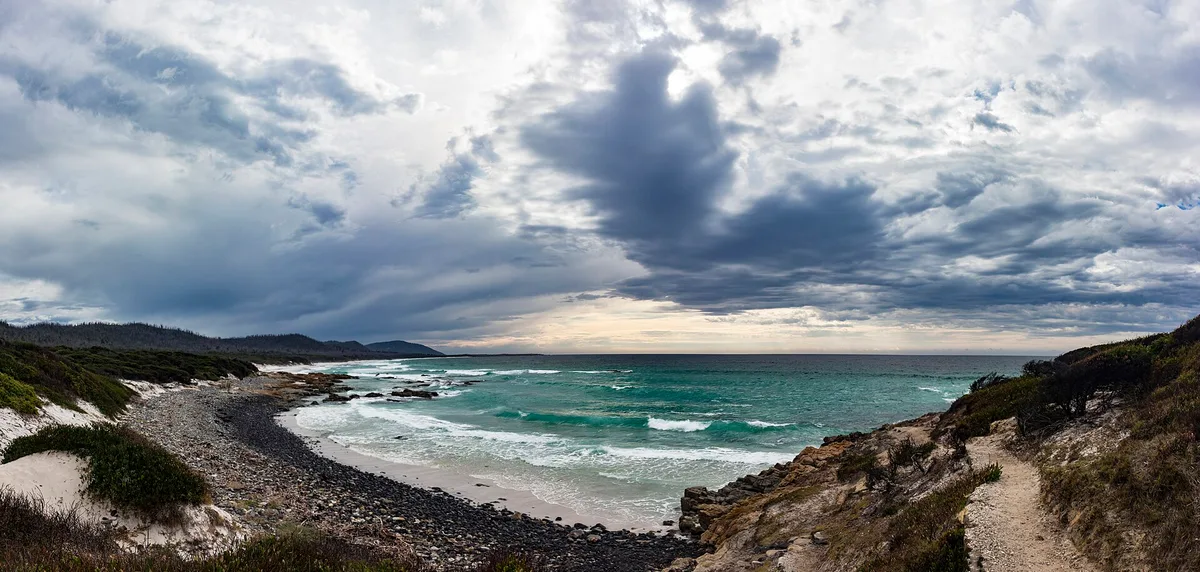
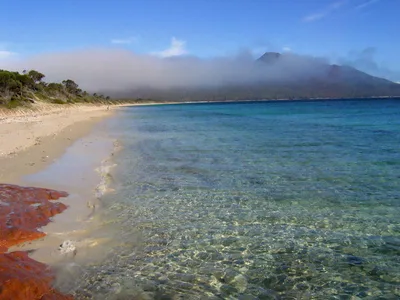
Friendly Beaches stretches for roughly four kilometres along Tasmania's east coast, protected inside Freycinet National Park and utterly free of commercial infrastructure. The sand is a clean, powdery white, and the water runs a vivid turquoise where the Southern Ocean light catches the shallows — but don't let that colour fool you. Coastal heath rolls right to the dune line, and an extensive white dune system backs the entire beach, shifting with the wind and giving the place a raw, elemental feel. It's quiet here — genuinely quiet — with no cafés, no hire chairs, no lifeguards, and no concessions of any kind.
How to get there
Drive the Tasman Highway and turn off onto Coles Bay Road; the beach is roughly 20 minutes from the turnoff. A small unsealed car park is available at no charge for parking itself, but a national park entry fee of AUD 47.70 per vehicle per day applies — pay this before you arrive or on entry. Pennicott Wilderness Journeys also runs ferry services to the area, with journey times ranging from 30 to 105 minutes depending on the route. The beach is open 24 hours, but soft sand and dune terrain make it inaccessible for wheelchairs.
Who it's for
For couples
Couples who want genuine solitude will find it here — long walks on white sand with no one else in sight and a wild coastal backdrop that doesn't need any embellishment. Come in December or January for the best light and warmest conditions.
For families
Families should visit for the dune exploration and the sheer open space, but be firm with children about the water — rip currents are present and there are no lifeguards, so the ocean is strictly off-limits for swimming. Pack a full picnic, sturdy shoes for the soft sand, and plan to stay on dry land.
Our take
Do not swim here. That needs to be said first, clearly, before anything else — rip currents are present across the full length of the beach, there are no lifeguards, and the water that looks so inviting in turquoise is genuinely dangerous. Once you've accepted that, Friendly Beaches delivers something increasingly rare on the Australian coast: ten kilometres of white sand inside a national park, with no café, no hire equipment, no noise, and almost no one else. The extensive dune system is the real spectacle — walk it, photograph it, sit in it. Come between December and March for warmth and manageable conditions, and skip winter entirely. Pack everything in, carry everything out, and leave the dogs at home. This is a place that rewards preparation and punishes complacency.
What to do
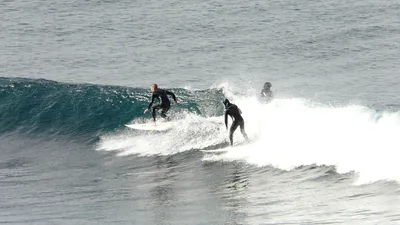
The beach itself is the draw — walk the full dune system, watch the consistent surf break from the shore, and take in the coastal heath backdrop that frames the whole scene. A short drive away, the Bicheno Blowhole and Rocking Rock are worth a stop, both sitting around 13.5 km from the beach. Freycinet National Park, world-famous for Wineglass Bay and the Hazards, lies within reach at around 36 km, and the gateway village of Coles Bay at 15 km offers boat hire and a base for further exploration.
The white dune crests looking back toward the coastal heath give you a composition that feels genuinely remote — shoot wide and include the turquoise water in the distance for scale.
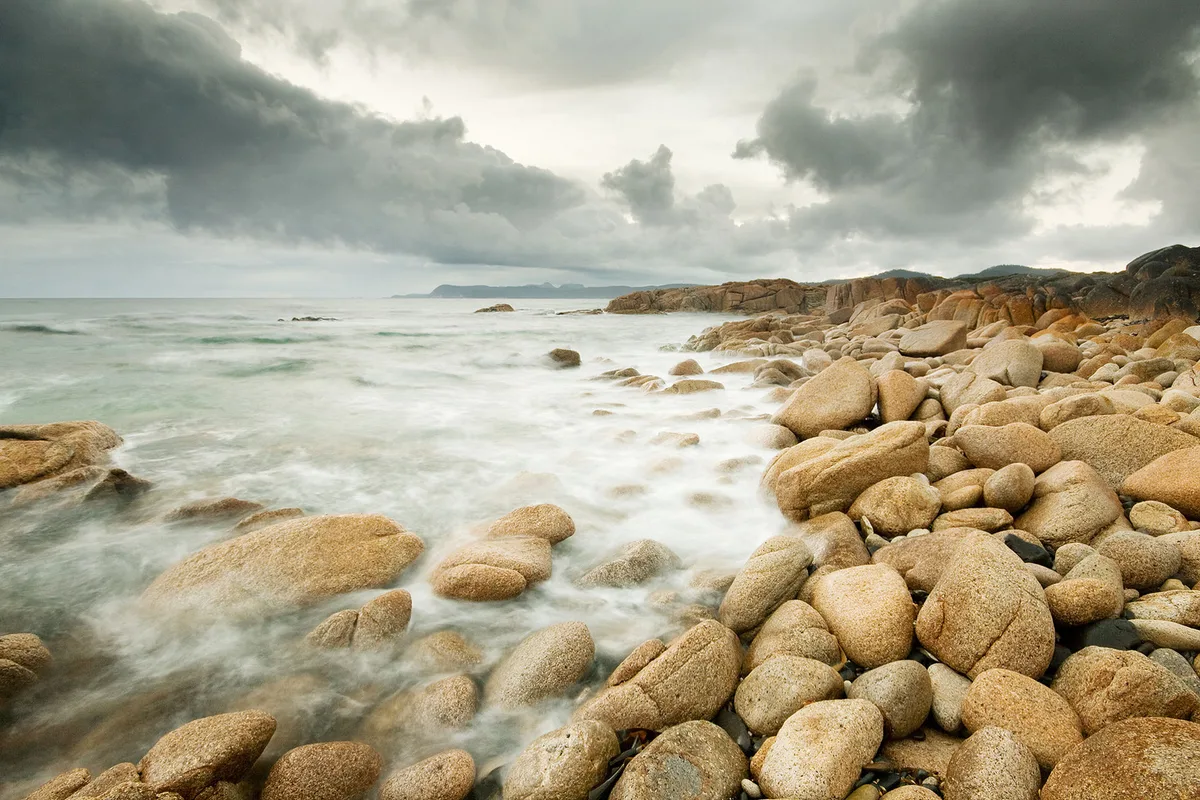
The waterline at low tide, where wet white sand mirrors the sky, is the other reliable shot, best in the hour after sunrise before any wind picks up.
Where to eat
There's nothing to eat at the beach itself — pack everything you need before you leave. The nearest options are in Bicheno, about 13.6 km away, where you'll find takeaway food and Le Coq, a French restaurant roughly 13.8 km out. The Sea Life Centre and Seahorse Chinese Restaurant are both around 14 km away if you want a sit-down meal after your visit.
Where to stay
Freycinet Resort, rated 4.5 out of 5 across 564 reviews, sits about 7.4 km from the beach and is the most established option in the area. For something more intimate, numie (4.7/5, 96 reviews) is 8.6 km out, and Mount Paul Lounge (4.6/5, 87 reviews) is just 7.5 km away. If you're happy to camp, River and Rocks Campground is 10.5 km from the beach with a solid 4.1/5 rating from over 100 guests.
Photography
Shoot the dune system in the early morning when the low Tasmanian light rakes across the white sand and the coastal heath glows amber behind it — the absence of any infrastructure means nothing interrupts the frame. The turquoise water against the white foreground dunes makes for a strong wide-angle composition; position yourself at the dune crests for the best depth and scale.
Good to know
No dogs are permitted anywhere in Freycinet National Park — leave them at home. Campfires are strictly prohibited, and you must pack out every piece of waste you bring in; there are no bins on site. There are no lifeguards at any time of year, and rip currents are present throughout the beach — do not enter the water under any circumstances. Avoid June, July, and August entirely: winter brings heavy swells, intensified rip currents, and cold conditions that make the beach genuinely hostile.
GAMES
🕹️ Five minutes of sand?
Three daily games — including the UV simulator set to this beach.
Map
Nearby places
Bicheno takeaway
Le Coq
Sea Life Centre
Seahorse Chinese Restaurant
Freycinet Experience Walk
Freycinet Resort
Mount Paul Lounge
numie
River and Rocks Campground
Things to see around Glamorgan–Spring Bay
Freycinet National Park
World-famous national park encompassing Wineglass Bay, the Hazards, and extensive coastal wilderness.
Wineglass Bay
Tasmania's iconic crescent beach, the centrepiece of Freycinet National Park.
Coles Bay
The gateway village to Freycinet NP with accommodation, cafes, and boat hire.
GIFT
🎁 Gift this beach
Its exact coastline, your date, your words — on a print or a PDF you print yourself.
Friendly Beaches
THAT DAY
Friendly Beaches, Tasmania
© OpenStreetMap contributors
Clean & decorative, or “That day” with the real sky of your date.
Shipping included 3-6 business days
A question before you order? Contact us
Delivered within minutes on the confirmation page and by email: a ZIP with all 4 print sizes (30×40 cm, 12×16″, 50×70 cm, 18×24″), each as a high-resolution PDF and PNG (300 dpi), plus a screen version. Print at home or at any print shop.
Please complete the delivery address.
Please accept the Terms of Sale.
Almost there — the shop opens very soon.
Secure payment · Printed locally in 30+ countries · 7 languages
Frequently asked
The information on this page is provided for guidance only and may evolve. Access conditions, safety and infrastructure can change without notice. Always check official sources before traveling.
Nearest beaches
Other wild beaches in Australia
Reviews of this beach
- No reviews yet, what a shame — leave yours and share your experience.
Photo credits
Sources and licenses for the photos shown above.
- Photo 1 — Steven Penton from Bakers Beach, Tasmania Australia · source · CC BY 2.0
- Photo 2 — Steven Penton from Bakers Beach, Tasmania Australia · source · CC BY 2.0
- Photo 3 — JJ Harrison (https://www.jjharrison.com.au/) · source · CC BY-SA 3.0
- Photo 4 — Steven Penton from Bakers Beach, Tasmania Australia · source · CC BY 2.0