Coles Bay BeachAustralia Beach Guide
Calm white-sand bay at Tasmania's wild east coast gateway

About
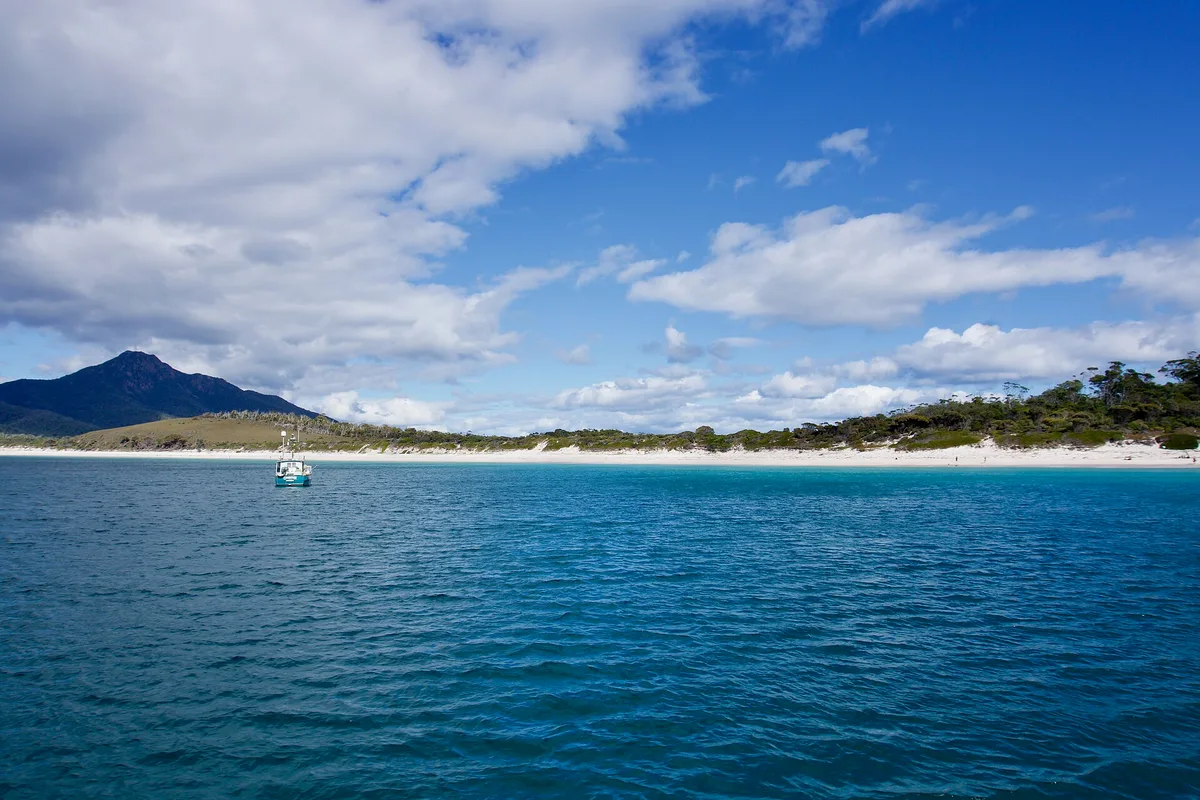
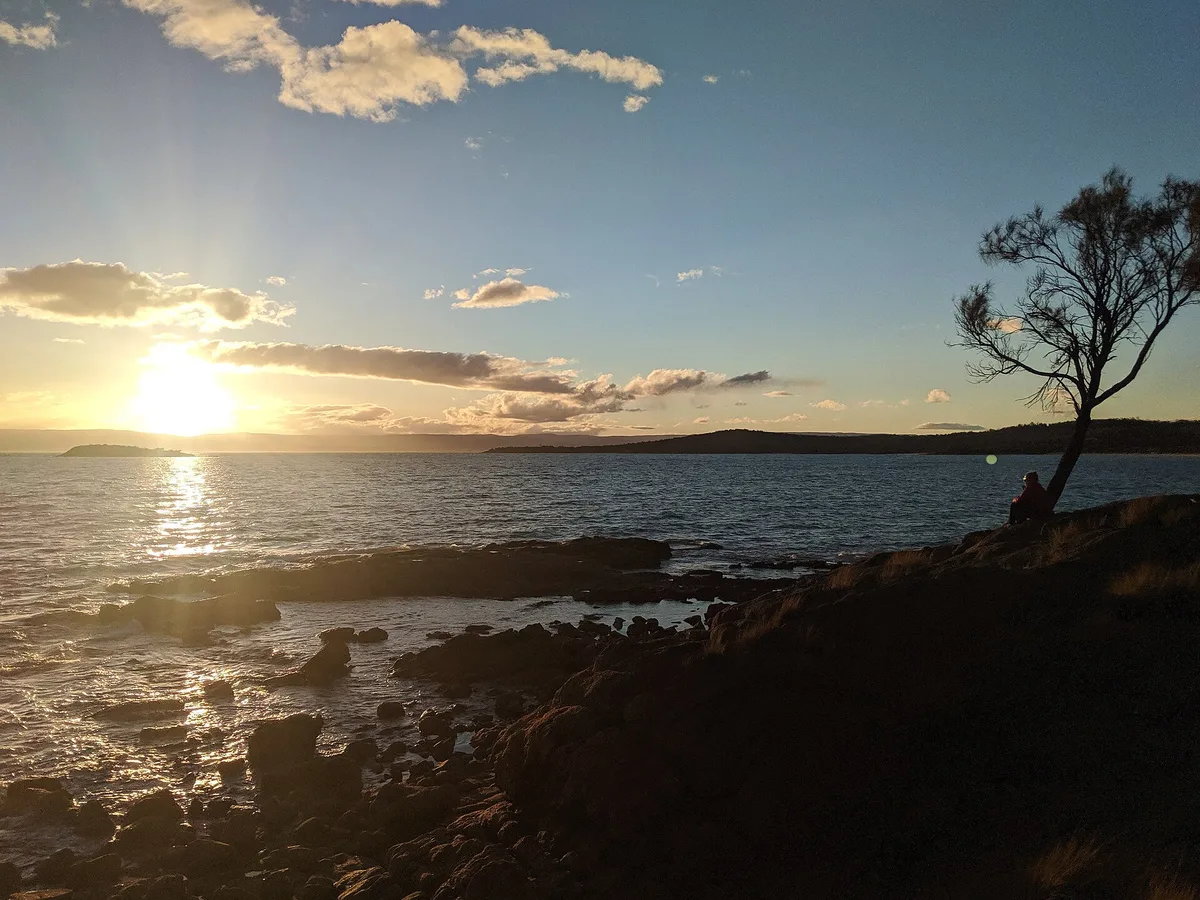
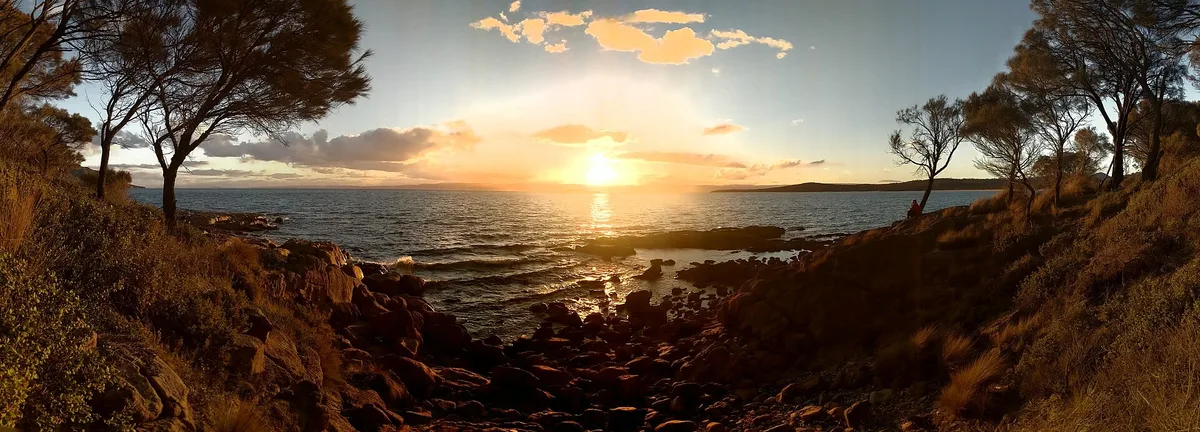
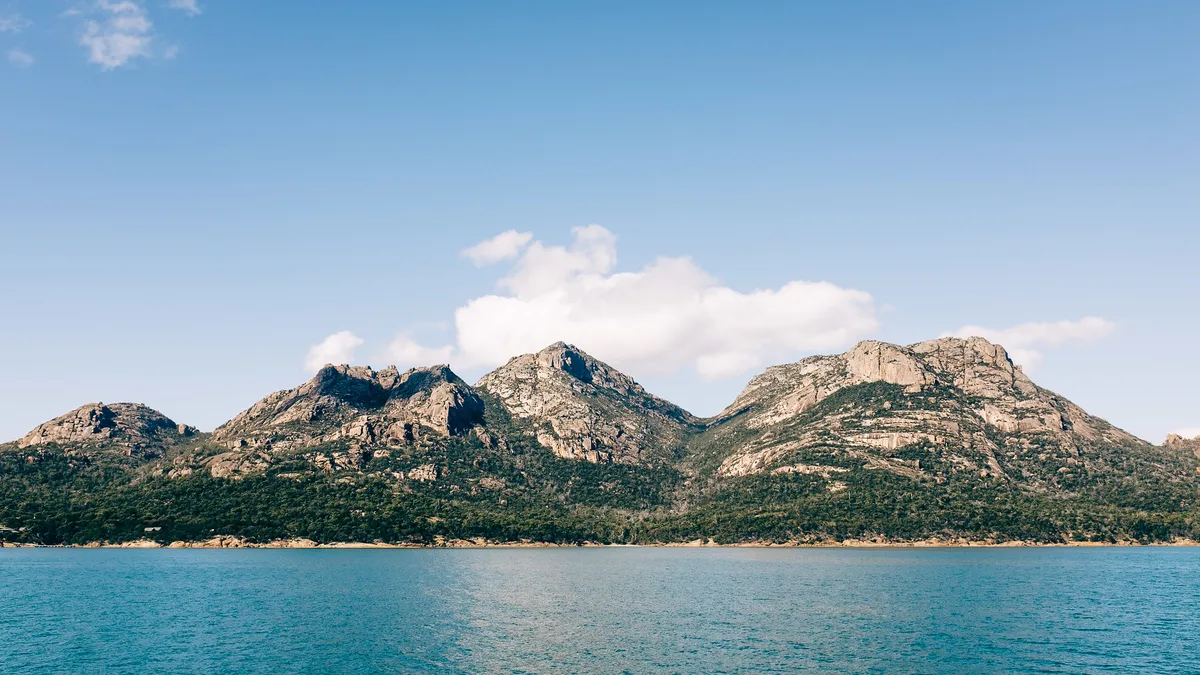
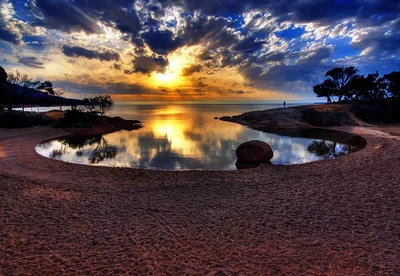
Coles Bay Beach sits on the sheltered western shore of the Freycinet Peninsula, where white sand meets crystal-clear water in a bay calm enough for young swimmers. The Hazards — those famous pink granite peaks — frame the view to the east, giving the beach one of the most dramatic backdrops on the Tasman coast. Boat moorings dot the bay, lending it a relaxed maritime character that feels a world away from mainland beach resorts. Flat foreshore access and firm sand make it easy for most visitors to reach the water's edge. Sunsets here face west across Great Oyster Bay, painting the sky while the peaks behind you hold the last of the light.
How to get there
Drive in via Coles Bay Road off the Tasman Highway — it's roughly a 30-minute drive to the beach, which is open 24 hours. Free parking is available in Coles Bay township, though spots fill quickly on peak summer days, so arrive early. Bus services run daily from Hobart (about 4 hours) and from Launceston (about 3 hours) if you'd rather skip the drive. There is no entry fee to access the beach itself.
Who it's for
For couples
The westward sunset views over Great Oyster Bay make early evenings here genuinely special — grab a spot on the foreshore as the Hazards glow behind you and the bay goes still.
For families
Calm, sheltered water, easy flat foreshore access, and firm sand make this one of the more practical family swimming beaches on Tasmania's east coast — kids can wade safely while adults keep watch from the shore.
Our take
Coles Bay Beach is safe for swimming — calm, sheltered, and family-appropriate — but go in with eyes open: no lifeguards patrol here, and jellyfish show up in summer without warning. That said, this is one of the most accessible and genuinely rewarding beaches on Tasmania's east coast. The white sand and crystal-clear water are the draw, but the Hazards looming to the east are what make it memorable. It works as a base camp for Freycinet National Park as much as a destination in its own right. Skip June through August — the water is too cold for comfortable swimming and the wind cuts hard. Come December to March, arrive before the daytrippers, and you'll have the bay at its best.
What to do
Freycinet Sea Cruises operates just 0.6 km from the beach and offers the best way to see the peninsula from the water. A short drive of 2 km brings you into Freycinet National Park, where pink granite peaks, white beaches, and extensive walking tracks await. Push a little further to the Wineglass Bay Lookout at 1.3 km — a 45-minute hike from the national park car park delivers the iconic saddle view over one of Australia's most photographed beaches. Sleepy Bay, 3.3 km away, is a wave-sculpted pink granite cove worth the short detour.
The foreshore looking east toward the Hazards is the signature frame — shoot at golden hour when the pink granite peaks are lit and the crystal-clear water is glassy.
Boat moorings in the middle distance add scale and a sense of place that pure landscape shots miss. For something different, the Wineglass Bay Lookout at 2.6 km delivers the aerial saddle view that defines Freycinet on social media.
Where to eat
Richardson's Bistro and The Bay Restaurant & Hazards Bar are both around 1.7 km from the beach and cover most dining needs in the area. The Bay Restaurant's name alone signals the view — it's the obvious choice for a meal after a sunset session on the sand.
Where to stay
Freycinet Lodge, 1.7 km away, is the area's most-reviewed option with over 1,000 ratings and a 4.5-star average — it's the benchmark stay for this stretch of coast. Closer to the beach, BIG4 Iluka on Freycinet Holiday Park (0.4 km, 4.2 stars from 771 reviews) suits families and those wanting flexible accommodation formats. Freycinet Sanctuary at 0.4 km carries a 4.7-star rating from its reviewers and is worth checking if you want something quieter.
Photography
The best shot at Coles Bay Beach is from the foreshore looking east toward the Hazards at golden hour — the pink granite peaks catch warm light while the crystal-clear water reflects the sky in the foreground. For sunset, turn west and shoot across Great Oyster Bay as the light drops behind the hills, ideally from December to March when the sky stays clear longer.
Good to know
No lifeguards patrol this beach, so swim within your ability and keep a close eye on children at all times. Jellyfish appear occasionally during summer months — if you spot any in the water, get out and wait. No campfires are permitted on the beach, and dogs are prohibited in the adjacent Freycinet National Park areas, so leave your dog at home or check township boundary signage carefully before bringing one. The nearest laptop-friendly café, Granite Freycinet, is just 0.4 km away if you need a coffee and connectivity.
GAMES
🕹️ Five minutes of sand?
Three daily games — including the UV simulator set to this beach.
Map
Nearby places
Richardson's Bistro
The Bay Restaurant & Hazards Bar
Freycinet Stone Studio 4
BIG4 Iluka on Freycinet Holiday Park
Freycinet Sanctuary
The Loft
Freycinet Lodge
Things to see around Glamorgan Spring Bay Council
Wineglass Bay Lookout
The iconic saddle lookout over Wineglass Bay, 45-minute hike from the national park car park.
Freycinet National Park
World-famous national park with pink granite peaks, white beaches, and extensive walking tracks.
Sleepy Bay
Wave-sculpted pink granite cove on the eastern peninsula tip, short drive from Coles Bay.
GIFT
🎁 Gift this beach
Its exact coastline, your date, your words — on a print or a PDF you print yourself.
Coles Bay Beach
THAT DAY
Coles Bay Beach, Tasmania
© OpenStreetMap contributors
Clean & decorative, or “That day” with the real sky of your date.
Shipping included 3-6 business days
A question before you order? Contact us
Delivered within minutes on the confirmation page and by email: a ZIP with all 4 print sizes (30×40 cm, 12×16″, 50×70 cm, 18×24″), each as a high-resolution PDF and PNG (300 dpi), plus a screen version. Print at home or at any print shop.
Please complete the delivery address.
Please accept the Terms of Sale.
Almost there — the shop opens very soon.
Secure payment · Printed locally in 30+ countries · 7 languages
Frequently asked
The information on this page is provided for guidance only and may evolve. Access conditions, safety and infrastructure can change without notice. Always check official sources before traveling.
Nearest beaches
Other family beaches in Australia
Reviews of this beach
- No reviews yet, what a shame — leave yours and share your experience.
Photo credits
Sources and licenses for the photos shown above.
- Photo 1 — Pdennis7 · source · CC BY-SA 4.0
- Photo 2 — JustinH · source · CC0
- Photo 3 — JustinH · source · CC0
- Photo 4 — VirtualWolf · source · CC BY-SA 2.0
- Photo 5 — Sameccleston · source · CC BY-SA 4.0
- Photo 6 — robynejay · source · CC BY-SA 2.0