Blanket Bay BeachAustralia Beach Guide
Wild golden shore where rainforest meets open ocean
About
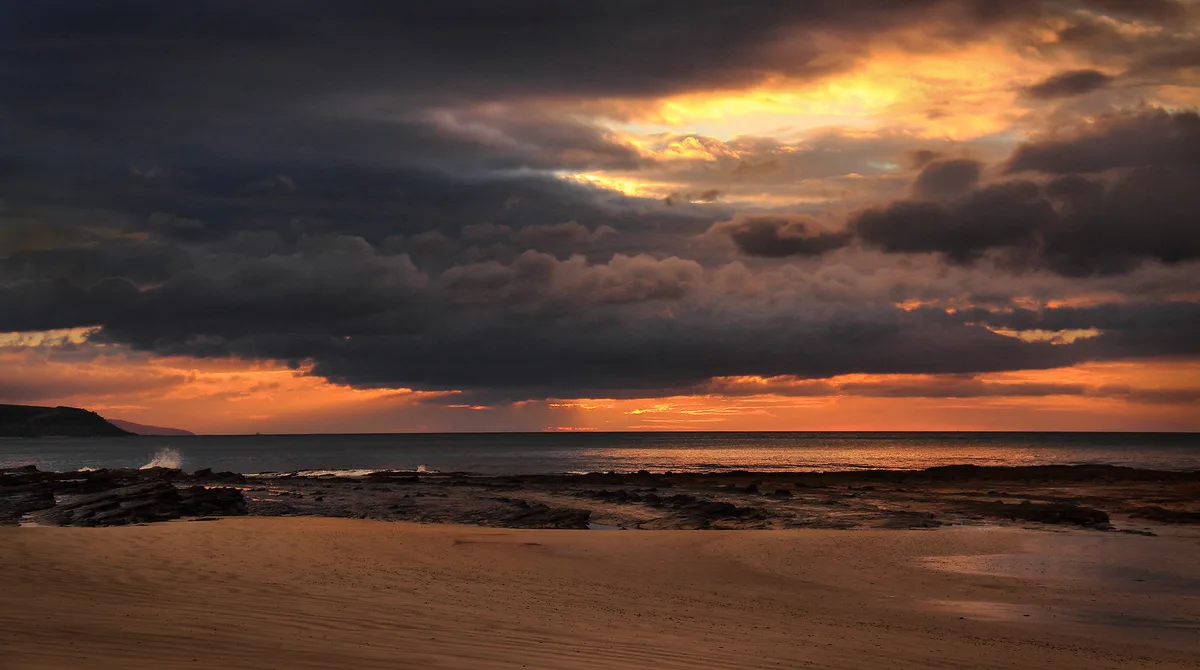
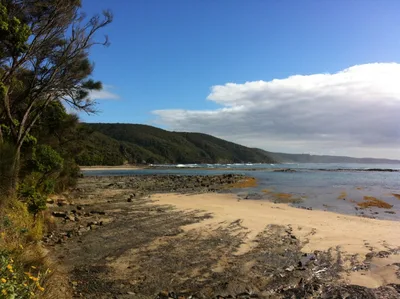
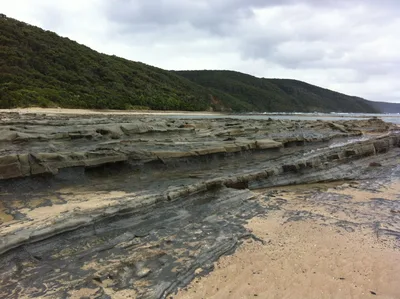
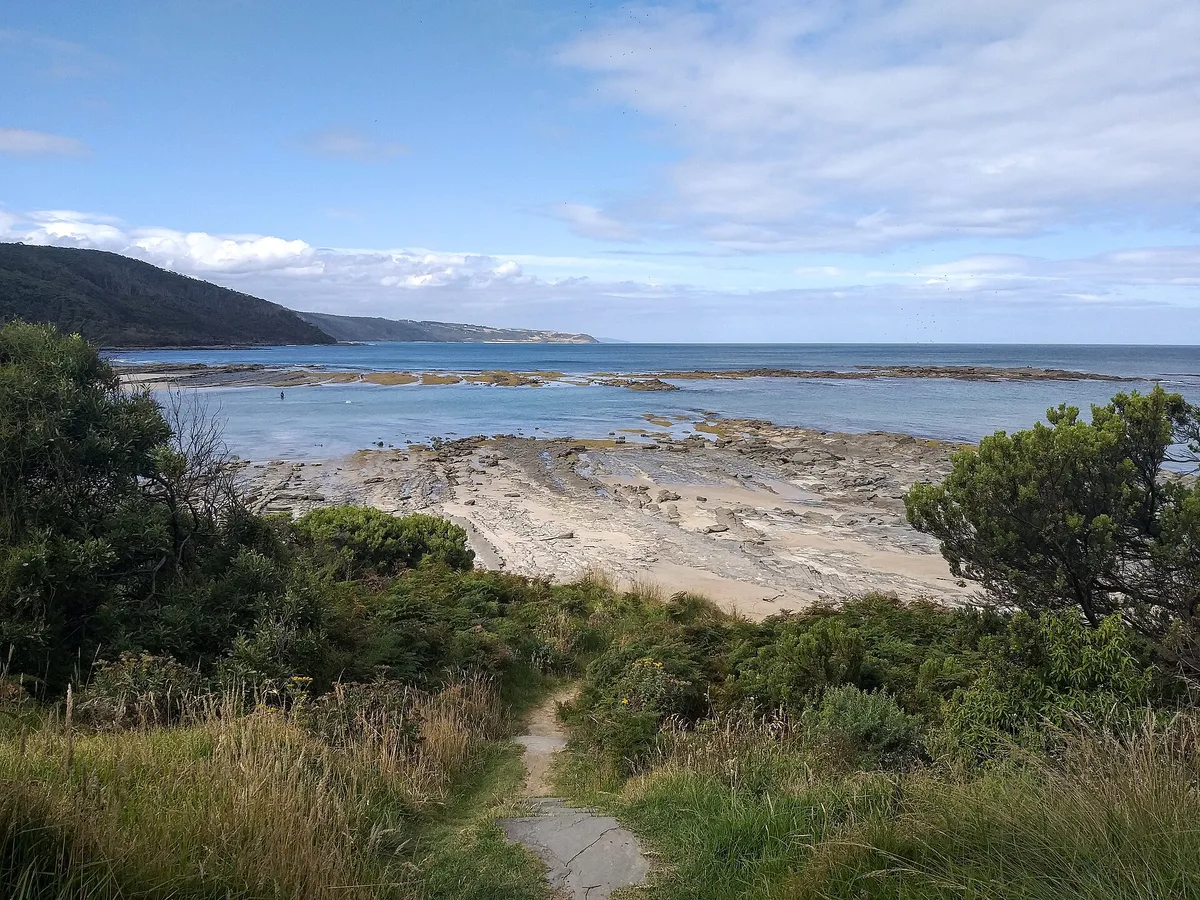
Blanket Bay Beach is a raw, 400-metre stretch of golden sand on the Great Ocean Road, tucked inside Great Otway National Park where the rainforest canopy pushes right to the water's edge. Blue ocean swells roll in unimpeded from the Southern Ocean, and on most days you'll have the entire beach to yourself. There are no facilities here — no toilets, no taps, no lifeguards — just the sound of wind, surf, and birds filtering through the trees. A 3-kilometre unsealed track, complete with a creek crossing, is the only way in, which keeps this place exactly as wild as it looks.
How to get there
Drive from Cape Otway via Blanket Bay Road (unsealed), a roughly 20-minute journey that ends at a basic, free unsealed car park at the beach. The track includes a creek crossing and is passable by 2WD in dry conditions, but a 4WD is strongly recommended between June and August when winter rain can make it completely impassable. There is no entry fee. The nearest town is Cape Otway, about 5.7 km away.
Who it's for
For couples
If you and your partner want genuine solitude — no other visitors, no noise except the ocean — Blanket Bay delivers it on most days. The wild, unhurried atmosphere makes it a rare place to simply sit and be present together.
For families
Blanket Bay is not well-suited for young families: the access track is rough, there are no facilities whatsoever, swimming is dangerous, and there is no mobile coverage in an emergency. Families with older children who are comfortable in remote national park settings may enjoy the rainforest-to-beach landscape, but plan carefully and keep everyone well away from the water.
Our take
Blanket Bay is not a beach you visit for a swim or a lazy afternoon in the sun — and that needs to be said plainly. The water is dangerous, unpatrolled, and there is no emergency access or mobile signal if something goes wrong. What this place does offer is something increasingly rare: a genuinely wild, empty stretch of golden sand where the rainforest ends and the Southern Ocean begins, with no facilities and no noise except what nature provides. The 3-kilometre unsealed track, creek crossing and all, is part of the experience — it filters out anyone who isn't serious about being here. Come between December and March, bring your own water and food, leave nothing behind, and stay out of the water. Worth the detour for the right traveller.
What to do
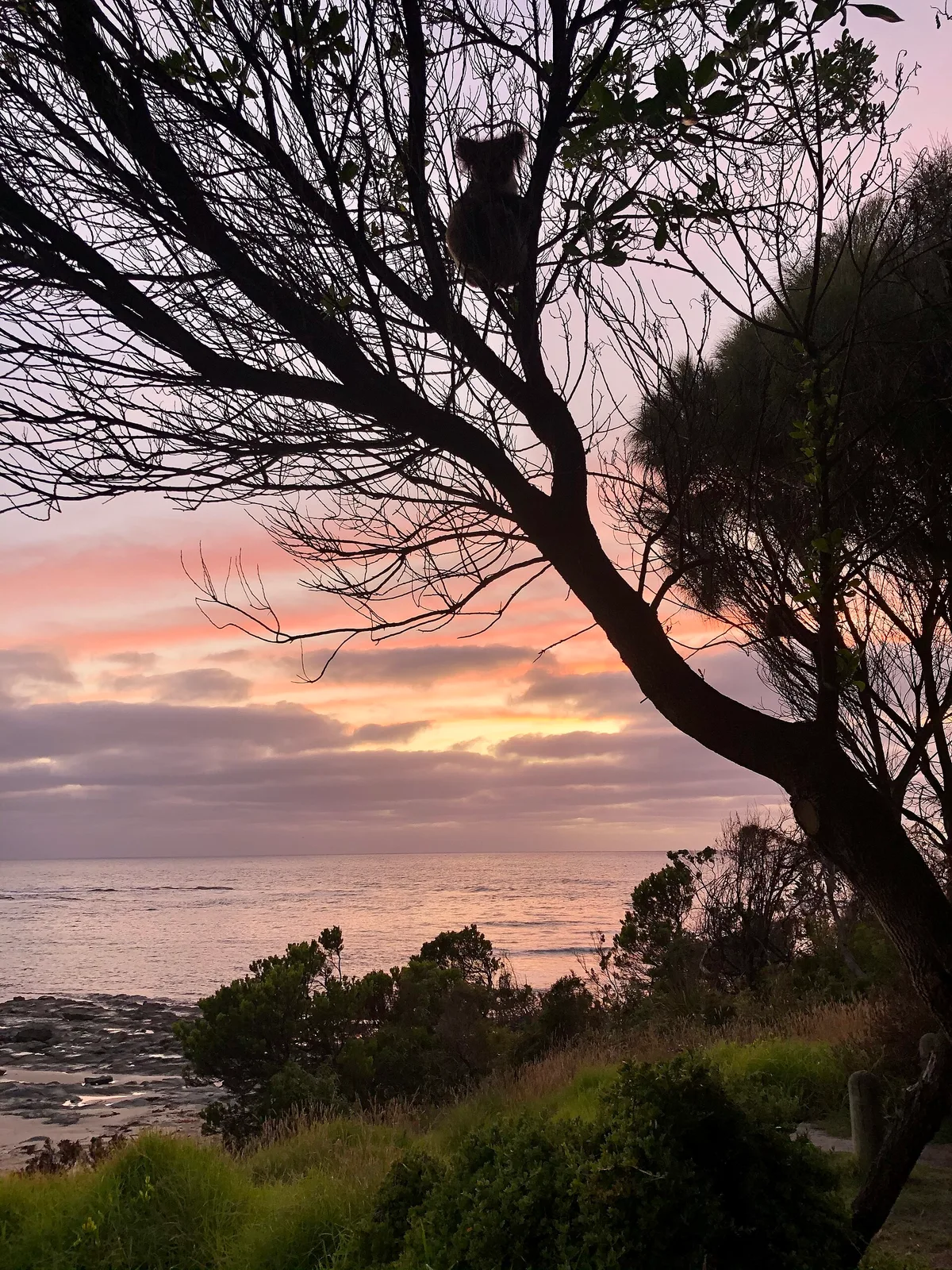
Point Lewis Lookout is just 0.8 km away and rewards the short walk with elevated coastal views. The access road toward Cape Otway is known for koala sightings, and Cape Otway Lightstation — Australia's oldest surviving mainland lighthouse, built in 1848 — is 10 km from the beach and well worth the detour. The surrounding Great Otway National Park offers rainforest walks and sections of the Great Ocean Walk, including the steep descent to the remote Crayfish Bay Beach, about 12 km away.
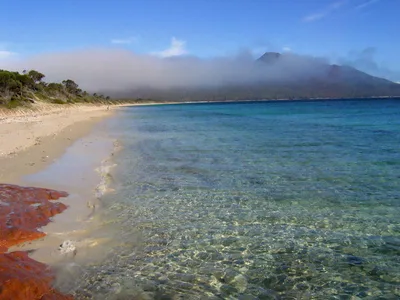
The tree line where the rainforest canopy drops directly to the golden sand is the signature shot — frame it wide with the blue ocean in the background.
The creek crossing on the unsealed access track offers a moody, forest-filtered composition, especially in the soft light of early morning.
Where to eat
There are no food or drink facilities at Blanket Bay Beach — bring everything you need. The nearest dining options are clustered around 10–11 km away and include Aire Valley Restaurant and Guest House, the Brewhouse, Iluka, George's for seafood, and Chopstix Noodle Bar. Plan your meals before you head out on the track.
Where to stay
Cape Otway Conservation Ecology Centre is the closest place to stay, about 5 km from the beach, and puts you right in the heart of the national park. Clearwen Retreat is a further option at 12.6 km. Both are worth booking ahead, especially in the December-to-March peak season.
Photography
The most striking shot is from the beach looking back toward the rainforest canopy, where the tree line meets golden sand with no buildings in sight — early morning light is softest and the beach is at its most still. The creek crossing on the access track also makes a compelling frame, particularly after rain when the water runs clear over the gravel.
Good to know
Do not enter the water — the beach is unpatrolled, exposed to open Southern Ocean swell, and swimming is dangerous. There is no mobile coverage and no emergency access, so tell someone your plans before you head in. Dogs are prohibited within Great Otway National Park, camping on the beach is not permitted, and Leave No Trace principles apply strictly: pack out everything you bring in. Avoid visiting in June, July, or August unless you have a 4WD — the access track becomes impassable after heavy rain.
GAMES
🕹️ Five minutes of sand?
Three daily games — including the UV simulator set to this beach.
Map
Nearby places
Aire Valley Restaurant and Guest House
Brewhouse
Iluka
George's
Chopstix Noodle bar
Cape Otway Conservation Ecology Centre
Clearwen Retreat
Things to see around Cape Otway
Cape Otway Lightstation
Australia's oldest surviving mainland lighthouse, built 1848, with koala-dense access road.
Great Otway National Park
Surrounding national park with rainforest walks and Great Ocean Walk.
Crayfish Bay Beach
Remote cove accessible only via Great Ocean Walk steep descent.
GIFT
🎁 Gift this beach
Its exact coastline, your date, your words — on a print or a PDF you print yourself.
Blanket Bay Beach
THAT DAY
Blanket Bay Beach, Great Ocean Road
© OpenStreetMap contributors
Clean & decorative, or “That day” with the real sky of your date.
Shipping included 3-6 business days
A question before you order? Contact us
Delivered within minutes on the confirmation page and by email: a ZIP with all 4 print sizes (30×40 cm, 12×16″, 50×70 cm, 18×24″), each as a high-resolution PDF and PNG (300 dpi), plus a screen version. Print at home or at any print shop.
Please complete the delivery address.
Please accept the Terms of Sale.
Almost there — the shop opens very soon.
Secure payment · Printed locally in 30+ countries · 7 languages
Frequently asked
The information on this page is provided for guidance only and may evolve. Access conditions, safety and infrastructure can change without notice. Always check official sources before traveling.
Nearest beaches
Other wild beaches in Australia
Reviews of this beach
- No reviews yet, what a shame — leave yours and share your experience.
Photo credits
Sources and licenses for the photos shown above.
- Photo 1 — Kevin Rheese · source · CC BY 2.0
- Photo 2 — clhendricksbc · source · CC BY 2.0
- Photo 3 — clhendricksbc · source · CC BY 2.0
- Photo 4 — Tonygrgurevic · source · CC BY-SA 4.0
- Photo 5 — CamoMain · source · CC BY-SA 4.0