Ursa BeachPortugal Beach Guide
Wild Atlantic cliffs, golden sand, no road in
About
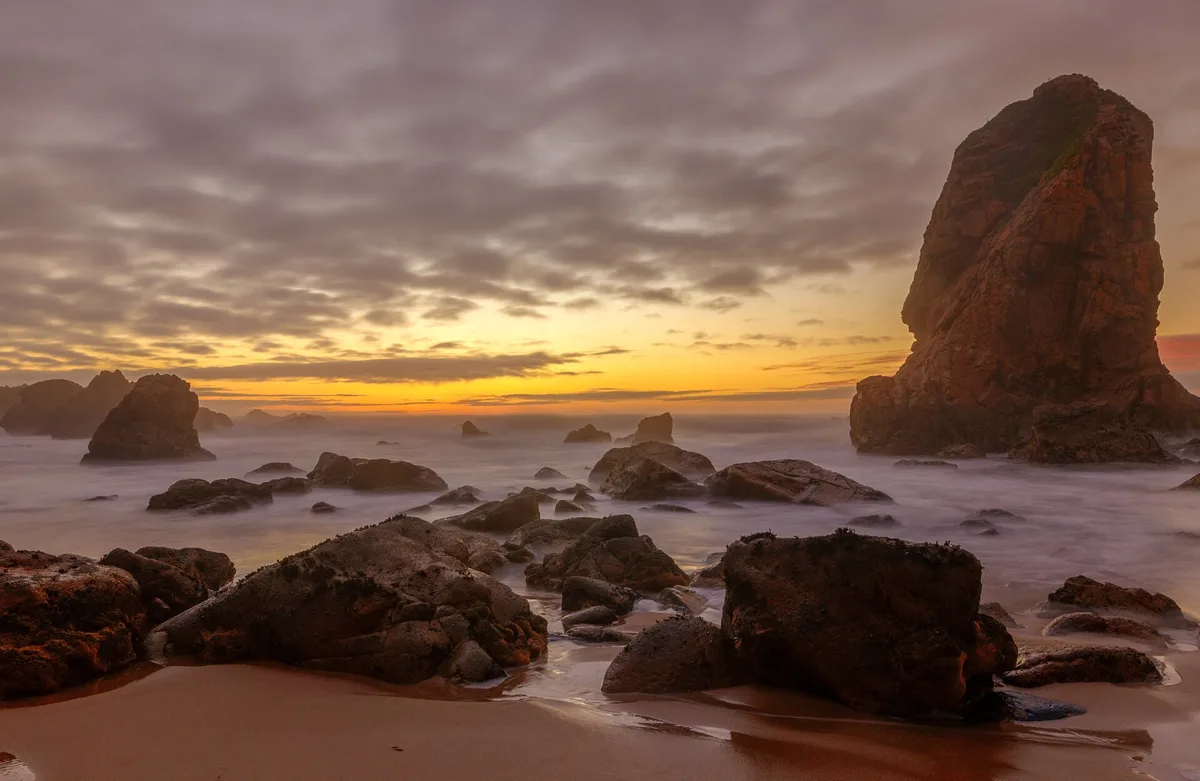
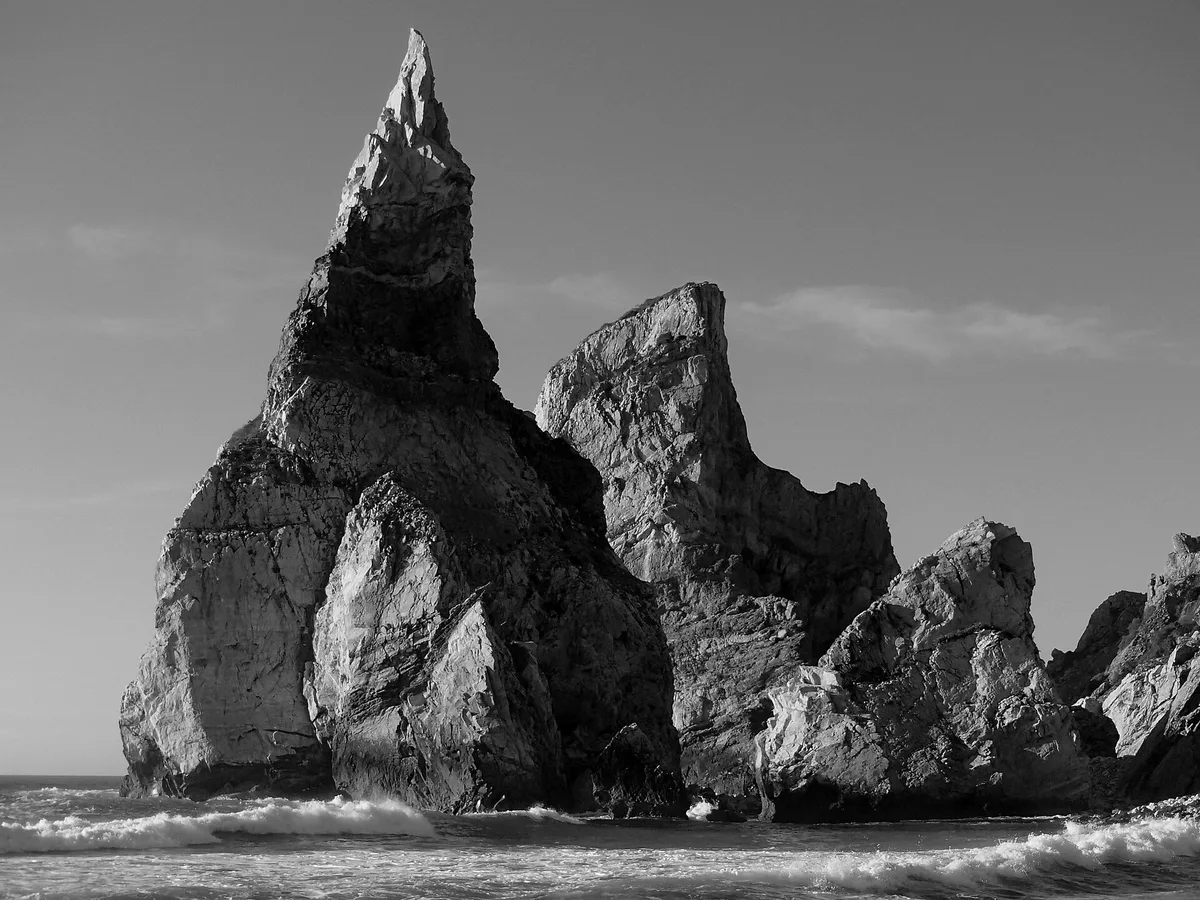
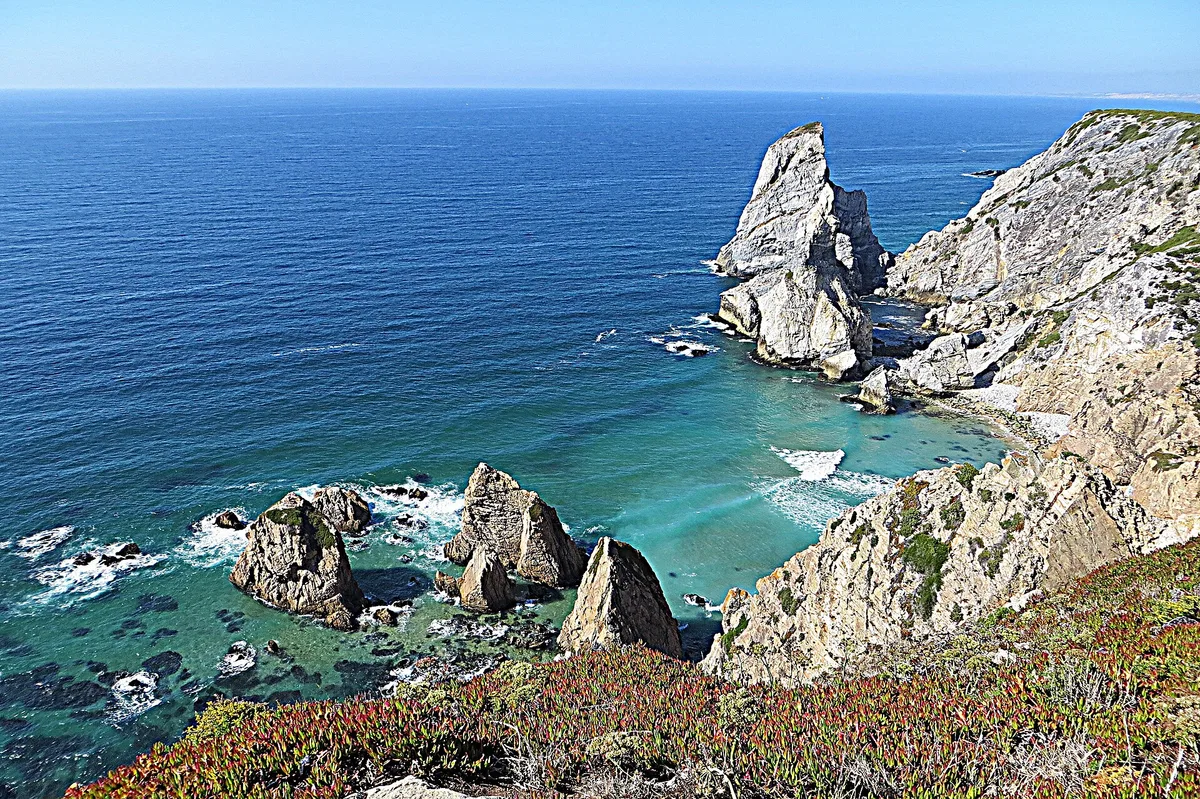
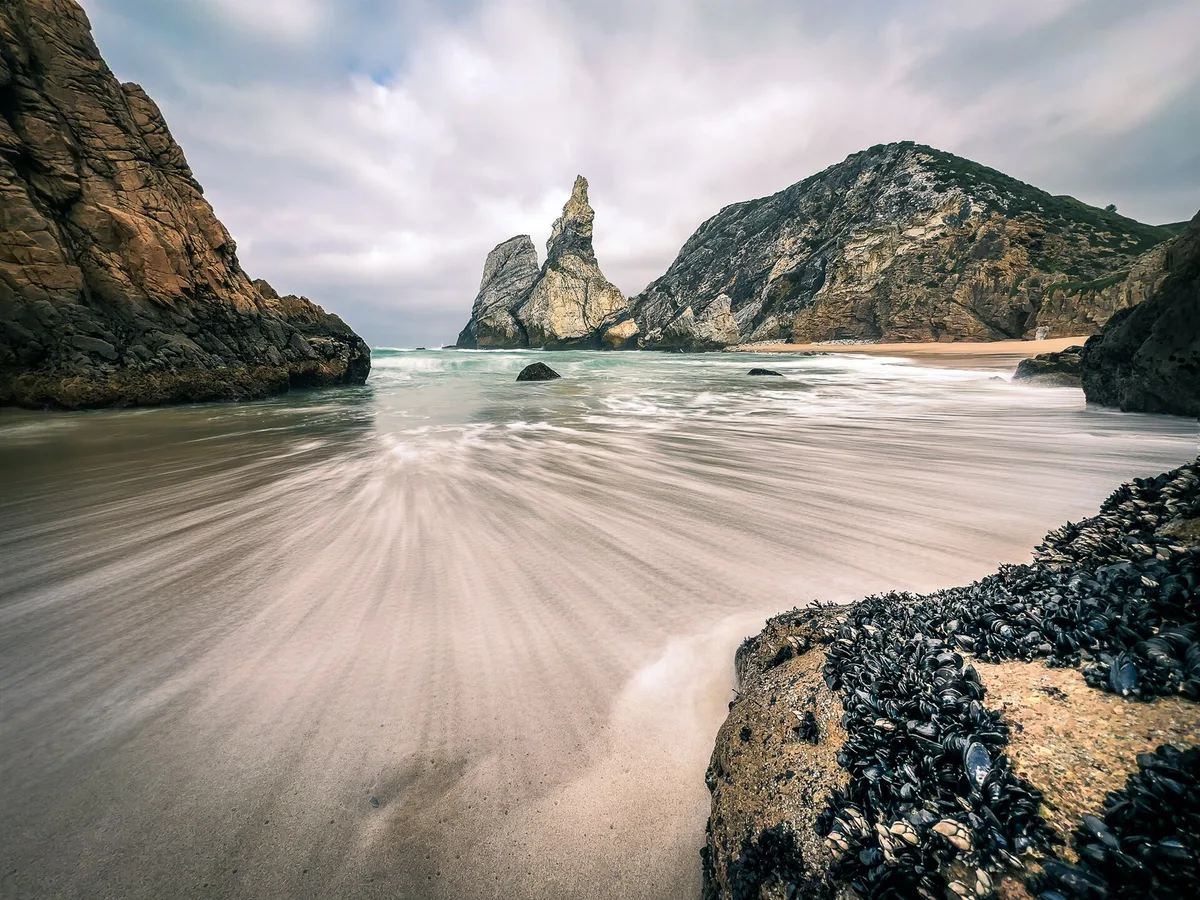
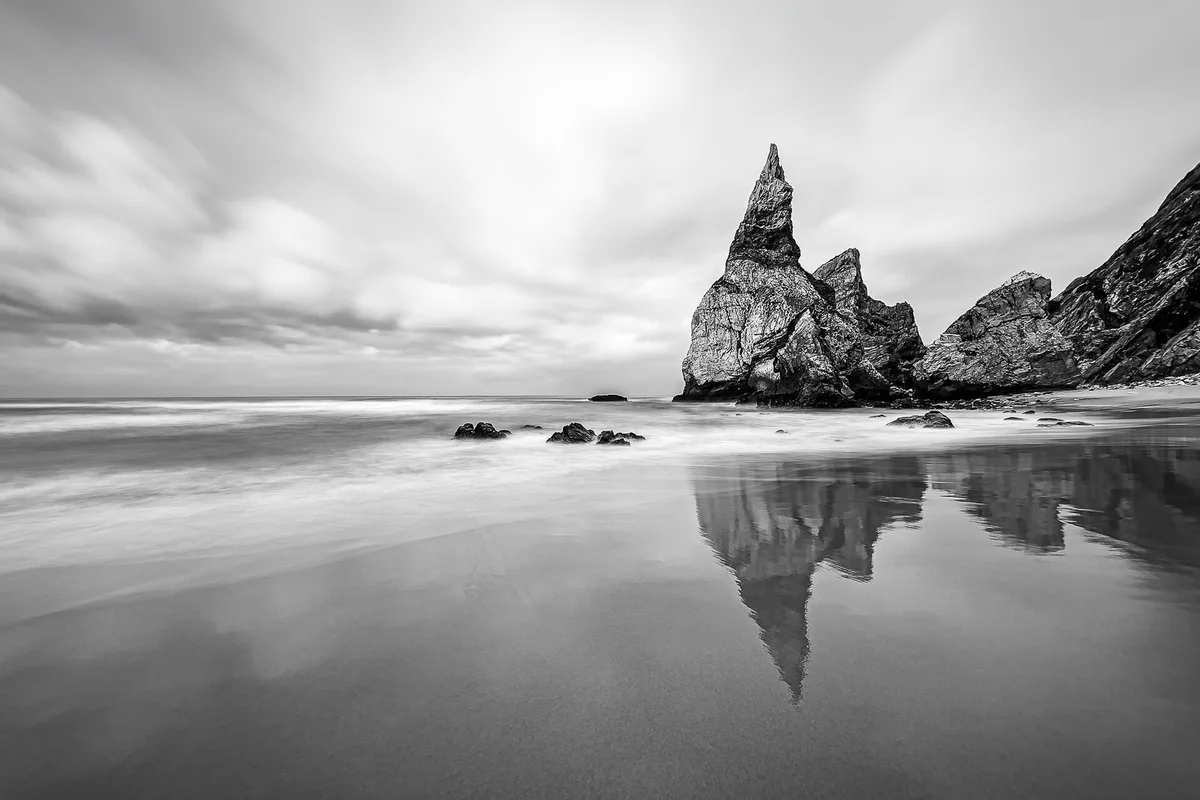
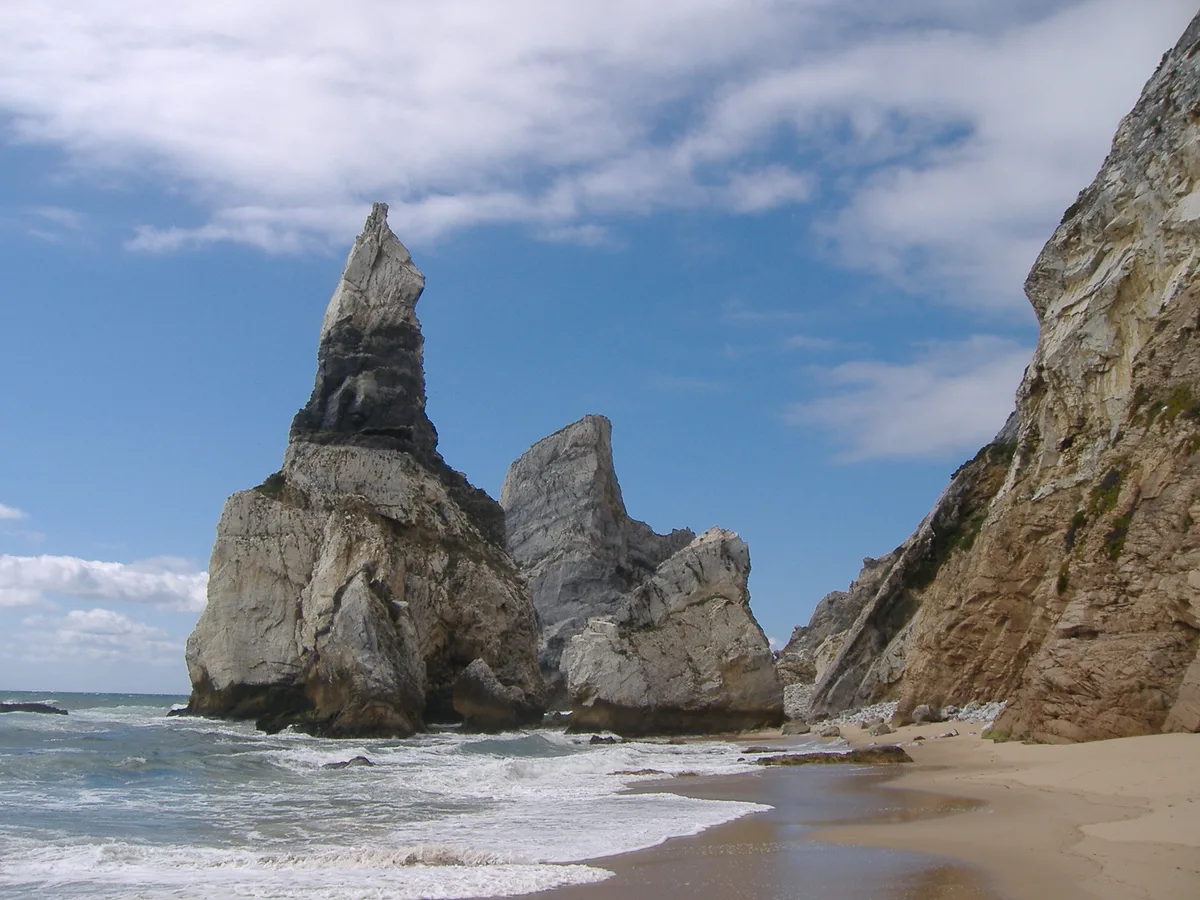
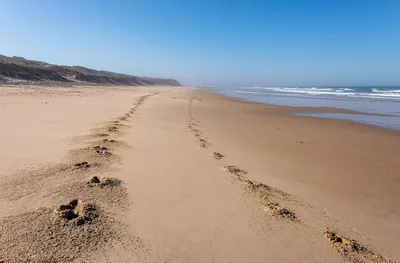
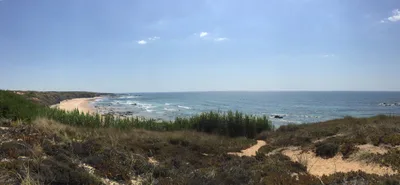
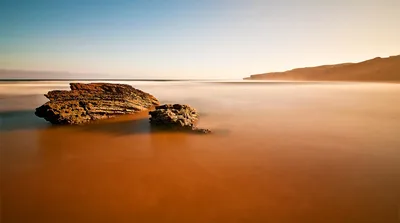
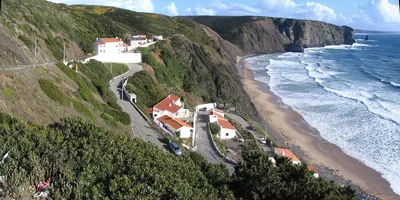
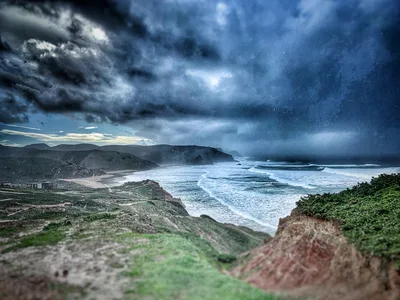
Praia da Ursa sits on Portugal's Lisbon Coast, a raw strip of golden sand backed by dramatic Atlantic cliffs and punctuated by towering sea stacks rising from deep blue water. The vibe is uncompromisingly wild — no facilities, no vendors, no easy way in. Geology is the main event here: the rock formations are extraordinary, sculpted by centuries of ocean force. It's the kind of place photographers plan trips around and hikers earn with their legs. The blue Atlantic stretches unbroken to the horizon, and on a clear day the light on those golden sands is something else entirely.
How to get there
Praia da Ursa has no road access — reach it by ferry only. Transtejo Soflusa operates services including a 25-minute crossing from Belém to Trafaria; additional crossings run at approximately 12–13 minutes depending on the route. From the ferry landing, a hike-in trail leads to the beach itself, so wear proper footwear and plan your return before the last sailing. There is no parking on the beach side — none exists.
Who it's for
For couples
The isolation and raw scenery make Ursa a genuinely memorable day out for couples who are comfortable with a ferry crossing and a serious hike — pack a picnic, bring a camera, and expect to have the golden sand largely to yourselves outside peak summer months.
For families
Ursa is not well-suited to young children — the hike-in is steep, there are no facilities whatsoever, and the water is not safe for swimming. Families with older, confident hikers who can manage the trail and respect the cliff edge will find the geology and scenery rewarding.
Our take
Let's be direct: do not swim at Praia da Ursa. The Atlantic here is powerful and the currents are dangerous — the beauty of this place is meant to be seen, not entered. That said, what you see is genuinely extraordinary: golden sand, monolithic sea stacks, blue ocean, and cliffs that feel like the edge of the world. Getting here requires a Transtejo Soflusa ferry and a real hike, which filters out anyone not serious about the journey. That effort is exactly why the beach retains its wild character. Come for the geology, the photography, and the solitude — not for a swim.
What to do
Cabo da Roca, the westernmost point of continental Europe, is just 0.9 km away and worth every step — the clifftop views back toward Ursa are spectacular. The Miradouro do Fojo da Adraga at 1.2 km offers another elevated vantage point over this stretch of coastline. The Fojo da Adraga itself, also 1.2 km out, rounds out a solid half-day of coastal exploration before you catch your ferry back.
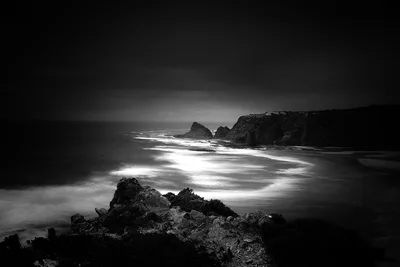
The sea stacks are the undisputed hero shot — frame them from the golden sand with the deep blue Atlantic behind for maximum impact.
The clifftop approach trail also offers elevated angles looking down onto the beach that capture the full scale of the landscape. Early morning light is the most photogenic window before haze builds over the water.
Where to eat
Restaurante Adraga, 1.5 km from the beach, is the closest option and serves Portuguese cuisine — a solid post-hike reward. Refúgio da Roca at 1.9 km and Coelho at 2.4 km are further alternatives if you're exploring the area. Bring everything you need to the beach itself — there are zero on-site facilities.
Where to stay
No accommodation is listed in the immediate beach area. The nearest town is Colares, which sits within the same commune and serves as the practical base for visiting Ursa.
Photography
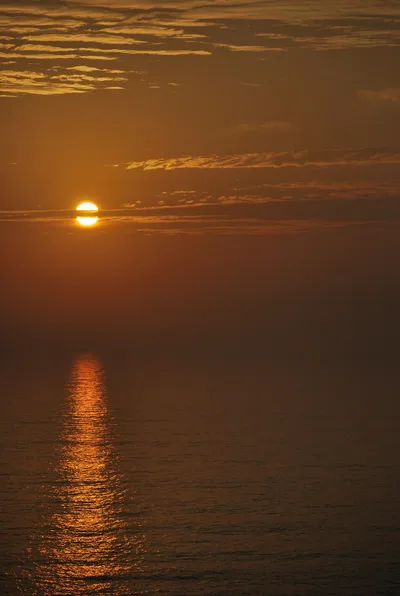
Arrive in the early morning when low-angle light rakes across the golden sand and throws the sea stacks into sharp relief — the contrast against the deep blue Atlantic is at its best then. The sea stacks themselves are the primary subject; shoot from the waterline (safely, away from the surf) looking back toward the cliffs for the most dramatic compositions.
Good to know
The hike-in trail is steep and uneven; sturdy shoes are non-negotiable and the descent can be slippery after rain. The Atlantic swell here is powerful and unpredictable — do not enter the water. Sneaker waves and strong currents make this coastline genuinely dangerous, and the isolated location means emergency response is slow. Check Transtejo Soflusa's timetable before you go and never miss the last ferry — there is no other way out.
GAMES
🕹️ Five minutes of sand?
Three daily games — including the UV simulator set to this beach.
Map
Nearby places
Restaurante Adraga
Refúgio da Roca
Coelho
Moinho Dom Quixote
Roulote da Gigi
GIFT
🎁 Gift this beach
Its exact coastline, your date, your words — on a print or a PDF you print yourself.
Ursa Beach
THAT DAY
Ursa Beach, Portuguese Atlantic
© OpenStreetMap contributors
Clean & decorative, or “That day” with the real sky of your date.
Shipping included 3-6 business days
A question before you order? Contact us
Delivered within minutes on the confirmation page and by email: a ZIP with all 4 print sizes (30×40 cm, 12×16″, 50×70 cm, 18×24″), each as a high-resolution PDF and PNG (300 dpi), plus a screen version. Print at home or at any print shop.
Please complete the delivery address.
Please accept the Terms of Sale.
Almost there — the shop opens very soon.
Secure payment · Printed locally in 30+ countries · 7 languages
Frequently asked
The information on this page is provided for guidance only and may evolve. Access conditions, safety and infrastructure can change without notice. Always check official sources before traveling.
Nearest beaches
Other wild beaches in Portugal
More beaches in Portuguese Atlantic
Reviews of this beach
- No reviews yet, what a shame — leave yours and share your experience.
Photo credits
Sources and licenses for the photos shown above.
- Photo 1 — Nuno Miguel Valente · source · CC BY 3.0
- Photo 2 — MiguelBolacha · source · CC BY-SA 4.0
- Photo 3 — Mister No · source · CC BY 3.0
- Photo 4 — Giuseppe Milo from Lisbon, Portugal · source · CC BY 2.0
- Photo 5 — Giuseppe Milo from Lisbon, Portugal · source · CC BY 2.0
- Photo 6 — hhgygy · source · CC BY-SA 3.0