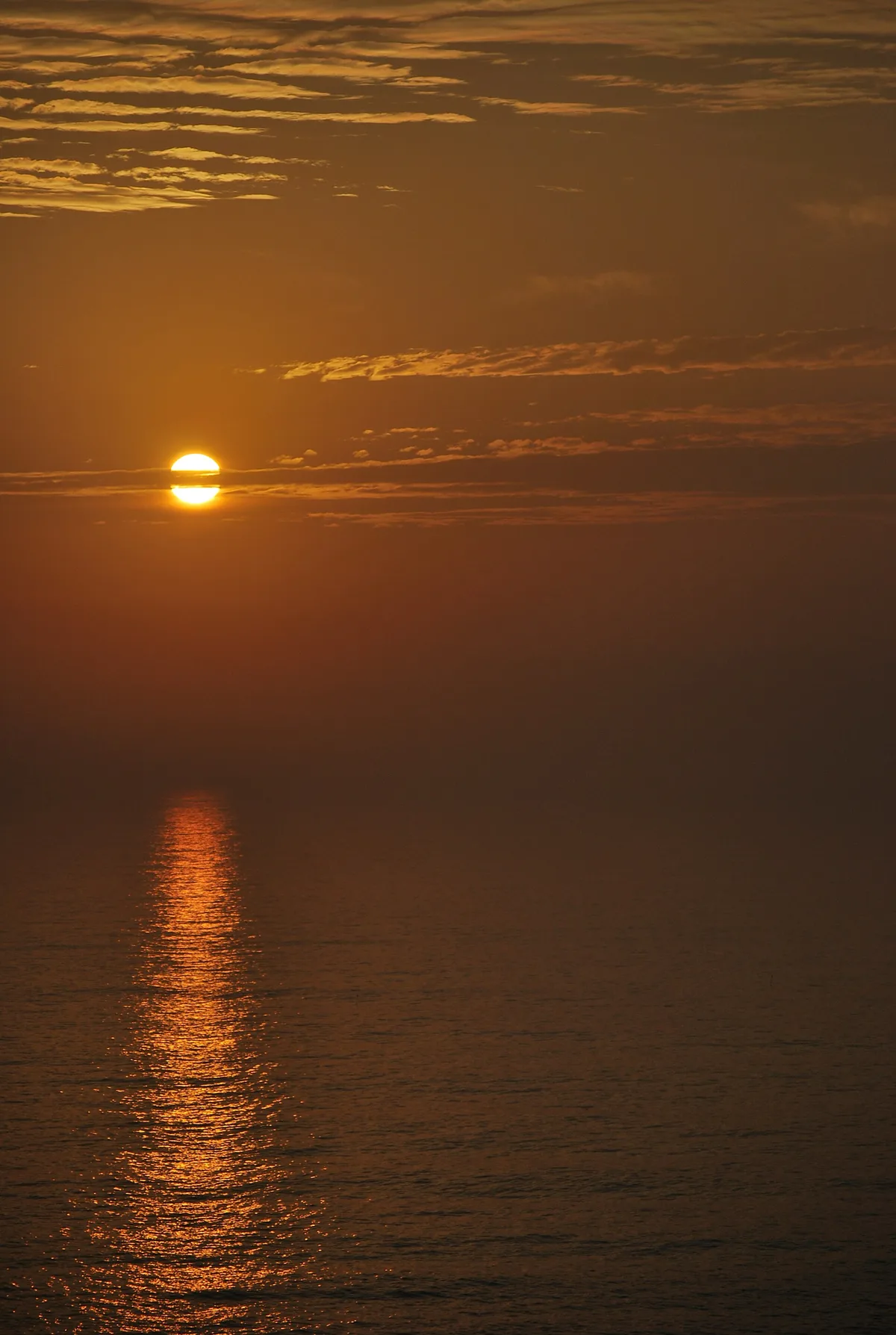
Brejão BeachPortugal Beach Guide
Wild Atlantic break where the heath meets the sea
About
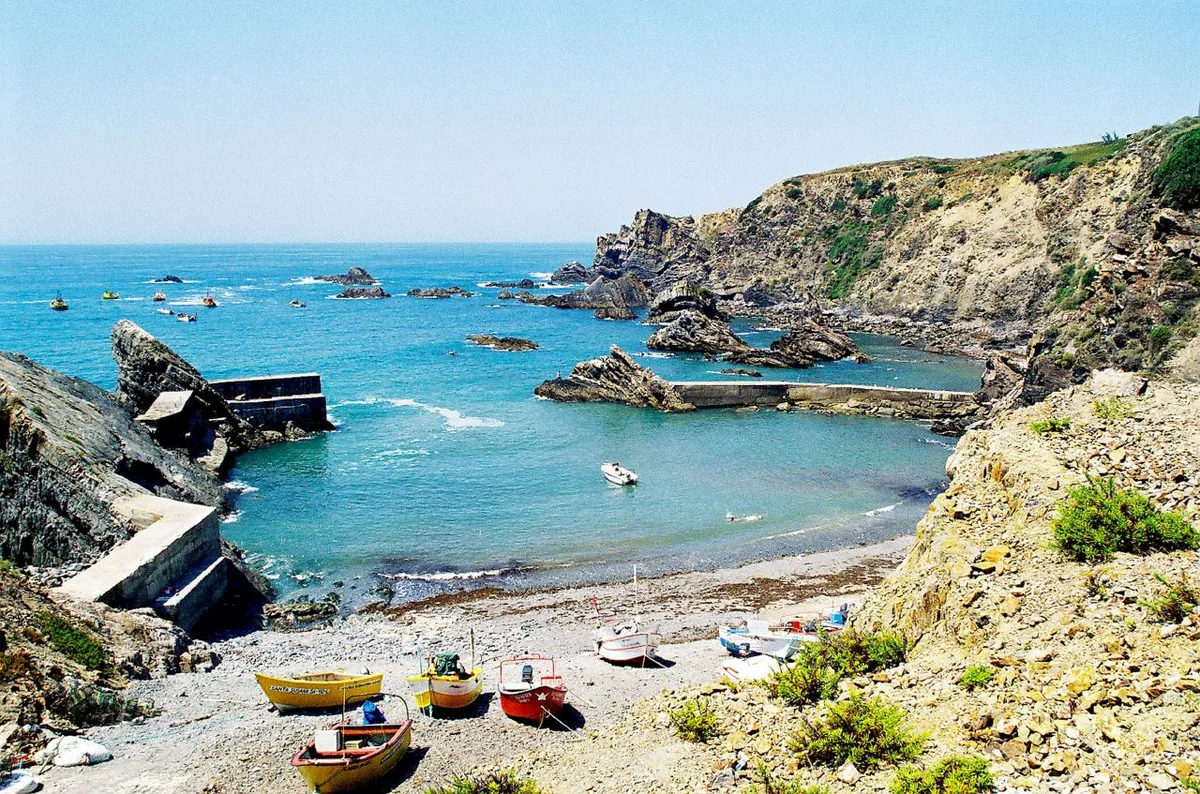
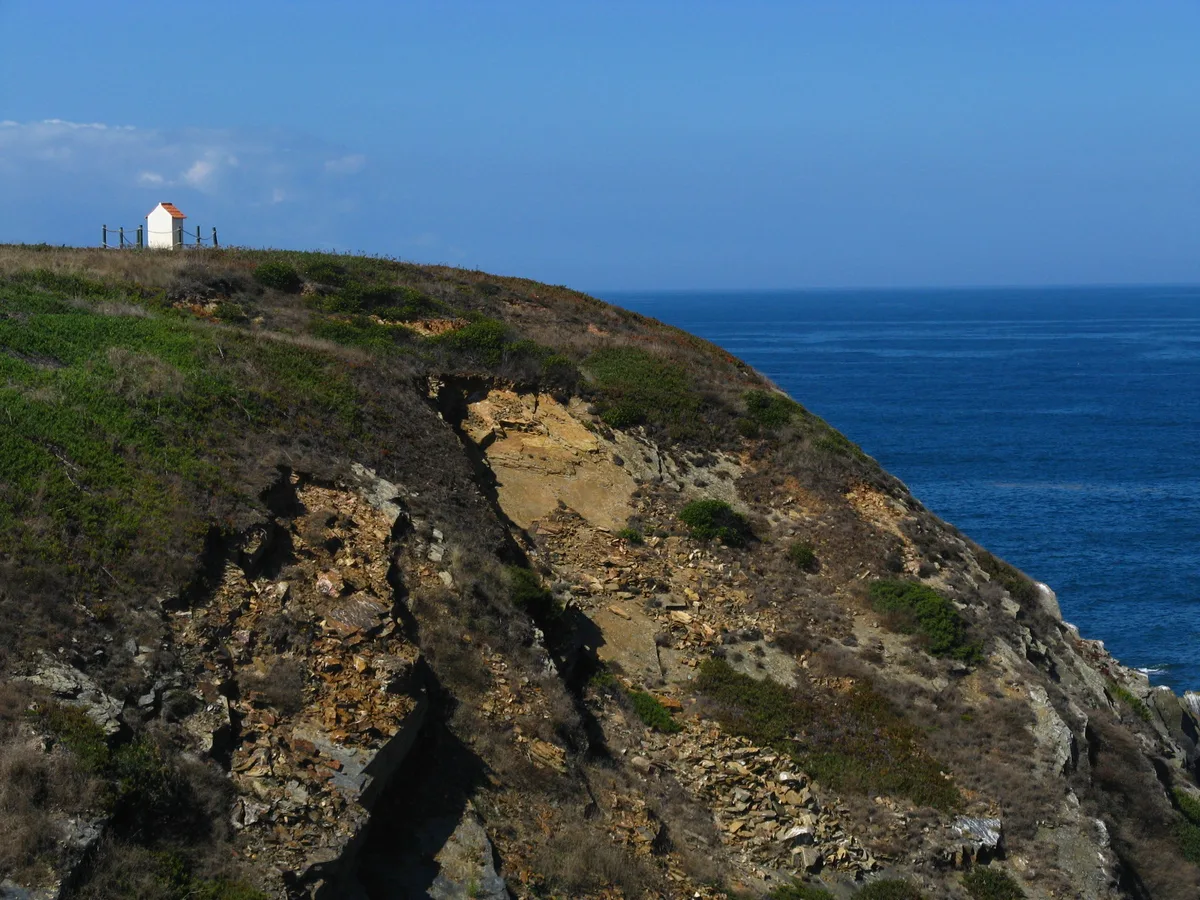
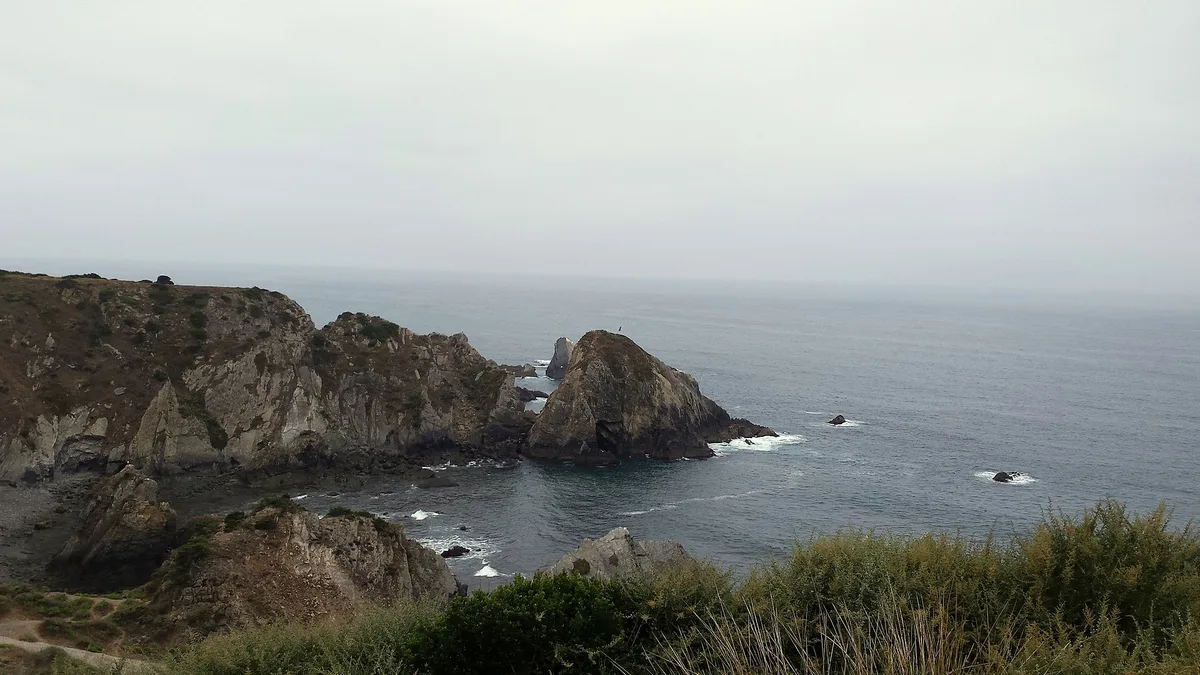
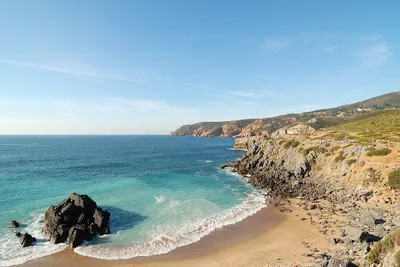
Praia de Brejão stretches roughly 1,800 metres of golden sand along the Alentejo Coast in Odemira, backed by a dramatic heath plateau that rolls to the cliff edge. The blue Atlantic arrives here with full open-ocean force — consistent beach-break waves peel across the bay while the cliff walls frame a landscape that feels genuinely remote. Access is via a steep cliff path, so the beach stays quiet even when the rest of Portugal is packed. No facilities exist on the sand itself: no showers, no snack bars, nothing but the wind, the waves, and the plateau above. It sits entirely within the Parque Natural do Sudoeste Alentejano e Costa Vicentina (PNSACV), and that protection is exactly why it looks the way it does.
How to get there
From the hamlet of Brejão, follow the local road to the cliff-top car park — unpaved and free, roughly a five-minute drive. From there, a steep cliff path descends to the beach; allow your footing and your knees a moment to adjust. Walkers on the Rota Vicentina coastal path reach the same point in about 30 minutes on foot. The descent is not wheelchair accessible, and there is no entry fee.
Who it's for
For couples
The steep descent and lack of facilities filter out casual visitors, so couples who make the effort get long stretches of golden sand largely to themselves — bring a picnic and stay until the light turns.
For families
The steep cliff path, strong rip currents along the cliff base, and complete absence of facilities make this a difficult choice for young children or non-swimmers; families comfortable with active access and older kids who understand Atlantic surf conditions will find it rewarding, but it demands preparation.
Our take
Be clear-eyed before you go: the rip currents along the cliff base at Praia de Brejão are a real hazard, and outside peak season there is no lifeguard and no safety infrastructure whatsoever. That said, for surfers and walkers who know what they're doing, this is one of the most unspoiled stretches of Atlantic coast in Portugal. The PNSACV protection has kept it exactly as wild as the facts suggest — golden sand, blue open ocean, a heath plateau for a backdrop, and almost nobody else there. No facilities means you carry in and carry out everything; treat that as a feature, not a flaw. Come between June and September, check the swell forecast, respect the flags if they're posted, and stay well clear of the cliff base in the water. Worth the detour — but only if you arrive prepared.
What to do
The Rota Vicentina coastal path passes directly above the beach, offering some of the most dramatic cliff-top walking on the Portuguese Atlantic coast. A short drive of 1.9 km brings you to Miradouro da Maravilha, a viewpoint worth stopping at before or after your beach visit. Praia de Odeceixe, the iconic river-mouth beach at the Algarve-Alentejo border, is only 5 km away and makes a natural second stop on the same day. The wider Parque Natural do Sudoeste Alentejano e Costa Vicentina surrounds the entire area, and wildlife watching around the park is available roughly 4.4 km from the beach.
The cliff-top car park gives you an elevated wide shot of the full golden beach arc with the heath plateau as a natural frame — arrive early before the Atlantic haze builds.
On the sand, position yourself at the base of the cliff walls looking south to capture the blue ocean filling the background behind the breaking waves.
Where to eat
There are zero food or drink options on the beach itself — pack everything you need before you descend the cliff. Dorita, a Portuguese seafood restaurant, and Bar da Praia are both about 1.9 km away and are your closest bets for a meal. For fish, Assomar is 3 km out; Restaurante A Tasca sits at 3.5 km if you want something more traditional.
Where to stay
The nearest options are a short drive inland: Hotel Amaria is 4.5 km from the beach, while Vida Pura is 6.1 km out. Teima SW, Miramar, and Alojamento Sudoeste are all within 8 km if you prefer a bit more distance from the coast.
Photography
Shoot from the cliff-top car park at golden hour for the full sweep of golden sand against blue Atlantic — the heath plateau in the foreground gives the frame real depth. Down on the beach, the cliff walls at either end create natural compression shots; morning light hits the southern face cleanest before the wind picks up.
Good to know
Praia de Brejão is a PNSACV protected area: camping and fires are strictly prohibited — no exceptions. Strong rip currents run along the cliff base; if a lifeguard is present and flags are posted, swim only between them, and do not enter the water outside flagged zones. No lifeguard is stationed here outside peak season, and strong Atlantic swells are common year-round — treat the water with respect, not confidence. Avoid visiting in November through February when heavy swells and rip currents combine with zero facilities and fully exposed conditions to make the beach genuinely hazardous.
GAMES
🕹️ Five minutes of sand?
Three daily games — including the UV simulator set to this beach.
Map
Nearby places
Dorita
Bar da Praia
Assomar
Restaurante A Tasca
Pizzeria Dale Monello
Hotel Amaria
Vida Pura
Teima SW
Miramar
Alojamento Sudoeste
Praia de Odeceixe
Rota Vicentina
Parque Natural do Sudoeste Alentejano e Costa Vicentina
Things to see around Odemira
Praia de Odeceixe
Iconic river-mouth beach at the Algarve/Alentejo border.
Rota Vicentina
Long-distance coastal hiking trail passing above the beach.
Parque Natural do Sudoeste Alentejano e Costa Vicentina
Protected coastal park encompassing the beach and plateau.
GIFT
🎁 Gift this beach
Its exact coastline, your date, your words — on a print or a PDF you print yourself.
Brejão Beach
THAT DAY
Brejão Beach, Alentejo Coast
© OpenStreetMap contributors
Clean & decorative, or “That day” with the real sky of your date.
Shipping included 3-6 business days
A question before you order? Contact us
Delivered within minutes on the confirmation page and by email: a ZIP with all 4 print sizes (30×40 cm, 12×16″, 50×70 cm, 18×24″), each as a high-resolution PDF and PNG (300 dpi), plus a screen version. Print at home or at any print shop.
Please complete the delivery address.
Please accept the Terms of Sale.
Almost there — the shop opens very soon.
Secure payment · Printed locally in 30+ countries · 7 languages
Frequently asked
The information on this page is provided for guidance only and may evolve. Access conditions, safety and infrastructure can change without notice. Always check official sources before traveling.
Nearest beaches
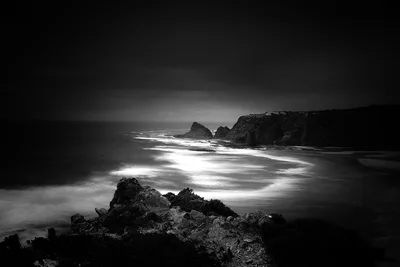
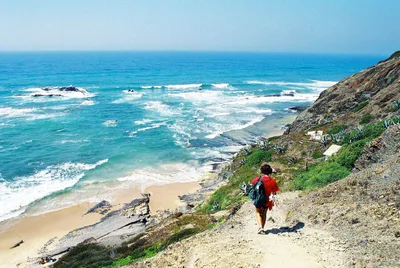
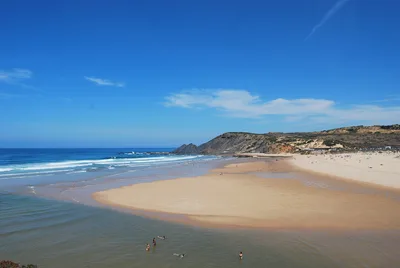
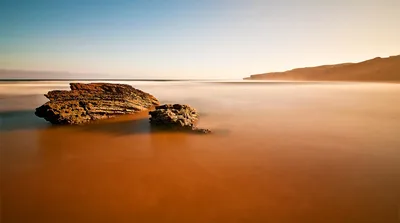
Other wild beaches in Portugal
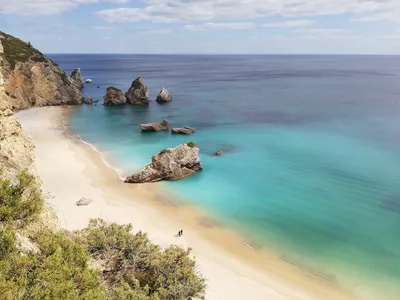
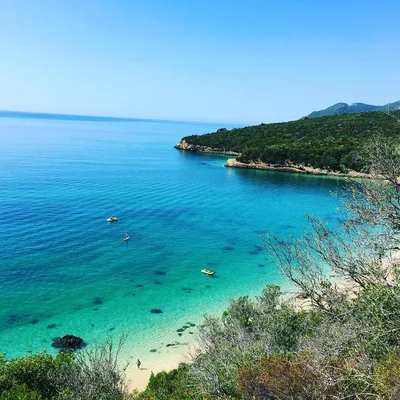
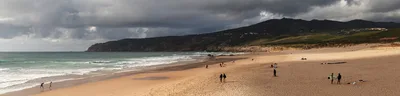
Reviews of this beach
- No reviews yet, what a shame — leave yours and share your experience.
Photo credits
Sources and licenses for the photos shown above.
- Photo 1 — Tiago J · source · CC BY 2.0
- Photo 2 — Vitor Oliveira from Torres Vedras, PORTUGAL · source · CC BY-SA 2.0
- Photo 3 — Flickr.Whisker from France · source · CC BY-SA 2.0
- Photo 4 — Belarmino Ribeiro · source · CC BY 3.0