Mutton Bird BeachAustralia Beach Guide
Wild headland beach where petrels rule the dusk
About
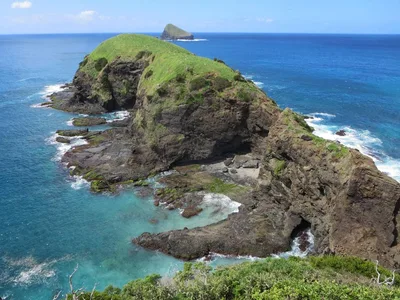
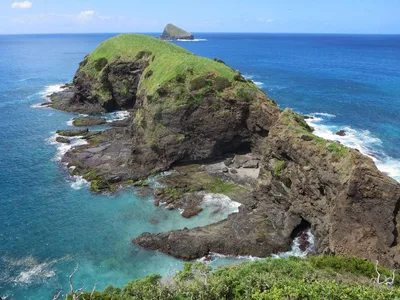
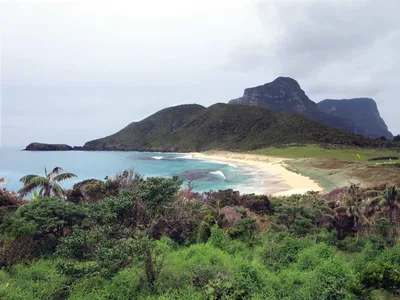
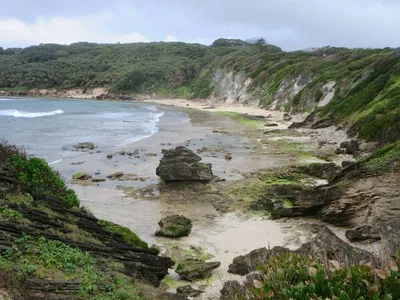
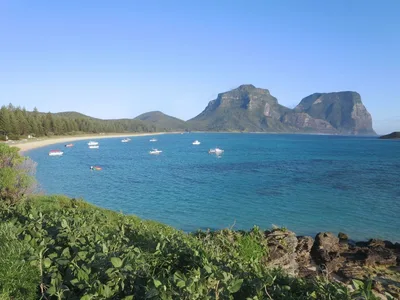
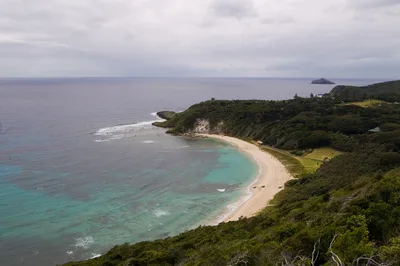
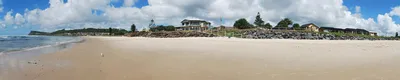
Mutton Bird Beach sits on the south-east coast of Lord Howe Island, a remote Australian Pacific island exposed to the full force of the open Pacific. The beach is a short but wild strip of golden sand backed by the dramatic Mutton Bird Point headland, with deep blue ocean stretching unbroken toward the horizon. What makes this place extraordinary isn't the swimming — it's the spectacle: Providence petrel burrows honeycomb the surrounding cliffs, and at dusk during nesting season the sky fills with returning birds in numbers that stop you mid-sentence. Access is only possible at low tide, which keeps visitor numbers near zero and the atmosphere genuinely raw. This is a place defined by wildlife, wind, and the particular silence of somewhere very few people reach.
How to get there
There is no road access and no parking of any kind — Lord Howe Island has no car park serving this beach. You reach Mutton Bird Beach entirely on foot via the south-east coast track from the island settlement, a hike that takes roughly 50 minutes each way. The final approach involves a scramble around the headland and is only passable at low tide and in calm sea conditions — check tides before you leave. Lord Howe Island Airport (LDH) is approximately 3km from the settlement, and the island itself is reached by air from the Australian mainland.
Who it's for
For couples
For couples who share a serious interest in wildlife and remote places, the dusk petrel return during nesting season (May–November) is a genuinely rare shared experience — the kind that doesn't require a filter or a caption to mean something.
For families
Mutton Bird Beach is not suitable for families with young children: the 50-minute hike involves a tidal scramble around a headland, swimming is dangerous, and there are no facilities of any kind. Older children with strong hiking experience and a real interest in birdwatching may find the petrel spectacle worthwhile, but the access difficulty and safety conditions demand honest assessment before you commit.
Our take
Do not come here to swim, and do not come outside the May–November nesting season unless the hike itself is your only goal. The beach's entire reason for existing, from a visitor's perspective, is the Providence petrel — the burrows, the return flights at dusk, the sheer improbability of this wildlife spectacle on a remote Pacific island. The low-tide-only access, the 50-minute hike, the no-mobile-coverage warning, the scramble around the headland — none of this is designed to be convenient, and that's precisely why the place remains empty. If you time it right, arrive at low tide, carry an emergency beacon, and stay well clear of the burrows, you'll witness something that most travellers to Australia never come close to seeing. If you're looking for a beach to relax on, Blinky Beach is 1km away. This one demands respect and preparation in equal measure.
What to do
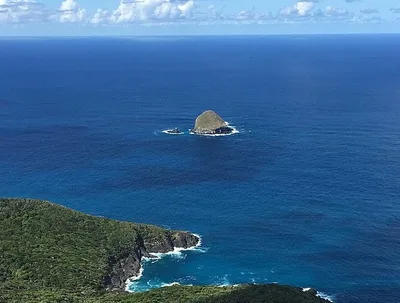
The Mutton Bird Point Viewing Platform, just 1.6km away, offers an elevated vantage point over the headland and is worth combining with your visit. The Blowhole is another natural feature within 1.5km along the south-east coast, worth a detour on the same walk. Ball's Pyramid — the world's tallest sea stack — is visible from the south-east coast on clear days, rising from the blue ocean some 23km offshore. The entire area falls within the Lord Howe Island Permanent Park Preserve, a UNESCO-listed protected zone, so the landscape around you carries genuine conservation weight.
The Mutton Bird Point headland framing the golden sand against deep blue open ocean is the defining wide shot — best in morning light during the nesting season months.
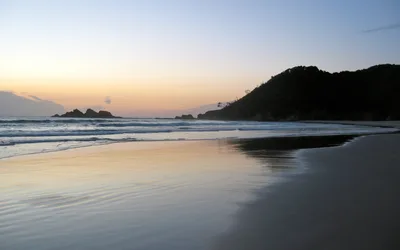
At dusk from May to November, the returning Providence petrels above the cliff line create a wildlife scene that is genuinely difficult to find anywhere else on earth; keep your distance from the burrows and shoot with a long lens.
Where to eat
There are no food or drink facilities at or near Mutton Bird Beach — bring everything you need from the settlement before you set out. The Airport Kiosk, approximately 2.7km from the beach, is the nearest option for a coffee or snack on the island.
Where to stay
Waimarie Apartments, rated 5 out of 5 across 12 reviews and located around 3km from the beach, is the closest accommodation option on Lord Howe Island. Given the island's small scale, staying here puts you within easy walking distance of the settlement and the trailhead for the south-east coast track.
Photography
The most compelling shots come at dusk during nesting season (May–November), when Providence petrels return to their burrows in large numbers against the Mutton Bird Point headland — position yourself below the cliff line and shoot into the fading light over the golden sand. The view south-east from the beach, with Ball's Pyramid visible on the horizon above deep blue open ocean, is the classic wide landscape frame and works best in the clear morning light of the nesting season months.
Good to know
Access is strictly low-tide only — arriving at the wrong tidal window means you cannot round the headland and must turn back. During petrel nesting season (May–November), stay below the cliff line at all times and do not approach or disturb burrows; this is a firm rule within the Lord Howe Island Permanent Park Preserve. Swimming here is dangerous: the south-east exposure leaves the beach completely unprotected, and you should not enter the water. There is no mobile coverage on this stretch of coast — carry a personal emergency beacon, and tell someone your intended return time before you set out. No camping is permitted.
GAMES
🕹️ Five minutes of sand?
Three daily games — including the UV simulator set to this beach.
Map
Nearby places
Waimarie Apartments
Things to see around Lord Howe Island
Lord Howe Island Permanent Park Preserve
UNESCO-listed park; the south-east coast is within the protected area.
Blinky Beach
The island's only surf beach, nearby on the south-east coast.
Ball's Pyramid
World's tallest sea stack, visible from the south-east coast.
GIFT
🎁 Gift this beach
Its exact coastline, your date, your words — on a print or a PDF you print yourself.
Mutton Bird Beach
THAT DAY
Mutton Bird Beach, Australian Pacific Islands
© OpenStreetMap contributors
Clean & decorative, or “That day” with the real sky of your date.
Shipping included 3-6 business days
A question before you order? Contact us
Delivered within minutes on the confirmation page and by email: a ZIP with all 4 print sizes (30×40 cm, 12×16″, 50×70 cm, 18×24″), each as a high-resolution PDF and PNG (300 dpi), plus a screen version. Print at home or at any print shop.
Please complete the delivery address.
Please accept the Terms of Sale.
Almost there — the shop opens very soon.
Secure payment · Printed locally in 30+ countries · 7 languages
Frequently asked
The information on this page is provided for guidance only and may evolve. Access conditions, safety and infrastructure can change without notice. Always check official sources before traveling.
Nearest beaches
Other wild beaches in Australia
Reviews of this beach
- No reviews yet, what a shame — leave yours and share your experience.