Fingal Head BeachAustralia Beach Guide
Basalt columns, a lighthouse, and zero tourist fuss
About
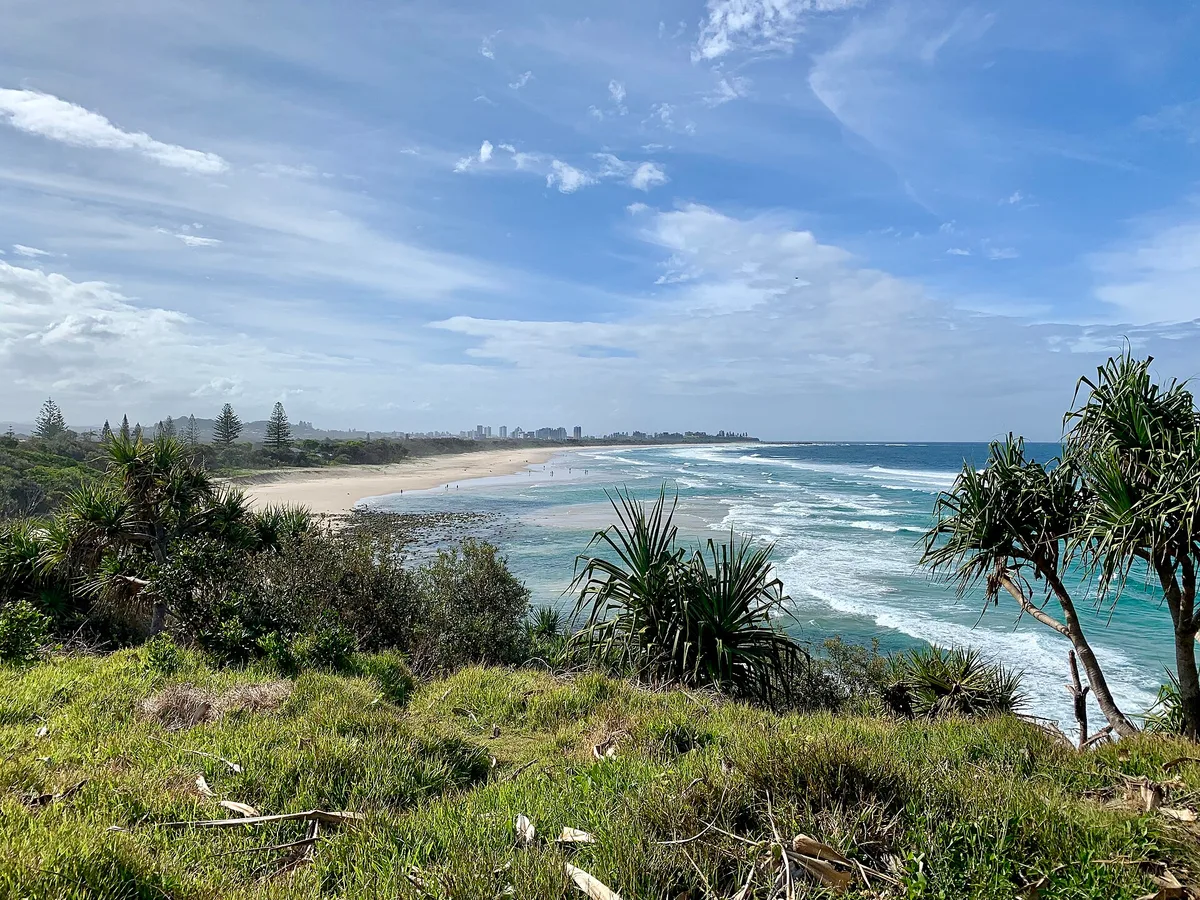
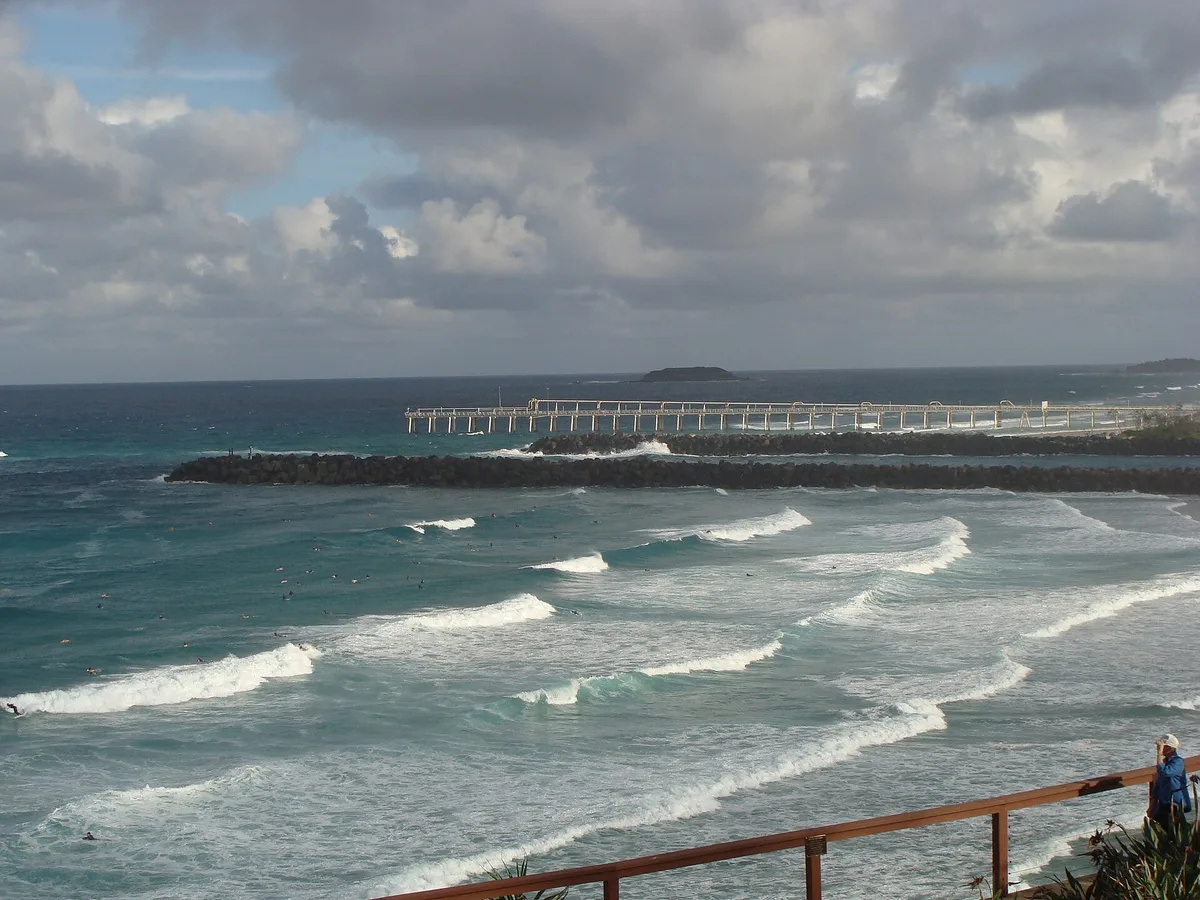
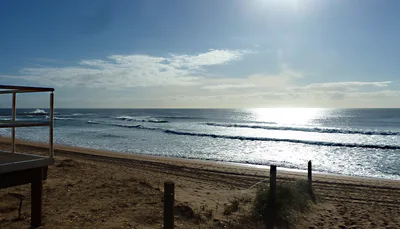
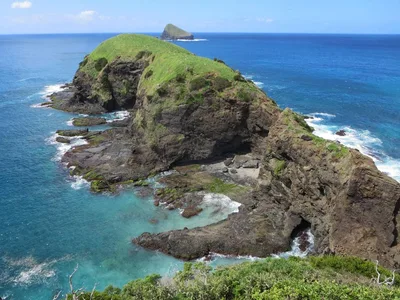
Fingal Head Beach sits at the southern edge of the Gold Coast, where Queensland meets New South Wales near the mouth of the Tweed River. The beach stretches roughly 1.6 kilometres of golden sand backed by a wild, undeveloped headland — no kiosks, no patrolled flags, no infrastructure. What sets it apart is the hexagonal basalt column causeway, a geological rarity on Australia's east coast, jutting into the blue ocean like a natural cobblestone road. The 1872 Fingal Head Lighthouse watches over the headland from just above, adding a layer of history to the raw coastal scenery. It's the kind of place that feels genuinely off the tourist map, even though it's only 15 minutes from Coolangatta.
How to get there
Drive from Coolangatta — it's about 15 minutes by car, daily. A small free car park sits near the lighthouse; from there it's a short walk down to the basalt causeway and beach. There's no entry fee. Access is rated moderate: the sand approach is relatively flat, but the basalt causeway itself involves uneven, rocky terrain.
Who it's for
For couples
The combination of the historic lighthouse, the geological causeway, and the reliably empty beach makes this a genuinely quiet escape for two — bring a picnic, walk the headland at dusk, and you'll likely have the whole place to yourselves.
For families
Families with older children who are curious about geology and history will get a lot from the basalt columns and the 1872 lighthouse, but note there is no lifeguard patrol and rip currents are present — young children should stay well clear of the open water and the slippery rocks.
Our take
Rip currents are present on the open beach section and there is no lifeguard patrol — do not swim here unless you are a strong, experienced ocean swimmer who has assessed conditions on the day. That safety note stated clearly: Fingal Head is one of the most geologically interesting beaches on the Australian east coast, and it costs nothing to visit. The hexagonal basalt columns are a rare formation, the 1872 lighthouse is in excellent condition, and the beach itself is almost always empty. It's only 15 minutes from Coolangatta, yet it feels like a different world. Avoid December and January if you can — jellyfish stinger season and summer swell reduce causeway access. Come in autumn or late summer, wear solid footwear, leave the rocks where they are, and you'll have one of the Gold Coast region's most unusual beaches almost entirely to yourself.
What to do
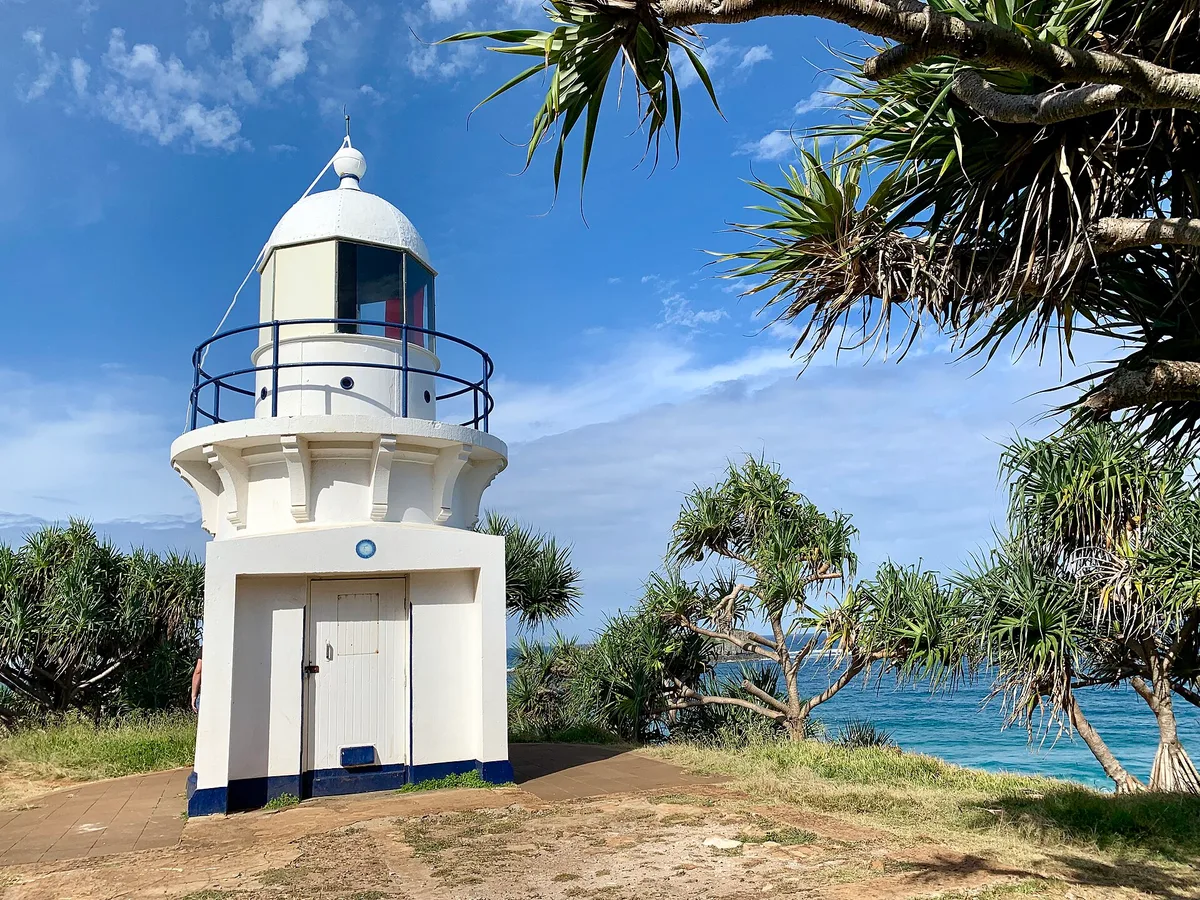
The Fingal Head Lighthouse, built in 1872 and listed on the NSW State Heritage Register, is just 500 metres from the beach and worth the short walk up the headland. From the headland you get clear views over the Tweed River mouth and its sandbar system — a natural spectacle in its own right. A short drive away, Tom Beatson Lookout (3km) and Razorback Hill (3.1km) offer elevated coastal perspectives, and Seafaris (2.3km) runs marine tours if you want to get on the water with a guide.
The hexagonal basalt causeway is the standout shot — get low at mid-tide to capture the geometric columns receding toward the open blue ocean.
The Fingal Head Lighthouse framed against the headland from the beach below is a classic heritage composition, best in morning light. For a wider landscape frame, the Tweed River mouth viewed from the headland puts the golden sand, blue water, and lighthouse all in one shot.
Where to eat
There's no food on the beach itself, so eat before you arrive or bring your own. Sway Thai Fusion & Bar (2.1km) and Thai Tanee Cuisine (2.9km) are the closest sit-down options, both serving Thai food a short drive away. For a casual stop near the area, Sheoak Shack Gallery Cafe is just 1.1km away and is laptop-friendly if you need a coffee before or after your visit.
Where to stay
The Bay Apartments (3.3km) is the closest place to stay and suits those who want to be near the headland without driving far. Kingscliff Beach Hotel (7.2km) offers a more traditional hotel experience a little further up the coast. For something more resort-style, Santai is 11.5km away.
Photography
The hexagonal basalt columns photograph best in the early morning when low-angle light catches the geometric texture and the lighthouse sits cleanly against the sky behind them. At golden hour, the blue ocean contrasts sharply with the golden sand and dark basalt — shoot from the causeway looking back toward the headland for the strongest composition.
Good to know
No alcohol and no glass containers are permitted on the beach — pack accordingly. Do not remove basalt rocks; the geological formation is irreplaceable and removal is prohibited. The basalt columns become seriously slippery at high tide, so wear appropriate closed-toe footwear if you plan to walk the causeway. There is no lifeguard patrol here, and rip currents are present on the open beach section — swim with extreme caution and check conditions before entering the water.
GAMES
🕹️ Five minutes of sand?
Three daily games — including the UV simulator set to this beach.
Map
Nearby places
Sway Thai Fusion & Bar
Michael's Kitchen
Thai Tanee Cuisine
Supranee’s Pork Crackling
Be Thai
Things to see around Fingal Head
Fingal Head Lighthouse
Historic lighthouse built in 1872 on the basalt headland, listed on the NSW State Heritage Register.
Tweed River mouth
The Tweed River mouth and its sand bar system, visible from the headland.
Coolangatta Beach
Sheltered south-facing bay with calm water and surf-town atmosphere.
GIFT
🎁 Gift this beach
Its exact coastline, your date, your words — on a print or a PDF you print yourself.
Fingal Head Beach
THAT DAY
Fingal Head Beach, Australian East Coast
© OpenStreetMap contributors
Clean & decorative, or “That day” with the real sky of your date.
Shipping included 3-6 business days
A question before you order? Contact us
Delivered within minutes on the confirmation page and by email: a ZIP with all 4 print sizes (30×40 cm, 12×16″, 50×70 cm, 18×24″), each as a high-resolution PDF and PNG (300 dpi), plus a screen version. Print at home or at any print shop.
Please complete the delivery address.
Please accept the Terms of Sale.
Almost there — the shop opens very soon.
Secure payment · Printed locally in 30+ countries · 7 languages
Frequently asked
The information on this page is provided for guidance only and may evolve. Access conditions, safety and infrastructure can change without notice. Always check official sources before traveling.
Nearest beaches
Other wild beaches in Australia
Reviews of this beach
- No reviews yet, what a shame — leave yours and share your experience.
Photo credits
Sources and licenses for the photos shown above.
- Photo 1 — Kgbo · source · CC BY-SA 4.0
- Photo 2 — Kgbo · source · CC BY-SA 4.0
- Photo 3 — mikecogh · source · CC BY-SA 2.0
- Photo 4 — minuseleven · source · CC BY 2.0
- Photo 5 — GrieSeb · source · Public Domain