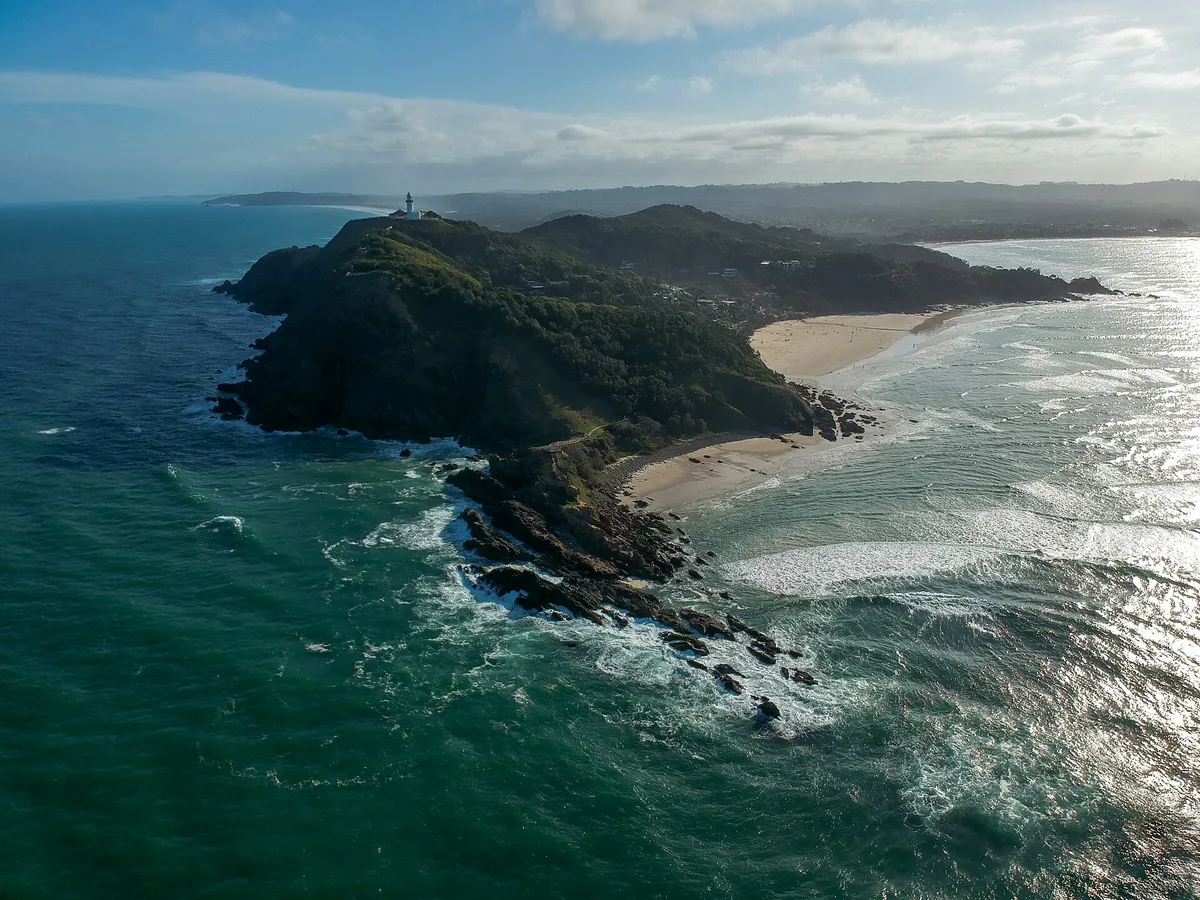
Little Wategos Beach
Australia's easternmost cove — wild, reef-fringed, walk-in only
About
Little Wategos Beach is a compact, rocky cove tucked beneath Cape Byron Headland, where the Australian mainland meets the Pacific Ocean at its most easterly point. The beach is mixed sand and stone, and the water runs crystal clear over reef — the kind of clarity that makes snorkelling feel effortless on a calm day. At roughly 80 metres long, it's intimate by design: no facilities, no shade, no lifeguard, just raw coastal headland and the occasional pod of dolphins passing close to shore. The vibe is genuinely wild — you earn this one on foot, and the solitude is the reward. Swell rolls in uninterrupted from the open ocean, so conditions shift fast.
How to get there
Little Wategos is walk-in only — there is no road access to the beach itself. From Wategos Beach, follow the Cape Byron walking track for approximately 15 minutes along the rocky coastal path to reach the cove. Park at either the Wategos Beach car park (paid, up to $5/hour) or the Cape Byron Lighthouse precinct car park (paid, up to $10/hour) and continue on foot. The track is rocky and uneven; it is not suitable for wheelchairs or prams.
Who it's for
For couples
The 15-minute walk in filters out casual visitors, so couples who make the effort often have the cove largely to themselves — bring a picnic, find a flat rock, and watch for dolphins from the headland.
For families
Little Wategos is not well-suited to young families: the rocky walk-in track is uneven, there is no shade or facilities, strong currents and sharks are documented hazards, and dogs are prohibited. Wategos Beach, just 500 metres back along the track, is a far safer and more comfortable option for children.
Our take
Feet in the sand, eyes on the screen
Be honest with yourself before you go: Little Wategos is not a beach you drift into. Strong currents and the risk of sharks are documented here, and swell can cut off the access rocks at high tide — these are not marketing disclaimers, they are real hazards that demand respect. Check conditions before you enter the water, and if anything looks off, don't go in. That said, for those who go prepared, this 80-metre cove at the easternmost tip of mainland Australia is genuinely unlike anywhere else on the coast — crystal-clear water, reef snorkelling, dolphins close to shore, and a quiet that most of Byron Bay has long since lost. Skip it in winter. Go at sunrise in January or February. Walk slowly on the way back up — the lighthouse view from the track earns its own moment.
What to do
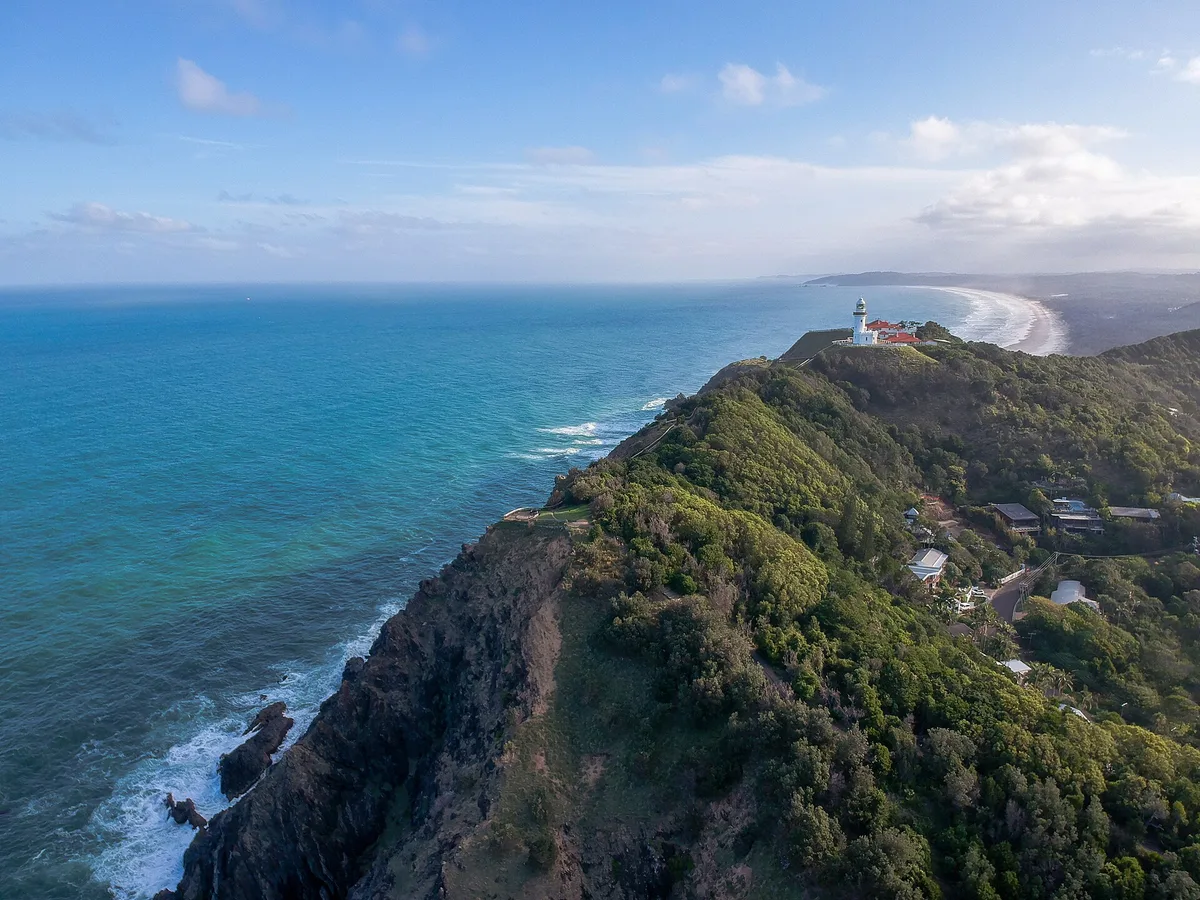
The beach sits just 300 metres from the Easternmost Point of the Australian mainland — a landmark worth pausing at on your walk in or out. Continue up the track another 200 metres and you reach Cape Byron Lighthouse, Australia's most easterly lighthouse, with sweeping views back over the cove and out to sea. The Cape Byron State Conservation Area surrounding the beach offers year-round dolphin and whale sightings, and the reef just offshore makes snorkelling the main draw on calmer days.
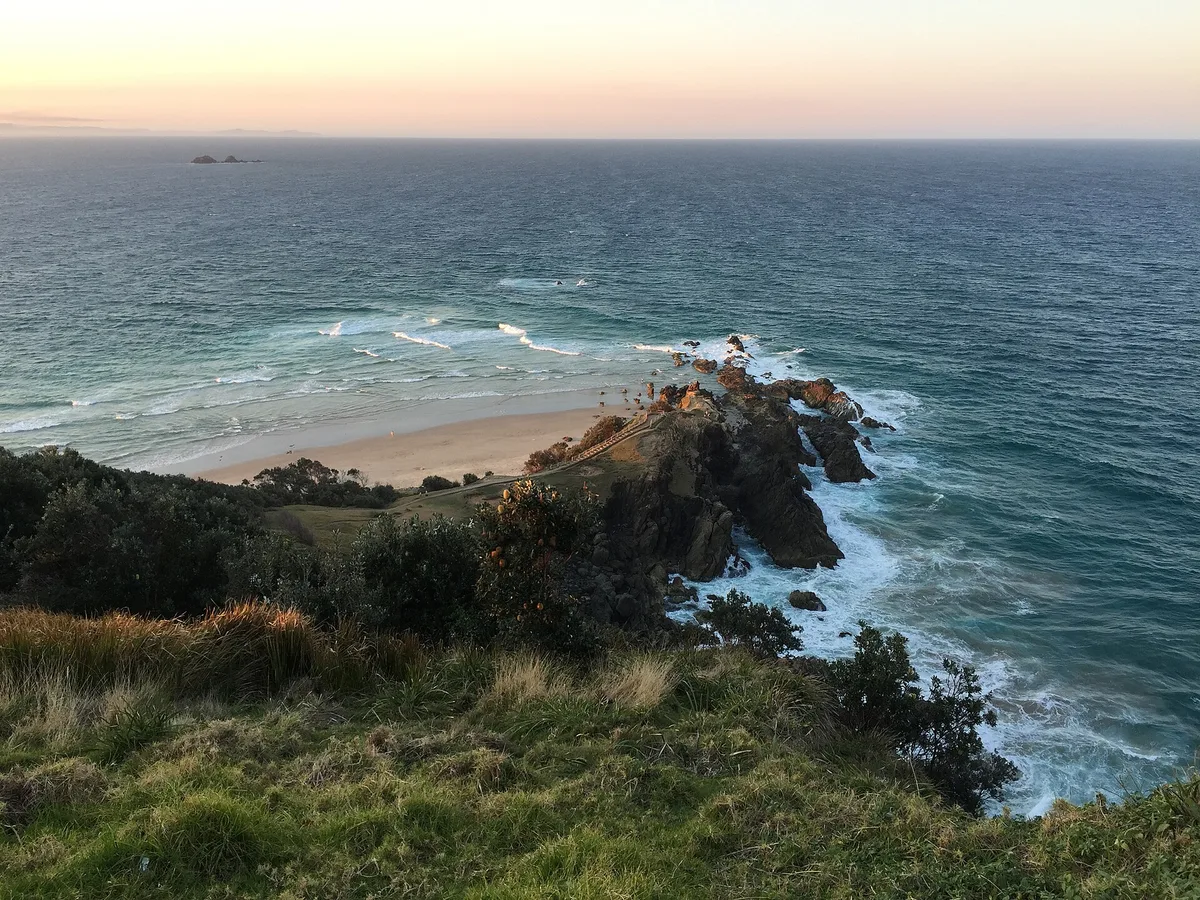
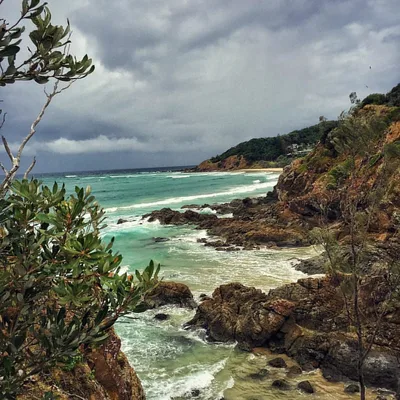
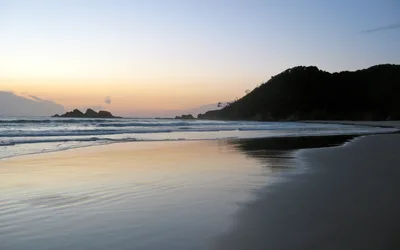
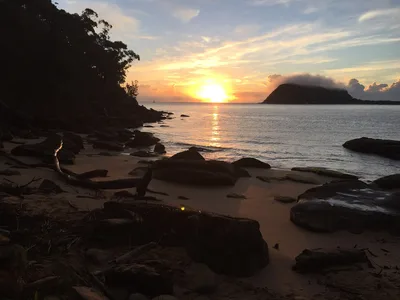
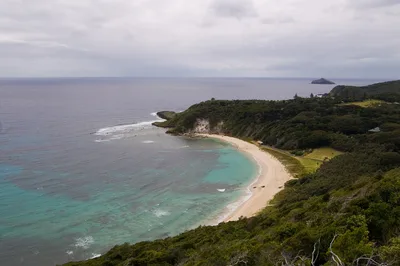
The rocky headland above the cove at sunrise delivers a wide shot of crystal-clear water meeting mixed sand and stone, with the Cape Byron Lighthouse visible on the ridge — arrive before 7 am for the best light.
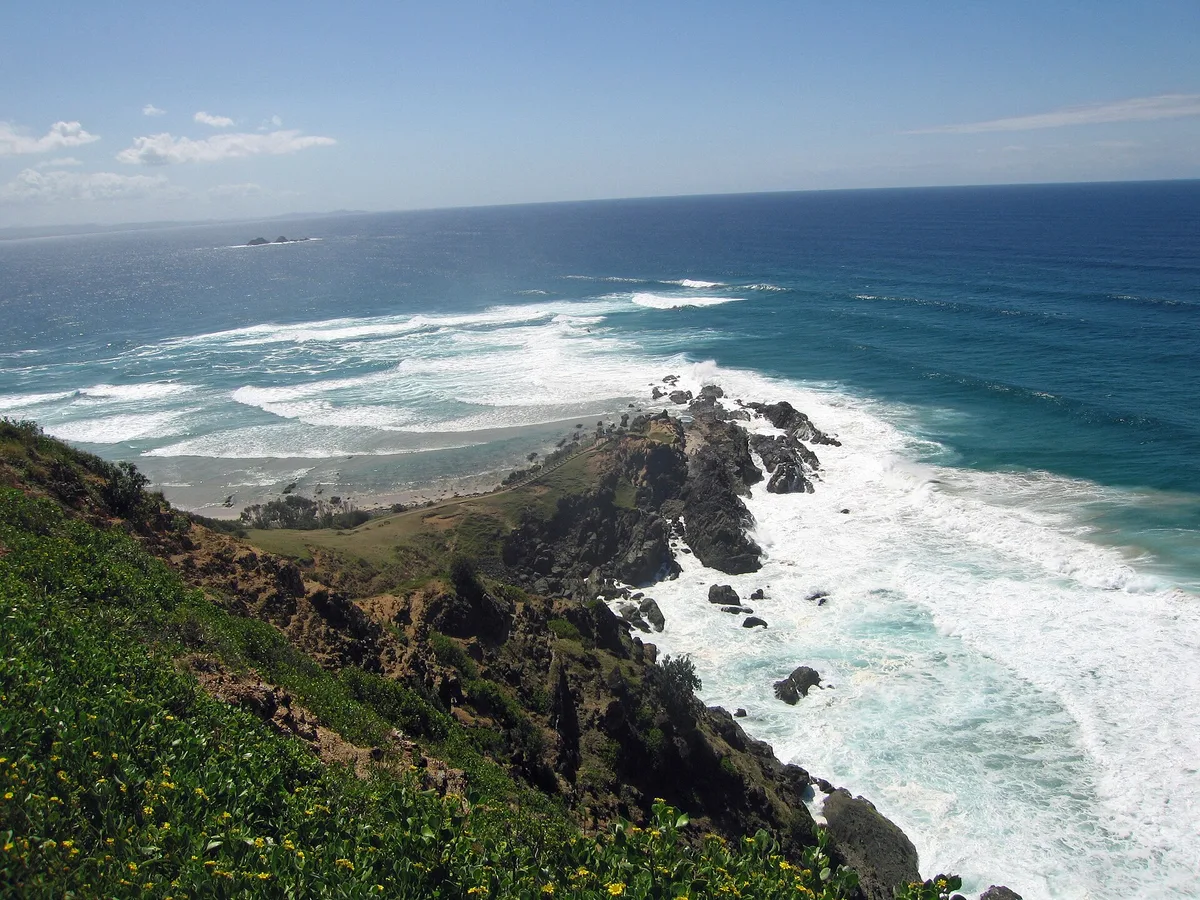
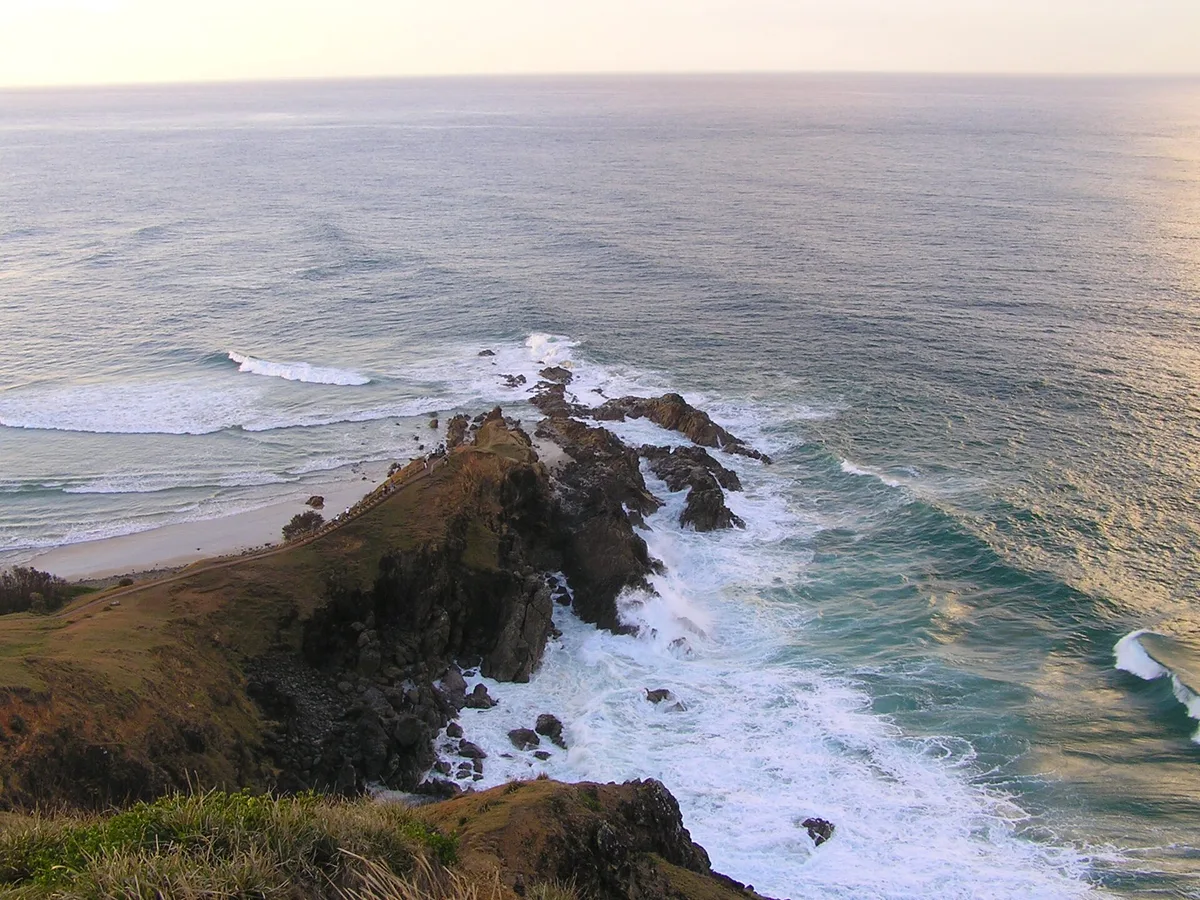
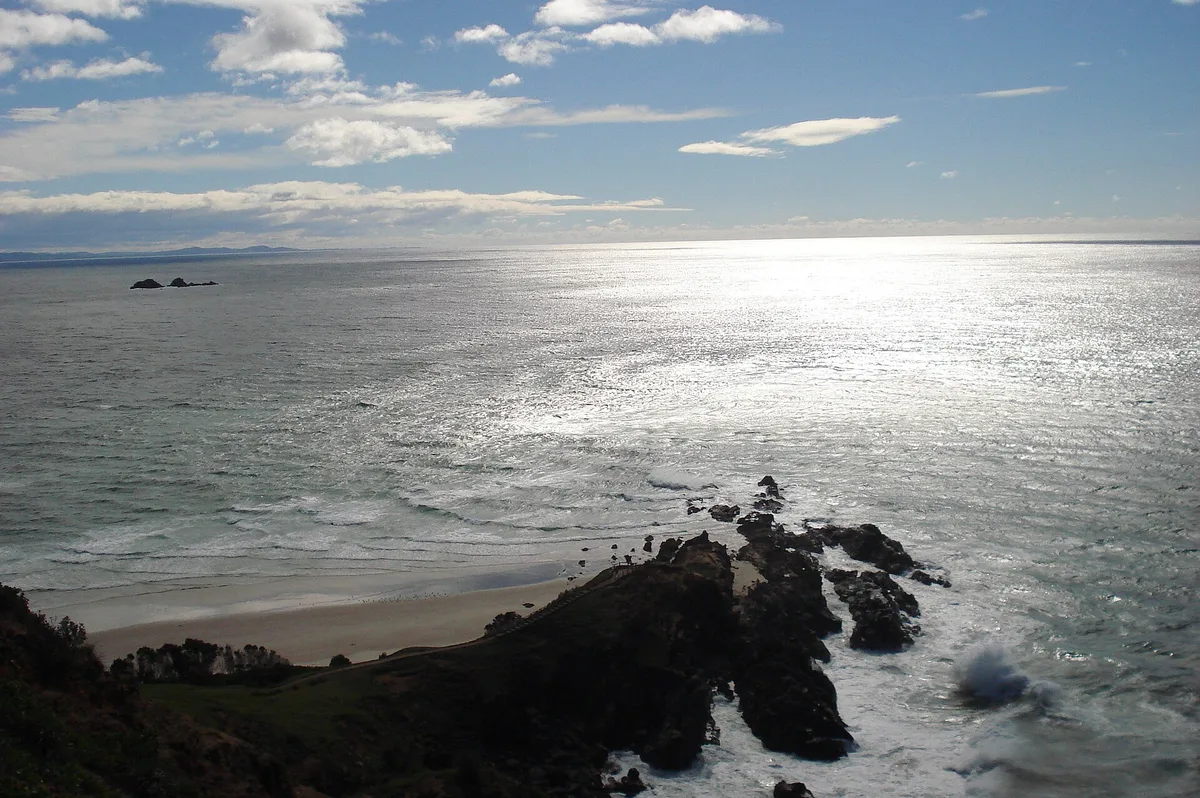
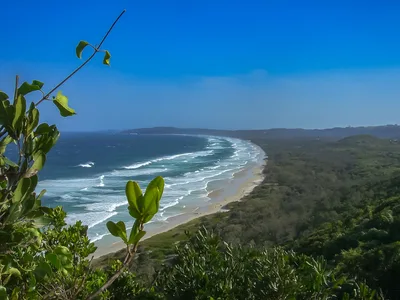
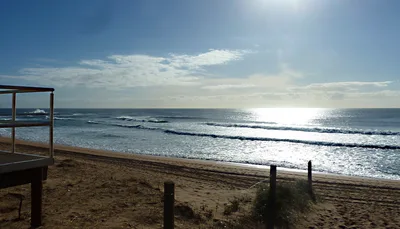
The Easternmost Point of the Australian mainland, 300 metres up the track, offers a clean clifftop frame over open Pacific ocean with no beach infrastructure in sight.
Where to eat
There are no food or drink facilities at Little Wategos — pack everything before you leave town. Beach Byron Bay, about 1.7 km away, is the closest option with a regional seafood menu that suits a post-hike lunch well. For something different, Warung Bagus and Traditional Thai are both around 2.4 km away in Byron Bay proper.
Where to stay
Rae's on Wategos sits just 600 metres from the beach and is the closest place to stay — well-positioned for an early morning walk to the cove before daytrippers arrive. Thomson Cottage and Imeson Cottage are both around 1.1–1.2 km away and offer a quieter base than central Byron Bay.
Photography
The best shots are from the rocky headland looking back toward the cove at sunrise, when the crystal-clear water catches the first light and the Cape Byron Lighthouse frames the ridge above. The Easternmost Point lookout, 300 metres from the beach, gives a dramatic elevated angle over the open Pacific — arrive early for clean light and minimal visitors.
Good to know
No dogs are permitted within Cape Byron State Conservation Area — leave them at home. Camping and fires are also strictly prohibited. Strong currents and the risk of sharks are real hazards here: check conditions carefully before entering the water, and be aware that swell can wash over the access rocks at high tide, making entry and exit dangerous. Avoid visiting in June, July, and August when winter swells significantly increase that wave wash-over risk on the rocks. There are no facilities or shade on-site, so bring water, sunscreen, and everything you need.
Map
Nearby places
Beach Byron Bay
Trattoria Basiloco
Warung Bagus
Traditional Thai
Taste of Melaka
Rae's on Wategos
Thomson Cottage
Imeson Cottage
Partridge Cottage & Geoffs Shed
Waves
Easterly Point Lookout
Eastern most point of the Australian mainland
Cape Byron Lighthouse
Cape Byron Lighthouse
Wategos Beach
Cape Byron State Conservation Area
Things to see around Byron Bay
Cape Byron Lighthouse
Australia's most easterly lighthouse directly above, reached by continuing up the walking track.
Wategos Beach
Sheltered cove at the base of the headland, the starting point for the walk to Little Wategos.
Cape Byron State Conservation Area
Coastal headland reserve with dolphin and whale sightings year-round.
Frequently asked
The information on this page is provided for guidance only and may evolve. Access conditions, safety and infrastructure can change without notice. Always check official sources before traveling.
Nearest beaches
Other wild beaches in Australia
Reviews of this beach
- No reviews yet, what a shame — leave yours and share your experience.
Photo credits
Sources and licenses for the photos shown above.
- Photo 1 — Maksym Kozlenko · source · CC BY-SA 4.0
- Photo 2 — Maksym Kozlenko · source · CC BY-SA 4.0
- Photo 3 — Greg Schechter from San Francisco, USA · source · CC BY 2.0
- Photo 4 — ogwen · source · CC BY-SA 3.0
- Photo 5 — Aniruddha vg2 · source · CC BY-SA 4.0
- Photo 6 — AwOiSoAk KaOsIoWa · source · CC BY-SA 3.0