Dungeness SpitUnited States Beach Guide
Five miles of wild spit, one legendary lighthouse
About
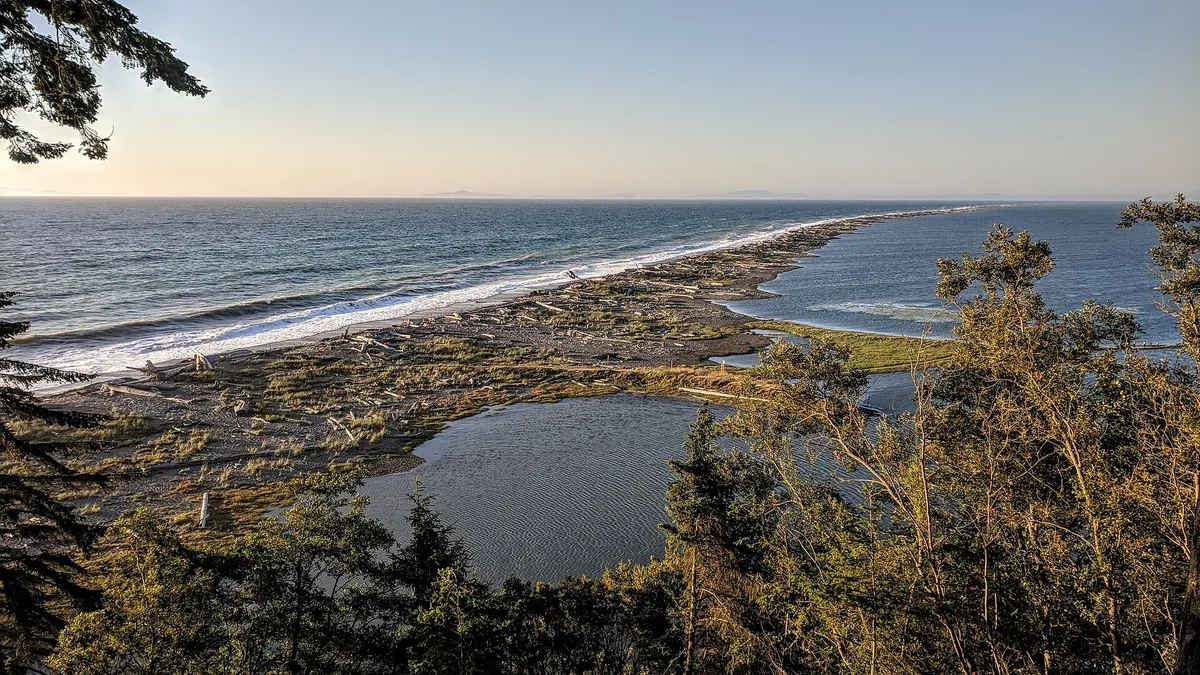
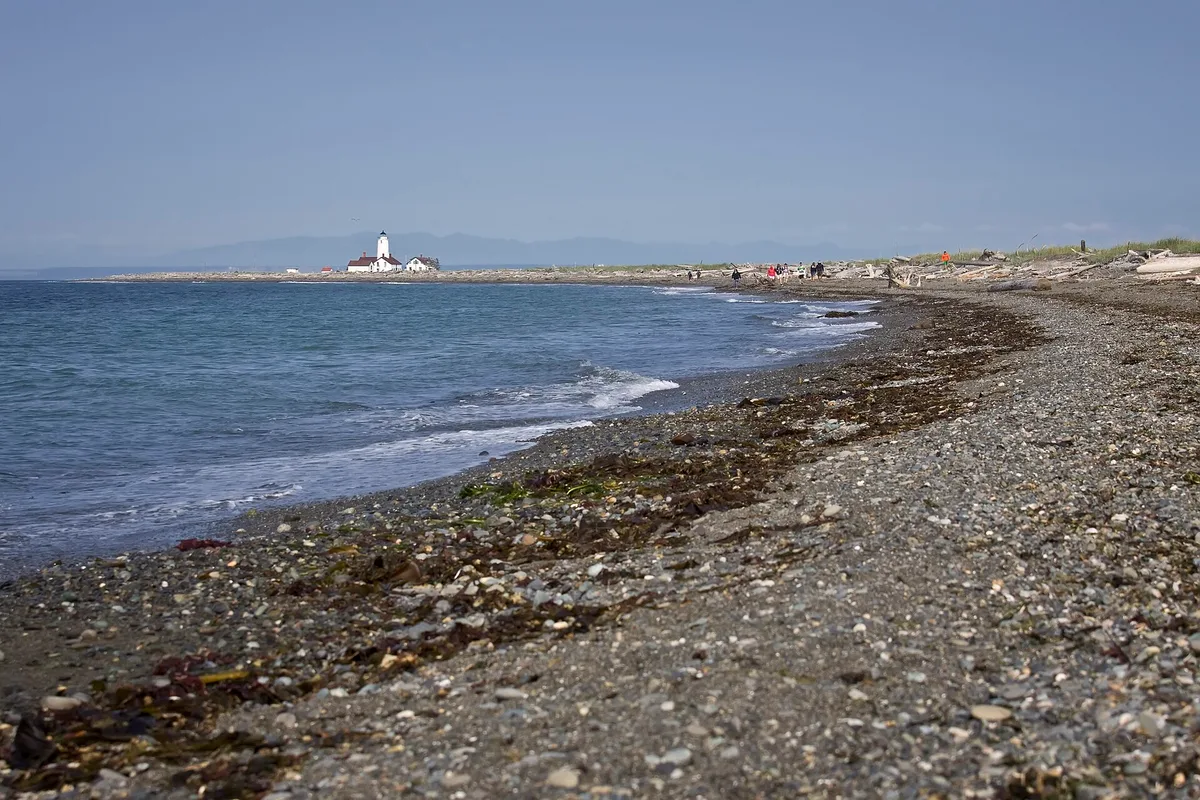
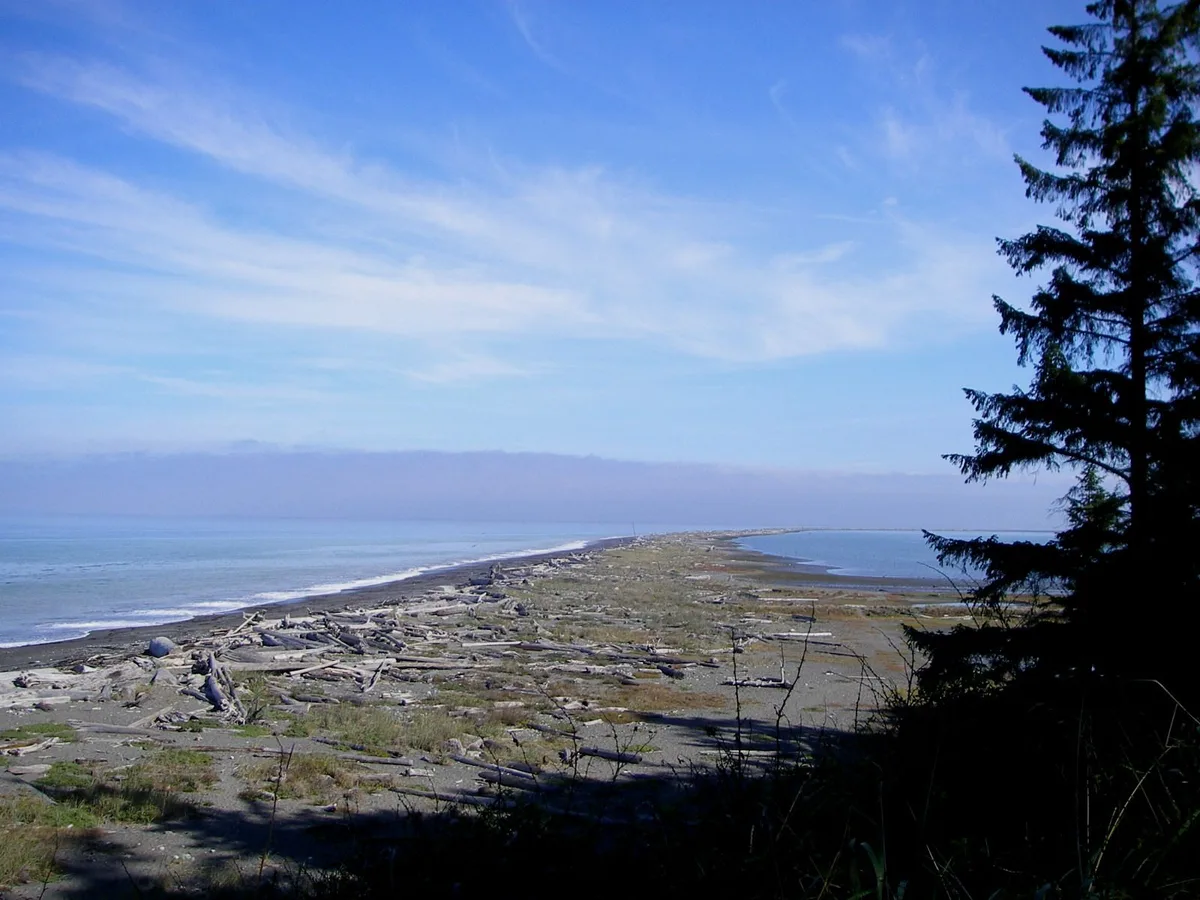
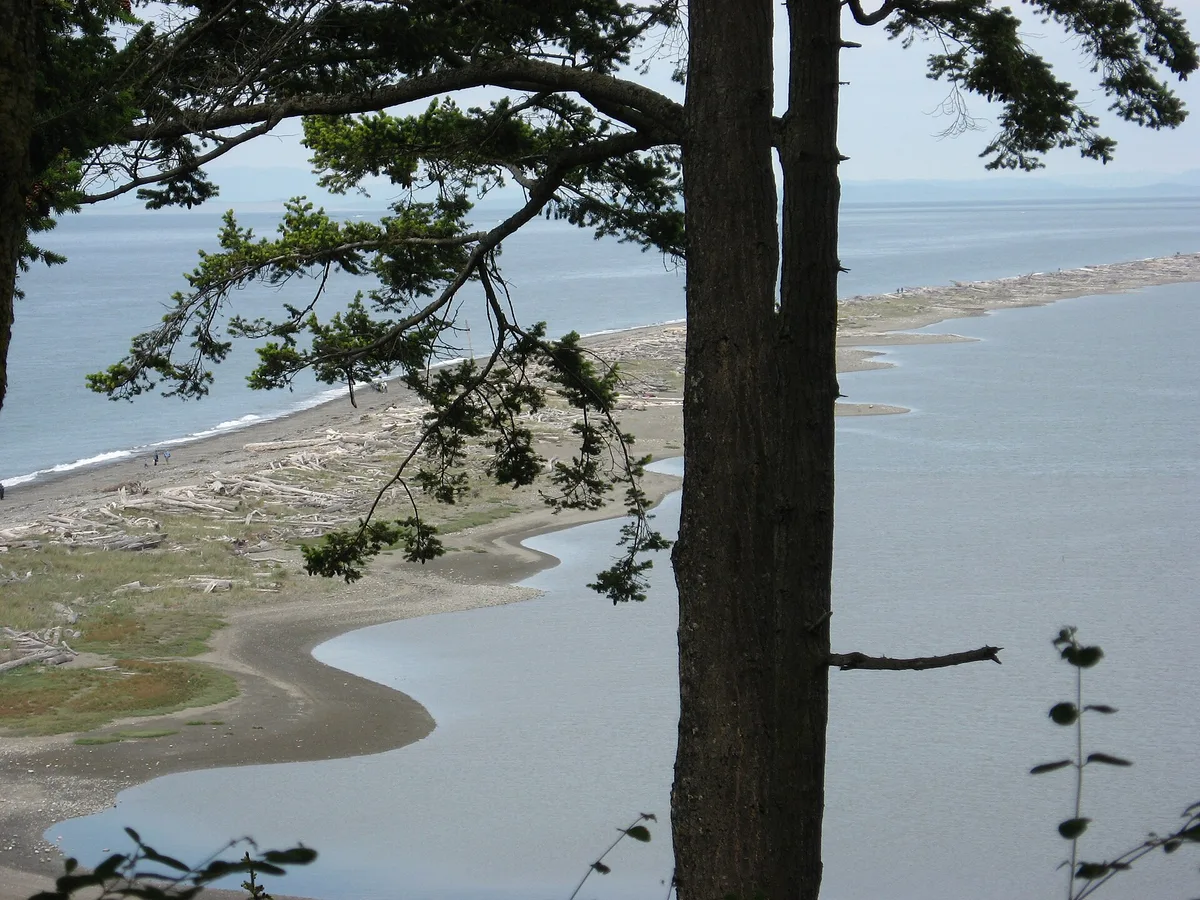
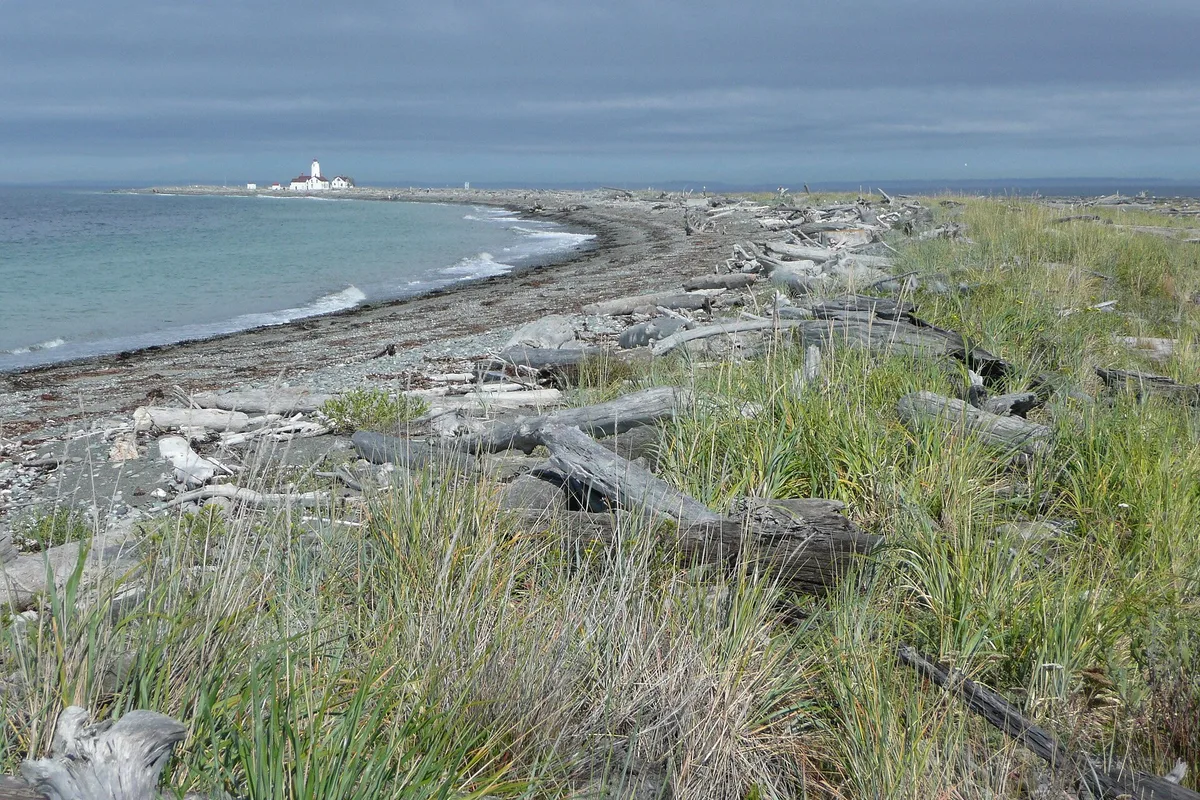
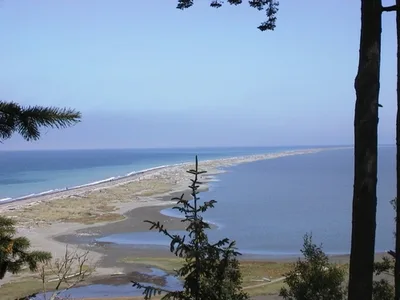
Dungeness Spit stretches nearly 8,800 metres into the Strait of Juan de Fuca — the longest natural sand spit in the United States — curling off the Olympic Peninsula like a grey-sand arm reaching toward Vancouver Island. The water on the strait side runs a deep, open blue, while the inner shore shelters a quiet lagoon where harbor seals haul out on the gravel and shorebirds work the tideline in dense, restless flocks. At the far tip, the New Dungeness Lighthouse has stood since 1857, a white tower visible long before you reach it. The whole spit sits inside Dungeness National Wildlife Refuge, which keeps it genuinely wild — no concessions, no umbrellas, no noise beyond wind and waves.
How to get there
Reach the spit on foot only: the trailhead is at the Dungeness Recreation Area outside Sequim, and the full walk to the lighthouse and back takes around 300 minutes. Paid parking is available at the trailhead. Refuge entry costs $3 per party of up to four adults, waived with a Federal Recreational Lands Pass (including the America the Beautiful Pass) or an Annual Dungeness NWR Pass. The refuge is open sunrise to sunset daily; lighthouse tours require advance reservation.
Who it's for
For couples
A long, quiet walk on grey sand with seals in the water and a 19th-century lighthouse at the end of it makes for a genuinely memorable day out — just commit to the full round trip and pack a proper picnic.
For families
Older children who can handle a multi-hour hike on uneven gravel will find the wildlife sightings — seals, shorebirds, a working lighthouse — genuinely engaging; note that dogs are banned, the terrain is not stroller-friendly, and swimming is strictly off-limits.
Our take
Do not enter the water here — the Strait of Juan de Fuca is cold, exposed, and dangerous, and swimming is strictly prohibited. That said, Dungeness Spit earns its reputation for every other reason: this is the longest natural sand spit in the United States, and walking its full length is one of the most singular coastal experiences in the Pacific Northwest. The grey sand, the blue open water, the seals on the inner shore, the lighthouse growing slowly larger with every kilometre — it rewards the effort. Plan for a full day, dress for wind regardless of the forecast, and book lighthouse access well in advance. Skip it in December through February when winter storms make the exposed walk unpleasant and potentially dangerous. Come in June through September, start early, and you'll have one of Washington's wildest shorelines almost to yourself.
What to do
The spit walk itself is the main event — nearly 8 kilometres of grey sand and gravel with harbor seals resting on the inner shore and shorebird and waterfowl concentrations that make it a serious birding destination. Eight kilometres away, Olympic Game Farm offers a drive-through look at retired film and zoo animals, a worthwhile detour on the way back to Sequim. Sequim Bay State Park, about 10 kilometres out, has a kayak launch and camping on a protected bay if you want to extend your stay on the water.
The classic frame is the New Dungeness Lighthouse at the tip of the spit with the deep blue strait stretching behind it — walk the full length and shoot back toward the Olympic Mountains for scale.
The inner lagoon shore at low tide delivers close-up harbor seal haul-out shots and dense shorebird flocks against the grey sand, best in soft morning light.
Where to eat
There are no food or drink facilities on the spit — pack everything you need before you set out. Back toward Sequim, Salty Girls seafood restaurant is about 11 kilometres from the refuge, a fitting choice after a long walk on the water. Hi-Way 101 Diner and Baja Cantina are both roughly 10.9 kilometres away and cover the bases for a straightforward post-hike meal.
Where to stay
Olympic Railway Inn, about 12 kilometres from the spit, is the closest listed accommodation option for basing yourself near the refuge. Sequim itself, just over 11 kilometres away, has a broader range of lodging if you're spending multiple days exploring the Olympic Peninsula.
Photography
The best shot on the spit is the New Dungeness Lighthouse framed against the blue strait with Vancouver Island on the horizon — late afternoon light from the south side of the spit gives the warmest tones. For wildlife, position yourself quietly near the inner shore at low tide in the morning, when harbor seals are most reliably hauled out and shorebird activity peaks.
Good to know
Dogs are not permitted anywhere in Dungeness National Wildlife Refuge — leave them at home. Campfires are prohibited, and you must stay on the spit itself: entering the lagoon or the dunes is not allowed. The lighthouse is accessible by advance reservation only, so book ahead if that's your goal. Wind and weather hit hard on this exposed spit year-round, so bring layers even on sunny summer days; there is zero shade along the route. Watch the tides carefully — if you walk the inner shore, a rising tide can cut off your return path. The water is cold and swimming is strictly prohibited.
GAMES
🕹️ Five minutes of sand?
Three daily games — including the UV simulator set to this beach.
Map
Nearby places
Paradise Restaurant
Westside Pizza
Baja Cantina
Hi-Way 101 Diner
Salty Girls
Olympic Railway Inn
Fairgrounds
Purple Haze Lavender Farm
Things to see around Clallam County
New Dungeness Lighthouse
Active 1857 lighthouse at the tip of the spit, accessible by reservation for overnight keeper stays.
Sequim Bay State Park
State park on a protected bay with camping and kayak launch.
Olympic Game Farm
Drive-through wildlife facility near Sequim housing retired film and zoo animals.
GIFT
🎁 Gift this beach
Its exact coastline, your date, your words — on a print or a PDF you print yourself.
Dungeness Spit
THAT DAY
Dungeness Spit, Pacific Northwest
© OpenStreetMap contributors
Clean & decorative, or “That day” with the real sky of your date.
Shipping included 3-6 business days
A question before you order? Contact us
Delivered within minutes on the confirmation page and by email: a ZIP with all 4 print sizes (30×40 cm, 12×16″, 50×70 cm, 18×24″), each as a high-resolution PDF and PNG (300 dpi), plus a screen version. Print at home or at any print shop.
Please complete the delivery address.
Please accept the Terms of Sale.
Almost there — the shop opens very soon.
Secure payment · Printed locally in 30+ countries · 7 languages
Frequently asked
The information on this page is provided for guidance only and may evolve. Access conditions, safety and infrastructure can change without notice. Always check official sources before traveling.
Nearest beaches
Other wild beaches in United States
More beaches in Pacific Northwest
Reviews of this beach
- No reviews yet, what a shame — leave yours and share your experience.
Photo credits
Sources and licenses for the photos shown above.
- Photo 1 — Dicklyon · source · CC BY-SA 4.0
- Photo 2 — Steven Pavlov · source · CC BY-SA 3.0
- Photo 3 — U.S · source · Public Domain
- Photo 4 — laffertyryan · source · CC BY 2.0
- Photo 5 — U.S · source · Public Domain
- Photo 6 — Gabriele Giuseppini · source · CC BY 3.0