South BeachUnited States Beach Guide
Wild Pacific shores where whales breach and winds howl
About
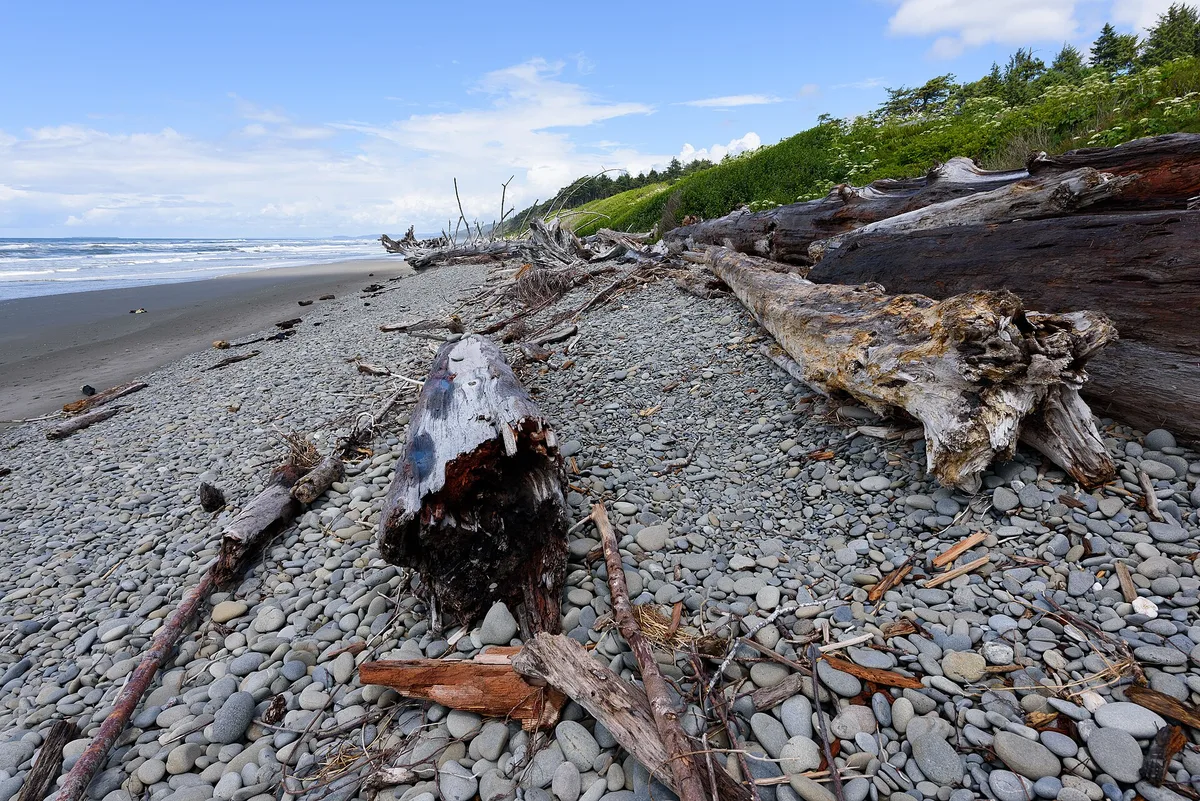
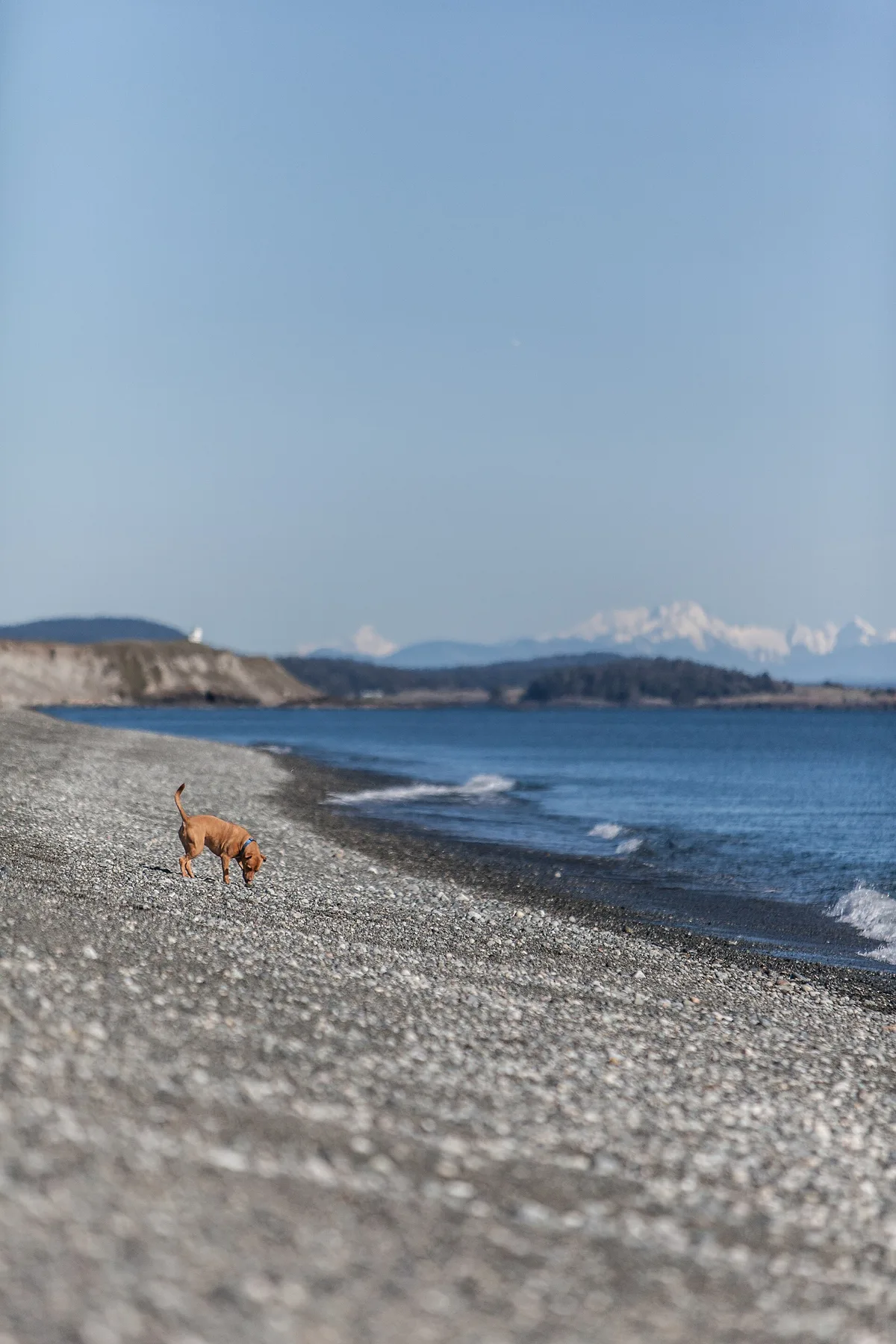
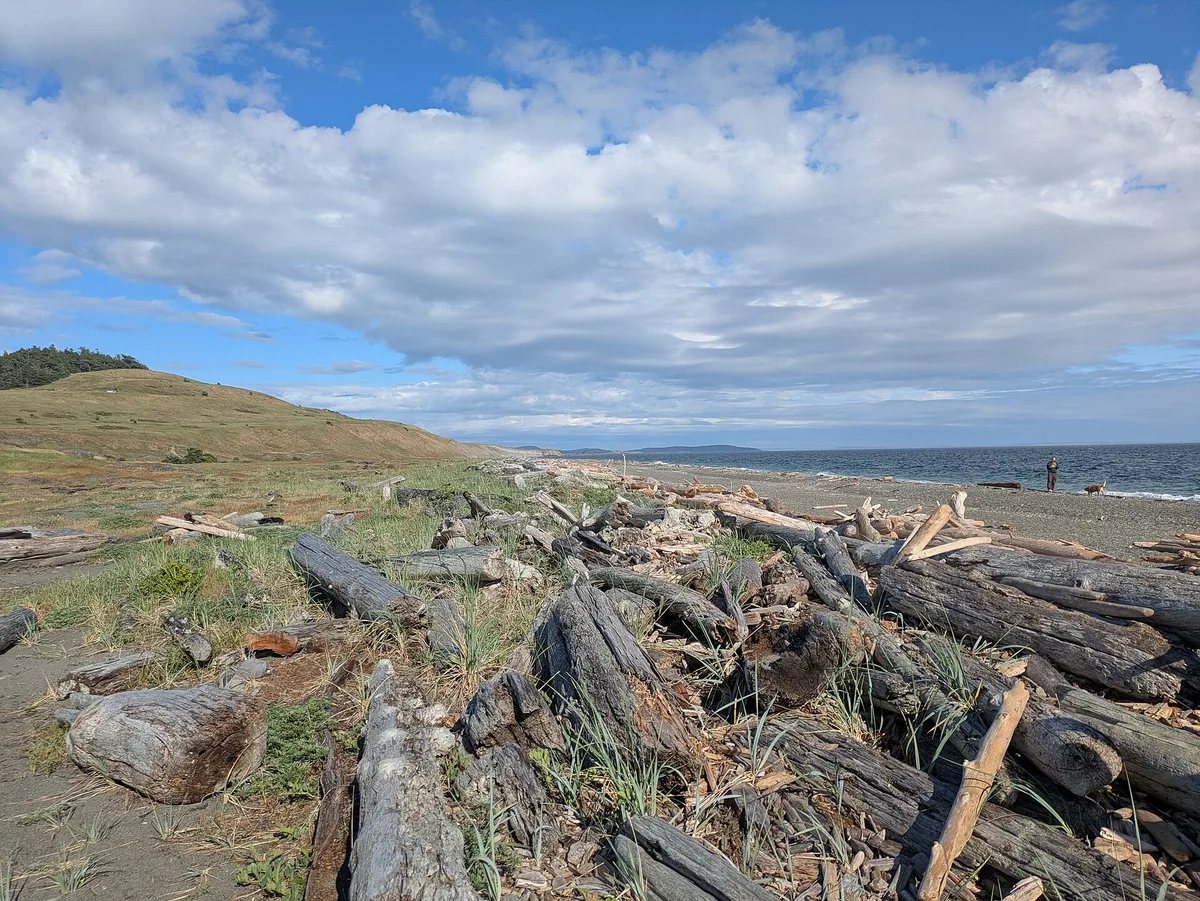
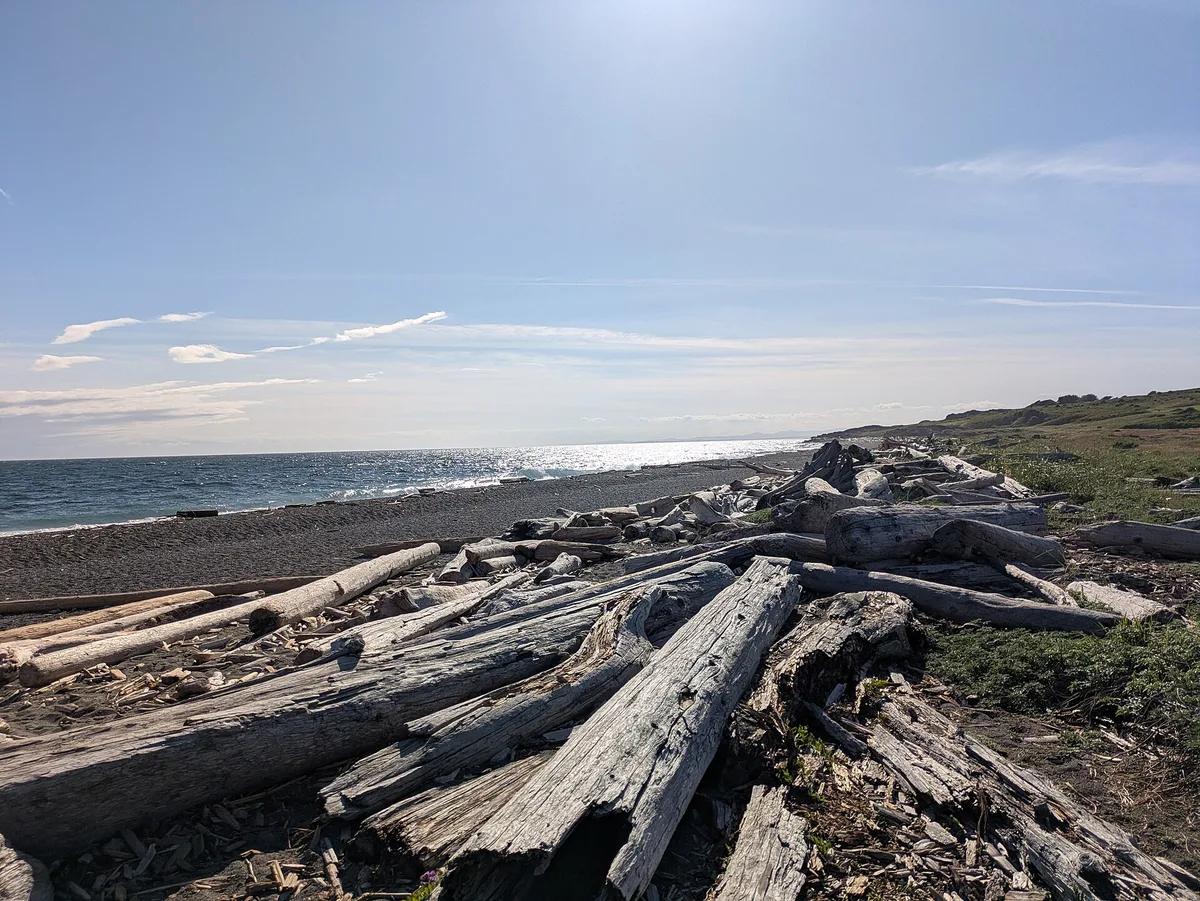
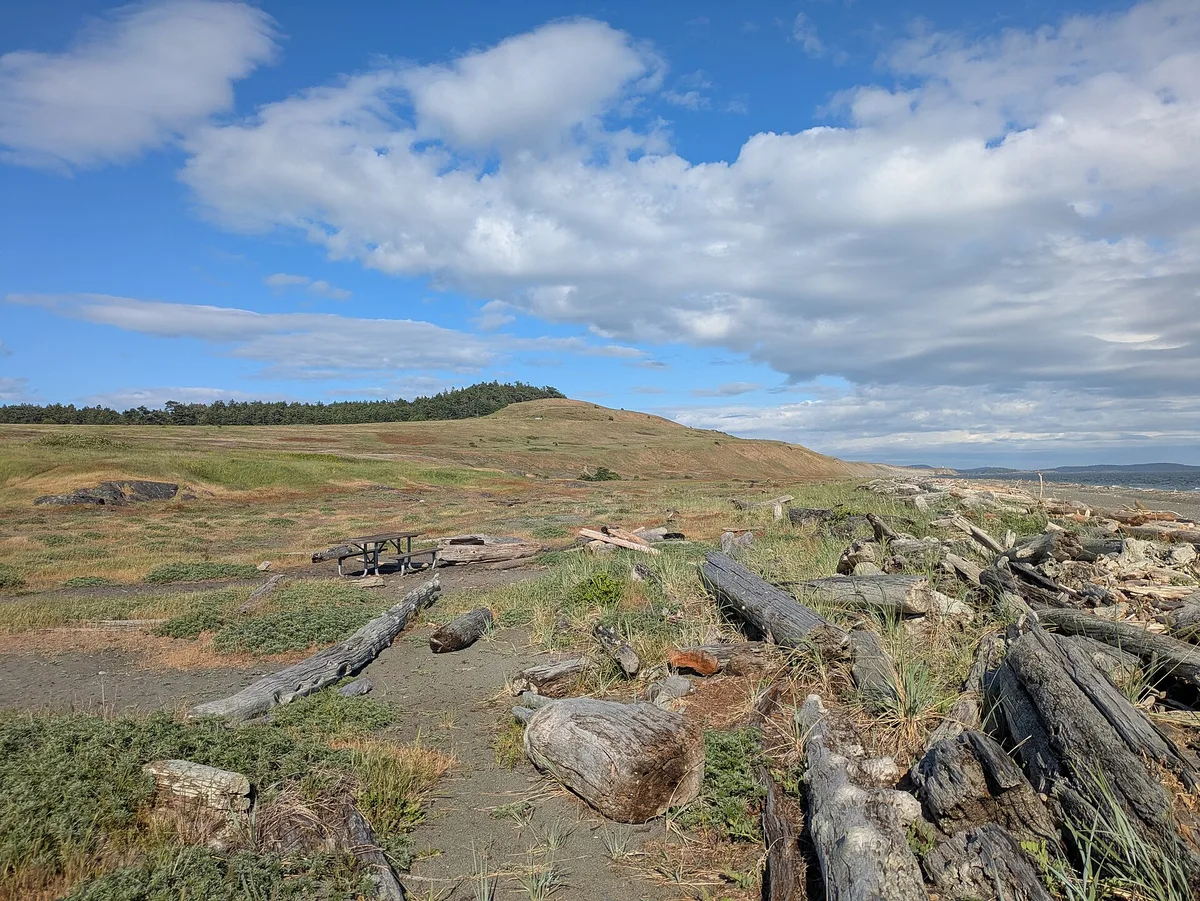
South Beach stretches along the southern edge of San Juan Island in Washington's Pacific Northwest, a raw and windswept expanse of grey sand meeting cold, grey Pacific waters. The vibe here is unapologetically wild — think driftwood-strewn shoreline, salt-heavy air, and skies that shift from silver to deep charcoal in minutes. It sits within the national park lands of American Camp, giving the whole place a preserved, untouched quality that feels rare on the US West Coast. Orca pods pass offshore during peak season, and the sunsets over the water are the kind that stop you mid-sentence. This is not a beach for lounging — it's a beach for standing at the edge of something vast.
How to get there
From Friday Harbor, South Beach is roughly a 15-minute drive by car, with daily access. On foot, you can reach it from the American Camp Visitor Center — a short walk of around 0.6km through national park terrain. Parking is free, with a paved main lot and two smaller gravel areas near the beach. No entry fee is required to access the beach.
Who it's for
For couples
South Beach rewards couples who want drama over comfort — long windswept walks, whale spottings, and sunsets that need no filter make it a genuinely memorable stop without the need for a packed itinerary.
For families
Families with older children who enjoy wildlife and nature walks will find plenty here, but the cold water, choppy conditions, and rocky shoreline mean this isn't a safe paddling beach for young kids — keep little ones well back from the waterline.
Our take
South Beach is not trying to impress you with turquoise water or warm sand — and that's exactly the point. The grey sand, the cold grey Pacific, the wind that doesn't apologize: it all adds up to one of the most honest stretches of coastline in the Pacific Northwest. Safety first: do not swim here. The water is dangerously cold and the waves are rough, full stop. What you come for instead is the scale of it — the open sky, the real possibility of watching orcas surface offshore, and the rare feeling of standing somewhere that hasn't been softened for tourists. Come between June and September, bring layers, and leave your expectations of a beach day behind.
What to do
American Camp, just 0.6km away, is the obvious starting point — it's a historic site within San Juan Island National Historical Park and well worth exploring before or after your beach walk. Shark Reef Park is about 5.3km away and offers another dramatic coastal perspective. For the main event, Western Prince Whale Watching operates out of Friday Harbor, roughly 8.3km from the beach, and runs tours during peak season when orca activity is highest.
The wide grey sand foreground with driftwood logs makes a strong compositional anchor — shoot low at golden hour for the best contrast against the sky.
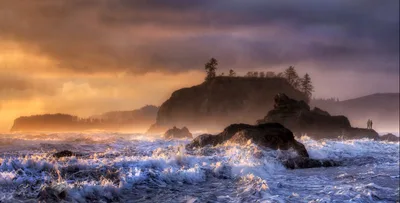
The western-facing shoreline at sunset, with the open Pacific stretching to the horizon, is the shot most visitors come for; arrive early to claim your spot on the upper beach.
Where to eat
There are no restaurants on the beach itself, so plan ahead. Friday Harbor, about 8km away, has several solid options: Market Chef and Coho are both around 8.1km out, Friday's Crabhouse and Kung Fu Pizza sit at 8.2km, and The Restaurant at Friday Harbor House is 8.3km away for a more sit-down experience. Pack a lunch if you want to eat with a view of the water.
Where to stay
No accommodation options are listed within immediate reach of South Beach itself. Friday Harbor, roughly 8km away, is the nearest service hub and your best base for lodging on San Juan Island.
Photography
The beach faces west, making it one of the better sunset vantage points in the San Juan Islands — arrive an hour before dusk for the best light over the grey water. The driftwood-scattered grey sand foreground against a wide, moody sky photographs well in overcast conditions too, so don't write off cloudy days.
Good to know
The water here sits around 47°F (8°C) year-round — cold enough to be genuinely dangerous, not just uncomfortable. Choppy waves and rocky shorelines make swimming difficult, so treat this as a walking and watching beach rather than a swimming one. True digital-detox spot — bring offline books, the cell signal fades and there's nowhere to plug in a laptop. The best months to visit are June through September, when weather is most cooperative and whale sightings are most likely.
GAMES
🕹️ Five minutes of sand?
Three daily games — including the UV simulator set to this beach.
Map
Nearby places
Market Chef
Coho
Friday's Crabhouse
Kung Fu Pizza
The Restaurant at Friday Harbor House
GIFT
🎁 Gift this beach
Its exact coastline, your date, your words — on a print or a PDF you print yourself.
South Beach
THAT DAY
South Beach, US Pacific Northwest
© OpenStreetMap contributors
Clean & decorative, or “That day” with the real sky of your date.
Shipping included 3-6 business days
A question before you order? Contact us
Delivered within minutes on the confirmation page and by email: a ZIP with all 4 print sizes (30×40 cm, 12×16″, 50×70 cm, 18×24″), each as a high-resolution PDF and PNG (300 dpi), plus a screen version. Print at home or at any print shop.
Please complete the delivery address.
Please accept the Terms of Sale.
Almost there — the shop opens very soon.
Secure payment · Printed locally in 30+ countries · 7 languages
Frequently asked
The information on this page is provided for guidance only and may evolve. Access conditions, safety and infrastructure can change without notice. Always check official sources before traveling.
Nearest beaches
Other wild beaches in United States
Reviews of this beach
- No reviews yet, what a shame — leave yours and share your experience.
Photo credits
Sources and licenses for the photos shown above.
- Photo 1 — King of Hearts · source · CC BY-SA 4.0
- Photo 2 — jesse orrico jessedo81 · source · CC0
- Photo 3 — Buidhe · source · CC BY-SA 4.0
- Photo 4 — Buidhe · source · CC BY-SA 4.0
- Photo 5 — Buidhe · source · CC BY-SA 4.0