Deadman BayUnited States Beach Guide
Wild pebble shore, blue waters, zero road access
About
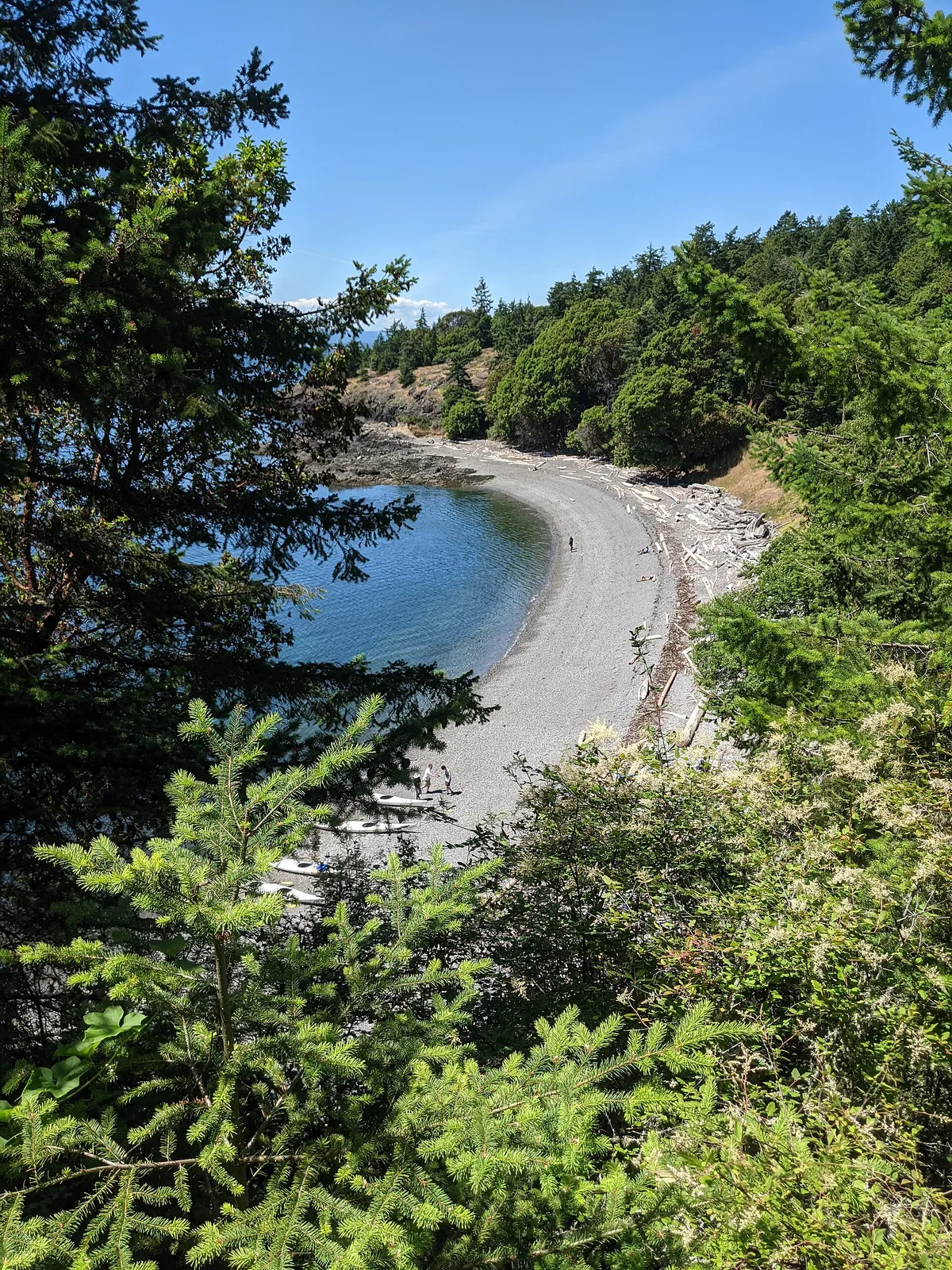
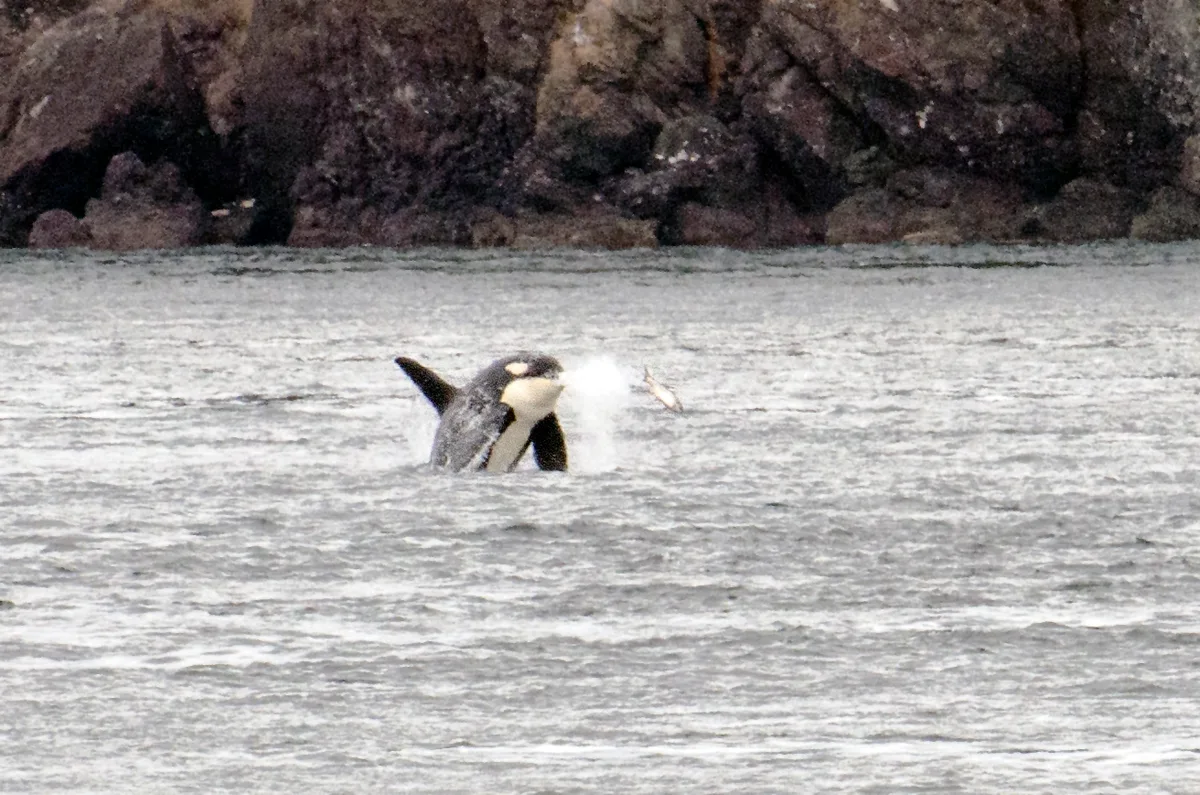
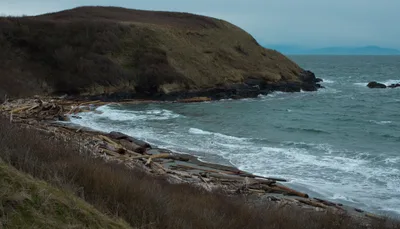
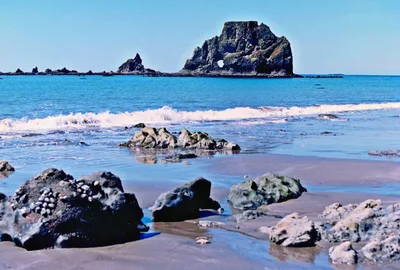
Deadman Bay sits on the edge of the San Juan Islands in Washington's Pacific Northwest, a raw stretch of grey pebble and sand where the blue water meets an untamed shoreline. Getting here is half the adventure — there's no road, no car, no casual drop-in. The bay carries a wild, unhurried energy that feels genuinely remote, even by island standards. Kelp beds drift just offshore, orcas patrol these straits, and the silence is broken only by wind and seabirds. It's the kind of place that rewards the effort it takes to reach it.
How to get there
Deadman Bay is boat or ferry-only — there is no road access whatsoever. Washington State Ferries run services of approximately 40 and 65 minutes depending on your departure point, while Black Ball Transport offers a 90-minute crossing; seaplane is also an option for those who want to arrive in style. There are no parking facilities on the beach side, because there is no land connection — plan your embarkation point carefully and check Washington State Ferries schedules before you go. No entry fee is documented for the beach itself.
Who it's for
For couples
Deadman Bay's genuine solitude and wild atmosphere make it a compelling choice for couples who want to feel genuinely away from it all — the effort of the ferry crossing only adds to the sense of shared adventure.
For families
The lack of facilities and boat-only access make Deadman Bay a challenging day out with young children; families who do make the trip should come fully self-sufficient and keep little ones well back from the water given the unverified swimming conditions.
Our take
Deadman Bay doesn't pretend to be easy, and that's exactly the point. You earn this place with a ferry crossing and a willingness to arrive without a safety net of cafés, lifeguards, or car parks. The wild vibe is real — grey pebbles, deep blue water, kelp swaying offshore, and a genuine chance of spotting orcas in the strait. Swim with caution: conditions here are unverified and the Pacific Northwest's cold water and currents demand respect. Go between June and September, pack everything you need, and treat the Munro Overlook and Bird Blind as part of the experience rather than afterthoughts. This is a beach for people who mean it.
What to do
The Ralph and Karen Munro Overlook is only 0.2 km from the bay and is the obvious first stop — it frames the water and islands in a way that makes the journey feel immediately worthwhile. A short 1.2 km walk brings you to a dedicated Bird Blind, a quiet spot for watching the seabirds and shorelife that thrive in this undisturbed corner of the San Juans. Orca-watching is one of the bay's signature draws — these straits are active cetacean territory, so keep your eyes on the water. The kelp beds just offshore are worth observing from the shore even if you don't enter the water.
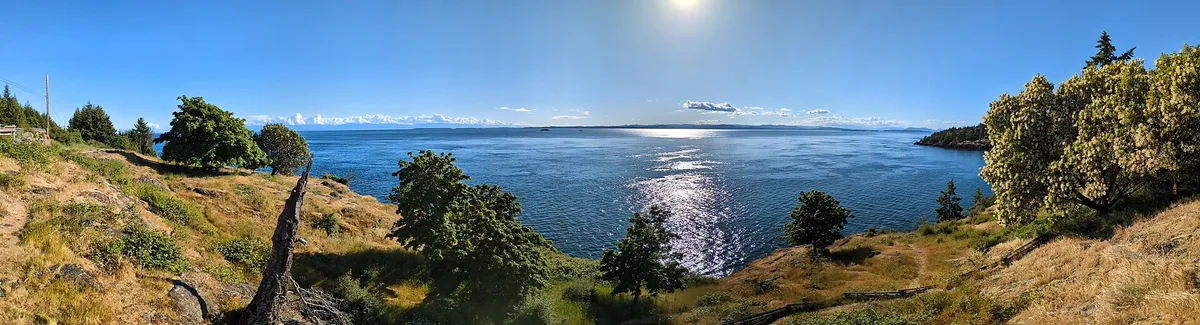
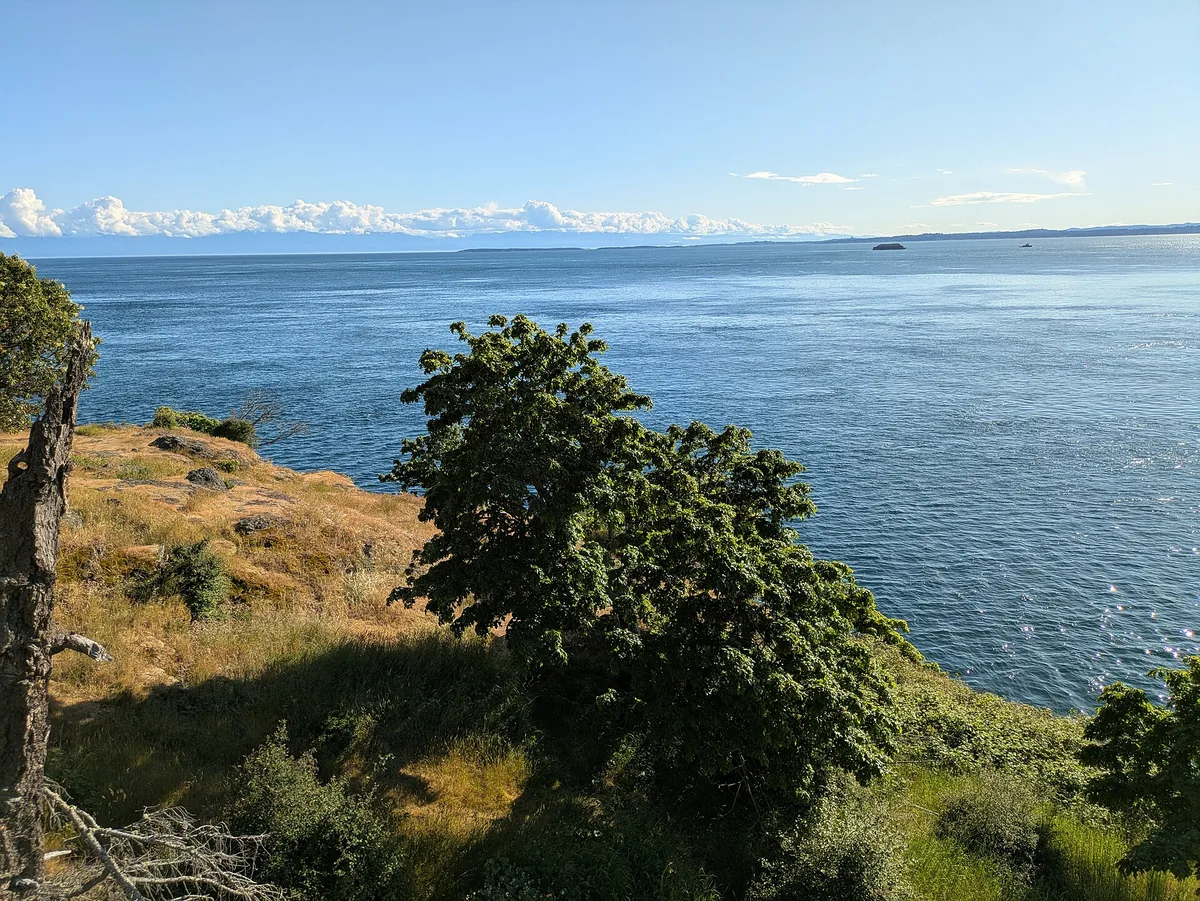
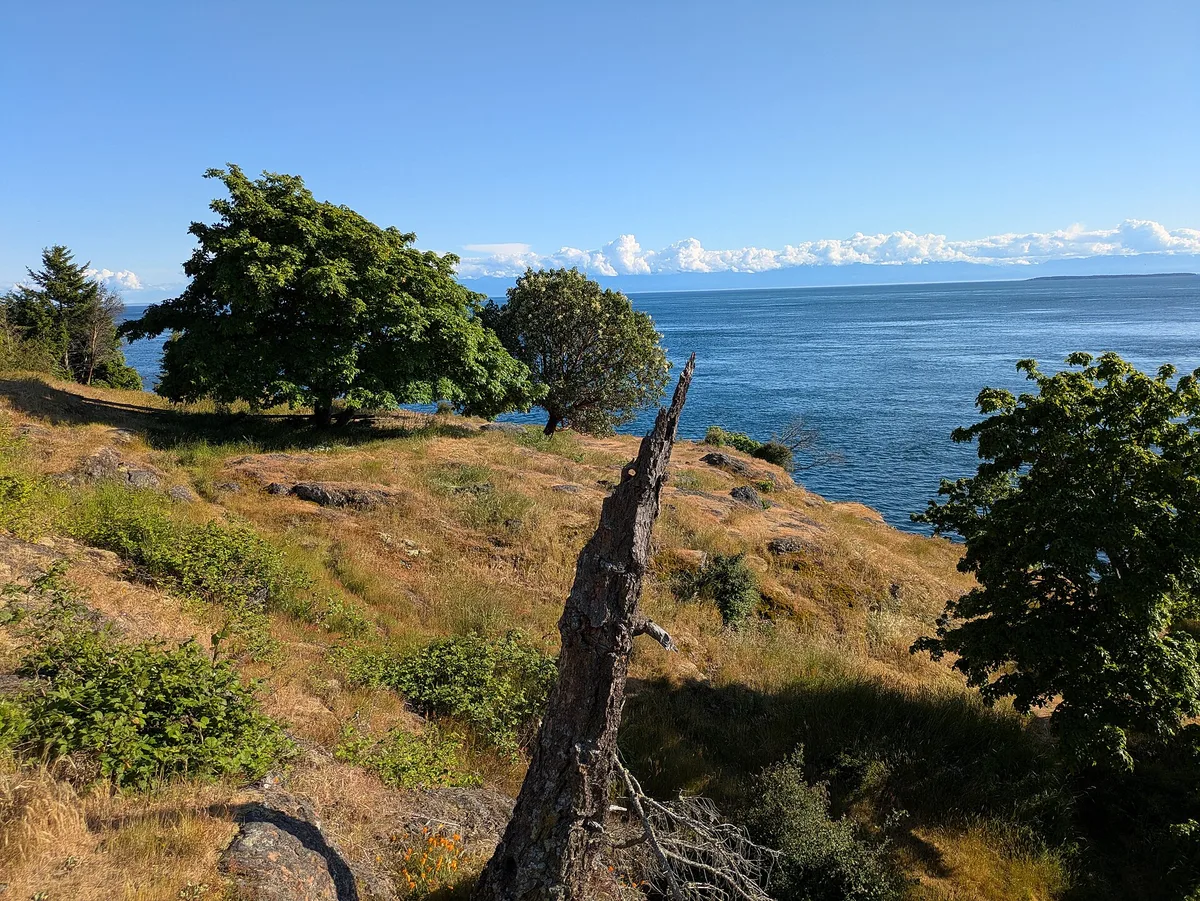
The Ralph and Karen Munro Overlook at 0.2 km delivers sweeping views of blue water and grey pebble shore — frame it wide in morning light for the cleanest shot.
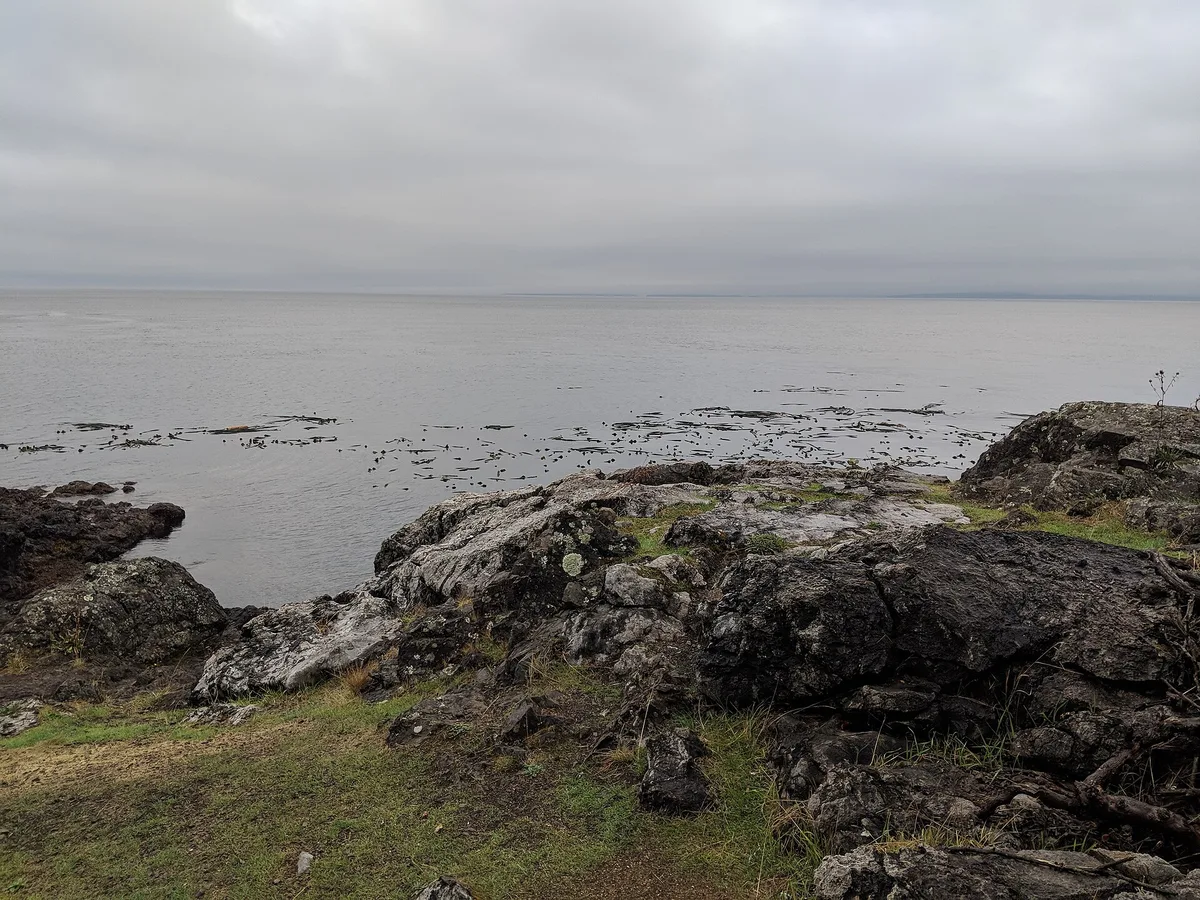
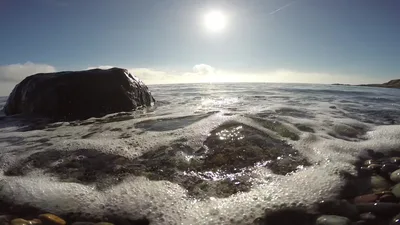
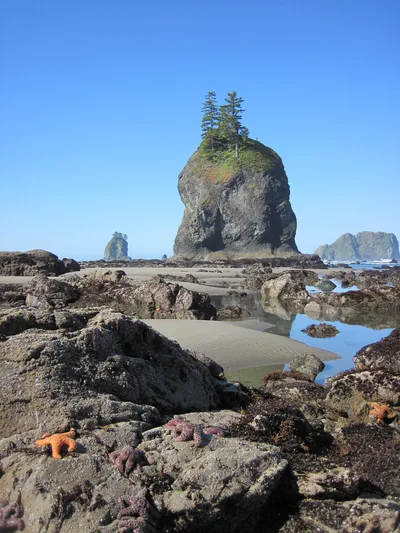
The kelp beds seen from the shoreline, especially with the San Juan Islands in the background, offer a moody, distinctly Pacific Northwest composition that stands apart from any postcard beach.
Where to eat
The Blow Hole is the nearest café, sitting just 0.3 km from the bay — a practical stop for supplies or a coffee before you head down to the shore. Beyond that, there are no restaurants or food vendors at Deadman Bay itself, so bring your own provisions for any time you plan to spend on the beach.
Where to stay
No accommodation is listed at or near Deadman Bay in the verified facts. The nearest reference point is Oaks Mobile Home Park, approximately 8.1 km away — plan your overnight logistics around ferry schedules and island options before you travel.
Photography
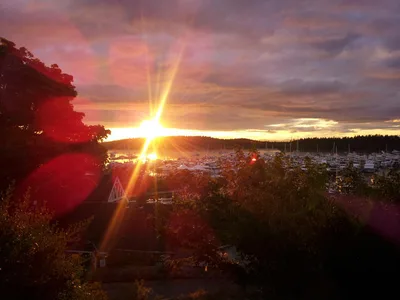
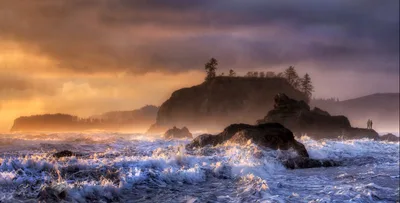
The Ralph and Karen Munro Overlook at 0.2 km is the prime vantage point — shoot early morning when the blue water catches soft Pacific light against the grey pebble shore. The kelp beds and any orca activity in the strait make for compelling wide shots from the shoreline itself, particularly in the long golden hours of a June or July evening.
Good to know
Come prepared for a self-sufficient visit — the tags confirm no facilities on site, so pack water, food, and any gear you need before you board. Swimming conditions are unverified and the bay's wild character, strong Pacific Northwest currents, and cold water mean you should treat any entry with serious caution; if in doubt, stay on shore. The best window is June through September when the temperate climate is at its most forgiving; outside those months, wind and rain can make the crossing and the beach itself genuinely inhospitable. The Blow Hole café is just 0.3 km away and is your nearest option for a warm drink or a sit-down before or after your visit.
GAMES
🕹️ Five minutes of sand?
Three daily games — including the UV simulator set to this beach.
Map
Nearby places
Ralph and Karen Munro Overlook
Bird Blind
GIFT
🎁 Gift this beach
Its exact coastline, your date, your words — on a print or a PDF you print yourself.
Deadman Bay
THAT DAY
Deadman Bay, US Pacific Northwest
© OpenStreetMap contributors
Clean & decorative, or “That day” with the real sky of your date.
Shipping included 3-6 business days
A question before you order? Contact us
Delivered within minutes on the confirmation page and by email: a ZIP with all 4 print sizes (30×40 cm, 12×16″, 50×70 cm, 18×24″), each as a high-resolution PDF and PNG (300 dpi), plus a screen version. Print at home or at any print shop.
Please complete the delivery address.
Please accept the Terms of Sale.
Almost there — the shop opens very soon.
Secure payment · Printed locally in 30+ countries · 7 languages
Frequently asked
The information on this page is provided for guidance only and may evolve. Access conditions, safety and infrastructure can change without notice. Always check official sources before traveling.
Nearest beaches
Other wild beaches in United States
Reviews of this beach
- No reviews yet, what a shame — leave yours and share your experience.
Photo credits
Sources and licenses for the photos shown above.
- Photo 1 — Chiwauk · source · CC BY-SA 4.0
- Photo 2 — Kevin Nichols · source · CC BY-SA 3.0
- Photo 3 — Buidhe · source · CC BY-SA 4.0
- Photo 4 — clocky · source · CC BY-SA 4.0
- Photo 5 — Buidhe · source · CC BY-SA 4.0
- Photo 6 — Buidhe · source · CC BY-SA 4.0