Trá na mBan BeachIreland Beach Guide
Remote island shore where Ireland's literary soul endures
 🎁 Gift idea: the star map of your most beautiful night↓
About
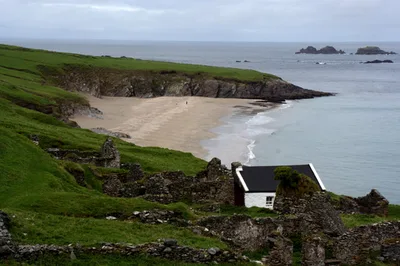
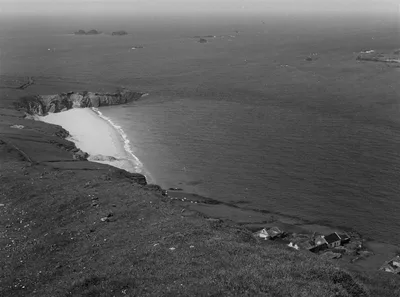
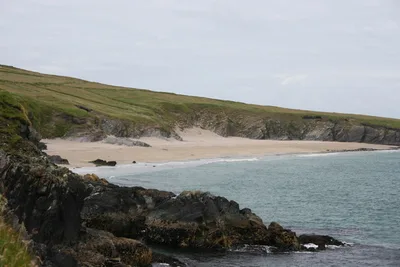
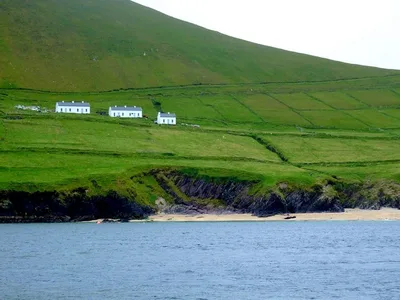
Trá na mBan sits on Great Blasket Island off the Dingle Peninsula in County Kerry, reachable only by ferry across the famously rough Blasket Sound. The beach stretches roughly 150 metres of white sand meeting turquoise Atlantic water — a striking combination that belies the wild, exposed nature of this coast. Above the shore, the stone ruins of an abandoned village stand silent, evacuated in 1953 and unchanged since. No permanent population, no roads, no noise beyond wind and waves. The vibe is raw and genuinely remote.
How to get there
Reach Trá na mBan only by seasonal ferry from Dunquin Pier — a crossing of roughly 20 minutes across the Blasket Sound. Ferries operate May through September, weather permitting, so check conditions before you travel. There is no road access, no parking on the island side, and no infrastructure beyond what the ferry operator provides. The ferry boarding point and island terrain are not wheelchair accessible.
Who it's for
For couples
The combination of wild Atlantic scenery, literary history, and genuine solitude makes this one of the most atmospheric day trips on the Irish coast for two people who want space and silence rather than amenities.
For families
The lack of swimming safety, no emergency services on the island, and difficult ferry boarding make this a challenging destination for young children — older children with a strong interest in Irish history and heritage will get far more from the visit.
Our take
Do not come to Trá na mBan expecting a beach day in any conventional sense. The currents here are genuinely dangerous and the water is off-limits — full stop. What this place offers instead is something rarer: white sand and turquoise water framed by the ruins of a community that held on until 1953, in a landscape that has barely changed since. The ferry-only access keeps visitor numbers low, the island has no overnight guests, and the silence is real. Go for the history, the walking, and the Atlantic light — not the swimming. Shannon Airport is 126.5km away, so factor in travel time from the mainland. If the ferry is cancelled, Coumeenoole Beach on the mainland gives you the view without the crossing.
What to do
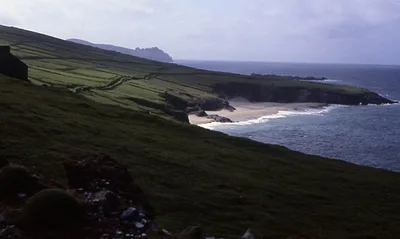
The Great Blasket Island village ruins, just 0.2km from the beach, are the centrepiece of any visit — abandoned stone buildings associated with Irish-language writers Tomás Ó Criomhthain and Peig Sayers, left exactly as the last islanders departed. Before or after your crossing, the Blasket Centre (Ionad an Bhlascaoid) at Dunquin, 3km away, offers award-winning context on the life and literature of the islanders. On the mainland side, Coumeenoole Beach at Slea Head, 4km away, gives dramatic cliff-framed views back across to the Blaskets. Dunmore Head, 2.3km from the beach, is worth the walk for its Atlantic panorama.
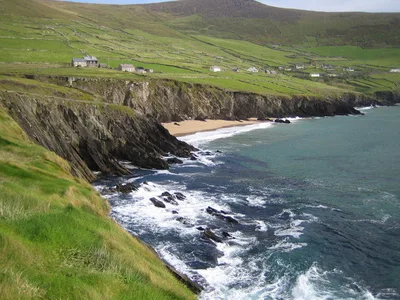
The ruined village above the beach, with white sand and turquoise water in the foreground, is the defining image of Great Blasket Island — shoot it from the lower slopes of the village for the full layered composition.
The Blasket Sound crossing from Dunquin Pier also delivers a strong wide-angle frame, with the island silhouetted against the Atlantic on the approach.
Where to eat
The Island Coffee Shop operates on Great Blasket Island during the open season — the only on-island food option, so treat it as a welcome bonus rather than a guarantee. Bring your own supplies as a backup; there are no other restaurants on the island.
Where to stay
There has been no overnight accommodation on Great Blasket Island since 2011. Plan to return to the mainland by the last ferry of the day and arrange lodging in the Dingle Peninsula area.
Photography
The contrast of white sand against turquoise water with the ruined village on the hillside above makes the beach-to-ruins sightline the single best shot on the island — morning light from the east catches the stone walls cleanly. The ferry crossing itself, with the Blasket Sound in the foreground and the island rising behind, offers a strong arrival frame worth capturing before you disembark.
Good to know
The ferry runs May–September only and cancellations due to bad weather are common — build flexibility into your itinerary and always check conditions on the day. No overnight accommodation has been available on the island since 2011, so this is strictly a day visit. There are very strong and dangerous currents off the beach: do not enter the water, do not go out of depth, and treat swimming here as strictly off-limits. Respect the protected heritage structures in the village ruins, and note there are no emergency services on the island. True digital-detox territory — bring offline books, because cell signal fades and there is nowhere to plug in a laptop.
GAMES
🕹️ Five minutes of sand?
Three daily games — including the UV simulator set to this beach.
Map
Nearby places
Island Coffee Shop
Dunmore Head
Great Blasket Island village ruins
Blasket Centre (Ionad an Bhlascaoid)
Coumeenoole Beach
Things to see around Dunquin
Great Blasket Island village ruins
Abandoned stone village evacuated in 1953, associated with Irish-language writers Tomás Ó Criomhthain and Peig Sayers.
Blasket Centre (Ionad an Bhlascaoid)
Award-winning interpretive centre at Dunquin dedicated to the life and literature of the Blasket Islanders.
Coumeenoole Beach
Dramatic cliff-enclosed cove at Slea Head with the best mainland view of the Blasket Islands.
GIFT IDEA · MARCEL ET LES BLONDES
🎁 Give a moment, not a thing
What’s the occasion?
 💑 Dating anniversaryTwo dates, two starry skies
 💍 Wedding anniversaryCotton, silver, golden…
 🎂 BirthdayTheir own newspaper front page
 👶 New babyThe stars on the day they were bornValentine’s DayOur two moons, as a print
Shipping €5, free from €49 · made to order, shipped within 48 hAlso: our engraved wooden bracelets, €23.90 →
Frequently asked
The information on this page is provided for guidance only and may evolve. Access conditions, safety and infrastructure can change without notice. Always check official sources before traveling.
Nearest beaches
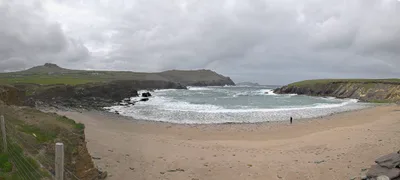
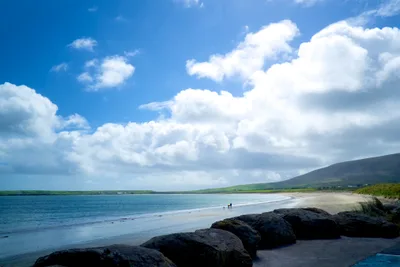
Other wild beaches in Ireland
More beaches in Irish Coast
Reviews of this beach
- No reviews yet, what a shame — leave yours and share your experience.
Photo credits
Sources and licenses for the photos shown above.
- Photo 1 — Bob Shires · source · CC BY-SA 2.0
- Photo 2 — M J Richardson · source · CC BY-SA 2.0
- Photo 3 — kevin higgins · source · CC BY-SA 2.0
- Photo 4 — C Ni Dheaghaidh · source · CC BY-SA 2.0
- Photo 5 — sarah gallagher · source · CC BY-SA 2.0