Cladach an Chaisil BeachIreland Beach Guide
Stone fort above, wild shore below, total solitude
 🎁 Gift idea: the star map of your most beautiful night↓
About
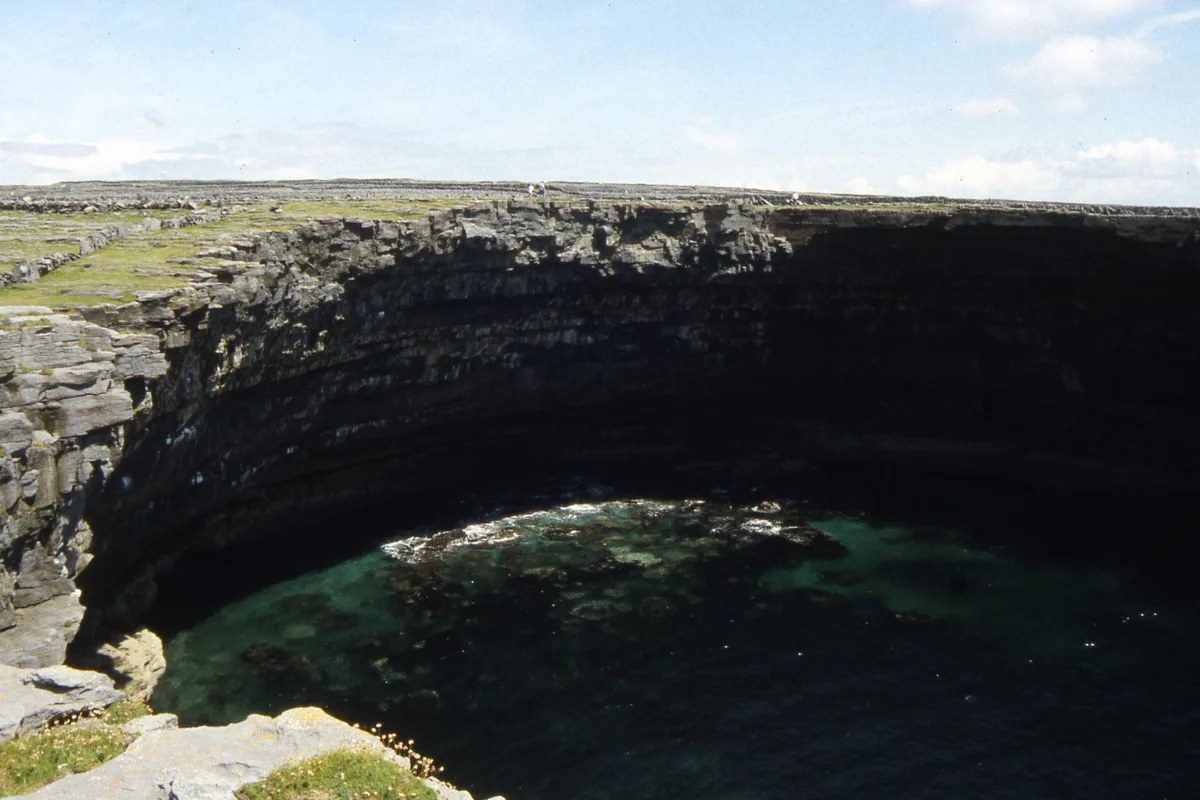
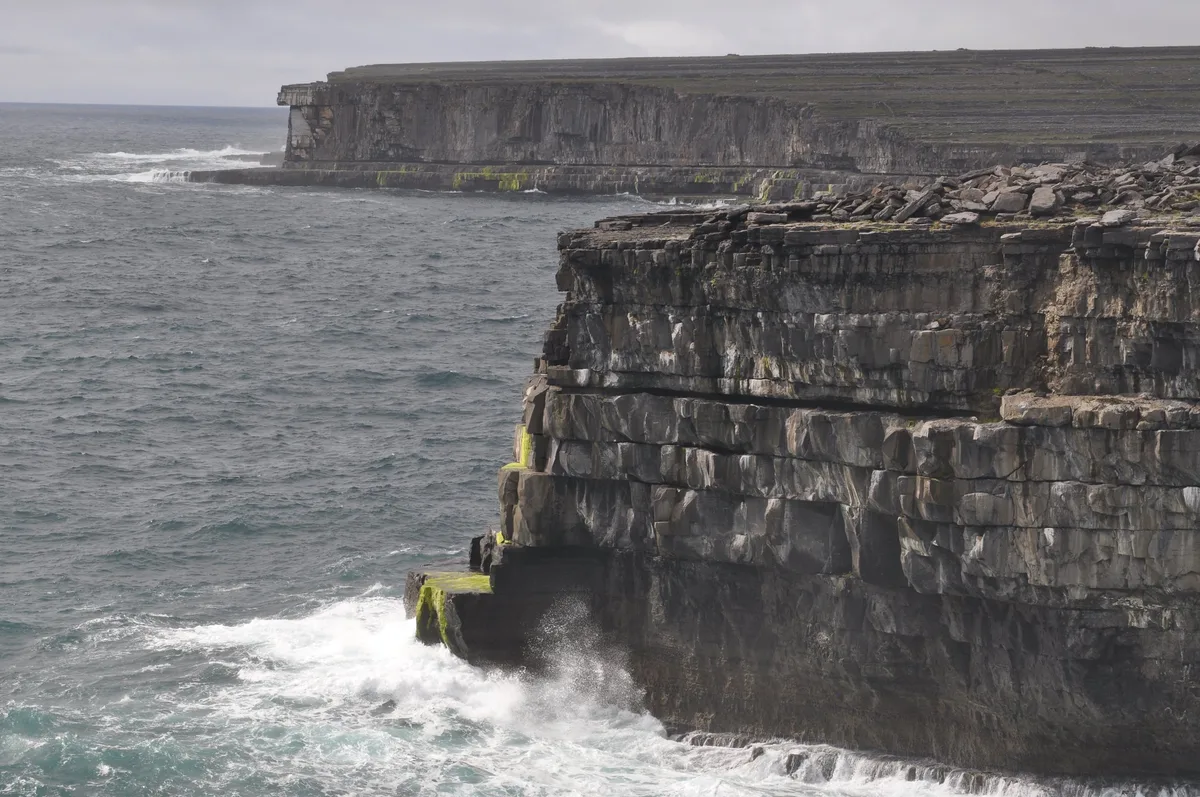
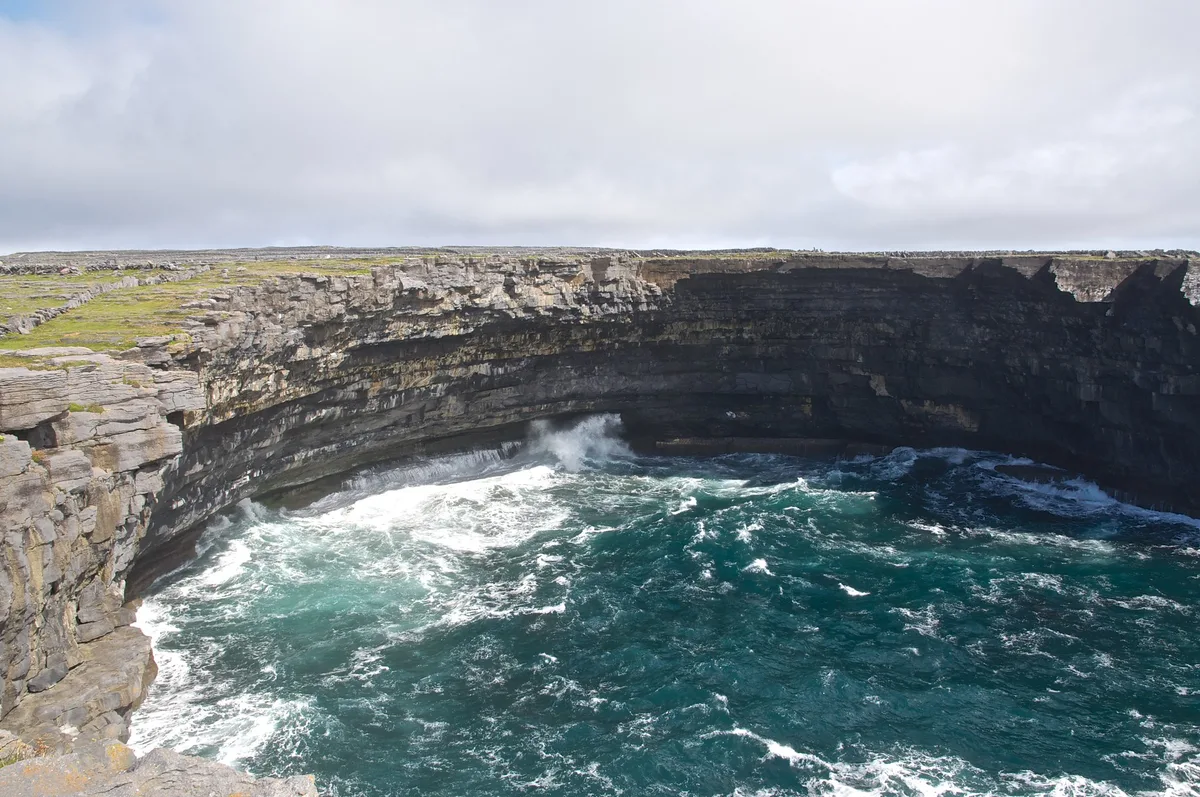
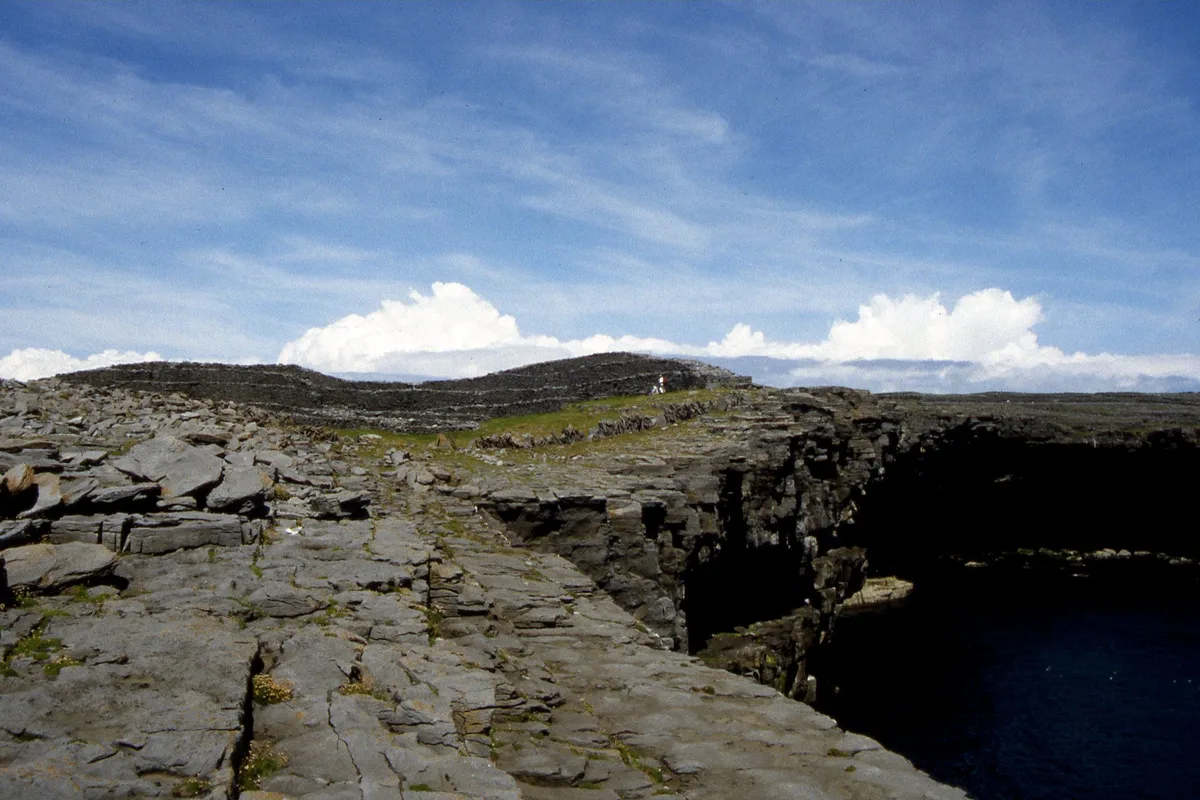
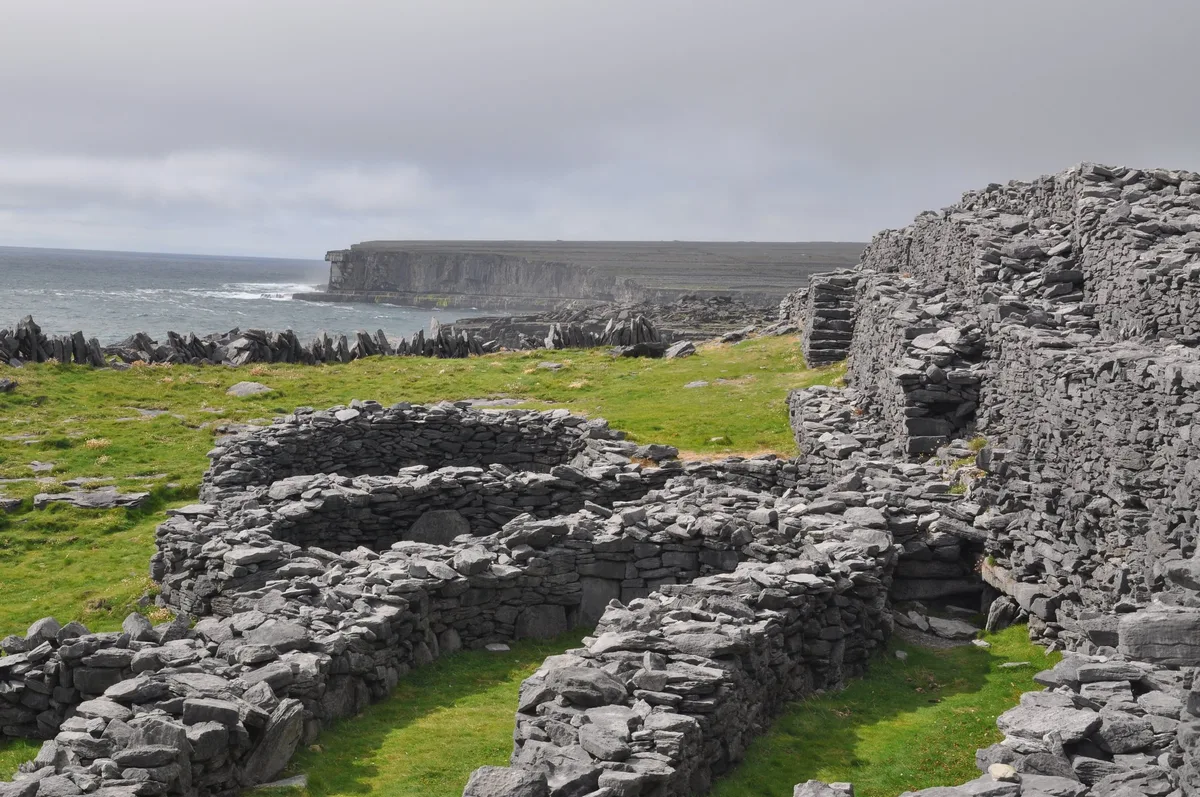
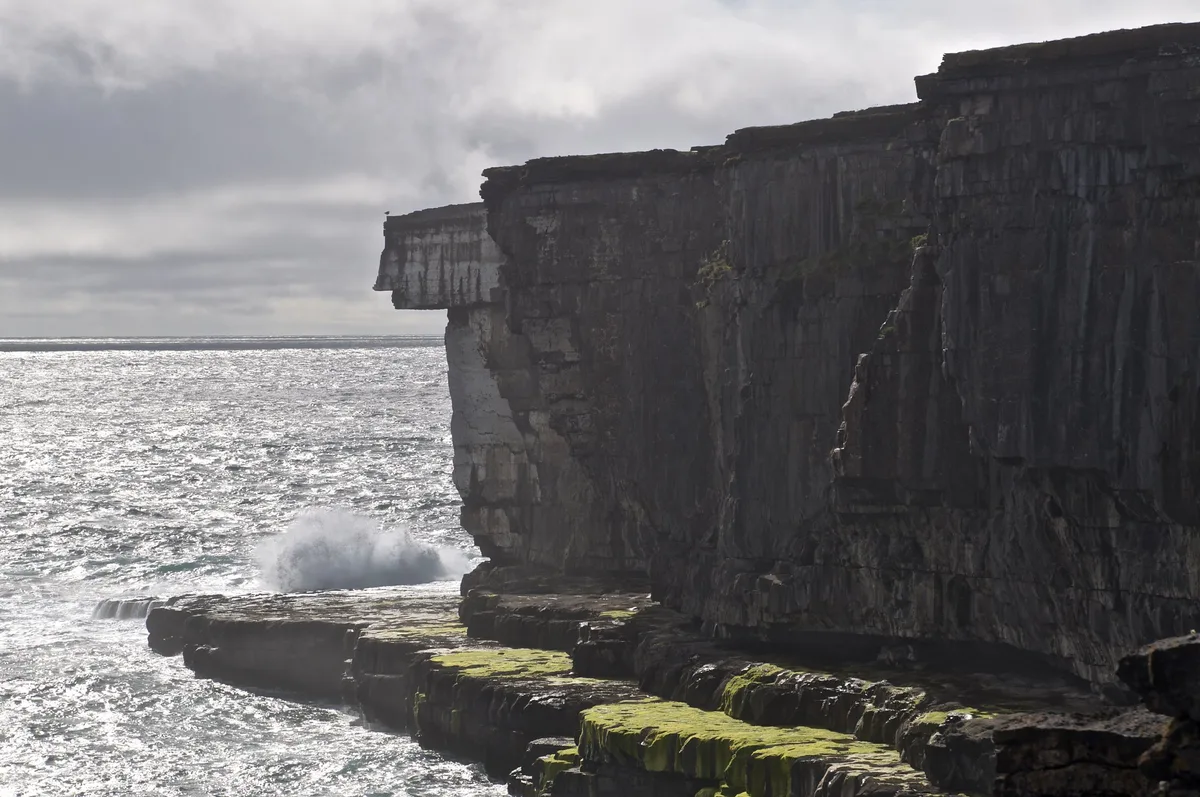
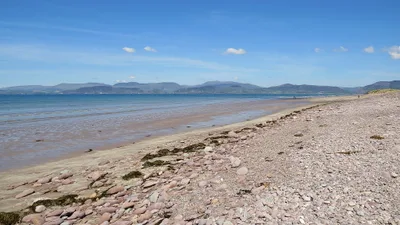
Cladach an Chaisil sits on the south coast of Árainn (Inishmore), the largest of the Aran Islands, tucked beneath the ancient ring fort of Dún Eochla on Galway's Atlantic fringe. It's a short but demanding descent from the fort to a coarse shell-sand strip — the grey sand here is rough underfoot, mixed with shell fragments worn by centuries of Atlantic swell. The water runs crystal clear against the rocky shoreline, cold and honest in the way only the North Atlantic can be. At roughly 80 metres long, this is not a beach for sunbathing marathons; it's a place you earn, and then have entirely to yourself. The combination of Iron Age stonework directly overhead and the raw, empty shore below makes this one of the more singular spots on the island.
How to get there
There is no road, no parking, and no marked path to Cladach an Chaisil — approach entirely on foot from the island road, using Dún Eochla fort as your landmark. The descent from the fort takes around 20 minutes and follows an unmapped route not recorded on Ordnance Survey maps, so solid navigation skills and sturdy footwear are essential. Access is rated difficult and is suitable only for experienced walkers comfortable with rough, unmarked terrain. Shannon Airport (SNN) is the primary gateway, approximately 68 km away, with ferry connections to Inishmore from the Galway coast.
Who it's for
For couples
For couples who want genuine solitude without a tourist trail, this is about as far off the map as Inishmore gets — a private strip of grey shell-sand beneath a 2,000-year-old fort, with no one else around. The combined heritage walk from Dún Eochla down to the shore makes for a purposeful, memorable half-day together.
For families
This beach is not suitable for families with young children — the access route is an unmapped, rough descent rated difficult, there is no lifeguard, and mobile signal is likely unavailable. Families are better served by the island's more accessible sites such as Teampall Bheanáin or the visitor facilities near Killeany village, 1.4 km away.
Our take
Cladach an Chaisil demands something from you before it gives anything back — a careful, unmapped descent on rough terrain with no signal and no safety net. That is not a marketing line; it is a genuine condition of access, and anyone who underestimates it should stay on the main island paths. For experienced walkers who make the effort, the reward is a coarse grey shell-sand shore beneath one of the island's finest Iron Age forts, with crystal-clear water and not another soul in sight. The combined fort-and-shore walk is the best version of this visit — don't treat the beach as a destination in isolation. Avoid the months from October through March: Atlantic weather and wet terrain make the unmapped descent dangerous, not merely uncomfortable. Come between June and September, tell someone your route, and bring everything you need — there is nothing here but the shore, the fort, and the wind.
What to do
The obvious pairing is the combined fort-and-shore walk: Dún Eochla itself, a well-preserved concentric ring fort on the island's central ridge, is only 0.3 km from the beach and is the reason most people find this shore at all. From there, the wider island rewards further exploration — Dún Aonghasa, Ireland's most visited prehistoric cliff-edge fort, is 5.8 km away, and the dramatic Dún Dúchathair (Black Fort) on the south coast cliffs is 4 km distant. Teampall Bheanáin, a tiny early Christian oratory, is 1.4 km away and worth the short detour.
Frame Dún Eochla's concentric stone walls from the beach below, with the crystal-clear Atlantic water in the lower third of the shot — the contrast between ancient grey stonework and clear sea is the defining image of this place.
The coarse grey shell-sand strip at the waterline, shot at low tide with the rocky platform exposed on either side, gives a sense of scale and isolation that no other beach on Inishmore quite matches.
Where to stay
The Pier House, 2.3 km from the beach, is the closest place to stay and also houses a restaurant. For something more remote, Inis Meáin Restaurant and Suites on the neighbouring island of Inis Meáin is 7.2 km away and combines accommodation with one of the area's most respected seafood kitchens.
Photography
The strongest shot on this beach is looking back up at the silhouette of Dún Eochla's stone walls against the sky, with the grey shell-sand strip and crystal-clear water in the foreground — morning light from the east gives the stonework its best definition. For the shore itself, low tide reveals the full texture of the rocky platform and the coarse sand, and the absence of any other visitors means you can compose without waiting.
Good to know
Treat Dún Eochla as a heritage site, not just a waypoint — respect the ancient stonework and do not climb or disturb the fort structure. There is no marked path down to the shore, so navigate carefully and do not attempt the descent in wet or windy conditions, when the rough terrain becomes genuinely hazardous. There is no lifeguard on this beach and mobile signal is likely absent, so tell someone your plan before you head out. Dogs are welcome given the isolation and rough terrain, but keep them under control near the fort and the cliff edges.
GAMES
🕹️ Five minutes of sand?
Three daily games — including the UV simulator set to this beach.
Map
Nearby places
The Pier House
Inis Meáin Restaurant and Suites
Things to see around Sruthán
Dún Eochla
Well-preserved concentric ring fort on the island's central ridge
Dún Aonghasa
Prehistoric cliff-edge stone fort, Ireland's most visited archaeological site
Dún Dúchathair
Black Fort — cliff-edge promontory fort on Inishmore's south coast
GIFT IDEA · MARCEL ET LES BLONDES
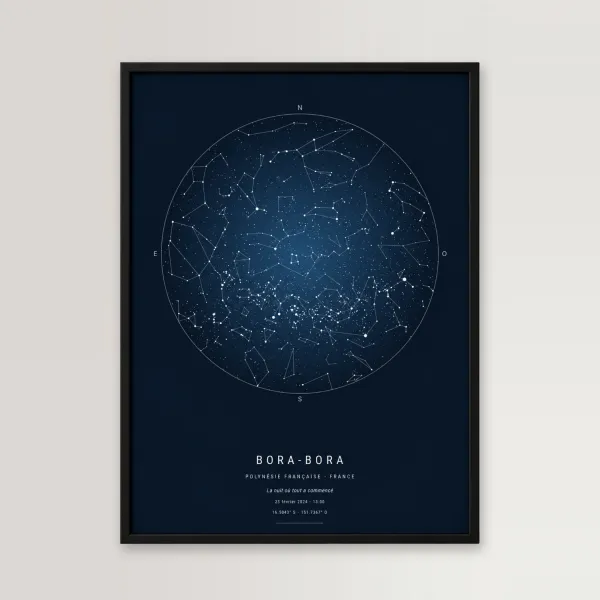
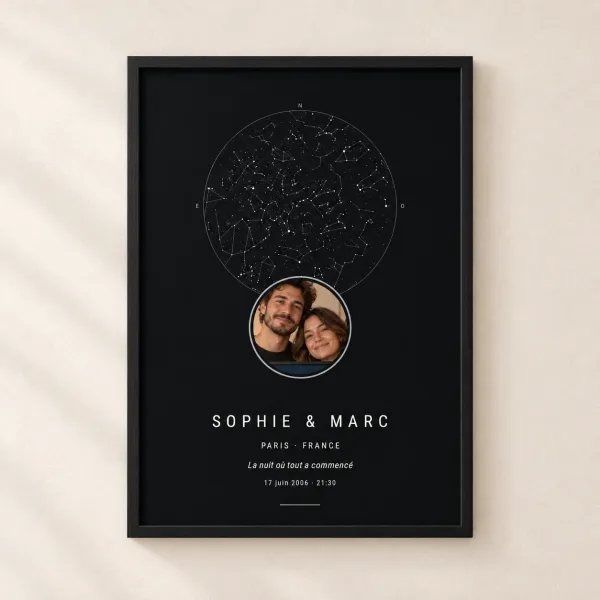
🎁 Give a moment, not a thing
What’s the occasion?
 💑 Dating anniversaryTwo dates, two starry skies
 💍 Wedding anniversaryCotton, silver, golden…
 🎂 BirthdayTheir own newspaper front page
 👶 New babyThe stars on the day they were bornValentine’s DayOur two moons, as a print
Shipping €5, free from €49 · made to order, shipped within 48 hAlso: our engraved wooden bracelets, €23.90 →
Frequently asked
The information on this page is provided for guidance only and may evolve. Access conditions, safety and infrastructure can change without notice. Always check official sources before traveling.
Other beaches in the region
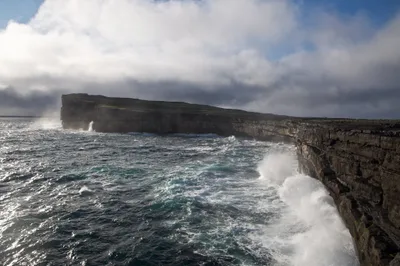
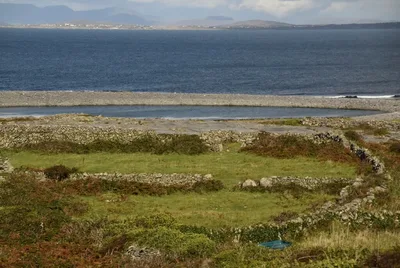
Other wild beaches in Ireland
Reviews of this beach
- No reviews yet, what a shame — leave yours and share your experience.
Photo credits
Sources and licenses for the photos shown above.
- Photo 1 — Colin Park · source · CC BY-SA 2.0
- Photo 2 — ludger.heide · source · CC BY-SA 2.0
- Photo 3 — ludger.heide · source · CC BY-SA 2.0
- Photo 4 — Colin Park · source · CC BY-SA 2.0
- Photo 5 — ludger.heide · source · CC BY-SA 2.0
- Photo 6 — ludger.heide · source · CC BY-SA 2.0