Inch BeachIreland Beach Guide
Five kilometres of golden Atlantic sand, wild and wide
About
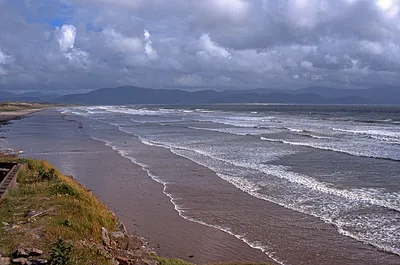
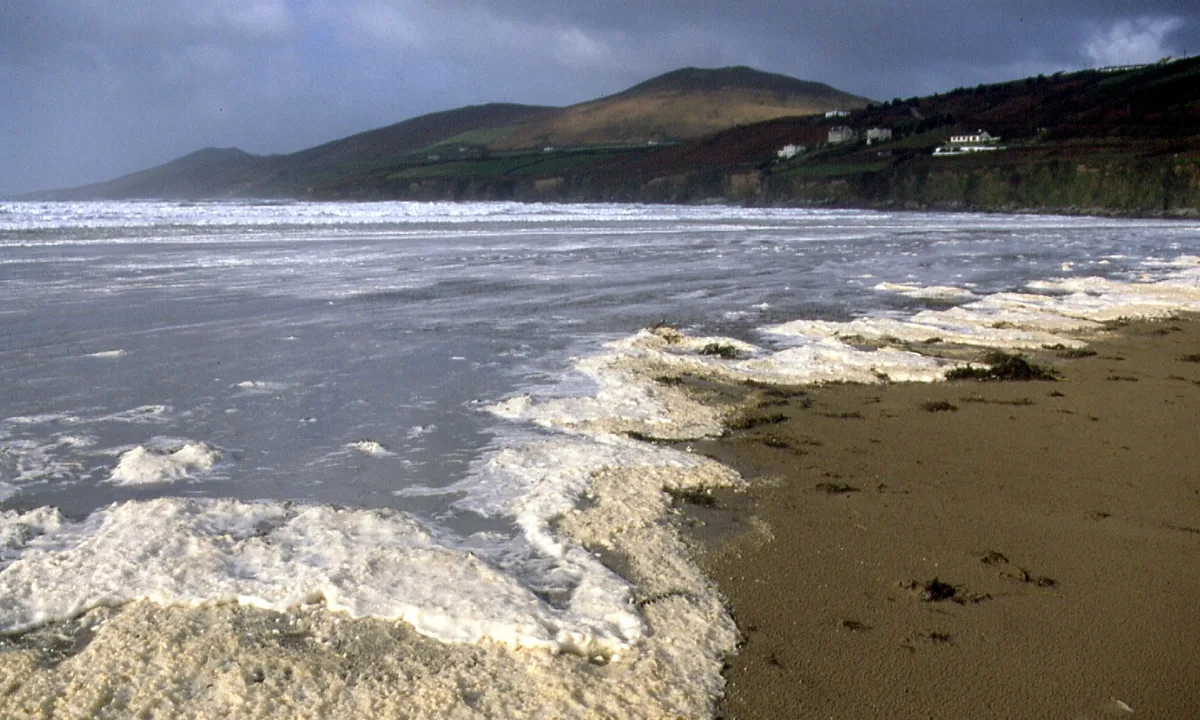
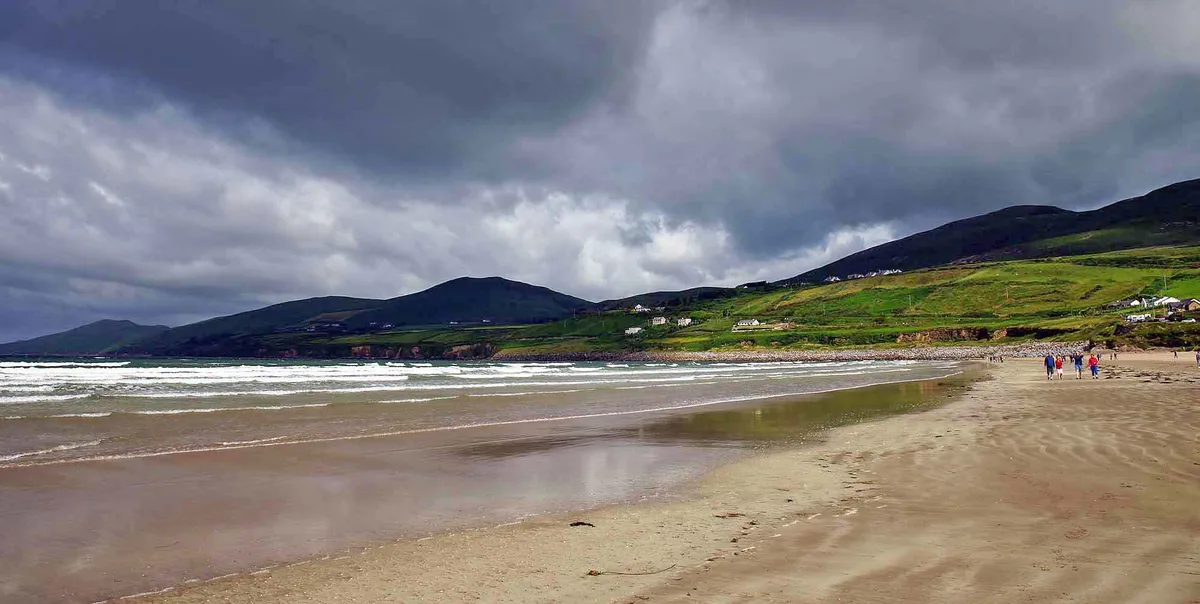
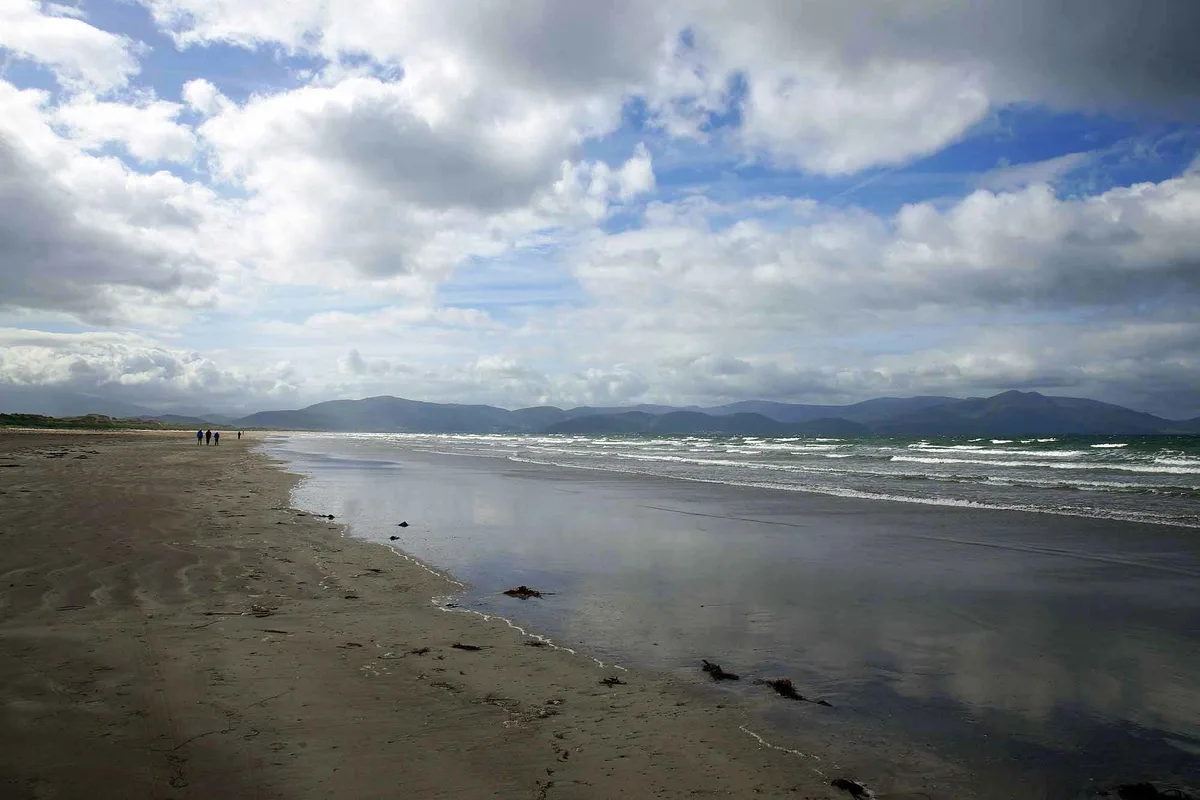
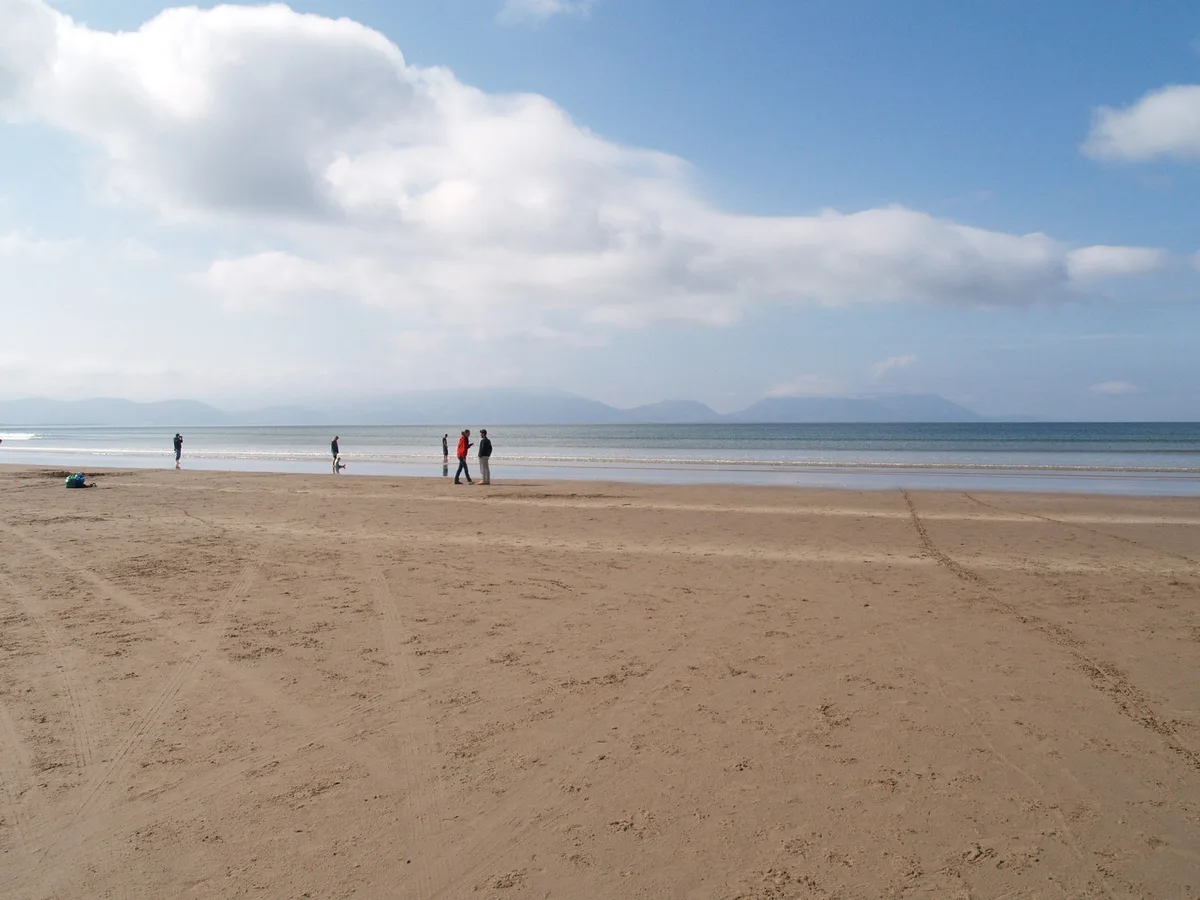
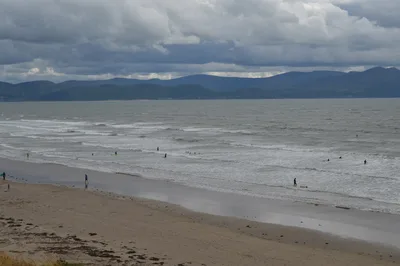
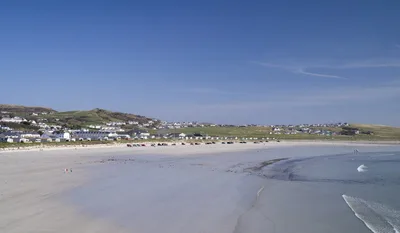
Inch Beach stretches for roughly 5 km along a narrow sand spit that juts into Dingle Bay, its golden sand backed by rolling dunes and open to the full force of the Atlantic. The blue water rolls in with consistent surf breaks, and the mountain panorama behind you — the Slieve Mish range to one side, the Dingle Peninsula peaks to the other — gives the place a cinematic scale that photographs can barely contain. It's a wild strand, not a manicured resort beach: expect wind, space, and a horizon that feels genuinely vast. Dogs are welcome on the sand, surfers read the breaks, and kite-boarders work the open fetch. The beach has served as a film location, and standing on it you can see why — the light here does something extraordinary.
How to get there
From Tralee, the drive takes around 30 minutes; from Dingle town, roughly 20 minutes. There's a large car park at the beach entrance. Parking is a mix of free spaces near the entrance and paid hourly or overnight options on the road — expect to pay around €2 per hour or €5 overnight. July and August see the car park fill quickly, so arrive early or plan a late-afternoon visit.
Who it's for
For couples
The sheer scale of the strand means you can walk for kilometres with almost no one else in sight outside peak season — a long dune walk at dusk, with the mountains behind and the Atlantic ahead, is as good as Kerry gets.
For families
The wide, flat golden sand gives children plenty of room to run, and the dog-friendly policy means the family pet comes too — just keep younger swimmers within the flagged lifeguard zone in July and August, and note that the soft sand and dune terrain is not wheelchair-accessible.
Our take
Inch Beach is one of those places that earns its reputation without trying to. Five kilometres of golden sand on a wild Atlantic sand spit, backed by dunes and framed by Kerry's mountains — it's genuinely impressive and the scale alone justifies the drive from Tralee or Dingle. Swim with care: lifeguards are only present in July and August, and the Atlantic here is not a gentle sea. July and August bring real numbers of visitors and a car park that fills fast — early mornings or evenings are the honest answer. Outside peak summer, the beach opens up and the wild vibe the tags promise is exactly what you get. Worth the detour, any month from June to September.
What to do
The beach itself is the main event — surfing, kite-surfing, and long walks along the dune-backed spit fill most visits. About 12 km away, Dingle town offers seafood restaurants, traditional pubs, and the heritage of Fungie the dolphin. Conor Pass, 18 km out, is Ireland's highest mountain pass and delivers panoramic views over Dingle Bay worth the short drive. Kerry Bog Village, around 10 km away, gives a grounded look at 19th-century rural Irish life.
The dune ridge looking seaward gives you the full 5 km arc of golden sand with blue Atlantic water and mountain peaks in a single frame — shoot wide.
From the waterline looking back toward the dunes, the wave wash and dune grass create a layered, cinematic composition that reflects the beach's film-location heritage.
Where to eat
The Anchor Inn, about 5 km from the beach, is the closest option for a post-surf meal or drink. A little further, Jacks' Coastguard Restaurant at 6.4 km covers seafood and pub fare, while The Ross Inn at roughly 10 km rounds things out with seafood, soup, and ice cream — useful if you're heading back toward Tralee.
Where to stay
The Olde Glenbeigh Hotel and Towers Hotel both sit around 10 km from the beach and make practical bases for exploring the wider Dingle Peninsula. Tralee Bay Holiday Village, about 10 km away, suits those wanting a more self-catering setup with easy beach access.
Photography
Shoot from the dune ridge at the landward edge of the spit for the full sweep of golden sand meeting blue Atlantic water, with the mountain backdrop framing the scene — early morning light is cleanest and the beach is quieter. At the water's edge looking back toward the dunes, late-afternoon sun picks out the texture of the sand and the wave lines in a way that earns the beach's cinematic reputation.
Good to know
Lifeguards patrol the beach in July and August only — when they're present, swim within the flagged zone, no exceptions. Outside those months there is no lifeguard cover, so judge conditions carefully before entering the water. July and August are the busiest months; arriving early or late in the day makes a real difference. Dogs are generally permitted across the strand, but check seasonal restrictions within the lifeguard zone during peak summer.
GAMES
🕹️ Five minutes of sand?
Three daily games — including the UV simulator set to this beach.
Map
Nearby places
The Anchor Inn
Jacks' Coastguard Restaurant
The Ross Inn
The Curra Restaurant
Red Fox Inn
The Olde Glenbeigh Hotel
Towers Hotel
Tralee Bay Holiday Village
Manor Inn
Things to see around Inch
Dingle town
Vibrant fishing town with pubs, seafood restaurants, and Fungie the dolphin heritage.
Gallarus Oratory
Perfectly preserved early Christian dry-stone oratory on the Dingle Peninsula.
Conor Pass
Ireland's highest mountain pass with panoramic views over Dingle Bay and Brandon Bay.
GIFT
🎁 Gift this beach
Its exact coastline, your date, your words — on a print or a PDF you print yourself.
Inch Beach
THAT DAY
Inch Beach, Irish Coast
© OpenStreetMap contributors
Clean & decorative, or “That day” with the real sky of your date.
Shipping included 3-6 business days
A question before you order? Contact us
Delivered within minutes on the confirmation page and by email: a ZIP with all 4 print sizes (30×40 cm, 12×16″, 50×70 cm, 18×24″), each as a high-resolution PDF and PNG (300 dpi), plus a screen version. Print at home or at any print shop.
Please complete the delivery address.
Please accept the Terms of Sale.
Almost there — the shop opens very soon.
Secure payment · Printed locally in 30+ countries · 7 languages
Frequently asked
The information on this page is provided for guidance only and may evolve. Access conditions, safety and infrastructure can change without notice. Always check official sources before traveling.
Nearest beaches
Other wild beaches in Ireland
More beaches in Irish Coast
Reviews of this beach
- No reviews yet, what a shame — leave yours and share your experience.
Photo credits
Sources and licenses for the photos shown above.
- Photo 1 — Mike Searle · source · CC BY-SA 2.0
- Photo 2 — Chris Andrews · source · CC BY-SA 2.0
- Photo 3 — HerryB · source · CC BY 2.0
- Photo 4 — HerryB · source · CC BY 2.0
- Photo 5 — Adrian King · source · CC BY-SA 2.0
- Photo 6 — N Chadwick · source · CC BY-SA 2.0