Na Croise BeachIreland Beach Guide
Wild Atlantic pocket beach, earned by ferry and field
 🎁 Gift idea: the star map of your most beautiful night↓
About
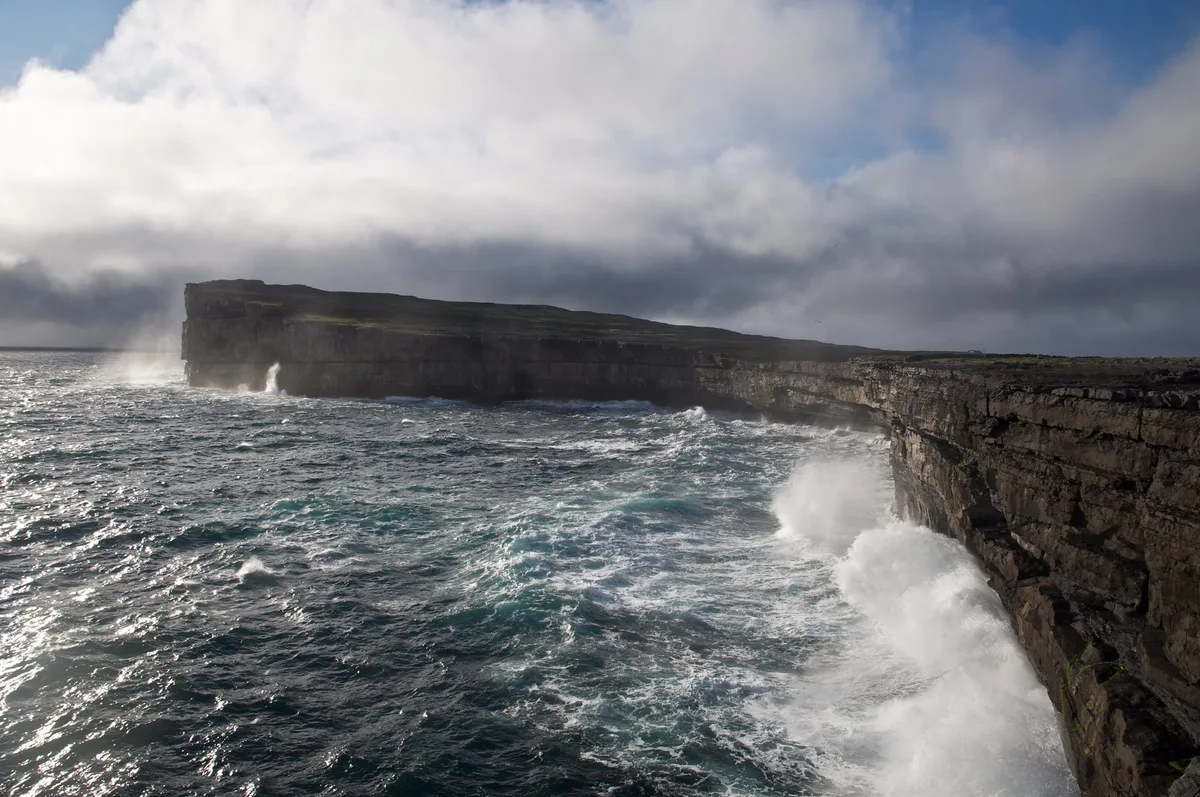
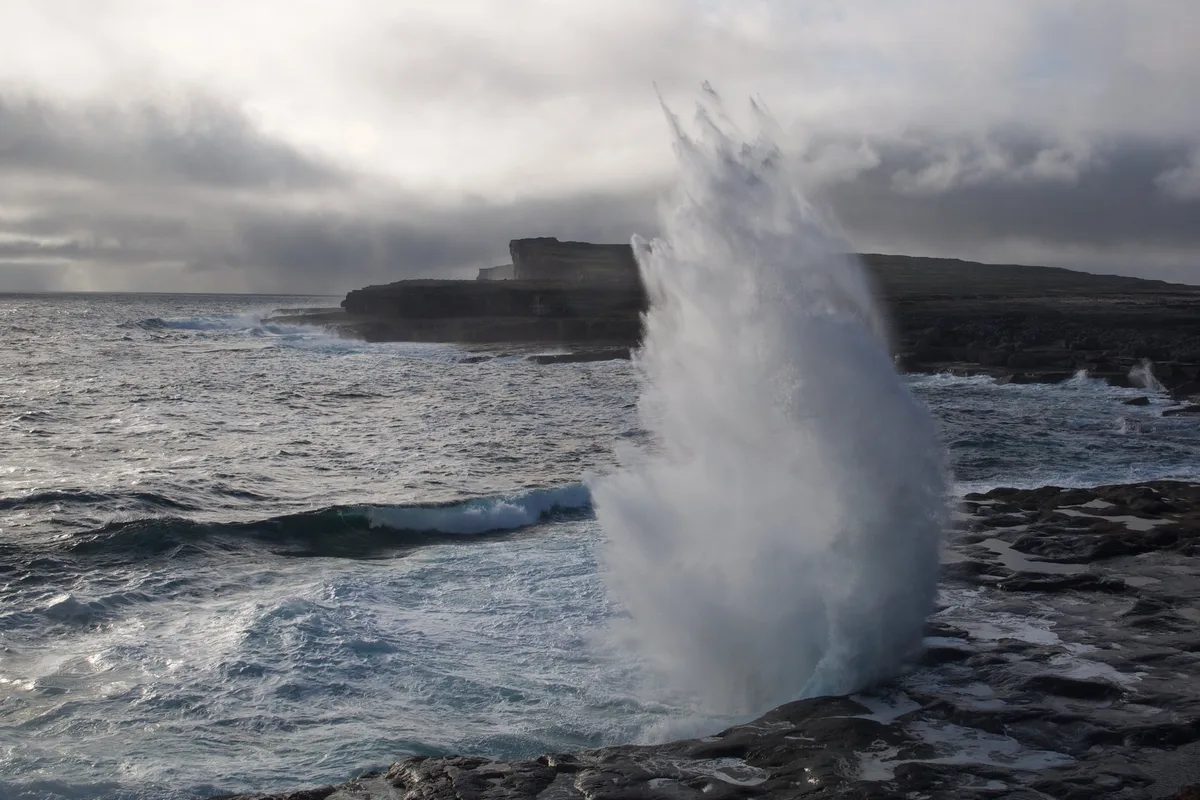
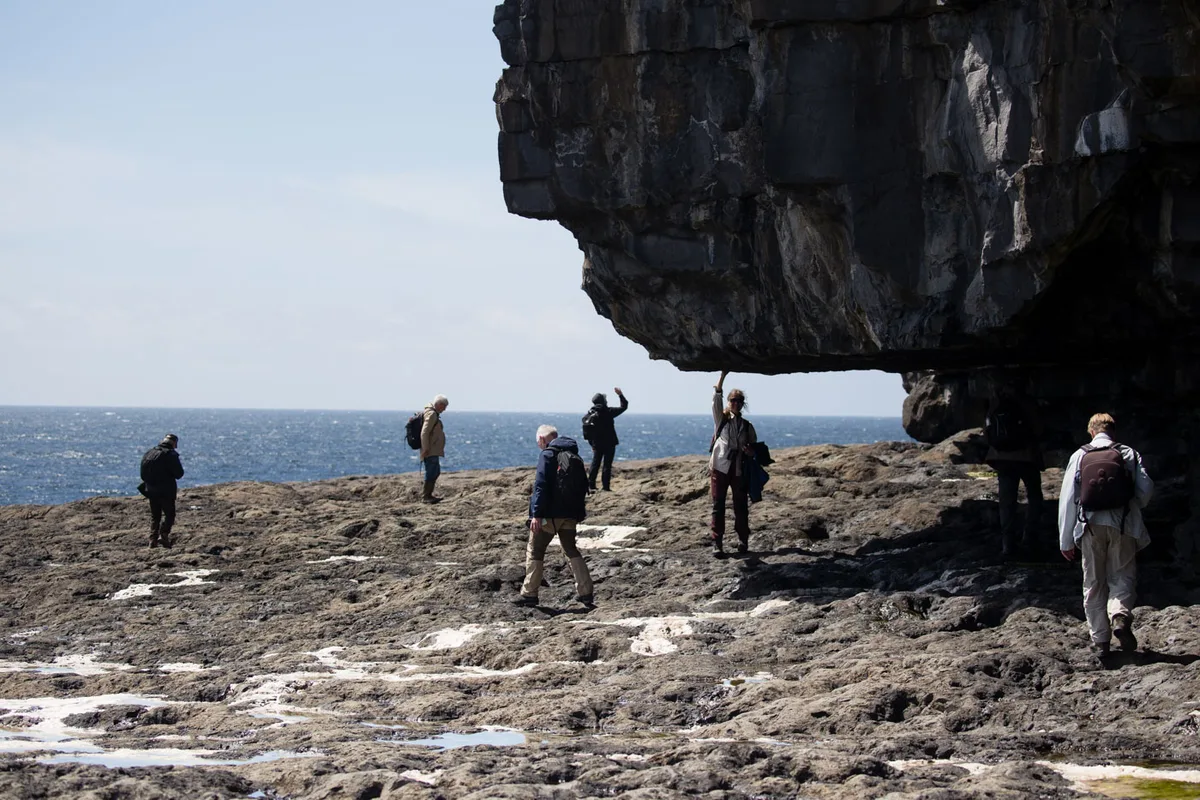
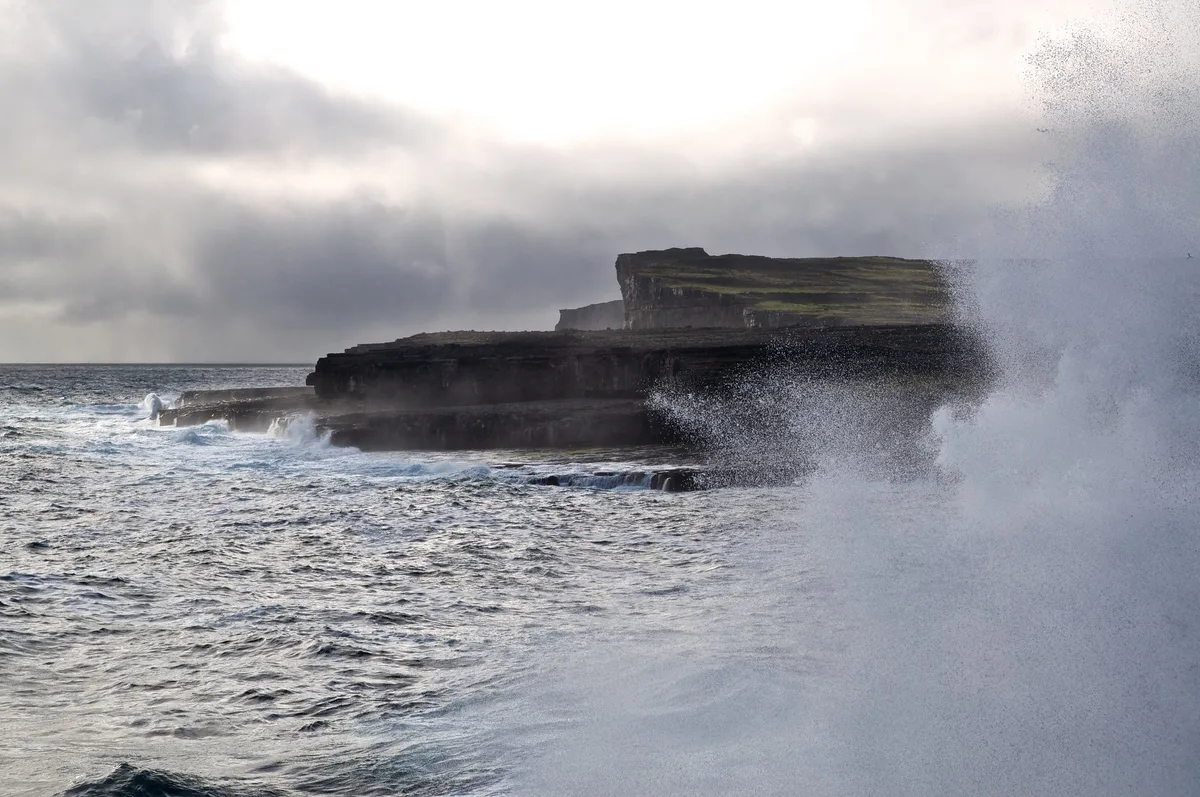
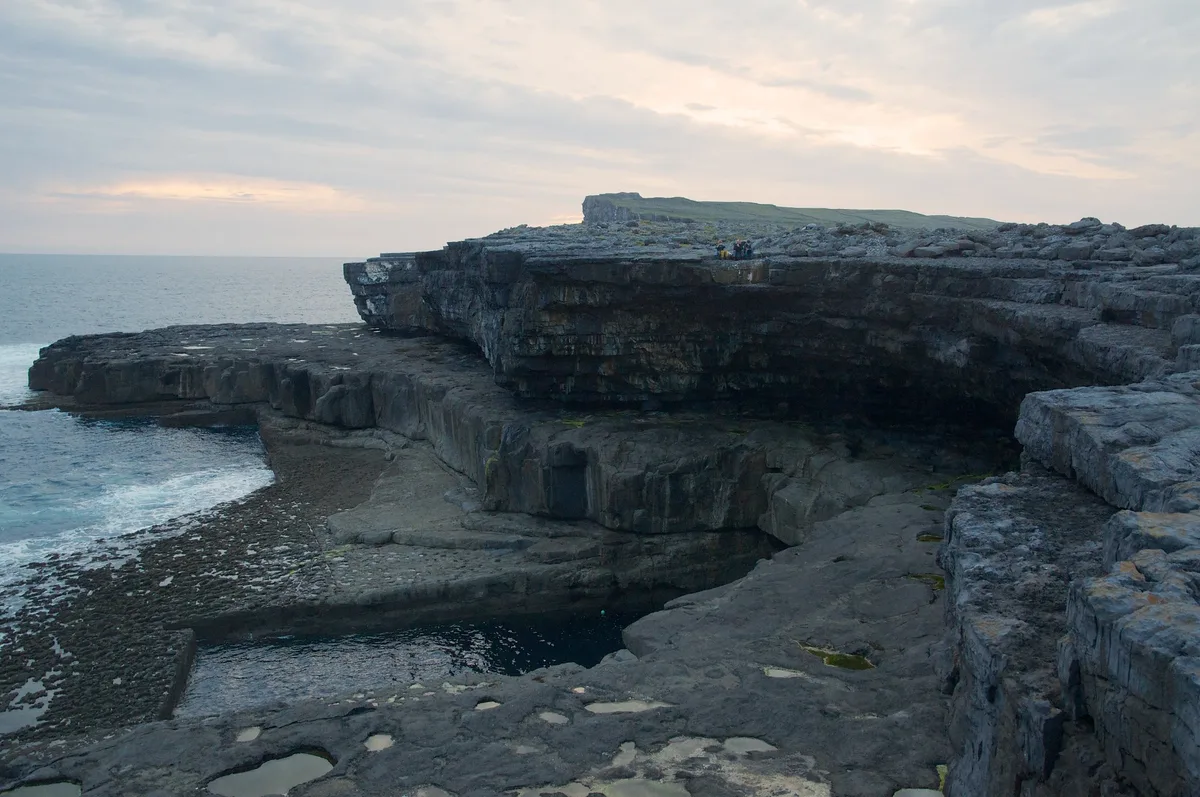
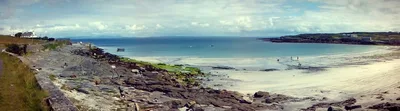
Trá na Croise sits on the north coast of Árainn (Inishmore), the largest of the Aran Islands, facing the full force of the North Atlantic. Grey sand meets deep blue water in a compact cove framed by limestone headlands — raw, unpolished, and entirely free of tourist infrastructure. You reach it by crossing working farmland, slipping through a gap in a stone wall, with the island's ancient field system stretching behind you. At roughly 80 metres long, it's a pocket beach that rewards the effort of getting here with near-total solitude. The vibe is wild and unhurried — exactly what the Aran Islands have always been.
How to get there
Trá na Croise is boat-access only — there is no road connection. Take the ferry from Rossaveel, Co. Galway, a 40-minute crossing that runs year-round with increased frequency in peak season. Once on Árainn, reaching the beach requires navigating on foot across farmland with no marked path; look for the stone wall gap that opens onto the shore. There is no parking because there is no road — your journey ends at the ferry terminal on the mainland.
Who it's for
For couples
For couples who want genuine remoteness without performance, Trá na Croise delivers — grey sand, blue water, no other visitors, and the quiet drama of limestone cliffs on either side. The walk through the field system to get here feels like a shared adventure rather than a tourist trail.
For families
Families with older, confident children who can handle rough terrain and an unmarked route will find the journey rewarding, but the north-facing Atlantic swell and absence of a lifeguard make this unsuitable for young children or non-swimmers. Dogs are welcome with no formal restrictions, provided all field gates are closed behind you.
Our take
Check sea conditions before you even think about swimming — the north-facing Atlantic exposure means swell can arrive fast and there is no lifeguard, no rescue post, and no one else around to help. That said, if you're here to walk, photograph, and simply stand somewhere that feels genuinely apart from the world, Trá na Croise earns its place. The ferry crossing from Rossaveel, the farmland navigation, the stone wall gap — none of it is difficult, but all of it filters out the casual visitor, which is exactly why the beach is empty when you arrive. Grey sand, deep blue water, limestone on both sides, and the field walls behind you: it's an honest, unvarnished Atlantic scene. Come between June and September, close every gate, and leave no trace. Worth every minute of the crossing.
What to do
Dún Aonghasa, Ireland's most visited prehistoric site, is a cliff-edge stone fort about 900 metres away and worth every step of the walk. Kilmurvey Beach, the island's main shell-sand strand, is around 2km from Trá na Croise and offers a gentler swimming alternative. Back toward the village, Kilmurvey Craft Village and Liam O'Flaherty's Birthplace — both around 1km away — give a grounded sense of island culture and literary history. The early medieval monastic complex of Teampall Bhreacáin, with its multiple church ruins, is another 2.5km out and quietly extraordinary.
The stone wall gap framing the beach beyond is the shot — position yourself at the gap with the limestone headlands and deep blue Atlantic in the background.
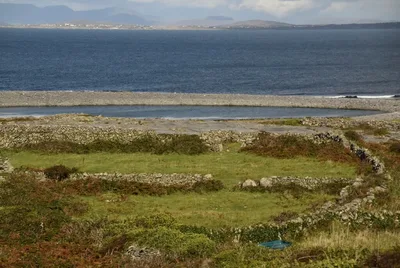
Turn 180 degrees for the field system: layered stone walls stretching inland under an open Connacht sky, with no sign of modern infrastructure in any direction.
Where to eat
Teach Nan Phaidi, about 1.1km away, is the island stalwart with a strong local following and hundreds of reviews to back it up. For something lighter, Aran Seafood Cafe — also around 1.1km — is the place for fresh island seafood. Píotsa Mex rounds out the options nearby if you want something different after a long walk.
Where to stay
Kilmurvey House, roughly 1km from the beach, is the most-reviewed option on this part of the island and consistently well-regarded. Aran Walkers Lodge, about 1.2km away, suits those here specifically for hiking and coastal exploration. The Man of Aran Cottage, 1.4km out, is a smaller, more intimate choice with genuine island character.
Photography
The limestone headlands framing the cove make a strong compositional anchor — shoot from the stone wall gap looking seaward in the soft light of a June or July morning for the best contrast between grey sand and deep blue Atlantic. The field system backdrop, with its layered stone walls receding inland, rewards a wide lens turned away from the water entirely.
Good to know
Always close every field gate you pass through — this is active grazing land and the local rule is non-negotiable. The beach is north-facing with direct Atlantic exposure, so swell can turn rough quickly; check sea conditions before you consider entering the water, and note there is no lifeguard on site. No marked path leads to the beach, so bring a map or offline navigation — the terrain is rough and field wall gaps are easy to miss. True digital-detox spot — bring offline books, the cell signal fades and there's nowhere to plug in a laptop.
GAMES
🕹️ Five minutes of sand?
Three daily games — including the UV simulator set to this beach.
Map
Nearby places
Liam o'Flaherty's Birthplace
Kilmurvey Craft Village
Things to see around Eoghanacht
Dún Aonghasa
Prehistoric cliff-edge stone fort, Ireland's most visited archaeological site
Kilmurvey Beach
Main shell-sand beach of Inishmore
Teampall Bhreacáin
Early medieval monastic complex with multiple church ruins
GIFT IDEA · MARCEL ET LES BLONDES
🎁 Give a moment, not a thing
What’s the occasion?
 💑 Dating anniversaryTwo dates, two starry skies
 💍 Wedding anniversaryCotton, silver, golden…
 🎂 BirthdayTheir own newspaper front page
 👶 New babyThe stars on the day they were bornValentine’s DayOur two moons, as a print
Shipping €5, free from €49 · made to order, shipped within 48 hAlso: our engraved wooden bracelets, €23.90 →
Frequently asked
The information on this page is provided for guidance only and may evolve. Access conditions, safety and infrastructure can change without notice. Always check official sources before traveling.
Other beaches in the region
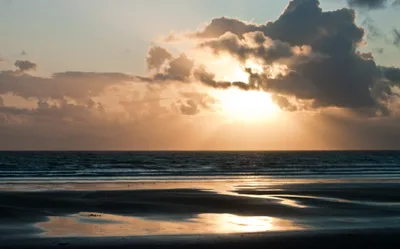
Other wild beaches in Ireland
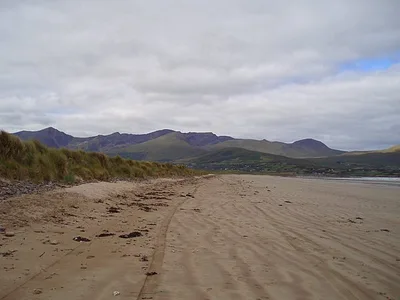
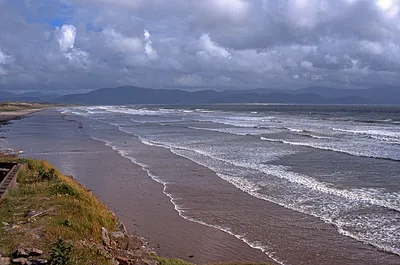
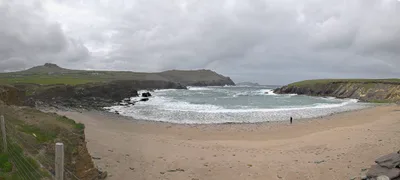
Reviews of this beach
- No reviews yet, what a shame — leave yours and share your experience.
Photo credits
Sources and licenses for the photos shown above.
- Photo 1 — ludger.heide · source · CC BY-SA 2.0
- Photo 2 — ludger.heide · source · CC BY-SA 2.0
- Photo 3 — Ragnhild&Neil Crawford from Sweden · source · CC BY-SA 2.0
- Photo 4 — ludger.heide · source · CC BY-SA 2.0
- Photo 5 — ludger.heide · source · CC BY-SA 2.0