Morsum Kliff BeachGermany Beach Guide
Ancient cliffs, tidal solitude, raw North Sea edge
 🎁 Gift idea: the star map of your most beautiful night↓
About
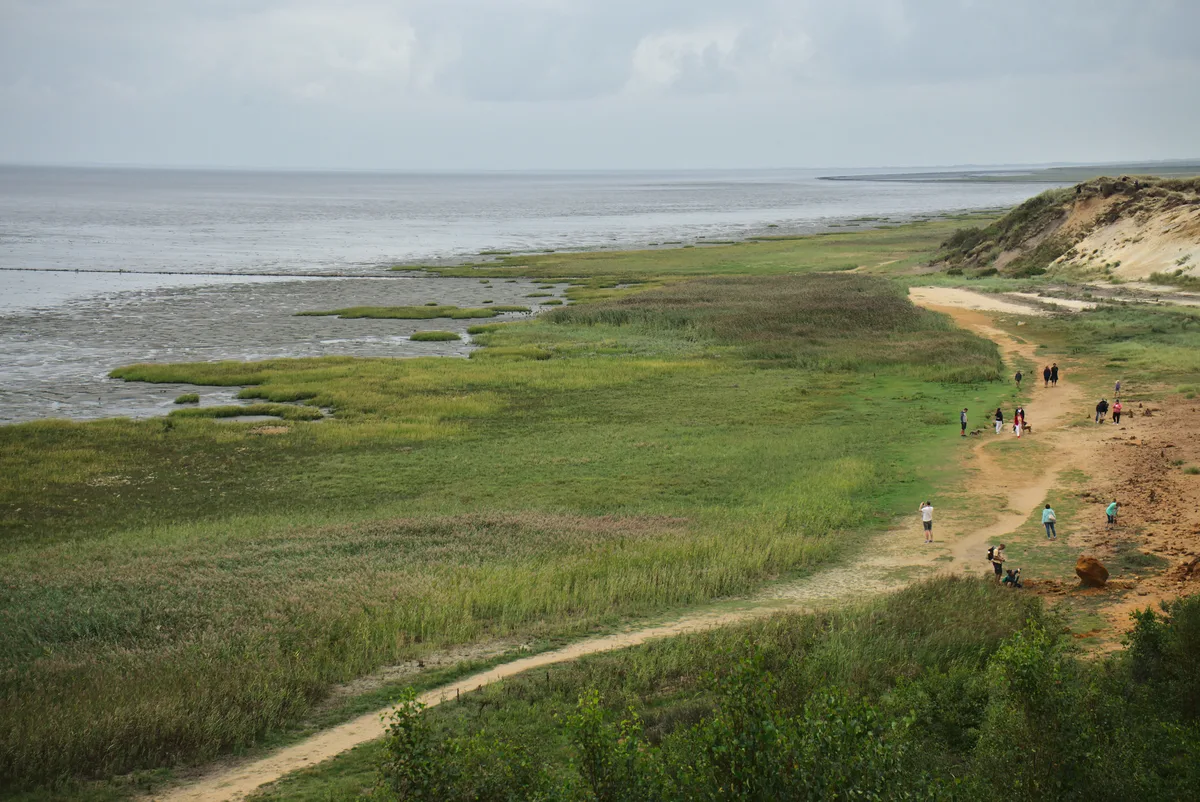
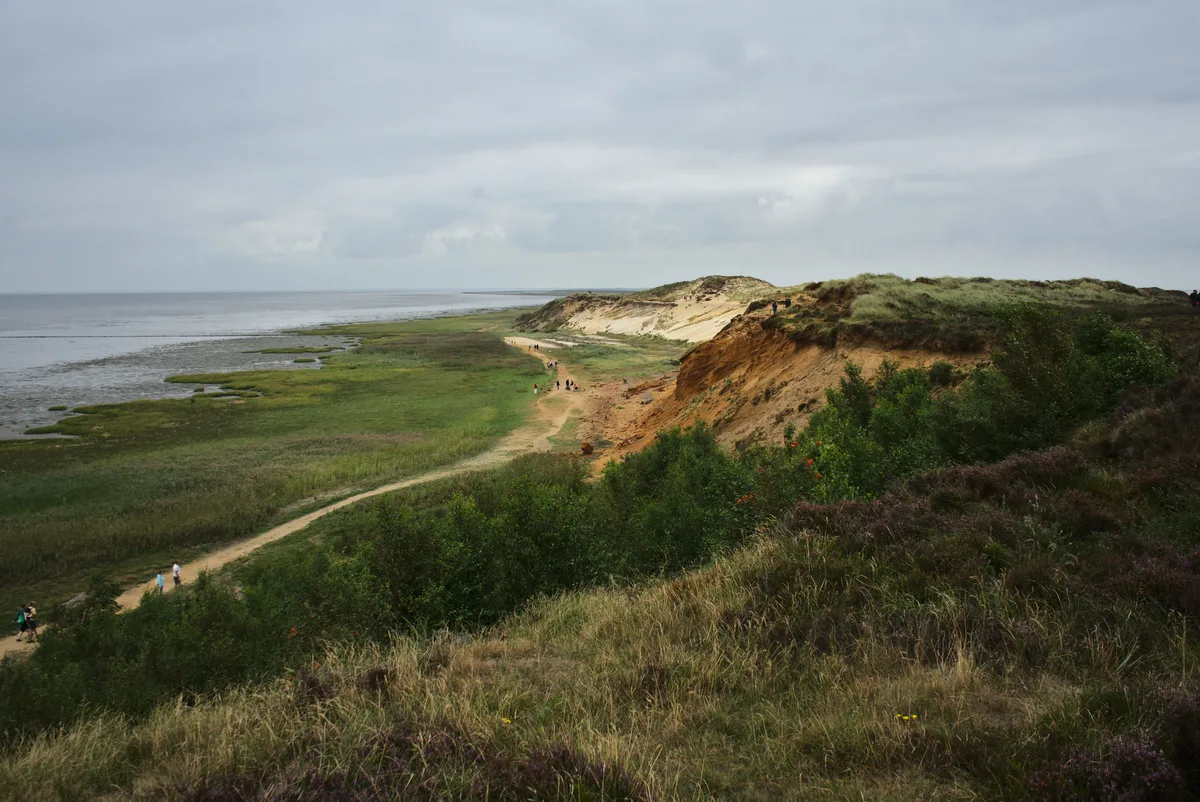
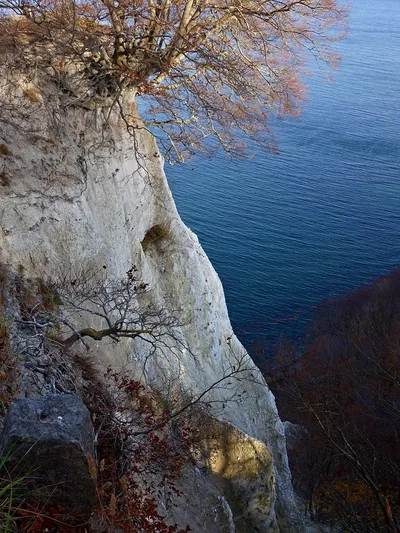
Strand Morsum Kliff sits at the far eastern edge of Sylt, where a dramatic cliff face of Eocene and Miocene sediments — some 35 million years old — drops down to a narrow tidal beach of grey sand and brown North Sea water. The geology here is extraordinary: layered strata in ochre, rust and grey tell a story far older than any postcard. The beach itself is tight and tidal, hugging the cliff base, and it shifts with every tide. A boardwalk threads through the surrounding nature reserve to bring you here, and on most days you'll have the whole place to yourself. This is Sylt stripped of its glamour — wild, exposed, and quietly spectacular.
How to get there
Drive to the small free car park at the Morsum Kliff nature reserve entrance on Nösistich Street — it's a short walk from there along the boardwalk through the reserve. If you're coming by bus, take the line from Westerland (Sylt) to the Kleinmorsum stop, roughly a 15-minute ride running every four hours, then follow the path to the cliff. There is no entry fee. Note that the boardwalk approach is manageable for most visitors, but the cliff-base beach itself is not wheelchair accessible.
Who it's for
For couples
For couples who'd rather share a geological wonder than a beach bar, the empty tidal shore and ancient cliff face offer something genuinely rare — solitude and scale in equal measure. Come at low tide, walk the cliff base, and you'll likely see no one else.
For families
Older children with an interest in nature or earth sciences will find the exposed sediment layers fascinating, and the boardwalk walk through the reserve is manageable. That said, the tidal beach is not safe for swimming and the terrain is not suitable for young children or pushchairs — plan accordingly.
Our take
Swimming is dangerous here — the tidal flat below the cliff is not a place to enter the water, full stop. Once that's clear, what you have is one of the most unusual and rewarding beach visits on Sylt. The cliff face is a genuine geological monument, the grey sand and brown North Sea water feel nothing like the island's west-coast beaches, and the near-total absence of other visitors gives the place a weight and quiet that's hard to find anywhere on this island. The boardwalk approach through the nature reserve sets the tone before you even reach the shore. Avoid November through February — the exposed east coast is cold, the path is muddy, and the experience is punishing rather than rewarding. Come between June and September, wear proper footwear, check the tides, and leave the cliff exactly as you found it.
What to do
The Morsum Kliff Nature Reserve itself is the main draw — walk the boardwalk, study the exposed sediment layers, and absorb one of Germany's most significant geological monuments up close. A short drive away, Keitum Village (around 8km) offers Sylt's best-preserved Frisian architecture, with thatched houses and a historic church worth an hour of your time. The Sylt Museum (Altfriesisches Haus) in Keitum, at 8.5km, fills in the cultural backstory with a historic Frisian farmhouse. Miren Huk, just 2.1km away, adds another natural point of interest for those keen to explore the eastern shoreline further.
Stand at the base of the cliff at low tide and shoot straight up — the layered Eocene and Miocene strata in rust, ochre and grey fill the frame with 35 million years of geology.
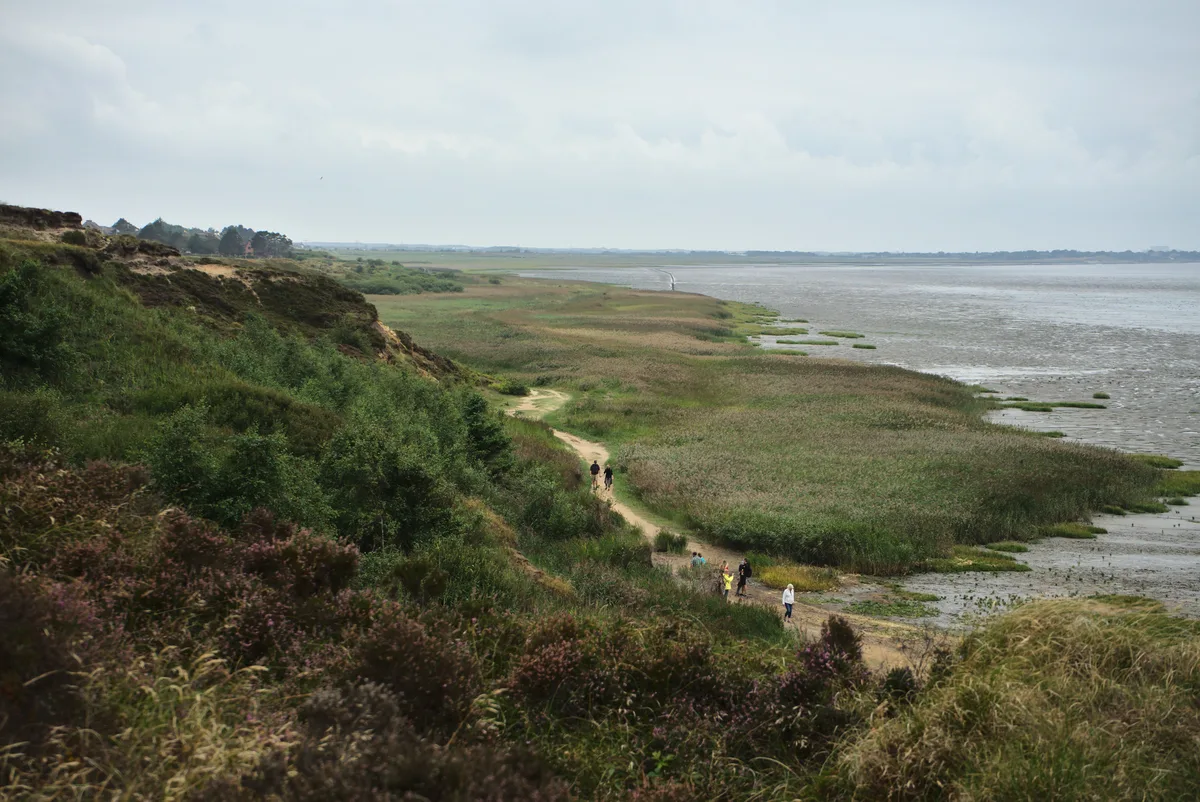
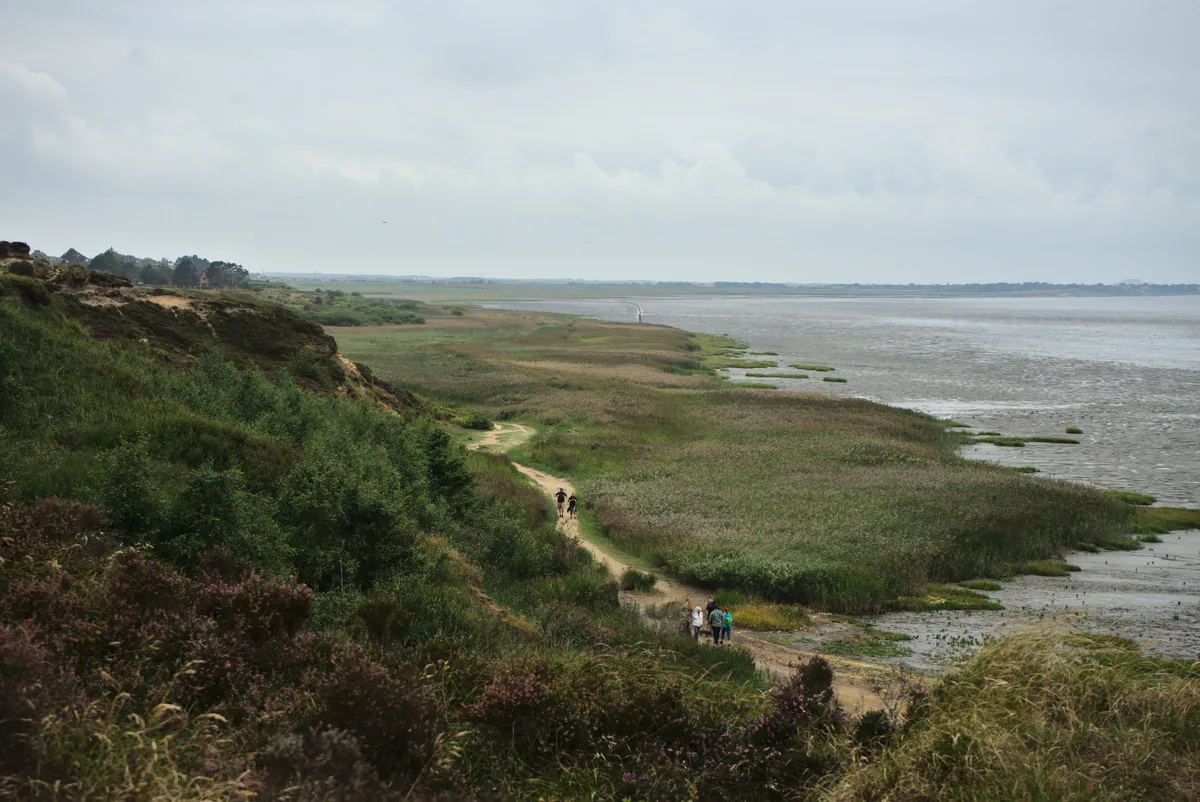
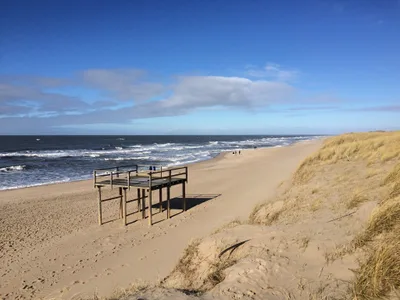
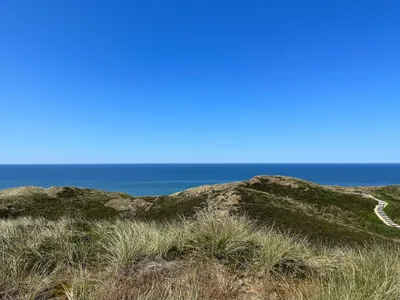
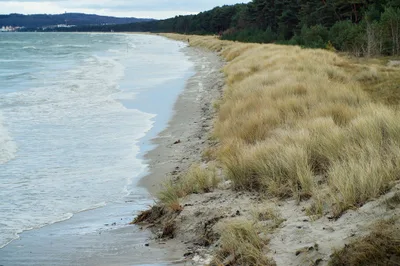
The boardwalk through the nature reserve offers a second angle: a winding wooden path disappearing into coastal scrub, with the grey sand and brown North Sea water visible beyond.
Where to eat
The closest option is Landhaus Severin's, just 0.4km from the beach — a convenient stop before or after your visit. Fränkische Weinstuben is 1.4km away, and Wie Zuhause sits at 2km if you want a slightly longer walk to lunch. Pack something to eat at the cliff itself; there's nothing on-site.
Where to stay
Severin's Resort & Spa, 5.6km away, is the area's most well-known property if you want comfort after a day on the east coast. Hotel Hof Galerie at 2.1km is the closest option to the reserve. Hotel Christiansen at 8.3km broadens the choice if the nearer places are full.
Photography
The cliff face itself is the shot — position yourself at the base during low tide and shoot upward to capture the full height of the layered Eocene and Miocene strata; golden-hour light in the late afternoon brings out the rust and ochre tones in the sediment. The boardwalk through the nature reserve also photographs well in morning mist, with the grey sand and brown water of the North Sea visible in the distance.
Good to know
Do not climb the cliff face under any circumstances — it is a protected geological monument and climbing is strictly prohibited. Collecting fossils, sediment, or any geological material is also forbidden. The beach sits on a tidal flat, so check tide times before you descend; the narrow strip at the cliff base can disappear at high tide. The access path turns genuinely muddy after rain, so wear sturdy footwear — trainers will let you down here.
GAMES
🕹️ Five minutes of sand?
Three daily games — including the UV simulator set to this beach.
Map
Nearby places
Landhaus Severin‘s
Fränkische Weinstuben
Wie Zuhause
Alte Schule
Grünhofstuben
Hotel Hof Galerie
Severin's Resort & Spa
Hotel Christiansen
Airport Hotel One
Haus Traulsen Appartement
Morsum Kliff Nature Reserve
Keitum Village
Sylt Museum (Altfriesisches Haus)
Things to see around Sylt
Morsum Kliff Nature Reserve
Protected geological cliff exposing 35-million-year-old sediment layers; one of Germany's most significant geological monuments.
Keitum Village
Sylt's most intact Frisian village with thatched houses and a historic church.
Sylt Museum (Altfriesisches Haus)
Historic Frisian farmhouse museum in Keitum.
GIFT IDEA · MARCEL ET LES BLONDES
🎁 Give a moment, not a thing

What’s the occasion?
 💑 Dating anniversaryTwo dates, two starry skies
 💍 Wedding anniversaryCotton, silver, golden…
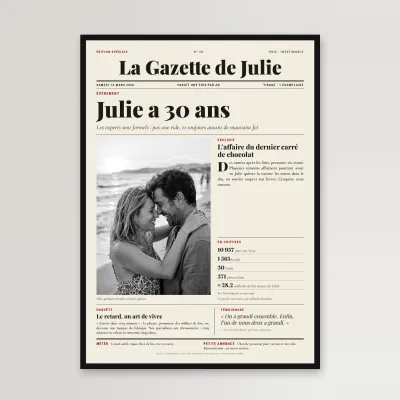 🎂 BirthdayTheir own newspaper front page
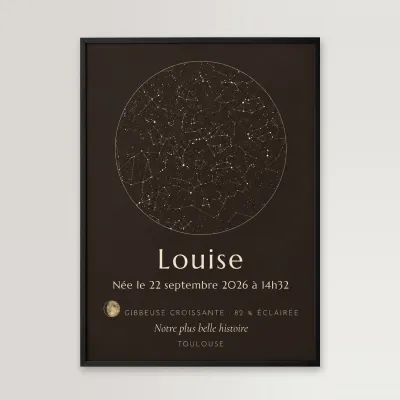 👶 New babyThe stars on the day they were bornValentine’s DayOur two moons, as a print
Shipping €5, free from €49 · made to order, shipped within 48 hAlso: our engraved wooden bracelets, €23.90 →
Frequently asked
The information on this page is provided for guidance only and may evolve. Access conditions, safety and infrastructure can change without notice. Always check official sources before traveling.
Other beaches in the region
Other wild beaches in Germany
Reviews of this beach
- No reviews yet, what a shame — leave yours and share your experience.
Photo credits
Sources and licenses for the photos shown above.
- Photo 1 — Aleksandr Zykov · source · CC BY-SA 2.0
- Photo 2 — Aleksandr Zykov · source · CC BY-SA 2.0
- Photo 3 — Aleksandr Zykov · source · CC BY-SA 2.0
- Photo 4 — Aleksandr Zykov · source · CC BY-SA 2.0