Kap Arkona BeachGermany Beach Guide
Baltic cliff drama at Germany's northernmost cape
 🎁 Gift idea: the star map of your most beautiful night↓
About
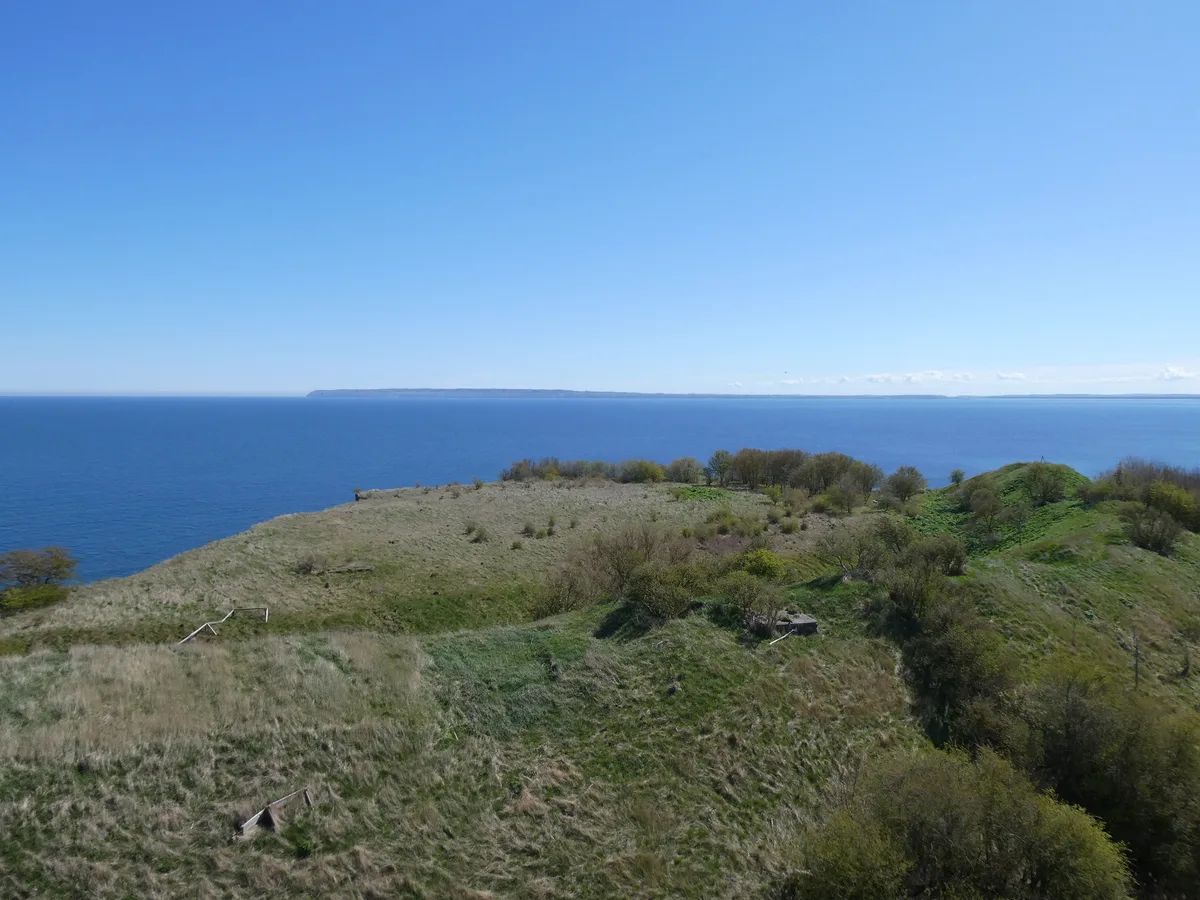
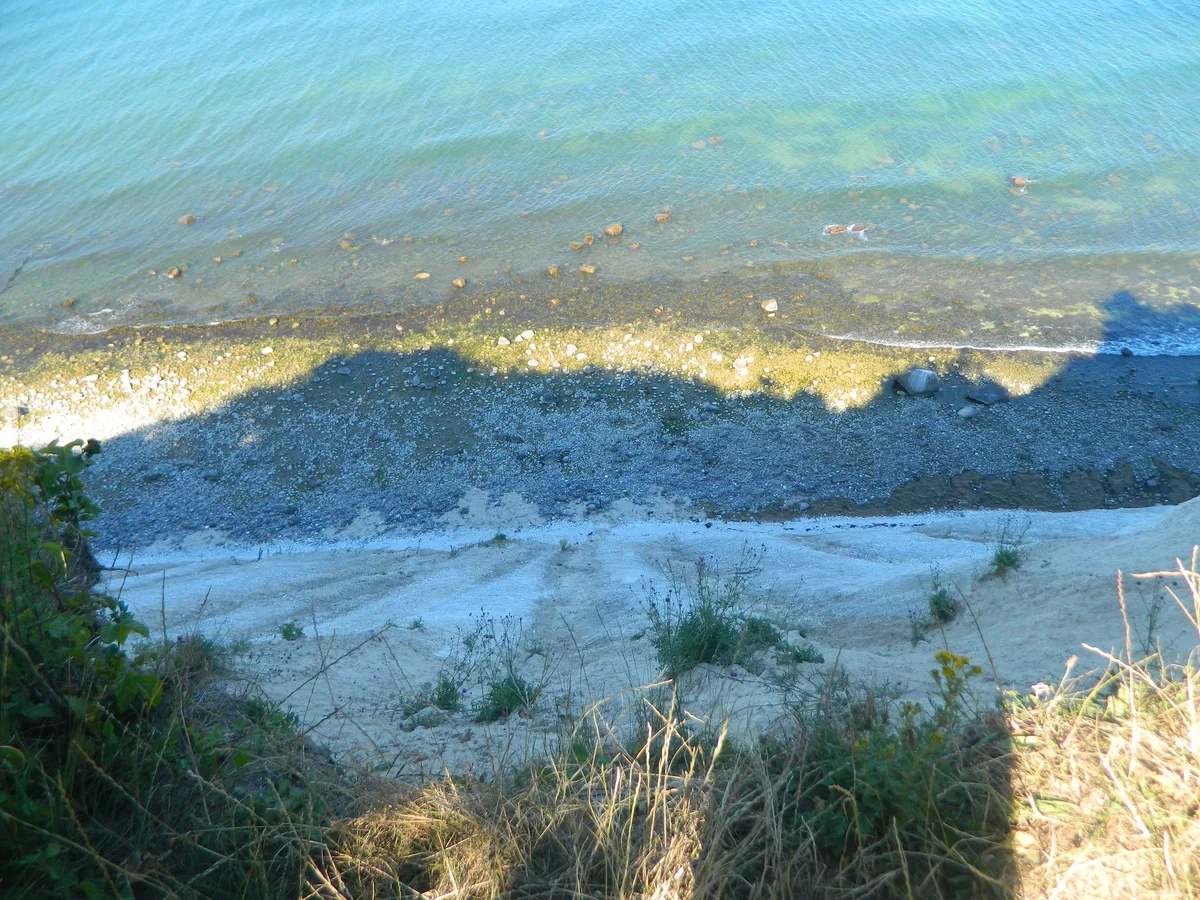
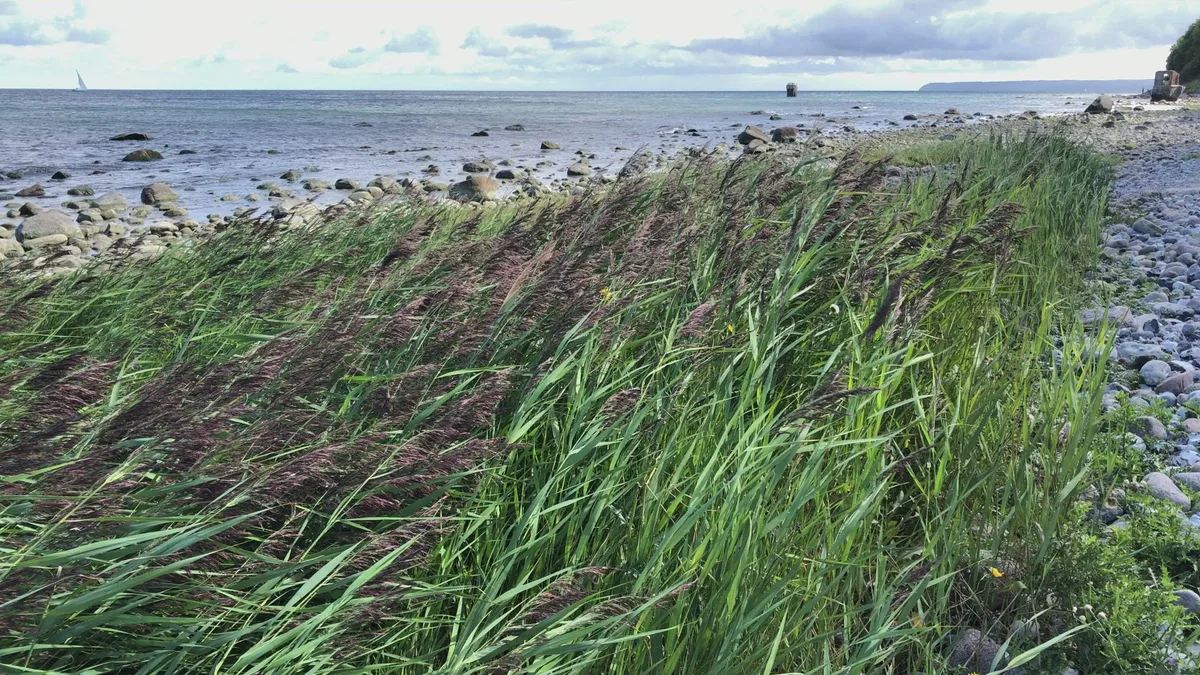
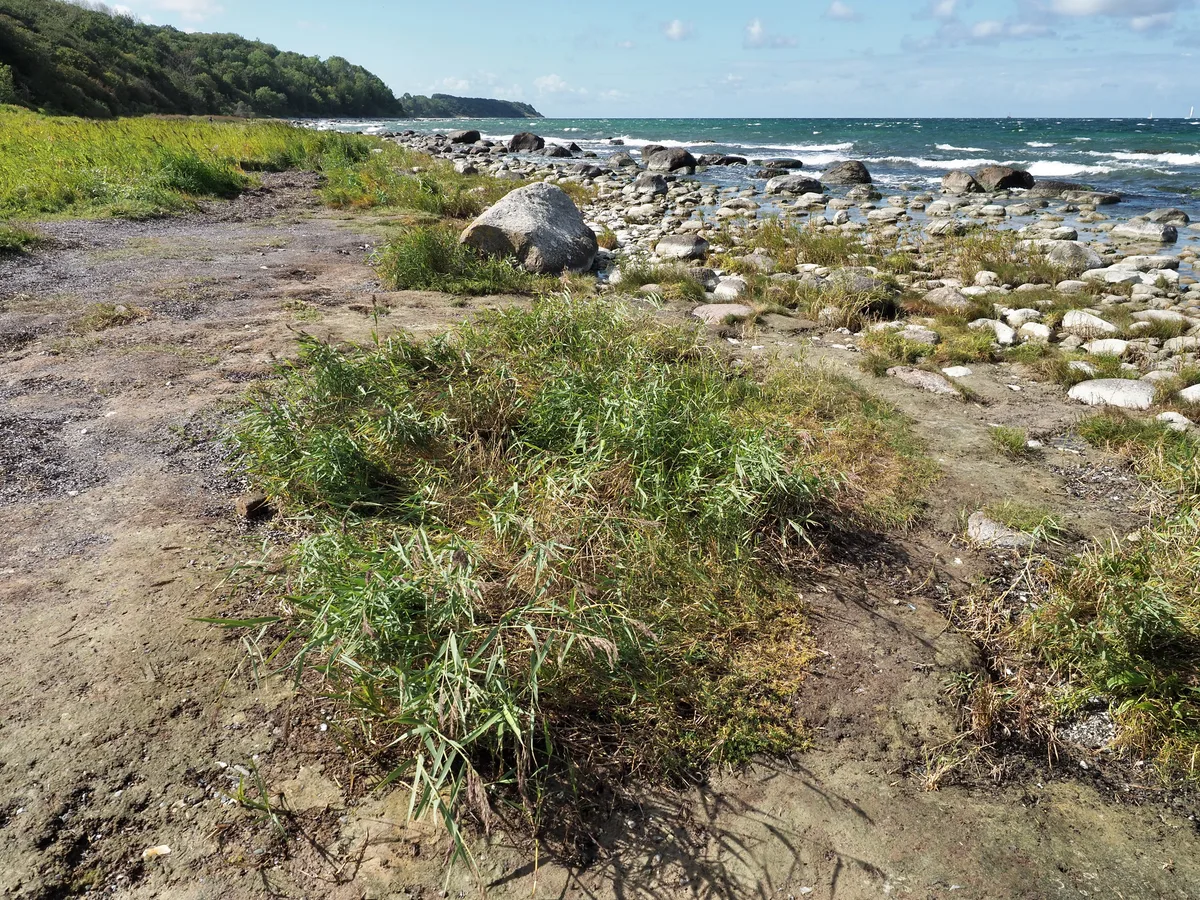
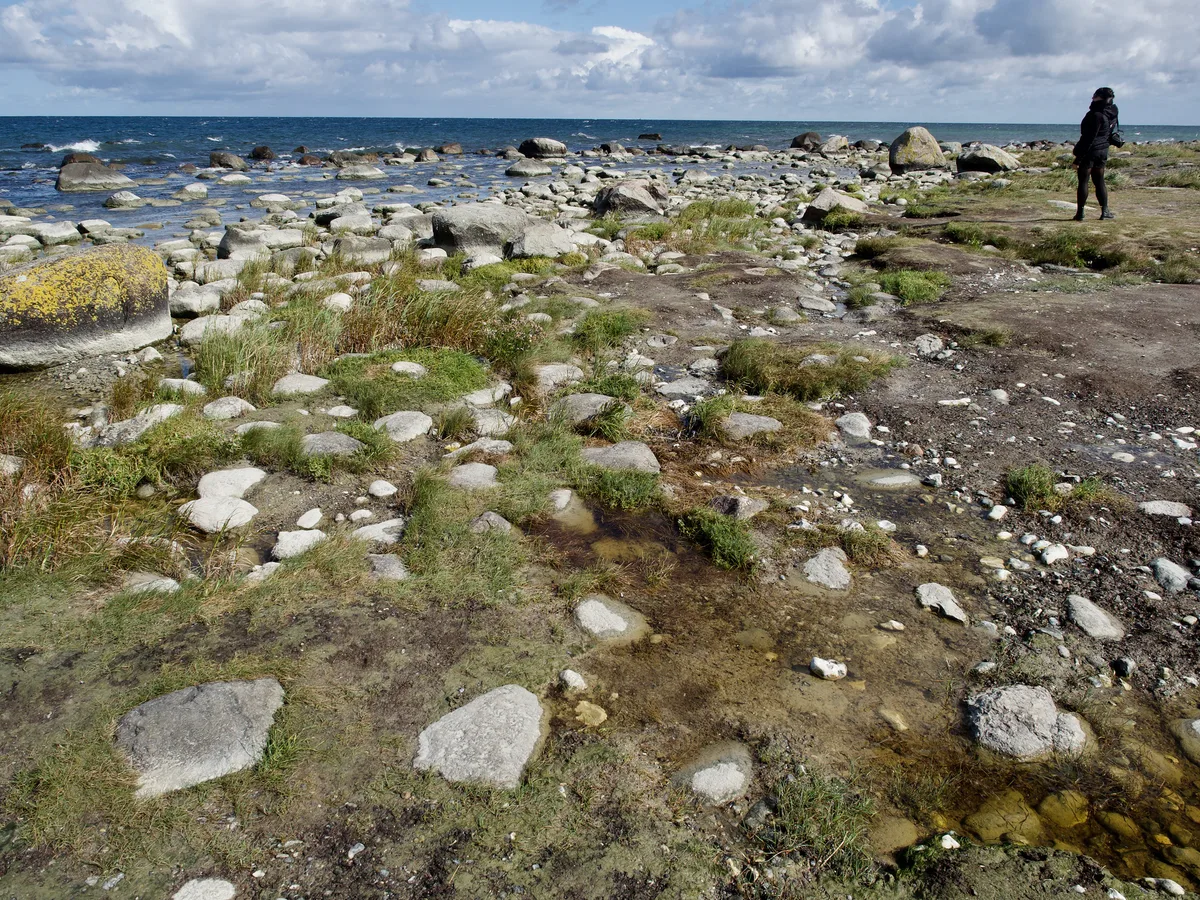
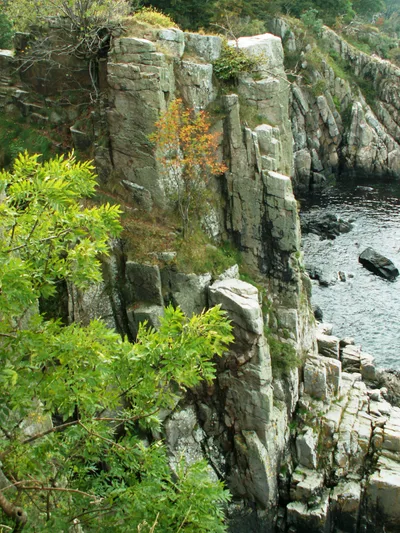
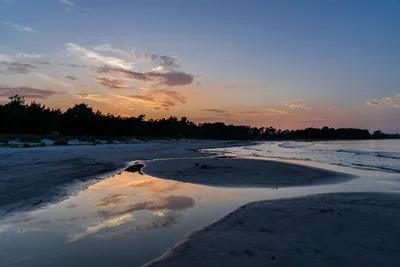
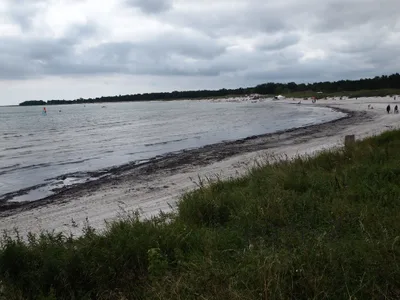
Kap Arkona Strand stretches roughly 2,000 metres along the northernmost tip of Rügen, where grey-mixed sand meets open blue Baltic water beneath crumbling clay-chalk cliffs. The cape has a raw, exposed energy — strong winds sweep the headland, and the cliffs are actively eroding, giving the coastline a restless, ever-changing character. Two historic lighthouses stand sentinel above the beach, including Karl Friedrich Schinkel's 1826 brick tower, while the earthwork ruins of the Jaromarsburg Slavic fortress add a layer of history that stretches back to the 9th century. Access to the cliff base is increasingly restricted due to rockfall risk, so much of the experience here is clifftop rather than shoreside. It's a wild, historically layered place — less a sunbathing destination, more a landscape you come to read.
How to get there
Most visitors drive to the large paid car park at Putgarten — expect to pay approximately €10 for up to 8 hours, with higher rates for overnight or oversized vehicles. From the car park, you can walk to the cape in around 20 minutes on foot, or take the tourist narrow-gauge train. Boat access is also possible from Binz or Sassnitz. Note that the cliff base beach is not wheelchair accessible; the clifftop area is partially reachable via the tourist train.
Who it's for
For couples
The clifftop walk from Kap Arkona to the thatched hamlet of Vitt — 2 km of Baltic wind, lighthouse views, and chalk cliffs — makes for an atmospheric and genuinely memorable afternoon for two. Come in June or September for quieter paths and longer light.
For families
Families with older children will find the history here genuinely engaging — two lighthouses, a Slavic fortress, and a narrow-gauge train ride from Putgarten add up to a full day of exploration. Younger children and pushchairs are best kept to the clifftop area; the cliff base beach is not accessible and carries rockfall risk.
Our take
Kap Arkona is not a beach you come to swim or sunbathe — and that needs to be said plainly. Swimming is dangerous, cliff base access is restricted due to active rockfall, and the Baltic here is exposed and unforgiving. What you do get is one of the most historically and geographically charged headlands in Germany: the northernmost point of Rügen, two lighthouses including a Schinkel original, a Slavic fortress that predates most of medieval Europe's famous landmarks, and a clifftop walk to a fishing hamlet that looks barely touched by the last two centuries. The grey-mixed sand and blue Baltic below the chalk cliffs are best appreciated from above, not underfoot. Come in June or September, walk to Vitt, stand at the lighthouse in the wind, and let the place be what it actually is — a wild, historically dense cape — rather than wishing it were a beach resort.
What to do
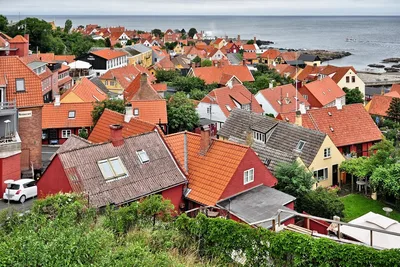
The two Kap Arkona lighthouses are the headline attraction — the old Schinkel tower (1826) and the newer operational lighthouse stand just 0.1 km from the beach and are unmissable. A short walk of 0.3 km brings you to the Jaromarsburg, earthwork remains of a Slavic Rani fortress that dominated this headland between the 9th and 12th centuries. Two kilometres along the clifftop path lies Vitt, a preserved 18th-century thatched fishing hamlet that rewards the walk entirely on its own terms. The maritime markers at Südperd, Tiefwassertonne, and Glockenleuchttonne, all within 0.1 km, add further nautical character to the cape.
The old Schinkel lighthouse framed against the open blue Baltic is the classic shot — position yourself on the clifftop path just south of the tower for the best angle.
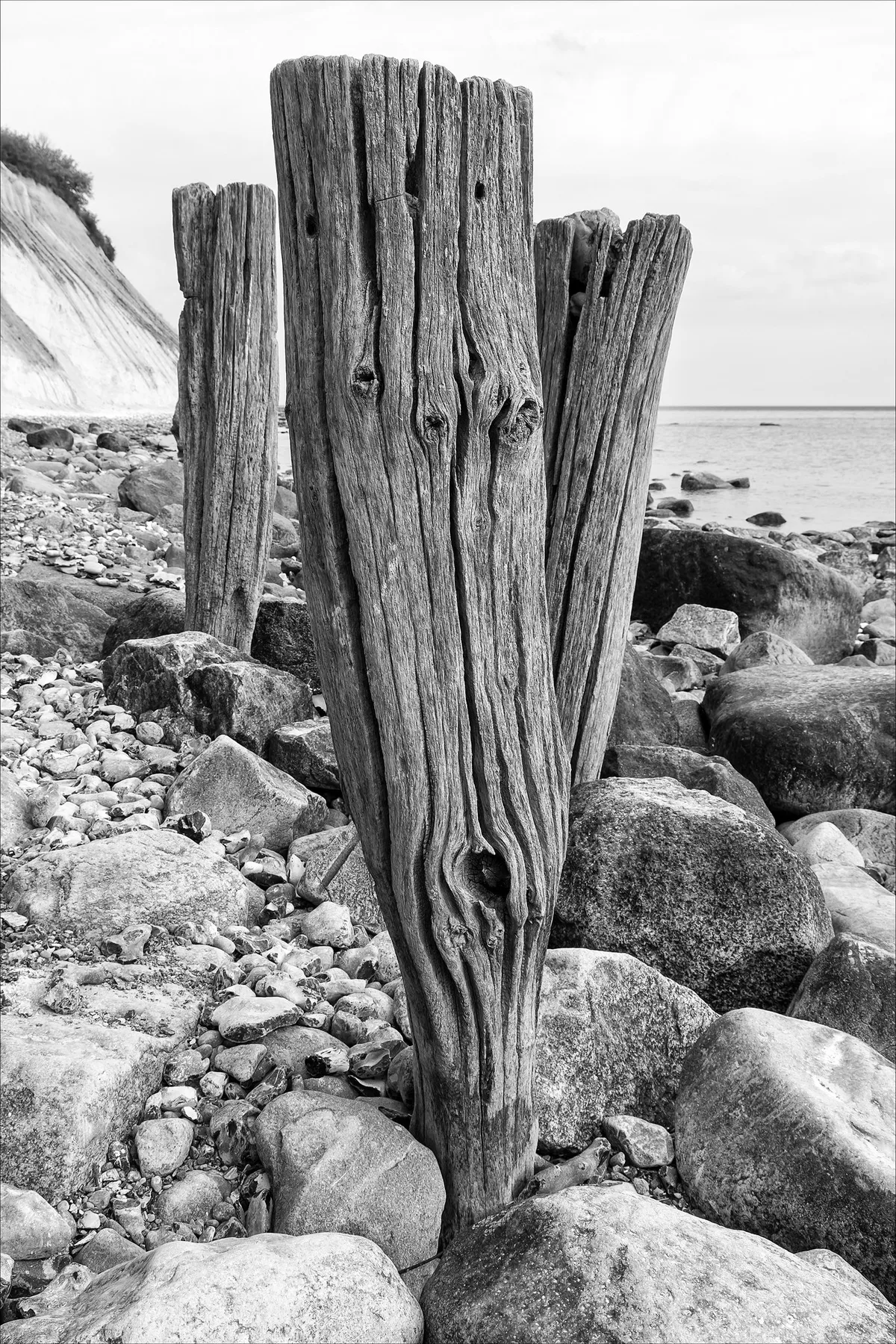
The eroding chalk-clay cliff faces photographed from a safe distance on the marked path deliver striking geological drama. For a wider scene, the view north from the cape toward the maritime markers captures the full exposed character of Germany's northernmost point on Rügen.
Where to eat
The closest option is Utspann, 1.4 km from the beach, followed by Zur kleinen Rast, a coffee shop 2.6 km away — both reasonable stops after the clifftop walk. For regional cooking, Pferdestübchen is 6.5 km out, and 'Zur Sandbank' offers regional fare at 8.3 km. Pack a snack for the beach itself; there are no facilities at the shoreline.
Where to stay
Zum Kap Arkona, just 1.2 km away, is the obvious base if you want to be on the doorstep of the lighthouses. Ferienwohnungen Arkonablick offers self-catering apartments at 7.3 km, a good choice for longer stays. Further options include Am Teich at 11.7 km and Landhotel Garni – Gut Lebbin at 13.2 km for those who prefer a quieter rural setting.
Photography
The twin lighthouses at golden hour — especially the Schinkel tower against a stormy Baltic sky — are the defining shot; arrive early morning to beat other visitors and catch the low northern light raking across the grey-mixed sand and blue water below. The eroding chalk-clay cliff faces, particularly viewed from the marked clifftop path, offer dramatic abstract textures and scale that reward a wide-angle lens.
Good to know
Active cliff erosion means rockfall is a genuine hazard — stay strictly on marked paths near the edges and do not approach the cliff base without checking current signage, as access there may be restricted. Do not swim here: the Baltic at this exposed cape is classified as dangerous, and strong winds make conditions unpredictable. Do not collect rocks or chalk from the cliffs — it's prohibited and accelerates erosion. Dogs are welcome on the beach but must be kept on a lead near cliff edges. Avoid July and August if you can: the clifftop and tourist train get very busy and cliff base access may be further limited.
GAMES
🕹️ Five minutes of sand?
Three daily games — including the UV simulator set to this beach.
Map
Nearby places
Utspann
Zur kleinen Rast
Pferdestübchen
Morning (inclusive) & Evening (paid) Buffet
"Zur Sandbank"
Zum Kap Arkona
Ferienwohnungen Arkonablick
Am Teich
Landhotel Garni - Gut Lebbin
Haus Seeterrasse
Things to see around Putgarten
Kap Arkona Lighthouses
Two historic lighthouses — the old brick Schinkel lighthouse (1826) and the newer operational tower.
Jaromarsburg
Earthwork remains of a 9th–12th century Slavic Rani fortress.
Vitt fishing hamlet
Preserved 18th-century thatched fishing hamlet accessible on foot from Kap Arkona.
GIFT IDEA · MARCEL ET LES BLONDES
🎁 Give a moment, not a thing


What’s the occasion?

 💑 Dating anniversaryTwo dates, two starry skies
 💍 Wedding anniversaryCotton, silver, golden…
 🎂 BirthdayTheir own newspaper front page
 👶 New babyThe stars on the day they were bornValentine’s DayOur two moons, as a print
Shipping €5, free from €49 · made to order, shipped within 48 hAlso: our engraved wooden bracelets, €23.90 →
Frequently asked
The information on this page is provided for guidance only and may evolve. Access conditions, safety and infrastructure can change without notice. Always check official sources before traveling.
Nearest beaches
Other wild beaches in Germany
More beaches in Baltic Sea
Reviews of this beach
- No reviews yet, what a shame — leave yours and share your experience.
Photo credits
Sources and licenses for the photos shown above.
- Photo 1 — lxhkrd · source · CC0 1.0
- Photo 2 — Ruben Holthuijsen · source · CC BY 2.0
- Photo 3 — unukorno · source · CC BY 2.0
- Photo 4 — alfaltendorf · source · CC BY-SA 2.0
- Photo 5 — alfaltendorf · source · CC BY-SA 2.0
- Photo 6 — alfaltendorf · source · CC BY-SA 2.0