Vitt BeachGermany Beach Guide
A chalk-cliff fishing hamlet only your feet can reach
 🎁 Gift idea: the star map of your most beautiful night↓
About
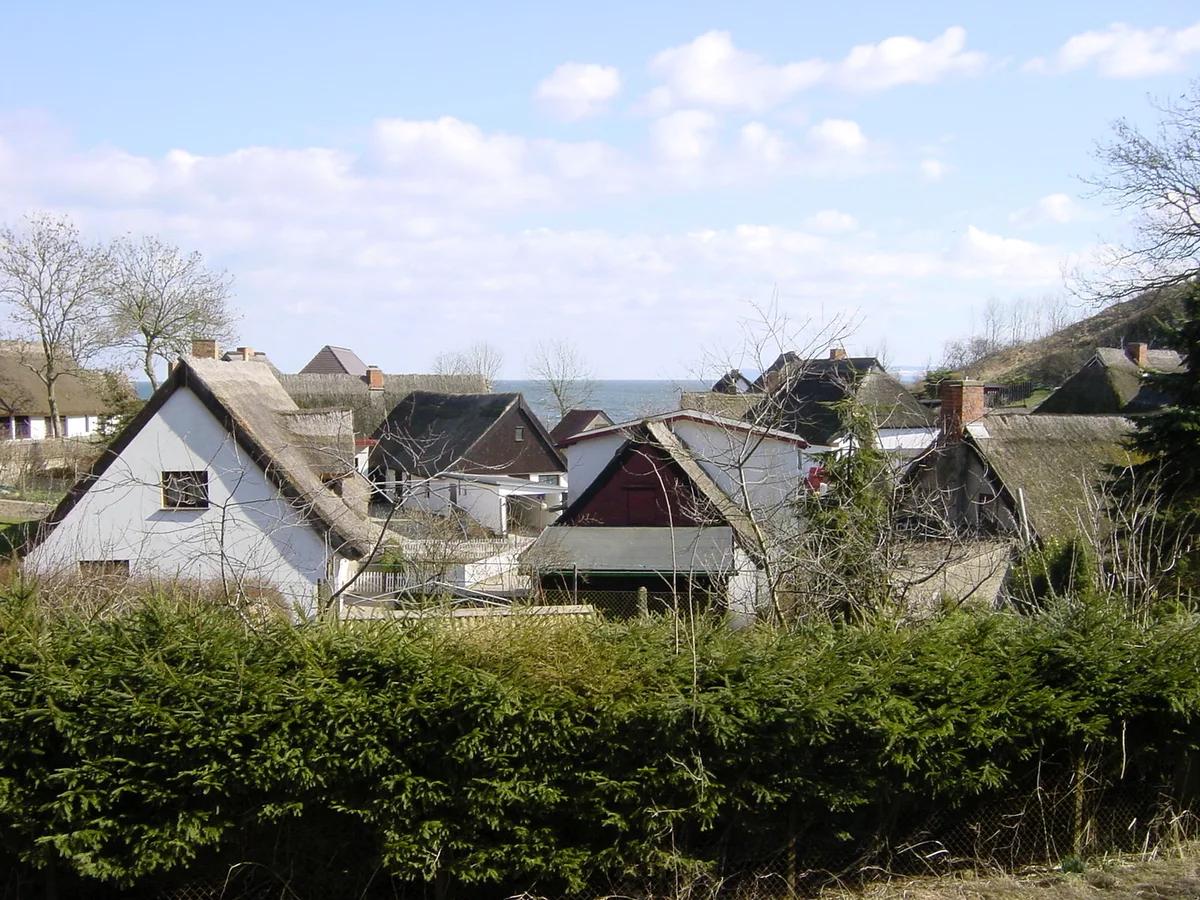
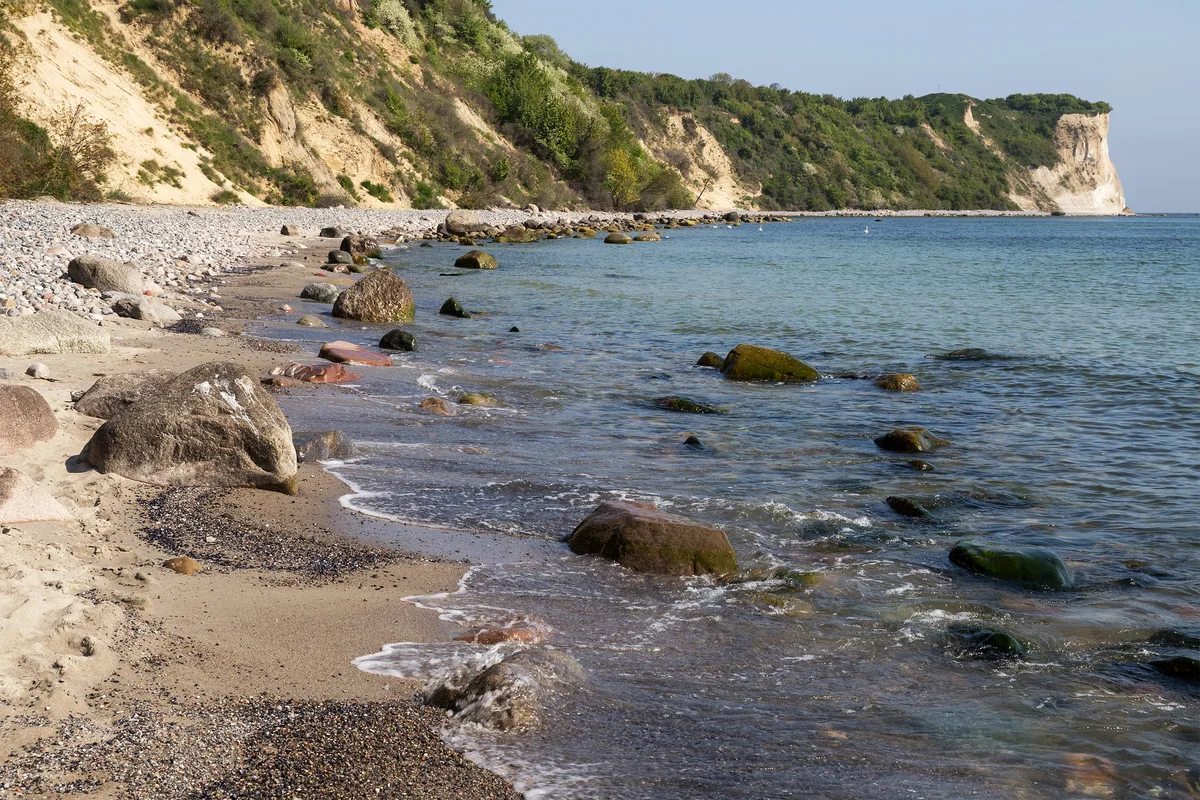
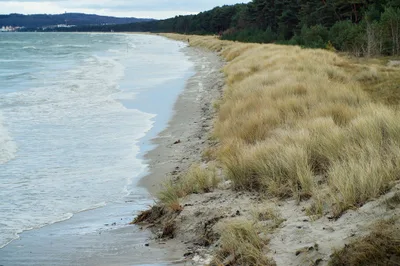
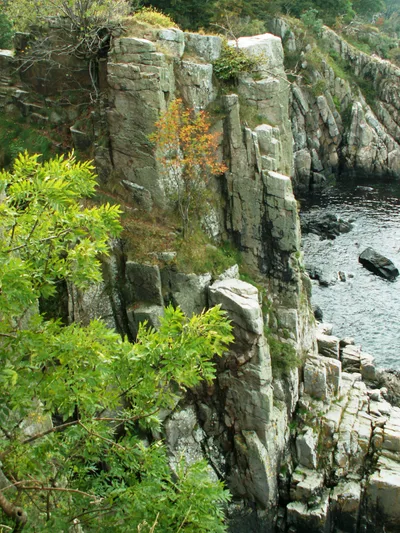
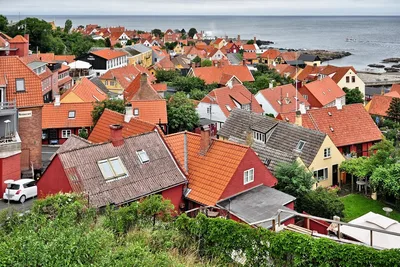
Vitt sits in a chalk cliff cove on the northernmost tip of Rügen, a small pebble-and-grey-sand beach tucked below one of the Baltic's most photogenic heritage hamlets. The 18th-century thatched fishing cottages above the shore are heritage-protected, and a small chapel crowns the hillside — the whole ensemble feels suspended in another century. Blue Baltic water meets the grey stones of the beach, and the surrounding white chalk cliffs frame every view with quiet drama. With no road access and no parking at the beach itself, Vitt stays genuinely quiet even when nearby Kap Arkona draws visitors. The romantic atmosphere is earned, not manufactured.
How to get there
There is no road access to Vitt and no parking at the beach. Leave your car at the paid Putgarten car park — fees run €10 for up to 8 hours or €20 overnight — then reach the hamlet on foot via the coastal path from Kap Arkona (around 20 minutes), by mini-train from Putgarten, or by horse-drawn carriage. The coastal path is not wheelchair accessible, and the stairs down to the beach can be steep and slippery when wet.
Who it's for
For couples
The combination of foot-access-only isolation, thatched cottages, and chalk cliff scenery makes Vitt one of the most genuinely romantic spots on the Baltic — arrive early on a weekday and you may have the cove almost entirely to yourselves.
For families
Families with older children who can manage a 20-minute coastal hike will enjoy the mini-train or horse-drawn carriage options from Putgarten as a fun approach — but note that the beach itself is rocky, swimming is dangerous, and the path is not suitable for pushchairs or wheelchairs.
Our take
Do not swim at Vitt — rip currents are present and there is no lifeguard. That safety note comes first, because the beach's beauty can make you forget it. What Vitt actually delivers is something rarer than a good swim: an 18th-century fishing hamlet that has barely changed, reachable only on foot, by mini-train, or by horse carriage, sitting beneath chalk cliffs above a grey-pebble cove on the blue Baltic. The heritage protection means no new development, no beach bars, no noise — just thatched roofs, a chapel on the hill, and the sound of the sea. Come in June or September, not July or August when Kap Arkona's visitors spill over the headland. Worth the detour — and the walk.
What to do
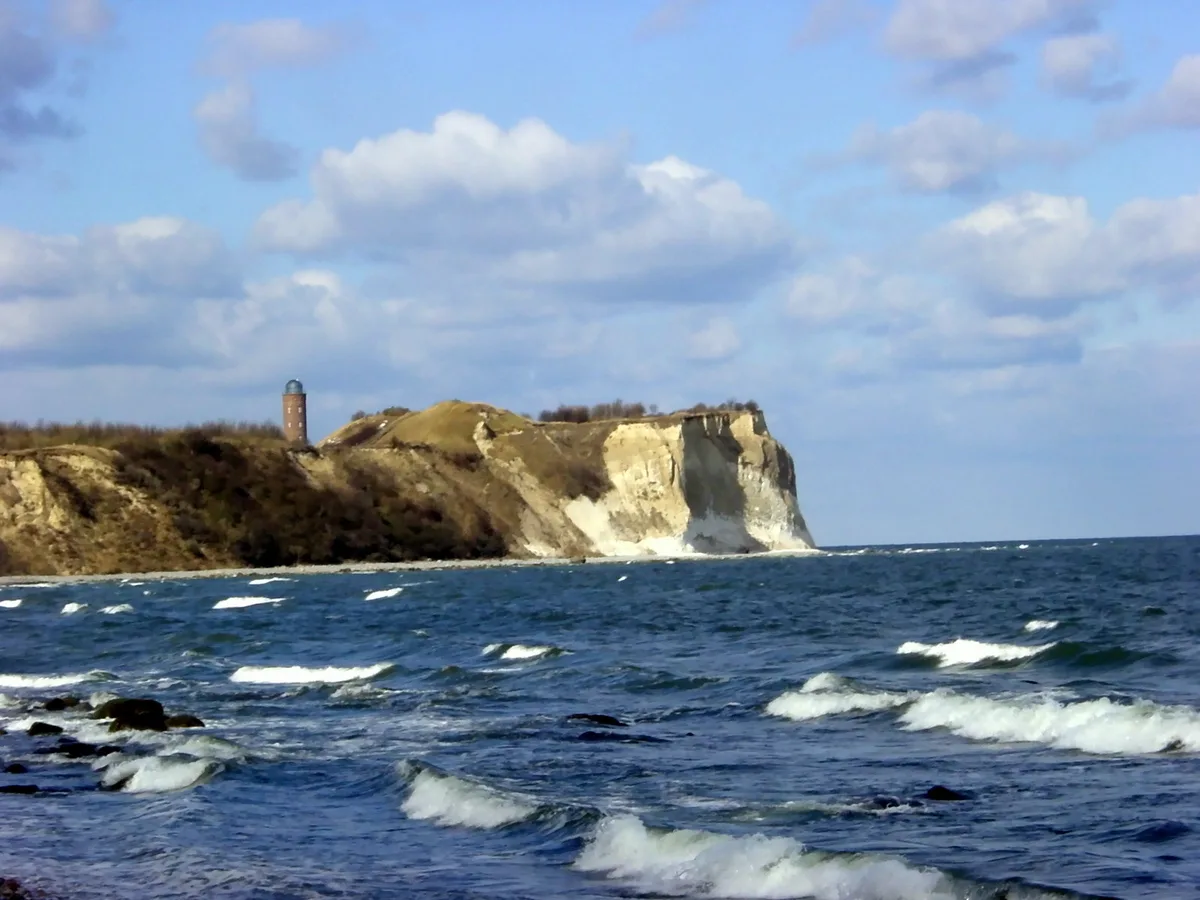
The two historic lighthouses at Kap Arkona, just 2 km away, are the obvious companion stop — combine them with Vitt in a single half-day loop. A short walk further brings you to the Jaromarsburg earthworks, remnants of a Slavic fortress that add a layer of deep history to the headland. Back in the hamlet, the Fotopoint viewpoint at 1.4 km is worth the short detour for elevated views over the cove and cliffs.
The view from the coastal path looking down over the thatched hamlet with chalk cliffs and blue Baltic water behind it is the defining shot — arrive before 9 am for clean light and empty lanes.
The chalk cliff edge (from the marked path only) offers a second angle, framing the cove from above with the heritage rooftops below.
Where to eat
Zum Goldenen Anker, just 100 m from the beach, is the one sit-down option in the hamlet — a logical stop before or after the walk. Various fish sales, snack bars, and cafés are also dotted around the area if you want something lighter on the go.
Where to stay
The closest option is Ferienwohnungen Arkonablick, roughly 6 km away — a practical base for exploring the whole Kap Arkona headland. Further afield, Am Teich (11 km) and Landhotel Garni – Gut Lebbin (12 km) offer a quieter rural stay, while Haus Seeterrasse and Hotel Pension Nordwind extend your range to around 13–15 km.
Photography
Shoot from the coastal path above the hamlet at golden hour — the thatched rooftops, chalk cliffs, and blue Baltic water align in a single frame that rewards patience. Early morning in June or September gives you soft light and far fewer visitors between you and the shot.
Good to know
Do not enter the water — rip currents make swimming dangerous here, and there is no lifeguard on the beach. Wear footwear on the pebble and rocky shore, and stay strictly on the marked coastal path: coastal collapses, especially near the chalk cliffs, are a real and frequent hazard. Respect the heritage-protected hamlet — these are private properties, not an open-air museum — and no campfires are permitted anywhere in the area. July and August bring spillover visitors from Kap Arkona; shoulder season in June or September is quieter and far more atmospheric.
GAMES
🕹️ Five minutes of sand?
Three daily games — including the UV simulator set to this beach.
Map
Nearby places
Zum Goldenen Anker
Various fish sales, snack bars, and cafés
Ferienwohnungen Arkonablick
Am Teich
Landhotel Garni - Gut Lebbin
Haus Seeterrasse
Hotel Pension Nordwind
Things to see around Putgarten
Kap Arkona Lighthouses
Two historic lighthouses at the northernmost point of Rügen.
Jaromarsburg
Slavic fortress earthworks near Kap Arkona.
Breege-Juliusruh Beach
Sheltered Bodden-side family beach on the Wittow peninsula.
GIFT IDEA · MARCEL ET LES BLONDES
🎁 Give a moment, not a thing


What’s the occasion?

 💑 Dating anniversaryTwo dates, two starry skies
 💍 Wedding anniversaryCotton, silver, golden…
 🎂 BirthdayTheir own newspaper front page
 👶 New babyThe stars on the day they were bornValentine’s DayOur two moons, as a print
Shipping €5, free from €49 · made to order, shipped within 48 hAlso: our engraved wooden bracelets, €23.90 →
Frequently asked
The information on this page is provided for guidance only and may evolve. Access conditions, safety and infrastructure can change without notice. Always check official sources before traveling.
Nearest beaches
More beaches in Baltic Sea
Reviews of this beach
- No reviews yet, what a shame — leave yours and share your experience.