Glowe BeachGermany Beach Guide
White sand, pine forest, and Baltic quiet on Rügen's Schaabe
 🎁 Gift idea: the star map of your most beautiful night↓
About
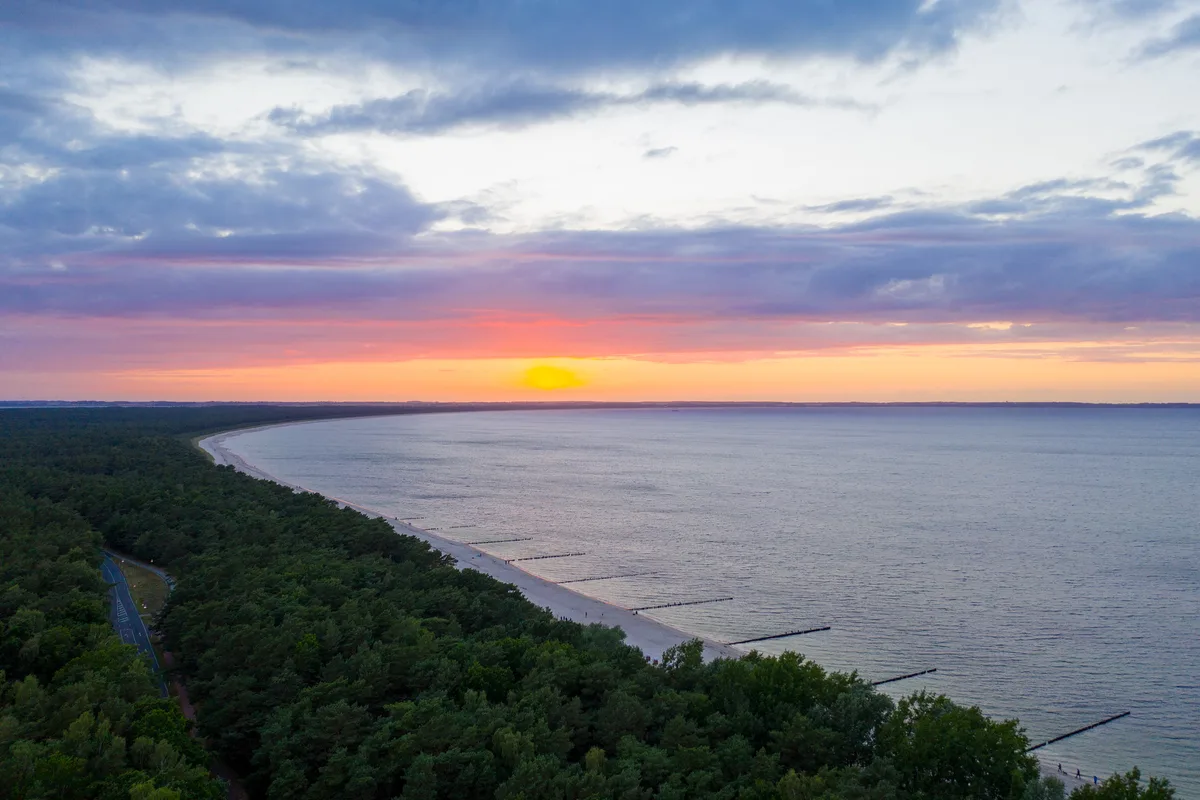
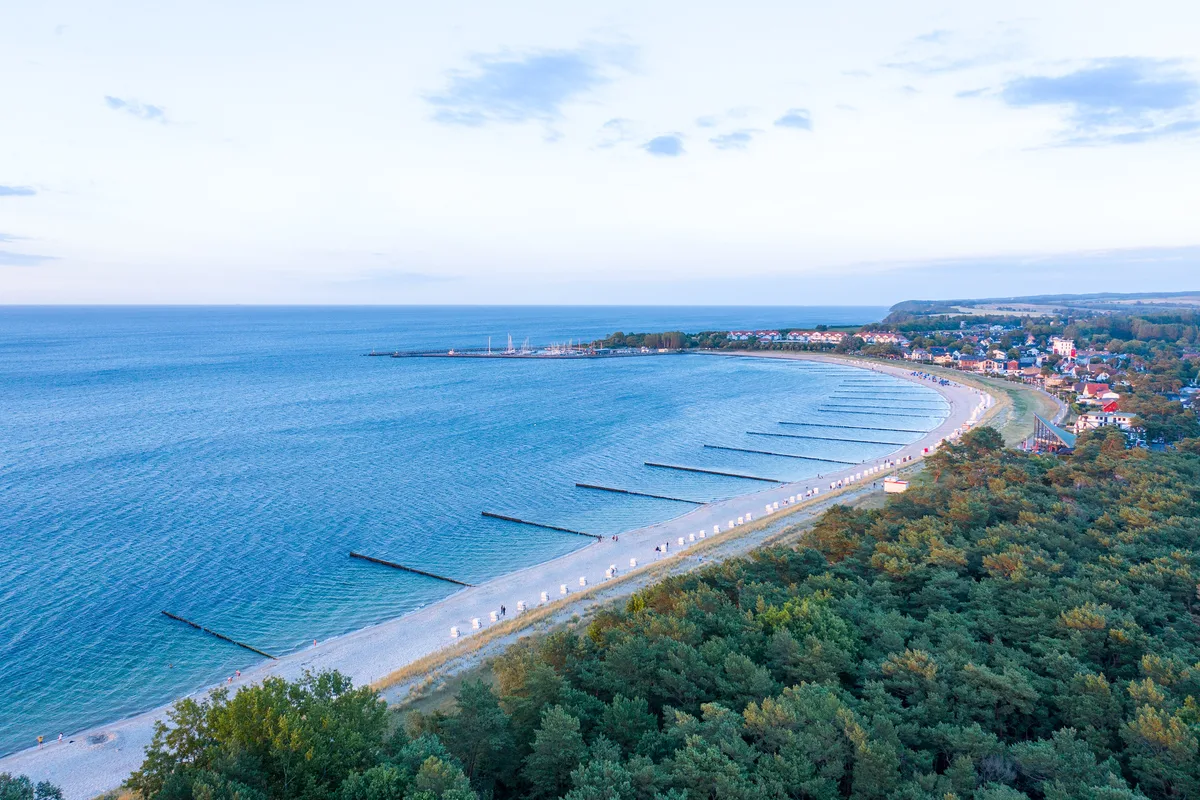
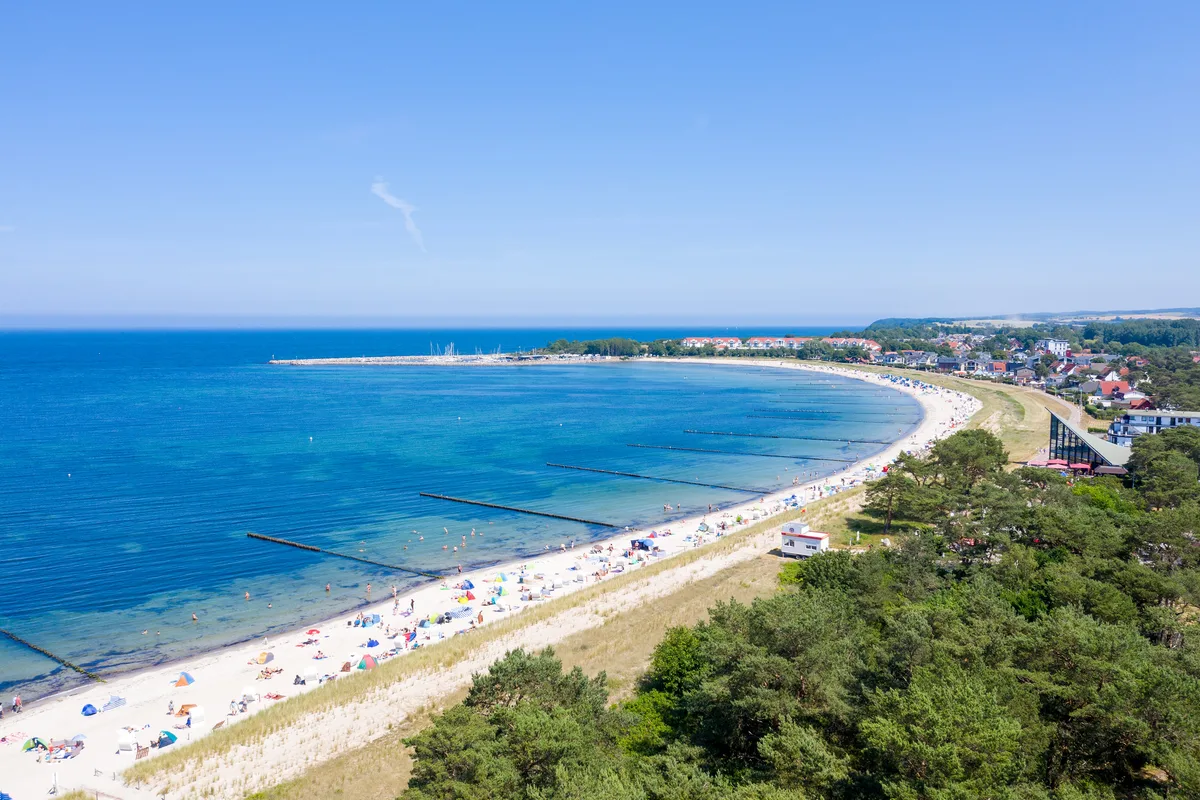
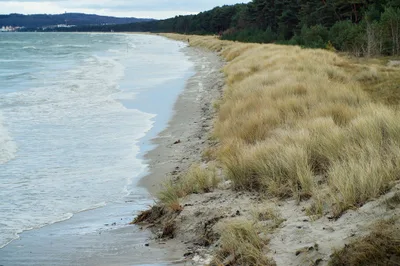
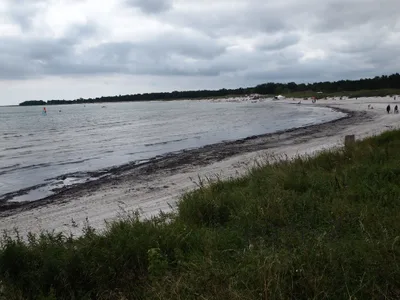
Glowe Strand stretches along the Schaabe isthmus on the island of Rügen, where white sand meets the open blue Baltic Sea and a dense pine forest lines the shore behind you. The beach is long, undeveloped, and genuinely quiet — the kind of place where you hear wind through the pines before you hear another person. Within roughly 500 metres you have both the open Baltic on one side and the calmer Bodden waters on the other, a geographical quirk that makes this strip of land unlike almost anywhere else on the German coast. Dogs are welcome, the vibe is relaxed, and a popular cycling route runs the length of the isthmus, so it's as good on two wheels as it is on foot.
How to get there
From Bergen auf Rügen, the drive takes around 40 minutes daily. If you're staying in Glowe village, the beach is a 10-minute walk. Parking is available at various points along the road in a mix of free and paid spaces — ticket machines are in use and may require small change, though mobile payment apps are sometimes accepted. There is no entry fee to the beach itself.
Who it's for
For couples
The long, quiet stretch of white sand and pine-backed shore makes Glowe Strand an easy choice for couples who want space, slow mornings, and a cycling route to share without fighting for a patch of beach.
For families
Safe swimming conditions, dog-friendly rules, and easy access from Glowe village make this a practical family beach — though parents should note the moderate Baltic currents and keep younger swimmers in sheltered, shallow water close to shore.
Our take
Be clear-eyed about what Glowe Strand is: a long, undeveloped, genuinely quiet Baltic beach with white sand, pine forest, and very little infrastructure — and that's exactly the point. The moderate currents on the open Baltic side are real; don't let the calm appearance of the water on a still day talk you into ignoring them. What you get in return for that caution is one of the more unspoiled stretches of German coastline, where the Schaabe isthmus geography gives you a sense of being surrounded by water without the exposure of an open headland. The cycling route is a legitimate reason to come even if you never touch the sea. Avoid November through February — the Baltic winter shuts facilities and the cold is unforgiving. Come in June or September when the beach is at its quietest and the light through the pines is worth every kilometre of the drive from Bergen auf Rügen.
What to do
The cycling route along the Schaabe isthmus is the headline activity here — it's flat, scenic, and runs through pine forest with sea on both sides. Tempelberg, about 4.6 km away, is worth the short detour for elevated views of the surrounding landscape. Further afield, Kap Arkona — roughly 20 km north — is Rügen's northernmost point, with historic lighthouses and a Slavic fortress that rewards the trip. Jasmund National Park, about 15 km away, offers chalk cliffs and the famous Königsstuhl viewpoint.
The pine forest treeline meeting white sand is the signature shot — best captured at dawn before visitors arrive, with long shadows cutting across the beach.
The Schaabe cycling path offers a strong compositional line with blue Baltic water visible to one side and the Bodden haze to the other.
Where to eat
Right at the beach, Pier 32 and Fischerhus both serve fresh fish and regional German dishes within 100 metres of the shore. If you want something different, Il Giardino (0.2 km) does pizza and ice cream, and Zur Schaabe (0.3 km) is a solid local option for a sit-down meal after a long day on the sand.
Where to stay
Appartments Sandstrand Ostseeperle sits just 0.4 km from the beach and is the closest self-catering option. Hotel Meeresblick (0.5 km) and Bel Air Hotel (0.6 km) are both within easy walking distance. For something more distinctive, Hotel Schloss Spyker — a castle hotel about 3.4 km away — offers a very different kind of Rügen night.
Photography
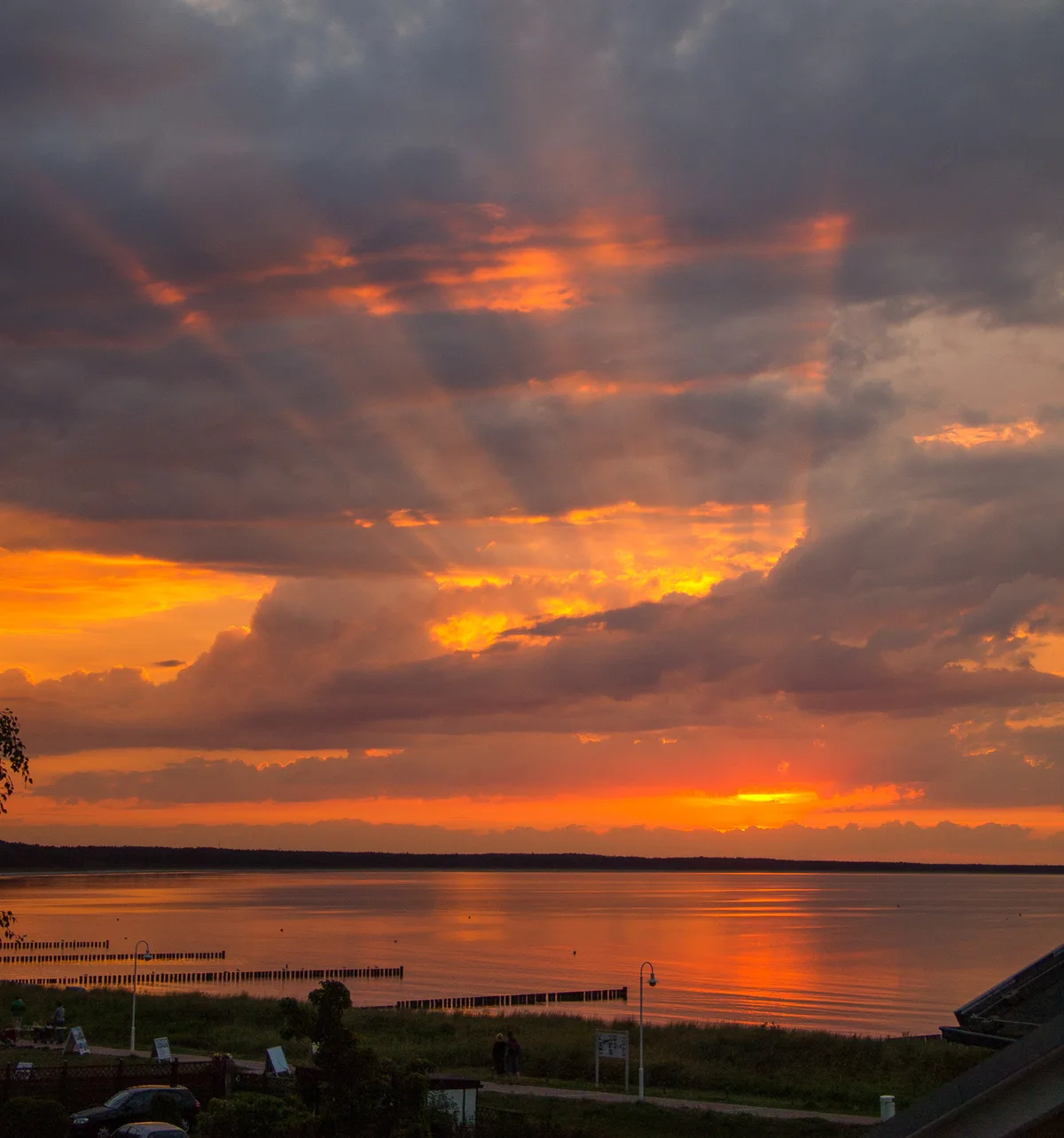
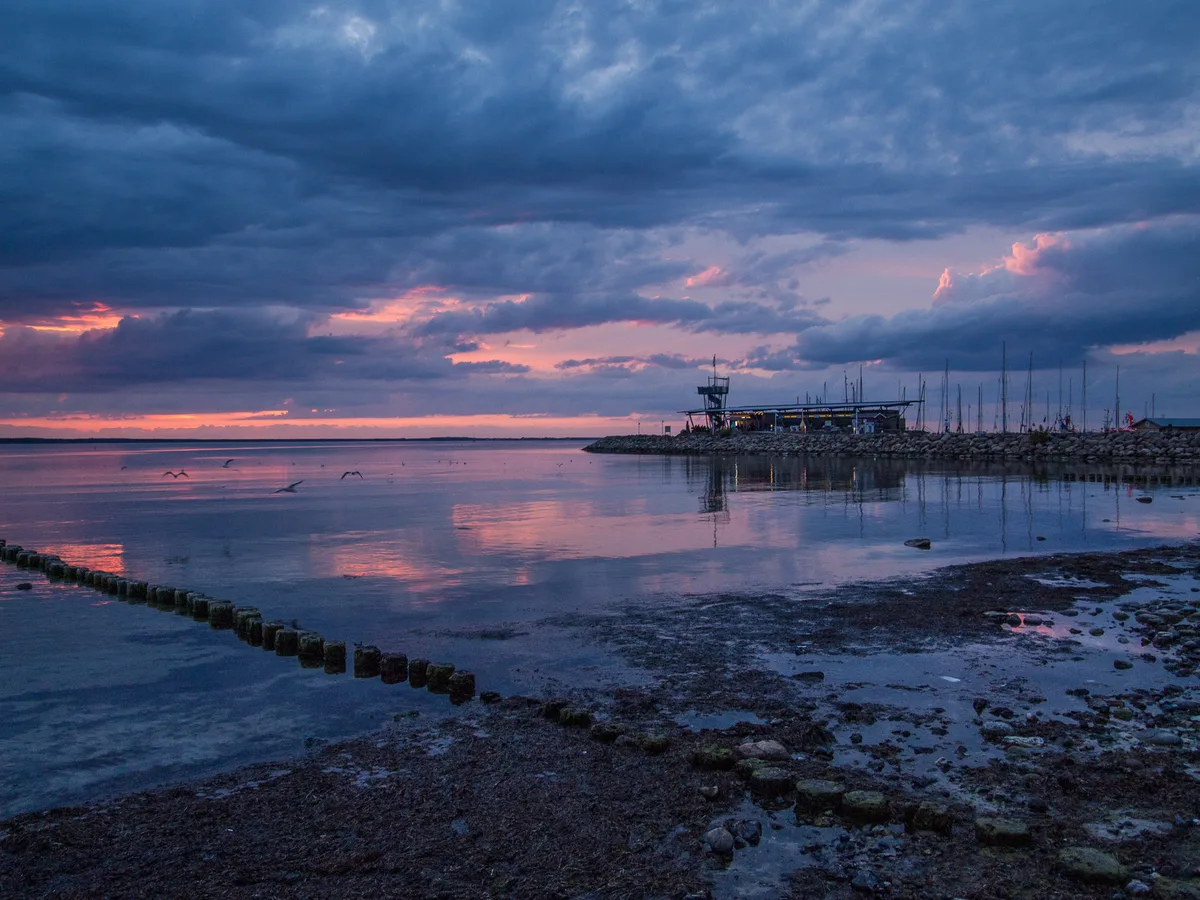
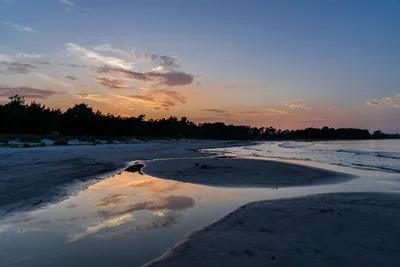
The pine forest edge at golden hour frames the white sand and blue Baltic in a way that's hard to replicate elsewhere on the German coast — arrive early morning for soft light and empty sand. The Schaabe isthmus geography, with water visible on both flanks, makes for compelling wide-angle shots from the cycling path at midday.
Good to know
Moderate currents run on the open Baltic side — stay alert, check conditions before swimming, and keep children close to shore. No campfires are permitted in or near the pine forest, so leave the firewood at home. Respect the dune vegetation: stay on marked paths and don't trample the grasses that hold the dunes together. Wheelchair access is uncertain — the pine forest track approach may be difficult for mobility-impaired visitors, so check conditions locally before planning a visit.
GAMES
🕹️ Five minutes of sand?
Three daily games — including the UV simulator set to this beach.
Map
Nearby places
Pier 32
Fischerhus
Il Giardino
India Corner
Zur Schaabe
Appartments Sandstrand Ostseeperle
Hotel Meeresblick
Bel Air Hotel
Hotel Schloss Spyker
Landhotel Garni - Gut Lebbin
Things to see around Glowe
Kap Arkona
Northernmost point of Rügen with lighthouses and Slavic fortress.
Breege-Juliusruh Beach
Sheltered Bodden-side family beach on the Wittow peninsula.
Jasmund National Park
Chalk cliff national park with Königsstuhl viewpoint.
GIFT IDEA · MARCEL ET LES BLONDES
🎁 Give a moment, not a thing


What’s the occasion?

 💑 Dating anniversaryTwo dates, two starry skies
 💍 Wedding anniversaryCotton, silver, golden…
 🎂 BirthdayTheir own newspaper front page
 👶 New babyThe stars on the day they were bornValentine’s DayOur two moons, as a print
Shipping €5, free from €49 · made to order, shipped within 48 hAlso: our engraved wooden bracelets, €23.90 →
Frequently asked
The information on this page is provided for guidance only and may evolve. Access conditions, safety and infrastructure can change without notice. Always check official sources before traveling.
Nearest beaches
More beaches in Baltic Sea
Reviews of this beach
- No reviews yet, what a shame — leave yours and share your experience.
Photo credits
Sources and licenses for the photos shown above.
- Photo 1 — Bs Od · source · CC BY-SA 3.0
- Photo 2 — Bs Od · source · CC BY-SA 3.0
- Photo 3 — Schnitzel_bank · source · CC BY-ND 2.0
- Photo 4 — Kent Wang · source · CC BY-SA 2.0
- Photo 5 — Kent Wang · source · CC BY-SA 2.0
- Photo 6 — Kent Wang · source · CC BY-SA 2.0