Norte BeachPortugal Beach Guide
Black volcanic sand, raw Atlantic power, no swimming
About
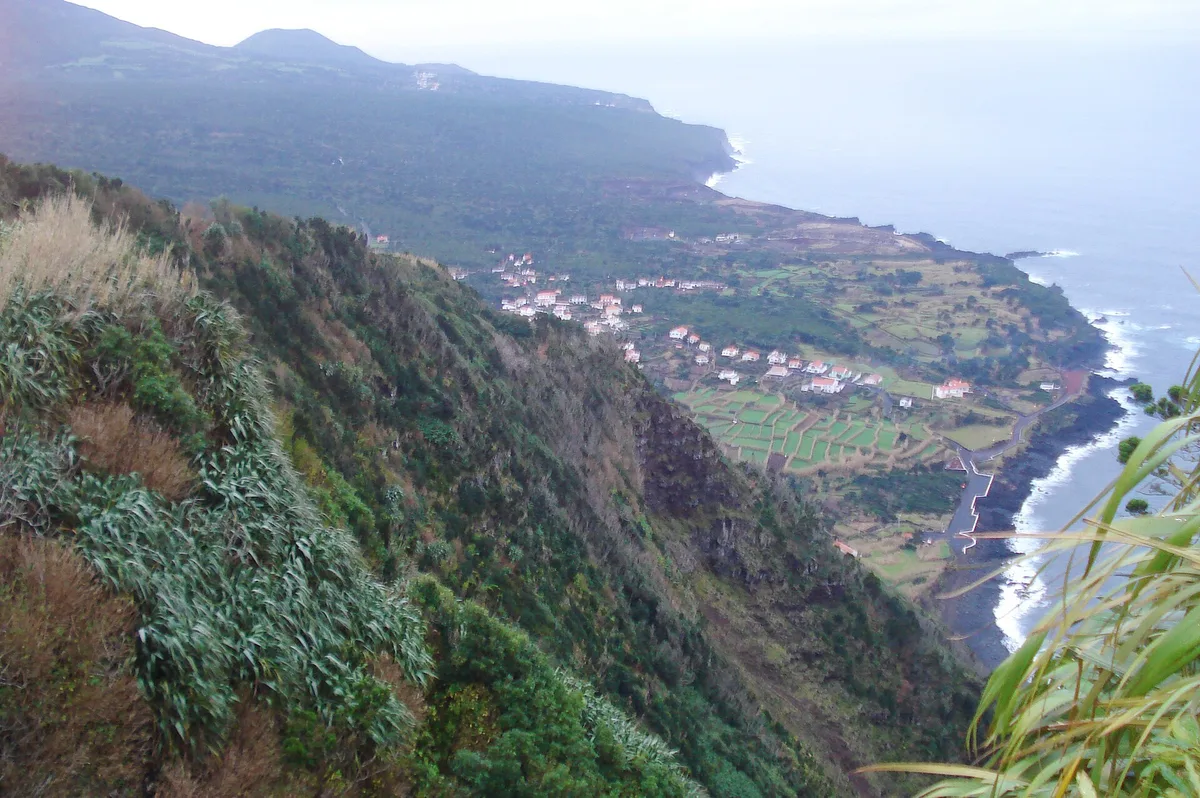
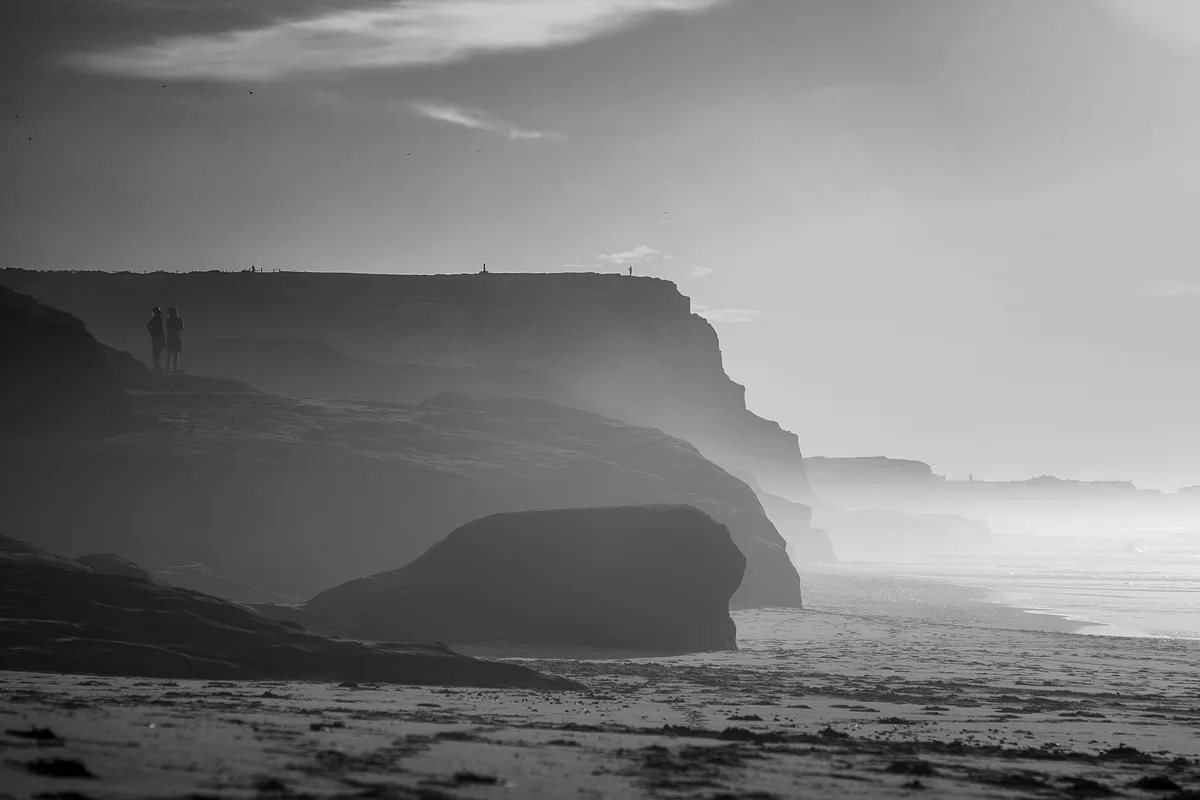
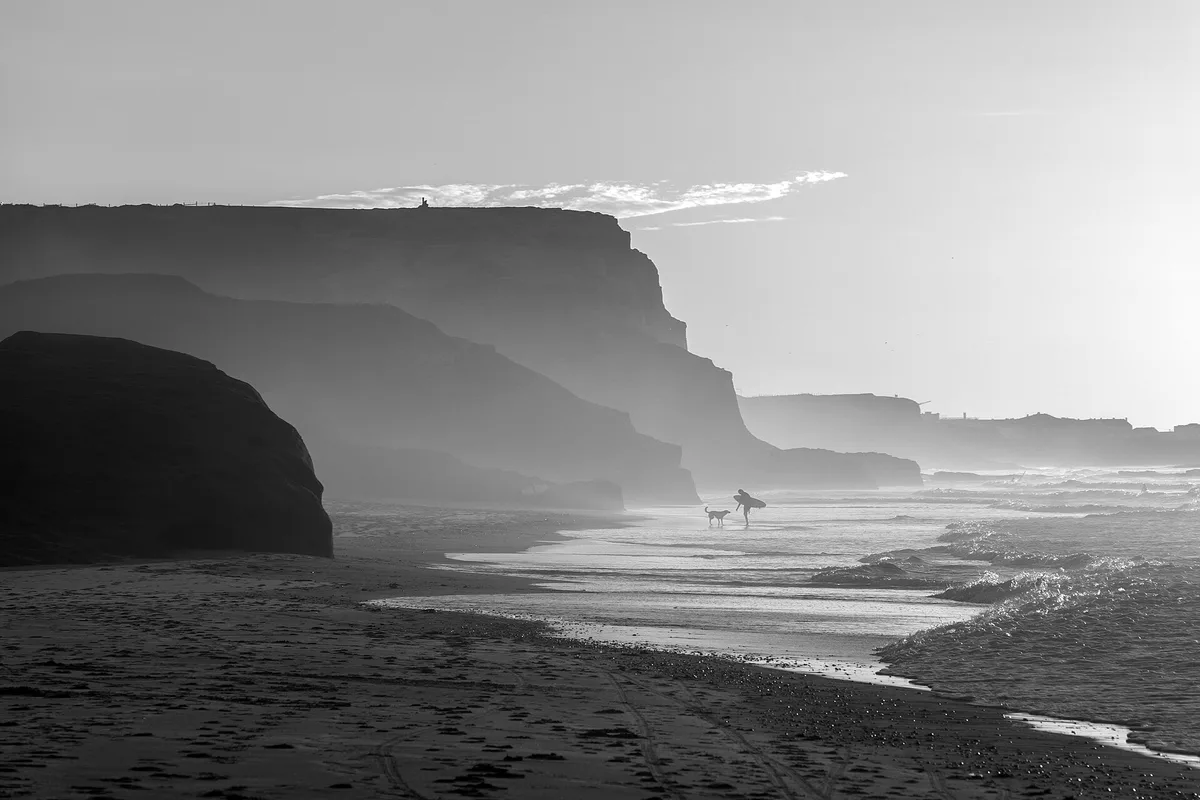
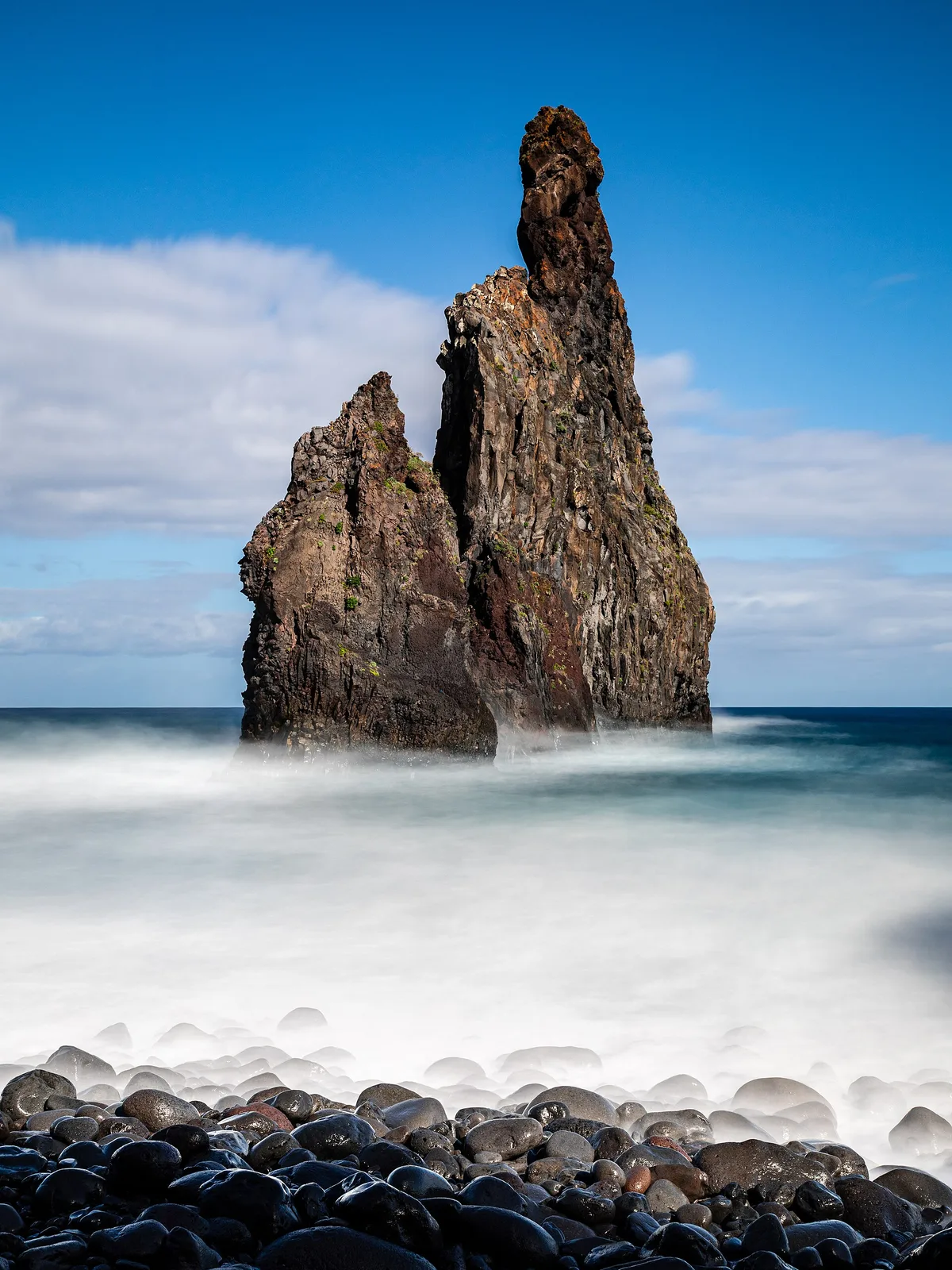
Praia do Norte stretches roughly 1,500 metres along Faial's wild northwestern coast, backed by the ghostly lava fields of the Capelinhos volcano. The black volcanic sand absorbs the light differently at every hour — charcoal at noon, near-obsidian at dusk — while deep blue Atlantic swells roll in unbroken from the open ocean. There is no beach bar, no sunbed, no lifeguard: just wind, rock, and the faint sulphur memory of the 1957–58 eruption that reshaped this coastline forever. It's one of the most dramatically raw beaches in the Azores, and it demands respect.
How to get there
From Horta, the drive takes around 23 minutes by car or taxi; a bus runs Monday to Saturday with 2–3 departures daily and takes about 49 minutes. Free parking is available on-site, often alongside restrooms and a barbecue area. There is no entry fee. Horta Airport (HOR) is 10.3 km away, making this an easy half-day excursion from the island's main hub.
Who it's for
For couples
Praia do Norte suits couples drawn to dramatic, unpeopled landscapes — walking the black sand with the Capelinhos backdrop and no one else in sight is genuinely striking, as long as both of you stay well clear of the waterline.
For families
Families with young children should approach with caution: the flat black sand is easy to walk and the scenery is extraordinary, but there are no adapted facilities, no lifeguard, and the water is off-limits due to rip currents — keep children away from the surf at all times.
Our take
Do not come to Praia do Norte to swim — the rip currents are real, year-round, and there is no lifeguard to pull you out. That warning stated plainly, this is one of the most visually arresting beaches in the Azores. The black volcanic sand, the skeletal lava plateau, the deep blue Atlantic hammering in from the horizon — it's a landscape that earns its drama honestly. Come between June and September, walk the shore, visit Capelinhos, and let the scale of the place do its work. Just keep your feet dry.
What to do
The Capelinhos Volcano Interpretation Centre, just 3 km away, is an underground museum built into the eruption site itself — essential context before or after your visit to the beach. From there, walk out to Ponta dos Capelinhos, the westernmost tip of Faial, where the 1957–58 lava flow literally extended the island into the sea. Three miradouros within 3.6 km — Ribeira das Cabras, Ribeira Funda, and Cabeço do Canto — offer elevated views over the lava coast. Faial's central caldera, Caldeira de Faial, is 5.6 km away and rewards the detour with a 2 km wide crater and a rim hiking trail.
Stand on the dry black volcanic sand with the Capelinhos lava field and lighthouse stretching behind you — shoot wide at sunrise for maximum contrast between dark foreground and deep blue sky.
The Miradouro da Ribeira das Cabras (1.3 km) gives you a high vantage point over the entire bay, capturing the full sweep of the black sand beach against open ocean.
Where to eat
Restaurante Rumar, just 0.6 km from the beach, is the closest option for regional Azorean cooking. Further afield, Pátio (6.9 km) and Campo dos Sabores (8.9 km) offer solid alternatives on the road back toward Horta. There is no food or drink on the beach itself, so bring supplies.
Where to stay
Refúgio dos Capelinhos - Villa e Suites sits 3.3 km from the beach and is the closest base, rated 4.9/5 across 50 reviews — ideal if you want to be near the lava landscape at golden hour. Further toward Horta, Azul Singular (10.9 km, 4.99/5 from 73 reviews) and Quinta Das Buganvílias (10.3 km, 4.8/5 from 100 reviews) are both well-regarded options.
Photography
Shoot early morning when the black volcanic sand contrasts sharply against the deep blue ocean and the Capelinhos lava field glows in low angled light — position yourself with the lighthouse and lava plateau behind you for the most striking frame. Late afternoon from the Miradouro da Ribeira das Cabras (1.3 km) gives you an elevated perspective over the entire bay and the raw coastline stretching west.
Good to know
Do NOT enter the water — strong rip currents are present year-round and no lifeguard is on duty. Even standing at the shoreline carries risk during heavy swell, which is regular and unpredictable. Portuguese man-of-war and jellyfish may be present on the sand and in the surf. Avoid the beach entirely from October through March, when severe Atlantic storms make conditions genuinely dangerous.
GAMES
🕹️ Five minutes of sand?
Three daily games — including the UV simulator set to this beach.
Map
Nearby places
Restaurante Rumar
Pátio
Campo dos Sabores
Restaurante Avózinha
Taberna Azevedo
Refúgio dos Capelinhos - Villa e Suites
Quinta da Meia Eira
Quinta Das Buganvílias
Azul Singular
H18
Miradouro da Ribeira das Cabras
Miradouro da Ribeira Funda
Miradouro para o Cabeço do Canto
Capelinhos Volcano Interpretation Centre
Ponta dos Capelinhos
Caldeira de Faial
Things to see around Horta
Capelinhos Volcano Interpretation Centre
Underground museum at the site of the 1957–58 Capelinhos eruption that added new land to Faial.
Ponta dos Capelinhos
The westernmost point of Faial, formed by the 1957–58 volcanic eruption; dramatic lava landscape.
Caldeira de Faial
Faial's central volcanic caldera with a 2 km wide crater and rim hiking trail.
GIFT
🎁 Gift this beach
Its exact coastline, your date, your words — on a print or a PDF you print yourself.
Norte Beach
THAT DAY
Norte Beach, Azores
© OpenStreetMap contributors
Clean & decorative, or “That day” with the real sky of your date.
Shipping included 3-6 business days
A question before you order? Contact us
Delivered within minutes on the confirmation page and by email: a ZIP with all 4 print sizes (30×40 cm, 12×16″, 50×70 cm, 18×24″), each as a high-resolution PDF and PNG (300 dpi), plus a screen version. Print at home or at any print shop.
Please complete the delivery address.
Please accept the Terms of Sale.
Almost there — the shop opens very soon.
Secure payment · Printed locally in 30+ countries · 7 languages
Frequently asked
The information on this page is provided for guidance only and may evolve. Access conditions, safety and infrastructure can change without notice. Always check official sources before traveling.
Nearest beaches
Other wild beaches in Azores
More beaches in Azores
Reviews of this beach
- No reviews yet, what a shame — leave yours and share your experience.
Photo credits
Sources and licenses for the photos shown above.
- Photo 1 — Ruben JC Furtado · source · CC BY-SA 3.0
- Photo 2 — Alexkom000 · source · CC BY 4.0
- Photo 3 — Alexkom000 · source · CC BY 4.0
- Photo 4 — Dietmar Rabich · source · CC BY-SA 4.0
- Photo 5 — Dietmar Rabich · source · CC BY-SA 4.0