Morro Negro BeachCape Verde Beach Guide
Raw volcanic coast where the Atlantic hits hard
About
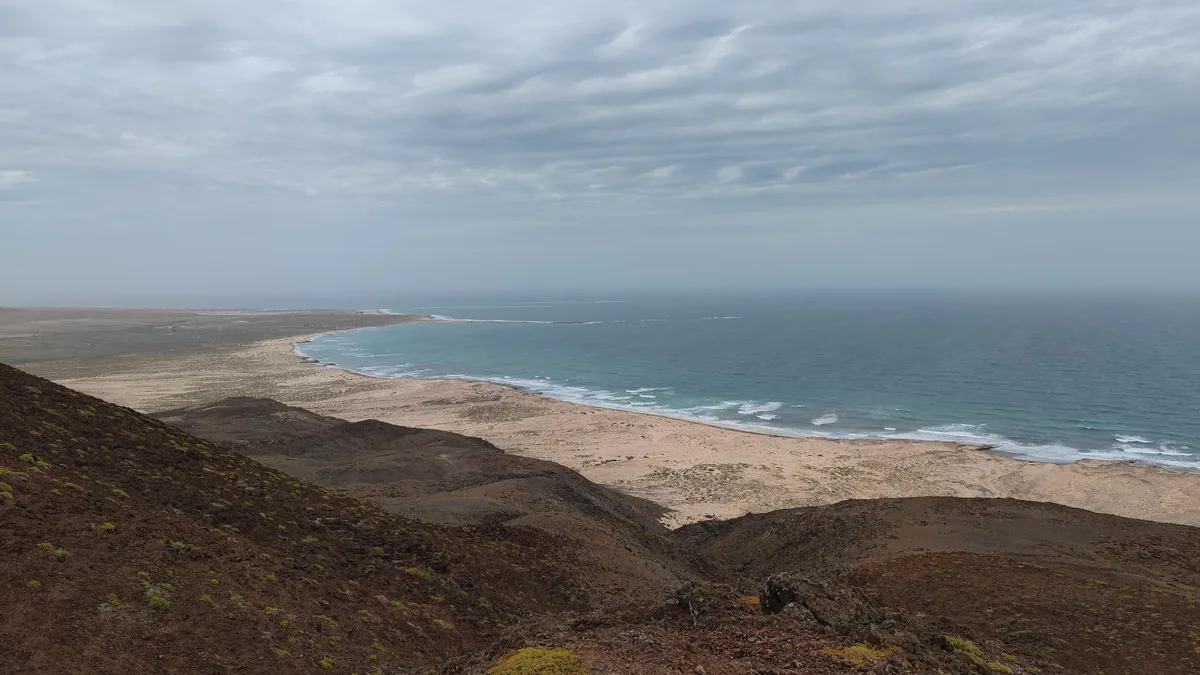
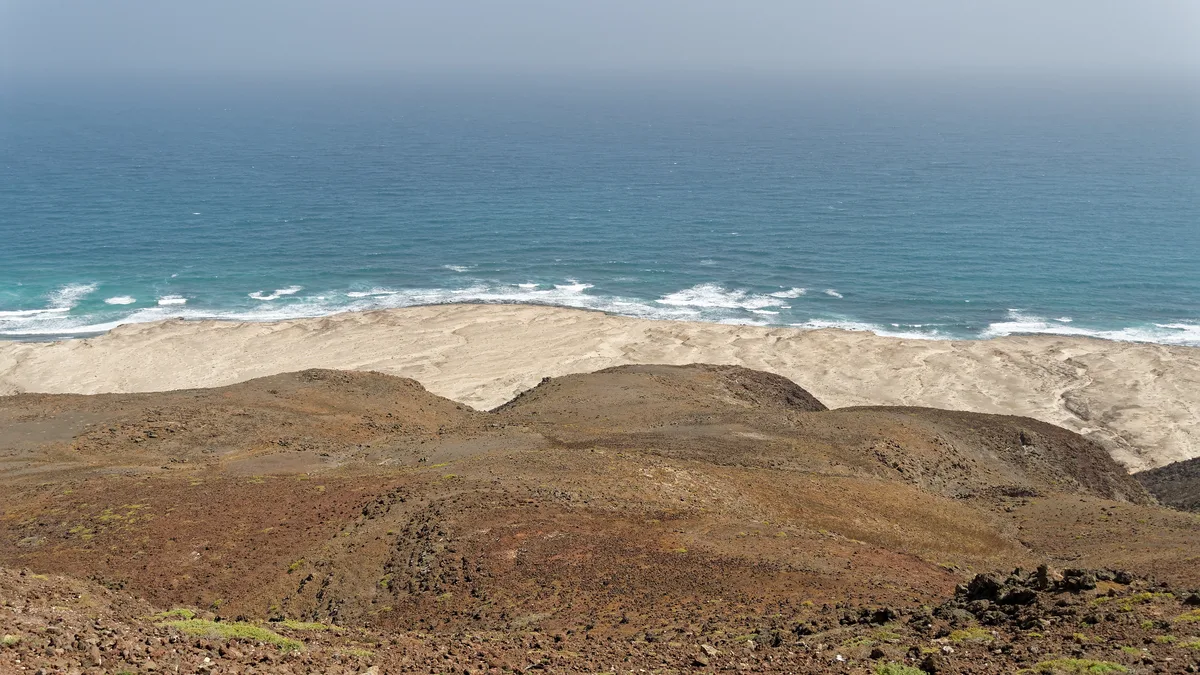
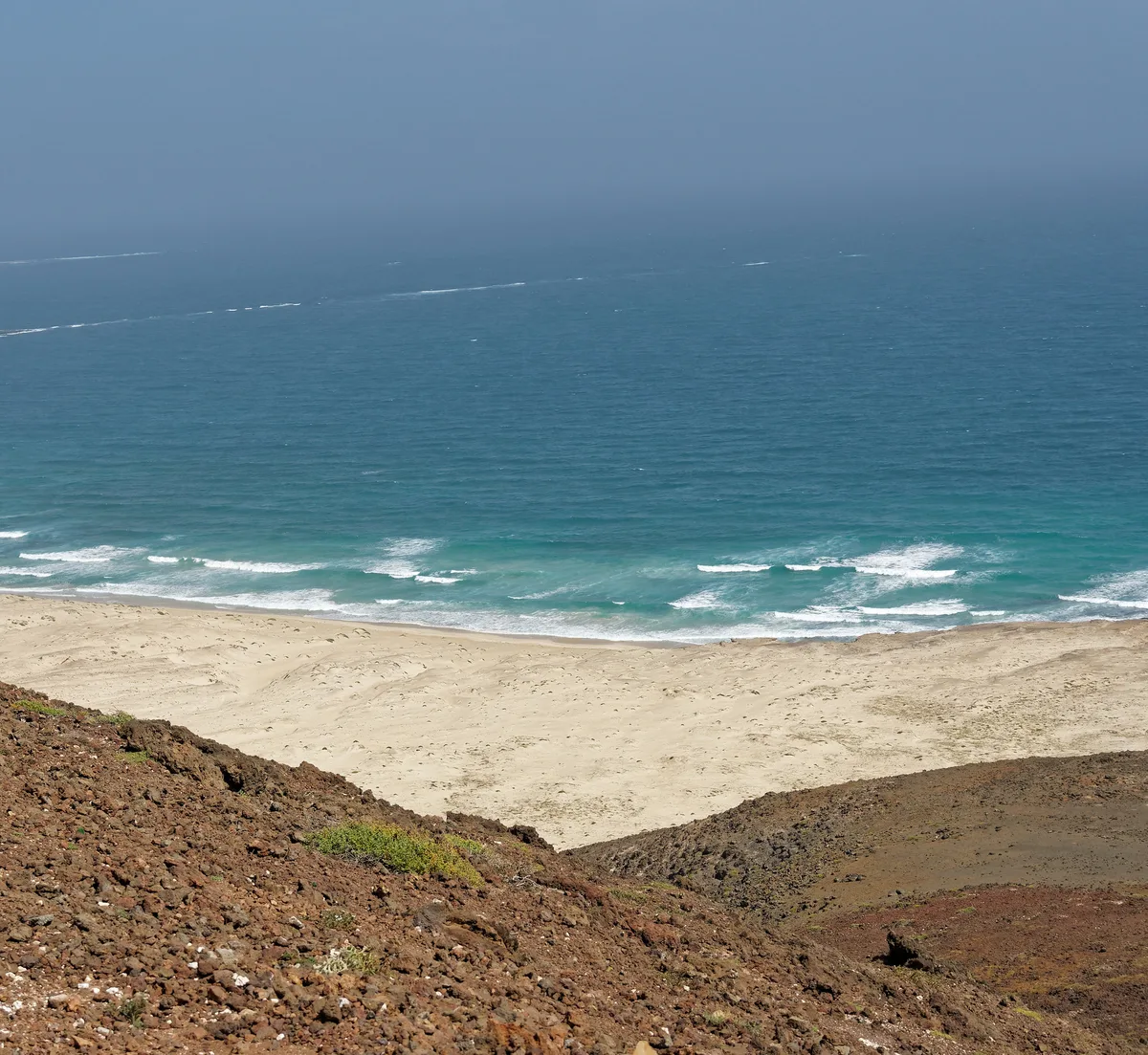
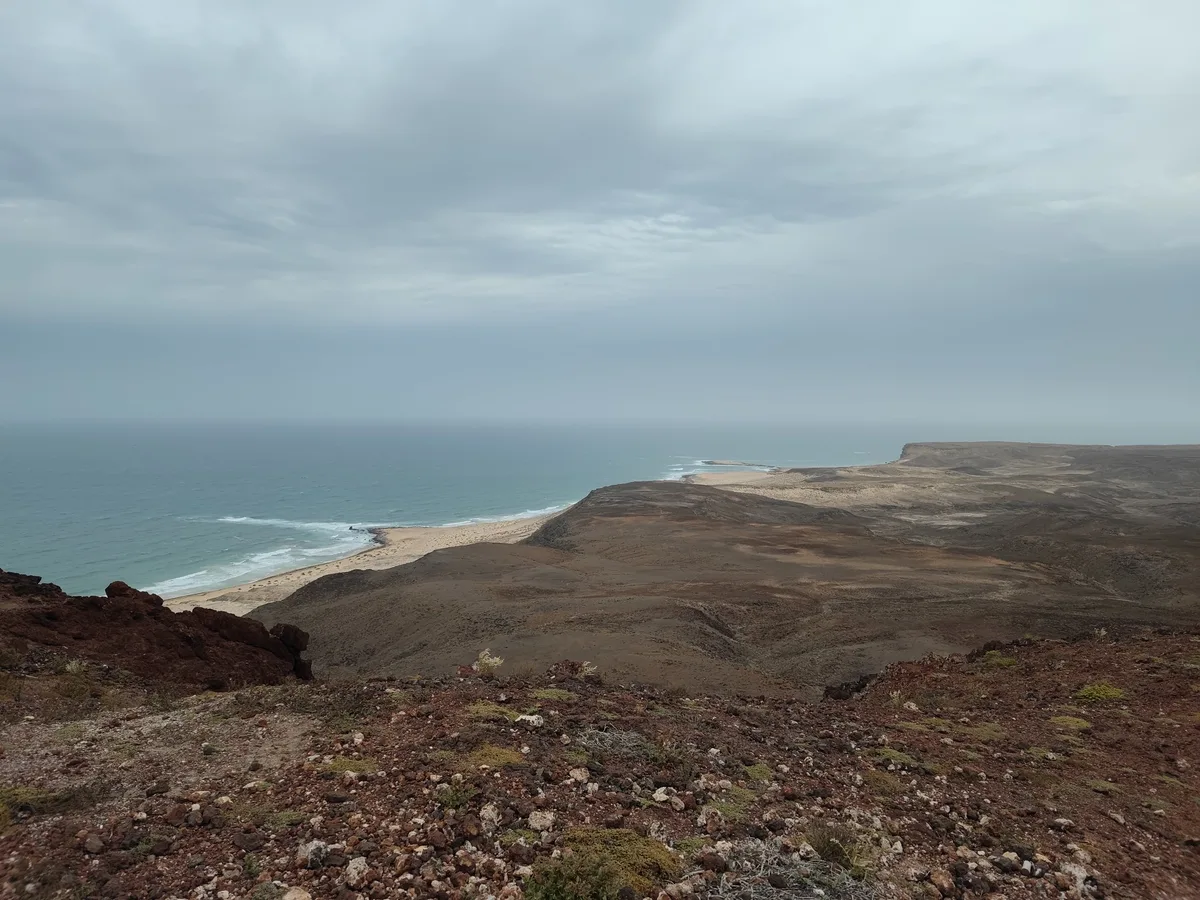
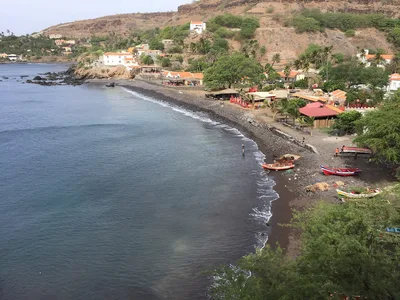
Praia de Morro Negro sits on the southeast coast of Boa Vista, Cape Verde, where a dramatic volcanic rock mass meets the open blue Atlantic with no sand, no shade, and no concessions to comfort. The beach is defined by stark contrasts — dark black rock against deep blue water — a landscape that feels geological rather than recreational. Exposure to the southeast means the Atlantic arrives here with full force, and the shoreline is rarely photographed precisely because so few people make the effort to reach it. There is no tourist infrastructure of any kind: no sunbeds, no showers, no vendors, nothing. What you get instead is raw, unmediated coastline in one of Cape Verde's most isolated corners.
How to get there
Reach Praia de Morro Negro from Sal Rei by 4WD track heading southeast — expect around 50 minutes of remote driving. The track is not suitable for standard vehicles; a 4WD is essential. There is no formal parking area at the beach, so you'll leave your vehicle wherever the track ends near the shoreline. The isolation itself is the real barrier.
Who it's for
For couples
For couples who want solitude over sunbeds, Morro Negro delivers complete isolation and a genuinely wild coastal atmosphere — but come prepared, not romantic-impulsive: no facilities, no swimming, just raw scenery and each other.
For families
Praia de Morro Negro is not suitable for families with children — the rocky beach has no sand, swimming is dangerous due to strong swell and currents, access requires a 4WD, and there are no facilities whatsoever on site.
Our take
Be clear-eyed about what Praia de Morro Negro is: a place to look at, not swim in. The Atlantic here is dangerous — strong swell, strong currents, rocky entry — and that is not a caveat, it is the defining fact of this beach. Do not enter the water. What the beach does offer is genuine remoteness, a volcanic landscape that feels almost lunar, and the rare satisfaction of standing somewhere rarely photographed. The 50-minute 4WD drive from Sal Rei filters out casual visitors entirely, which is exactly why the southeast coast feels this raw. Come in the dry season between November and April, bring all your own supplies, and treat this as a landscape destination rather than a beach day. Skip it entirely between June and September when southeast swell peaks.
What to do
The beach rewards photographers and anyone drawn to raw volcanic landscapes — the colour contrast between black rock and blue ocean is the main event. About 8 km away, Praia de Curral Velho offers a different kind of remoteness, with ruined salt pans and a colonial building worth exploring. Push a little further and the Curral Velho Salt Pans, around 10 km out, are frequented by flamingos. Praia de Ervatão, roughly 15 km away, is a major loggerhead turtle nesting beach on the south coast and a compelling reason to extend your southeast coast day.
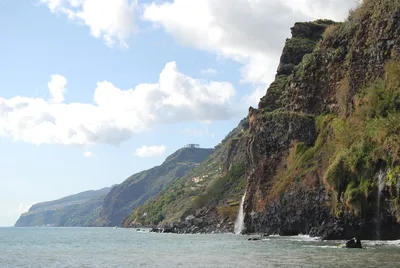
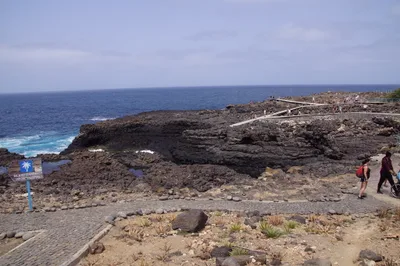
The volcanic rock mass itself is the hero shot — position yourself at the water's edge to capture the stark black rock against deep blue ocean.
The colour contrast between dark volcanic formations and the open Atlantic is the beach's signature, and the complete absence of other visitors means nothing interrupts the composition.
Where to eat
There are no food or drink options at the beach — none. The nearest restaurants are a significant drive away: Restaurante Reencontro and Mansão are both around 6 to 6.4 km from the beach, while Refugio D'um Cabrer is about 8.7 km out. Pack everything you need before you leave.
Where to stay
The closest accommodation options are a considerable distance from the beach. Hotel São João Baptista is roughly 9 km away, while Luxury BeachVilla Suite, Casa Vista Para O Mar, and Casa Tud Dret luxurious apartments are all in the 13 to 14 km range. Plan your base accordingly — there is nothing to stay in near Morro Negro itself.
Photography
The volcanic rock mass against the blue Atlantic is the defining shot. The rarely photographed southeast coast exposure means you'll almost certainly have the entire scene to yourself, giving you clean compositions with no other visitors in frame.
Good to know
Do not enter the water — the exposed Atlantic coast carries strong swell and currents, and swimming here is dangerous. This is a remote area with zero facilities, so bring all your own water and food before you leave Sal Rei. Avoid visiting between June and September when southeast swell is at its strongest. The nearest help is a long drive away, so tell someone your plans before heading out.
GAMES
🕹️ Five minutes of sand?
Three daily games — including the UV simulator set to this beach.
Map
Nearby places
Restaurante Reencontro
Mansão
Cadjau Transportes E Comercios
Refugio D'um Cabrer
Hotel São João Baptista
Luxury BeachVilla Suite
Casa Vista Para O Mar
Casa Tud Dret - luxurious apartments
Casa Tud Dret - luxurious apartments
Odjo d’Mar
Things to see around Boa Vista
Praia de Curral Velho
Remote southeast beach with ruined salt pans and colonial building
Curral Velho Salt Pans
Former colonial salt pans frequented by flamingos
Praia de Ervatão
Major loggerhead turtle nesting beach on the south coast
GIFT
🎁 Gift this beach
Its exact coastline, your date, your words — on a print or a PDF you print yourself.
Morro Negro Beach
THAT DAY
Morro Negro Beach, Cape Verde
© OpenStreetMap contributors
Clean & decorative, or “That day” with the real sky of your date.
Shipping included 3-6 business days
A question before you order? Contact us
Delivered within minutes on the confirmation page and by email: a ZIP with all 4 print sizes (30×40 cm, 12×16″, 50×70 cm, 18×24″), each as a high-resolution PDF and PNG (300 dpi), plus a screen version. Print at home or at any print shop.
Please complete the delivery address.
Please accept the Terms of Sale.
Almost there — the shop opens very soon.
Secure payment · Printed locally in 30+ countries · 7 languages
Frequently asked
The information on this page is provided for guidance only and may evolve. Access conditions, safety and infrastructure can change without notice. Always check official sources before traveling.
Nearest beaches
Other wild beaches in Cape Verde
Reviews of this beach
- No reviews yet, what a shame — leave yours and share your experience.
Photo credits
Sources and licenses for the photos shown above.
- Photo 1 — Kurt-Georg · source · CC BY-ND 2.0
- Photo 2 — Miguel Discart & Kiri Karma · source · CC BY-SA 2.0
- Photo 3 — Miguel Discart & Kiri Karma · source · CC BY-SA 2.0
- Photo 4 — Kurt-Georg · source · CC BY-ND 2.0