Lacacão BeachCape Verde Beach Guide
Raw dune cliffs, mixed sands, and zero company
About
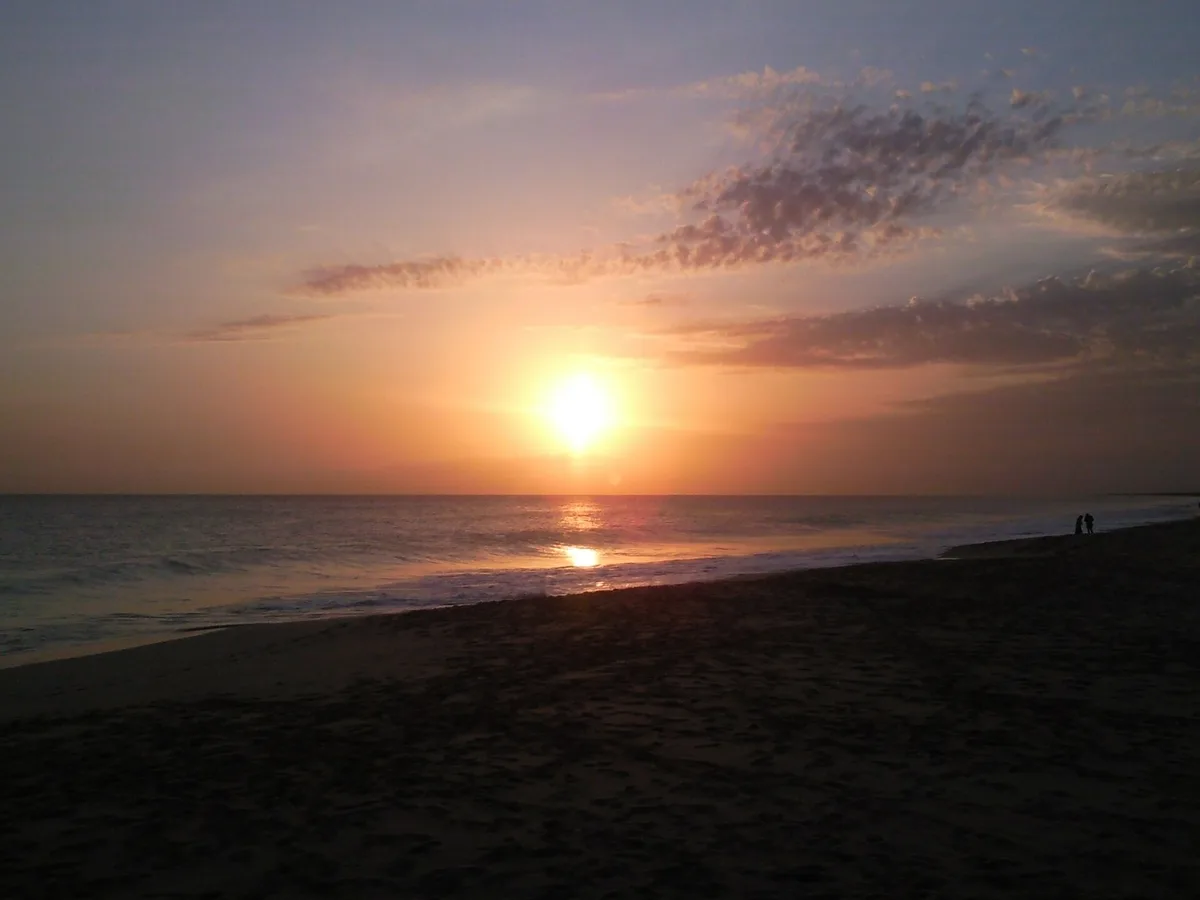
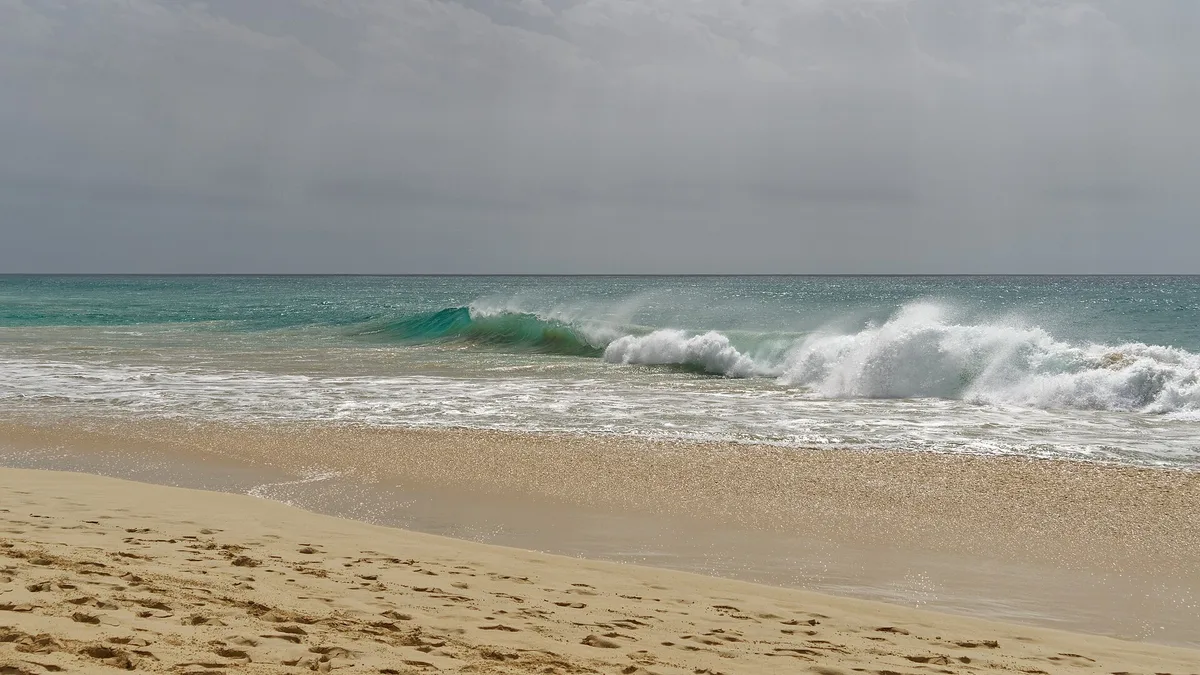
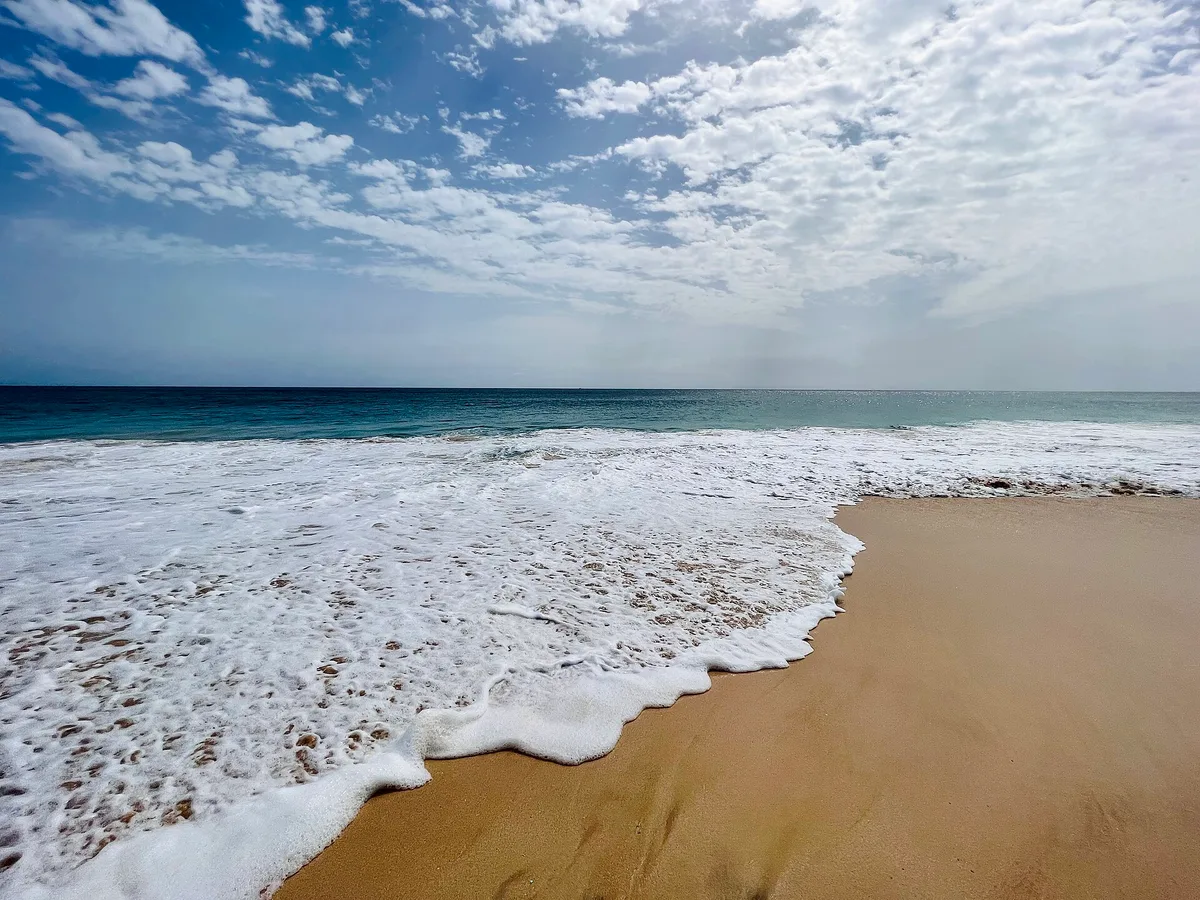
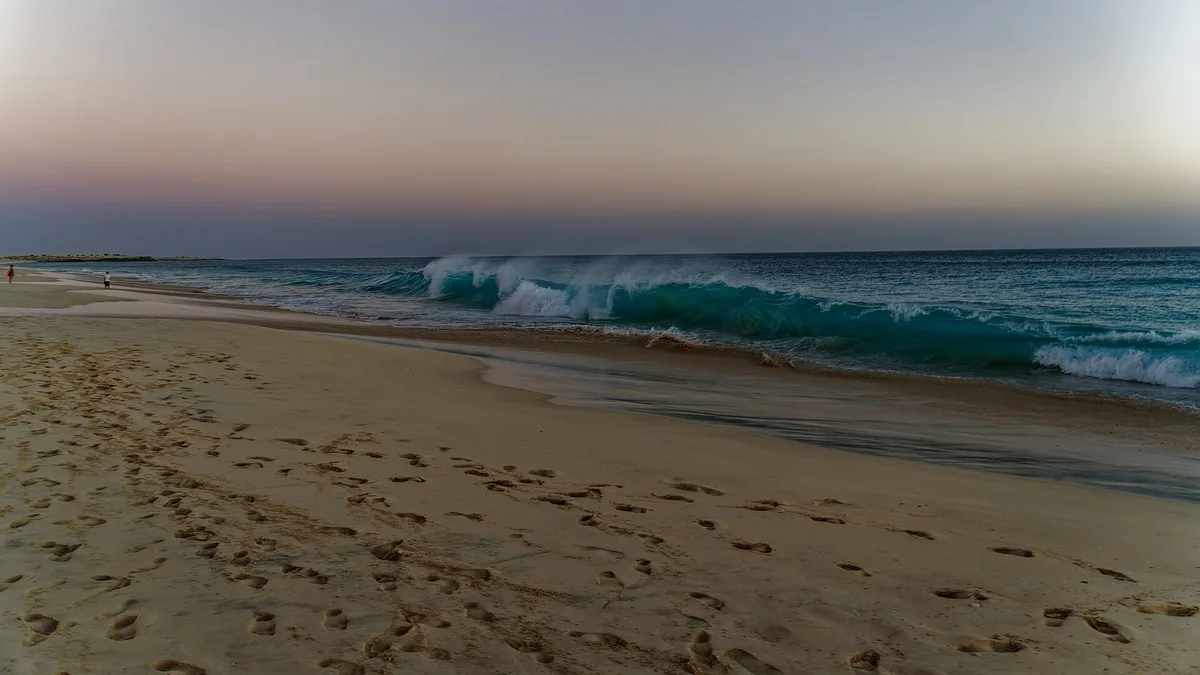
Praia de Lacacão sits on the remote southwest coast of Boa Vista, Cape Verde, where the Atlantic hits hard and the landscape does all the talking. The beach's most striking feature is its cliff face: a painter's palette of layered sand colour strata, actively eroding in real time, exposing geological cross-sections that look almost too vivid to be natural. Mixed sands stretch along roughly 600 metres of shoreline, backed by shifting dunes and open blue ocean. There are no facilities, no vendors, no infrastructure of any kind — just wind, geology, and the low roar of strong southwest surf. It's wild in the truest sense, and it stays that way.
How to get there
From Sal Rei, the drive takes around 75 minutes on rough desert piste — a 4WD is essential. Alternatively, hike in from the village of Curral Velho; the trail is on-demand and crosses desert terrain. There is no formal parking area — stop your vehicle on the piste near Curral Velho and continue on foot. No entry fee applies, but the difficulty of access is itself a filter: this is not a beach you stumble upon.
Who it's for
For couples
If you and your partner are drawn to raw, unpeopled landscapes and don't need a sunlounger in sight, Lacacão delivers genuine solitude — it's the kind of place where the only interruption is the wind. Come for the geology, stay for the quiet.
For families
Not suitable for families with young children. The difficult access across rough desert terrain, the actively eroding cliff with rockfall risk, dangerous surf, and complete absence of facilities make this beach inappropriate for anyone who needs safe swimming or easy evacuation.
Our take
Lacacão is not a beach for relaxing. Let's be direct about that first. The surf is dangerous, the cliff is actively shedding material, there are no rescue services, and getting here requires real effort across desert terrain. What it offers instead is something increasingly rare: a completely undeveloped stretch of coastline where the geology is doing something visually extraordinary — strata laid bare by erosion, a cliff face that reads like a cross-section of deep time. Photographers and geology enthusiasts will find it worth every difficult kilometre. Everyone else should weigh the access honestly against what they're looking for. Come in the dry season, avoid the winter months when Atlantic surf and trade winds are at their strongest, carry water, and keep well clear of that cliff face.
What to do
The Curral Velho ruins, roughly 4 kilometres away, are an abandoned colonial-era settlement worth the detour — rated 4.4/5 and one of the more atmospheric stops on Boa Vista's south coast. Nearby, the Salinas de Curral Velho offer a striking contrast of salt flats and birdlife, rated 4.7/5 at around 3.6 kilometres. For a sense of scale, Praia de Santa Mónica lies about 20 kilometres away — a 35-kilometre wild dune-backed beach that shares Lacacão's untamed character. The Viana Desert, roughly 18 kilometres inland, rounds out the geological story of this corner of the island.
The cliff face's layered sand colour strata is the defining shot — get low and frame the geological cross-section against the blue ocean horizon.
The active dune erosion creates constantly shifting textures and shadow lines along the cliff edge that reward a wide-angle lens. The empty mixed-sand foreshore with zero human infrastructure in frame gives a genuinely rare 'end of the world' composition.
Where to eat
The closest dining options are clustered near Curral Catoco, under a kilometre away. Kulinarium stands out with a 4.7/5 rating, while San Antao and Boavista Restaurant both earn solid marks from visitors. Pack your own food and water for the beach itself — there is nothing on-site and the drive back is long.
Where to stay
Hotel Riu Touareg, rated 4.2/5 across over 15,470 reviews, is the most established base in the area at around 0.4 kilometres from the beach zone. For something smaller and more local, Nos Kasa Povoaçao Velha sits about 9 kilometres away. Several self-catering options including Luxury BeachVilla Suite and Casa Tud Dret are available around 13 kilometres out for those who prefer independence.
Photography
The layered sand strata in the cliff face are the headline shot — arrive in the morning when low-angle light rakes across the geological cross-sections and deepens the colour contrasts. The wide foreground of mixed sands against open blue ocean, with the eroding dune cliff as backdrop, gives a strong compositional frame at any time of day when the sky is clear.
Good to know
Do not stand directly below the dune cliff face — it is actively eroding and rockfall is a real, documented risk. The strong surf makes swimming dangerous; do not enter the water under any circumstances. There are zero rescue services at this beach, so carry sufficient water and a charged communication device before you set out. True digital-detox territory — cell signal fades out here and there is nowhere to plug anything in, so bring offline maps and let someone know your plan.
GAMES
🕹️ Five minutes of sand?
Three daily games — including the UV simulator set to this beach.
Map
Nearby places
Bereber Pool Restaurant
Da Marcello
San Antao
Kulinarium
Boavista Restaurant
Hotel Riu Touareg
Nos Kasa Povoaçao Velha
Luxury BeachVilla Suite
Casa Tud Dret - luxurious apartments
Deimary
Ponta da Cruzinha
Ruína de Aldeia do Curral Velho
Salinas de Curral Velho
Things to see around Boa Vista
Curral Velho ruins
Abandoned colonial-era settlement on the south coast of Boa Vista
Praia de Santa Mónica
20 km wild dune-backed beach on the southwest coast
Viana Desert
Inland Saharan-like sand desert, the largest in Cape Verde
GIFT
🎁 Gift this beach
Its exact coastline, your date, your words — on a print or a PDF you print yourself.
Lacacão Beach
THAT DAY
Lacacão Beach, Cape Verde
© OpenStreetMap contributors
Clean & decorative, or “That day” with the real sky of your date.
Shipping included 3-6 business days
A question before you order? Contact us
Delivered within minutes on the confirmation page and by email: a ZIP with all 4 print sizes (30×40 cm, 12×16″, 50×70 cm, 18×24″), each as a high-resolution PDF and PNG (300 dpi), plus a screen version. Print at home or at any print shop.
Please complete the delivery address.
Please accept the Terms of Sale.
Almost there — the shop opens very soon.
Secure payment · Printed locally in 30+ countries · 7 languages
Frequently asked
The information on this page is provided for guidance only and may evolve. Access conditions, safety and infrastructure can change without notice. Always check official sources before traveling.
Nearest beaches
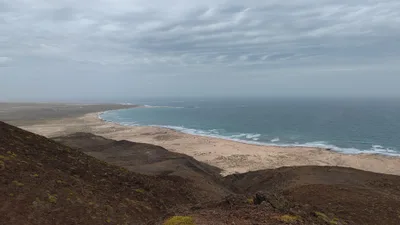
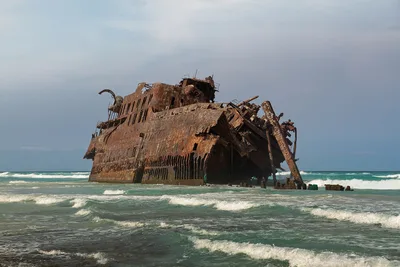
Other wild beaches in Cape Verde
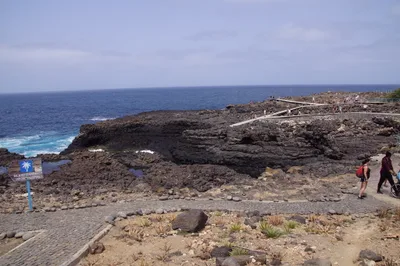
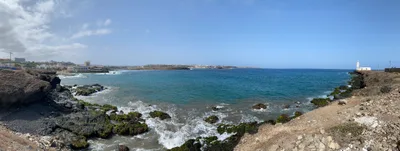
Reviews of this beach
- No reviews yet, what a shame — leave yours and share your experience.
Photo credits
Sources and licenses for the photos shown above.
- Photo 1 — Fulvio Barudoni · source · CC BY 3.0
- Photo 2 — Miguel Discart from Bruxelles, Belgique · source · CC BY-SA 2.0
- Photo 3 — SimonWaldherr · source · CC BY-SA 4.0
- Photo 4 — Miguel Discart from Bruxelles, Belgique · source · CC BY-SA 2.0
- Photo 5 — Miguel Discart · source · CC BY-SA 2.0