Prainha BeachBrazil Beach Guide
Wild Atlantic surf, clear sand, serious waves — respect both

About
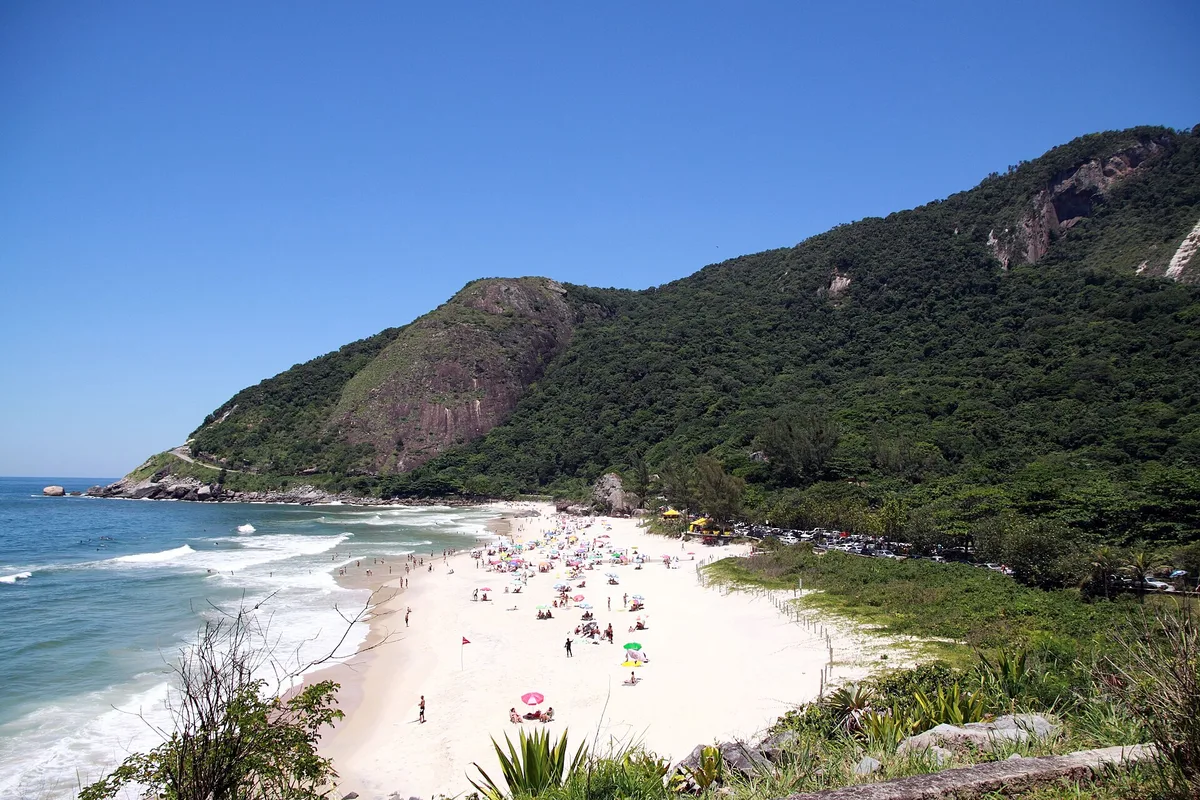
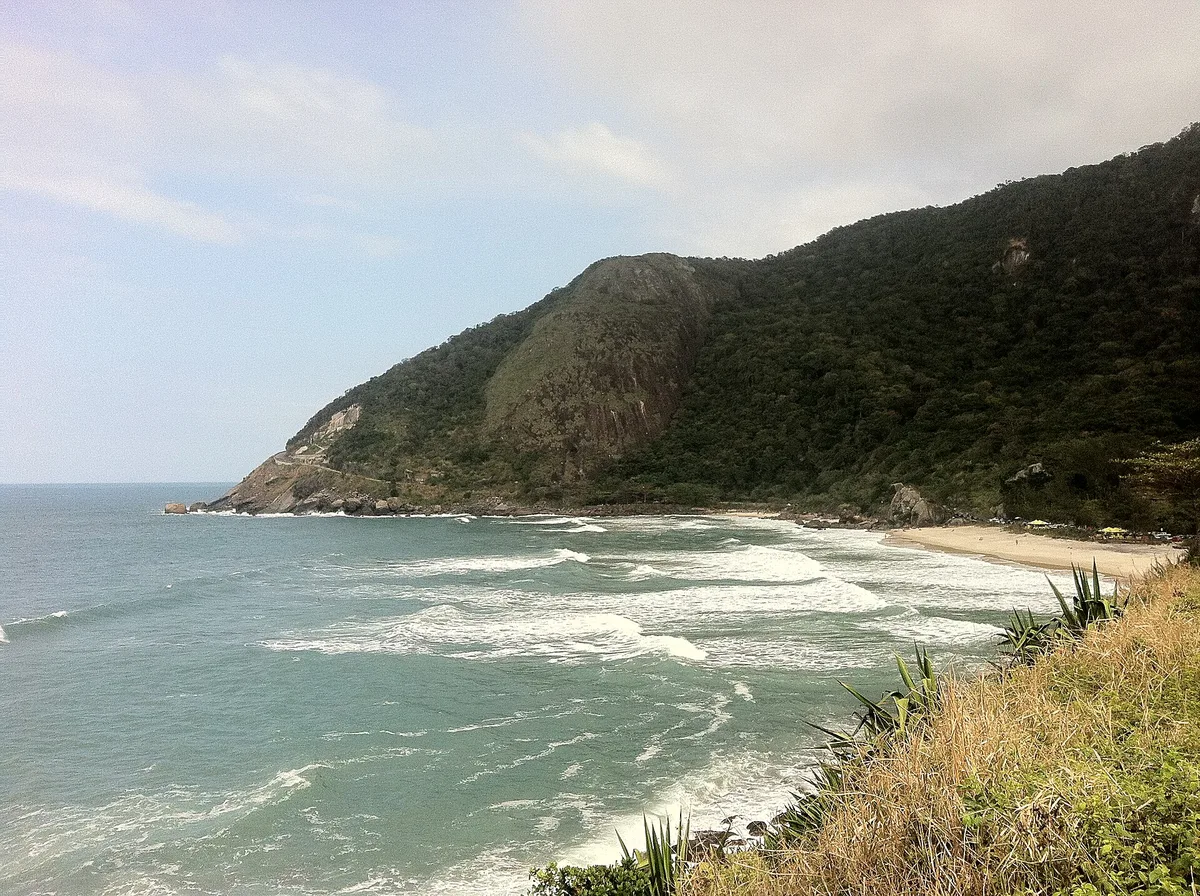
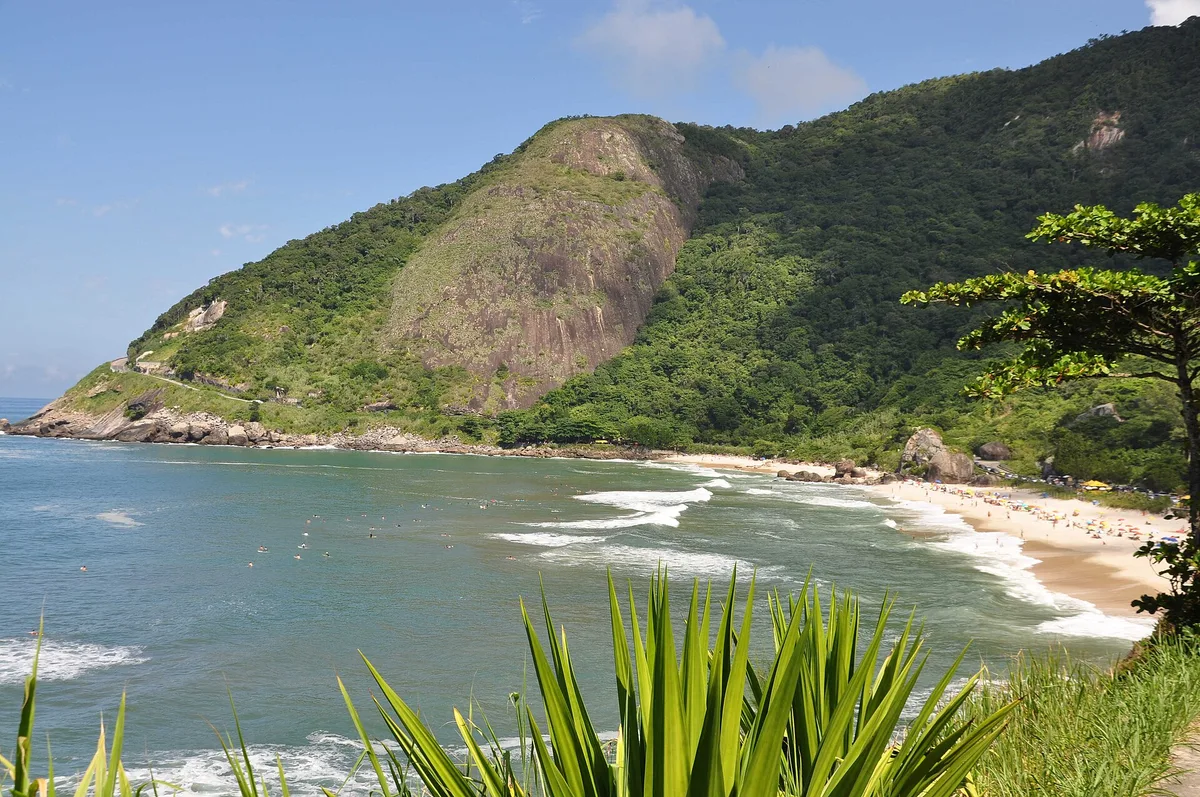
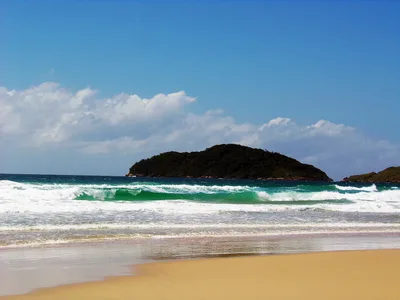
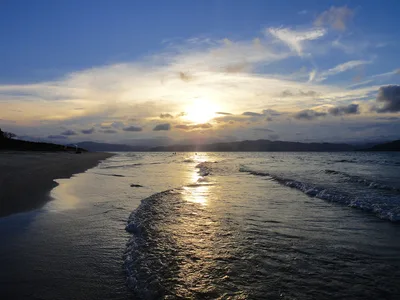
Praia de Prainha sits on the far western edge of Rio de Janeiro, tucked inside an environmental protection area (APA) that has kept it largely undeveloped and wild. Clear sand meets crystal-clear Atlantic water here, but the ocean doesn't play gentle — strong waves roll in with real force, and the corners of the beach hide submerged rocks. Surfers have claimed this stretch for decades, drawn by the consistent break and the relative absence of infrastructure. The surrounding nature reserve keeps the landscape raw: no kiosks lining the shore, no beach vendors every ten metres. It's one of Rio's last genuinely untamed beaches, and that's exactly its appeal.
How to get there
Drive west through Rio de Janeiro toward the Recreio dos Bandeirantes area; Prainha sits within the APA conservation zone on the city's west side, roughly 36.7 km from Rio Galeão–Tom Jobim International Airport (GIG). Free parking is available near the conservation zone boundary, but spaces are limited — arrive early or expect to park outside the protected area and walk in. No entry fee is documented, but access is managed to protect the reserve. From the parking area, a short walk brings you down to the beach.
Who it's for
For couples
Prainha rewards couples who want scenery without the infrastructure — a walk up to Mirante Boa Vista followed by a quiet stretch of clear sand feels genuinely removed from the city, even though Rio is technically right there.
For families
Families with young children should approach with caution: strong waves, currents, and submerged rocks at the beach corners make the water unsuitable for non-swimmers or kids. The nature reserve trails and viewpoints nearby are a safer and rewarding alternative for families who still want the outing.
Our take
Let's be direct: the water at Prainha is beautiful and it is also dangerous. Strong currents run along this stretch and the rocks at the corners are not decorative — they are a hazard. If you're not a competent surfer who reads breaks for a living, stay on the sand and enjoy the view. That said, the view is genuinely worth the drive: crystal-clear water, clear sand, a wild Atlantic horizon, and a nature reserve that has kept the developers out. The three nearby viewpoints add real value to the visit even if you never touch the water. Come on a weekday, arrive early for parking, and treat this as a nature excursion first and a beach day second. It's one of Rio's most intact coastal environments — handle it accordingly.
What to do
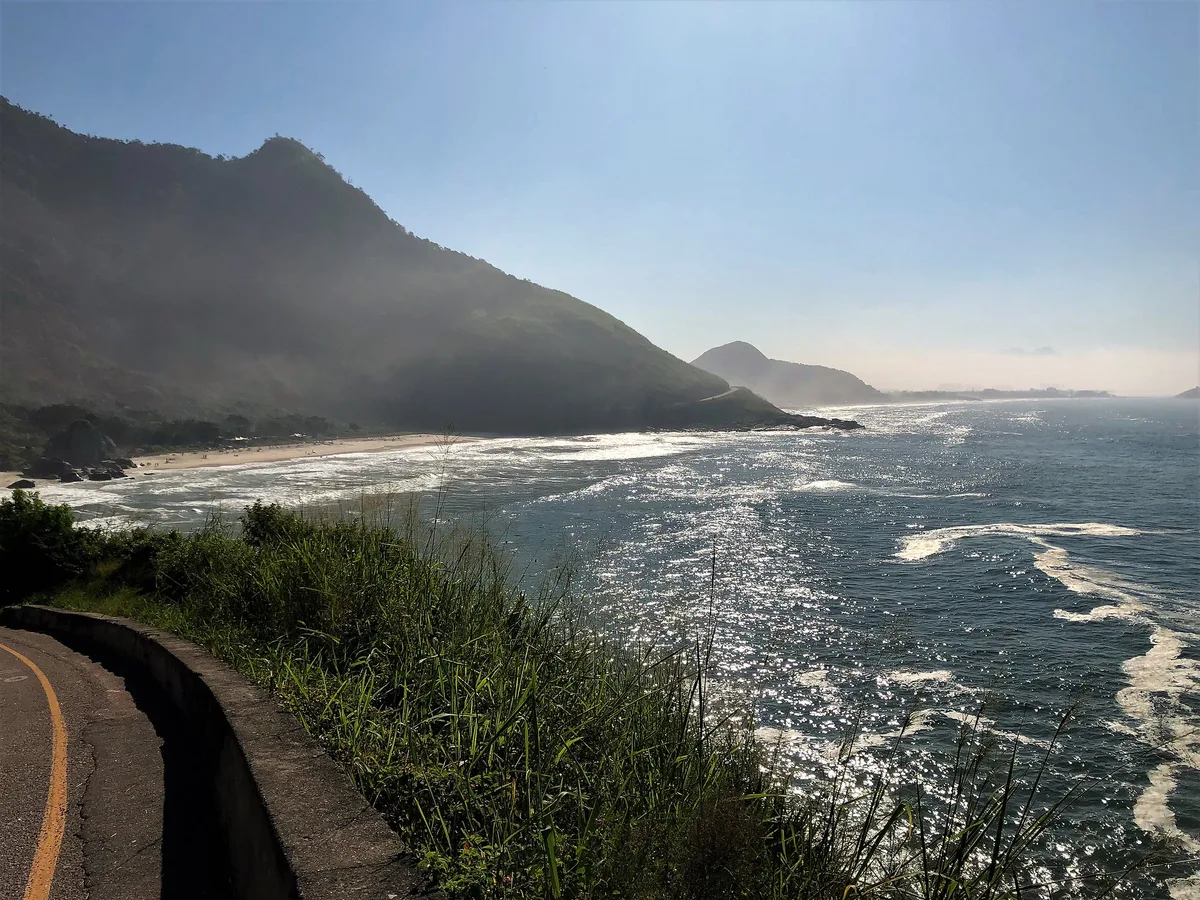
Two viewpoints are within easy reach: Mirante do Roncador (0.8 km) and Mirante Boa Vista (0.9 km) both offer elevated perspectives over the coastline and the APA's green hills — worth the short detour before or after the beach. A third lookout, Mirante de Piabas (2.1 km), extends the walk further along the ridge. The nature reserve itself is the main attraction: birdwatching, coastal hiking, and simply watching the surf roll in from the shore are the real draws here.
Mirante do Roncador (0.8 km) gives you the full arc of the beach with the APA's green hills as a backdrop — best in the late afternoon when the light warms the clear sand.
From the beach itself, position at mid-shore to capture the raw surf lines rolling in, keeping the undeveloped treeline in frame for a shot that looks nothing like the rest of Rio.
Where to eat
The closest option is Bar e Restaurante Cabana da Praia, just 2.7 km away — a practical stop for a meal before or after the beach. Further out at around 2.8 km you'll find a wider spread: Camarão e Cia. for fresh seafood, and La Mole if you're after Italian. There are no food vendors on the beach itself, so plan ahead.
Where to stay
The nearest place to stay is Mikonos Hotel Residência, 3.6 km from the beach — a reasonable base for an early-morning arrival before parking fills. Further out, around 11–12 km away, you'll find Pousada Mansão Riocentro, Serra e Mar Riocentro, Hotel Riocentro, and Rio Stay Barra Hotel, all clustered near the Barra da Tijuca corridor.
Photography
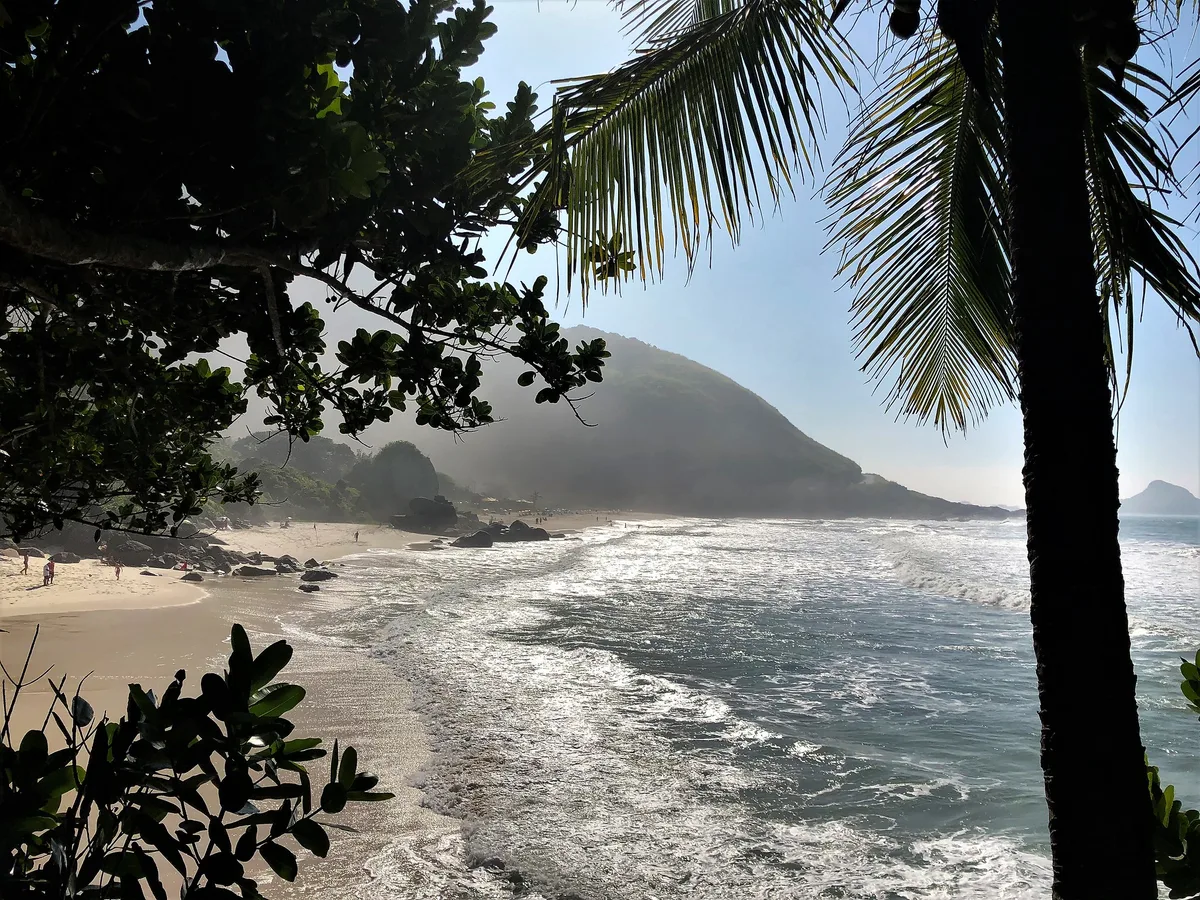
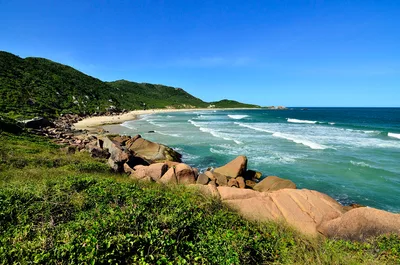
Shoot from the high ground at Mirante do Roncador (0.8 km) at golden hour for sweeping views of the wave break against the clear sand and the APA's forested ridgeline. On the beach itself, the rocky corners frame the surf dramatically — photograph from a safe distance on dry sand, especially in the early morning light before the haze builds.
Good to know
Strong waves and currents are a genuine hazard here — do not enter the water unless you are an experienced surfer who understands rip currents and knows how to read the break. Rocks sit at both corners of the beach; stay well clear of those edges whether in or out of the water. Parking fills fast on weekends and holidays, so a weekday morning visit is your best bet for both a space and a quieter shore. The beach is inside a nature reserve, so leave nothing behind — pack out everything you bring in.
GAMES
🕹️ Five minutes of sand?
Three daily games — including the UV simulator set to this beach.
Map
Nearby places
Bar e Restaurante Cabana da Praia
Camarão e Cia.
Benkei
La Mole
Outback Steakhouse
Mikonos Hotel Residência
Pousada Mansão Riocentro
Serra e Mar Riocentro
Hotel Riocentro
Rio Stay Barra Hotel
GIFT
🎁 Gift this beach
Its exact coastline, your date, your words — on a print or a PDF you print yourself.
Prainha Beach
THAT DAY
Prainha Beach, Brazilian Atlantic
© OpenStreetMap contributors
Clean & decorative, or “That day” with the real sky of your date.
Shipping included 3-6 business days
A question before you order? Contact us
Delivered within minutes on the confirmation page and by email: a ZIP with all 4 print sizes (30×40 cm, 12×16″, 50×70 cm, 18×24″), each as a high-resolution PDF and PNG (300 dpi), plus a screen version. Print at home or at any print shop.
Please complete the delivery address.
Please accept the Terms of Sale.
Almost there — the shop opens very soon.
Secure payment · Printed locally in 30+ countries · 7 languages
Frequently asked
The information on this page is provided for guidance only and may evolve. Access conditions, safety and infrastructure can change without notice. Always check official sources before traveling.
Nearest beaches
Other wild beaches in Brazil
More beaches in Brazilian Atlantic
Reviews of this beach
- No reviews yet, what a shame — leave yours and share your experience.
Photo credits
Sources and licenses for the photos shown above.
- Photo 1 — Halley Pacheco de Oliveira · source · CC BY-SA 3.0
- Photo 2 — TMbux · source · CC BY-SA 3.0
- Photo 3 — Rodrigo Soldon Souza · source · CC BY-ND 2.0
- Photo 4 — Rodrigo Soldon Souza · source · CC BY-ND 2.0
- Photo 5 — Filipe Fortes from United States · source · CC BY-SA 2.0
- Photo 6 — TMbux · source · CC BY-SA 3.0