Secreto BeachBrazil Beach Guide
White sand, crystal water, zero road access — earn it
About
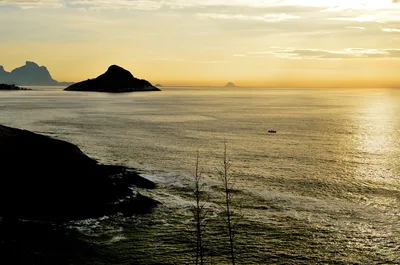
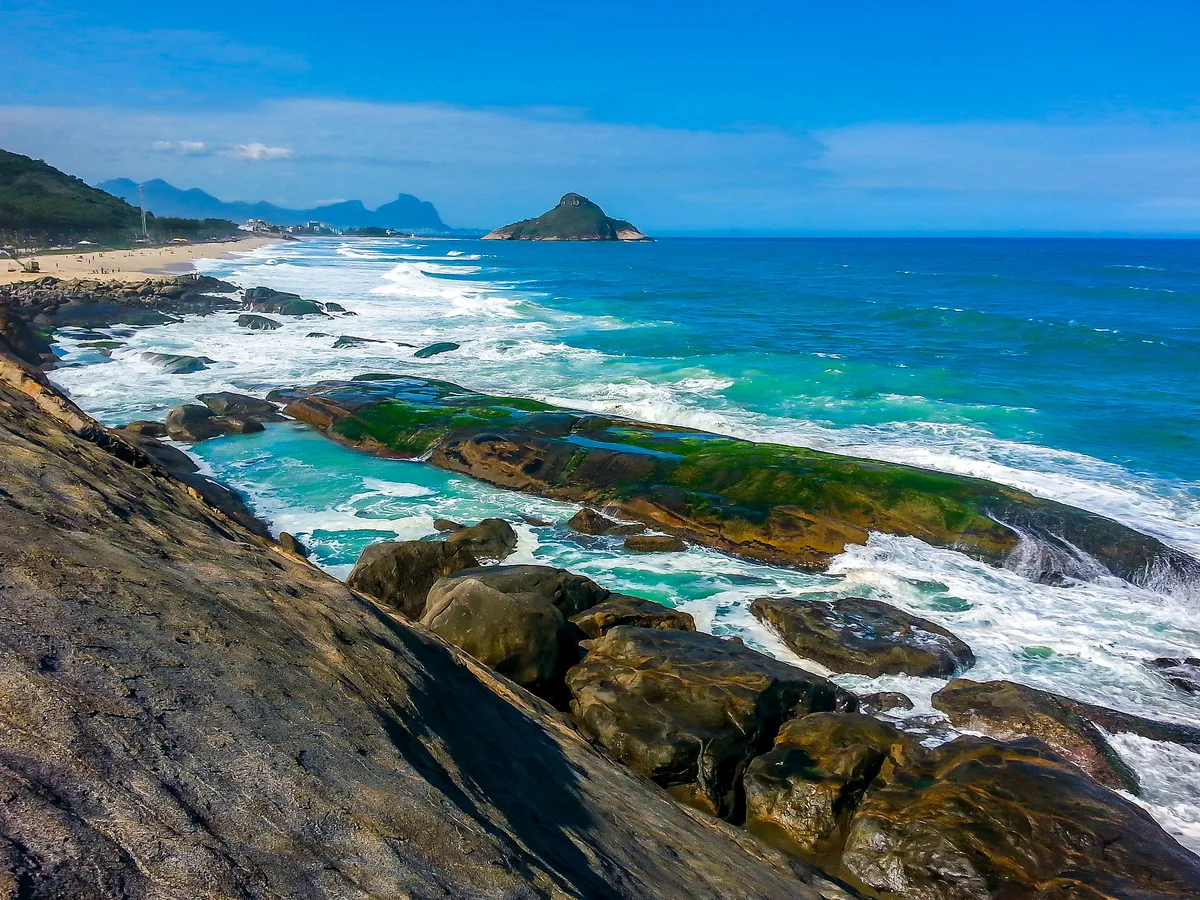
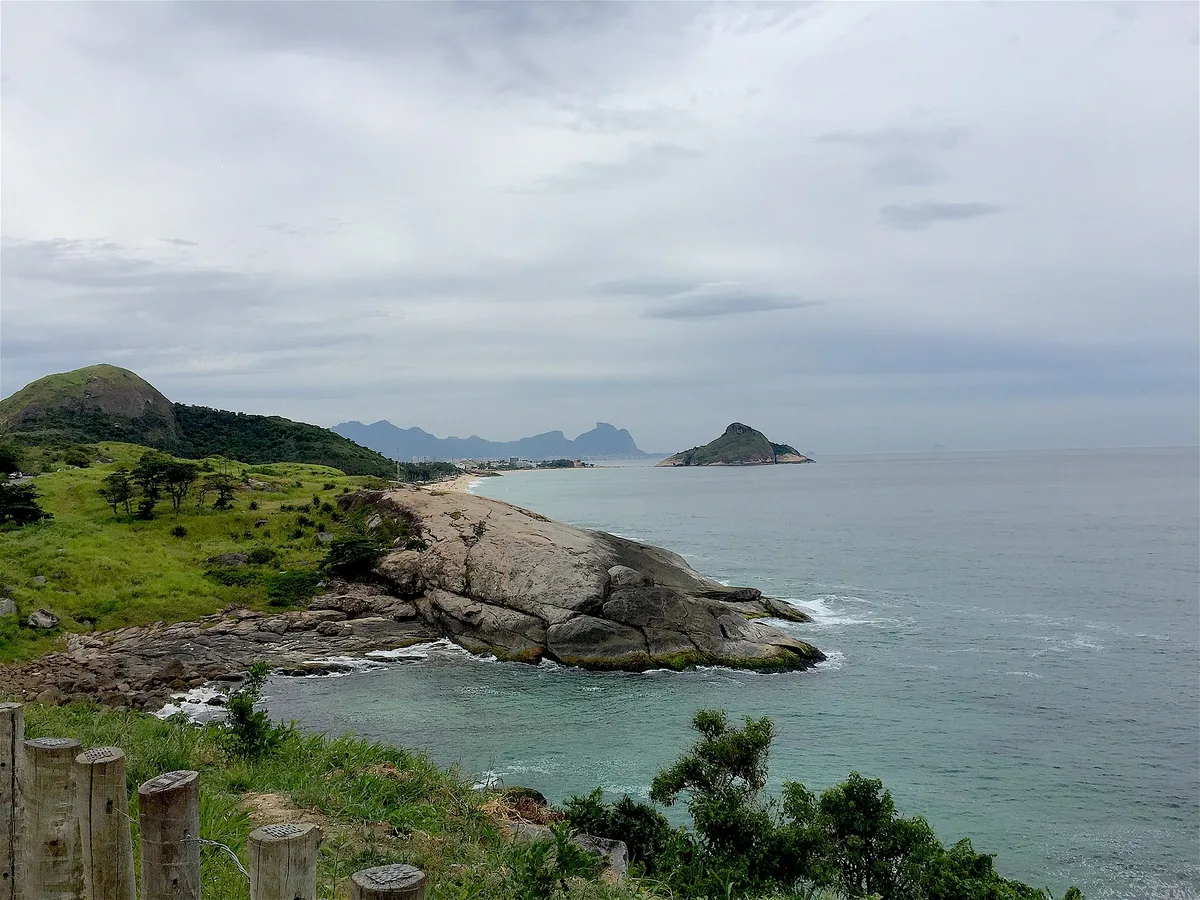
Praia do Secreto sits on the Rio de Janeiro coast, reachable only by water — and that inaccessibility is exactly its appeal. White sand meets crystal-clear Atlantic water in a setting backed by dense Atlantic Forest, with no roads, no vendors, and no infrastructure to soften the wildness. The coordinates place it within Rio de Janeiro's municipality, yet it feels worlds removed from the city's urban sprawl. It's a raw, untouched pocket of Brazilian coastline where the forest meets the sea on its own terms.
How to get there
Praia do Secreto has no road access whatsoever — the only way in is by water. Ferries make the crossing in roughly 5 minutes, so the logistical barrier is low even if the commitment feels high. There is no parking on the beach side, no car park, and no drop-off point — leave your vehicle behind before you board. Plan your return crossing in advance; being stranded after dark on an ultra-remote beach with no facilities is a real risk.
Who it's for
For couples
The boat-only access and total absence of facilities create a genuinely private atmosphere — if you want a stretch of white sand and clear water that feels like it belongs to the two of you, the 5-minute ferry crossing is a small price to pay.
For families
Families who are self-sufficient and comfortable with boat access will find the crystal-clear water and white sand rewarding, but the complete lack of facilities — no toilets, no food, no shade structures — means younger children need careful preparation and plenty of supplies from the mainland.
Our take
Praia do Secreto earns its name. The 5-minute ferry crossing is almost comically short for the degree of isolation it delivers — no roads, no parking, no vendors, no infrastructure, just white sand and crystal-clear Atlantic water backed by genuine Atlantic Forest. That wildness is the entire point, and it demands self-sufficiency: no food, no water, no rescue services on standby. Come prepared, respect the ecosystem, and confirm your return crossing before you step off the boat. The best months are May through October when the dry season keeps conditions stable and the forest is at its most vivid green. Outside those months, tropical downpours can arrive fast and the sea can turn quickly. If you want a raw, roadless Brazilian beach within striking distance of Rio de Janeiro, this is as close to the real thing as you'll find.
What to do
The beach itself rewards kayaking and swimming around its perimeter — the ultra-remote, swim-around tags reflect a spot best explored at water level. A short distance away, Mirante do Roncador (0.4 km from the ferry embarkation area) offers elevated views worth the climb, while Mirante Boa Vista (2 km out) extends the panorama further. If you have energy left after the beach, Pista de Skate do Recreio is about 2.7 km away for a completely different kind of afternoon.
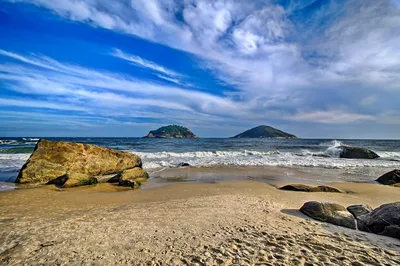
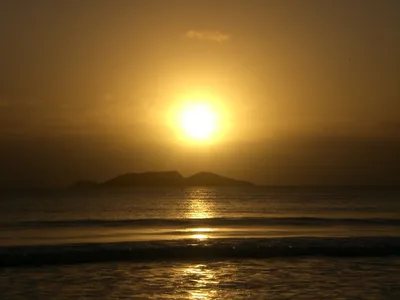
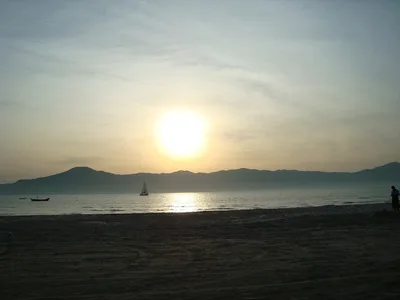
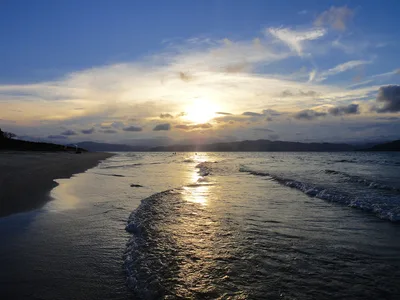
The ferry arrival angle — shooting back toward the white sand with Atlantic Forest rising behind it — gives you the shot that explains why this beach has no road.
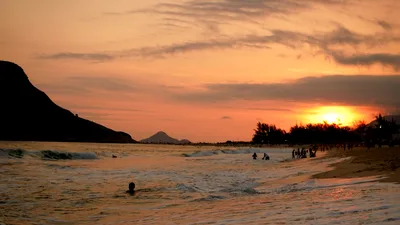
The waterline at low sun, with crystal-clear water revealing the sandy bottom in shades of pale aquamarine, is the second frame worth waiting for.
Where to eat
There is no food or drink on the beach — pack your own supplies before you board the ferry. Back on the mainland side, Camarão e Cia. covers fresh seafood at 1.7 km, and Mamma Jamma handles pizza at 1.8 km if you want a straightforward post-beach meal. Benkei (Japanese) and La Mole (Italian) are also within 1.7 km for something different.
Where to stay
Mikonos Hotel Residência is the closest listed accommodation, sitting about 2.6 km from the embarkation point — a practical base for an early-morning ferry crossing before the day heats up. Options directly on or adjacent to the beach do not exist given the no-road, no-infrastructure nature of the site.
Photography
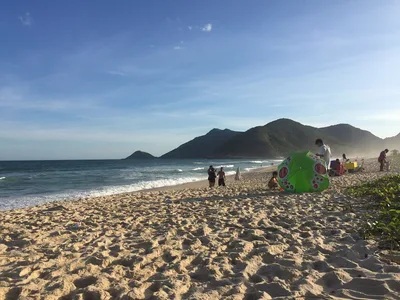
The contrast of white sand against crystal-clear Atlantic water is sharpest in the soft light of early morning, just after the first ferry crossing arrives. Shoot from the waterline looking back toward the Atlantic Forest canopy for a frame that captures the wild, roadless character of the place.
Good to know
Bring everything you need — food, water, sun protection, a first-aid kit — because there is nothing on the beach itself. The wild vibe is genuine: Atlantic Forest edges the sand, and the ecosystem deserves respect, so take all rubbish back with you. Check ferry schedules carefully before you go; missing the last crossing means a very long, unlit wait. This is not a beach for anyone who needs amenities close at hand.
GAMES
🕹️ Five minutes of sand?
Three daily games — including the UV simulator set to this beach.
Map
Nearby places
Camarão e Cia.
Benkei
La Mole
Outback Steakhouse
Mamma Jamma
Mikonos Hotel Residência
GIFT
🎁 Gift this beach
Its exact coastline, your date, your words — on a print or a PDF you print yourself.
Secreto Beach
THAT DAY
Secreto Beach, Brazilian Atlantic
© OpenStreetMap contributors
Clean & decorative, or “That day” with the real sky of your date.
Shipping included 3-6 business days
A question before you order? Contact us
Delivered within minutes on the confirmation page and by email: a ZIP with all 4 print sizes (30×40 cm, 12×16″, 50×70 cm, 18×24″), each as a high-resolution PDF and PNG (300 dpi), plus a screen version. Print at home or at any print shop.
Please complete the delivery address.
Please accept the Terms of Sale.
Almost there — the shop opens very soon.
Secure payment · Printed locally in 30+ countries · 7 languages
Frequently asked
The information on this page is provided for guidance only and may evolve. Access conditions, safety and infrastructure can change without notice. Always check official sources before traveling.
Nearest beaches
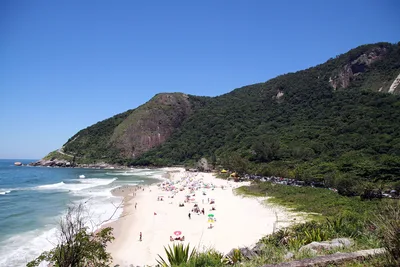
Other wild beaches in Brazil
More beaches in Brazilian Atlantic
Reviews of this beach
- No reviews yet, what a shame — leave yours and share your experience.
Photo credits
Sources and licenses for the photos shown above.
- Photo 1 — oscar fava · source · CC BY 3.0
- Photo 2 — Fwellisch · source · CC BY-SA 3.0
- Photo 3 — Rcandre · source · CC BY-SA 4.0