Grumari BeachBrazil Beach Guide
Rio's wild western edge — golden sand, raw Atlantic power
About
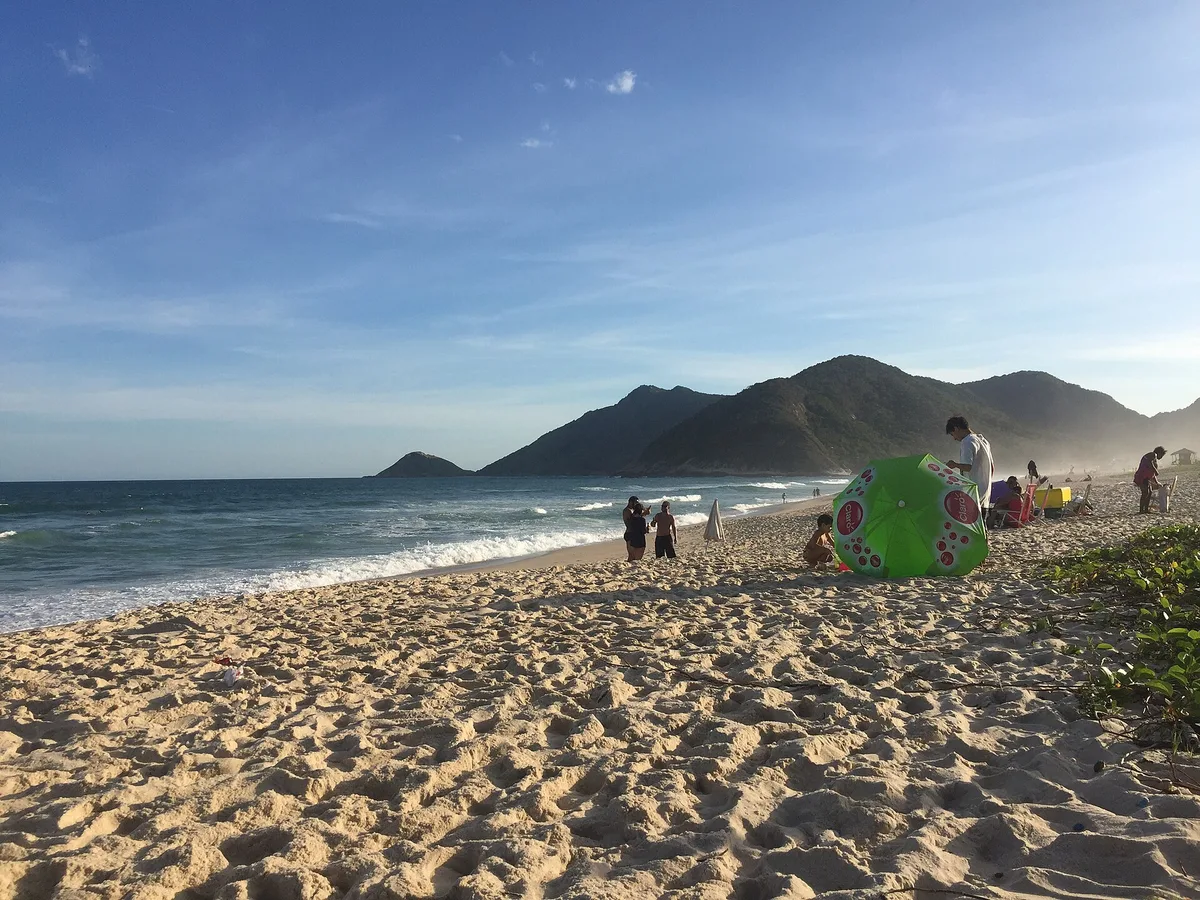
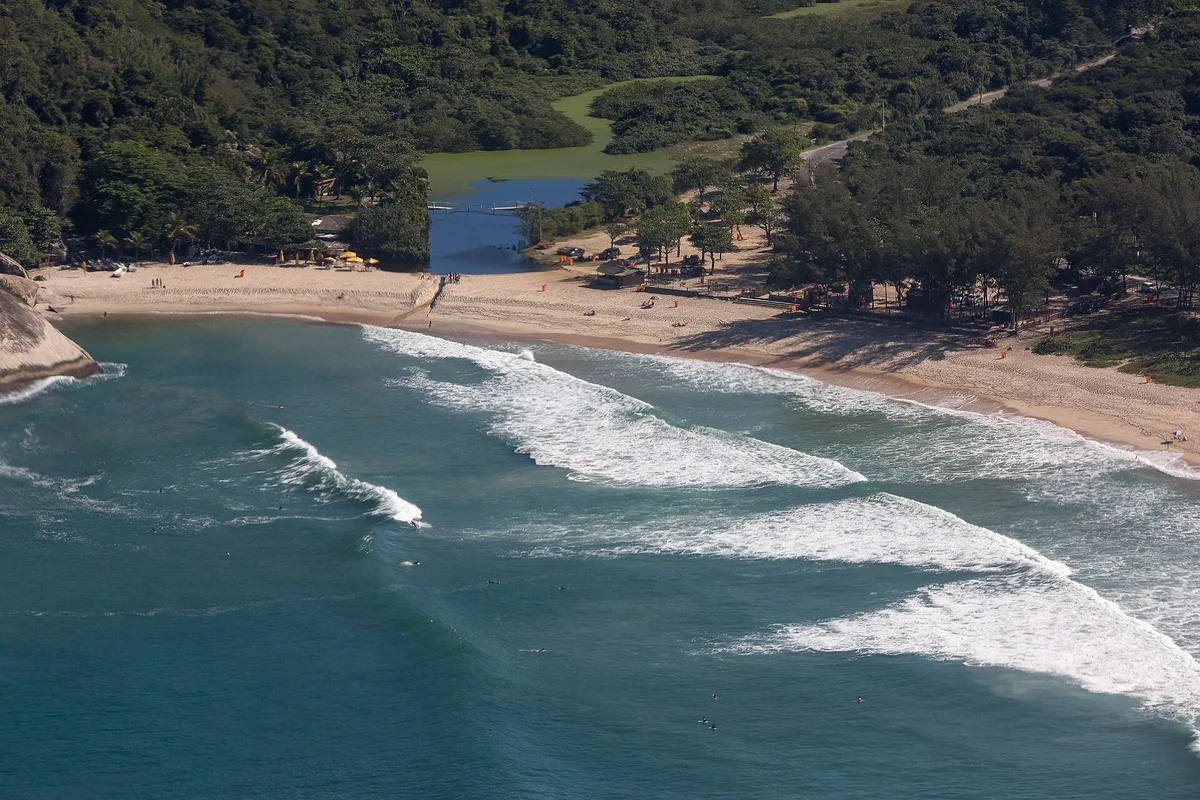
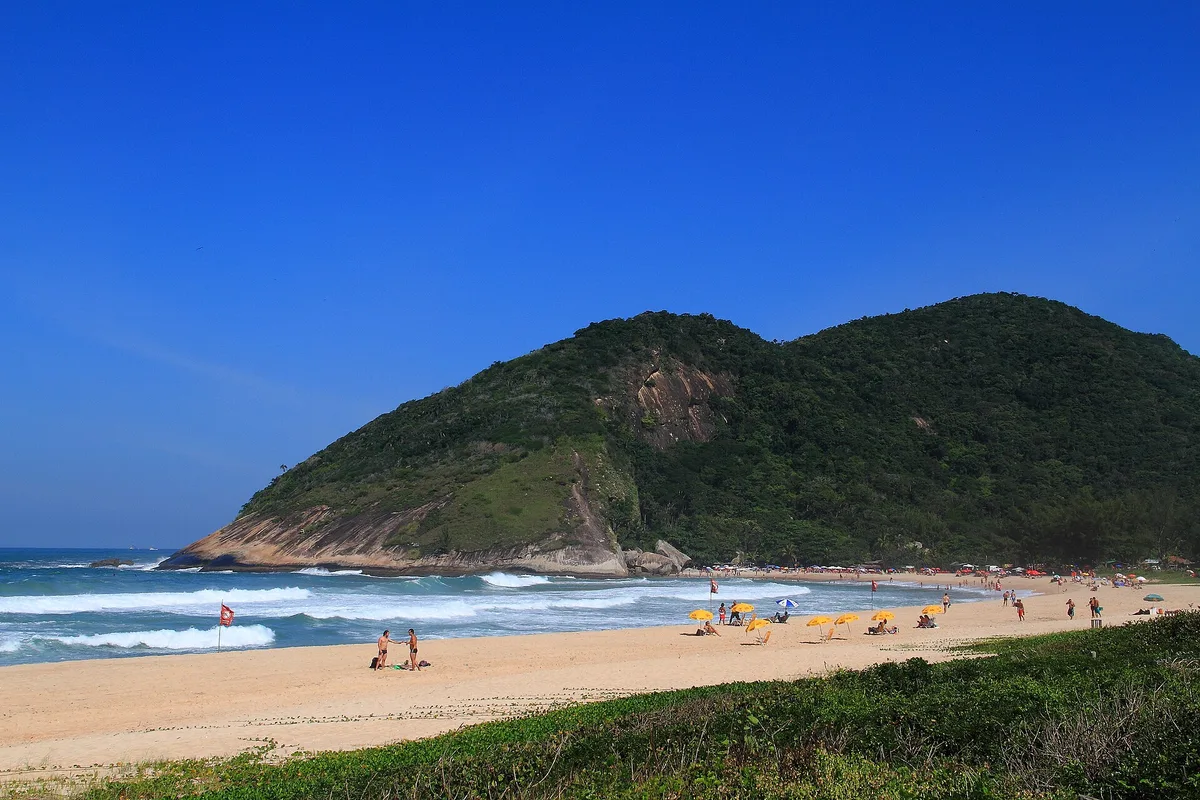
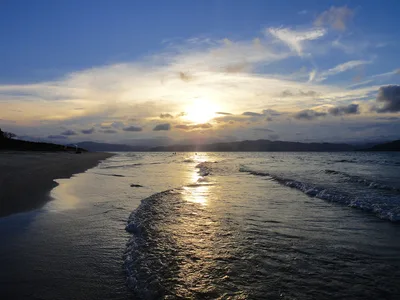
Praia de Grumari sits at the far western end of Rio de Janeiro's coastline, tucked inside an Environmental Protection Area (APA) that keeps it deliberately undeveloped and wild. Golden sand stretches beneath green hills, meeting deep blue Atlantic water that rolls in with real force. There are no kiosks lining the shore, no beach vendors every ten metres — just the sound of waves and wind. It's the kind of place that feels genuinely remote even though Rio de Janeiro city is technically the nearest town. The wild vibe is the whole point.
How to get there
Drive west from Recreio dos Bandeirantes — it's the most practical route, and the road winds through protected Atlantic Forest before opening onto the beach. Taxis and guided tours are also options if you'd rather not navigate alone. Free parking is available at the entrance, but spaces are limited; arrive early on weekends and holidays or you'll be turning back. There is no entry fee to the beach itself.
Who it's for
For couples
Grumari's undeveloped, quiet atmosphere makes it one of the few Rio beaches where you can actually hear each other talk — ideal for couples who want scenery without the noise. A hike up to Mirante Boa Vista followed by a seafood lunch at Camarão e Cia. makes for a genuinely unhurried day.
For families
Families should approach Grumari with clear eyes: the strong waves and currents make the water unsuitable for young or inexperienced swimmers, so it works best for families who are happy to play on the golden sand and explore the nearby viewpoints rather than swim. The free parking and early-arrival strategy help make the logistics manageable.
Our take
Grumari is not a beach you stumble onto — you have to want it, and that self-selection is exactly what keeps it feeling wild. Safety comes first: the waves and currents here are real hazards, not marketing copy for 'adventurous swimmers', and the lifeguard signs are not decorative. Respect them. Beyond the water, the beach delivers: golden sand, deep blue Atlantic, Atlantic Forest pressing down to the shore, and an APA designation that legally prevents the overdevelopment that has swallowed so much of Rio's coast. The viewpoints at Mirante Boa Vista and Mirante de Piabas are genuinely worth the short hike. Arrive early, bring your own food, and don't come alone. Worth the detour — on its own terms.
What to do
The viewpoints around Grumari are worth every step: Mirante Boa Vista at 1.3 km and Mirante de Piabas at 1.6 km both offer sweeping looks over the coastline and the APA's Atlantic Forest. Mirante da Bica, about 2 km out, rounds off a solid half-day of hiking with another elevated perspective. The beach itself, set within a nature reserve, rewards slow exploration along the shoreline — this is a place for watching, walking, and letting the landscape do the work.
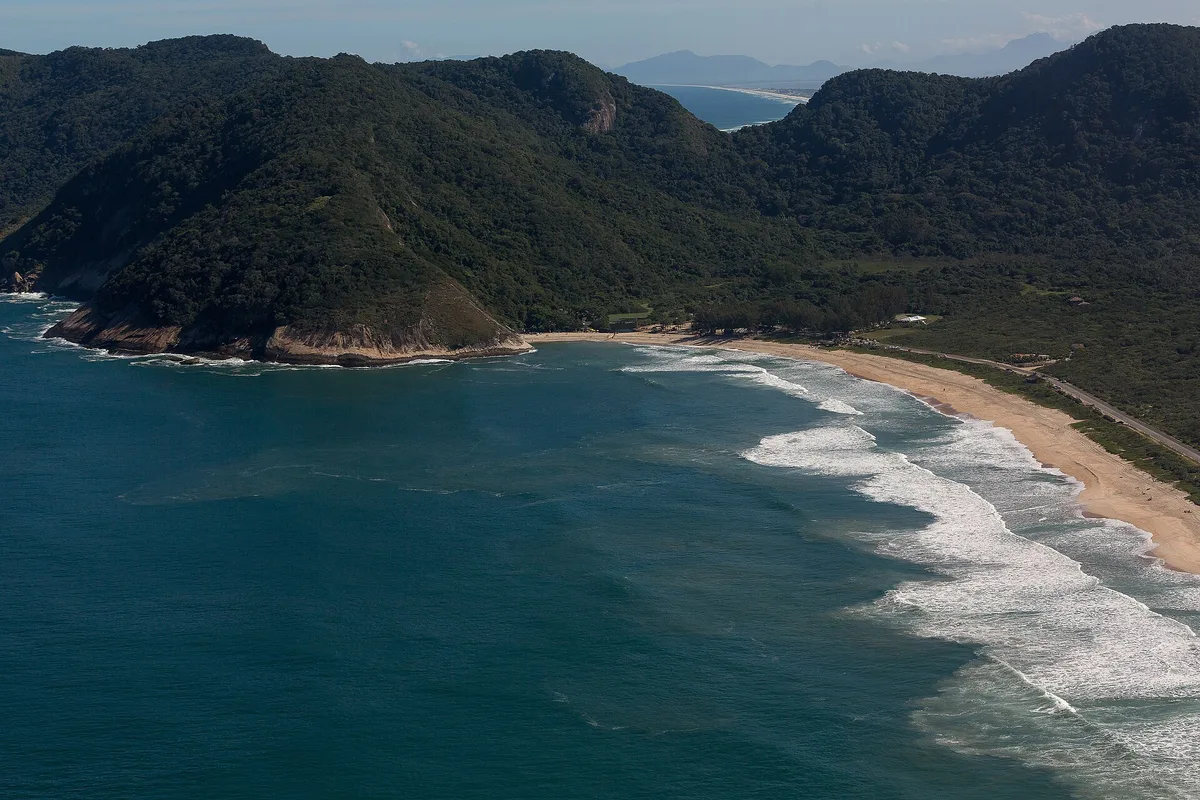
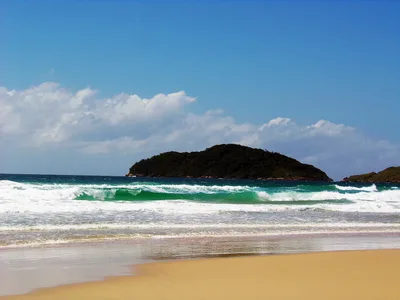
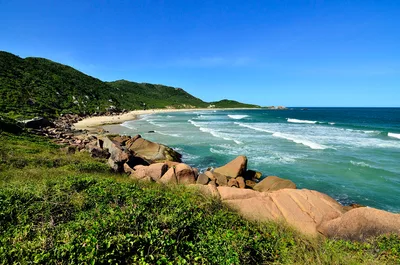
The wide sweep of golden sand shot from Mirante Boa Vista (1.3 km) gives you the whole beach in one frame with Atlantic Forest as a backdrop — go at sunrise for warm light and empty sand.
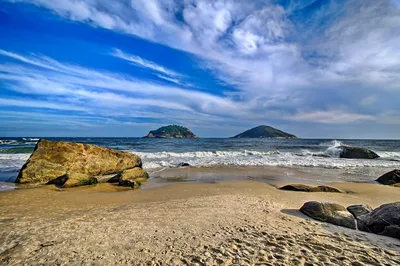
Mirante de Piabas at 1.6 km offers a slightly different angle over the coastline, and the shoreline itself at low tide, where the deep blue water meets unbroken golden sand, rewards a simple ground-level shot.
Where to eat
Bar e Restaurante Cabana da Praia, just 1.4 km from the beach, is your closest option for a meal or cold drink after a morning in the sun. Further along, Becco Pontal at 3.5 km and a cluster of restaurants around 4.8 km — including Camarão e Cia. for seafood, Benkei for Japanese, and La Mole for Italian — give you real variety for lunch or dinner. Pack snacks for the beach itself; there are no on-site food stalls.
Where to stay
The closest place to rest your head is Mikonos Hotel Residência, about 5.9 km from the beach — a reasonable base for an early-morning arrival. Further out, around 13–14 km, you'll find Pousada Mansão Riocentro, Serra e Mar Riocentro, Hotel Riocentro, and Rio Stay Barra Hotel, all clustered in the Barra/Riocentro corridor. None of these are walking distance, so a car or taxi is essential for any of them.
Photography
The golden sand against the deep blue Atlantic photographs best in the soft light of early morning, before the sun climbs high and flattens the contrast. The elevated viewpoints — Mirante Boa Vista at 1.3 km and Mirante de Piabas at 1.6 km — give you wide-angle shots of the entire bay framed by Atlantic Forest.
Good to know
Strong waves and currents are common here — caution is essential, especially for inexperienced swimmers. Always read the lifeguard signs before entering the water; they are your most reliable real-time safety guide. Do not visit alone: the beach's distant, sometimes deserted nature makes solo visits genuinely risky. Because parking fills fast on busy days, an early start isn't just a tip — it's the difference between getting in and not.
GAMES
🕹️ Five minutes of sand?
Three daily games — including the UV simulator set to this beach.
Map
Nearby places
Bar e Restaurante Cabana da Praia
Becco Pontal
Camarão e Cia.
Benkei
La Mole
Mikonos Hotel Residência
Pousada Mansão Riocentro
Serra e Mar Riocentro
Hotel Riocentro
Rio Stay Barra Hotel
GIFT
🎁 Gift this beach
Its exact coastline, your date, your words — on a print or a PDF you print yourself.
Grumari Beach
THAT DAY
Grumari Beach, Brazilian Atlantic
© OpenStreetMap contributors
Clean & decorative, or “That day” with the real sky of your date.
Shipping included 3-6 business days
A question before you order? Contact us
Delivered within minutes on the confirmation page and by email: a ZIP with all 4 print sizes (30×40 cm, 12×16″, 50×70 cm, 18×24″), each as a high-resolution PDF and PNG (300 dpi), plus a screen version. Print at home or at any print shop.
Please complete the delivery address.
Please accept the Terms of Sale.
Almost there — the shop opens very soon.
Secure payment · Printed locally in 30+ countries · 7 languages
Frequently asked
The information on this page is provided for guidance only and may evolve. Access conditions, safety and infrastructure can change without notice. Always check official sources before traveling.
Nearest beaches
Other wild beaches in Brazil
More beaches in Brazilian Atlantic
Reviews of this beach
- No reviews yet, what a shame — leave yours and share your experience.
Photo credits
Sources and licenses for the photos shown above.
- Photo 1 — Demirandacaramba · source · CC BY-SA 4.0
- Photo 2 — Diego Baravelli · source · CC BY-SA 4.0
- Photo 3 — André Sampaio · source · CC BY-SA 3.0
- Photo 4 — Diego Baravelli · source · CC BY-SA 4.0
- Photo 5 — Marinelson Almeida - Traveling through Brazil from Niteroi, Brasil · source · CC BY 2.0