Negra BeachPuerto Rico Beach Guide
Black volcanic sand, turquoise water, zero tourist infrastructure
 🎁 Gift idea: the star map of your most beautiful night↓
About
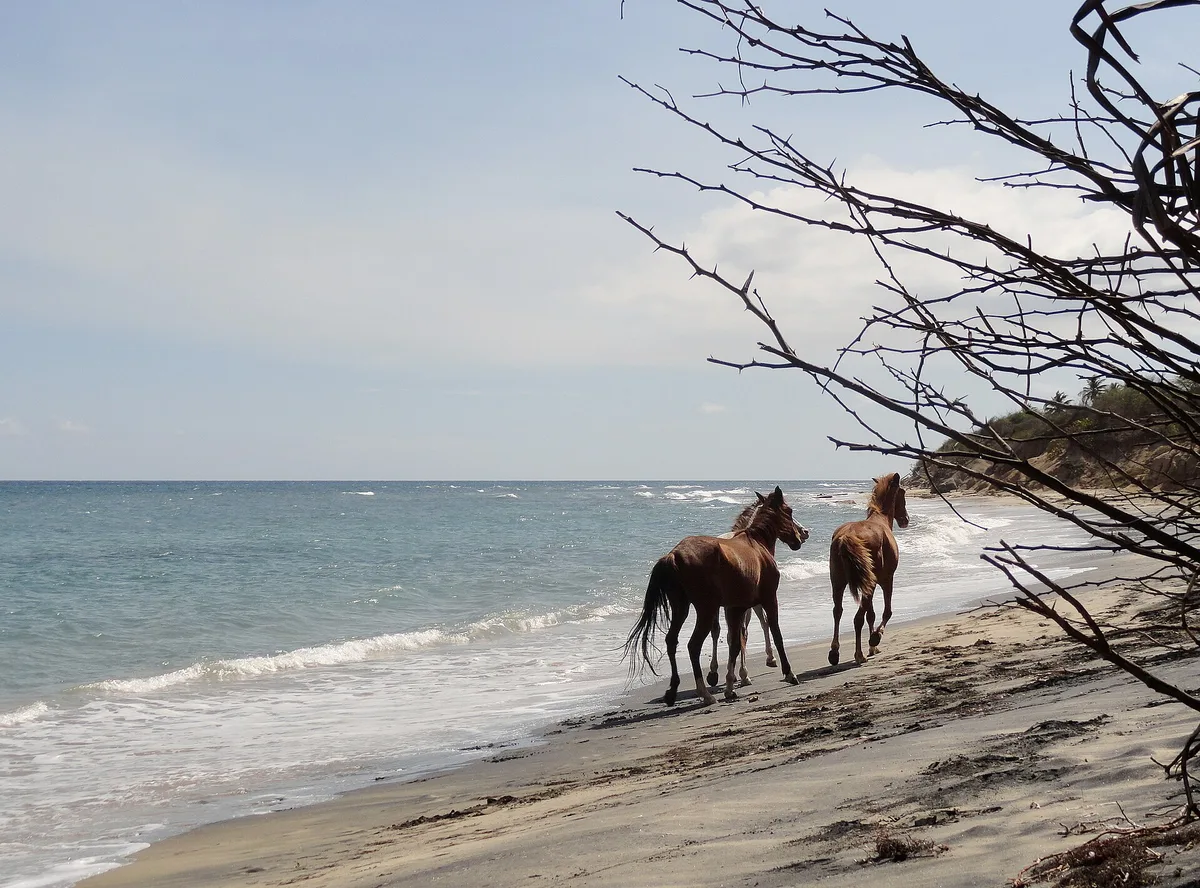
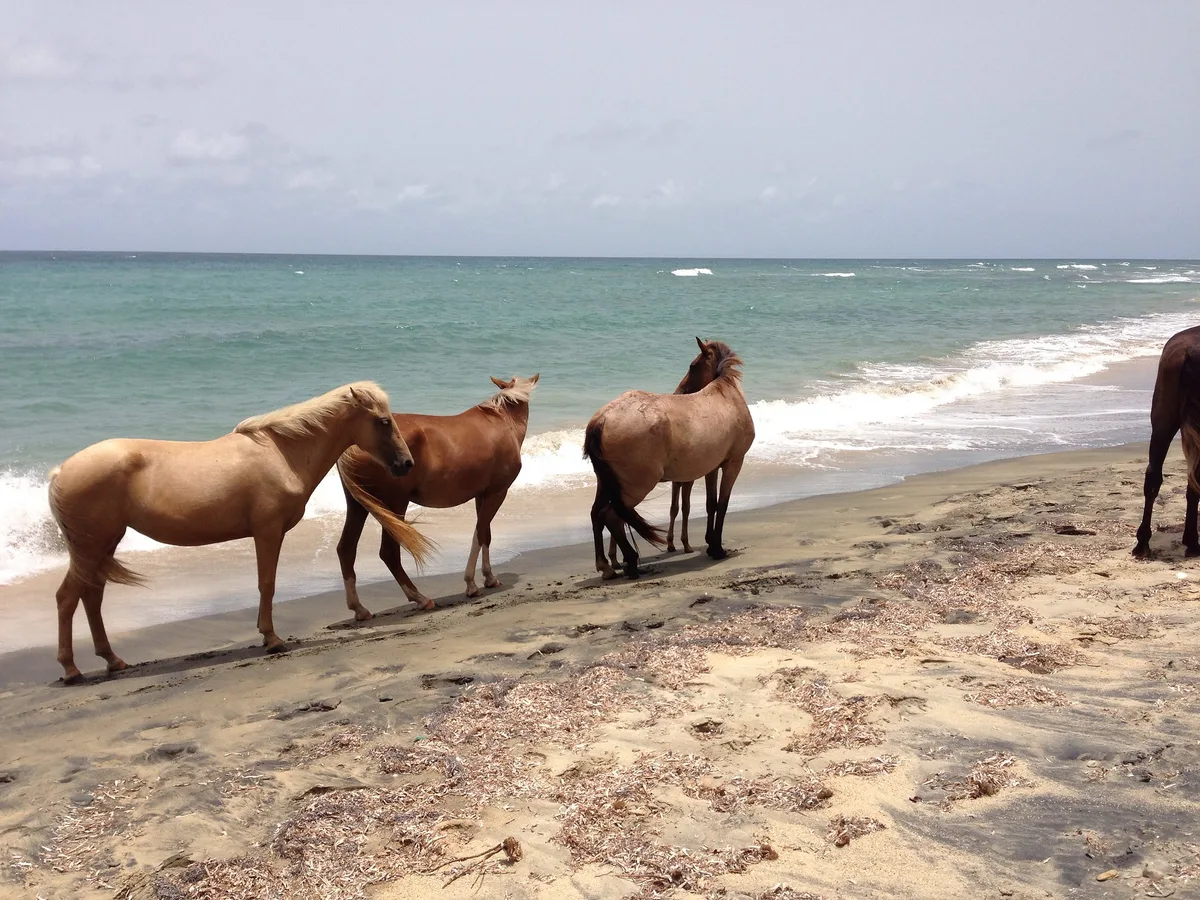
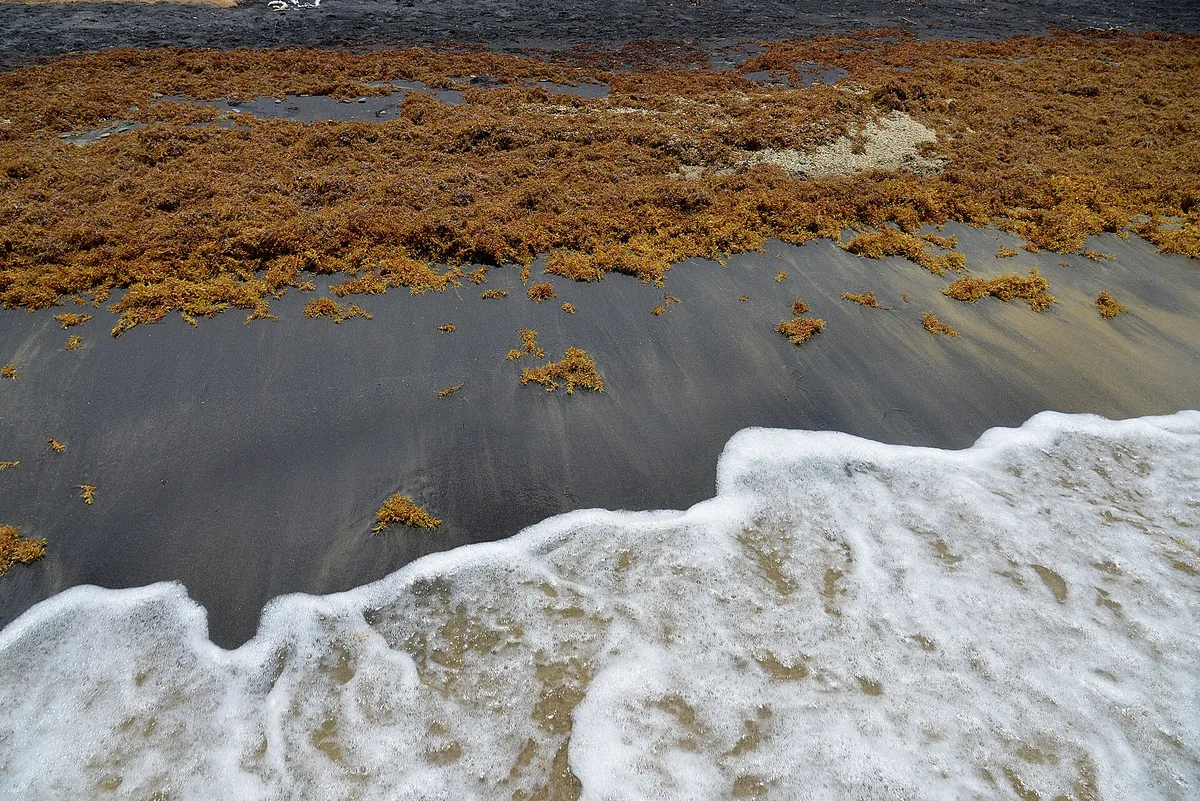
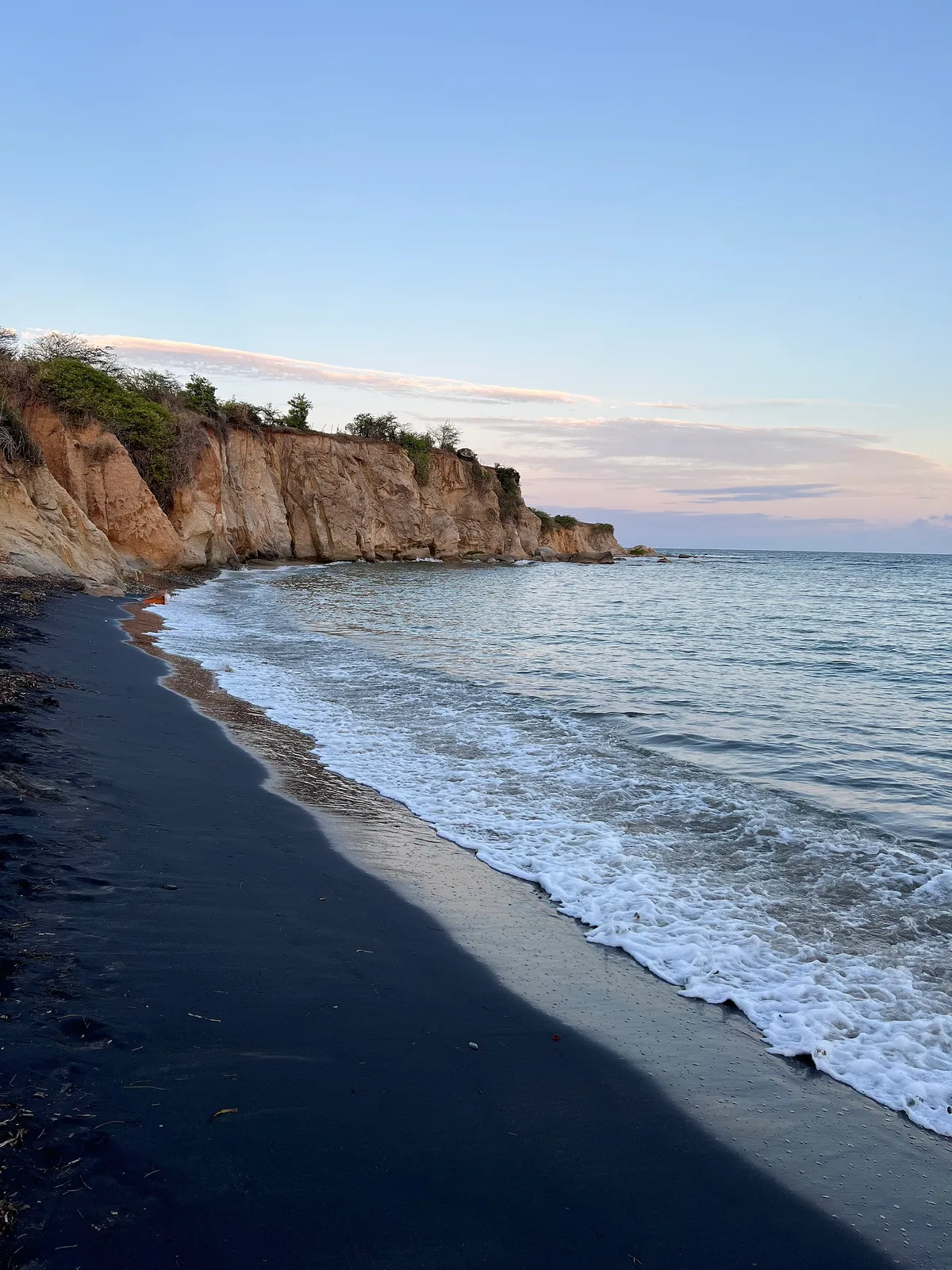
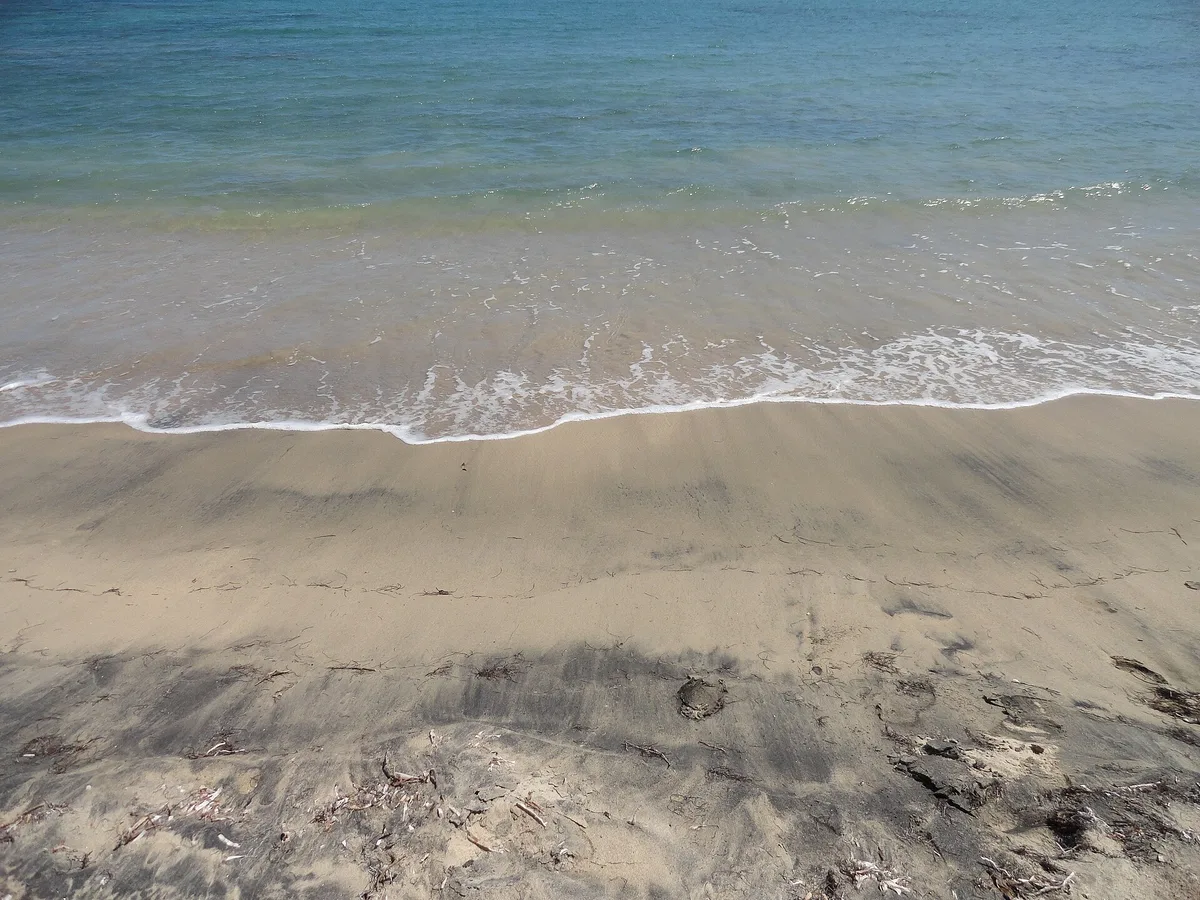
Playa Negra sits on the north coast of Isla de Vieques, a short but rough drive from Isabel Segunda. The beach is defined by its dark volcanic-mineral sand — deep black grains that contrast sharply with the turquoise water beyond the break. A fringe of ironwood trees backs the shore, offering thin shade and a sense of genuine wildness. North Atlantic exposure keeps the surf lively and the atmosphere raw. At roughly 200 metres long, it stays empty almost year-round — not because it's unknown, but because getting here demands effort.
How to get there
From Isabel Segunda, the drive takes around 20 minutes but requires a 4WD vehicle — the access track is rough and can become muddy and impassable after rain. If you're coming from mainland Puerto Rico, take the daily ferry from Ceiba (approximately 90 minutes) to Vieques, then drive from Isabel Segunda. Parking is free and informal — a dirt lot near the trailhead serves as the staging point. There is no entry fee.
Who it's for
For couples
Playa Negra rewards couples who want genuine solitude — you'll almost certainly have the black sand and ironwood shade to yourselves, with no vendors or noise to break the atmosphere. It's a place for people who find beauty in raw, unpolished coastline rather than resort comfort.
For families
Playa Negra is not well-suited for families with young children: the 4WD-only access, absence of any facilities, strong currents, and rough surf make it a demanding destination that requires experienced adults and older, capable kids at minimum.
Our take
Be honest with yourself before you come: Playa Negra is not a beach for passive sunbathing or a casual dip. Waves can be rough and currents strong — swim with real caution, and in winter months (November through March) north Atlantic swells make the water genuinely dangerous. That said, if you have a 4WD, solid footwear, and the sense to stay out of the water when conditions demand it, this is one of the most visually distinctive beaches in Puerto Rico. The black volcanic sand against turquoise water is striking in a way that feels geological rather than decorative. The ironwood fringe, the empty shore, the absence of any infrastructure — it all adds up to a beach that feels like it belongs to the island rather than to tourism. Go in the dry season, April through October being the safer window, and treat it with the respect a wild place deserves.
What to do
The beach itself — Playa Negra — is the main draw, worth exploring slowly for its unusual black sand geology and ironwood-lined shore. About 6.4 km away, Mosquito Pier is a striking derelict structure popular with snorkellers and photographers. Faro de Puerto Ferro, a historic lighthouse, sits roughly 7.3 km away and makes a good half-day pairing. Fortín Conde de Mirasol, the last Spanish fort built in the Americas and now a museum, is around 3 km away in Isabel Segunda.
The most striking frame is from the waterline looking back at the ironwood tree fringe against the black sand — shoot at golden hour when the dark grains absorb warm light.
The contrast shot — black volcanic sand in the foreground, turquoise Atlantic beyond — works best from a low angle mid-morning before the sun flattens the colour.
Where to eat
Trade Winds and Kristy's are both about 1.8 km away and cover American fare and breakfast respectively — your best bet for a meal before or after the beach. Bili, around 2 km out, is another solid option in the same cluster. For something further afield, Mango Public House is roughly 4.7 km away.
Where to stay
Trade Winds Guest House and Malecón House are both about 1.8 km from the beach — the closest options and convenient for an early start. El Blok, around 2.2 km away, offers a more design-forward stay in the Isabel Segunda area. Seagate Hotel is further out at 8.1 km but remains a viable base for exploring the island.
Photography
Shoot early morning when the low angle light catches the black sand and makes the turquoise water glow behind it — the ironwood tree line provides natural framing from the shore. The contrast between dark volcanic sand in the foreground and bright water beyond is the defining shot; get low and use the tree roots as leading lines.
Good to know
There are zero facilities here: no toilets, no water, no shade structures — pack out every piece of waste you bring in, no exceptions. Waves can be rough and currents strong; swim with caution and never enter the water alone. The access trail gets slippery and wet after rain, so waterproof footwear is a practical choice. Mobile signal is spotty at best, so download offline maps and let someone know your plans before you head out.
GAMES
🕹️ Five minutes of sand?
Three daily games — including the UV simulator set to this beach.
Map
Nearby places
Trade Winds
Kristy's
Bili
Isla Nena Crabwalk Cafe
Mango Public House
Malecón House
Trade Winds Guest House
El Blok
Seagate Hotel
Fortín Conde de Mirasol
Isabel Segunda
Vieques National Wildlife Refuge
Things to see around Isabel Segunda
Fortín Conde de Mirasol
Last Spanish fort built in the Americas, now a museum in Isabel Segunda.
Isabel Segunda
Main town of Vieques with ferry terminal, restaurants, and local services.
Vieques National Wildlife Refuge
Former US Navy bombing range converted to wildlife refuge with pristine beaches.
GIFT IDEA · MARCEL ET LES BLONDES
🎁 Give a moment, not a thing

What’s the occasion?
 💑 Dating anniversaryTwo dates, two starry skies
 💍 Wedding anniversaryCotton, silver, golden…
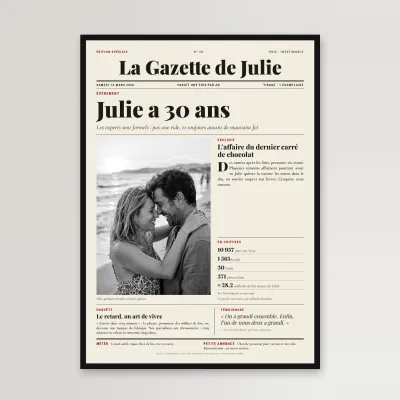 🎂 BirthdayTheir own newspaper front page
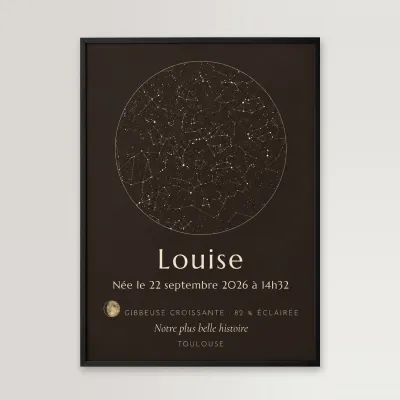 👶 New babyThe stars on the day they were bornValentine’s DayOur two moons, as a print
Shipping €5, free from €49 · made to order, shipped within 48 hAlso: our engraved wooden bracelets, €23.90 →
Frequently asked
The information on this page is provided for guidance only and may evolve. Access conditions, safety and infrastructure can change without notice. Always check official sources before traveling.
Nearest beaches
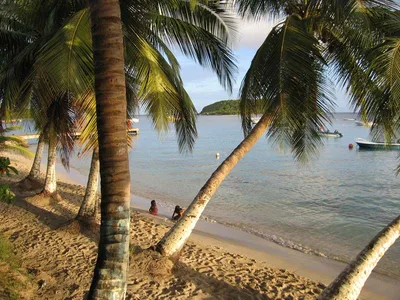
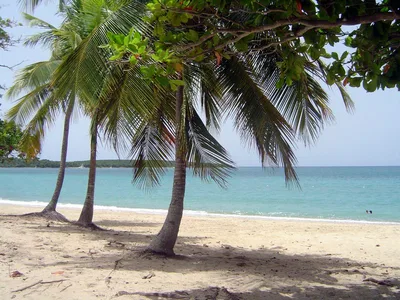

More beaches in Greater Antilles
Reviews of this beach
- No reviews yet, what a shame — leave yours and share your experience.
Photo credits
Sources and licenses for the photos shown above.
- Photo 1 — Rar285 · source · CC BY-SA 3.0
- Photo 2 — karlnorling · source · CC BY 2.0
- Photo 3 — G · source · CC BY 4.0
- Photo 4 — TJMSmith · source · CC BY-SA 4.0
- Photo 5 — Rar285 · source · CC BY-SA 3.0