
La Chiva BeachPuerto Rico Beach Guide
Vieques' wildest white-sand stretch, split into six
 🎁 Gift idea: the star map of your most beautiful night↓
About
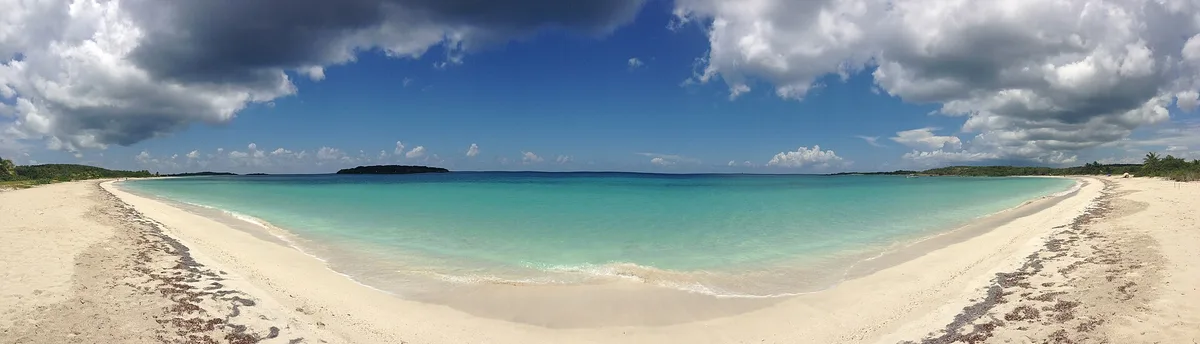
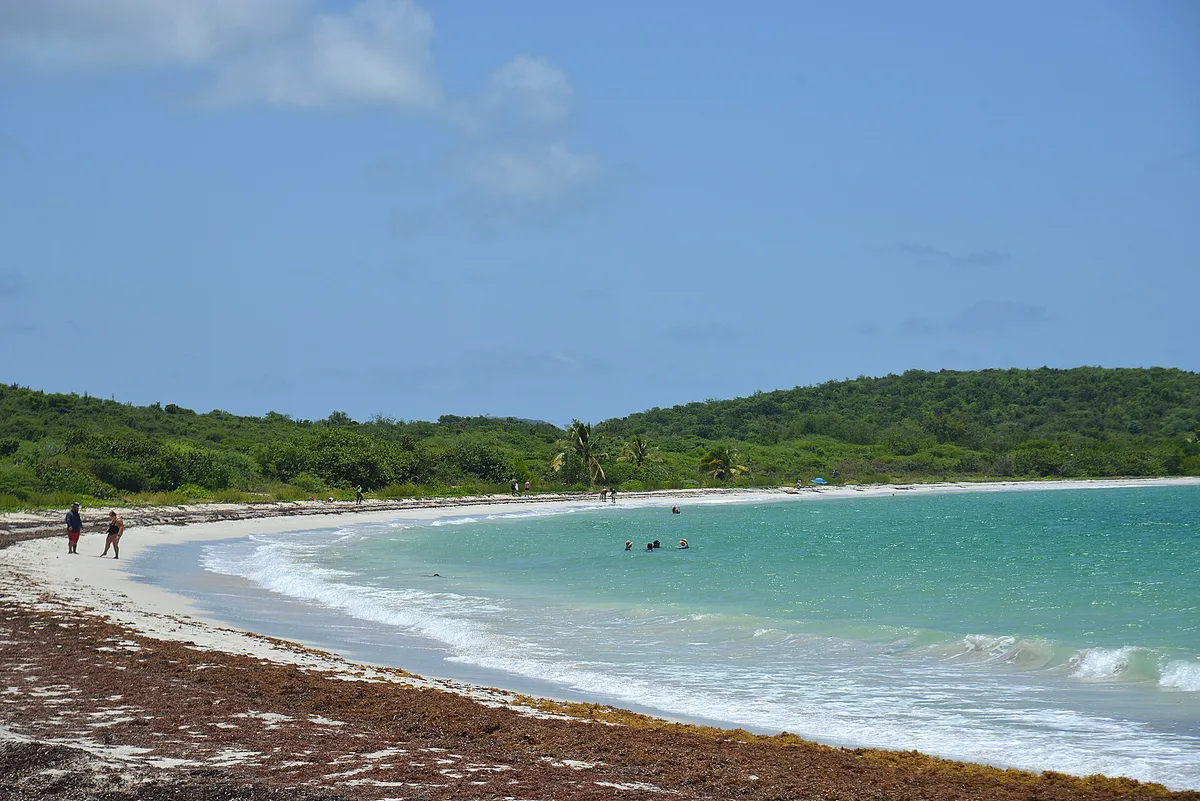
Playa La Chiva runs along the southern coast of Vieques inside the national wildlife refuge, offering roughly two kilometres of white sand backed by dry scrub and swaying coconut palms. The water is turquoise and clear, shifting in character from the calmer western end to the wave-exposed eastern tip. Six lettered sections — A through F — divide the beach, each with its own personality and access pull-off. Rocky outcrops between sections reward snorkelers with fish and coral, while the wild, unhurried atmosphere keeps the pace slow. It's the longest beach inside the refuge, and it feels like it.
How to get there
Reach Vieques by ferry from Ceiba on the Puerto Rico mainland — the crossing takes between 35 and 90 minutes and runs daily. From Esperanza on the island, drive roughly 25 minutes along the refuge road to reach the beach sections. Parking is free at multiple unpaved pull-offs along that road; no fee, no app, no ticket machine. The beach is open sunrise to sunset only.
Who it's for
For couples
Walk the foot trail to Playa Pata Prieta together — the secluded cove two kilometres away is popular with couples for good reason, and the contrast with La Chiva's open expanse makes for a full, varied day.
For families
Sections A through C offer the calmest water on the beach and are the right choice for children; some sections have covered picnic areas, making a shaded lunch realistic. Avoid the eastern sections entirely with young swimmers.
Our take
Playa La Chiva is the kind of beach that rewards preparation and punishes carelessness. The eastern tip sections carry real currents — not a marketing caveat, a genuine hazard — and with no lifeguard anywhere on the two-kilometre stretch, you are responsible for your own safety. Get that right and the payoff is substantial: white sand, turquoise water, dry-scrub wilderness, and a quiet that most Caribbean beaches have long since traded away. Come between November and April when the weather is dry and the swell is manageable. Skip August through October without hesitation — peak hurricane season combined with eastern tip exposure makes conditions unpredictable and potentially dangerous. This is a wild refuge beach, not a resort beach, and it's better for it.
What to do
Two kilometres down the road, Playa Pata Prieta — known locally as Secret Beach — is a secluded cove reachable only by foot trail, worth the short walk for the seclusion. Playa Media Luna, four kilometres away, offers a calm crescent of water ideal for snorkeling inside the refuge. Further afield, Bahía Bioluminiscente (Mosquito Bay) is roughly eight kilometres away and consistently rated among the world's brightest bioluminescent bays — kayak and electric boat tours run regularly. The Faro de Puerto Ferro lighthouse is a 4.2-kilometre detour if you want a land-based viewpoint.
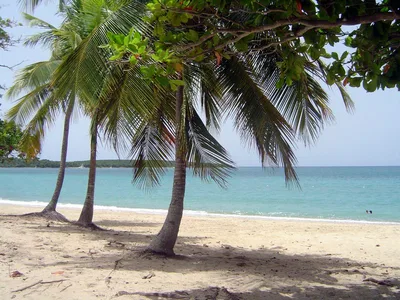
The stretch of white sand at Sections A and B with coconut palms leaning into the frame is the classic La Chiva shot — best at golden hour when the turquoise water catches the low light.
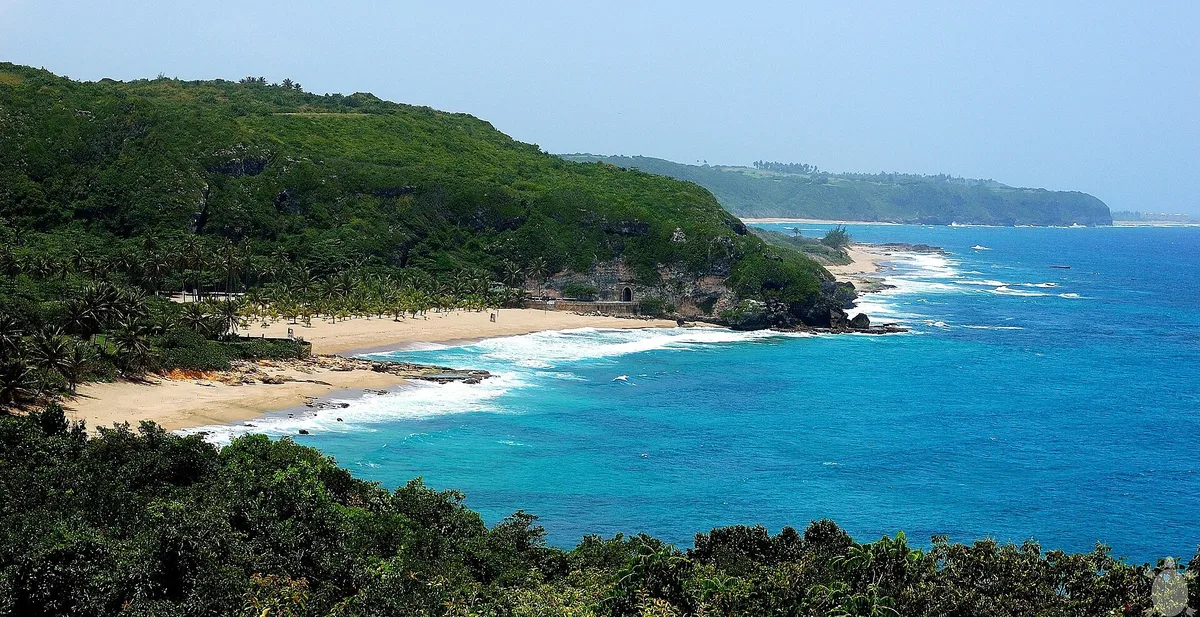
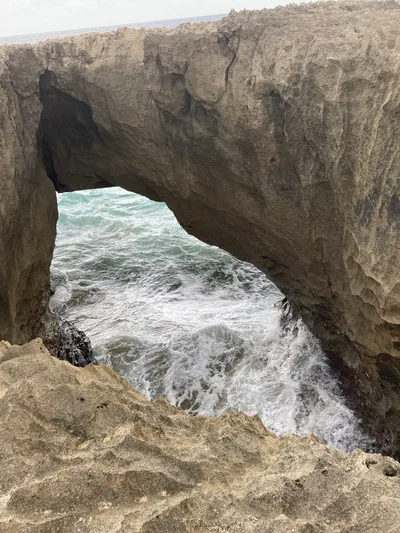
The rocky outcrops near Sections E and F offer textured foreground interest against the open water, though keep a safe distance from the shoreline given the currents.
Where to eat
The nearest options are a short drive back toward town. Rising Roost is the closest at 7.1 kilometres, followed by Aurora's Chicken & Grill at 7.9 kilometres and the relaxed Mango Public House at 8.1 kilometres. Pack a cooler — there is nothing to eat at the beach itself.
Where to stay
Seagate Hotel is the closest base at 6.5 kilometres from the beach. For a more design-forward stay, El Blok sits about 9.2 kilometres away. Malecón House and Trade Winds Guest House are both around 9.5 kilometres out and suit travellers who prefer a guesthouse feel.
Photography
The early-morning light hits the white sand and turquoise water at Sections A and B with almost no one around — arrive at sunrise for the cleanest shots. The rocky outcrops at the eastern sections frame dramatic wide-angle compositions, but stay back from the water's edge given the stronger currents there.
Good to know
No lifeguard is on duty at any section, so swim within your limits. Sections D through F sit at the eastern tip where currents are significantly stronger — these are not suitable for children or weak swimmers; stick to Sections A through C if you're with family or less confident in the water. Restrooms and covered picnic areas exist at some numbered sections but not all, so don't count on facilities being right where you park. Respect the refuge rules: no camping without a permit, no fires, and do not remove any wildlife or plants — the fines are real and the ecosystem is fragile.
GAMES
🕹️ Five minutes of sand?
Three daily games — including the UV simulator set to this beach.
Map
Nearby places
Rising Roost
Aurora's Chicken & Grill
Mango Public House
Bili
Kristy's
Seagate Hotel
El Blok
Malecón House
Trade Winds Guest House
Playa Pata Prieta (Secret Beach)
Playa Media Luna
Bahía Bioluminiscente (Mosquito Bay)
Things to see around Isabel Segunda
Playa Pata Prieta (Secret Beach)
Secluded cove accessible only by foot trail, popular with couples.
Playa Media Luna
Calm crescent snorkeling beach in the refuge.
Bahía Bioluminiscente (Mosquito Bay)
World's brightest bioluminescent bay; kayak and electric boat tours.
GIFT IDEA · MARCEL ET LES BLONDES
🎁 Give a moment, not a thing


What’s the occasion?

 💑 Dating anniversaryTwo dates, two starry skies
 💍 Wedding anniversaryCotton, silver, golden…
 🎂 BirthdayTheir own newspaper front page
 👶 New babyThe stars on the day they were bornValentine’s DayOur two moons, as a print
Shipping €5, free from €49 · made to order, shipped within 48 hAlso: our engraved wooden bracelets, €23.90 →
Frequently asked
The information on this page is provided for guidance only and may evolve. Access conditions, safety and infrastructure can change without notice. Always check official sources before traveling.
Nearest beaches
More beaches in Greater Antilles
Reviews of this beach
- No reviews yet, what a shame — leave yours and share your experience.