Las Bachas BeachEcuador Beach Guide
White sand, wild Galápagos, green turtles at your feet
About
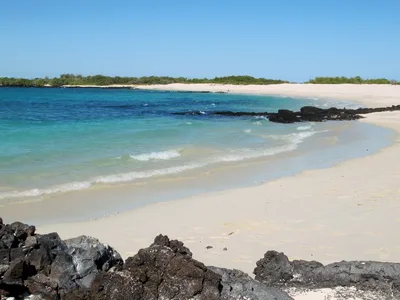
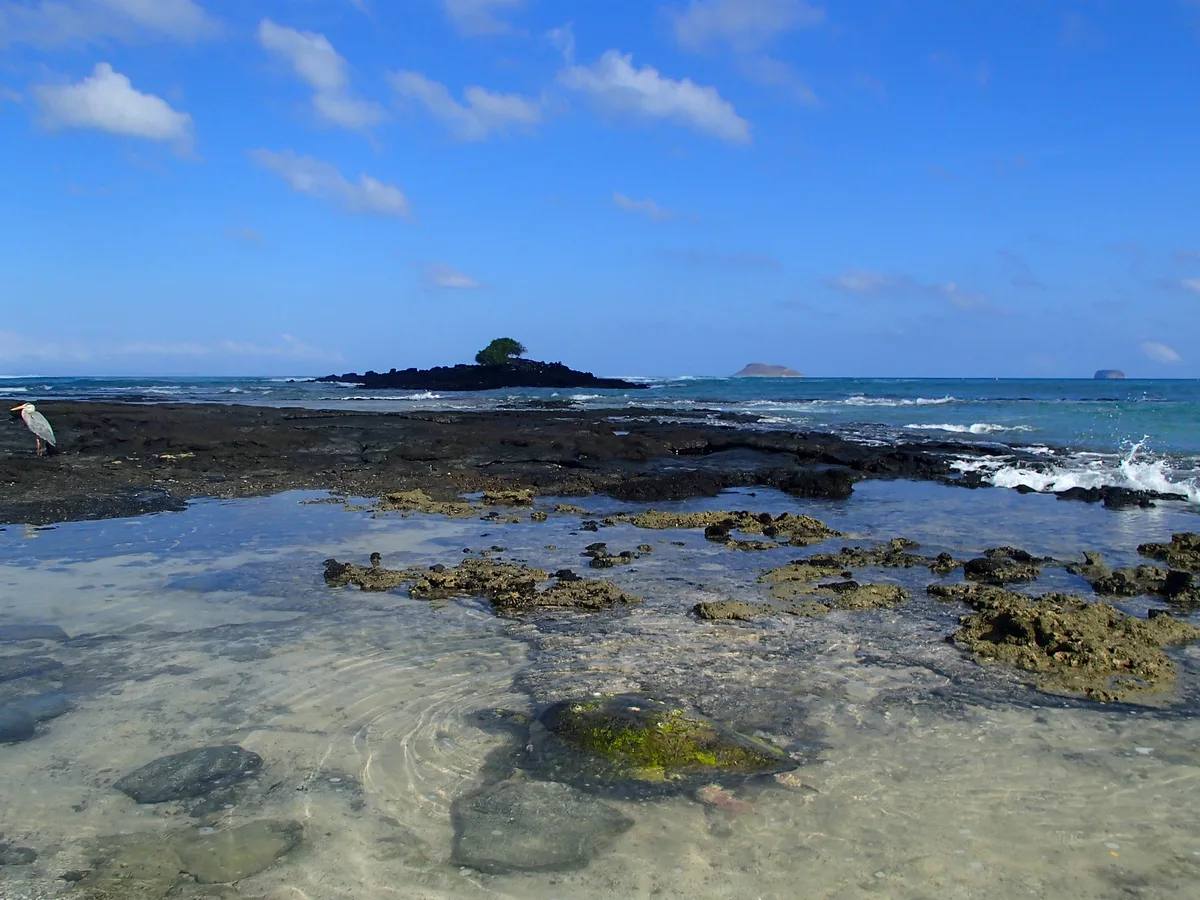
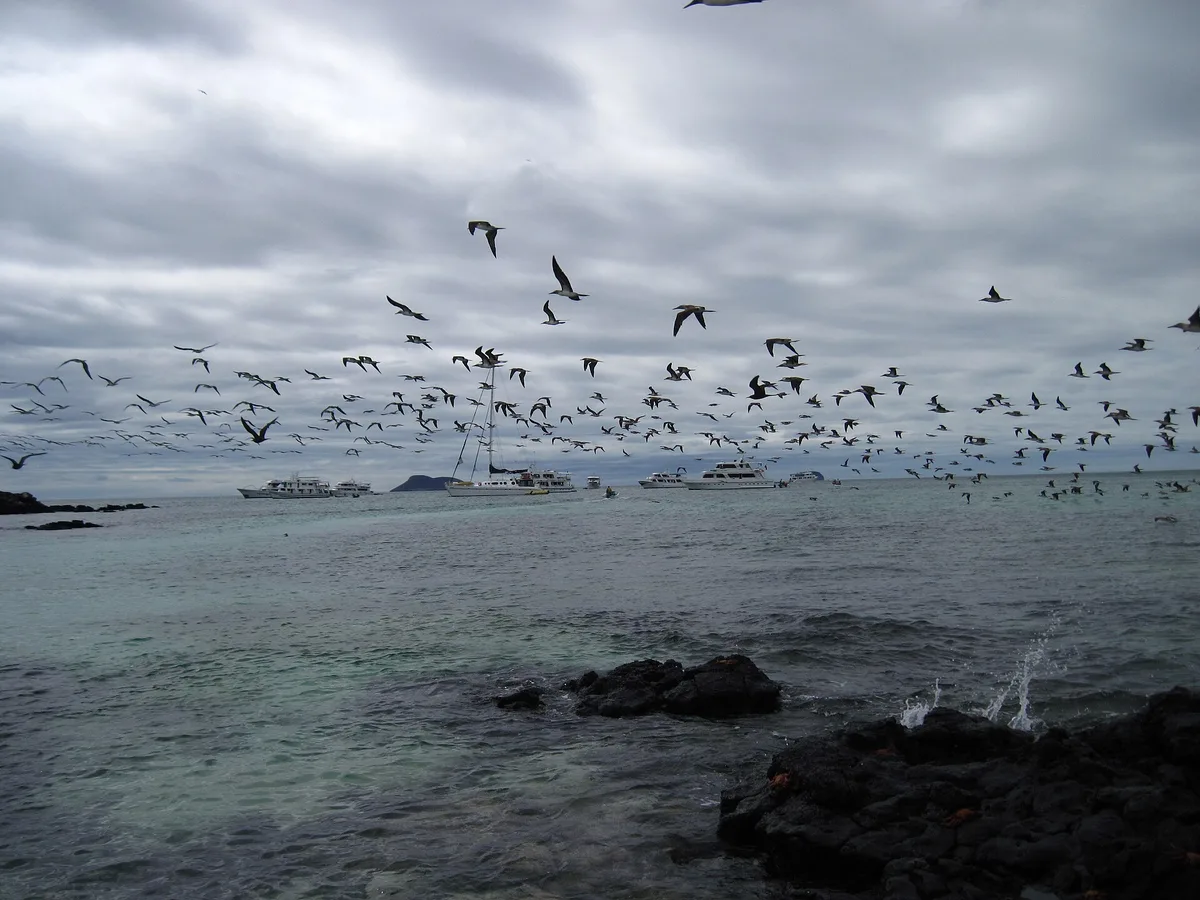
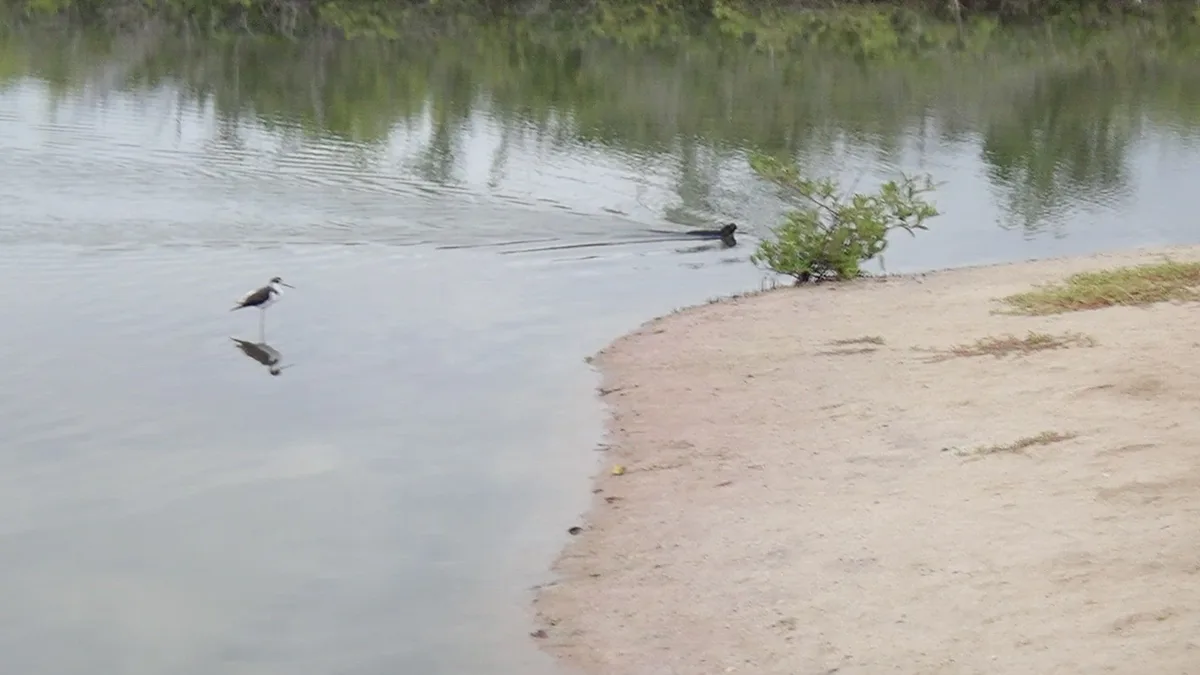
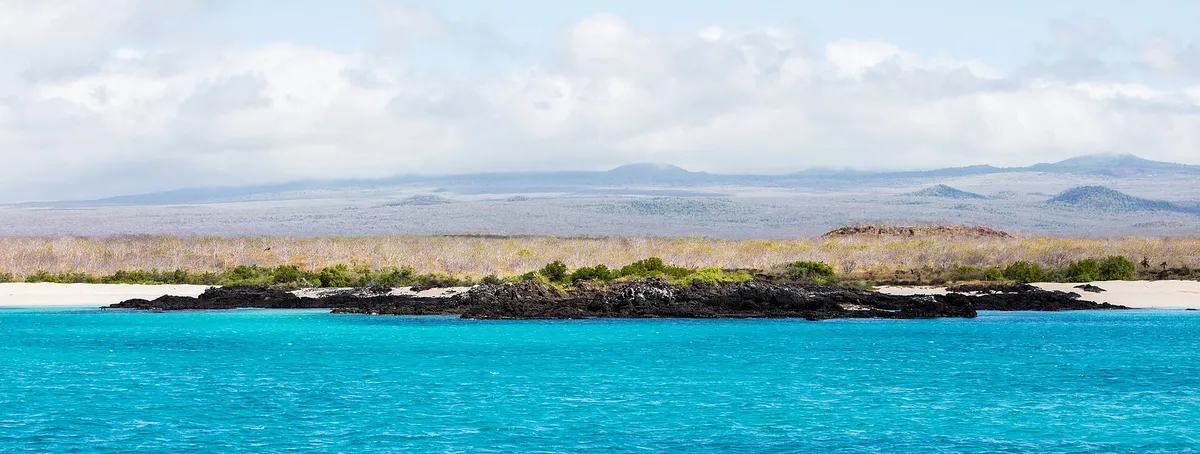
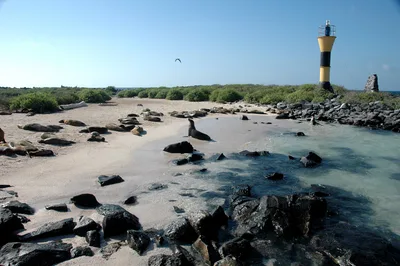
Playa Las Bachas sits on the northern coast of Isla Santa Cruz in the Galápagos Islands, Ecuador — one of the few white-sand beaches in an archipelago better known for volcanic rock. The blue water stretches out toward open ocean, calm enough to wade but wild enough to remind you this is protected Galápagos territory. Flamingos pick through the brackish lagoons just behind the shoreline, and green sea turtles use this beach as a nesting ground, leaving tracks in the white sand at dawn. The vibe is raw and unhurried — no beach bars, no sun-lounger rentals, just the Galápagos as it actually is.
How to get there
Playa Las Bachas is boat-access only — there is no road, no car, and no parking of any kind. Daily boat departures run from Puerto Ayora on Santa Cruz Island or from North Seymour Island; confirm schedules locally before you go. Foreign adult visitors pay a $200 USD Galápagos National Park entry fee, which funds conservation, infrastructure, and community programs; Ecuadorian nationals pay $30 USD, children under 12 pay $100 USD, and children under 2 enter free.
Who it's for
For couples
Las Bachas offers couples a rare kind of quiet — white sand, open blue water, and almost no one else around, with flamingos drifting through the lagoon as a backdrop that no resort can manufacture.
For families
Families with children who are old enough to follow park rules will find Las Bachas genuinely educational — watching real turtle nesting tracks and live flamingos beats any nature documentary, and the entry fee waiver for under-2s eases the cost slightly.
Our take
Las Bachas is not a beach you go to for a swim and a cold drink. It's a protected nesting ground inside one of the world's most tightly regulated national parks, and that's exactly what makes it worth the boat ride. The white sand is pristine because it has to be — green turtles depend on it. The flamingos in the lagoon are wild, not ornamental. Come with the right expectations — patient, respectful, early — and this place delivers something genuinely rare. Come expecting a beach holiday and you'll be confused and underprepared. The $200 USD park fee is the price of entry to an ecosystem that has survived precisely because visitors are managed carefully. Book your boat, pack your own lunch, and arrive at dawn.
What to do
The main draw is simply being here: scanning the white sand for green turtle tracks at first light, watching flamingos wade through the lagoon behind the beach, and exploring the shoreline at your own pace. A short distance away — roughly 1.7 km — Caleta Tortuga Negra (Black Turtle Cove) is a mangrove inlet where sea turtles and rays are regularly spotted from a panga boat, making it a natural extension of a Las Bachas visit. Between the nesting beach and the cove, a single morning can deliver more wildlife than most people see in a week elsewhere.
The flamingo lagoon just behind the beach is the standout frame — pink birds against white sand and blue sky, best captured at sunrise before the light goes flat.
The waterline at low tide, where green turtle tracks cut across unmarked white sand toward the ocean, is a second shot that's genuinely hard to get anywhere else on Earth.
Where to eat
There are no restaurants, kiosks, or food vendors at Playa Las Bachas. Pack everything you need before boarding your boat — treat it like a full-day expedition into the wild.
Where to stay
There is no accommodation at or near Playa Las Bachas itself. Base yourself in Puerto Ayora on Santa Cruz Island and arrange day trips to the beach by boat.
Photography
Shoot at sunrise when the low angle light rakes across the white sand and turtle tracks are freshest — the lagoon behind the beach, with flamingos reflected in still water, is the single best frame on the island. Late afternoon back-light over the blue water also works well, but the wildlife is most active and the beach least visited in the early morning hours.
Good to know
Stay well clear of any turtle nests marked on the sand — nesting activity is protected and disturbance carries serious penalties inside the national park. Do not approach or feed the flamingos; maintain the required distance and keep noise low. There are no facilities on the beach whatsoever, so bring water, food, sun protection, and everything you need for the day. This is a true digital-detox spot — bring offline books, the cell signal fades and there's nowhere to plug in a laptop.
GAMES
🕹️ Five minutes of sand?
Three daily games — including the UV simulator set to this beach.
Map
Nearby places
Caleta Tortuga Negra
GIFT
🎁 Gift this beach
Its exact coastline, your date, your words — on a print or a PDF you print yourself.
Las Bachas Beach
THAT DAY
Las Bachas Beach, Galápagos
© OpenStreetMap contributors
Clean & decorative, or “That day” with the real sky of your date.
Shipping included 3-6 business days
A question before you order? Contact us
Delivered within minutes on the confirmation page and by email: a ZIP with all 4 print sizes (30×40 cm, 12×16″, 50×70 cm, 18×24″), each as a high-resolution PDF and PNG (300 dpi), plus a screen version. Print at home or at any print shop.
Please complete the delivery address.
Please accept the Terms of Sale.
Almost there — the shop opens very soon.
Secure payment · Printed locally in 30+ countries · 7 languages
Frequently asked
The information on this page is provided for guidance only and may evolve. Access conditions, safety and infrastructure can change without notice. Always check official sources before traveling.
Other beaches in the region
Other wild beaches in Ecuador
More beaches in Galápagos
Reviews of this beach
- No reviews yet, what a shame — leave yours and share your experience.
Photo credits
Sources and licenses for the photos shown above.
- Photo 1 — David Stanley from Nanaimo, Canada · source · CC BY 2.0
- Photo 2 — jchification · source · CC BY 2.0
- Photo 3 — James Knitter · source · CC BY-SA 4.0
- Photo 4 — brewbooks · source · CC BY-SA 2.0
- Photo 5 — Diego Delso · source · CC BY-SA 4.0