Gardner BeachEcuador Beach Guide
Wild white sand, sea lions, and zero Wi-Fi
About
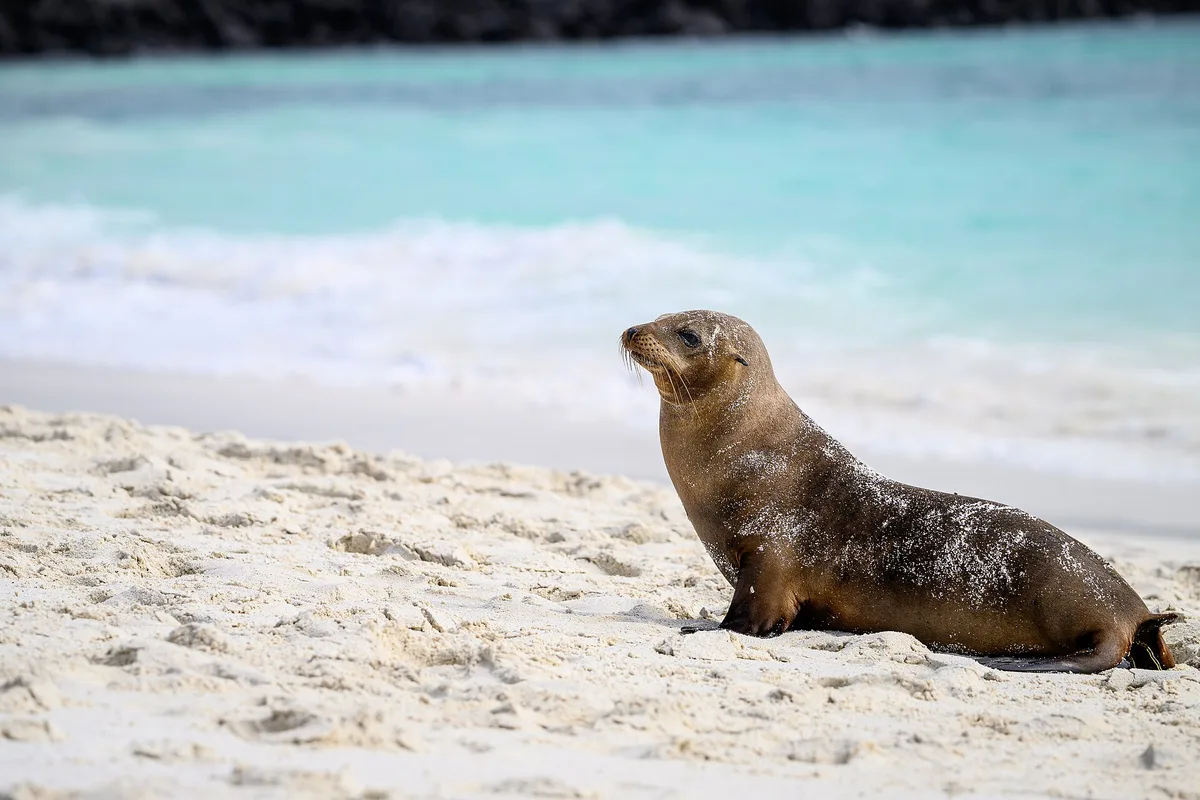
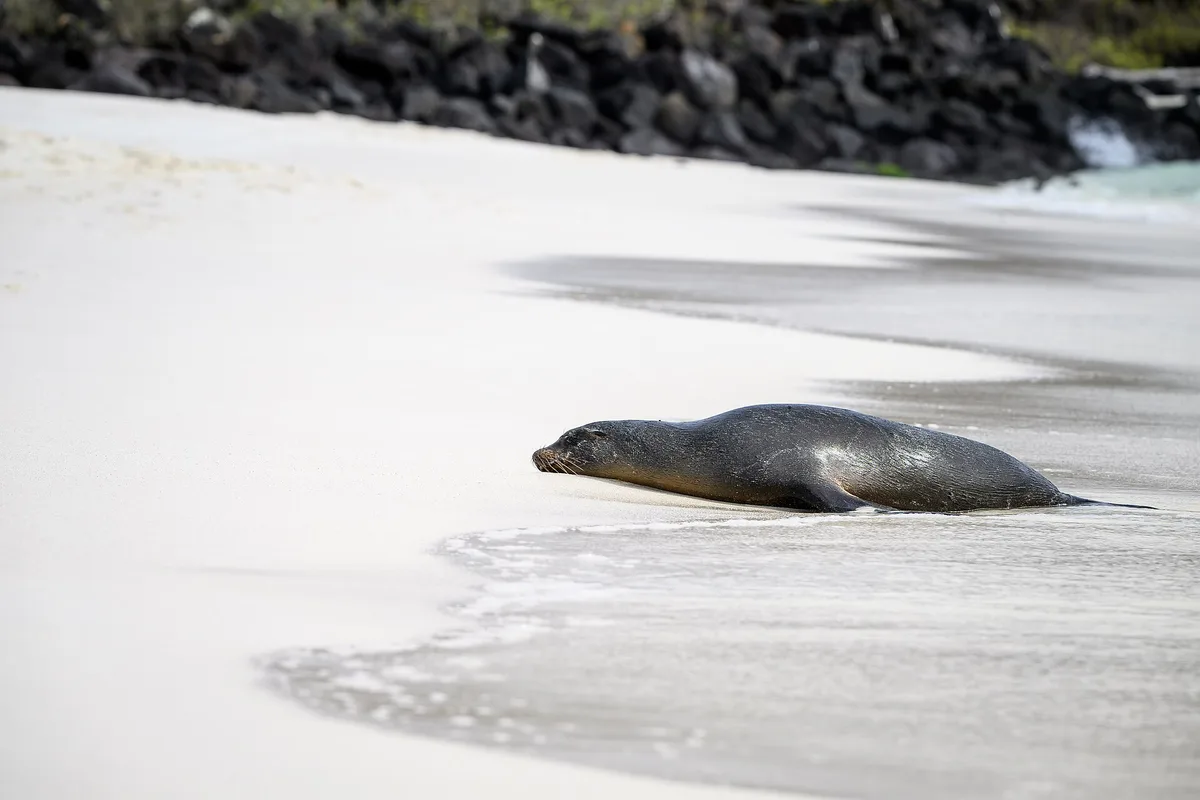
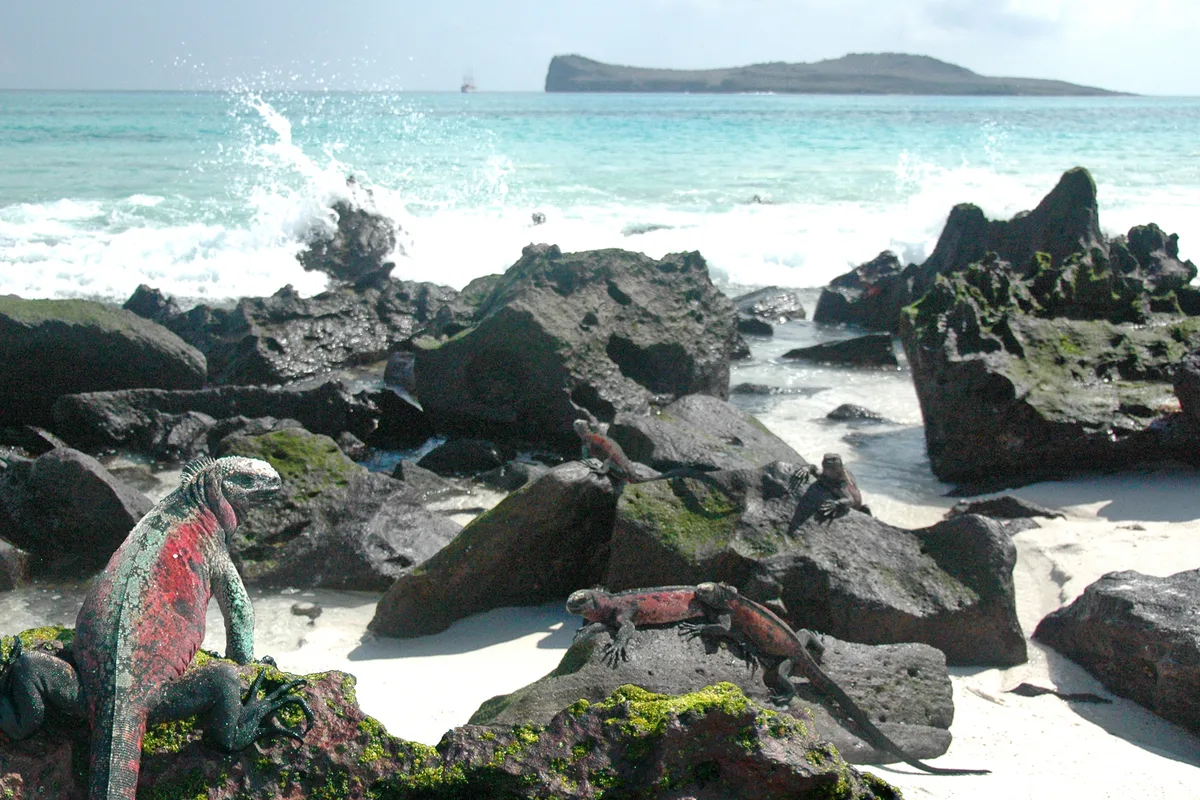
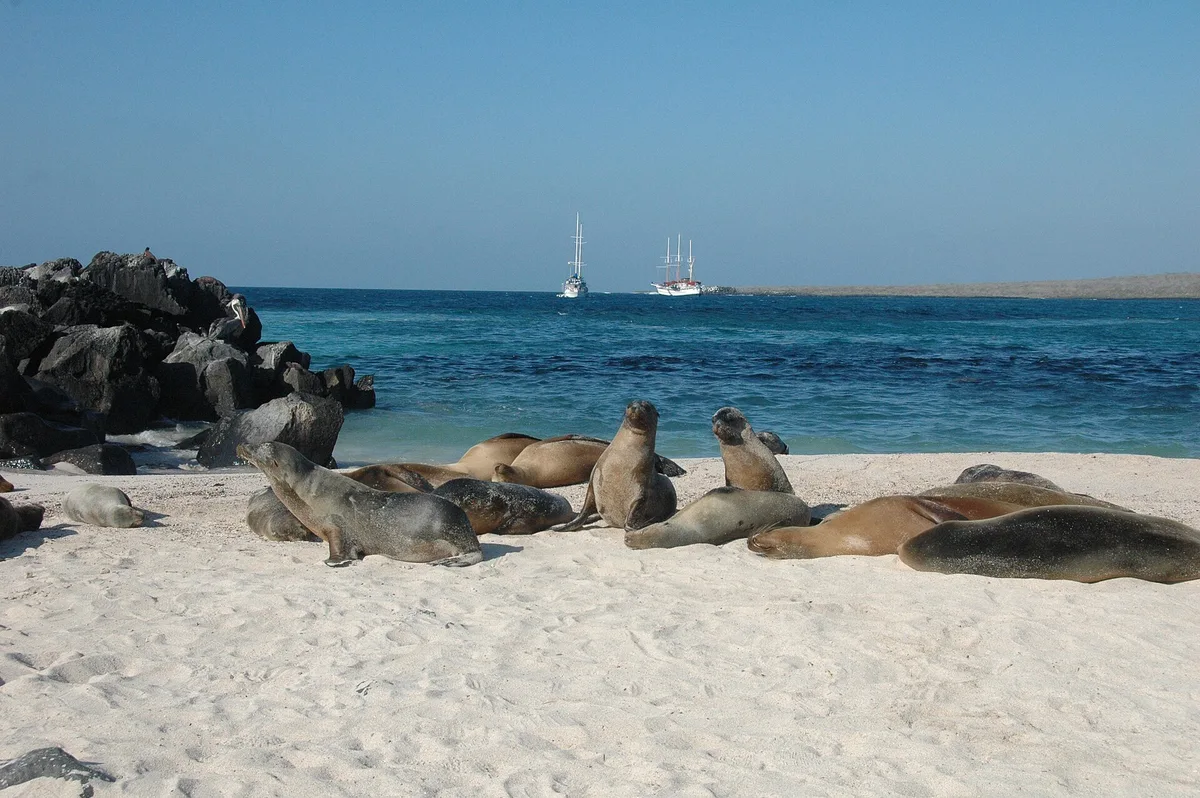
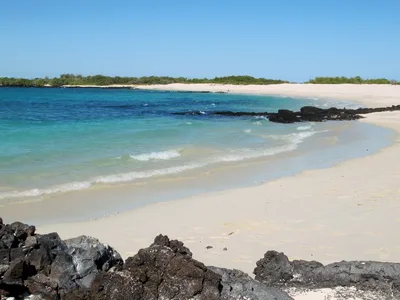
Playa de Gardner sits on Isla Española, the southernmost island of the Galápagos archipelago, reached only by boat across open blue water. The beach stretches in a sweep of white sand that contrasts sharply with the raw volcanic rock framing each end. Blue water laps the shore with a clarity that makes the marine life below almost impossible to ignore — sea lions haul out here as if the beach belongs to them, because in every meaningful sense, it does. The vibe is uncompromisingly wild: no infrastructure, no vendors, no shade structures, just the Galápagos in its rawest form.
How to get there
Playa de Gardner is accessible only by boat — there is no road, no dock you can drive to, and no way to arrive independently without a vessel. Most visitors reach it as part of a guided day-trip or live-aboard cruise departing from San Cristóbal, where San Cristóbal Airport (SCY) is the primary entry point, roughly 49 km away by sea. All visits to Española must be accompanied by a licensed Galápagos National Park naturalist guide. Come prepared: there are no facilities on shore.
Who it's for
For couples
For couples who want a shared sense of awe rather than a resort pool, Gardner delivers — the isolation, the wildlife, and the blue water snorkeling create a genuinely rare experience that no beach bar can replicate.
For families
Families with older children who can follow strict wildlife rules and handle a boat journey will find Gardner extraordinary, but the no-touching regulations and proximity to sea lions and reef sharks mean it demands responsible, attentive supervision throughout.
Our take
Playa de Gardner is not a beach you visit to relax on a sun lounger — it's a beach you visit because the Galápagos is one of the few places on Earth where wildlife simply ignores you. The white sand and blue water are genuinely striking, but the sea lions own this place and the National Park rules exist for good reason: keep your distance, keep your hands to yourself, and watch where you step in the shallows. The boat-only access and mandatory guide requirement filter out casual visitors, which is exactly why the experience feels so intact. Pair it with Punta Suarez on the same day if your itinerary allows — the two together make Española one of the most rewarding stops in the archipelago. Worth every minute of the journey.
What to do
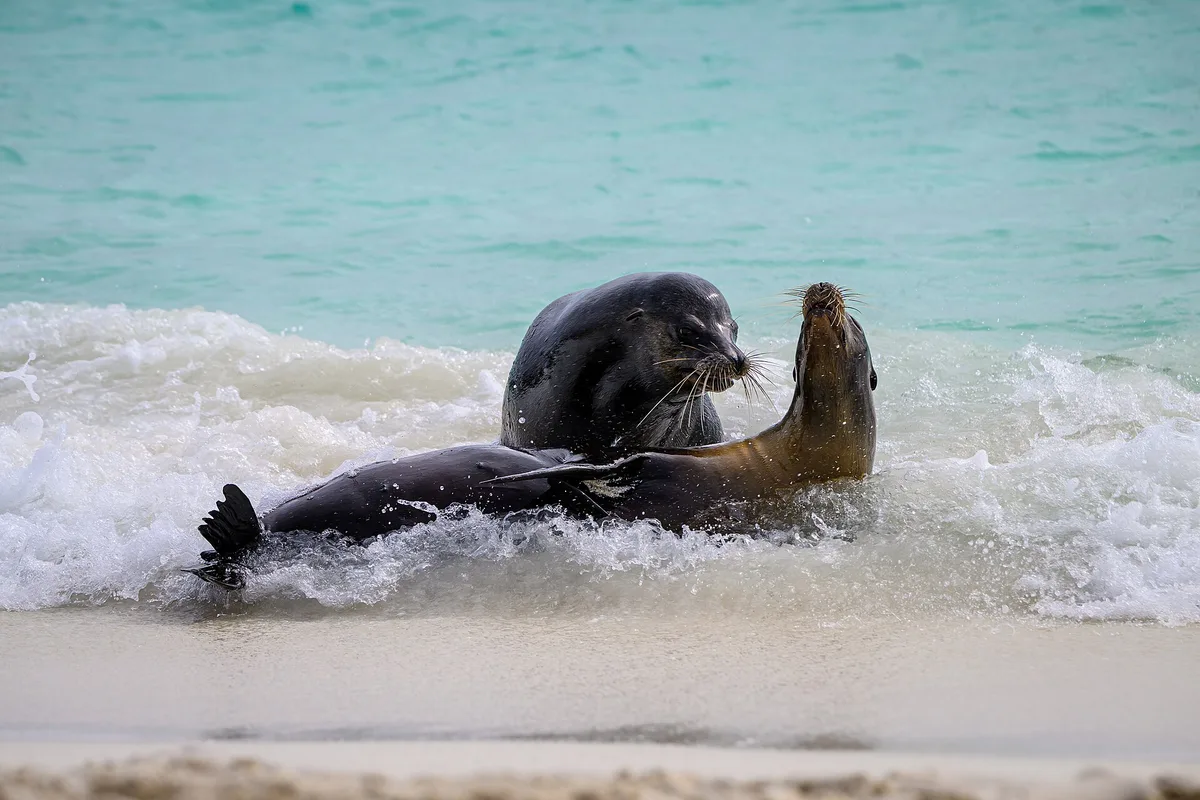
Snorkeling is the headline activity: the blue water around Gardner is home to sea lions, rays, and white-tipped reef sharks, making every session feel like a wildlife documentary. On land, watching the sea lion colony go about its business — pups nursing, bulls posturing, juveniles playing in the surf — is an experience in itself. If your tour itinerary allows, the nearby Punta Suarez (9.5 km, rated 4.9 out of 5) is one of the finest wildlife-watching points in the entire archipelago and pairs naturally with a Gardner visit.
The sea lion colony at the waterline — especially pups — against the white sand and blue water is the defining shot.
The volcanic rock formations at the beach's edges offer dramatic natural framing for wide-angle bay compositions.
Where to eat
There are no restaurants, kiosks, or food vendors at Playa de Gardner. Bring everything you need from your boat or pack a lunch before departure — the beach offers nothing beyond sand, wildlife, and open sky.
Where to stay
There is no accommodation on Isla Española. Visitors either return to San Cristóbal after a day-trip or stay aboard a live-aboard cruise vessel anchored in the area.
Photography
Shoot early in the morning when the low equatorial sun rakes across the white sand and the sea lions are most active near the waterline — the contrast between the animals, the sand, and the blue water is at its sharpest then. The rocky volcanic outcrops at each end of the beach make strong foreground frames for wide shots of the bay.
Good to know
Maintain a safe distance from sea lions at all times — adult males in particular can be aggressive and move faster than you expect. Touching any animal in the Galápagos is strictly forbidden by law, no exceptions. Watch where you step in the shallows: scorpionfish are rarely seen but their stingers are dangerous if you make contact. White-tipped reef sharks and rays share the water with snorkelers, so stay calm and observant. This is a true digital-detox destination — bring offline books, cell signal fades completely and there is nowhere to plug anything in.
GAMES
🕹️ Five minutes of sand?
Three daily games — including the UV simulator set to this beach.
Map
Nearby places
Punta Suarez
GIFT
🎁 Gift this beach
Its exact coastline, your date, your words — on a print or a PDF you print yourself.
Gardner Beach
THAT DAY
Gardner Beach, Galápagos
© OpenStreetMap contributors
Clean & decorative, or “That day” with the real sky of your date.
Shipping included 3-6 business days
A question before you order? Contact us
Delivered within minutes on the confirmation page and by email: a ZIP with all 4 print sizes (30×40 cm, 12×16″, 50×70 cm, 18×24″), each as a high-resolution PDF and PNG (300 dpi), plus a screen version. Print at home or at any print shop.
Please complete the delivery address.
Please accept the Terms of Sale.
Almost there — the shop opens very soon.
Secure payment · Printed locally in 30+ countries · 7 languages
Frequently asked
The information on this page is provided for guidance only and may evolve. Access conditions, safety and infrastructure can change without notice. Always check official sources before traveling.
Other beaches in the region
Other wild beaches in Ecuador
More beaches in Galápagos
Reviews of this beach
- No reviews yet, what a shame — leave yours and share your experience.
Photo credits
Sources and licenses for the photos shown above.
- Photo 1 — Enoch Leung from Canada · source · CC BY-SA 4.0
- Photo 2 — Enoch Leung from Canada · source · CC BY-SA 4.0
- Photo 3 — Enoch Leung from Canada · source · CC BY-SA 4.0
- Photo 4 — David Broad · source · CC BY 3.0
- Photo 5 — David Broad · source · CC BY 3.0