Caleta Iguana BeachEcuador Beach Guide
Black volcanic sand, Galápagos wildlife, zero roads
About
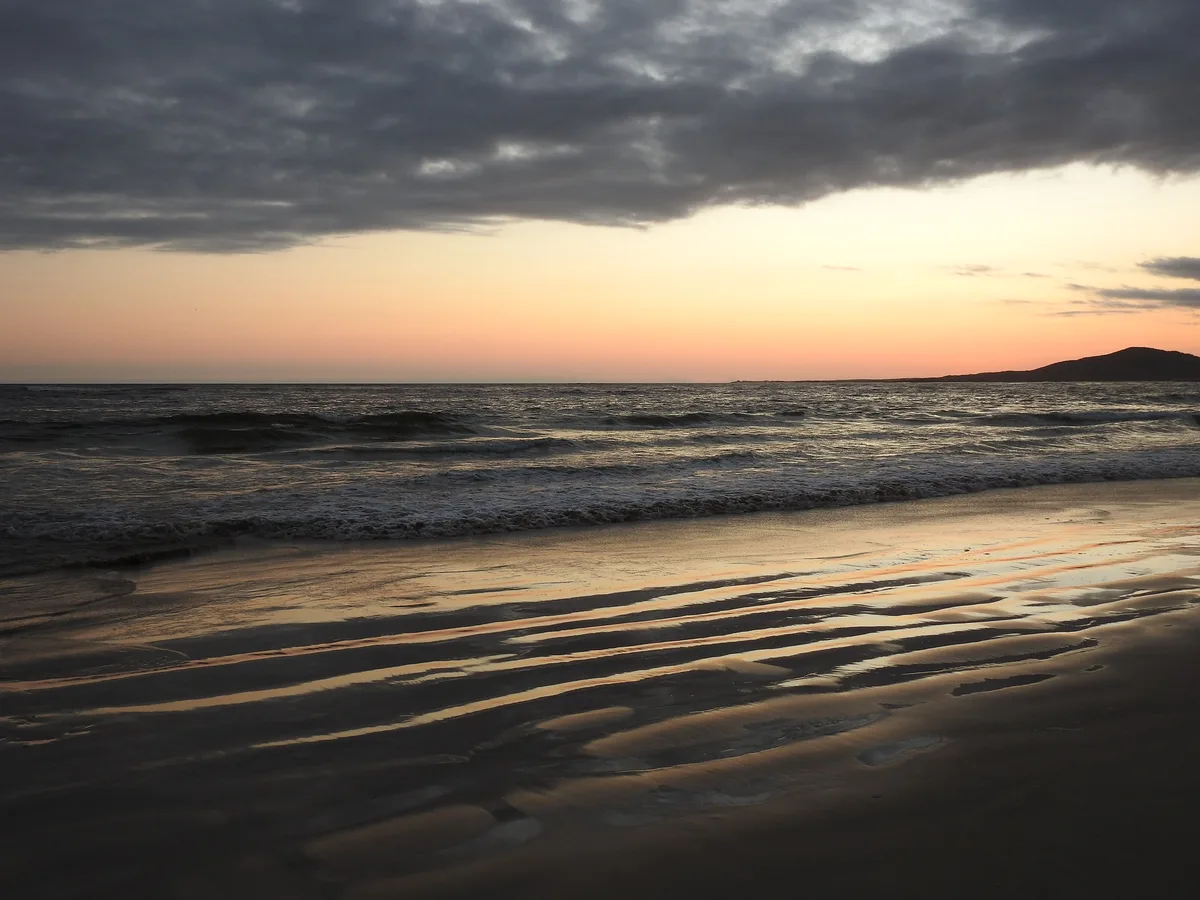
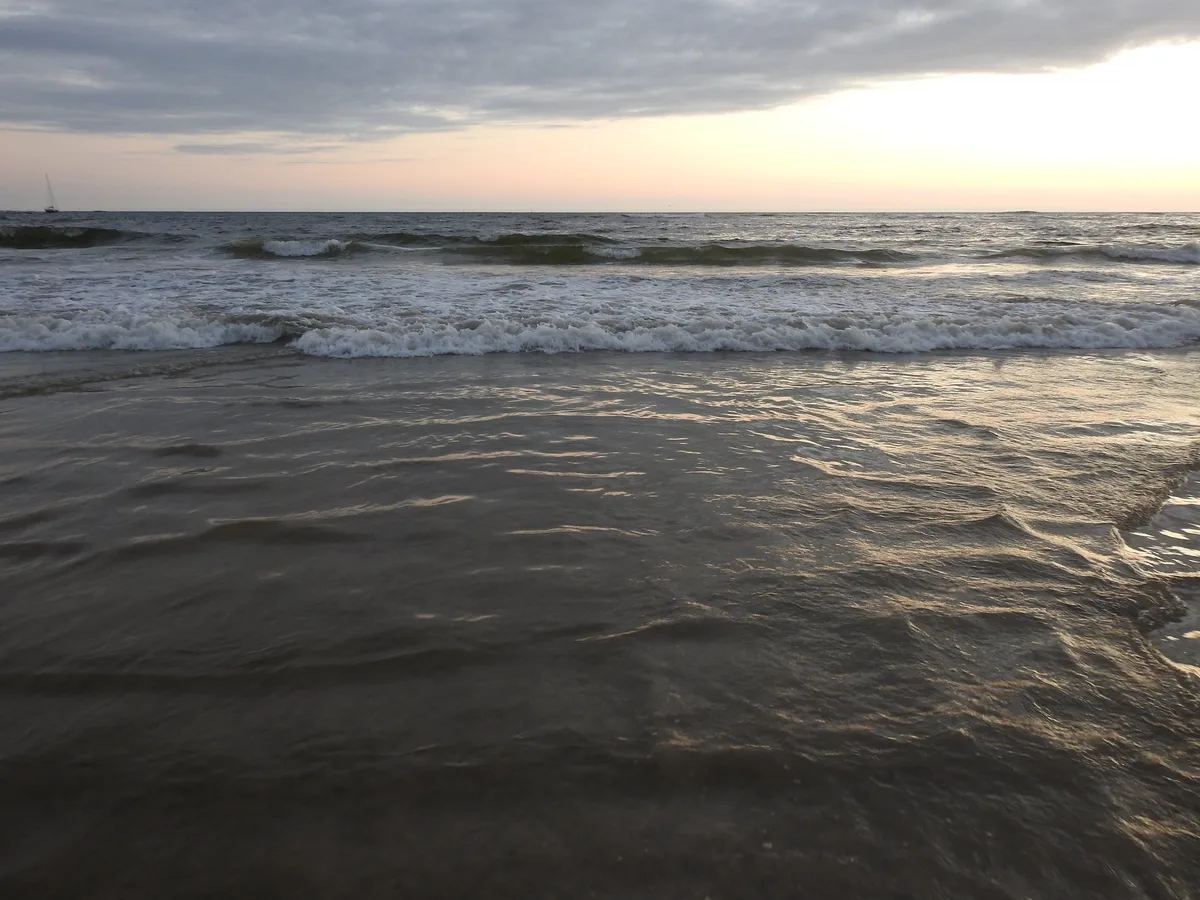
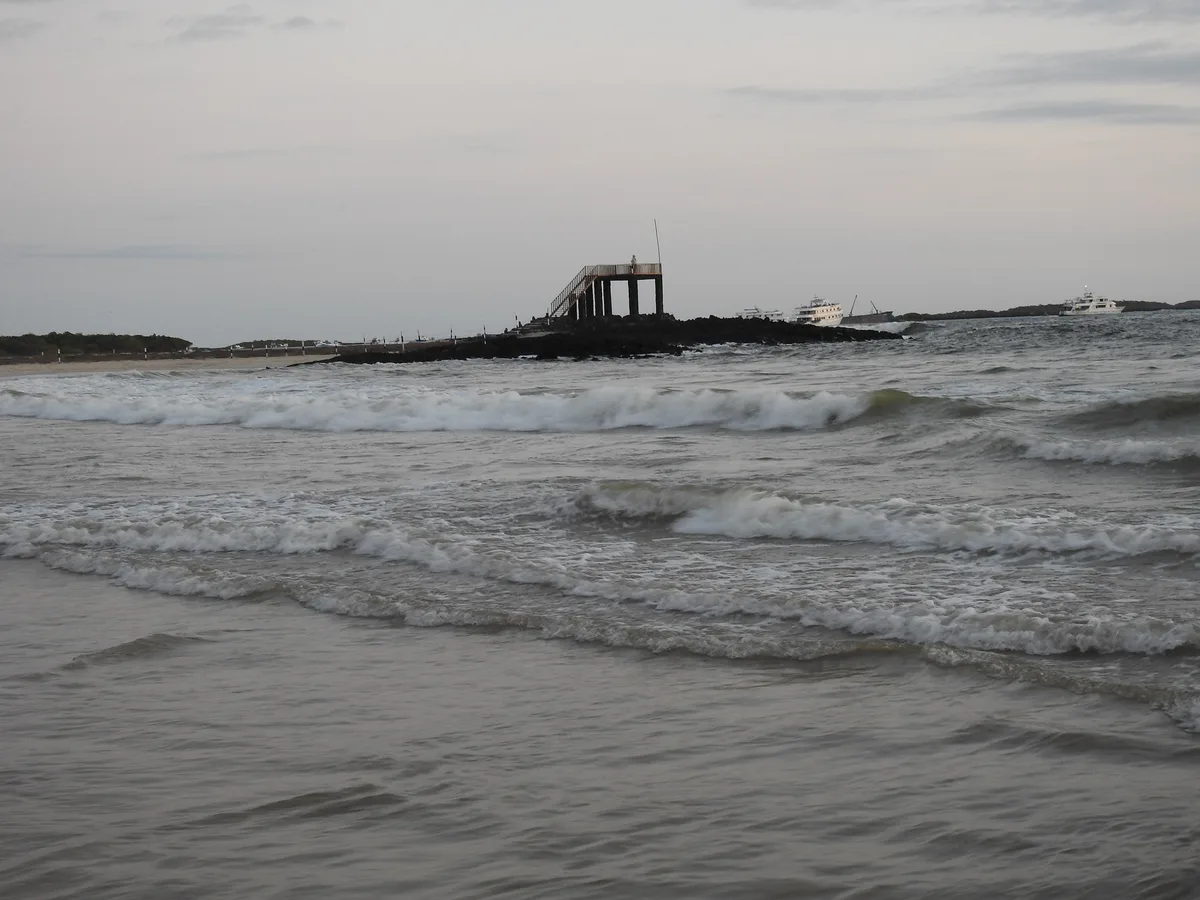
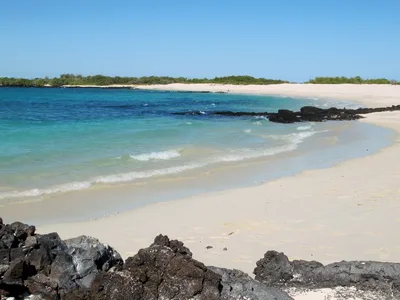
Playa de Caleta Iguana sits on Las Tintoreras, a raw volcanic islet off Isabela Island in the Galápagos archipelago. The beach is a strip of black sand formed by ancient lava flows, edged by crystal-clear water that reveals the geological youth of these islands. Penguins and flightless cormorants treat the shoreline as their own — you are the visitor here, not the other way around. The vibe is genuinely wild: no infrastructure, no vendors, no noise beyond the wind and the sea. It's one of the few places on Earth where you share a beach with Galápagos penguins at the equator.
How to get there
Playa de Caleta Iguana is reachable only by boat — there is no road, no bridge, and no land route of any kind. Depart from Puerto Villamil, the nearest village, which sits effectively at 0 km from the embarkation point. Arrange a guided boat excursion through a licensed Galápagos operator, as independent access to Las Tintoreras is regulated by the Galápagos National Park. There is no parking of any kind — the journey begins and ends on the water.
Who it's for
For couples
The remoteness and the sheer strangeness of sharing a black-sand beach with Galápagos penguins creates an experience that feels genuinely rare — a boat excursion here is a memorable shared adventure rather than a standard beach day.
For families
Families with older children who can follow strict wildlife-distance rules will find the guided boat trip to Las Tintoreras genuinely educational; younger children need close supervision on uneven volcanic terrain with no facilities on site.
Our take
Playa de Caleta Iguana is not a beach you go to for a swim and a sunbathe — it's a wildlife encounter on volcanic ground, and that distinction matters before you book. Swimming conditions are undocumented and the site is a protected National Park zone, so treat the water as a backdrop rather than a destination. What you do get is extraordinary: black sand, crystal-clear water, and Galápagos penguins at the equator, on an islet with no roads and no concessions. The boat-only access keeps visitor numbers in check, and the mandatory guide requirement means you'll actually understand what you're looking at. Go in the dry season (May to October) for the most reliable crossing conditions. This is one of the Galápagos' quieter entry points — raw, regulated, and worth every logistical hoop.
What to do
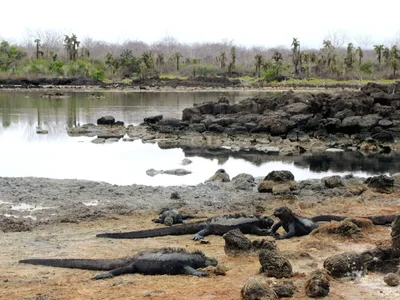
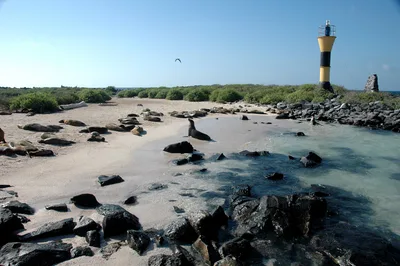
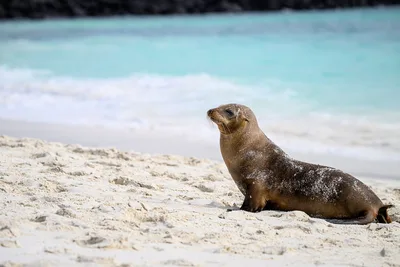
The islet itself is the main event — look for Galápagos penguins perched on black lava rocks and flightless cormorants drying their wings along the shoreline. Back in Puerto Villamil, the Isabela Sign is a popular landmark worth a quick stop, about 0.4 km from the village centre. Poza Puerta del Jelí, a natural tidal pool area roughly 0.3 km away, offers another window into the island's coastal ecosystem. Casa Rosada, right in the village, rounds out the local cultural options.
The black sand shoreline with penguins perched on lava outcrops is the defining shot — go wide to capture the volcanic texture against the clear water.
The jagged lava coastline itself, shot at low angle in early morning light, shows the raw geological drama of the Galápagos in a single frame.
Where to eat
After returning from the islet, Puerto Villamil has a solid handful of options within easy walking distance. Booby Trap is right at the dock, while The Beach Restaurante, Pan & Vino, and The Mangrove are all within 0.2 km — a short stroll along the waterfront. If you're after something different, Aloha Betsy serves sushi just 0.2 km away.
Where to stay
Puerto Villamil keeps accommodation close and low-key. Volcano, Mi Playa Vacation Rental, and Drake Inn are all within 0.1 km of the village centre, putting you steps from the embarkation point. Sierra Negra and Casita de la Playa are slightly further at 0.3 km, still an easy walk to the boats.
Photography
The contrast of jet-black volcanic sand against crystal-clear water is most striking in the soft light of early morning — arrive on the first boat out for the best angle before the equatorial sun flattens the shadows. Penguins and cormorants on the lava shoreline make for compelling wildlife frames; shoot low and slow, keeping the mandatory distance, and let the animals fill the foreground against the dark rock.
Good to know
Visit during the dry season (May to October) for calmer seas and better wildlife-watching conditions; the wet season (November to April) brings rougher swells and heavier rain. This is a protected Galápagos National Park site — stay on marked paths, keep a respectful distance from all wildlife, and never touch or feed the animals. Bring everything you need: there are no facilities, no fresh water, and no food vendors on the islet. A licensed guide is required for the excursion, so book in advance through a registered operator in Puerto Villamil.
GAMES
🕹️ Five minutes of sand?
Three daily games — including the UV simulator set to this beach.
Map
Nearby places
Booby Trap
Aloha Betsy
The Beach Restaurante
Pan & Vino
The Mangrove
Volcano
Mi Playa Vacation Rental
Drake Inn
Sierra Negra
Casita de la Playa
GIFT
🎁 Gift this beach
Its exact coastline, your date, your words — on a print or a PDF you print yourself.
Caleta Iguana Beach
THAT DAY
Caleta Iguana Beach, Galápagos
© OpenStreetMap contributors
Clean & decorative, or “That day” with the real sky of your date.
Shipping included 3-6 business days
A question before you order? Contact us
Delivered within minutes on the confirmation page and by email: a ZIP with all 4 print sizes (30×40 cm, 12×16″, 50×70 cm, 18×24″), each as a high-resolution PDF and PNG (300 dpi), plus a screen version. Print at home or at any print shop.
Please complete the delivery address.
Please accept the Terms of Sale.
Almost there — the shop opens very soon.
Secure payment · Printed locally in 30+ countries · 7 languages
Frequently asked
The information on this page is provided for guidance only and may evolve. Access conditions, safety and infrastructure can change without notice. Always check official sources before traveling.
Other beaches in the region
Other wild beaches in Ecuador
More beaches in Galápagos
Reviews of this beach
- No reviews yet, what a shame — leave yours and share your experience.
Photo credits
Sources and licenses for the photos shown above.
- Photo 1 — maciekgh · source · Public Domain
- Photo 2 — maciekgh · source · Public Domain
- Photo 3 — maciekgh · source · Public Domain