Santa María del Mar BeachSpain Beach Guide
Golden sands, tidal island, and blue-flag calm on Asturias
 🎁 Gift idea: the star map of your most beautiful night↓
About
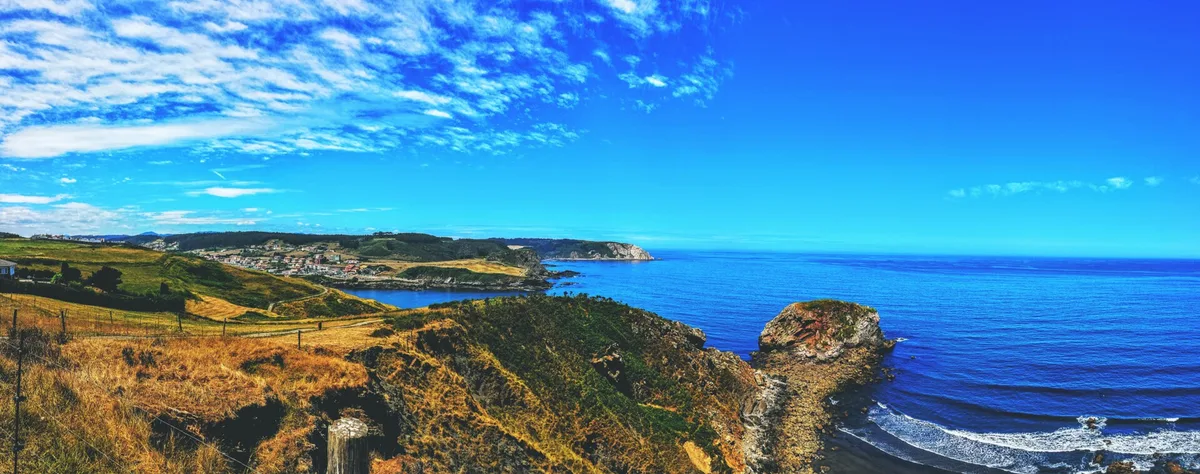
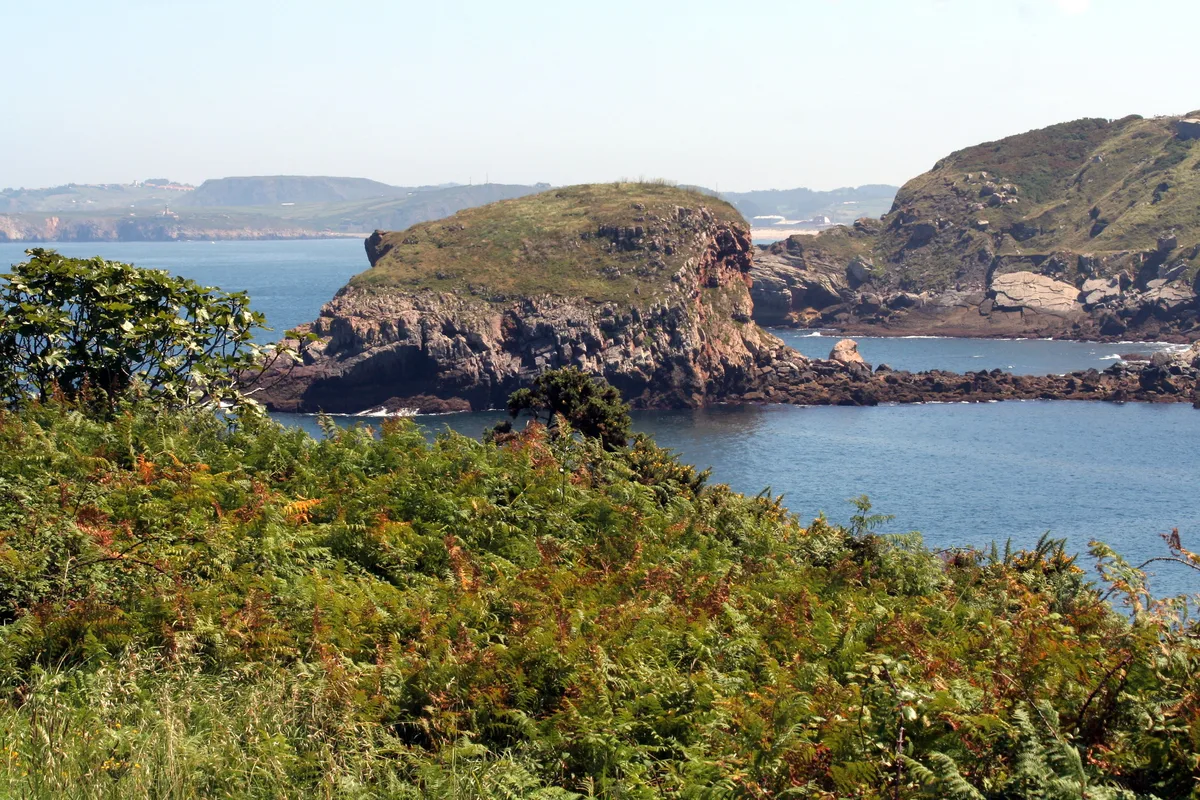
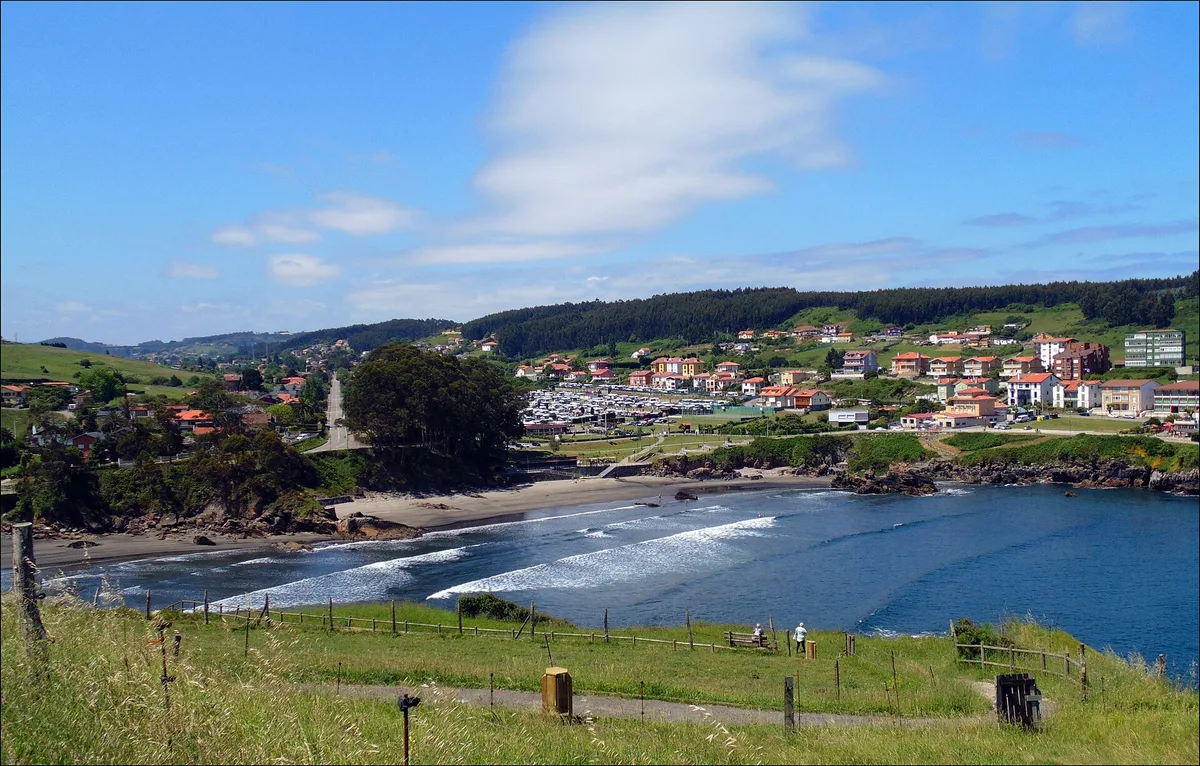
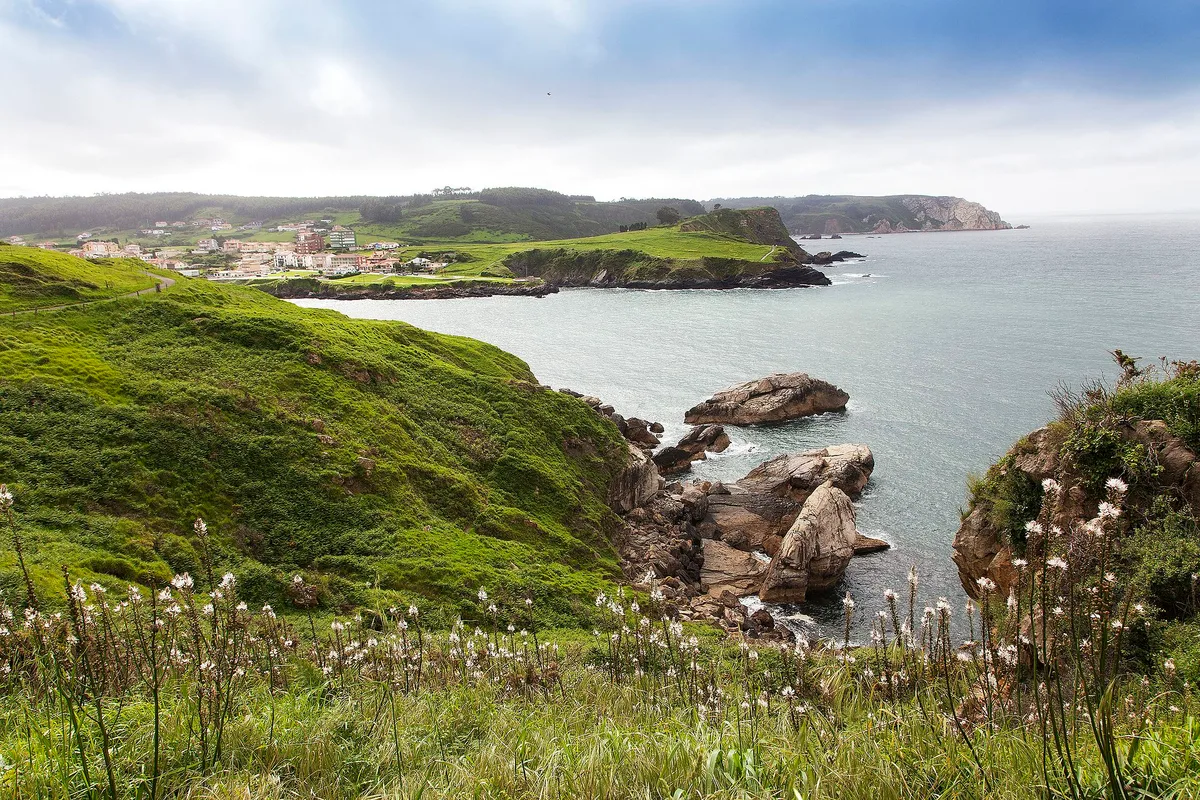
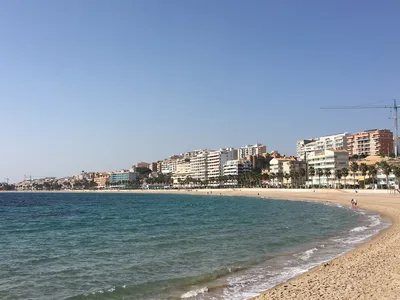
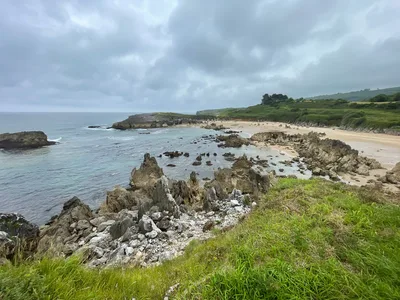
Playa de Santa María del Mar stretches roughly 300 metres along the Asturias coast near Avilés, its golden sand meeting the grey Atlantic in a wide, unhurried arc. The beach earns its Blue Flag year after year, which tells you everything about water quality and on-site standards. At low tide, the real showstopper appears: Isla La Ladrona rises from the shallows, a tidal island you can actually walk to. It's a family-friendly spot with moderate visitor numbers — busy enough to feel lively in summer, calm enough to breathe. The N-632 road runs close by, making it one of the most accessible beaches on this stretch of coast.
How to get there
Take the N-632 road directly to the beach — it's the easiest approach and well-signed from the Avilés area. More than 100 public parking spaces sit right by the beach, so arriving by car is straightforward even on summer weekends. There's no entry fee to access the beach itself. Once parked, it's a short walk down to the sand.
Who it's for
For couples
The tidal island walk at low tide makes for a genuinely memorable afternoon together — there's something quietly dramatic about crossing to Isla La Ladrona as the sea retreats around you. Pair it with dinner at La Chalana Seafood Restaurant for a complete Asturian evening.
For families
The Blue Flag status, safe swimming, easy parking, and the novelty of walking to a tidal island tick every family box. Kids will love timing the tide to reach Isla La Ladrona — just plan your visit around low tide and keep the crossing window in mind.
Our take
Playa de Santa María del Mar is a reliably good beach — not flashy, but it delivers. The Blue Flag is earned, the golden sand is wide, swimming is safe, and the tidal island gives it a feature most beaches simply don't have. It's the kind of place where families return every summer without needing to justify it. Come between June and September, check the tide tables before you go anywhere near Isla La Ladrona, and stay well clear in winter when the Atlantic turns serious. The surrounding area — Avilés, Salinas, the anchor museum — means you're never short of reasons to linger for a day or two.
What to do
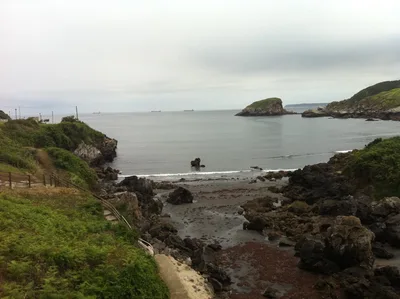
The obvious first move is walking out to Isla La Ladrona at low tide — the islet hosts bird species and coastal flora worth exploring up close, and it's only 0.5km from the beach. If you want more coastline, Playa Salinas is just 3.1km away and rated 4.7 out of 5 by visitors. History lovers can make the short trip to the Philippe Cousteau Anchor Museum in nearby Salinas, dedicated to anchors and maritime heritage, or head further to the well-preserved Historic Center of Avilés with its notable architecture.
The low-tide crossing to Isla La Ladrona is the hero shot — walk out and turn back toward the beach for a wide-angle frame with golden sand and grey sea.
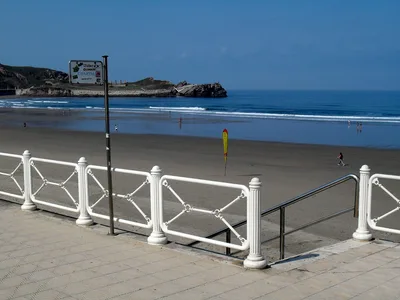
The full beach arc photographed from the water's edge at sunrise rewards patience with soft northern light. The Blue Flag pole against the Atlantic horizon makes a clean, minimal shot that captures the beach's character in one frame.
Where to eat
For a proper Asturian meal after the beach, La Luna is the closest option at 3.6km and holds a strong 4.4 out of 5 across over 6,000 reviews. La Chalana Seafood Restaurant is worth the 5.8km drive if you want fresh seafood done right. Sidrería Tierra Astur Avilés, also 6.1km away, is the place to try traditional Asturian cider alongside hearty regional dishes.
Where to stay
Palacio de Avilés, Affiliated by Meliá sits 6.2km from the beach and scores 4.5 out of 5 — a polished base with easy access to both the coast and Avilés city. Hotel Palacio de la Magdalena offers the same strong 4.5 rating at 7.5km. If a spa day sounds appealing after a long beach session, URH Zen Balagares Hotel & Spa is 8.7km away.
Photography
The best shot on this beach is the low-tide walk to Isla La Ladrona — arrive at golden hour in the morning when the grey Atlantic catches the light and the island floats in the mist behind you. For a wider landscape frame, shoot from the waterline looking back toward the full kilometre of golden sand with the N-632 road bridge in the background.
Good to know
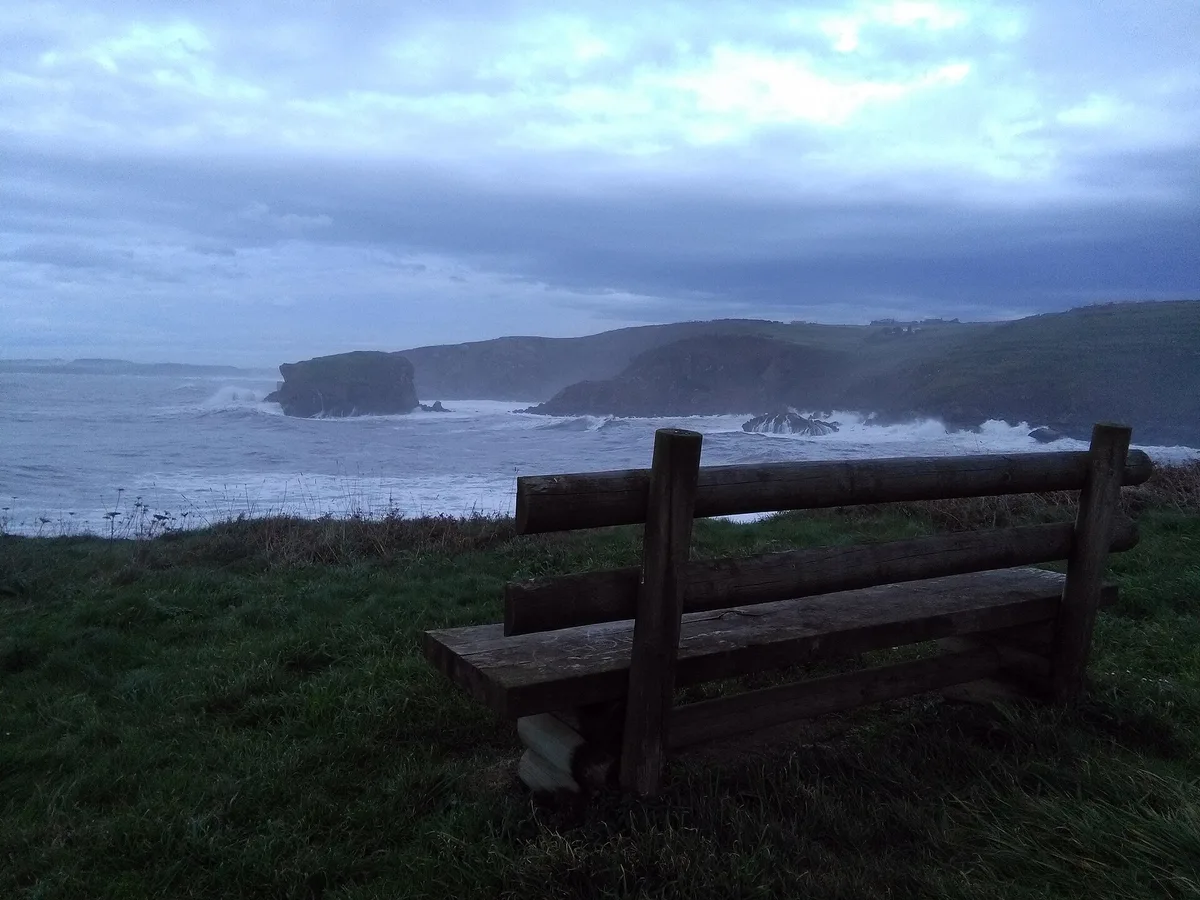
Visit between June and September for the best conditions — water temperatures are reasonable and seas are calm. Avoid November through February: cold water and rough seas make the beach uncomfortable and swimming inadvisable. Always check tide times before attempting to walk out to Isla La Ladrona — the causeway disappears at high tide and you don't want to be stranded. Swimming is rated safe here, but respect the sea conditions on any given day and keep an eye on younger swimmers near the tidal island crossing.
GAMES
🕹️ Five minutes of sand?
Three daily games — including the UV simulator set to this beach.
Map
Nearby places
Sidrería Tierra Astur Avilés
La Luna
La Chalana Seafood Restaurant
El mesonin de Tere
Parrilla - Sidrería Los Sauces
Hotel Palacio de la Magdalena
URH Zen Balagares Hotel & Spa
Palacio de Avilés, Affiliated by Meliá
Hotel La Serrana
Hotel Playa de Aguilar
Playa Salinas
Area recreativa Senda de los Miradores
Letras de Cudillero
Isla de la Ladrona
Philippe Cousteau Anchor Museum
Historic Center of Avilés
Things to see around Castrillón
Isla de la Ladrona
Islet accessible at low tide with bird species and flora.
Philippe Cousteau Anchor Museum
Museum dedicated to anchors and maritime history in nearby Salinas.
Historic Center of Avilés
Well-preserved historic city center with notable architecture.
GIFT IDEA · MARCEL ET LES BLONDES
🎁 Give a moment, not a thing

What’s the occasion?
 💑 Dating anniversaryTwo dates, two starry skies
 💍 Wedding anniversaryCotton, silver, golden…
 🎂 BirthdayTheir own newspaper front page
 👶 New babyThe stars on the day they were bornValentine’s DayOur two moons, as a print
Shipping €5, free from €49 · made to order, shipped within 48 hAlso: our engraved wooden bracelets, €23.90 →
Frequently asked
The information on this page is provided for guidance only and may evolve. Access conditions, safety and infrastructure can change without notice. Always check official sources before traveling.
Nearest beaches
Other family beaches in Spain
More beaches in Asturias
Reviews of this beach
- No reviews yet, what a shame — leave yours and share your experience.
Photo credits
Sources and licenses for the photos shown above.
- Photo 1 — Pitufin627 · source · CC BY 3.0
- Photo 2 — Martín Vicente, M. · source · CC0 1.0
- Photo 3 — Pelaganso · source · CC BY 2.0
- Photo 4 — María García Rivas · source · CC BY-SA 4.0
- Photo 5 — Gema Sánchez González · source · CC BY-SA 4.0
- Photo 6 — Rocío Morgade Fernández · source · CC BY-SA 4.0